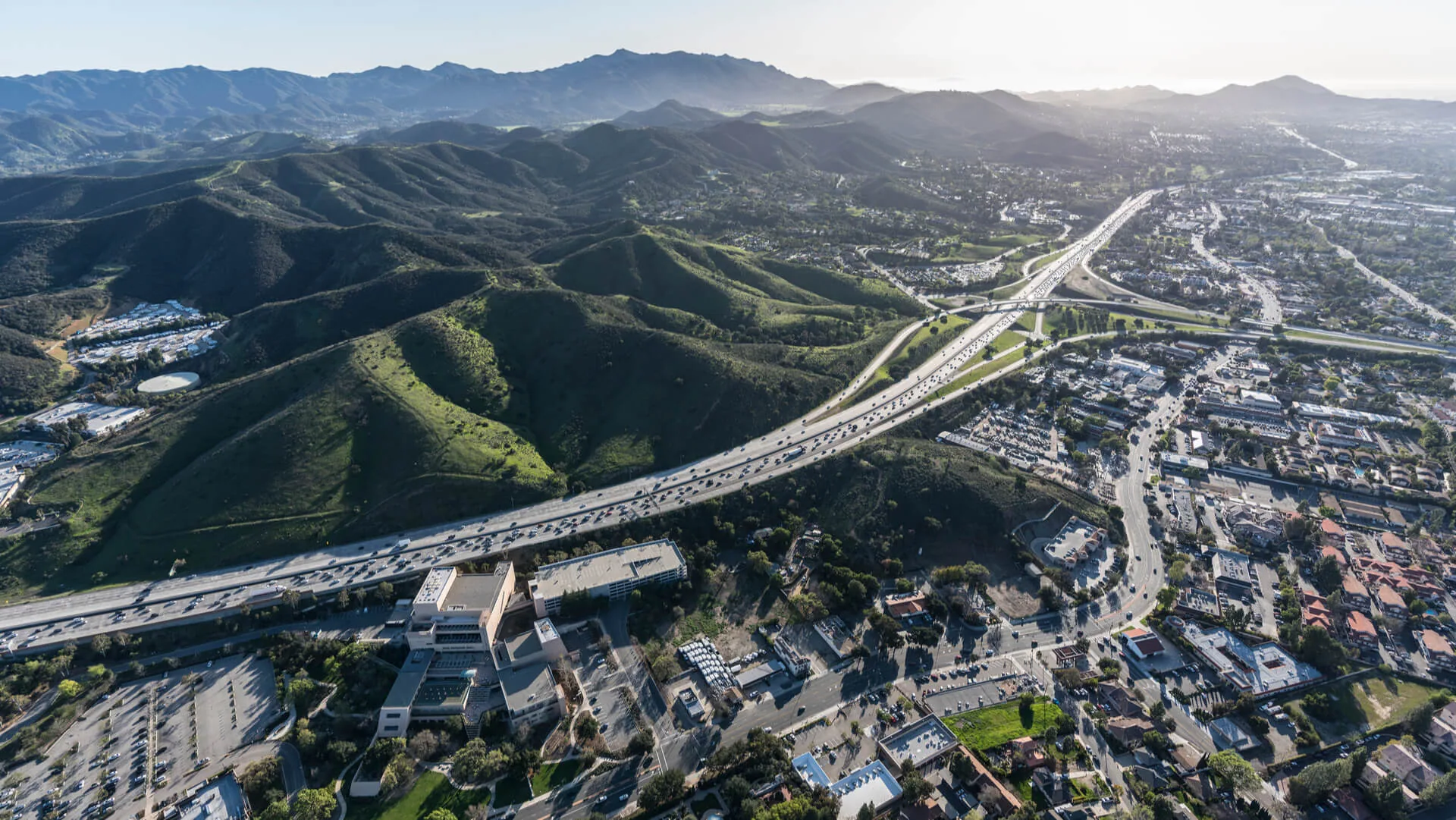
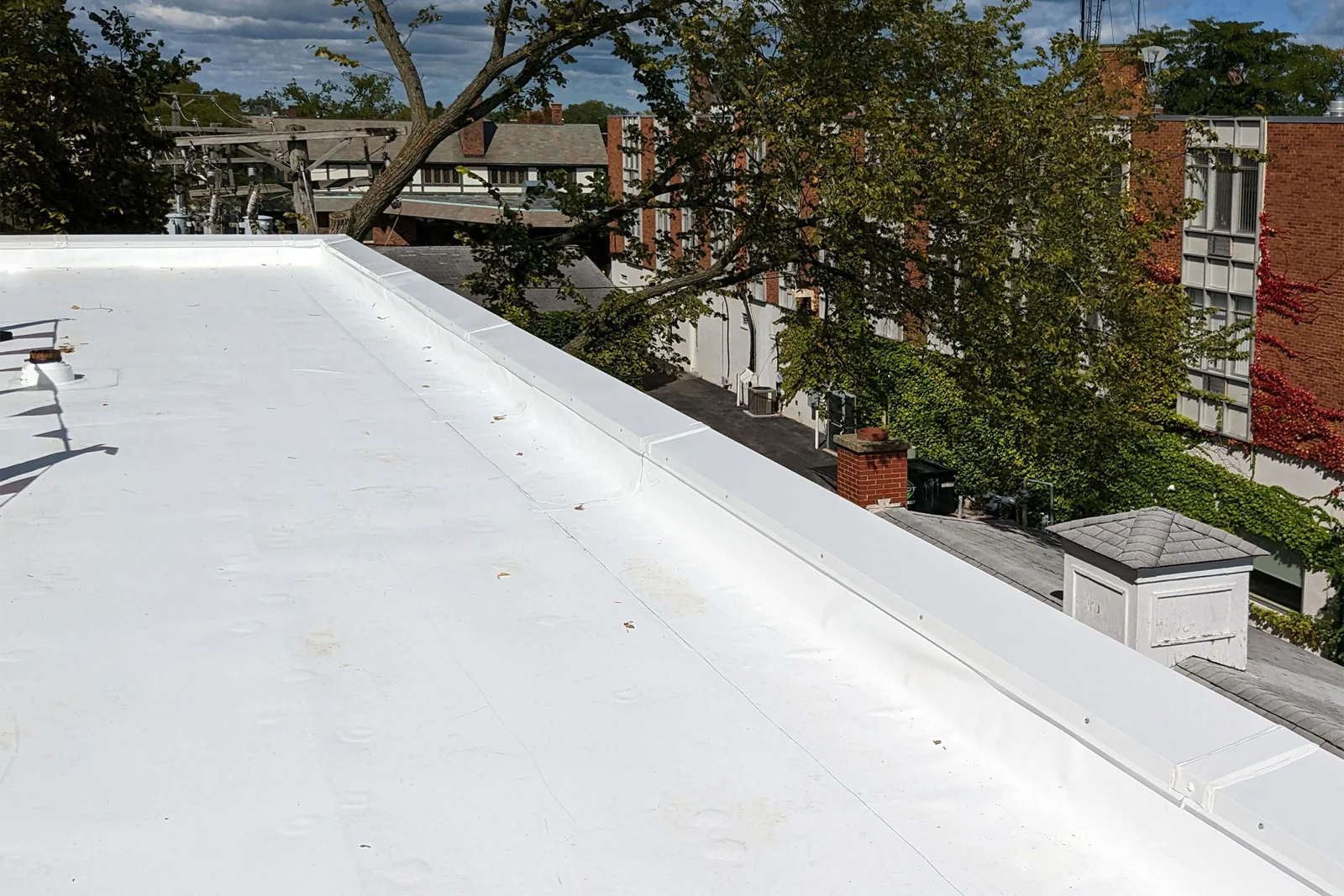
Site walk summary: three rooftop units on a flat roof over occupied suites, a condensate line running across the membrane without a pad beneath it, and a drain that serves more roof area than the building plans seem to expect. Each building type produces its own version of that entry. A distribution shell fails in different places than a lab, and a hospital tolerates a very different kind of disruption than a warehouse. Roof work in Thousand Oaks, CA starts from how the building is used, then works down to the membrane.

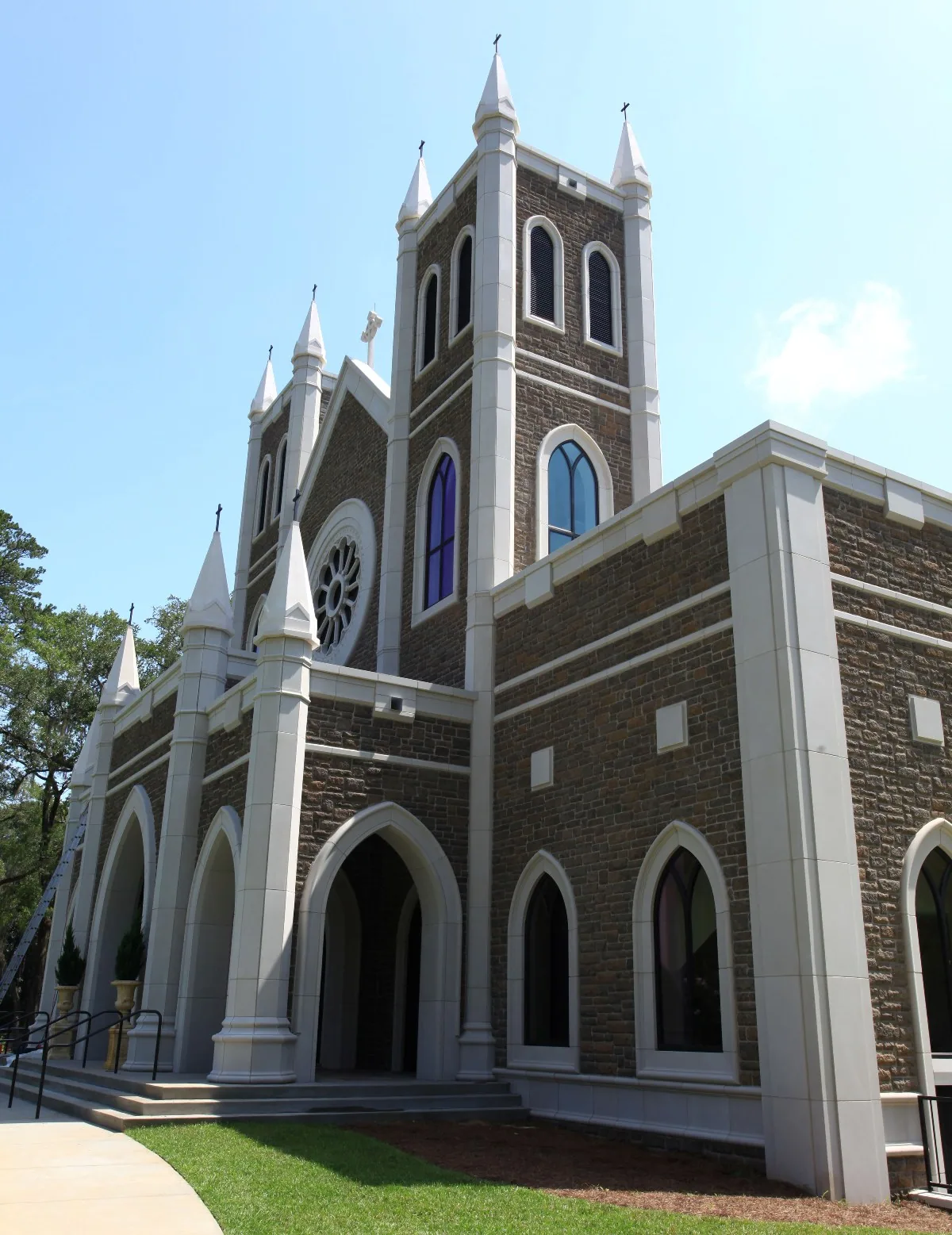
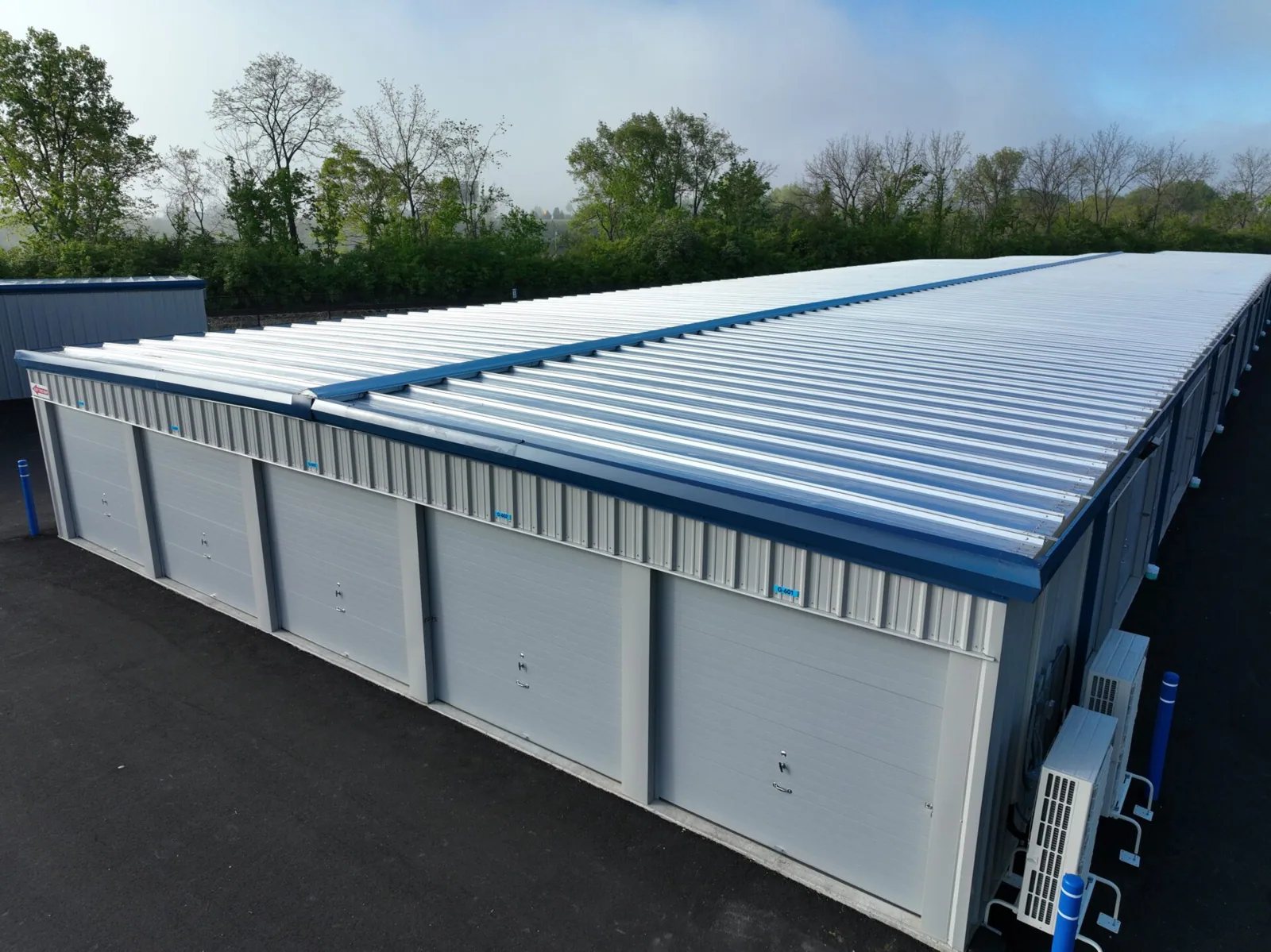
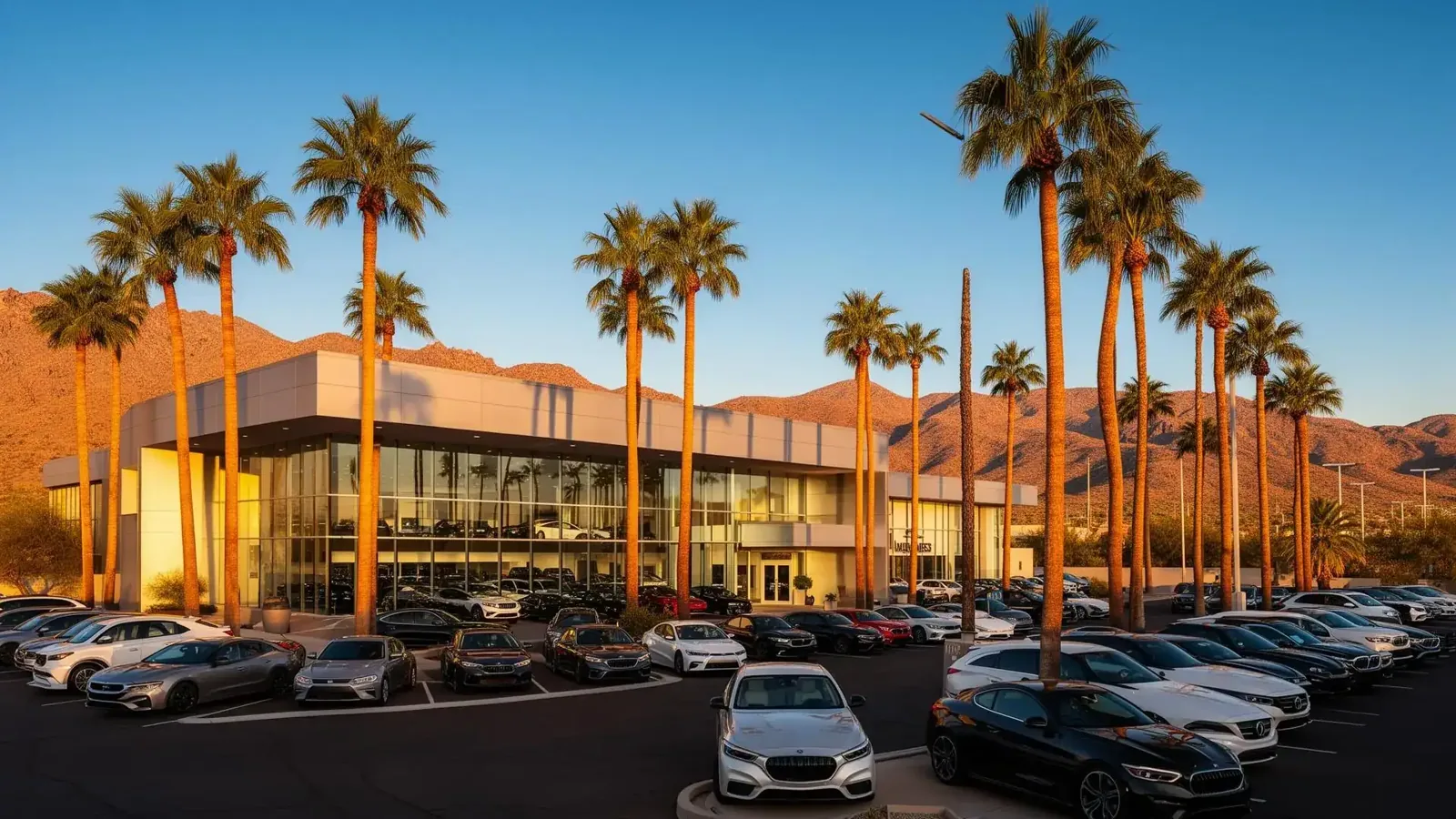

Industrial: shells, docks and rooftop equipment
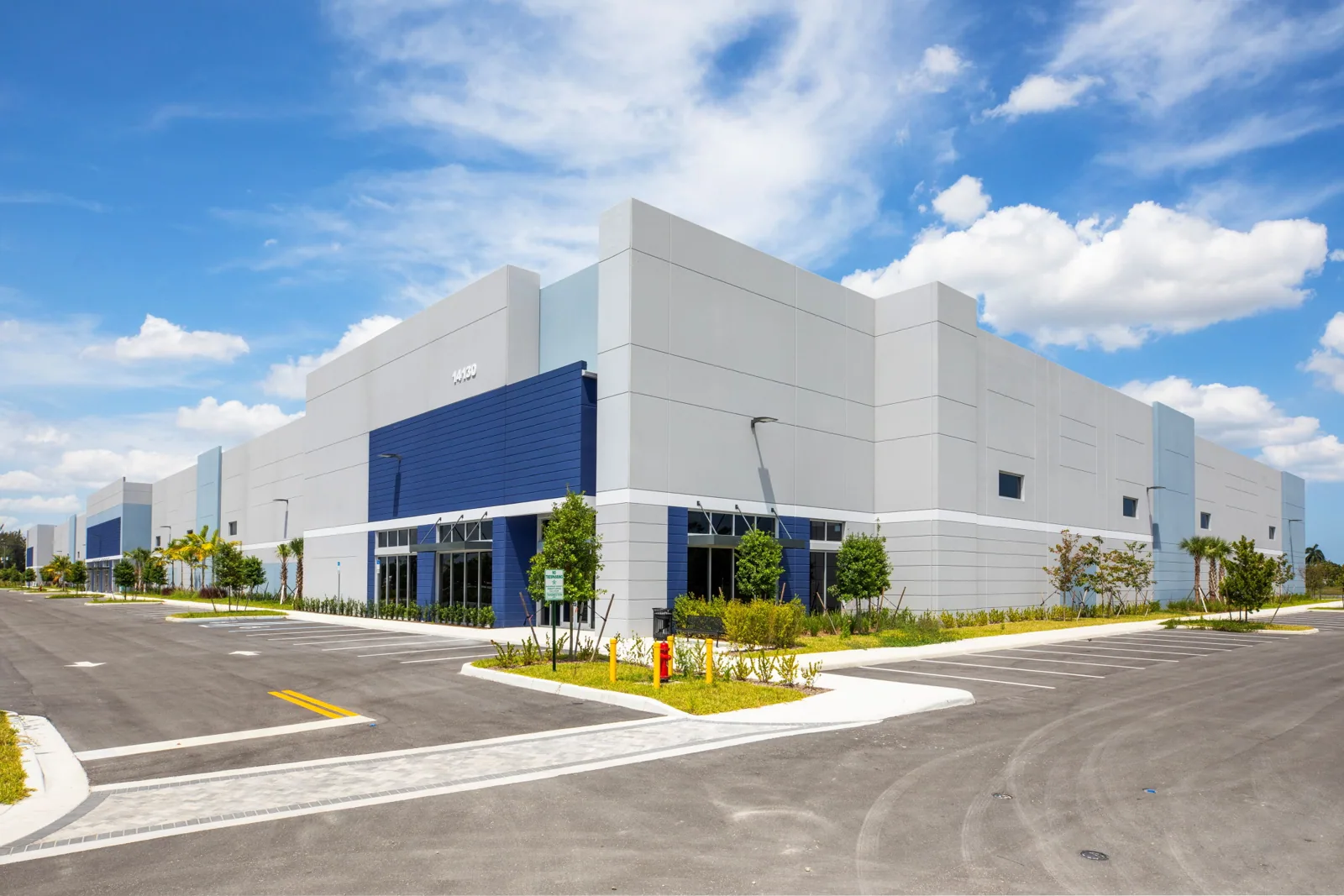
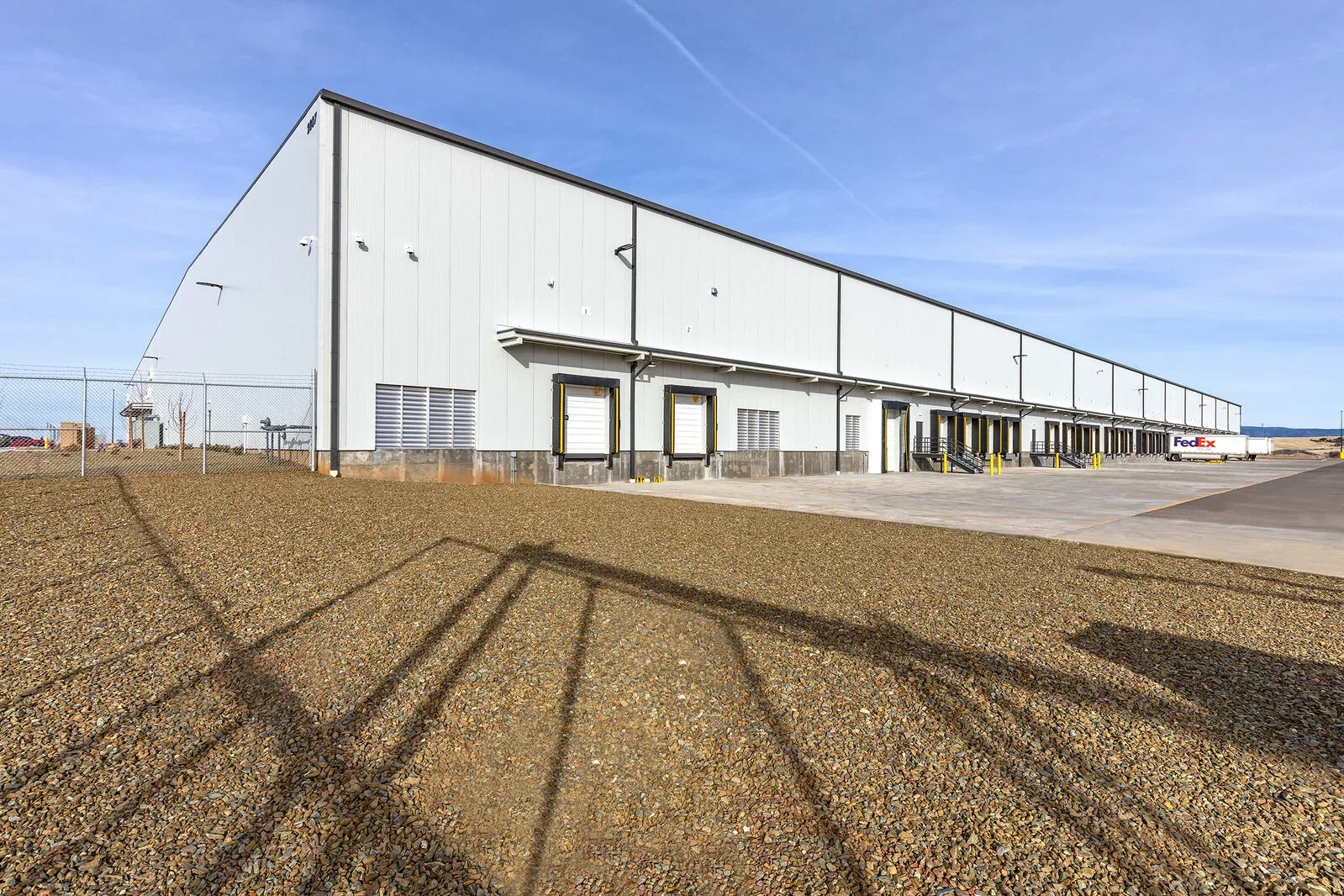
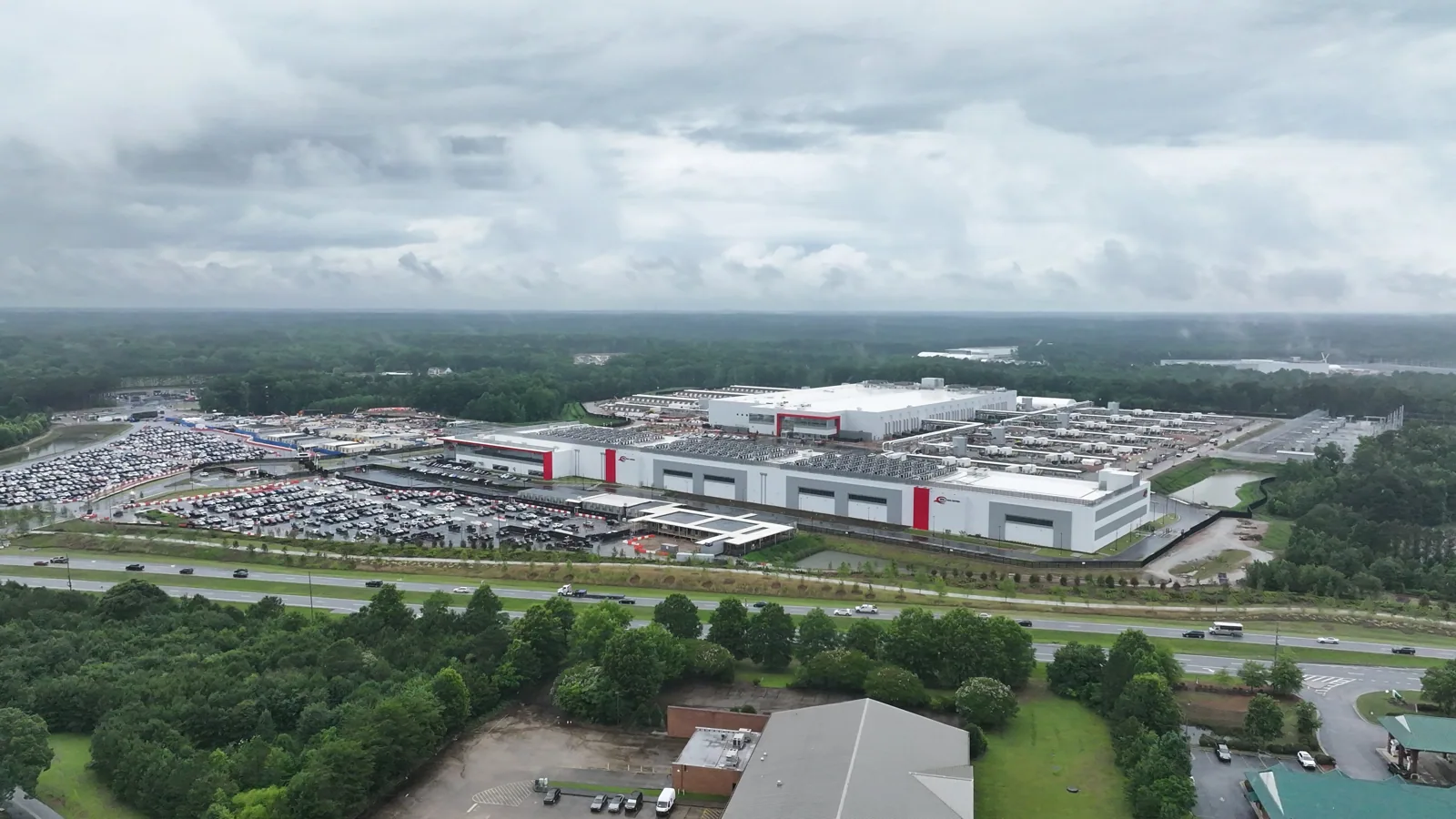
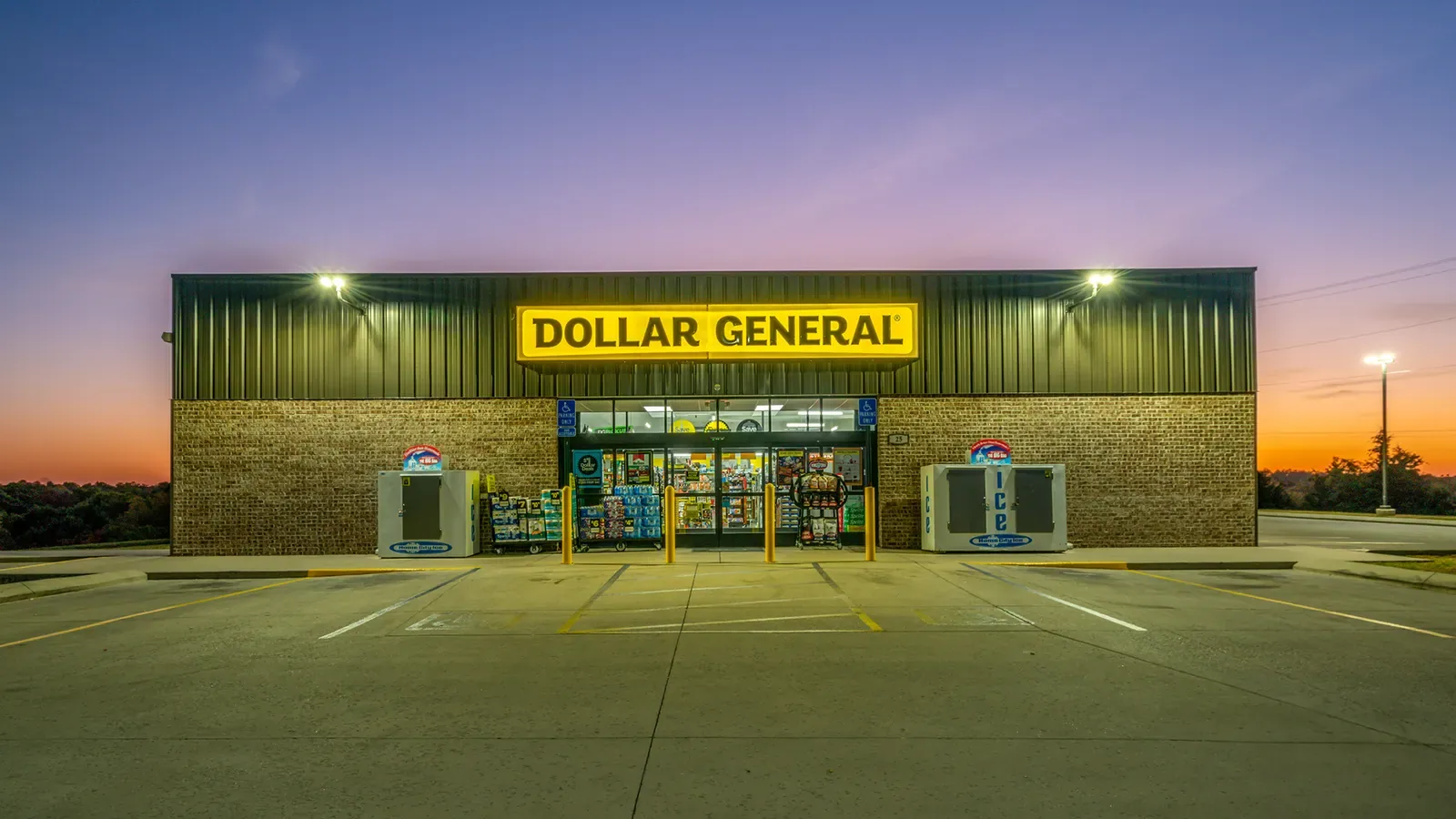
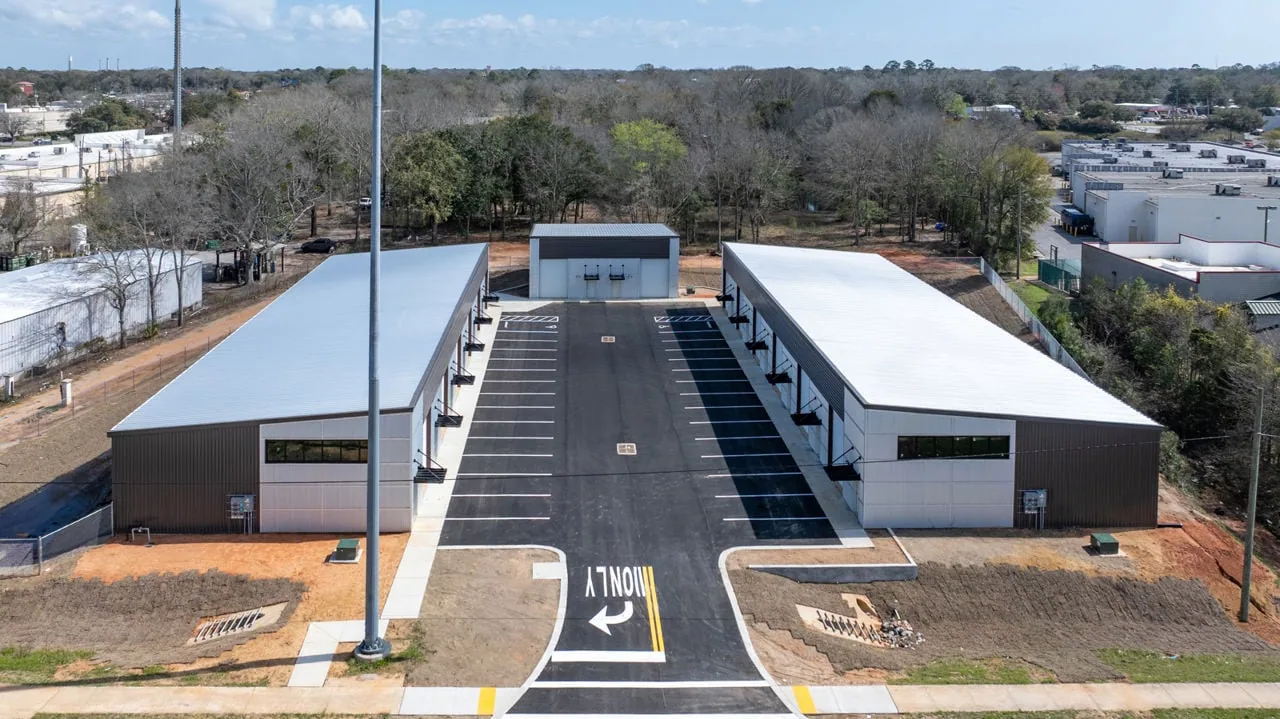
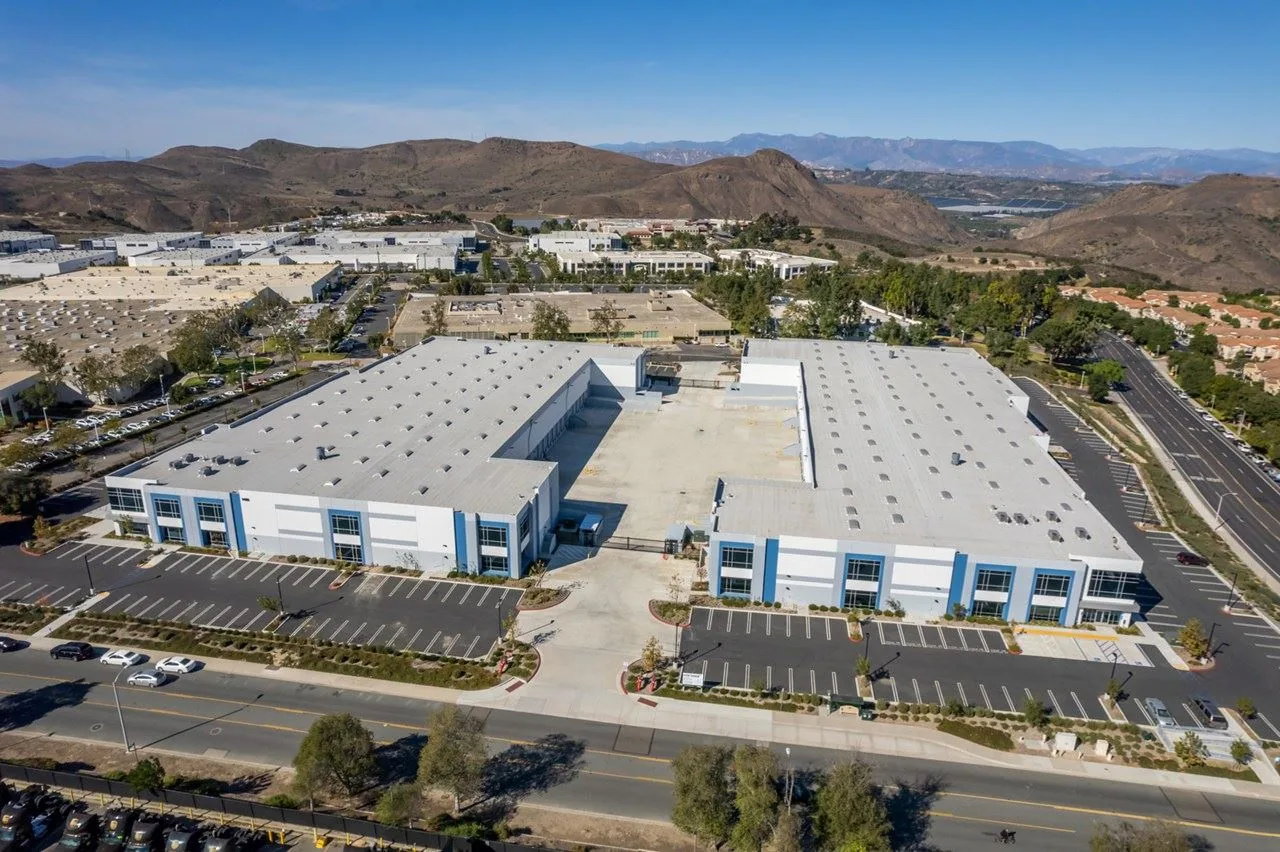
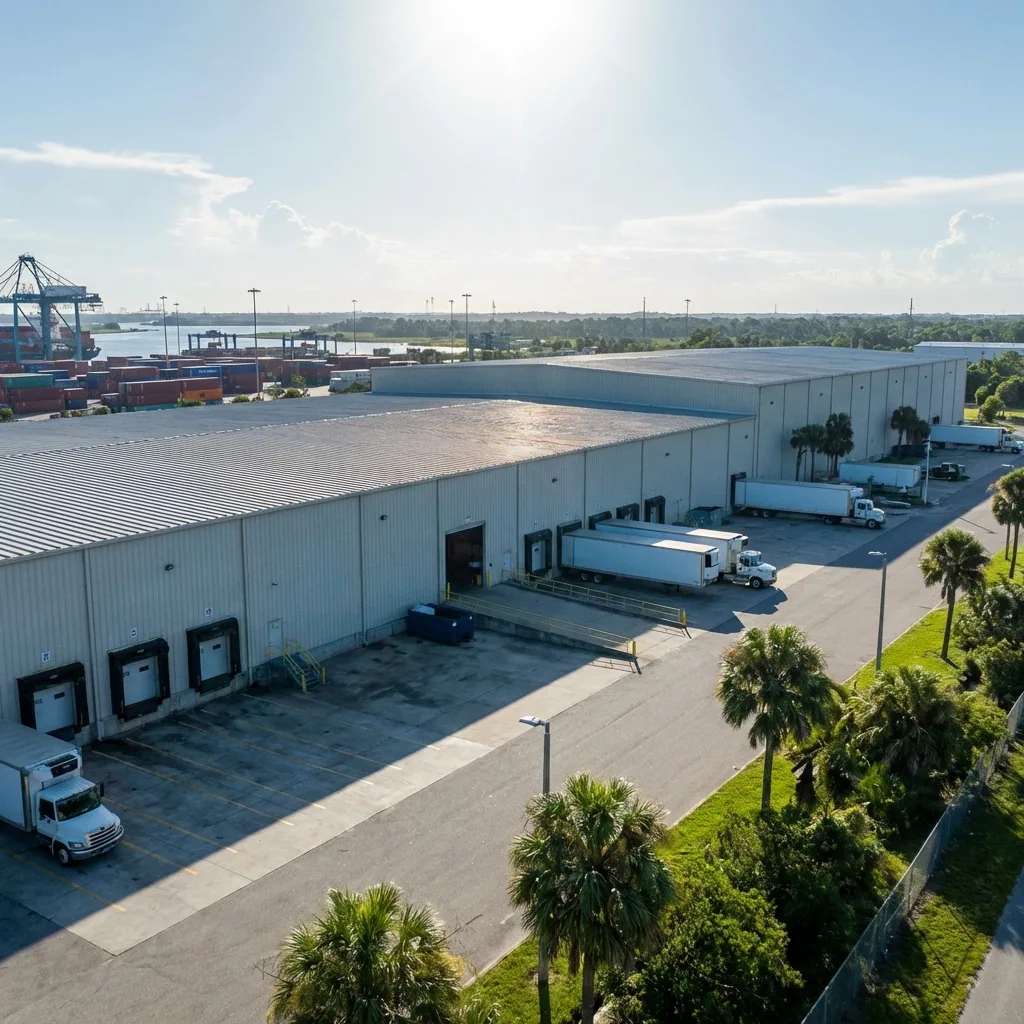
Rancho Conejo Industrial Park holds most of the city's industrial businesses, and its tilt-up and R&D buildings share a common set of roof concerns. Warehouse roofing and distribution center roofing turn on drainage, fastener condition and the traffic from dock-side equipment, while manufacturing plant roofing adds exhaust, process vents and the question of what lands on the membrane from them.
Office and care: roofs over people who cannot move
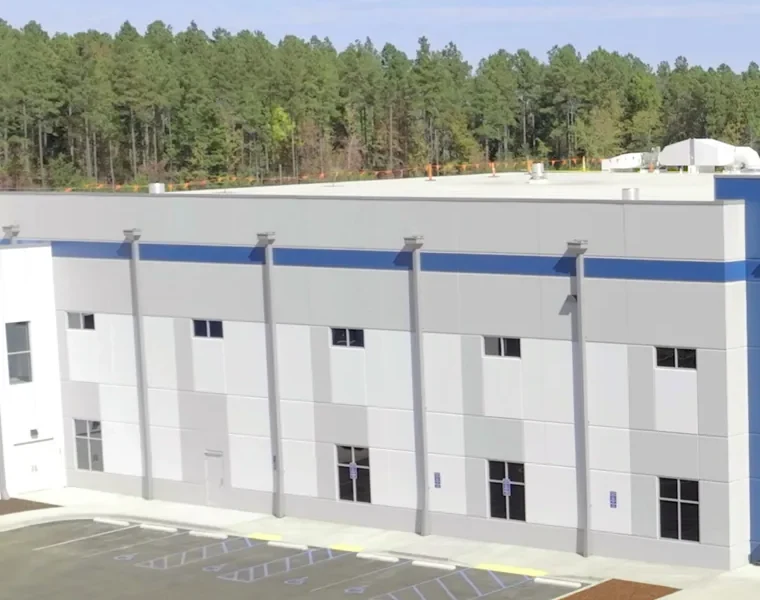
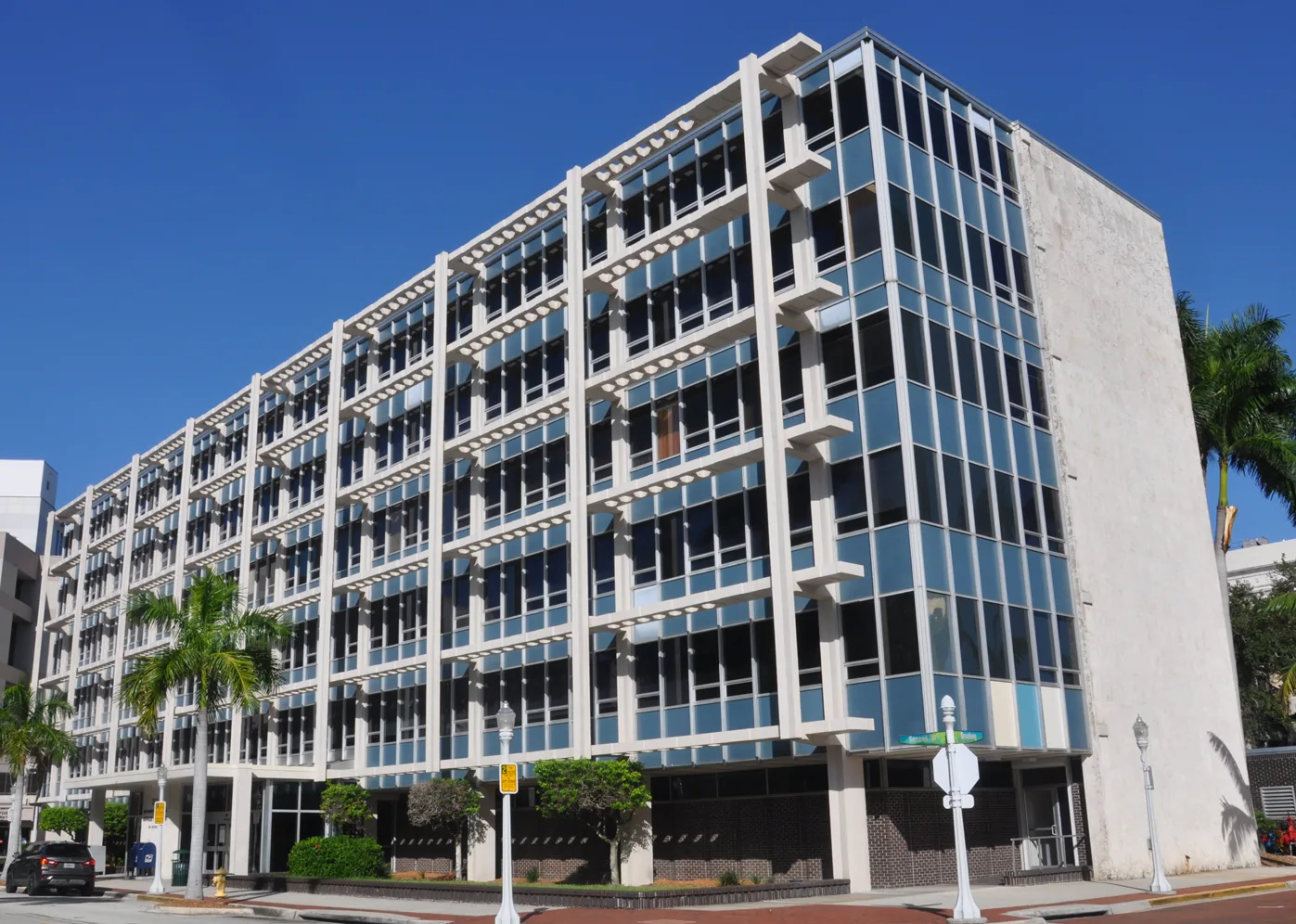
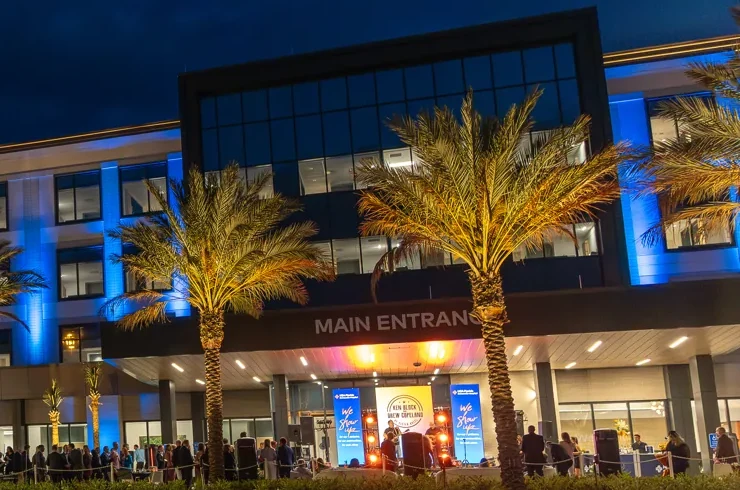
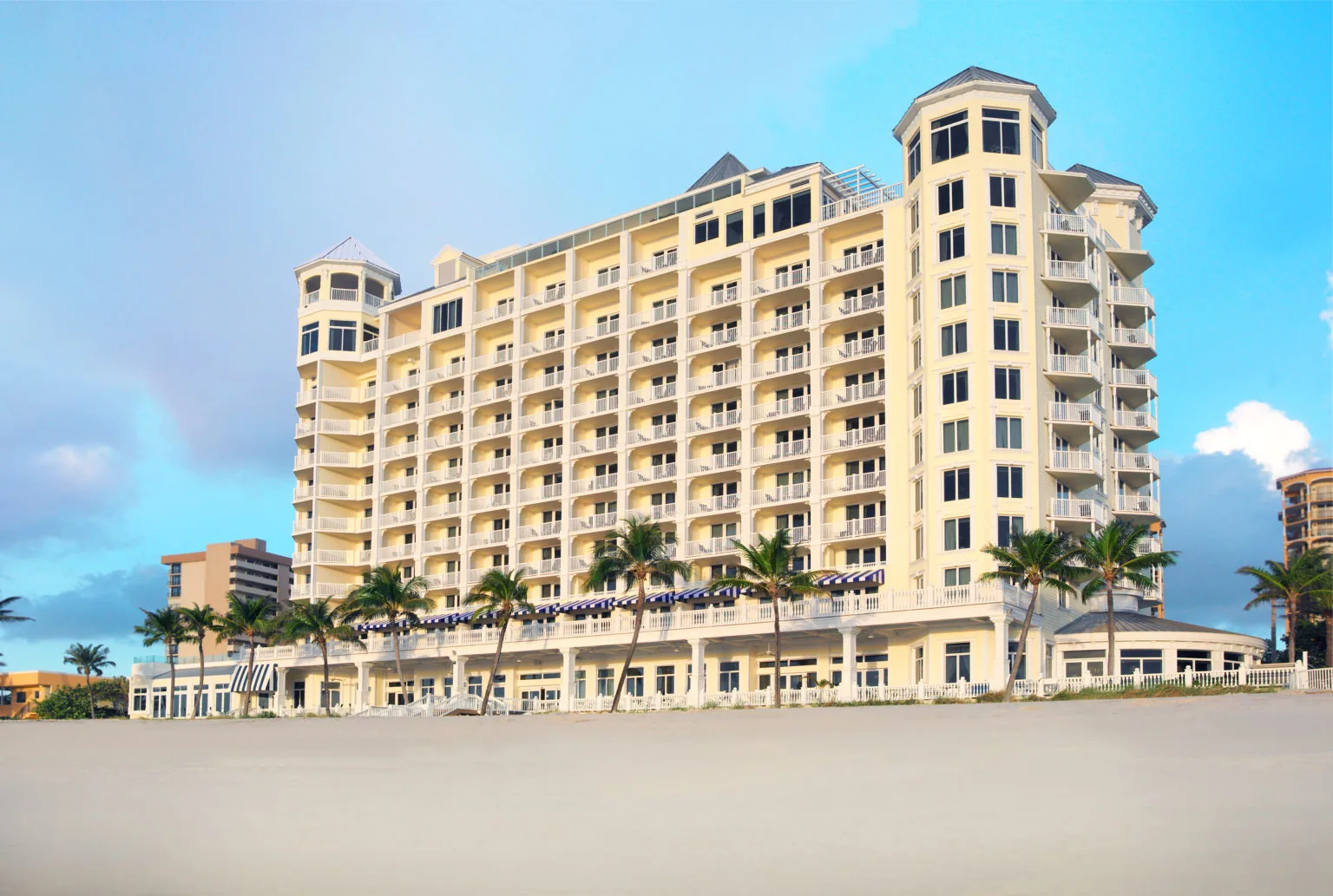
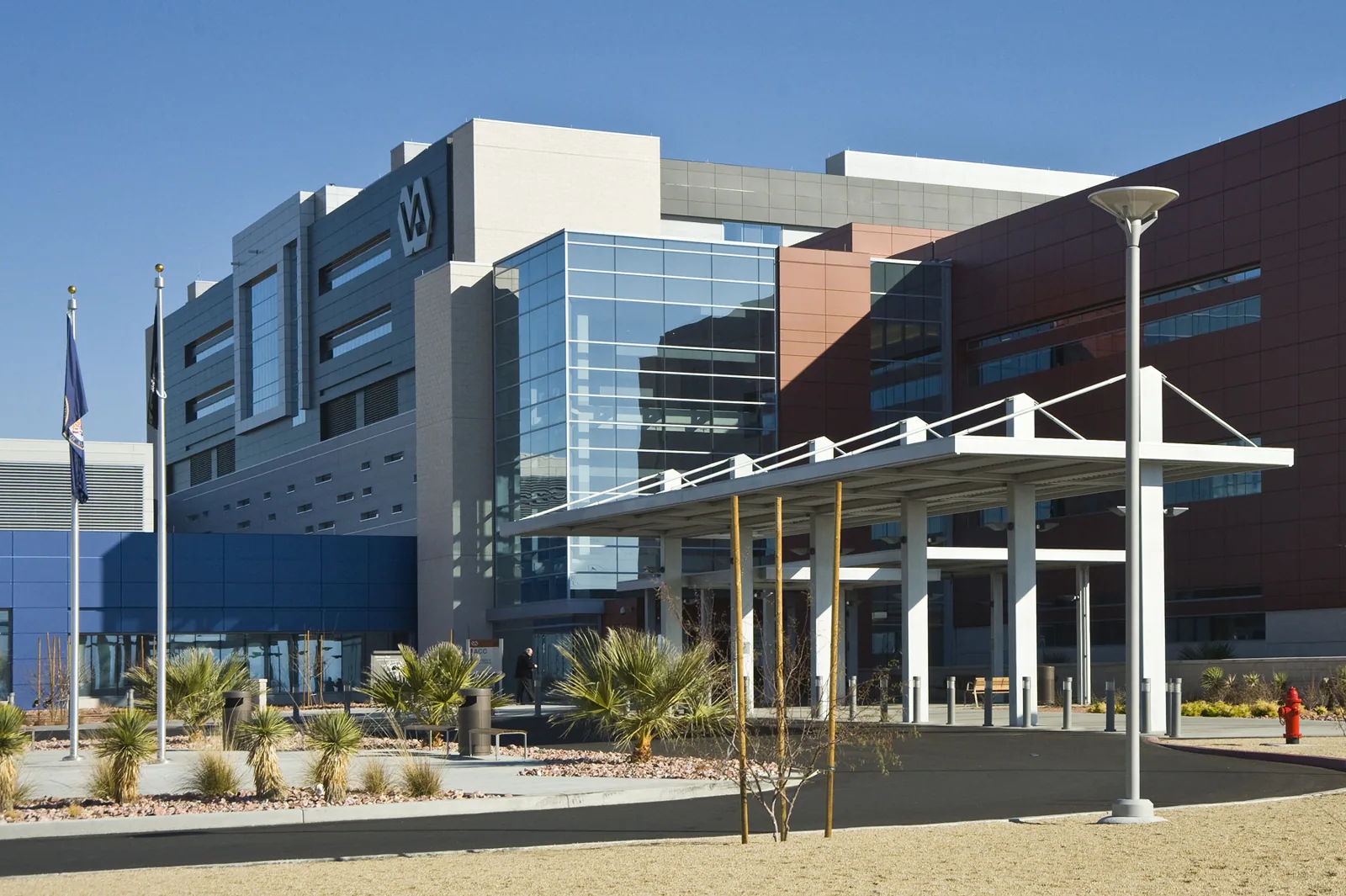
Amgen's headquarters in the Newbury Park and Thousand Oaks area is a multi-building lab, manufacturing and office campus, so a single finding can repeat across several rooftops under one owner. Office building roofing and medical office roofing depend on clean schedules and quiet tear-off, and hospital roofing near the Los Robles hospital district adds infection control and rooftop mechanical for critical areas to the plan.
Education and retail: phased work, long budget cycles
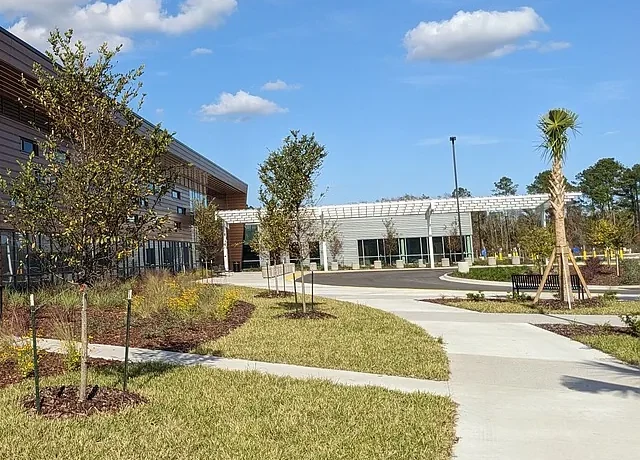
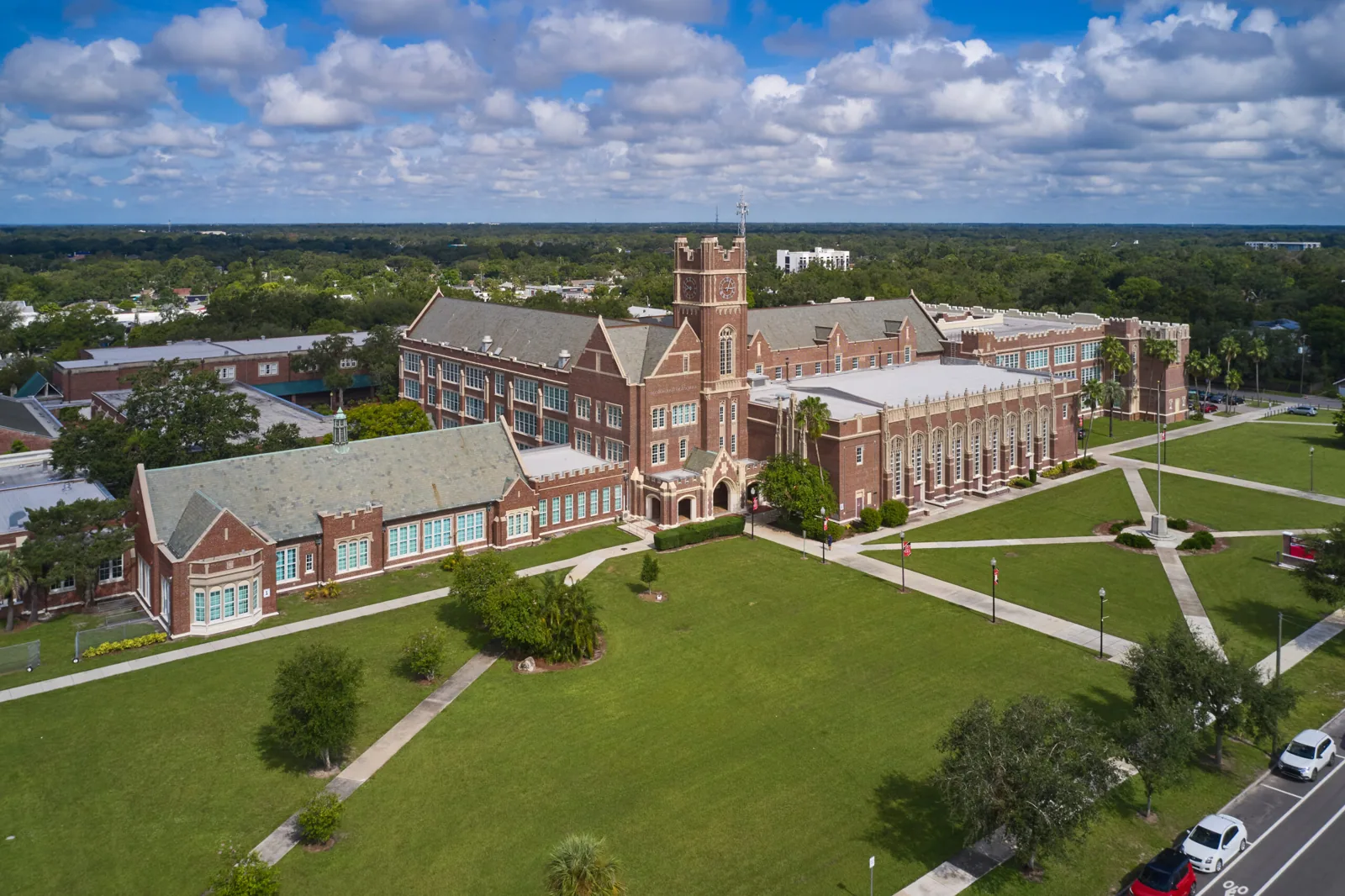
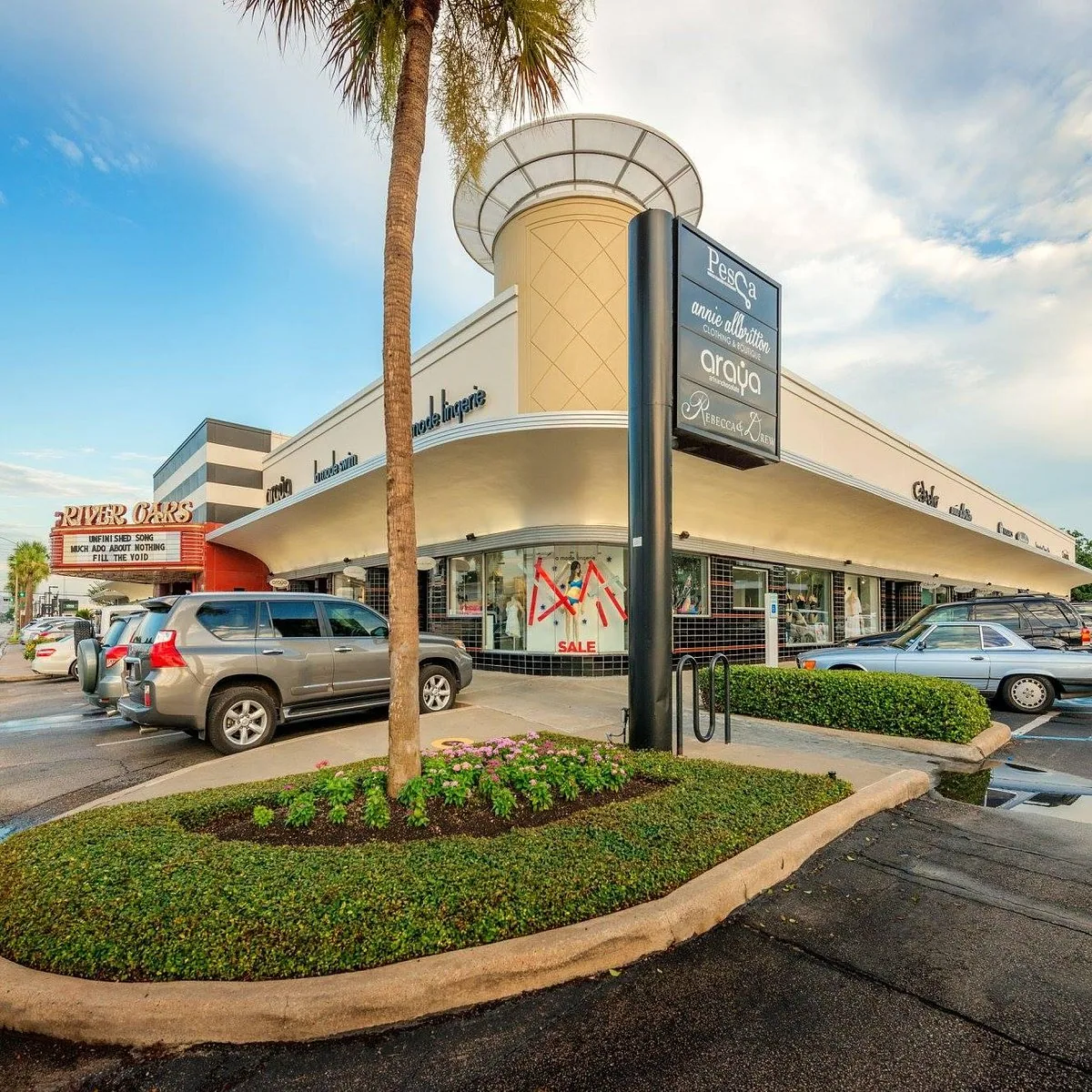
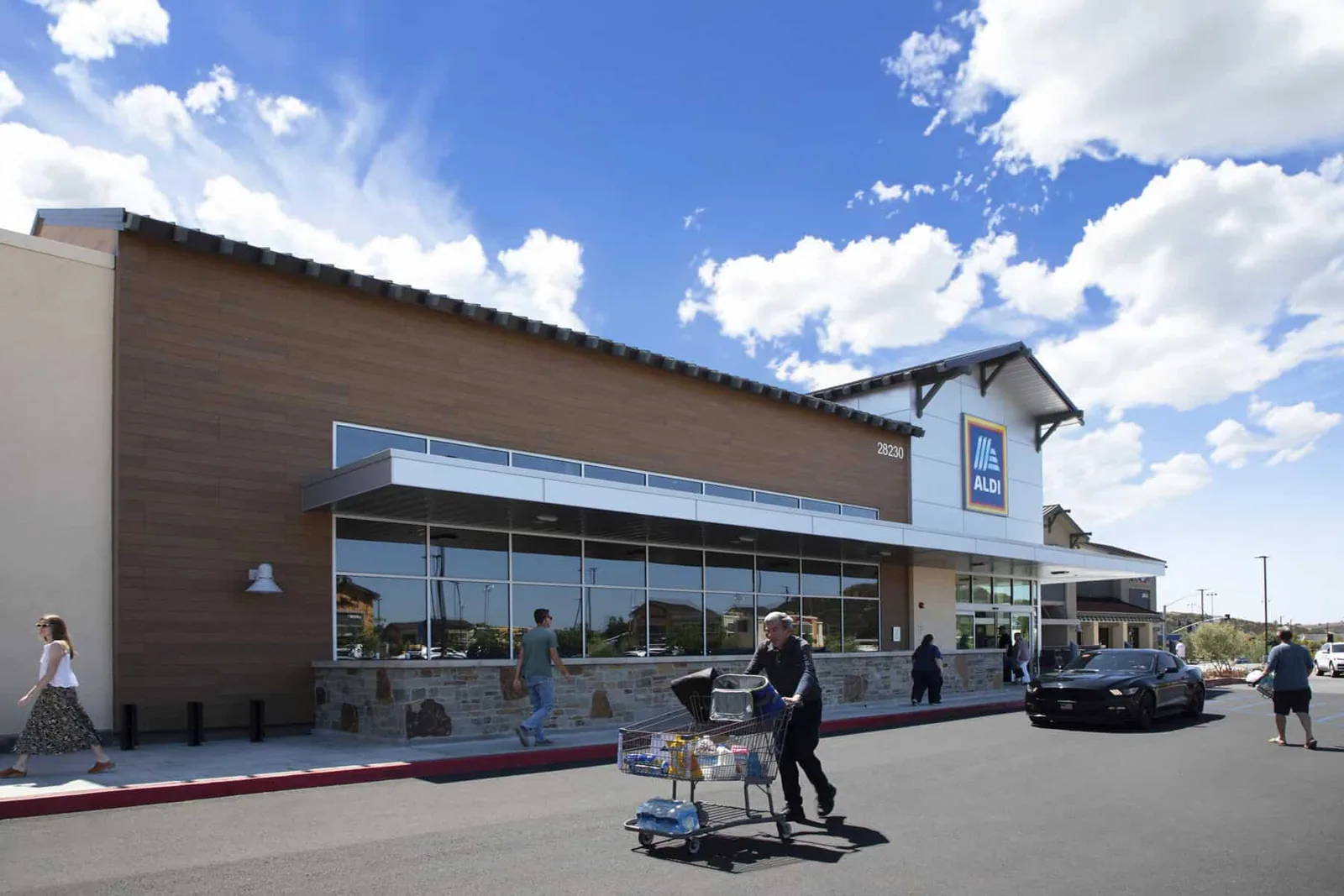
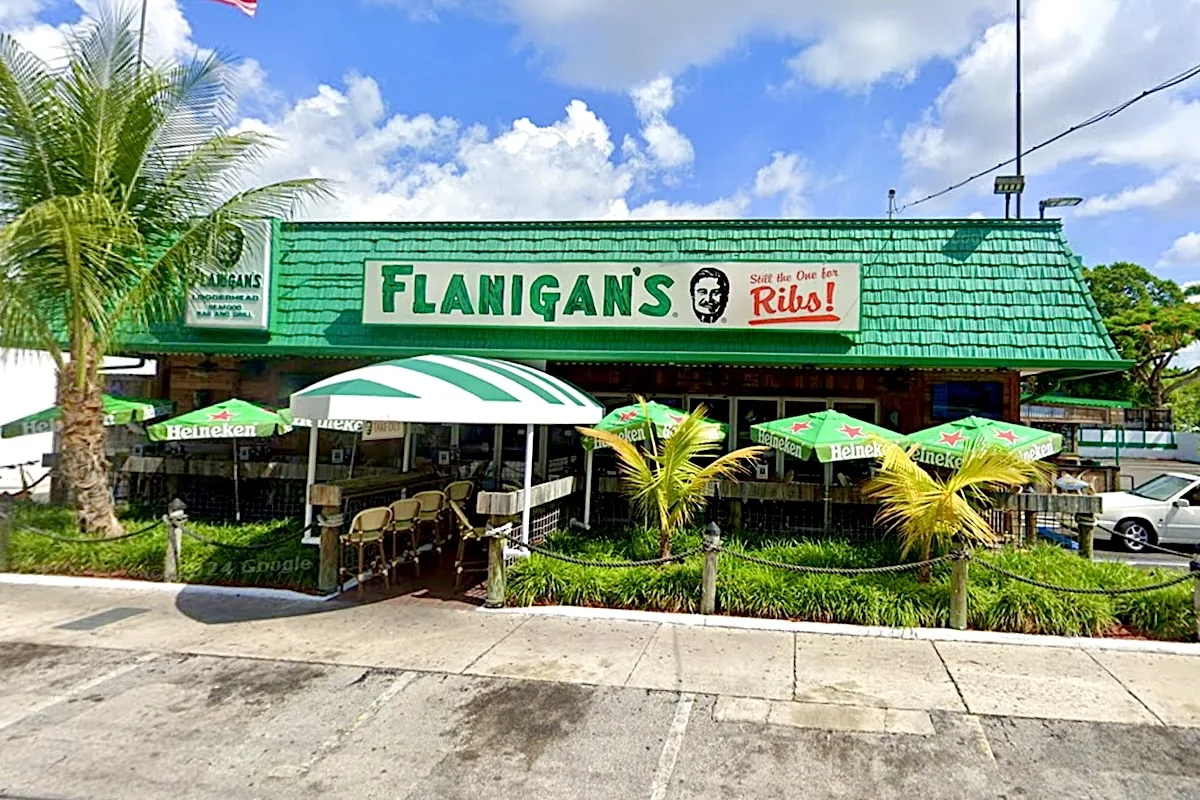
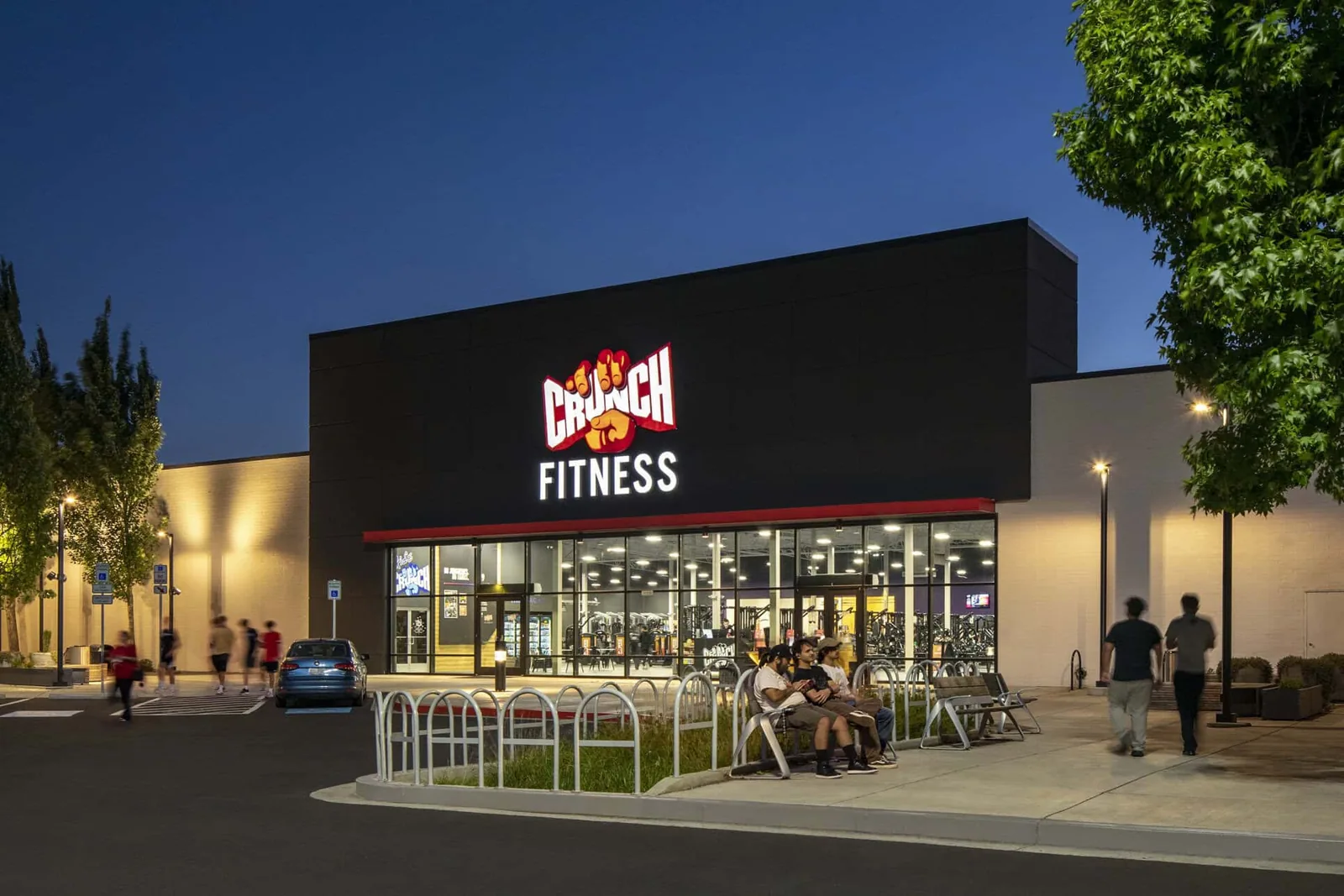
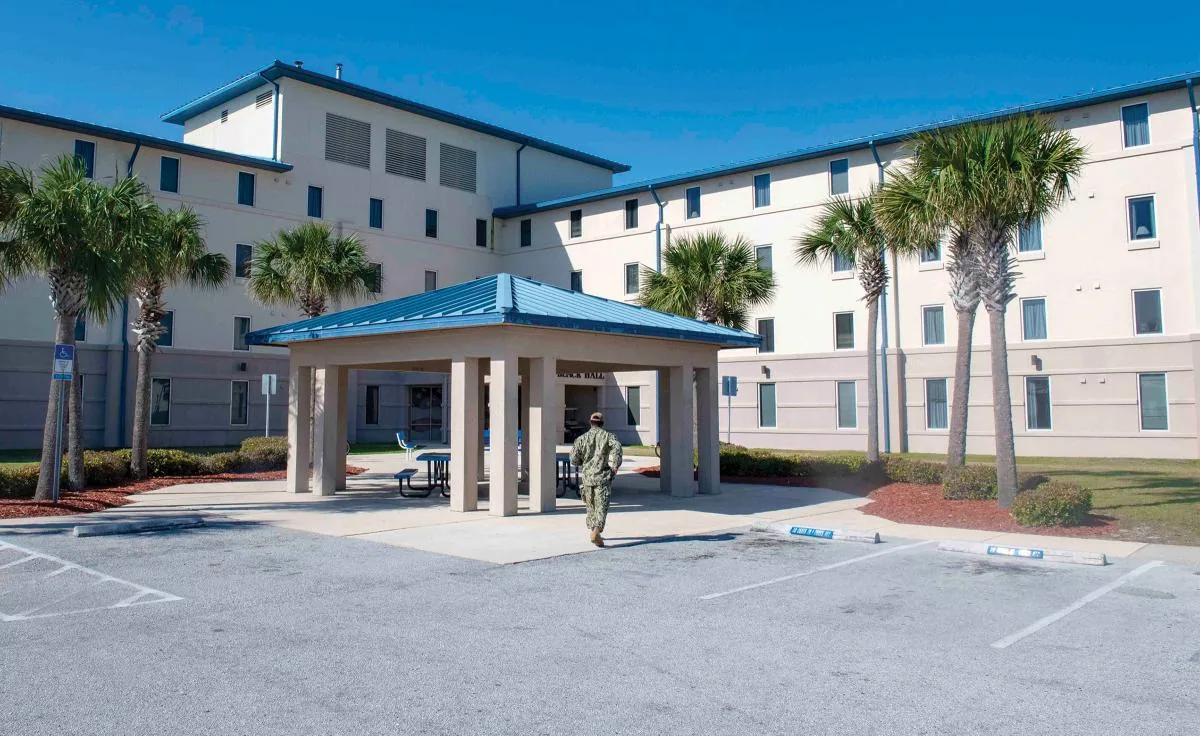
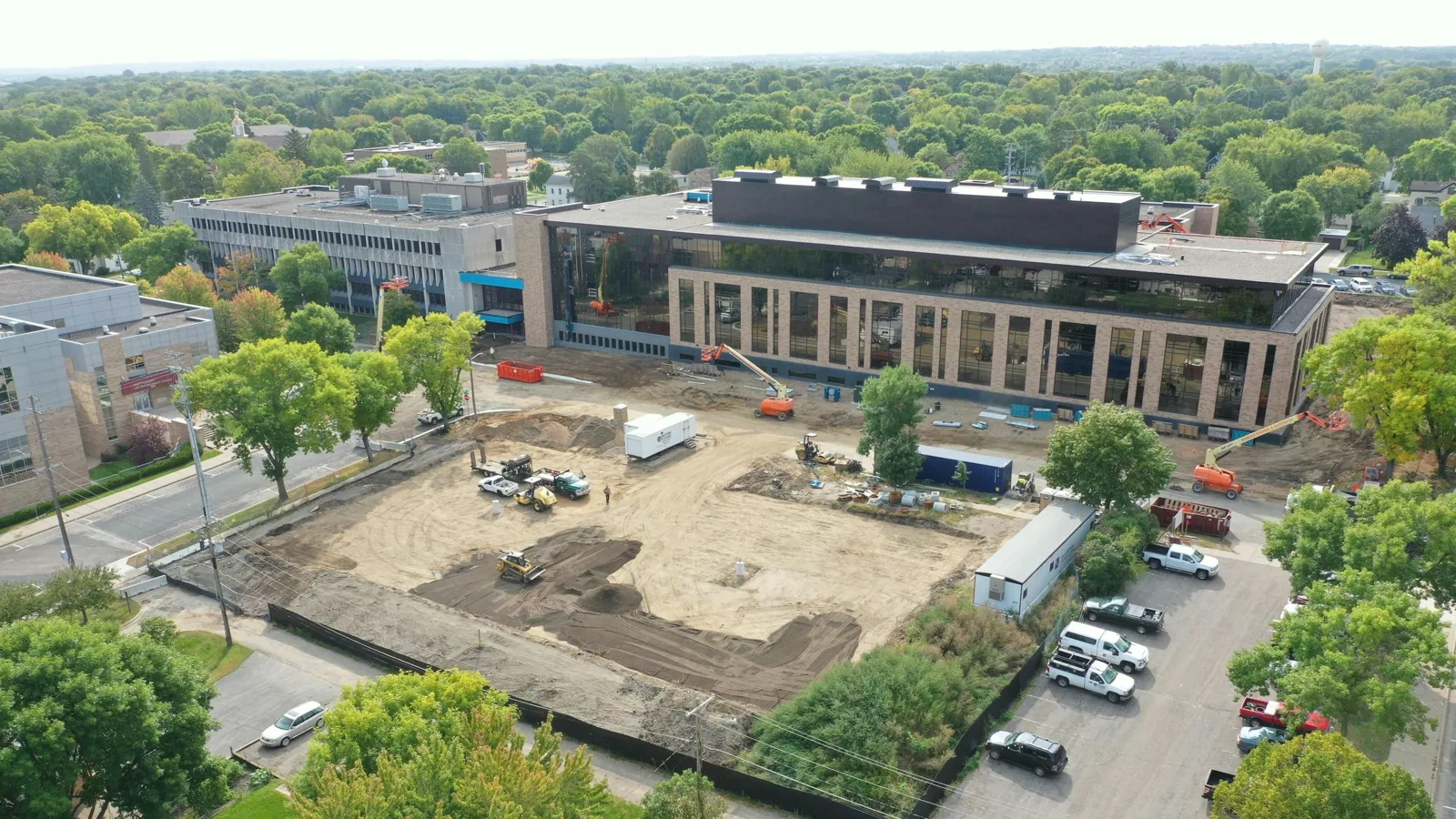
California Lutheran University spreads 41 buildings across a 290-acre campus, and Conejo Valley Unified is among the valley's largest employers, so college and university roofing and school roofing usually run on phased capital plans timed to summer breaks. Shopping center roofing follows tenant turnover and mall hours, and a regional mall like The Oaks has to keep storefronts open while the work goes on above them.
Aviation and defense: hangars, depots and base access
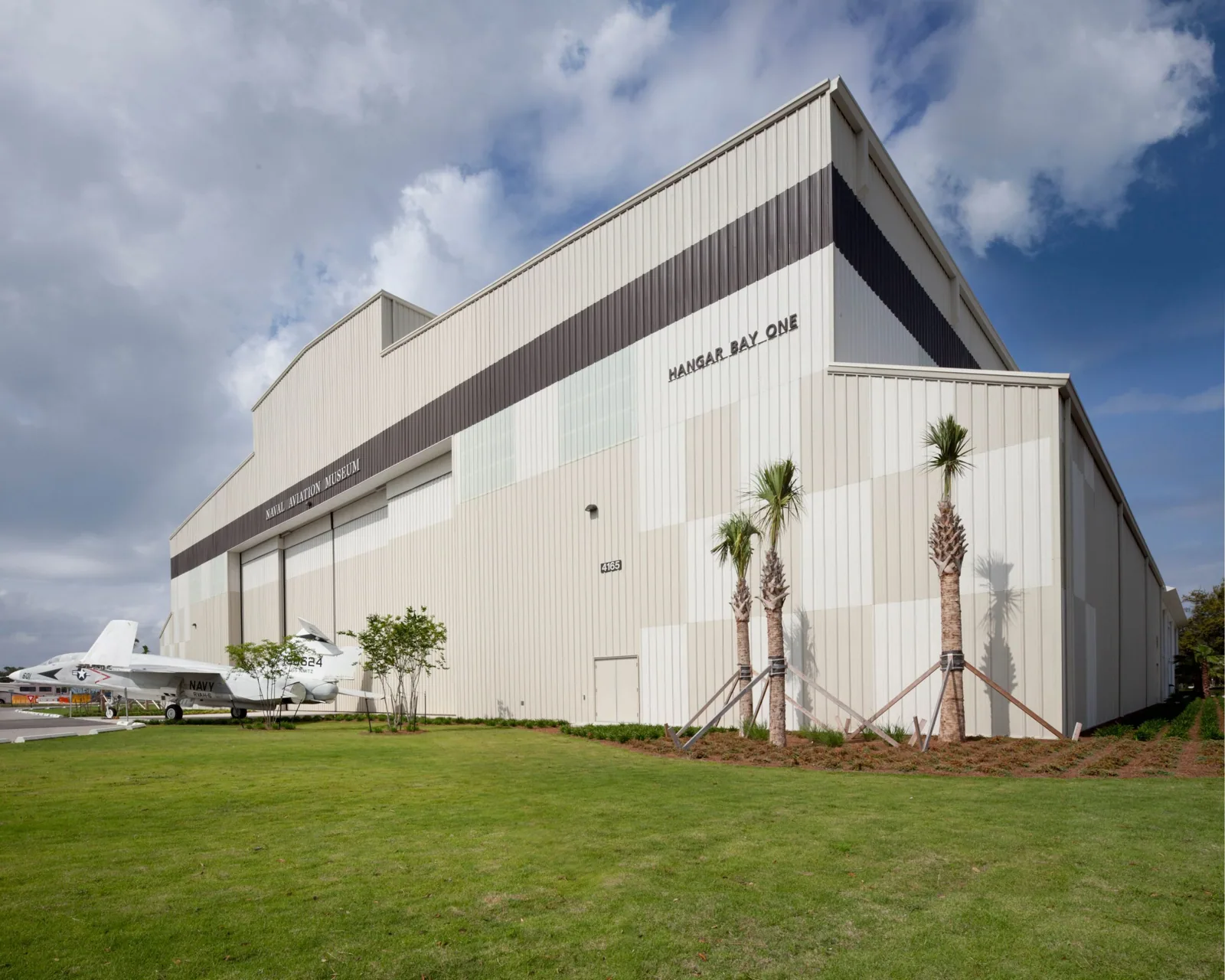
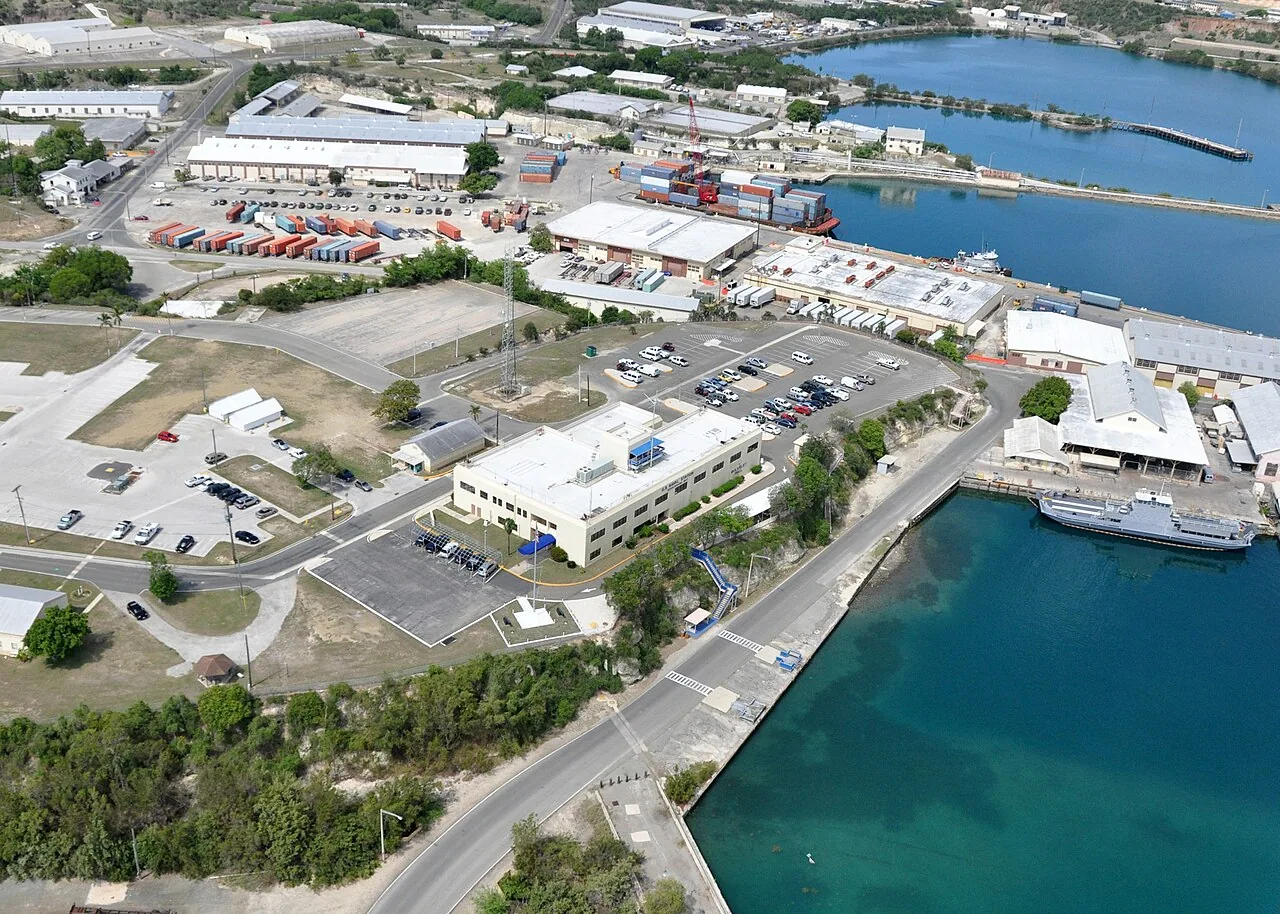
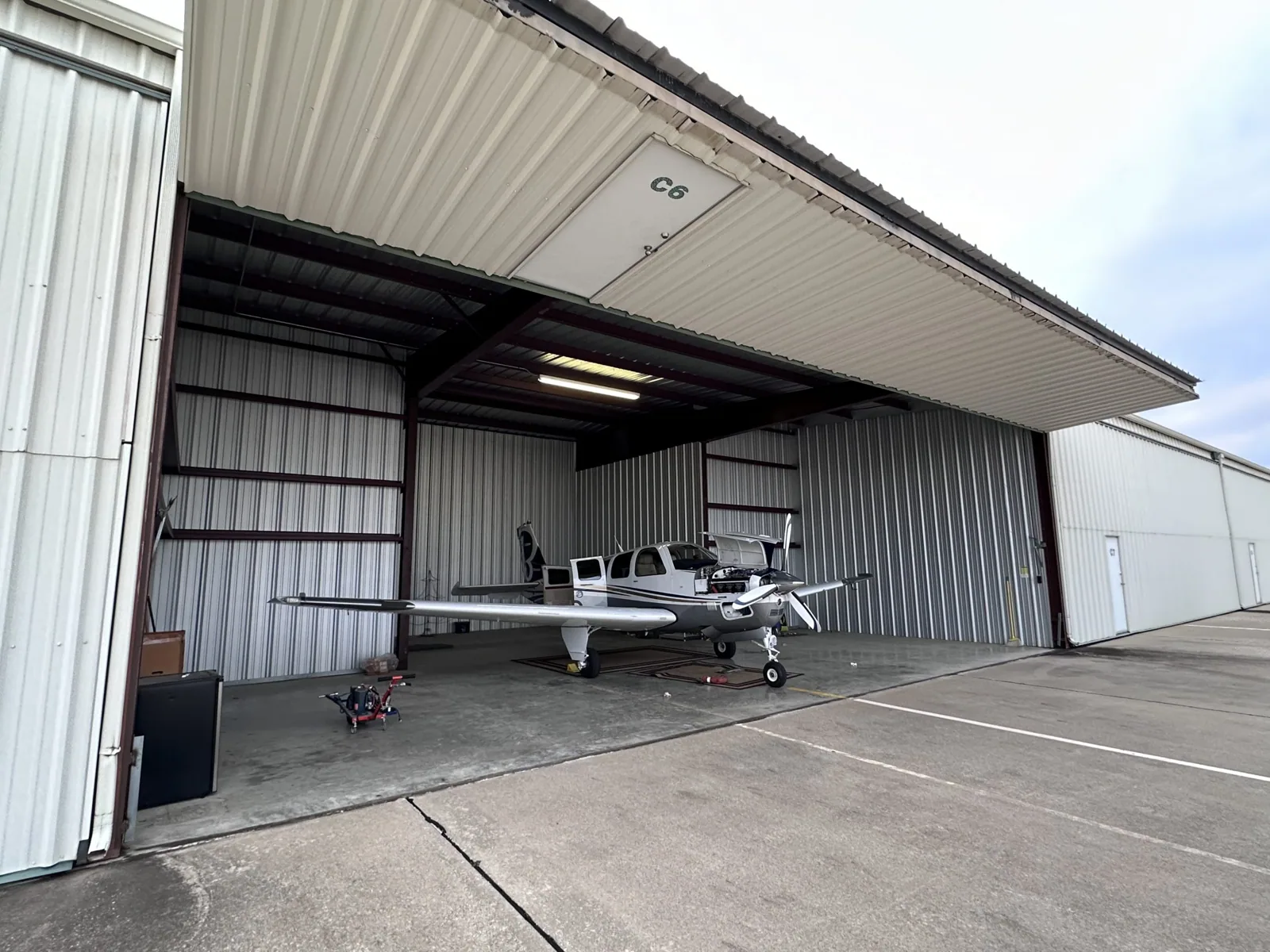
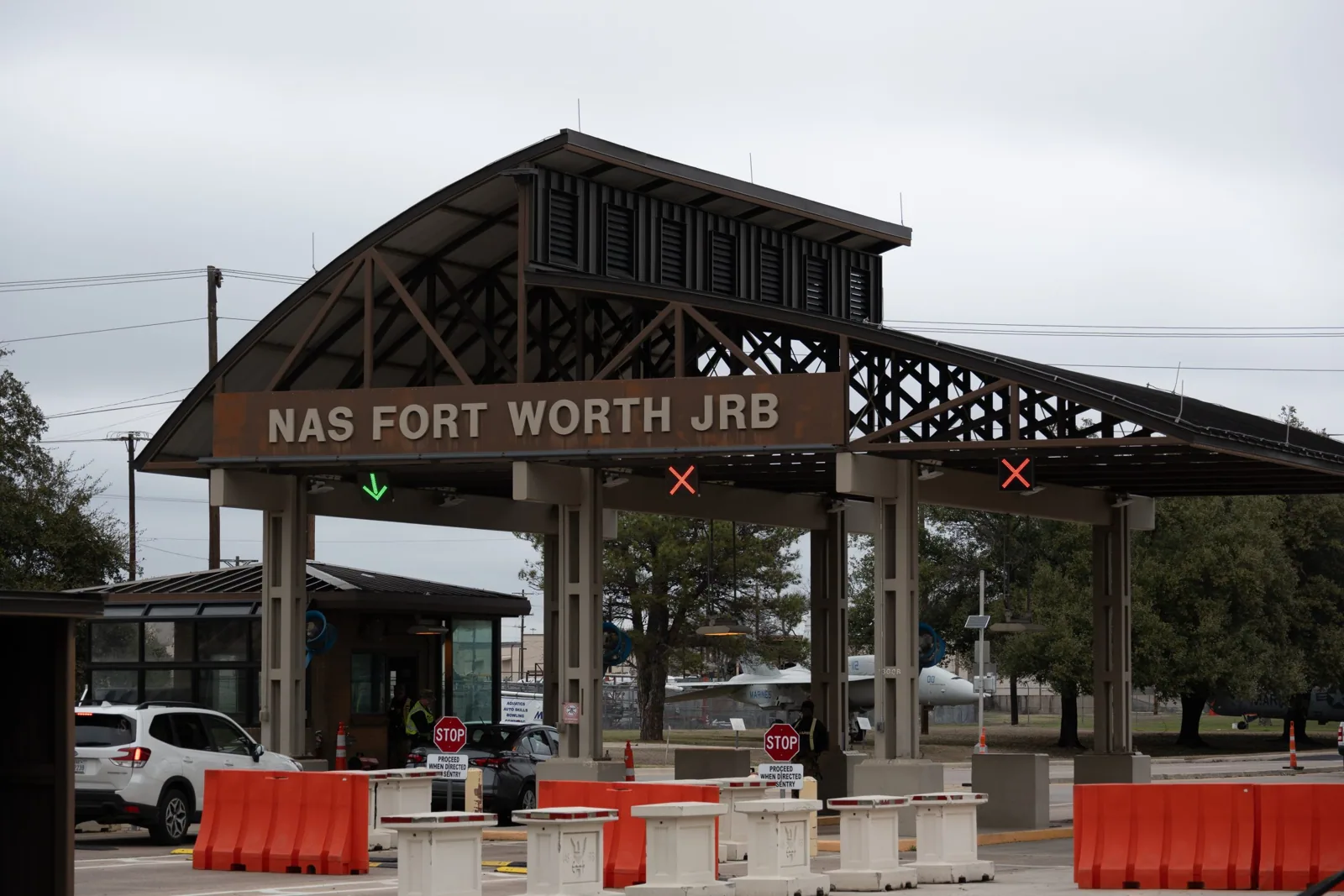
Camarillo Airport lists aircraft maintenance providers and support facilities for the county fire department and sheriff among its tenants, which means hangar and shop roofs, where aircraft hangar roofing turns on long spans and door heads. Naval Base Ventura County, southwest of the Conejo Valley, brings escort, badging and mission scheduling into naval facility roofing, with work specified to Unified Facilities Criteria for roofing.
Portfolio view: one scope across mixed buildings
Owners who hold more than one building type, such as an office campus beside a service building or a retail pad on the same parcel, rarely want separate reports for each. We rate every roof section on one condition index, whatever it covers, and sort the results by exposure, tenant impact and remaining service life. The result is a single prioritized scope that a reserve study or a lender can read without translating between building types, and a replacement schedule that spreads the spending across budget years instead of landing it all at once.
A retail pad near Camarillo Old Town presents its own sequencing challenge: tenant hours, loading lanes and public entries determine where materials stage and which roof areas can open safely.
Commercial Roofing Questions
Does the building type change the inspection?
It changes what we look for first. A lab roof gets a close look at exhaust and curb flashing, a dock-heavy warehouse gets drain and fastener checks, and a school gets perimeter and penetration review before the summer window.
How do mixed-use properties get scoped?
Each roof section is rated on its own, then rolled up into one prioritized scope. A retail pad, an office wing and a service building on the same parcel rarely share a replacement horizon.
How should an owner sequence a hospital and a warehouse roof?
Rank them by current moisture, interior consequence and the work window at each site. A hospital may need tighter access and air-intake controls, while a warehouse may be governed by dock activity and clear-span operations.
Does occupancy change the work package?
Yes. The scope should note material staging, noise windows, protected paths, air intakes and the daily dry-in line. Those constraints belong in the bid and schedule before mobilization.