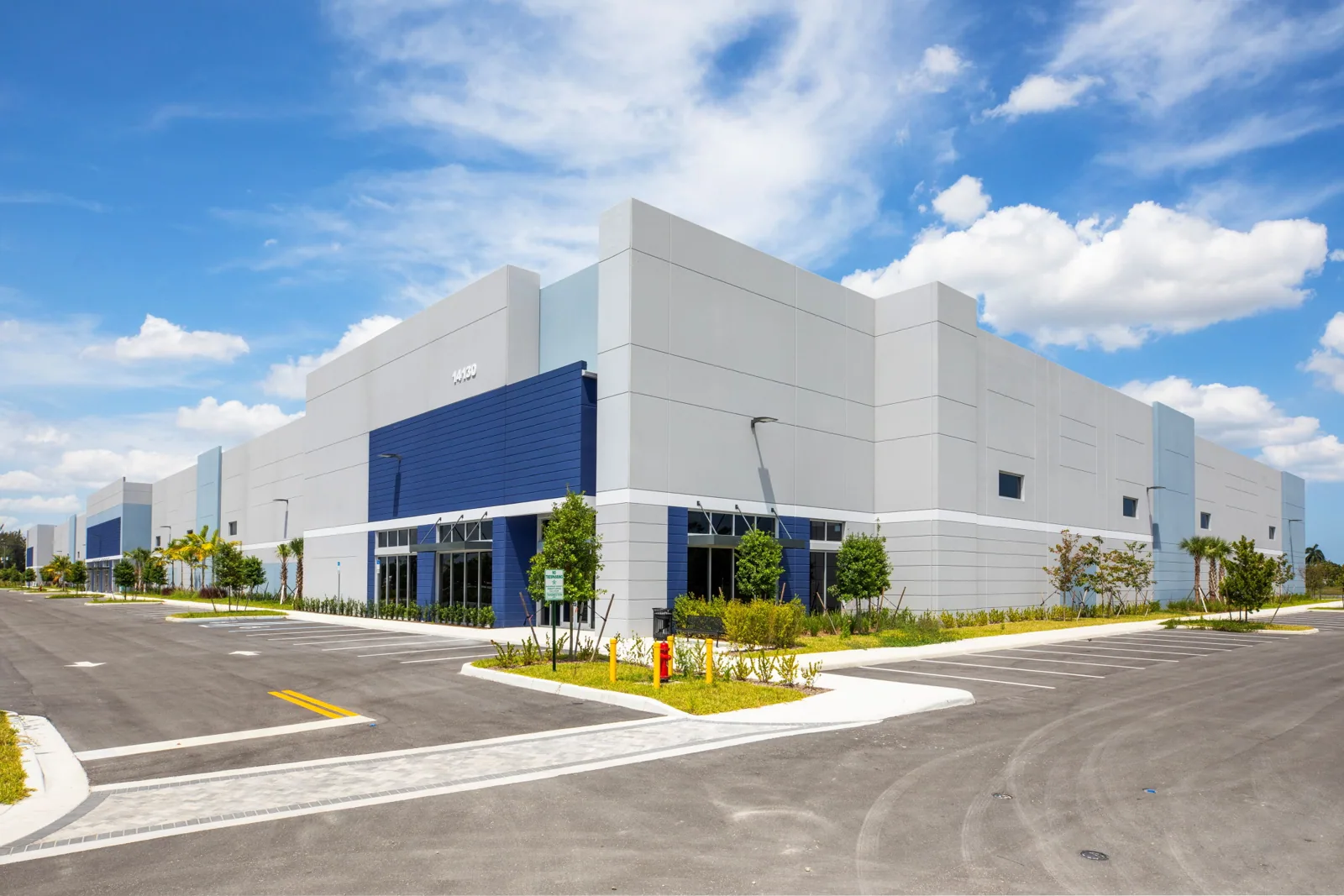
Warehouse Roofing in Thousand Oaks, CA
Property Types We Roof · Thousand Oaks, CA
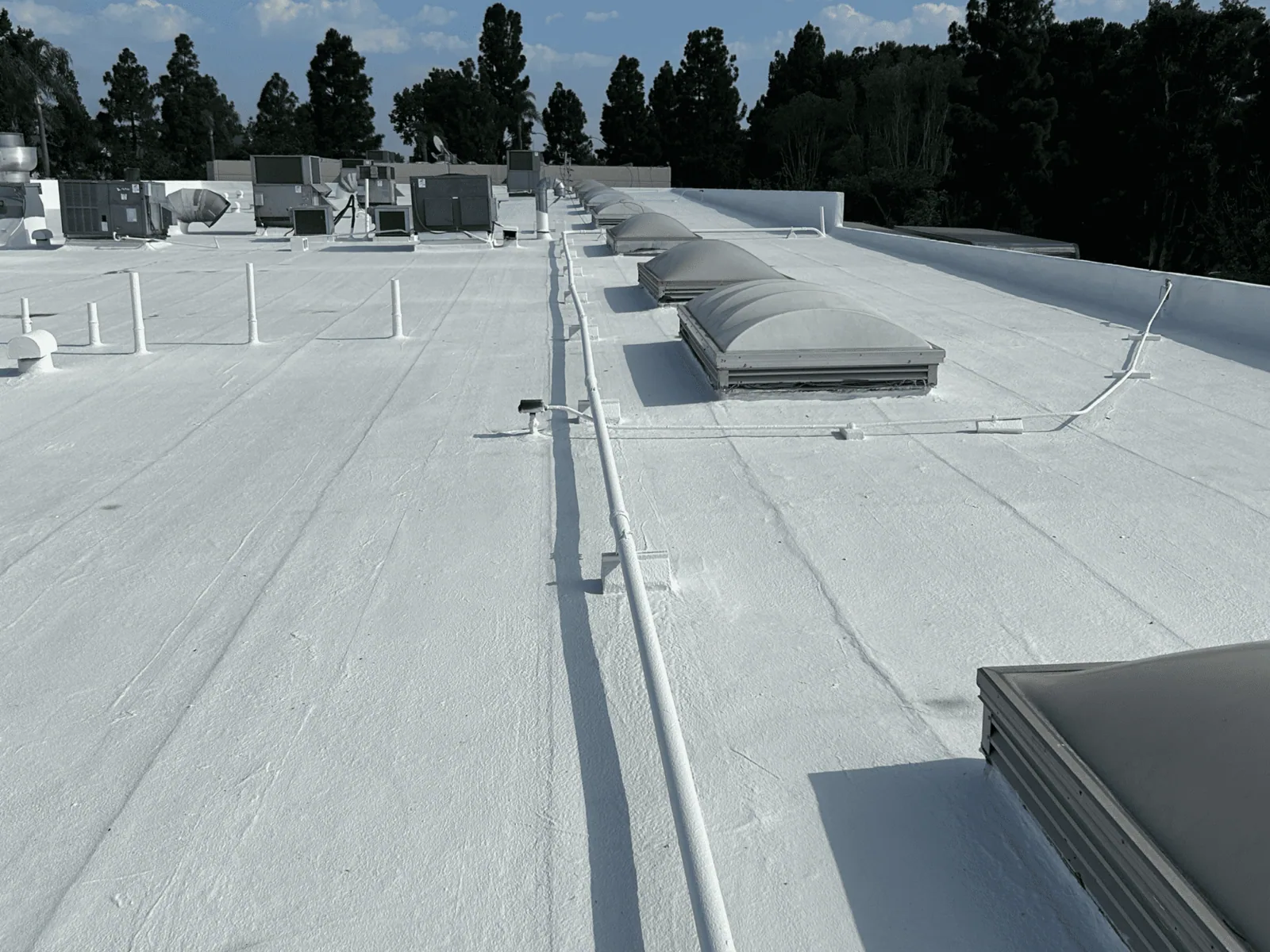
Warehouse roof, section two: ponding at the low corner after a dry week, three fastener heads backed out along the dock-side parapet, a skylight curb with a split sealant joint, and edge metal lifting at the northwest corner. None of those entries is a leak today. Together they describe a roof that has been asked to keep a large clear-span building dry through a long cycle of heat and ultraviolet exposure, and they show an owner how much of the replacement horizon is already spent. Warehouse roofing in Thousand Oaks, CA is mostly a question of scale. One low-slope roof can cover more floor area than an entire retail strip, and a single defect carried as a line item into next year can wet a rack bay full of inventory. We read these roofs as portfolio assets and document them so the owner can plan instead of react.
Warehouse Roofing
Property Types We Roof
Call our team
Written findings and options
Thousand Oaks, CA
Ventura and Los Angeles counties
Findings: where a clear-span roof gives itself away
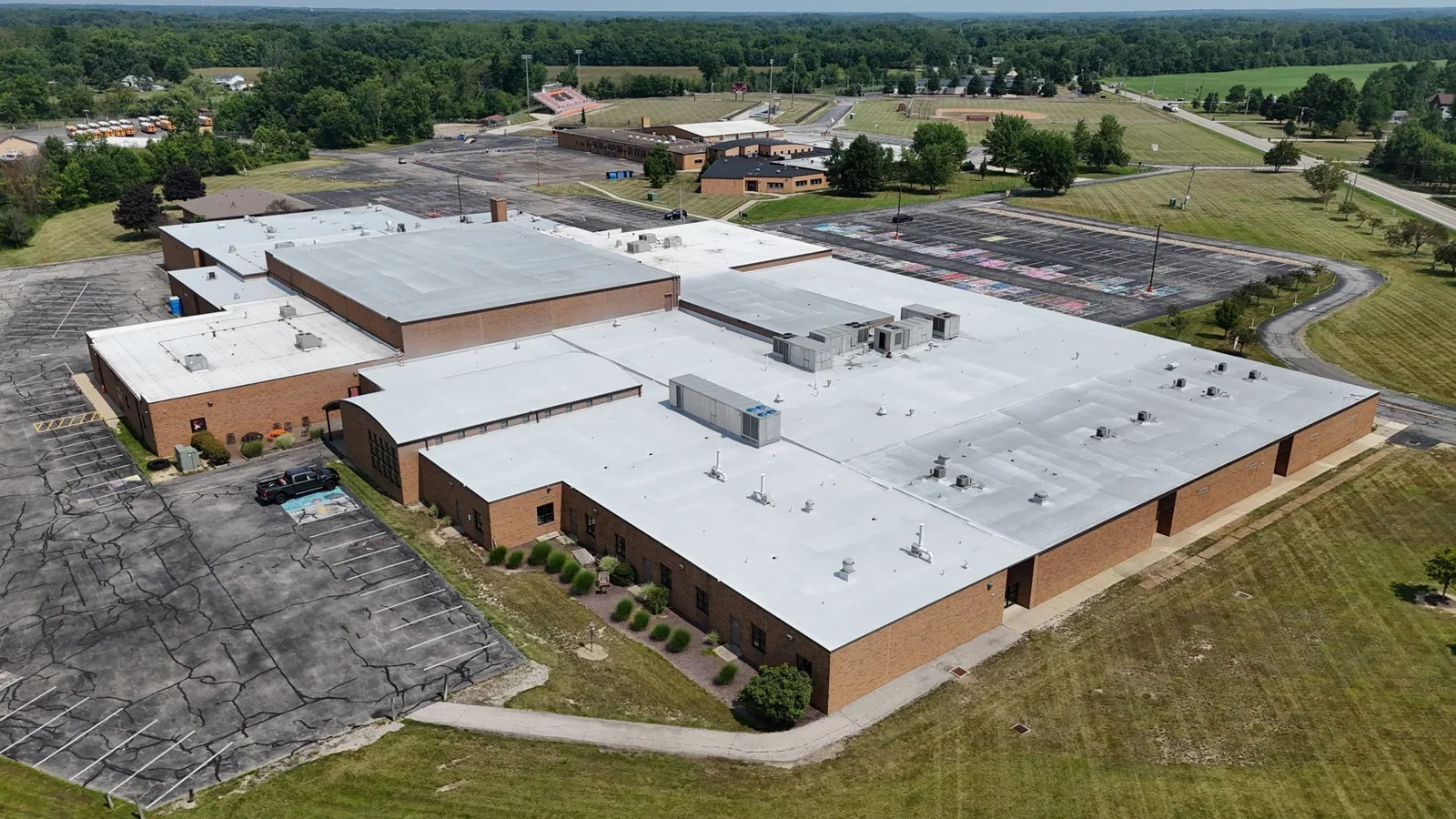
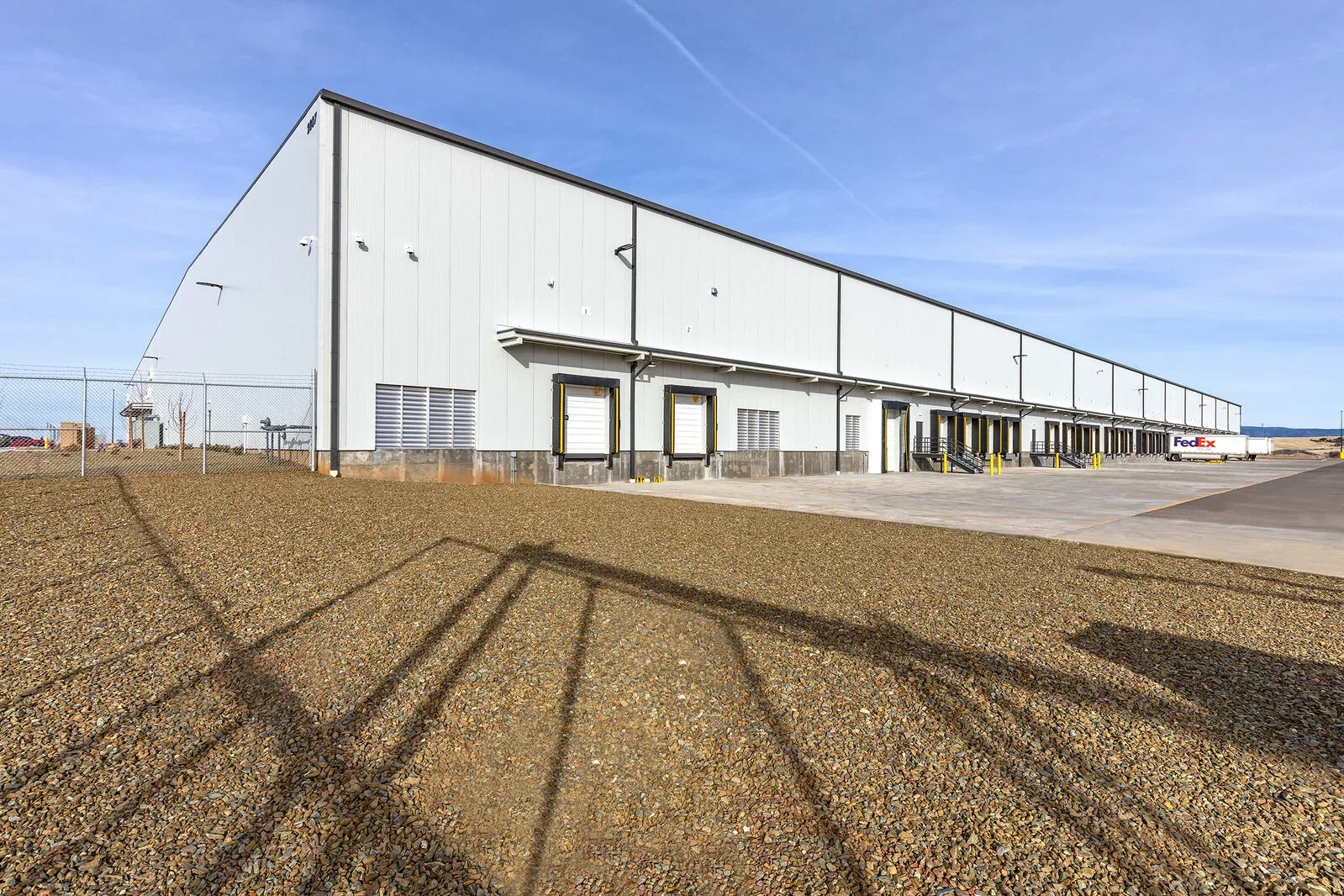
Rancho Conejo Industrial Park, at the north end of Newbury Park, holds most of Thousand Oaks' industrial businesses across more than 120 properties counted in 2017, and a warehouse that Amazon opened there in 2018 put a distribution-scale roof among the park's tilt-up and research buildings. On roofs of that kind the first findings are almost always at the edges and the penetrations, not in the middle of the field. The perimeter is where the membrane is fastened or terminated against a concrete panel, where the parapet flashing absorbs daily thermal movement, and where the edge metal meets the first gust of a dry offshore wind. We probe those terminations by hand along their full length and log each open lap or lifted fastener with a photograph and a roof-plan location.
The field tells a slower story. Long membrane runs shrink and pull at the corners, interior drains sit a little low, and rooftop units and skylight curbs concentrate the flashing details into a few spots that fail first. An owner who sees those spots mapped can price a precise repair instead of paying for general reroofing to chase a stain across a ceiling.
Implication: the cost of a warehouse leak sits inside the building
A leak in an office is an inconvenience. In a warehouse it reaches racking, packaged goods, dock equipment and fire protection piping, and the roof is rarely the largest line in the loss. Tenants on a net lease often carry repair duties by contract, so a finding that looked minor to a property manager becomes a dispute over who pays for wet inventory. For that reason each finding in our report carries an implication beside it: the likely path of the water, the floor area underneath, and whether the interior use makes the defect urgent or simply scheduled. Water runs along deck flutes and purlins before it shows at a ceiling, so a stain in one bay is often several feet from the defect that caused it.
The same logic governs timing. Roughly ten inches of rain reaches Newbury Park in a typical year, most of it in a short winter season, so a low-slope drainage system meets a few intense storms instead of steady wetting. A clogged sump has little margin in that pattern. A defect repaired on dry membrane in the autumn can be bonded and tested before the weather turns.
Options by horizon: repair now, restore next, replace on schedule
Warehouse owners usually face the same three choices, and the right one follows from how much of the field is still sound. Where the membrane is intact and the failures sit in the details, commercial roof repair at seams, curbs and edges buys years at a small share of replacement cost. Where the surface is chalked and crazed but the insulation is dry, roof coating restoration can extend remaining service life and raise reflectivity. Where infrared work and core samples show wet insulation across broad areas, a recover or full tear-off is the straight answer, and delay only widens the wet area.
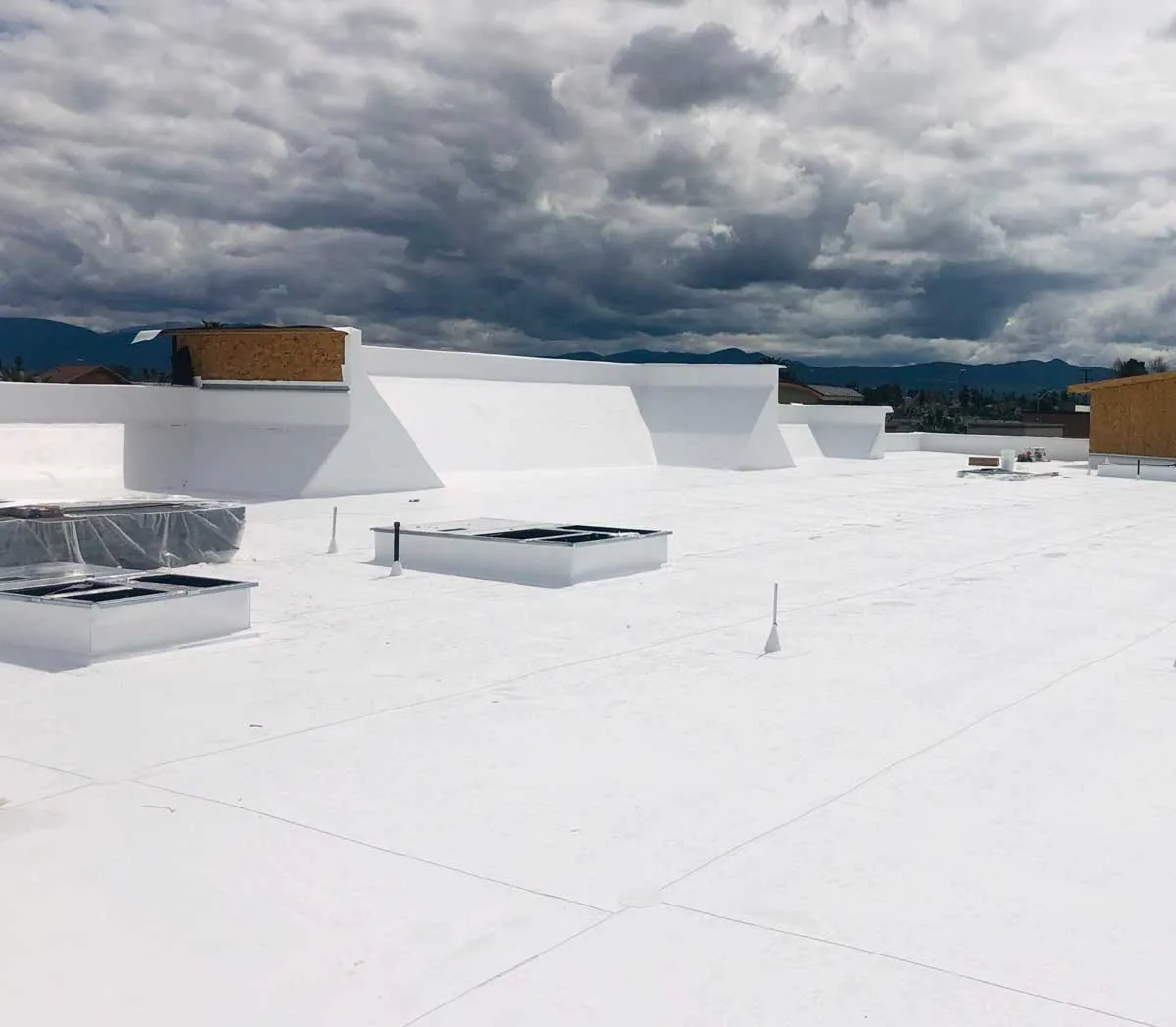
For single-ply replacement on a large clear span, TPO roofing is a common specification because of its reflectivity and weldable seams, with fastened, adhered and ballasted attachment each carrying a different wind and cost profile. Permit applications submitted from the first day of 2026 onward fall under the 2025 California Energy Code, whose nonresidential updates reach cool roof requirements, so the membrane, insulation and attachment should be fixed in the scope before bids go out. A sister building under the same ownership, such as a distribution center or a manufacturing plant, can share that specification.
Exposure: Santa Ana wind and embers over a big flat roof
In November 2018 the Woolsey Fire destroyed 1,643 structures across 96,949 acres, with winds of 50 to 60 mph, and it affected Thousand Oaks, Newbury Park and Westlake Village. Six years later the Mountain Fire burned 19,904 acres near Somis and Camarillo, with offshore gusts forecast above 65 mph in the most extreme Santa Ana wind event in years. A warehouse roof has few places to hide from either event. Plastic skylight domes, hatches and open penetrations admit embers, ash settles in sumps and gutters, and wind works on the edge metal and rooftop units first.
After an event we walk the roof for lifted coping, loosened fasteners, scorched membrane and drains choked with debris, and we record it for the owner's insurer. That record is where wind damage roof repair and the claim file meet. The City of Thousand Oaks adopted the 2025 Wildland-Urban Interface Code within its Title 8 amendments, so the assemblies and penetrations at the perimeter are worth confirming with the building department early in a project, not at the permit counter.
Documentation: a roof file that survives a change of tenant
Warehouses change hands and tenants more often than their roofs change, and the roof file is usually the first thing lost. A baseline survey fixes that: a roof plan with every section numbered, photographs of every defect, the layers we can identify, a condition grade for each area and a prioritized scope with a realistic remaining service life. An infrared moisture survey run at dusk, when the roof releases stored heat, shows where insulation has taken on water that the surface does not reveal.
Owners with several buildings can then compare them on one scale through roof condition reports and set reserves by year. Our crews also work to the operation. Dock schedules, forklift routes and shift changes set the sequence, and we stage material so loading continues. A buyer or lender looking at a building in the Rancho Conejo Industrial Park can price the roof from exactly this file.
Commercial Roofing Questions
How does roof work get sequenced around dock doors and shifts?
Around the loading schedule, one section at a time. We cordon the area above active bays, keep tools and debris off the dock side, and stage membrane and insulation so the building keeps shipping. The sequence is agreed with the facility manager before the first day.
Which warehouse roof details fail before the field membrane does?
Skylight curbs, parapet terminations, expansion joints and drain sumps. Each concentrates movement or water in a small spot, so the sealant and flashing there wear out well ahead of the sheet itself. A survey that maps them lets repairs be priced individually.
Is a coating a realistic option on a tilt-up warehouse roof?
When the membrane is sound beneath the chalking and moisture testing shows dry insulation, a coating restores the surface and adds service life. If the insulation is wet or the seams are widely open, coating only hides the problem and a recover or replacement is the sound choice.
What should a buyer in an industrial park ask about the roof?
A current written survey with photographs, the roof type and layers, a remaining service life for each section, and any open warranty terms. Ask also for the drain and scupper condition, since a few heavy storms test them. With those in hand the buyer can price the first capital repair into the offer.
Can solar panels go on an older warehouse roof?
Only once the roof beneath them has the service life to outlast the array, or has been replaced first. Panels make later membrane work expensive because they must be lifted and reset. We settle that order before racking is ordered.