Wind Damage Roof Repair in Thousand Oaks, CA
Roof Damage Repair · Thousand Oaks, CA
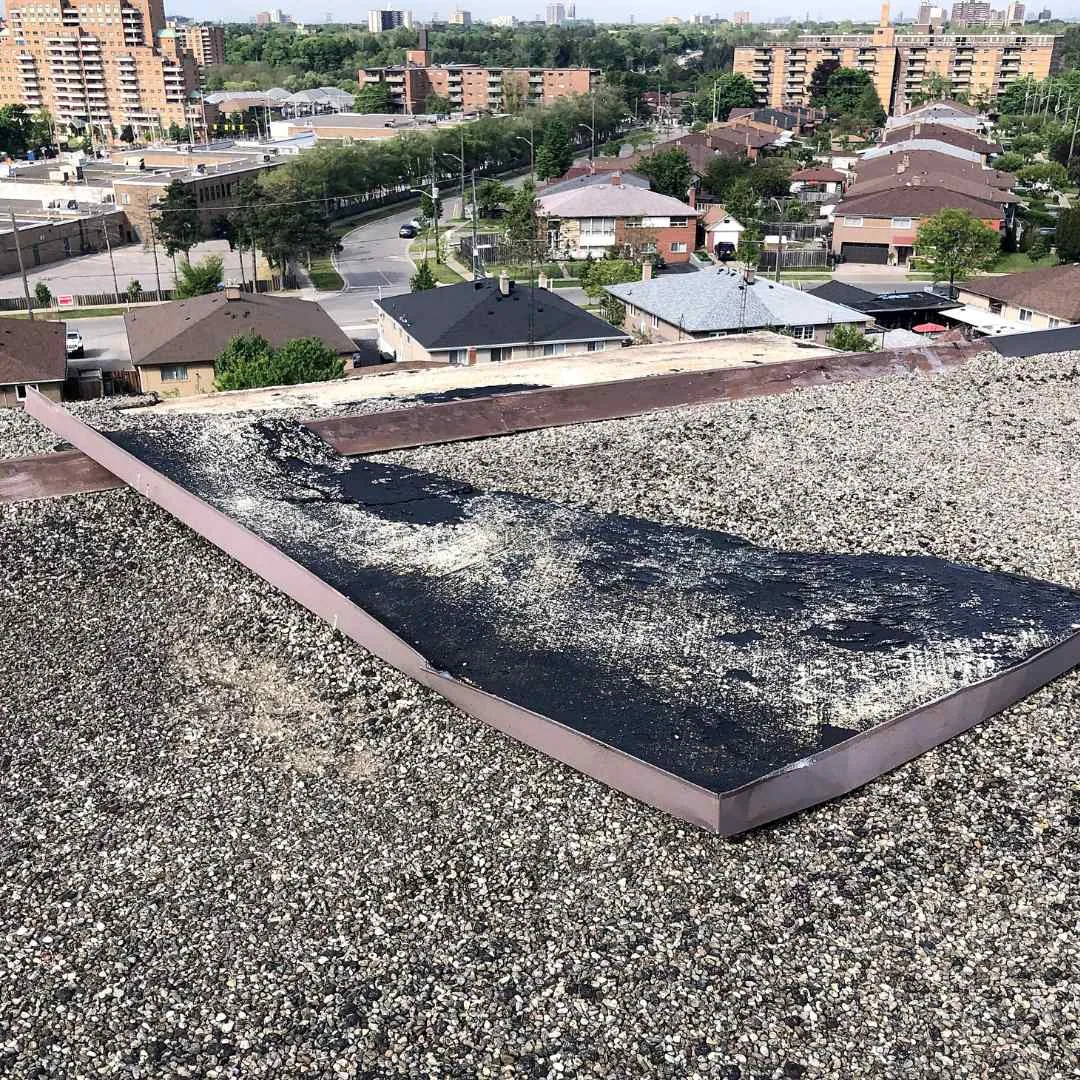
Perimeter survey, windward wall: a run of coping cap lifted off its cleat, the membrane edge beneath it fluttering loose, and an exhaust fan shifted a short way across its curb. That cluster is what a Santa Ana event leaves on a flat roof, and on a tilt-up building of the kind found across the Rancho Conejo Industrial Park it tells the owner two things at once. The visible damage is small, and the exposed edge is now the weakest line on the roof until someone resets it. Wind damage roof repair in Thousand Oaks, CA is the work of reading that pattern quickly, closing the edge before the next gust finishes the job, and writing the damage down as a scope that an adjuster and a budget committee can both follow.
Wind Damage Roof Repair
Roof Damage Repair
Call our team
Written findings and options
Thousand Oaks, CA
Ventura and Los Angeles counties
Pattern: where Santa Ana gusts take hold first
Offshore Santa Ana winds in Ventura and Los Angeles Counties can easily exceed 40 mph, and they are noted for channeling through the passes with enough force to cause structural damage. A flat roof responds the way a wing does. Air accelerates over the edge, pressure falls across the surface, and the membrane, insulation and edge metal are pulled upward against whatever holds them down. The load is uneven. It peaks at corners, along the perimeter and at parapet caps, so the first findings are almost always in the outer band of the roof and not in the field.
That gradient gives us a method. We walk the windward walls first, then the corners, then every item that stands proud of the deck, and we mark each displaced component on the roof plan before touching it. Debris scars, bent flashing, a coping joint opened wider than its neighbors and sheared fasteners all point in a direction, and direction separates a single hard gust from a long blow that worked a weak detail loose over hours.
Perimeter: cleats, caps and the first line of attachment
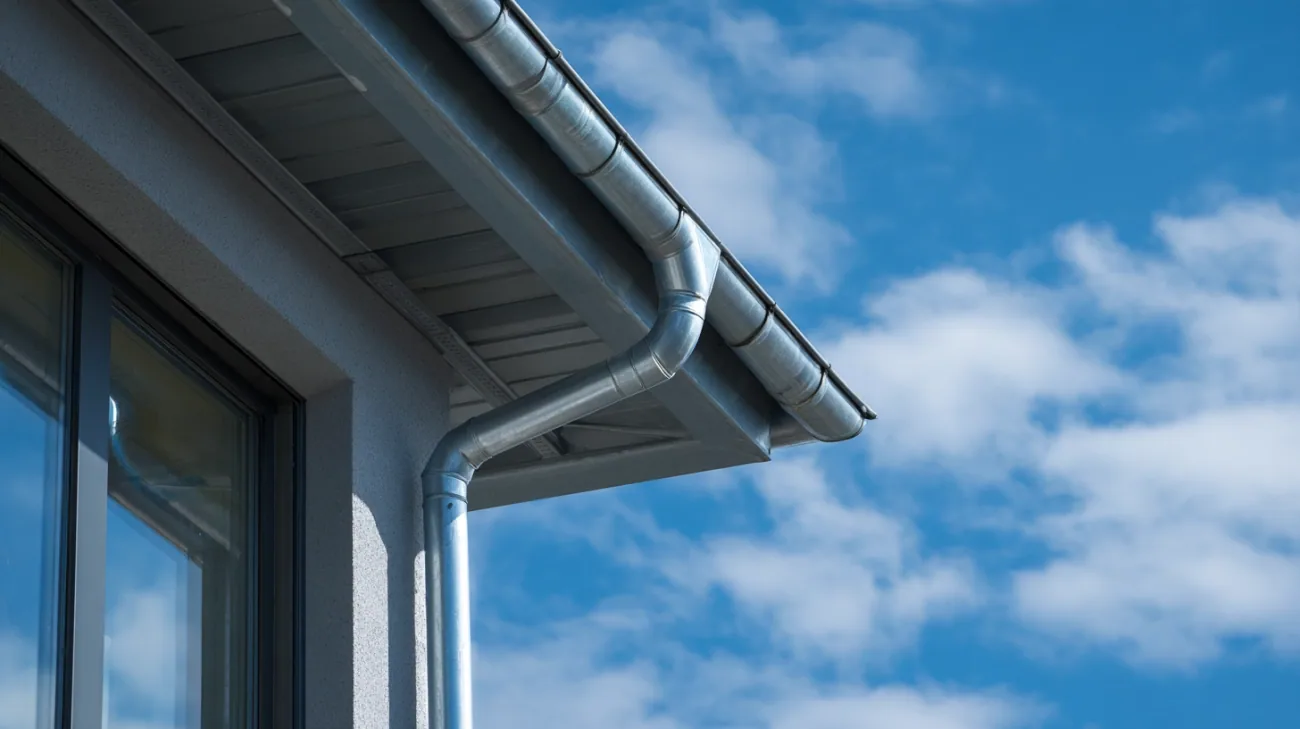
Edge metal is a load-bearing assembly, not trim. Coping hangs on continuous cleats or is screwed to the wall, the membrane terminates beneath it, and the whole run is only as strong as its weakest fastener. Once one cap lifts, the exposed membrane edge takes full uplift, and in a sustained blow a lifted edge can peel the sheet back across the field the way a corner of tape peels off a box. A sound repair is never a bead of sealant. It means replacing bent cleats, setting fasteners into solid substrate and re-terminating the membrane under the new edge metal and coping.
Older buildings complicate the picture. Edge details installed before current wind provisions often carry thin cleats, short fasteners and wood nailers that have dried and split with age, so a gust-damaged perimeter frequently exposes a detail that was marginal before the event. We record that distinction, because the owner should know whether the repair restores the roof to its earlier state or lifts it to a standard the original never met.
Equipment: units, curbs and whatever the wind moved
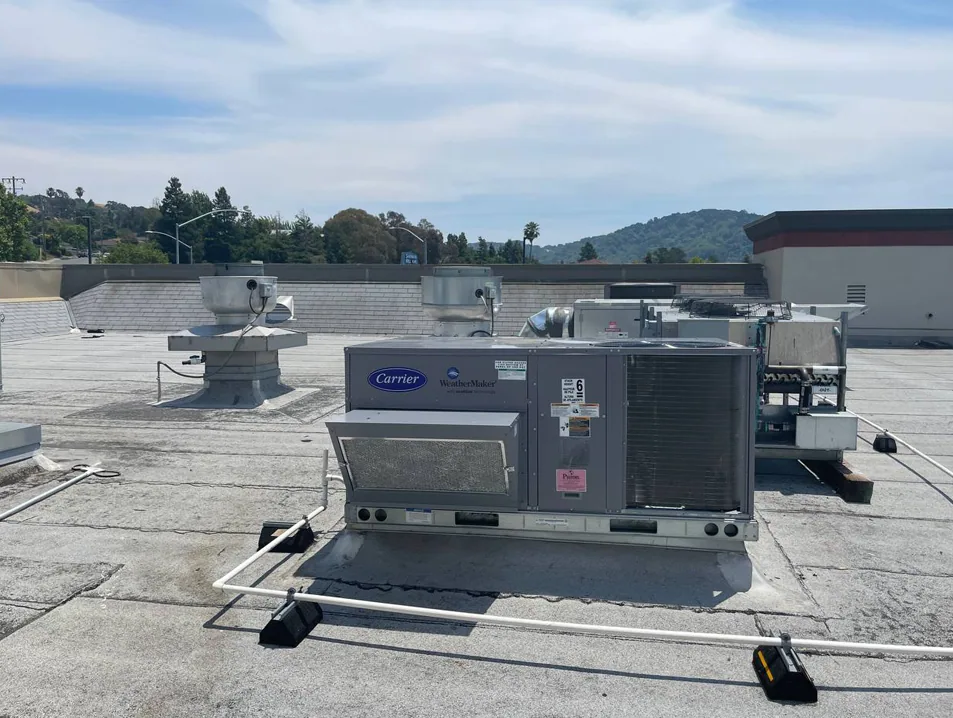
Rooftop units, fans and exhaust stacks catch wind on their housings, and an unrestrained unit can walk across its curb rail by a hand's width without anyone noticing. The membrane flashed to that curb moves with it, which is how a roof that survived a gust with no tear can still open a seam a week later. On a hospital such as Los Robles Hospital and Medical Center, whose roofs carry mechanical equipment for critical areas, a shifted unit is also a continuity issue. We check tie-downs, restraint straps, curb flashing and refrigerant or conduit lines at every unit, and we coordinate any resetting of units on their curbs and equipment supports with the mechanical trade so the roof and that trade are not repairing the same detail twice.
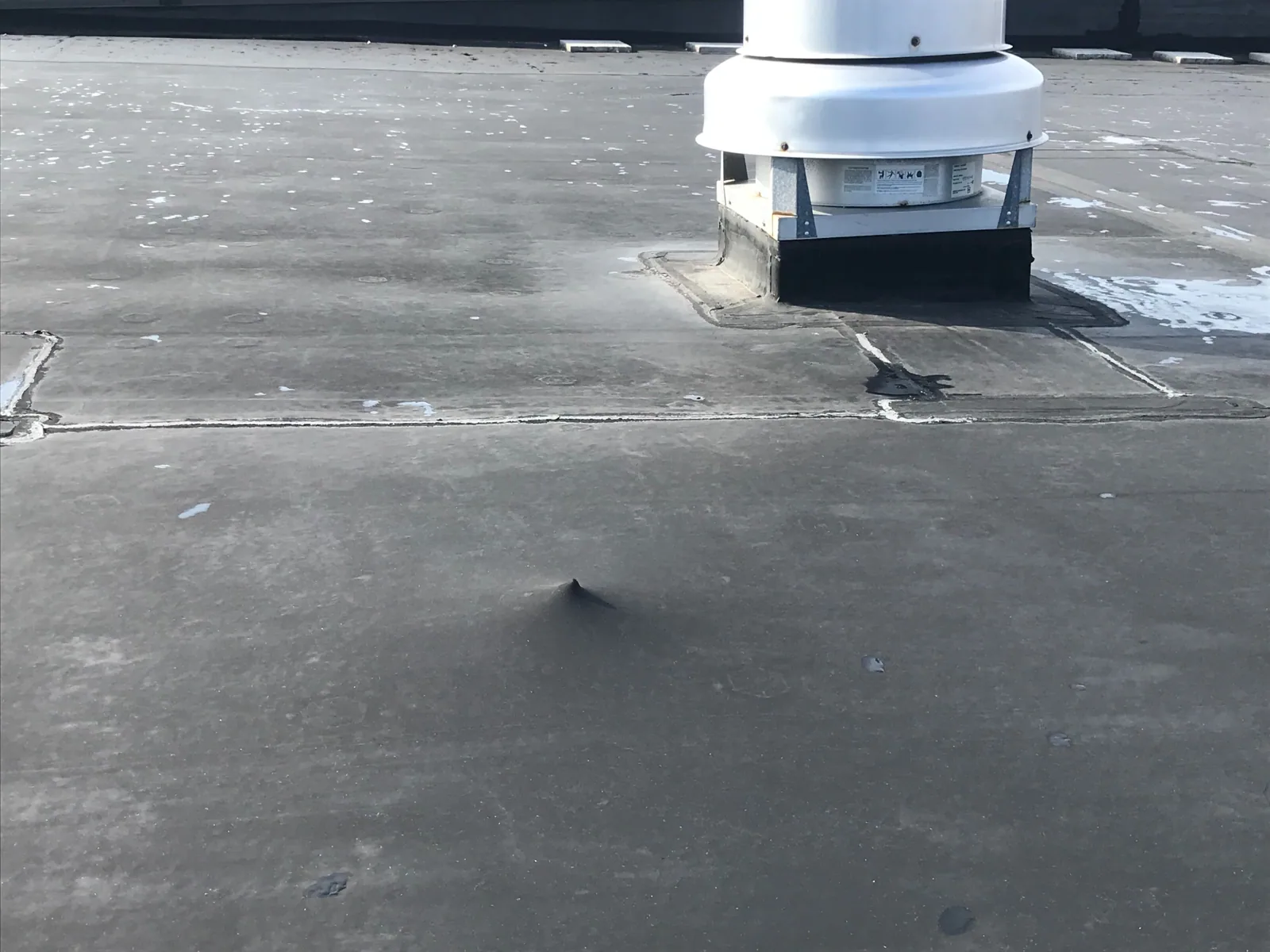
Wind also relocates things that were never part of the roof: a gate left open, a loose panel from a neighboring building, a pallet cover, stacked material from a recent repair. Each can gouge the sheet or block a drain. A thorough post-event walk includes clearing the roof, inspecting where debris landed, and logging punctures for membrane puncture repair as separate line items, since the cause and the fix differ from uplift damage.
Vacant boxes: retail roofs between tenants
The Oaks, a 1.3 million square foot regional mall, changed ownership in late 2024. Roof condition belongs in property due diligence as well as maintenance planning. A vacant retail box has no tenant watching the ceiling, so an edge opening can go unreported until water reaches the floor. During re-tenanting, schedule a roof walk after high wind rather than waiting for a drip report. The survey should identify exposed edges, check insulation and separate storm damage from older wear.
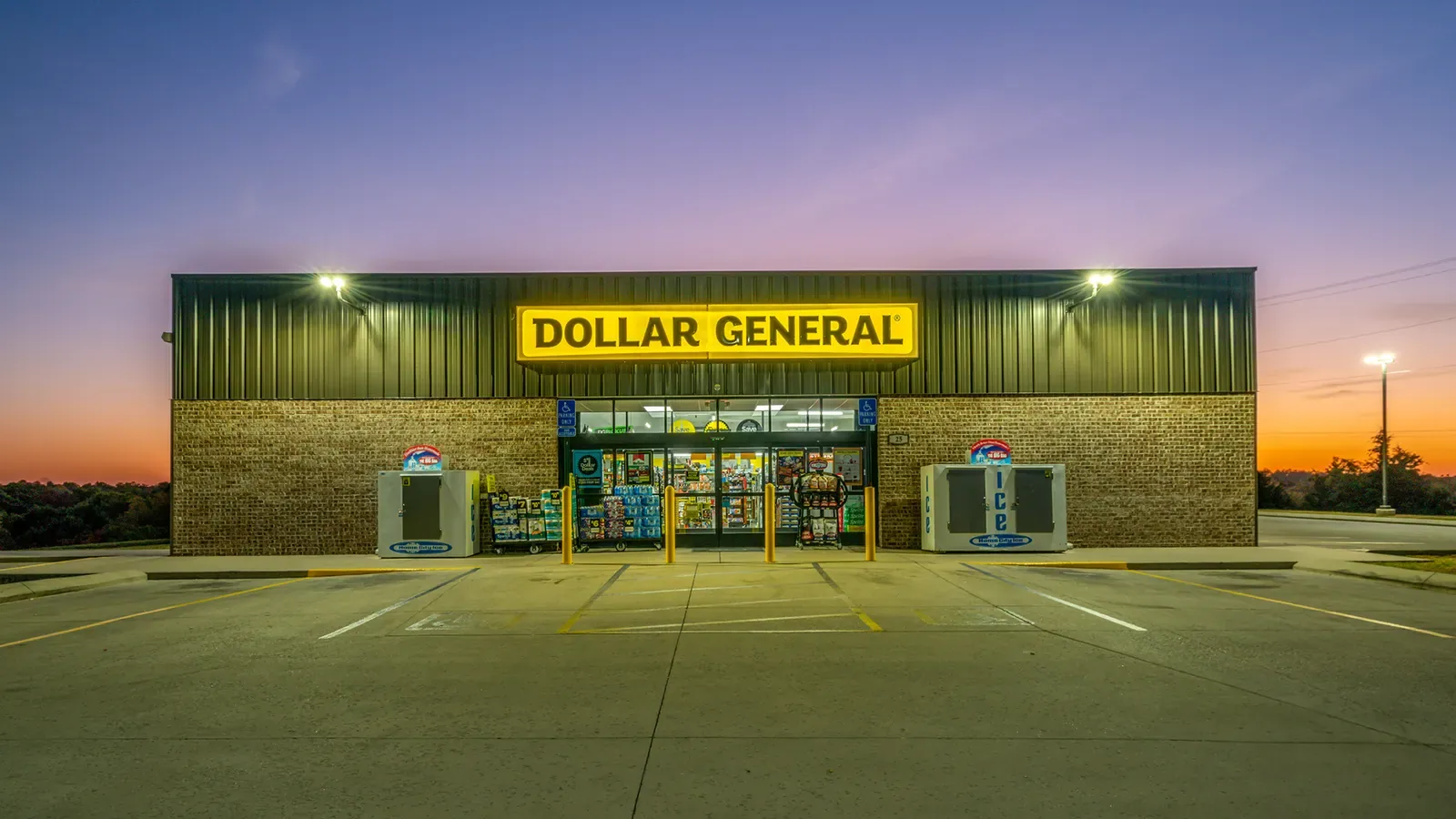
Big-box buildings tend to combine long perimeter runs with tall parapets, and uplift concentrates where those walls meet the roof. When we assess a big-box retail roof after wind, the first question is how long the edge has been open and what the insulation beneath it has absorbed. Wet insulation turns a quick edge repair into a section replacement, and the survey is how an owner learns that before the next rain.
Response: securing the edge, then the permanent scope
The first visit has one aim, which is to stop further loss. Crews fasten down lifted edges, tarp or temporarily seal opened laps, remove loose metal from the walking surface and photograph everything in place before it is moved. That is emergency roof repair work, and we respond around the clock after an event, because the second gust is often the one that does the real damage.
The permanent scope follows once the roof is dry and the findings are on paper. We separate storm damage from wear, price each location, and assemble photographs, roof plans and the event date into the file an adjuster will ask for, the backbone of any roof insurance claim. Thousand Oaks adopted local amendments to the 2025 California codes on the basis of its own climate and terrain, so scope that touches edge assemblies is checked against the current provisions before material is ordered. A lifted parapet termination may call for a flashing failure repair when water tracks behind the wall after the wind event.
On a roof along the Thousand Oaks Boulevard corridor, the repair sequence starts with safe access, tenant hours and the edge detail that opened, then keeps the exposed section small until the permanent scope is ready.
Commercial Roofing Questions
How soon after a wind event should a roof be checked?
Within days, and ahead of the next forecast gust. A displaced cap or lifted edge is a hazard in itself and worsens with every blow. Start with windward edges, corners and equipment, even when no water has entered, because wind damage often shows as a leak only when the next rain arrives.
Is wind damage a repair item or a sign the roof is finished?
Either one is possible. A single displaced cap on a membrane with years of service left is a repair. Repeated edge failures, brittle sheet that tears instead of stretching, and fasteners that pull out of the deck point to a roof near its horizon. A survey with probe results and attachment tests separates the two cases.
Can Santa Ana winds damage a roof that shows no visible tear?
Often, yes. Uplift loosens fasteners, stretches the membrane at the edge and cracks sealants without opening a hole, and those changes surface as leaks months later. Pull tests on edge fasteners and a close look at laps and terminations are how we find them before the winter rains.
Who pays for wind damage to a commercial roof?
The property policy governs, and its wording on wind, deductibles and wear controls the outcome. We record the event date, the damage pattern and the condition before the event so the adjuster can separate storm damage from age. Coverage itself remains the insurer's call.
What should a landlord do about an empty building after a gust?
Send someone up. A vacant building has no tenant to report a drip, so the first sign may be stained ceilings or a wet floor weeks later. Order a post-event walk, keep the photographs, and reset any lifted edge before the building is shown to the next user.