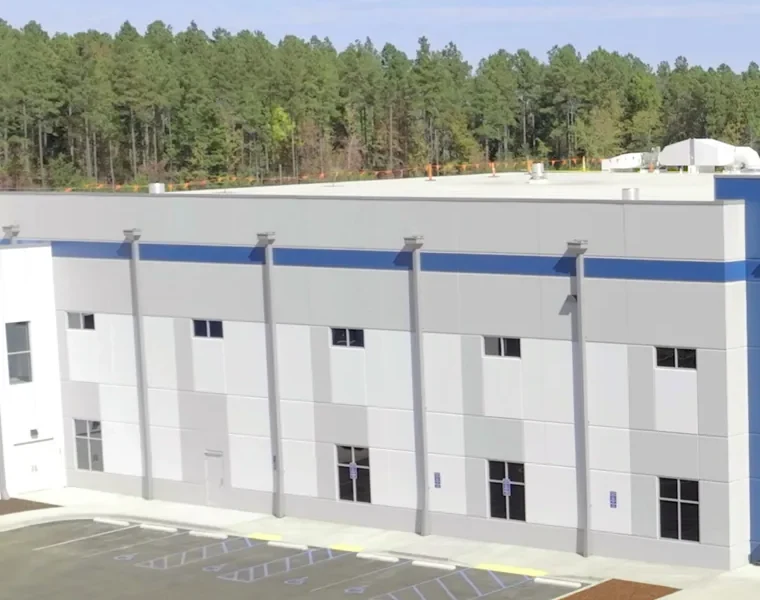
Manufacturing Plant Roofing in Thousand Oaks, CA
Property Types We Roof · Thousand Oaks, CA
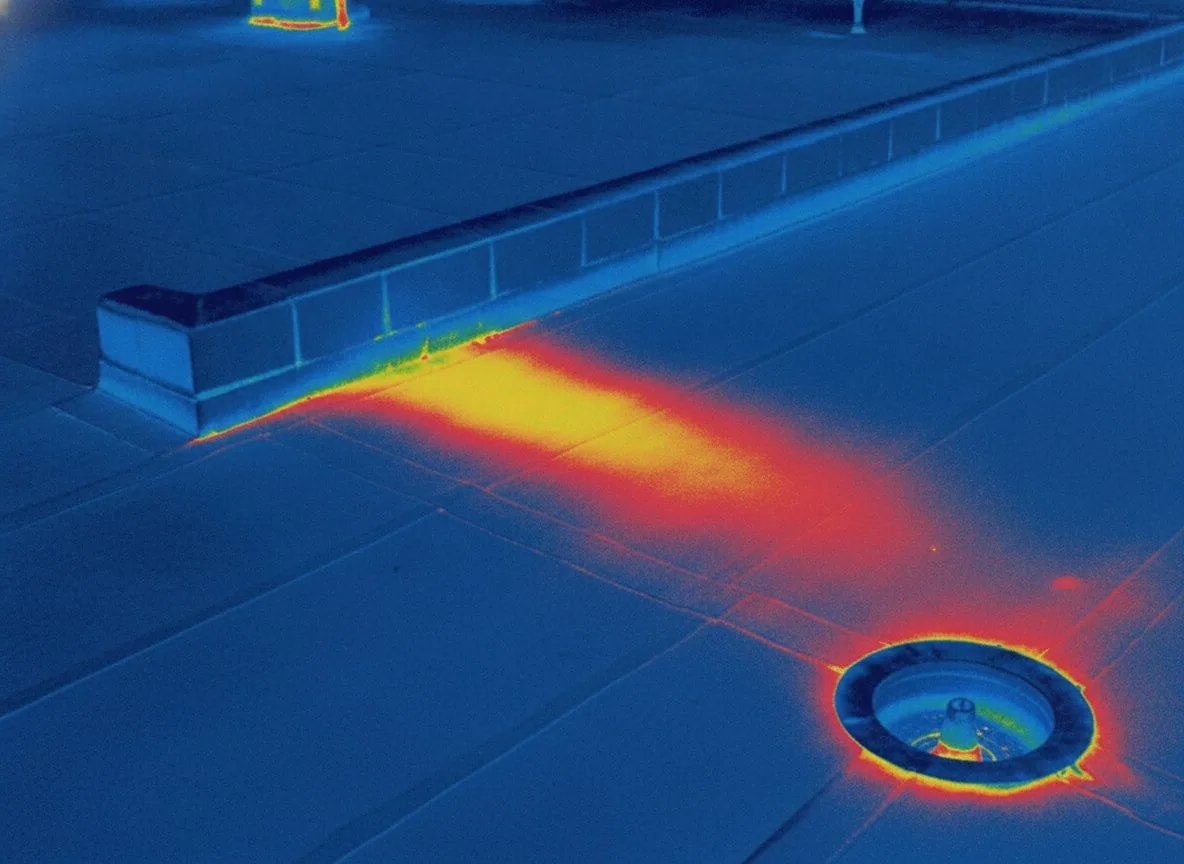
Plant roof, process wing: yellow-brown staining that fans out downwind from two exhaust stacks, membrane softened and slightly blistered within a few feet of each discharge, and a row of curb flashings whose sealant has hardened and cracked. A manufacturing roof takes its character from what the building makes. Heat, vapor, oil mist and chemical residue leave through the roof, settle on it and age a membrane in ways an ordinary office roof never experiences. For a plant owner in Thousand Oaks, CA this kind of entry is valuable because it separates plain weathering from damage with a cause inside the building, and a cause can usually be corrected for less than the cost of replacing the roof twice.
Manufacturing Plant Roofing
Property Types We Roof
Call our team
Written findings and options
Thousand Oaks, CA
Ventura and Los Angeles counties
Process load: exhaust, vapor and the roof above the line
Manufacturing and laboratory buildings push more through their roofs than almost any other type. Exhaust fans, make-up air units, process ducts and stacks cross the membrane at many points, and each carries heat, moisture or both. Amgen is headquartered in Thousand Oaks and runs large multi-building lab, manufacturing and office campuses, and Teledyne Technologies operates a research and light-industrial complex on the former Rockwell Science Center campus it acquired in 2006, so lab, manufacturing and light-industrial roofs are part of the valley's building stock. On every plant roof we log each penetration, its flashing type and the membrane within reach of its discharge. A fan that blows directly down onto the sheet is among the commonest causes of early failure, and it costs little to redirect.
Chemistry: what the exhaust leaves on the sheet
Oils, fats, solvents and acidic condensate attack some membranes and spare others. EPDM can swell and soften in contact with oils, and ordinary thermoplastic sheets lose seam strength where grease collects, while KEE roofing, a ketone ethylene ester sheet made for grease and chemical resistance, tolerates that exposure far better. We ask the plant engineer what leaves each stack and then test the surface near it. Where the answer is a roof-wide condition, the specification changes. Where it is local, we protect the area with a splash pad and a corrected discharge point and leave the rest of the field alone, which is the less expensive path and the one a facilities budget can usually absorb.
Outside influences stack on top of the inside ones. The November 2018 Woolsey Fire, driven by Santa Ana winds of 50 to 60 mph, affected Thousand Oaks and Newbury Park and made ash on roofs a real local issue, and ash is mildly abrasive and holds moisture against a membrane when it packs into laps and drains. After a fire or a strong offshore wind we clear the roof, flush the drains and look for scorched flashing, loosened stack guy supports and fastener heads lifted by uplift. On a plant roof those inspections take longer, because the penetration count is high, and the report says so in plain terms.
Substrate: steel deck, insulation and moisture that cannot dry
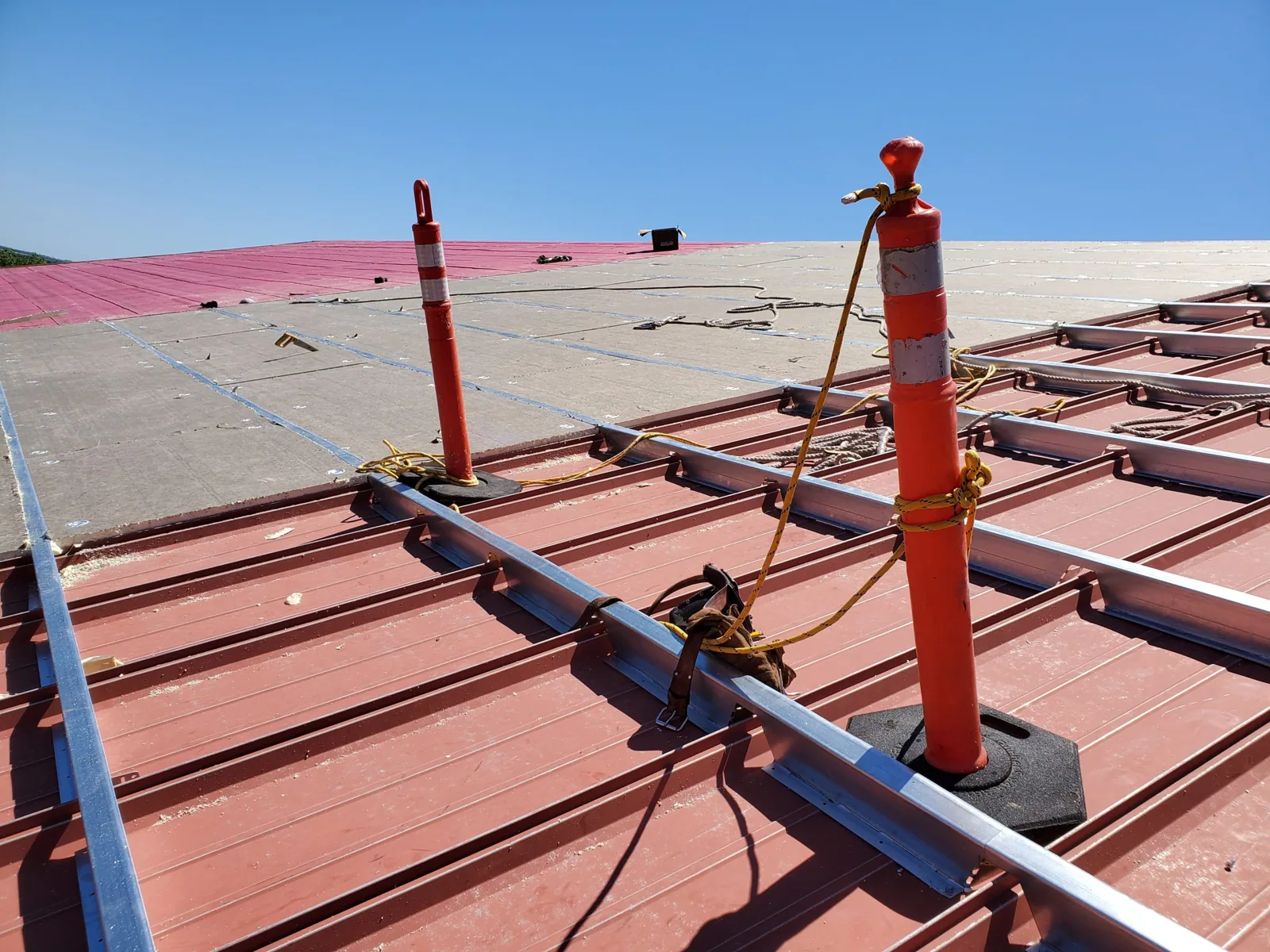
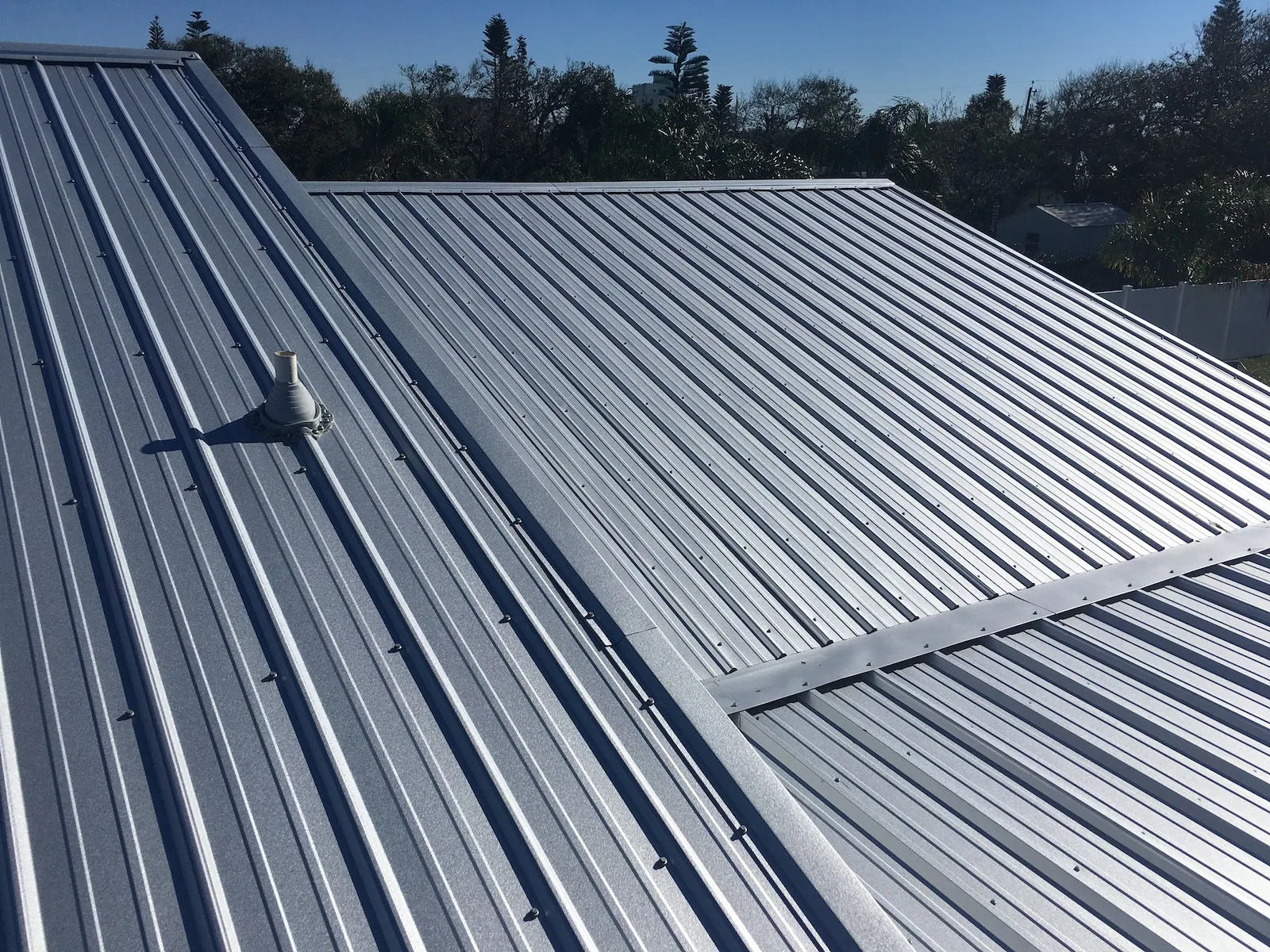
Many plants sit on steel deck. Simi Valley is a good measure of that: machinery and tools is its largest industrial category with 69 firms, metal manufacturing follows with 51, and food processing and plastics add more, so its industrial parks are dense with metal-deck buildings. Steel beneath a leaking membrane corrodes from the top, and insulation above a heated process space holds water because the warm interior and the cool roof surface keep driving vapor into it. An infrared moisture survey shows the wet areas before they spread. Often only the wet insulation needs to come out, and a new cover board under fresh membrane returns the roof to service. Where the deck and structure allow, a metal roof retrofit over the old assembly can end the cycle of patching entirely.
Shutdown windows: sequencing roof work with production
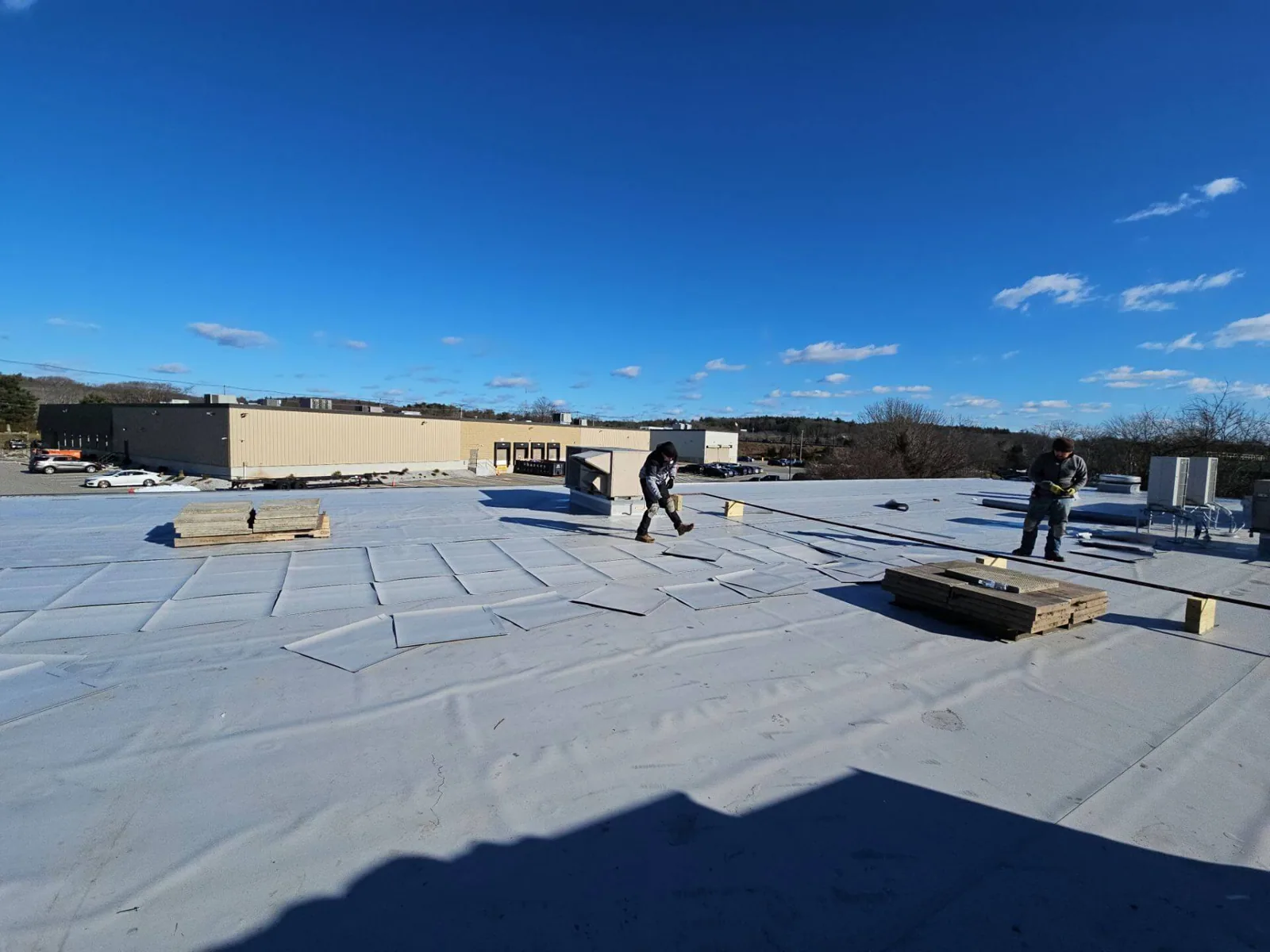
A plant runs to a production calendar, and roof work has to fit it. We coordinate with the plant safety lead on hot-work permits, torch-free methods, roof access and lockout of exhaust units while crews flash around them. The noisiest or most disruptive tasks are scheduled for planned shutdowns, and work above controlled environments is sequenced so that no area is open when the shift begins. Leaks over live equipment do not follow the calendar, and our emergency response answers at any hour. Because a plant roof competes with equipment for capital, we also build the numbers that let it be argued on the same terms: the findings, the remaining service life and a year in the roof capital planning schedule that the finance group can recognize.
Local stock: plants from Simi Valley to Canoga Park
Industrial roofs in this region come from several eras and trades. Skyworks Solutions is among the employers in the Newbury Park business area, 3M opened operations in Camarillo in 1962, and Chatsworth hosts Capstone Turbine, Natel Engineering and Hydraulics International. Canoga Park is the site where Rocketdyne built its main manufacturing facility in 1955, with TRW, Hughes Aircraft, Rockwell, Boeing and Teledyne following with plants and machine shops. Plants that grew in phases tend to carry more than one roof system on one site, and each system ages on its own schedule. Food processing is one of the industrial categories in Simi Valley, and any refrigerated wing brings the vapor problems we handle on cold storage roofs. Plants with a storage wing next to the production floor often treat it as a warehouse roof for planning purposes, and manufacturers with several sites can run one program across all of them.
A production roof should be surveyed with operations staff so that process exhaust, make-up air, electrical feeds and maintenance routes are visible before the scope is priced. Map each curb and penetration to the equipment it serves, confirm which units can be isolated, and identify production windows that may permit work nearby. If moisture appears below a process area, record both the roof condition and the operating conditions reported by the plant team; the inspection should not assign the source until it is tested. A phased plan can keep debris, adhesives and temporary openings away from intakes and sensitive production zones. At closeout, document repaired details and any equipment interfaces that still need mechanical follow-up. This gives facilities and production leads the information to schedule the next maintenance step without guessing at roof-system responsibility.
Commercial Roofing Questions
Which membranes tolerate grease and chemical exhaust?
Membranes made for it, chiefly KEE-based sheets and some PVC formulations. The right choice depends on what leaves the stack, so we review the exhaust with the plant engineer before a sheet is specified.
Can a fan discharge be moved instead of replacing the membrane?
Often yes, and it is the least expensive correction on the roof. A deflector or a redirected discharge keeps the plume off the sheet, and a splash pad protects the area that has already been exposed.
How do you protect production while a roof section is open?
We open only the area that can be closed and tested the same day, and we schedule the loudest or dustiest tasks for planned shutdowns. Roof access, hot-work rules and lockout of nearby units are agreed with the plant safety lead in advance, and the production supervisor gets a daily close-out so nothing about the roof surprises the floor.
Does steel deck need to be checked after a leak?
Yes, because water that reaches the deck begins corroding it, and corroded deck cannot hold fasteners. We probe the deck from above where insulation is removed and inspect from below where it is accessible, then include any deck repair in the scope, priced as a separate line so the owner can see what the leak cost beyond the membrane.
What happens to roof warranty terms when process equipment is added?
New penetrations are the usual point of dispute. Equipment installed without proper curbs and flashing can void coverage, so we flash additions to the manufacturer's requirements and record them in the roof file.