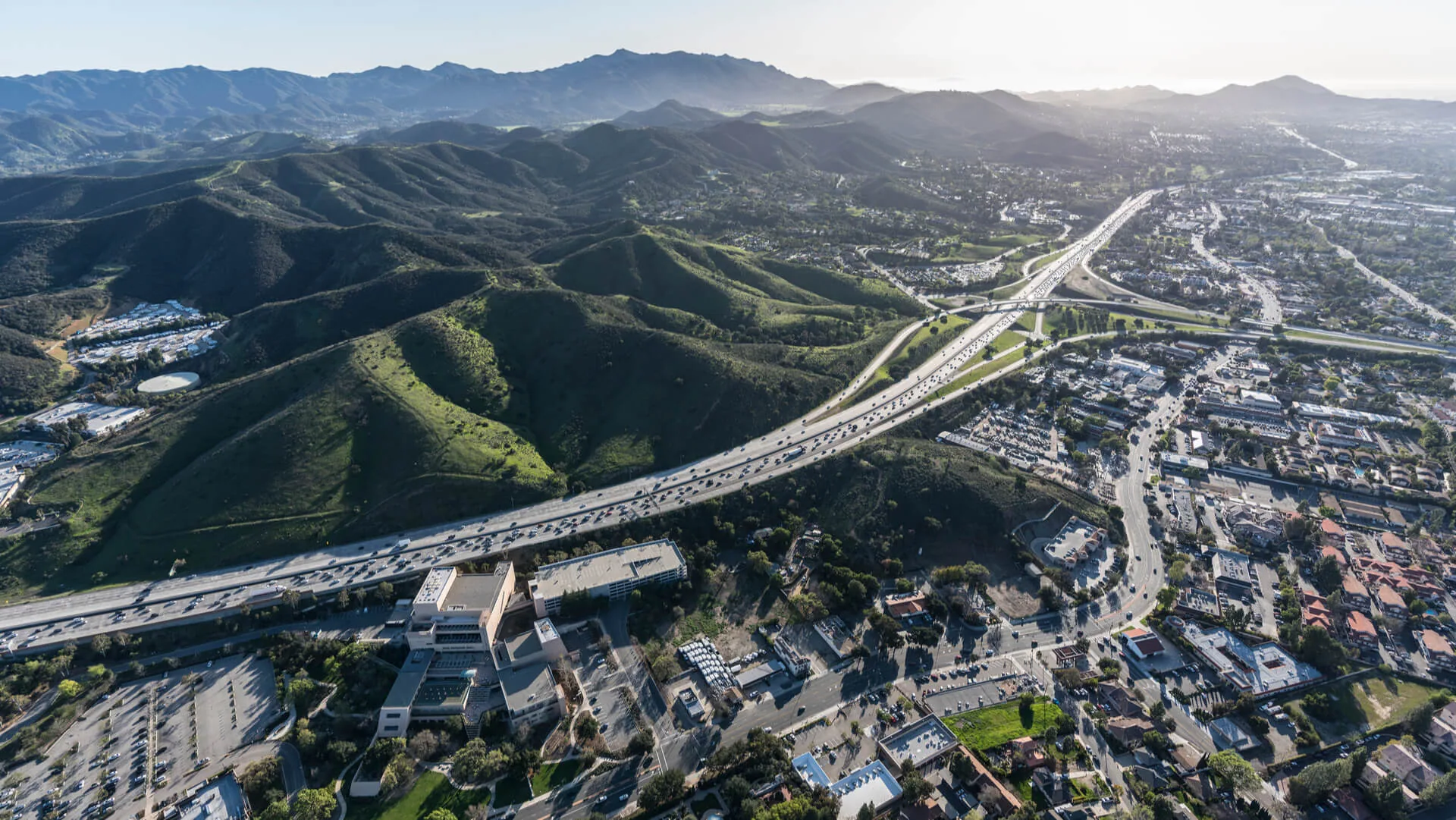
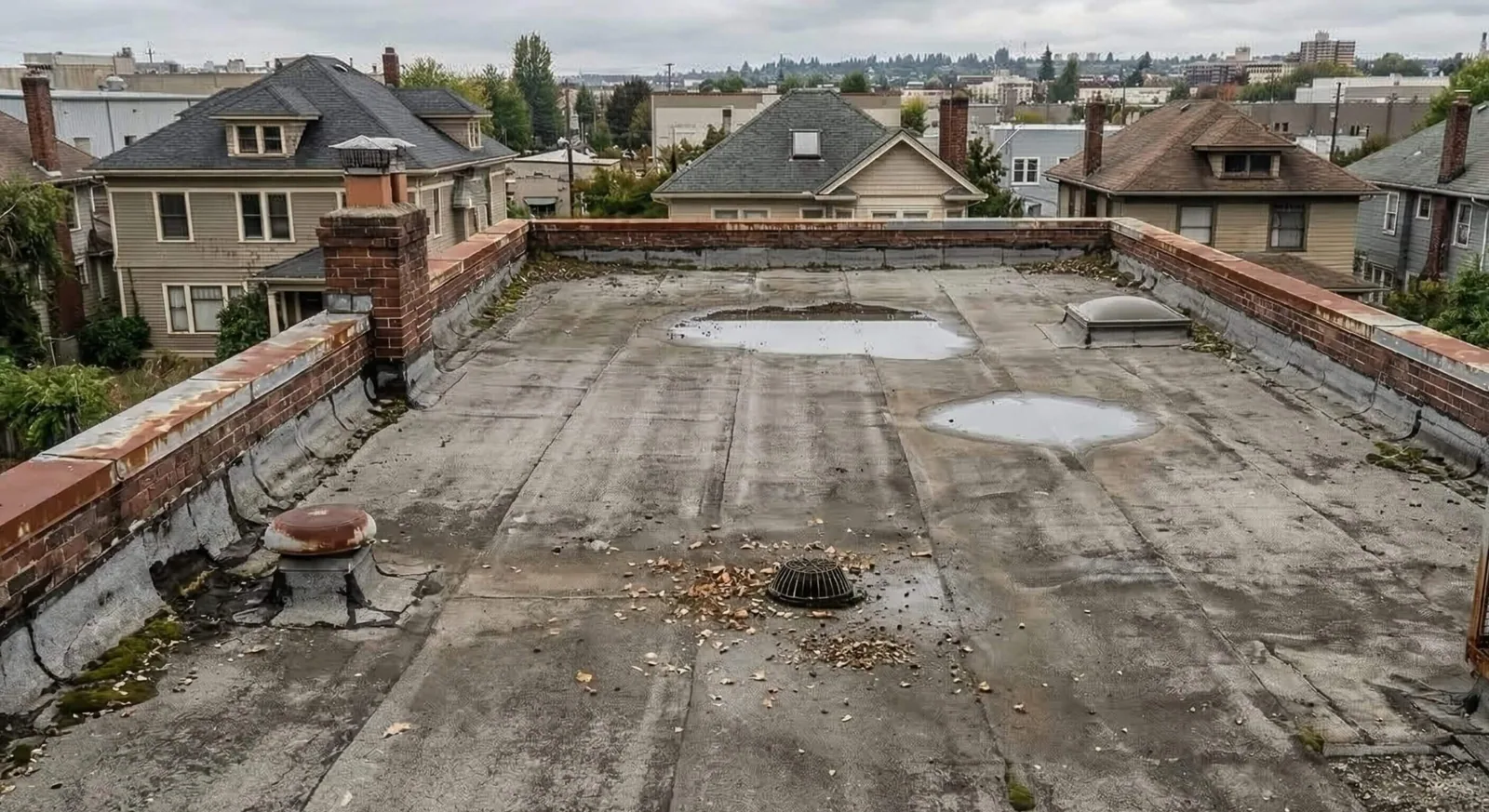
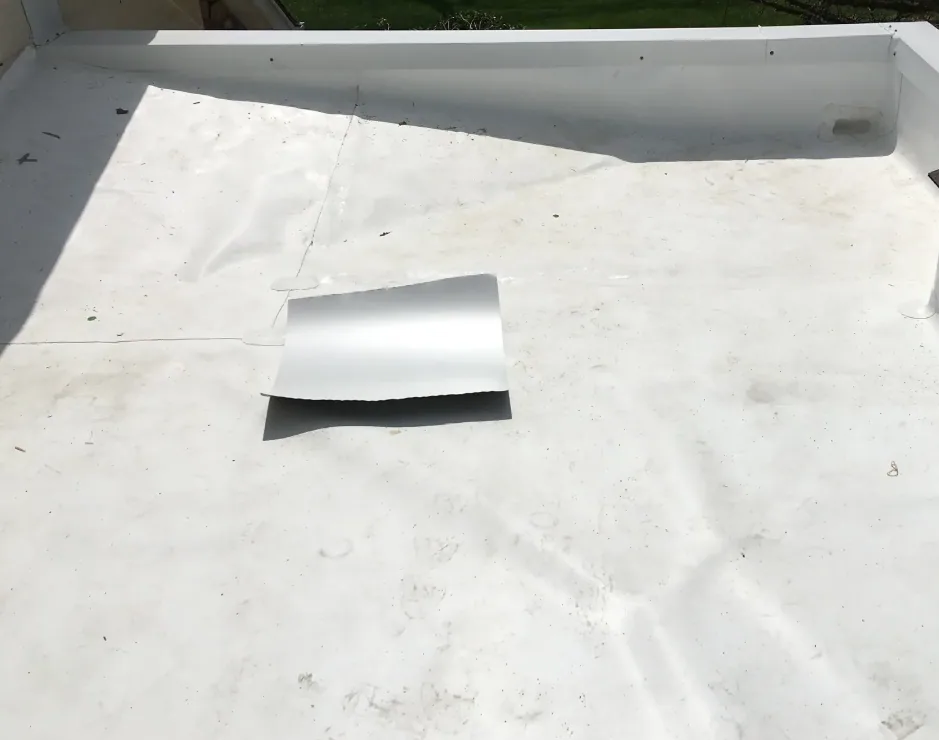
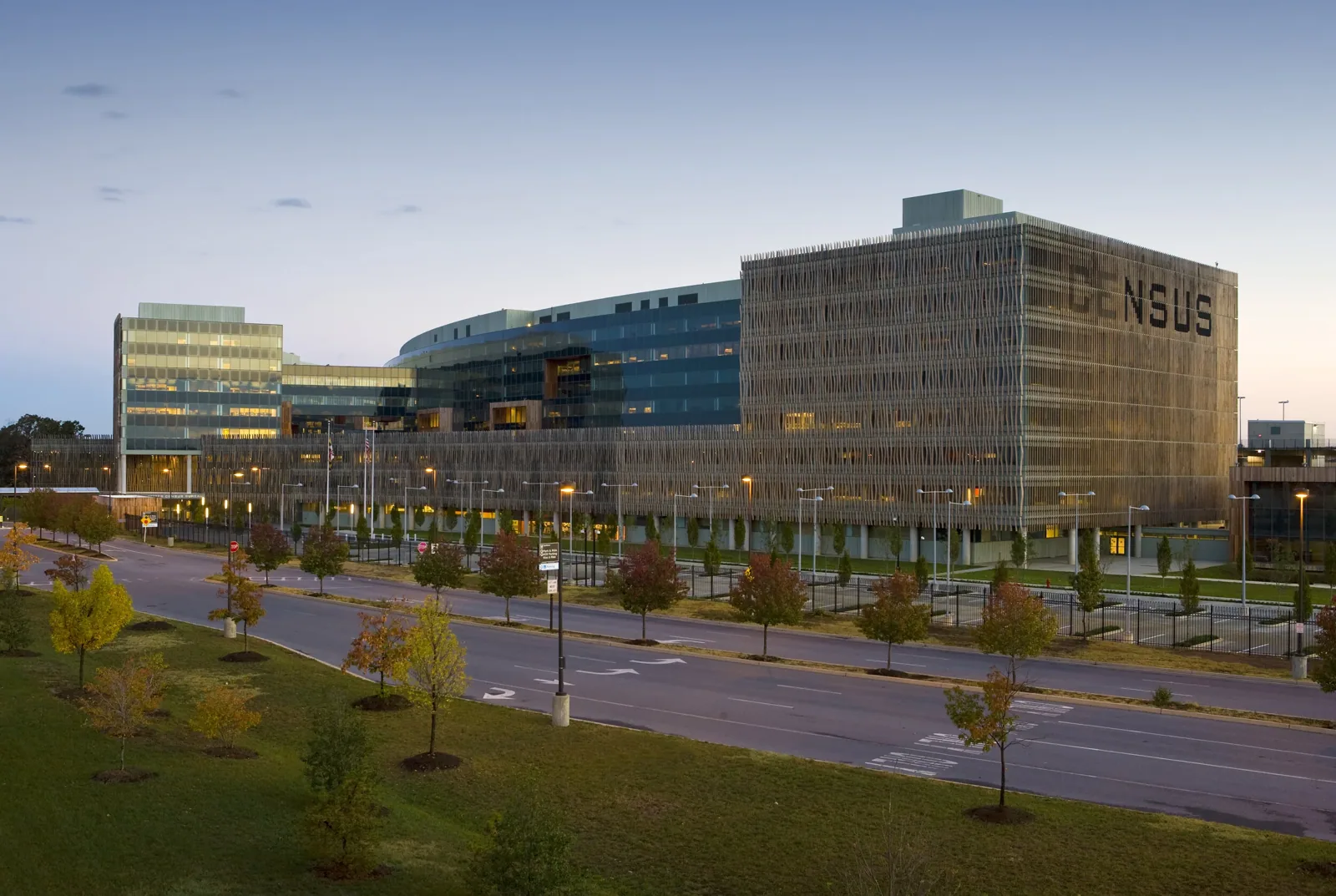
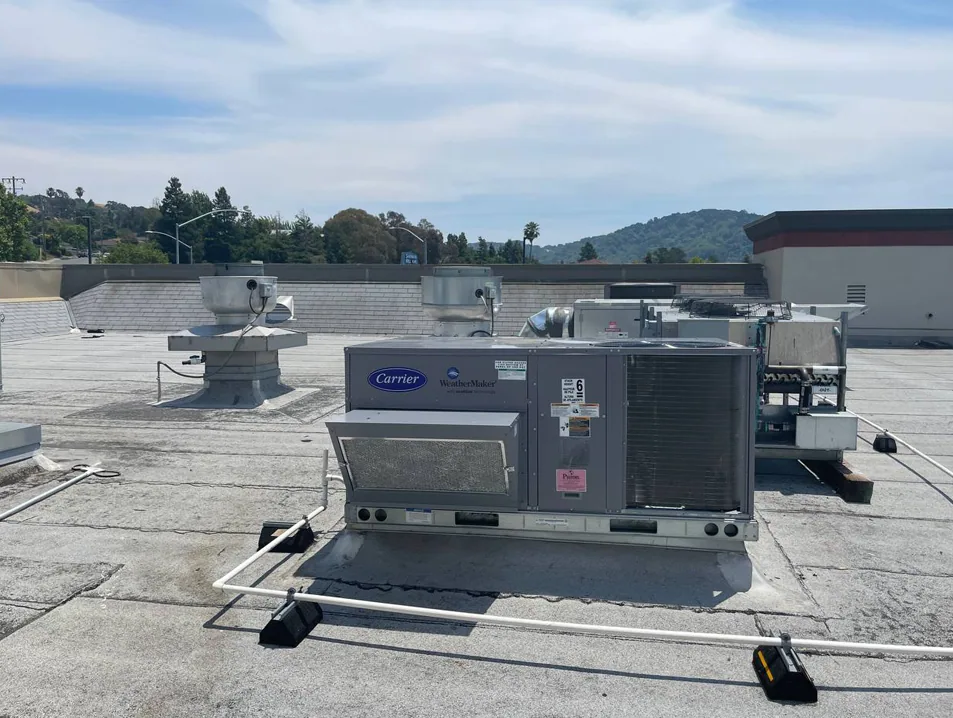
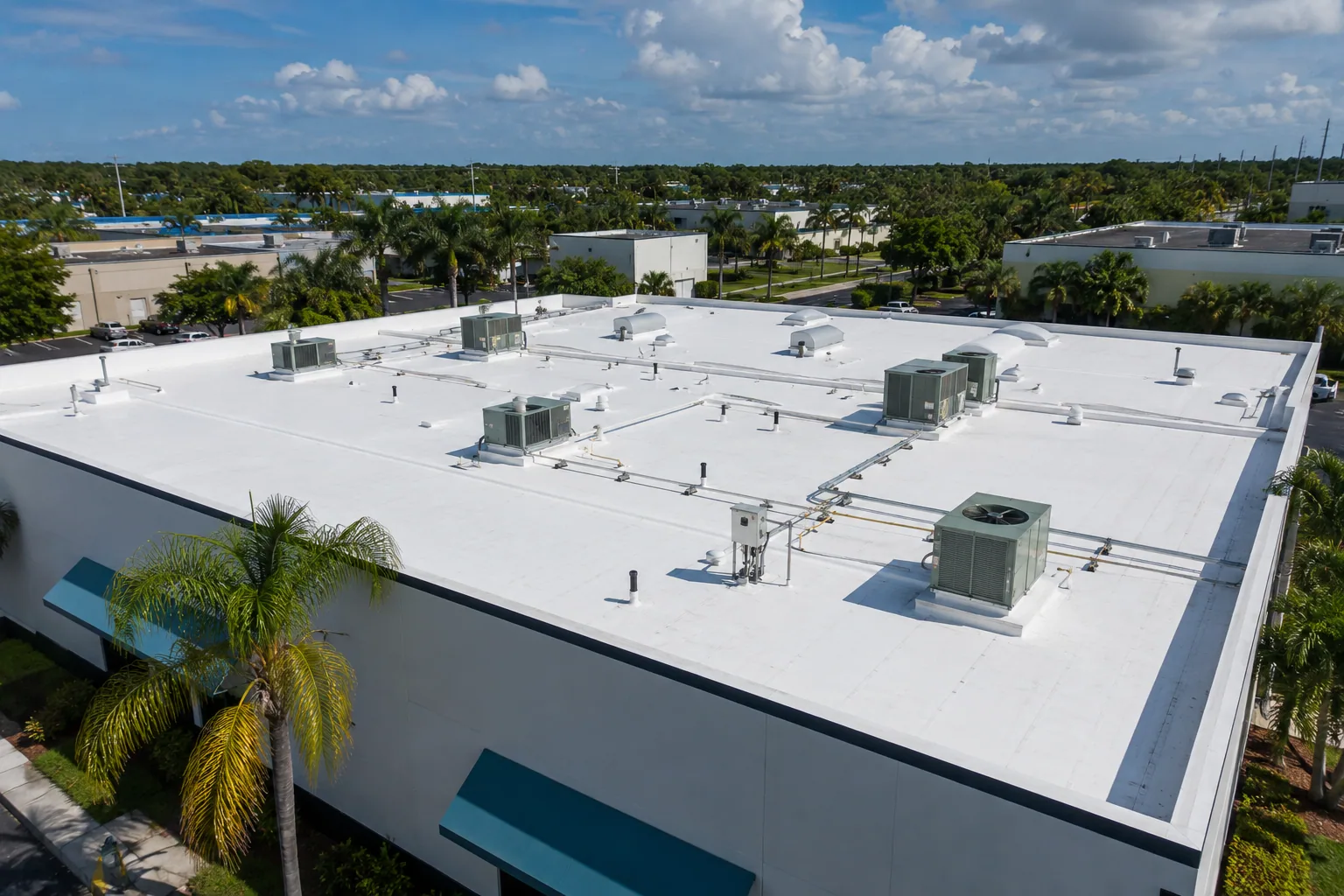
A condition survey can record an open lap at a rooftop unit, standing water at a drain sump and chalking across a south-facing single-ply field. On an office or R&D roof, those observations create a planning question: repair, restore or replace, and in which budget cycle. Industrial properties in Rancho Conejo Industrial Park and occupied buildings across Thousand Oaks call for condition records tied to the individual roof. The next decision follows inspected material, drainage and access, not assumptions drawn from a nearby property.

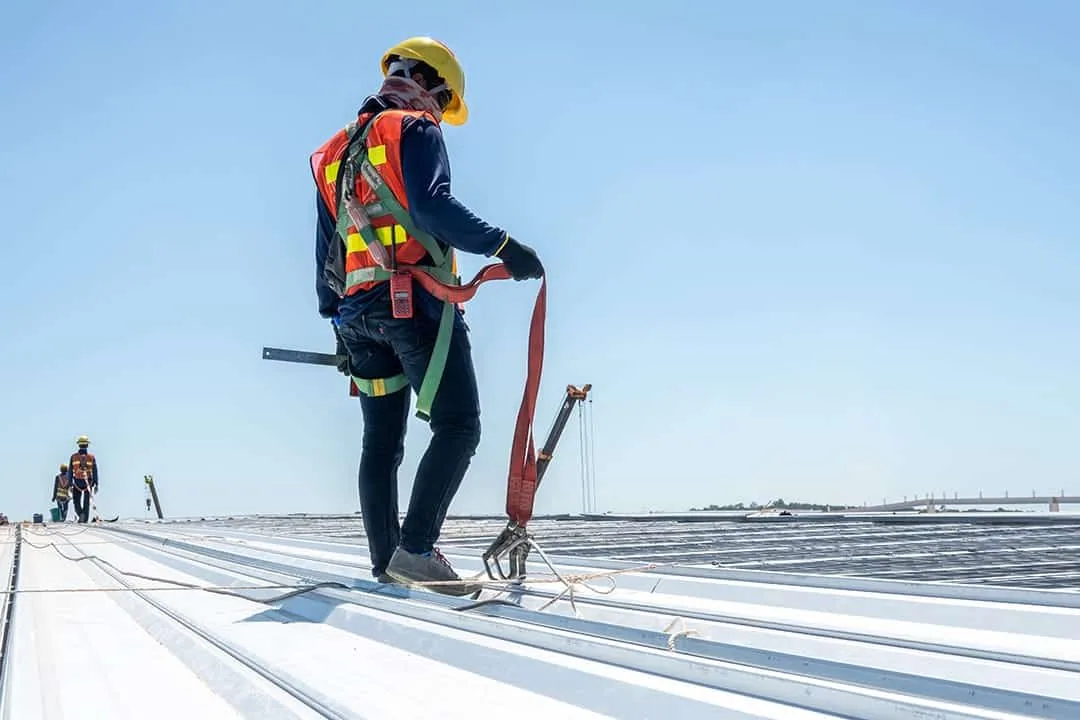
Survey: knowing what the roof holds
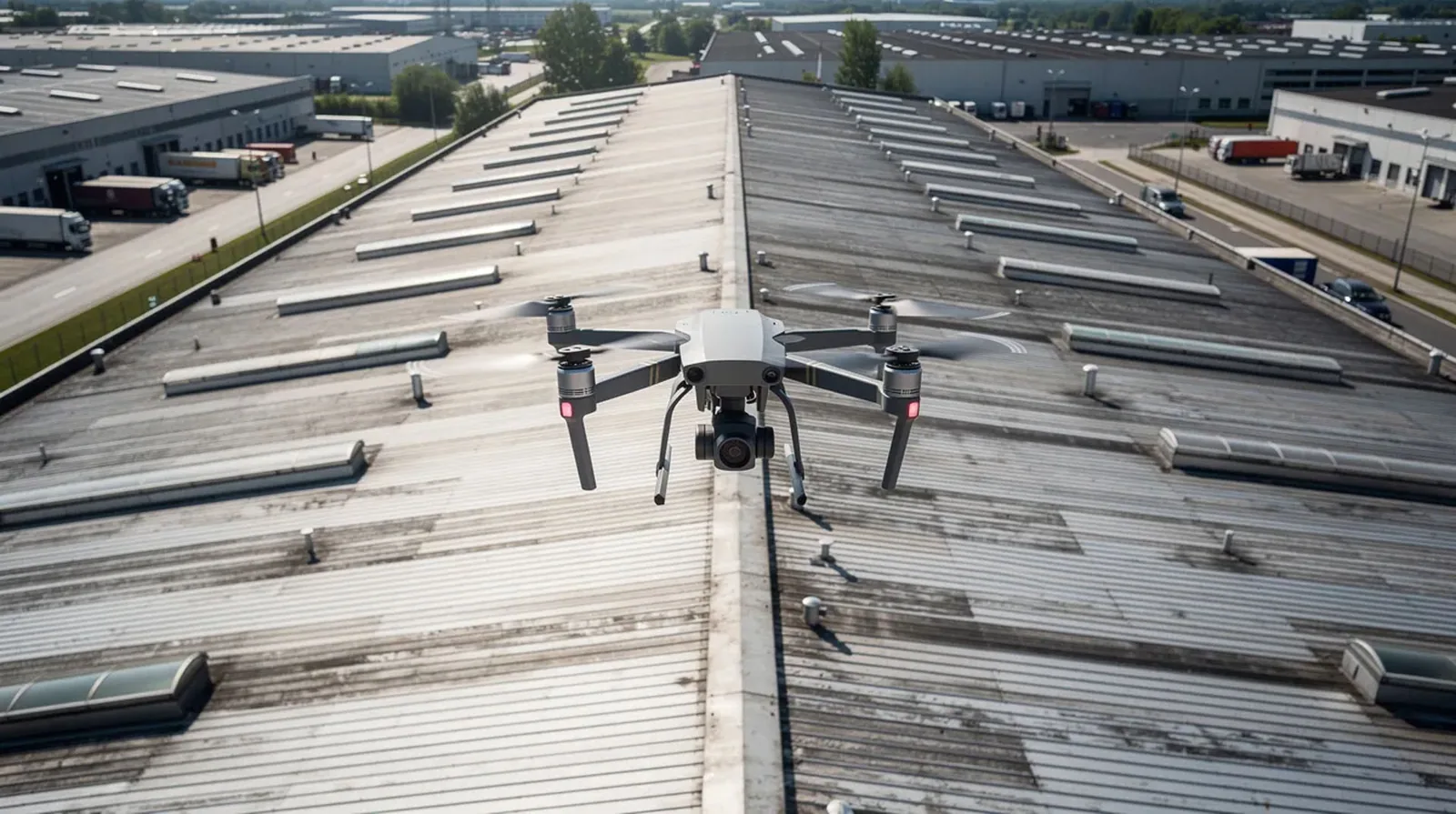
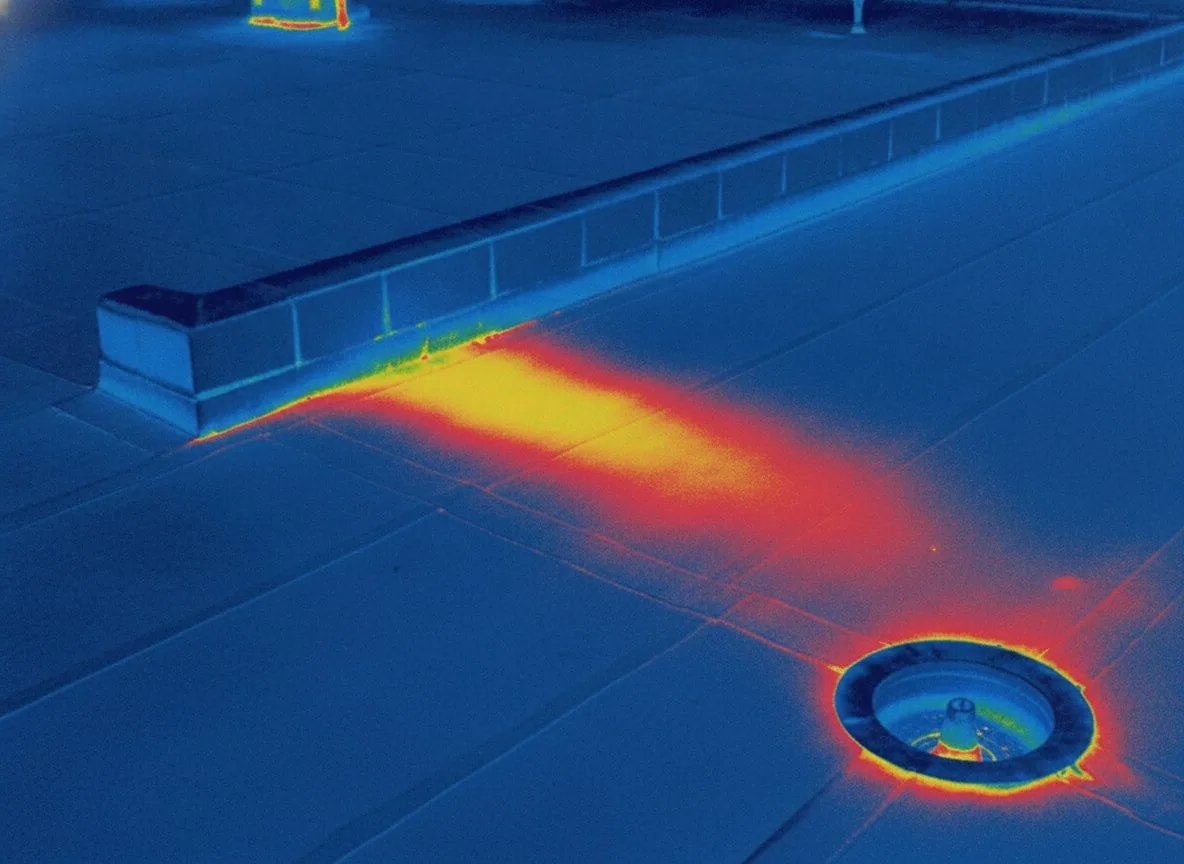
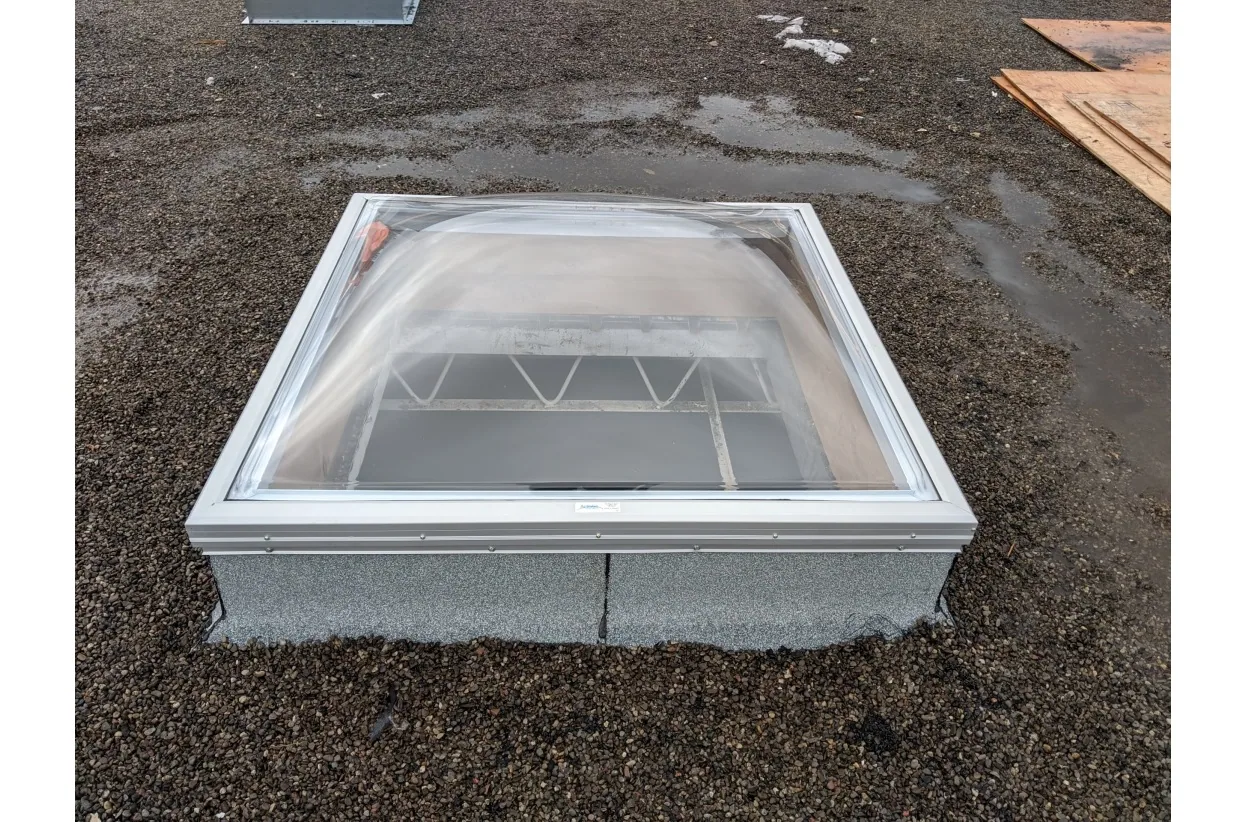
Every sound decision starts with a baseline. A hands-on commercial roof inspection records membrane condition, seam and flashing failures and drainage by roof section, and an infrared moisture survey shows where wet insulation hides beneath a surface that still looks intact. After a season of dry Santa Ana wind or ash from a nearby fire, a survey also separates cosmetic debris from real damage, which keeps the next budget cycle honest about what has actually changed.
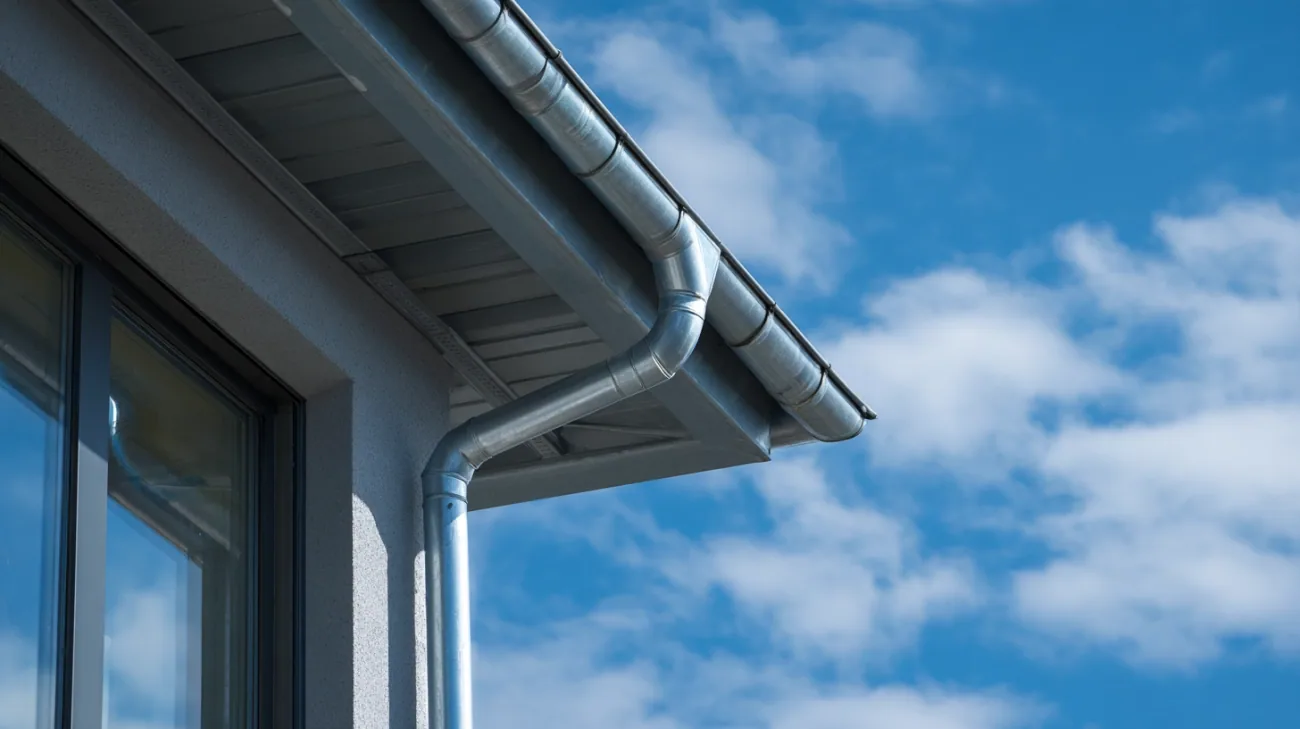
Care and repair: stretching remaining service life
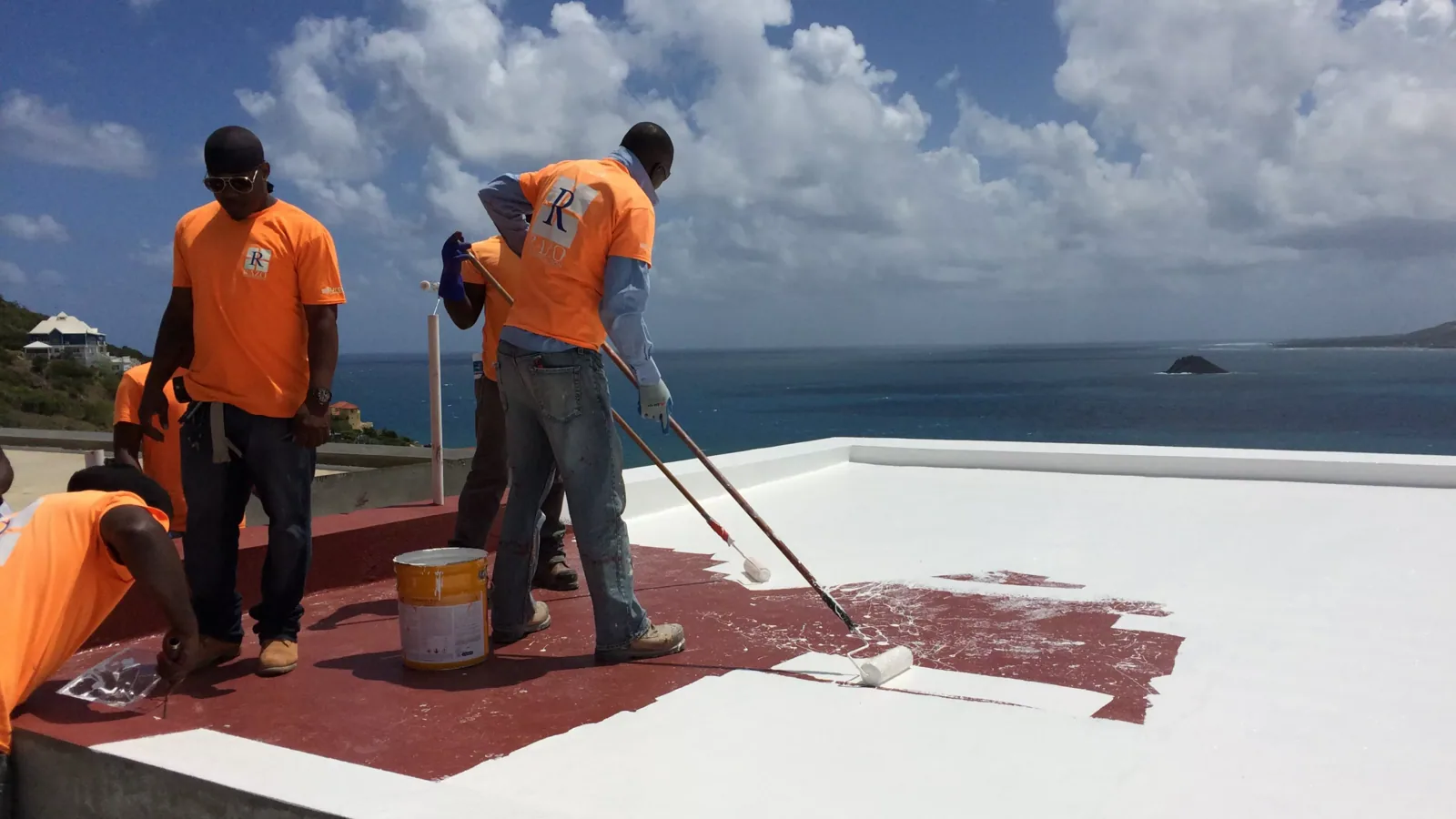
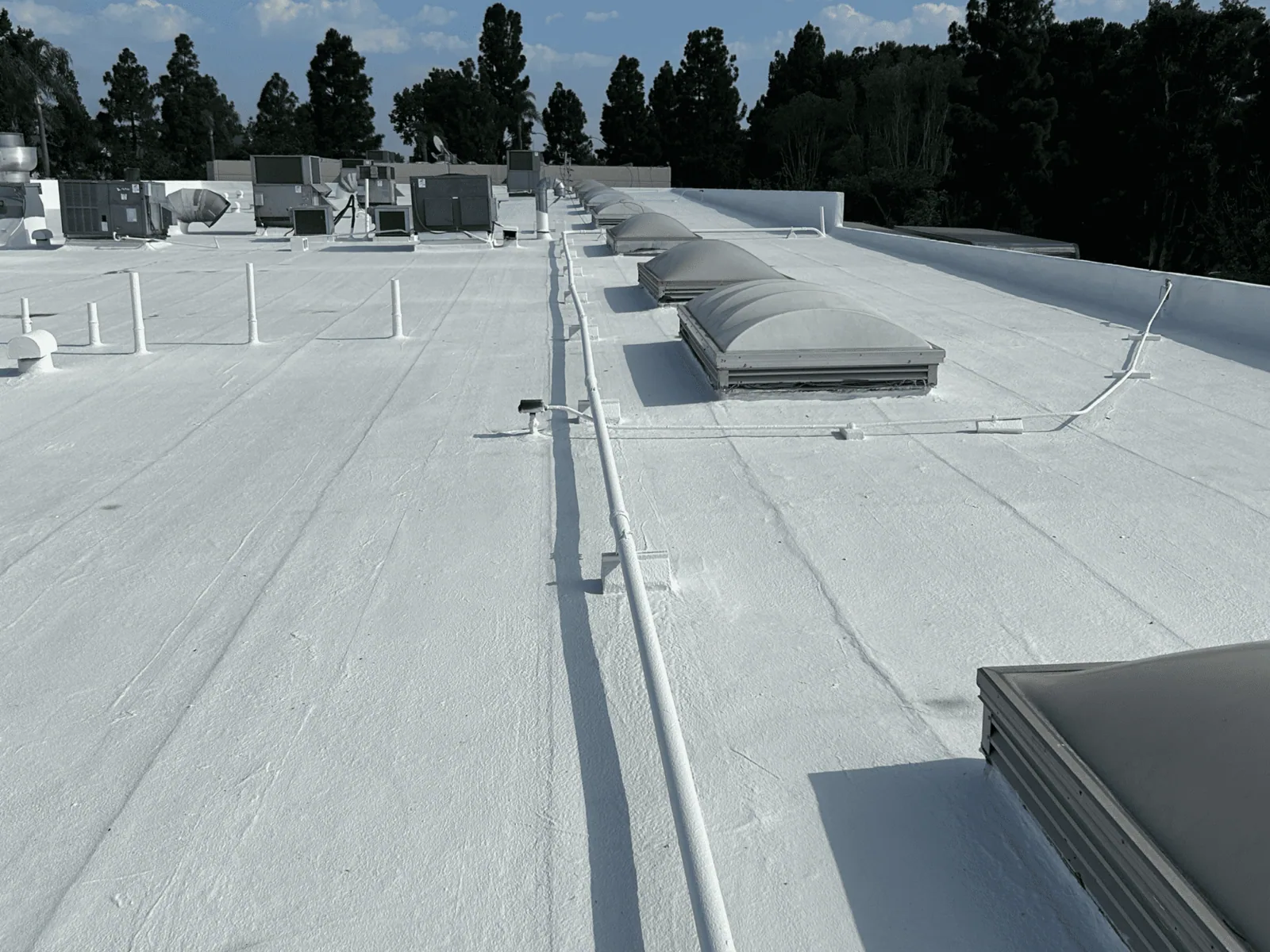
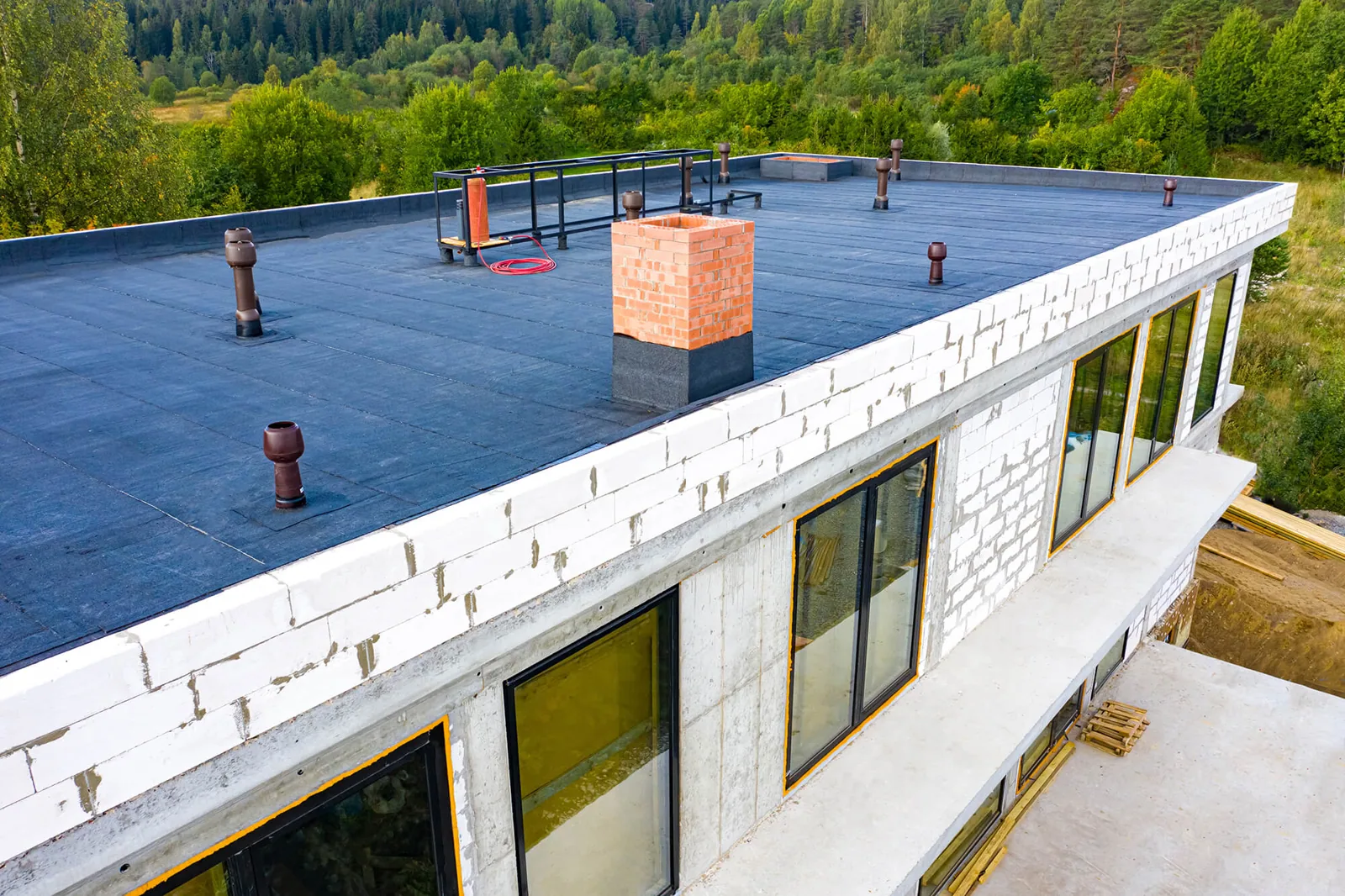
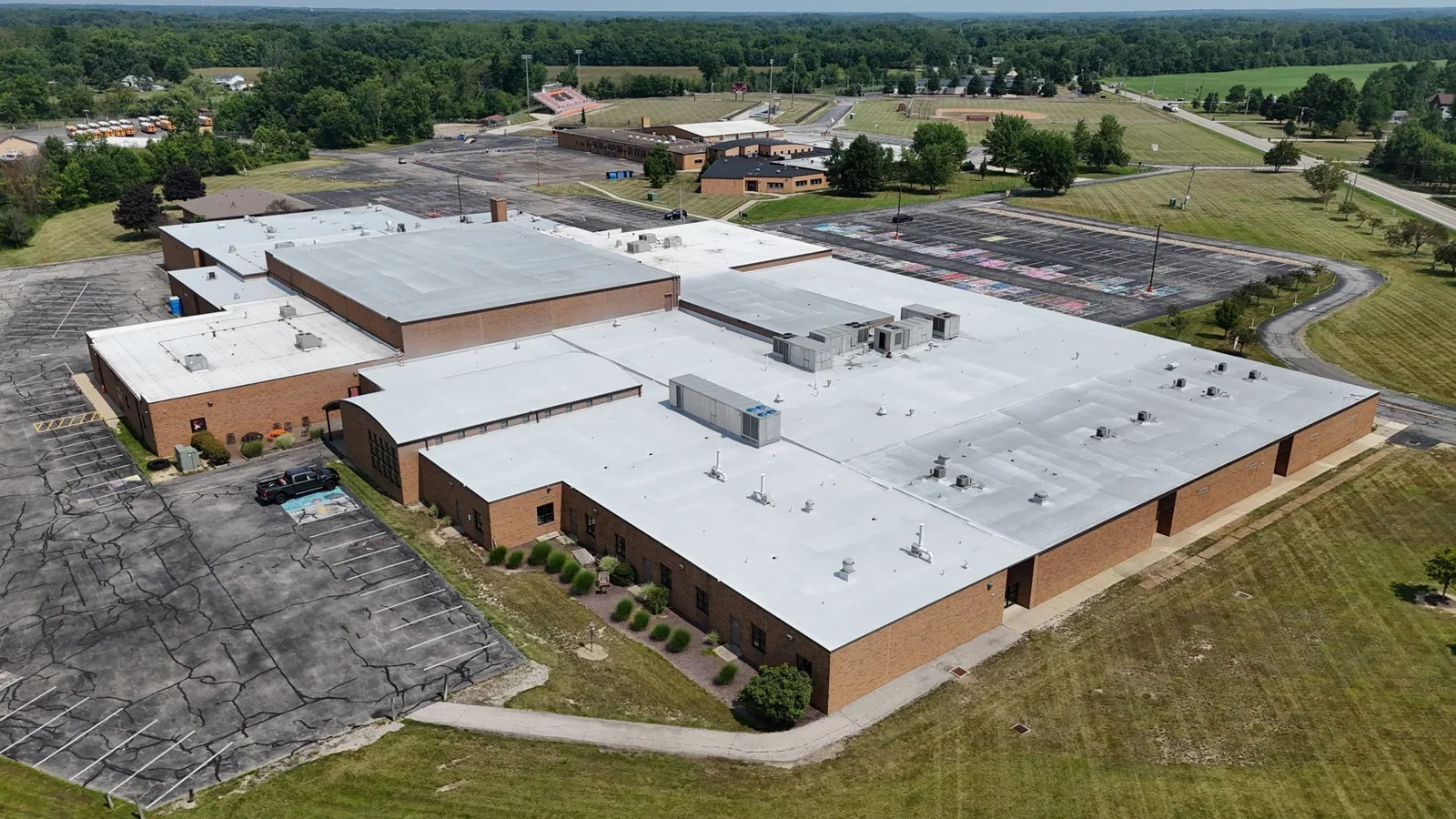
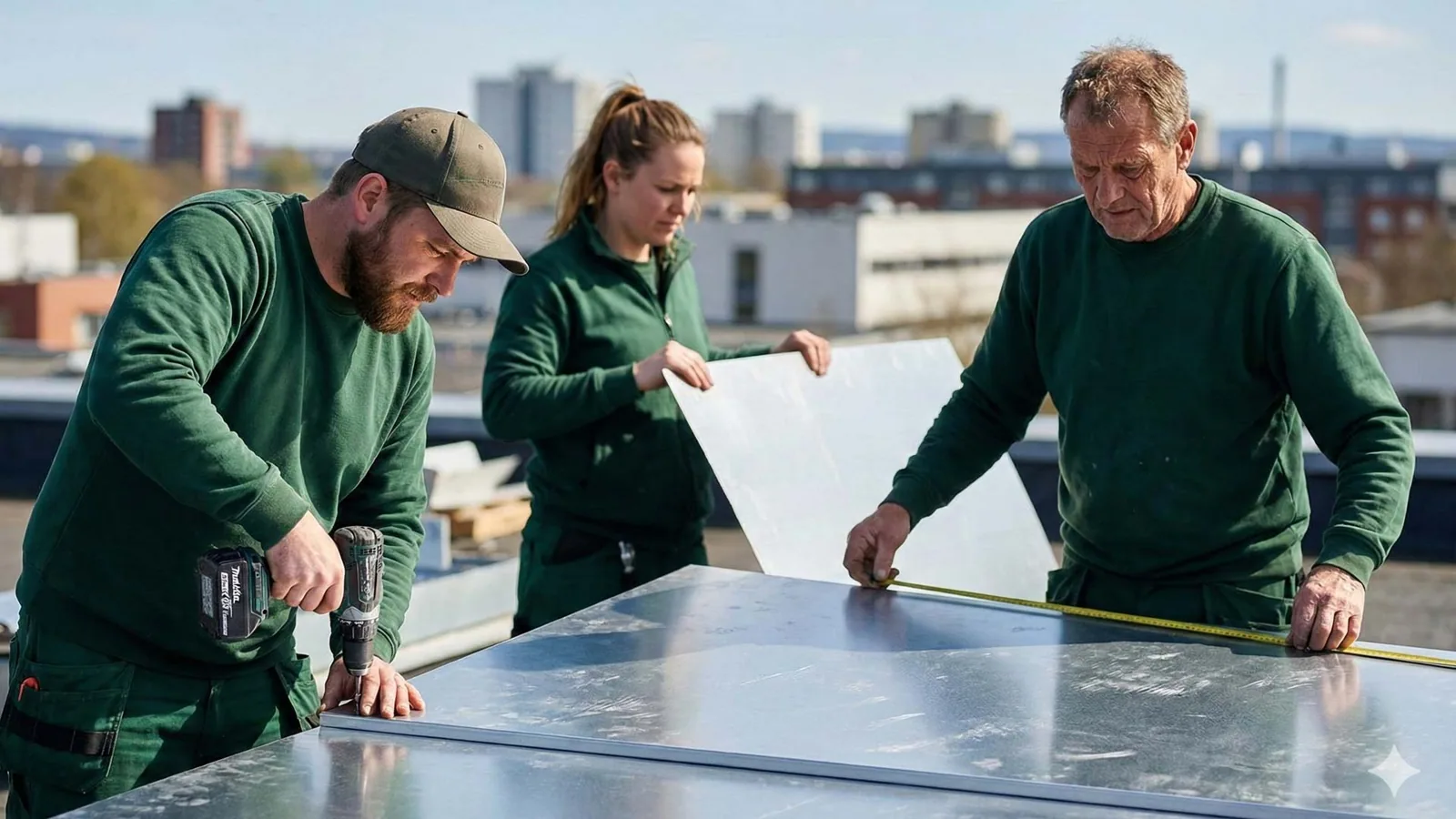
Conejo Valley roofs spend most of the year under steady UV and heat, and the details usually fail before the field of the membrane does: sealant at penetrations, flashing terminations, edge metal. A scheduled preventive maintenance program clears drains ahead of the short winter rains and catches those details early, and targeted commercial roof repair closes what the survey finds. When a membrane is aging but the insulation under it is dry, roof coating restoration can push the replacement horizon out without a tear-off.
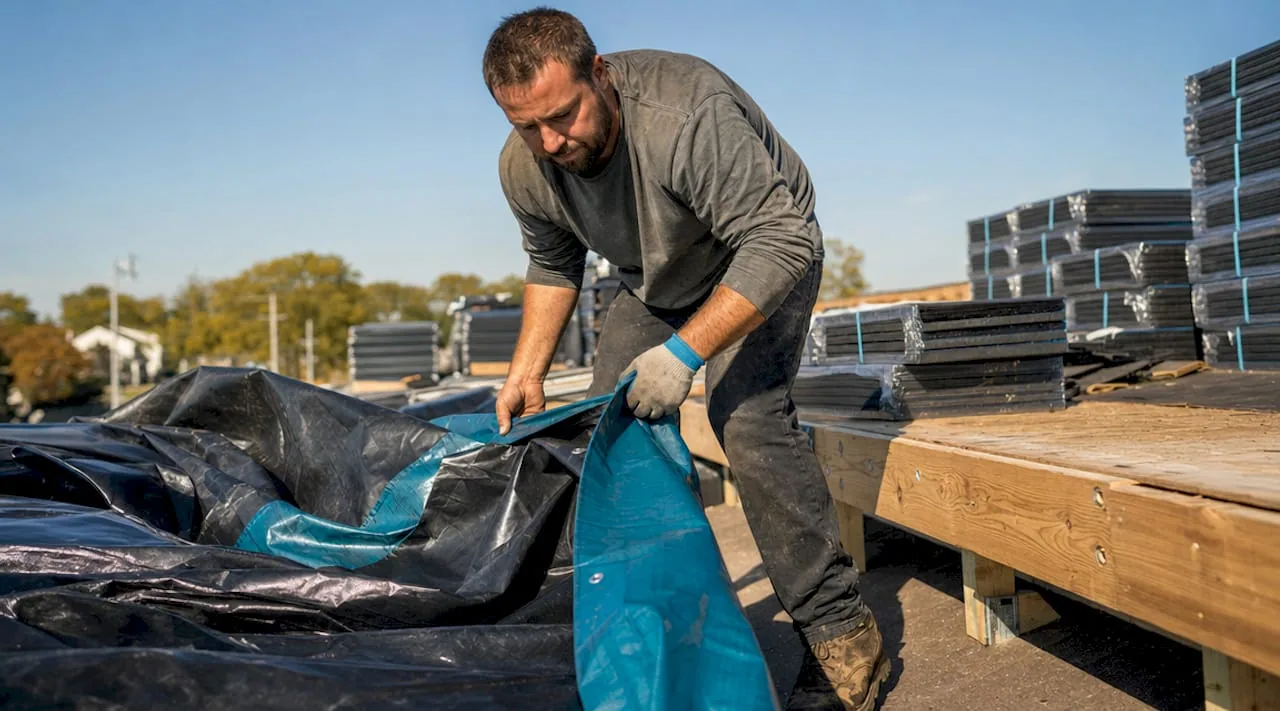
Replacement: planning the horizon
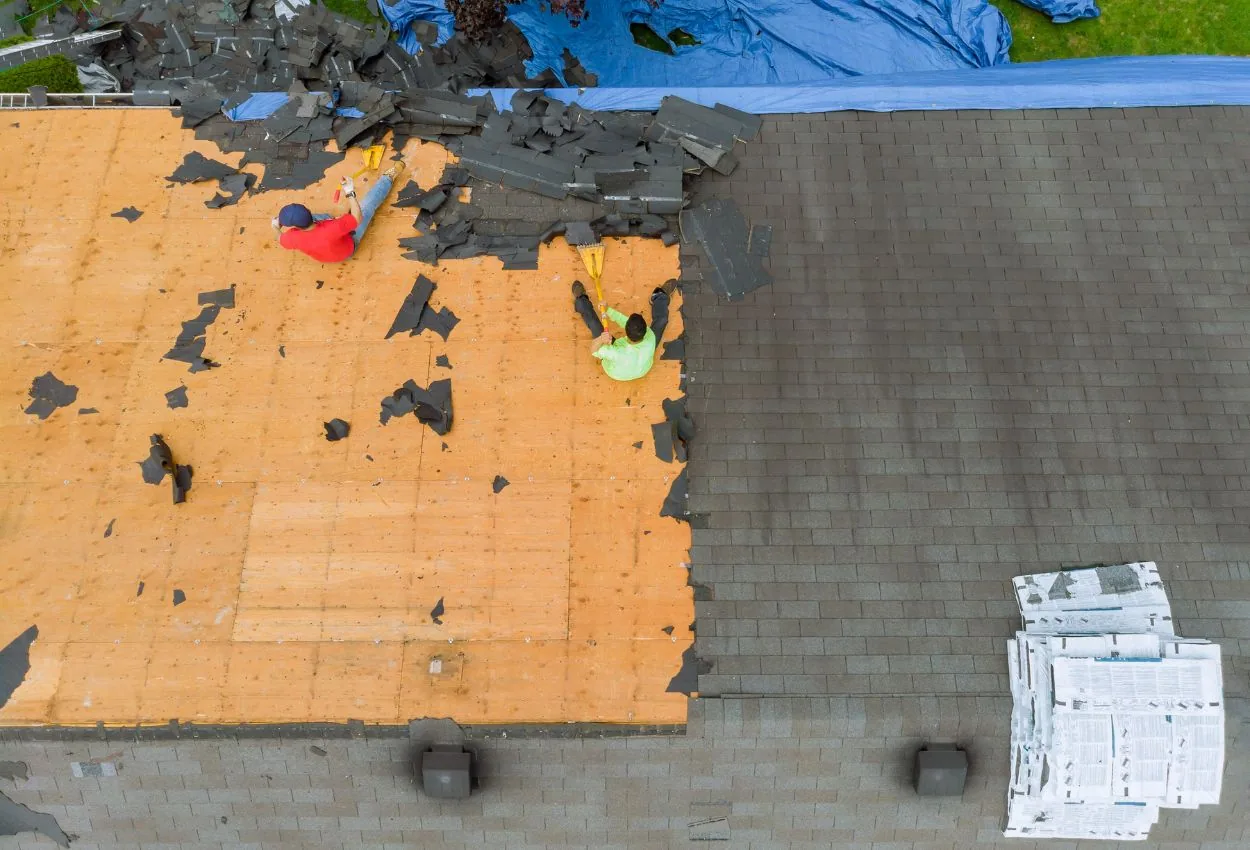
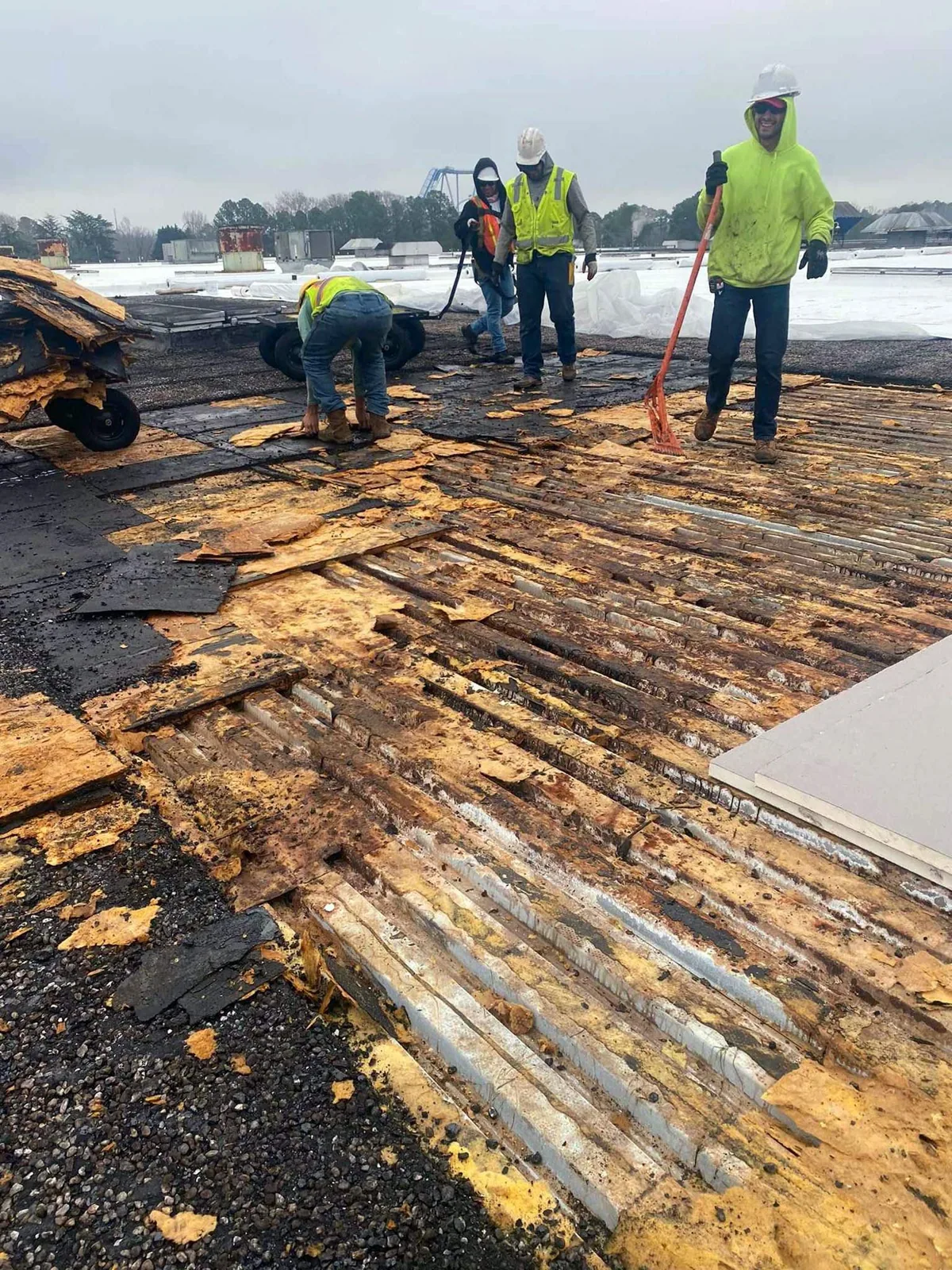
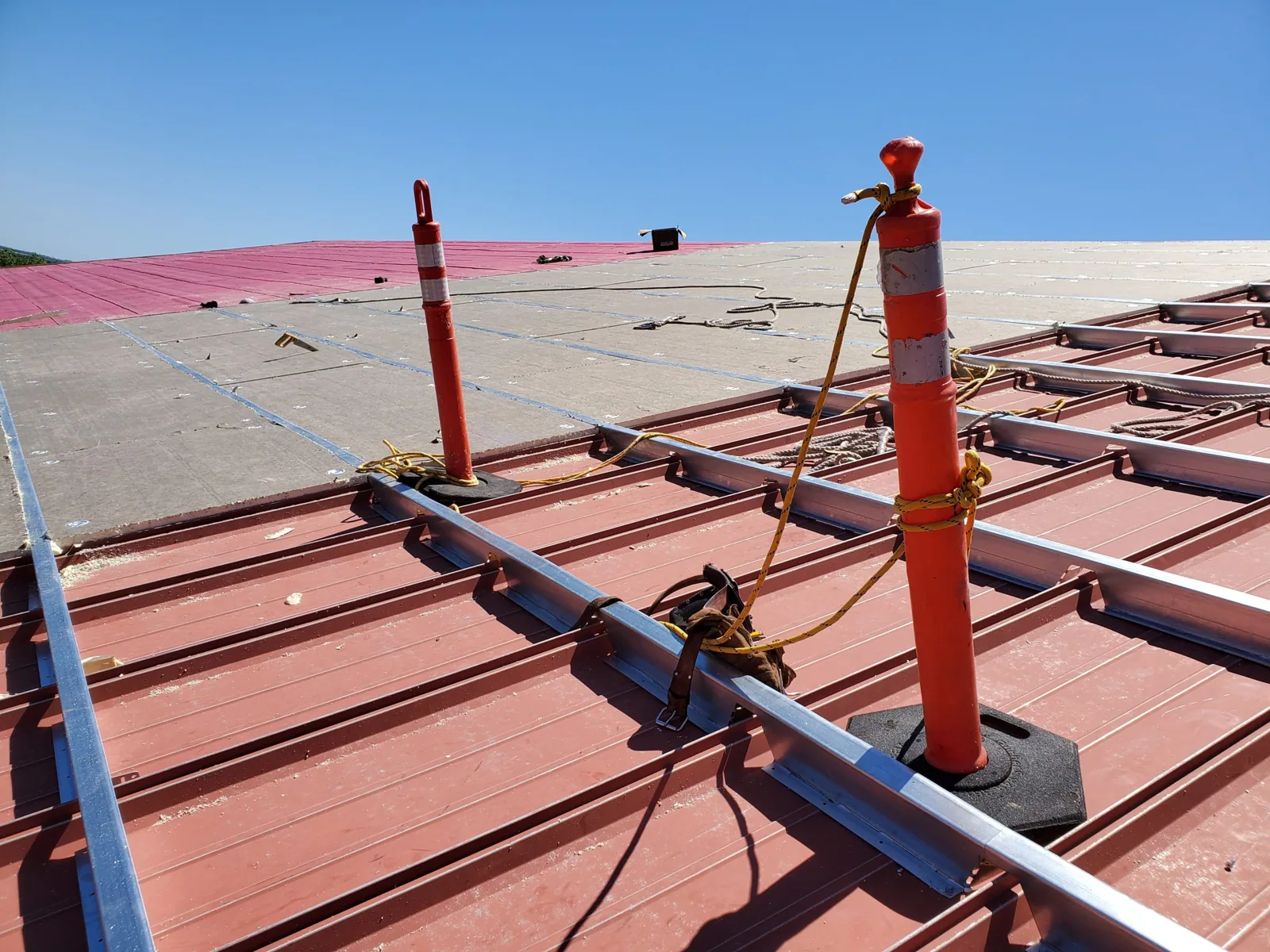
When the findings say a system has reached the end, the options are a full commercial roof replacement or a recover over sound insulation, and the choice turns on moisture readings, deck condition and tenant impact. Buildings that stay open through construction, such as a lab or a hospital wing, call for occupied building reroofing sequenced around daily operations. Code timing matters too: a permit application filed after the start of 2026 is reviewed under California's 2025 Energy Code, and its nonresidential changes reach roofing and cool roof requirements, so replacement scopes get checked early.
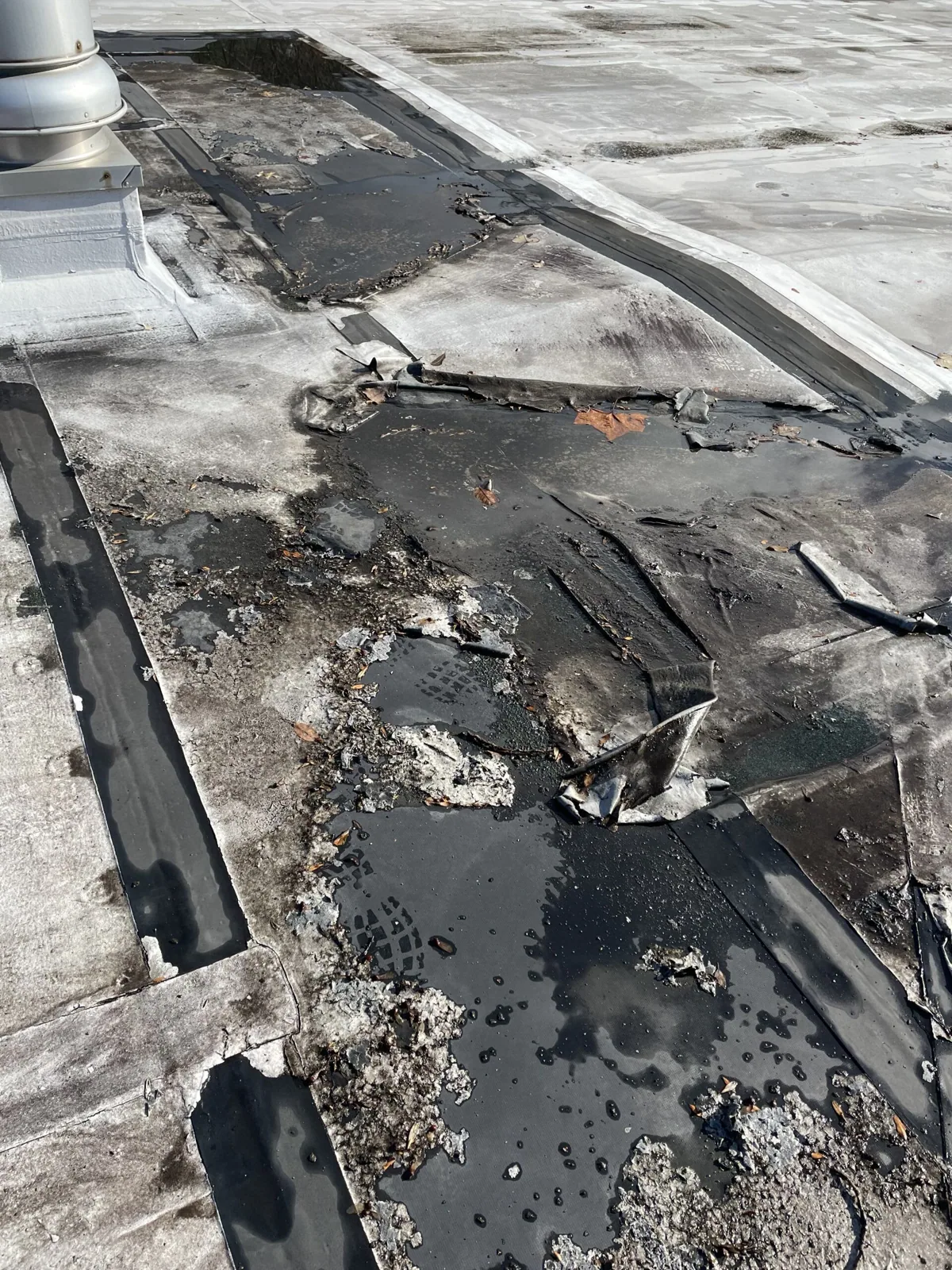
Response: wind, fire and claim records
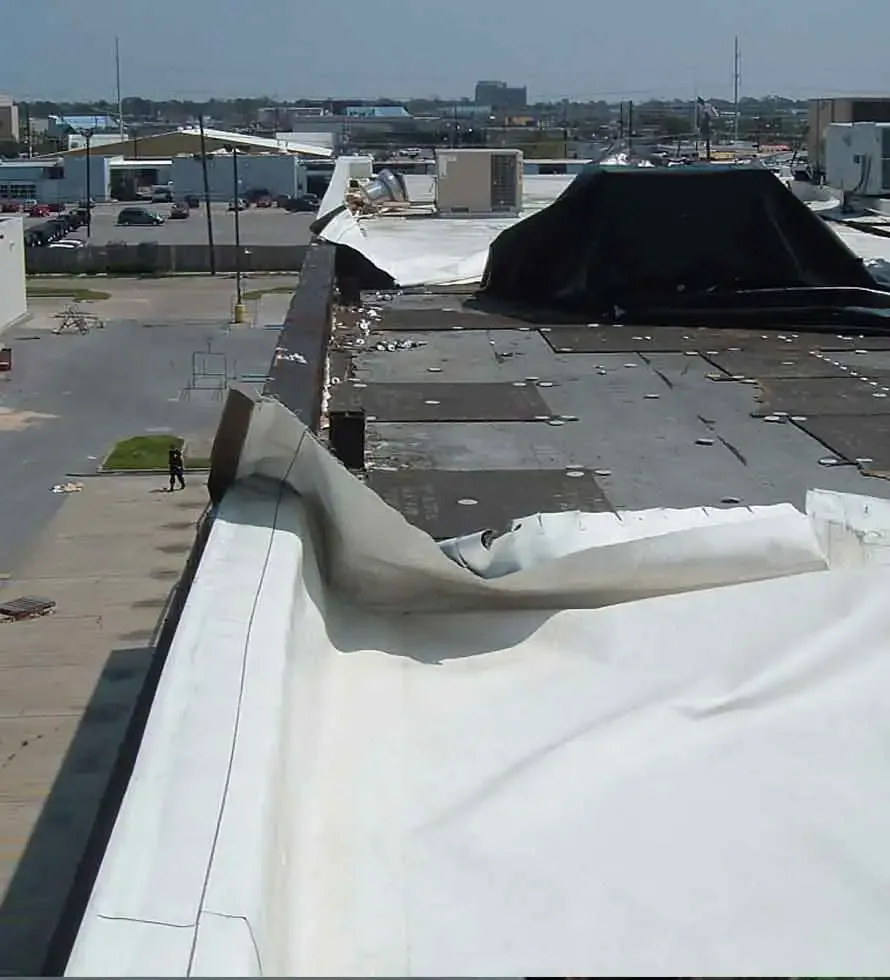
Wind and fire are the local events that put roofs at risk. Santa Ana winds of 50 to 60 mph carried the Woolsey Fire of November 2018 into Thousand Oaks and Newbury Park, and the 2024 Mountain Fire near Somis burned during the most extreme offshore wind event in years. Our crews answer emergency roof repair calls at any hour, and the photographs and findings from a storm response feed directly into roof insurance claim assistance for owners who need a documented loss.
Commercial Roofing Questions
Where should an owner with several aging roofs begin?
Begin with one survey across every roof, ranked by exposure and remaining service life. The ranking sorts the portfolio into repairs, coating candidates and next year's capital items, so money goes to the roof that needs it first.
Do the same services apply to metal roofs?
Largely yes. Standing seam and retrofit metal roofs get the same survey, maintenance, repair and replacement sequence, with fastener, seam and panel-lap findings in place of membrane welds.
What is the next step after a baseline survey?
The findings are grouped into immediate repairs, restoration candidates and replacement planning. Each line gets a location, photo and planning horizon so operations and finance can work from the same record.
When should a portfolio plan be updated?
After a repair, a material change, a major weather event or a new moisture finding. An annual review also catches roofs whose remaining service life has changed since the last reserve cycle.