Commercial Roofing in Dos Vientos, Thousand Oaks, CA
Service Areas · Thousand Oaks, CA
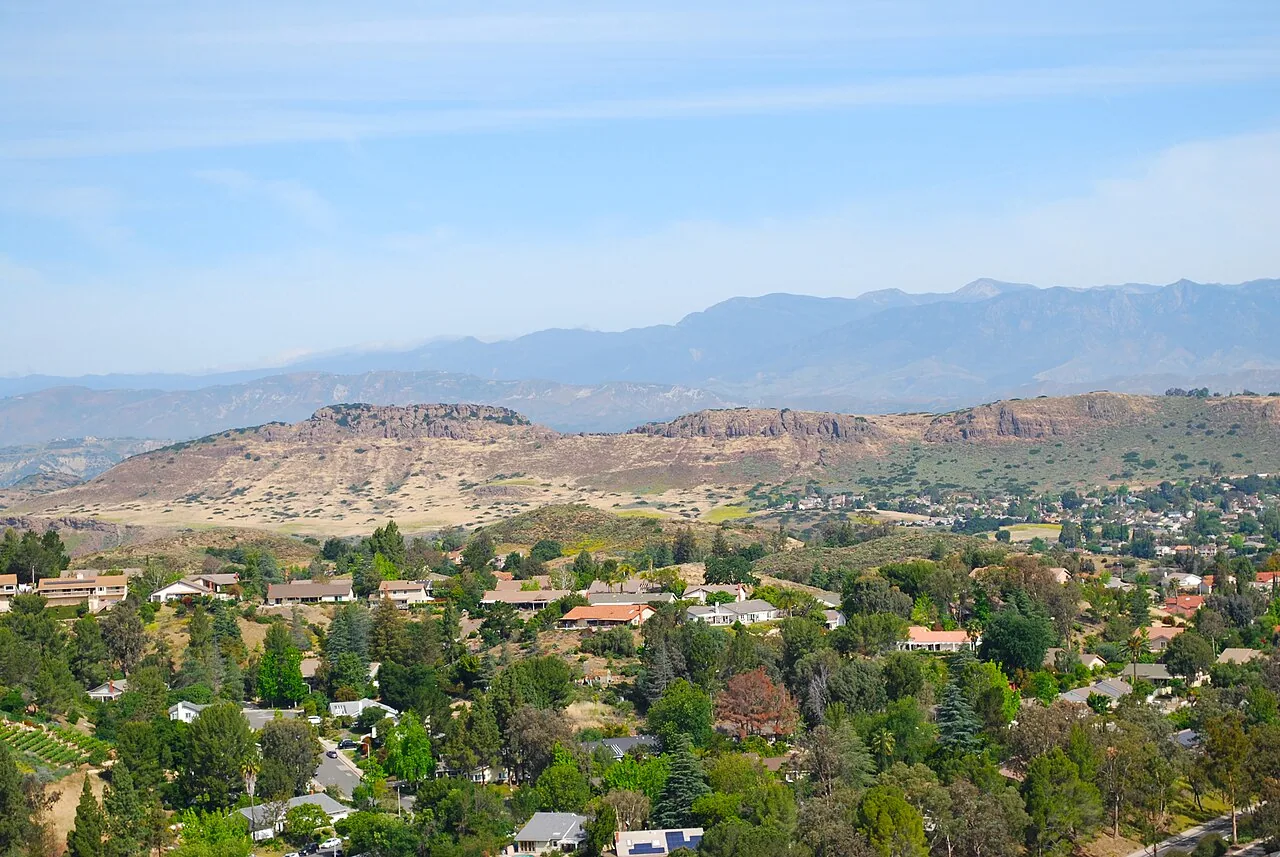
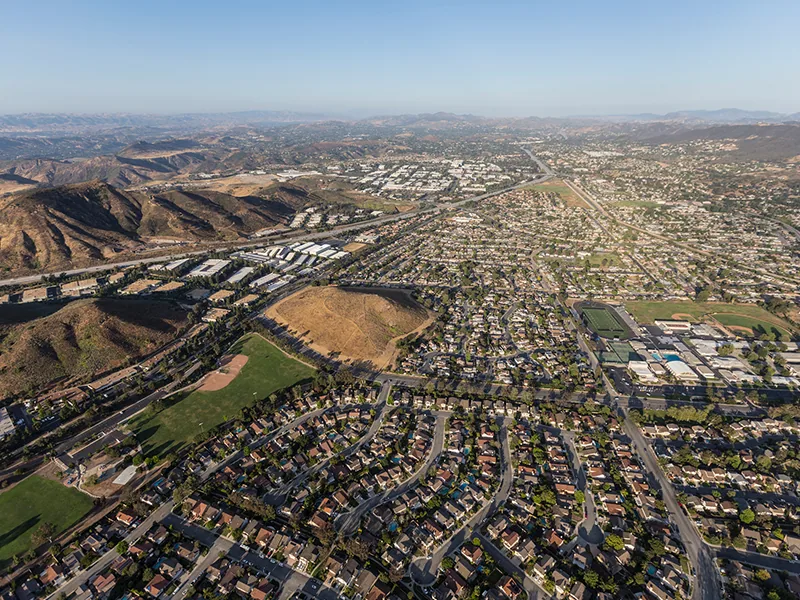
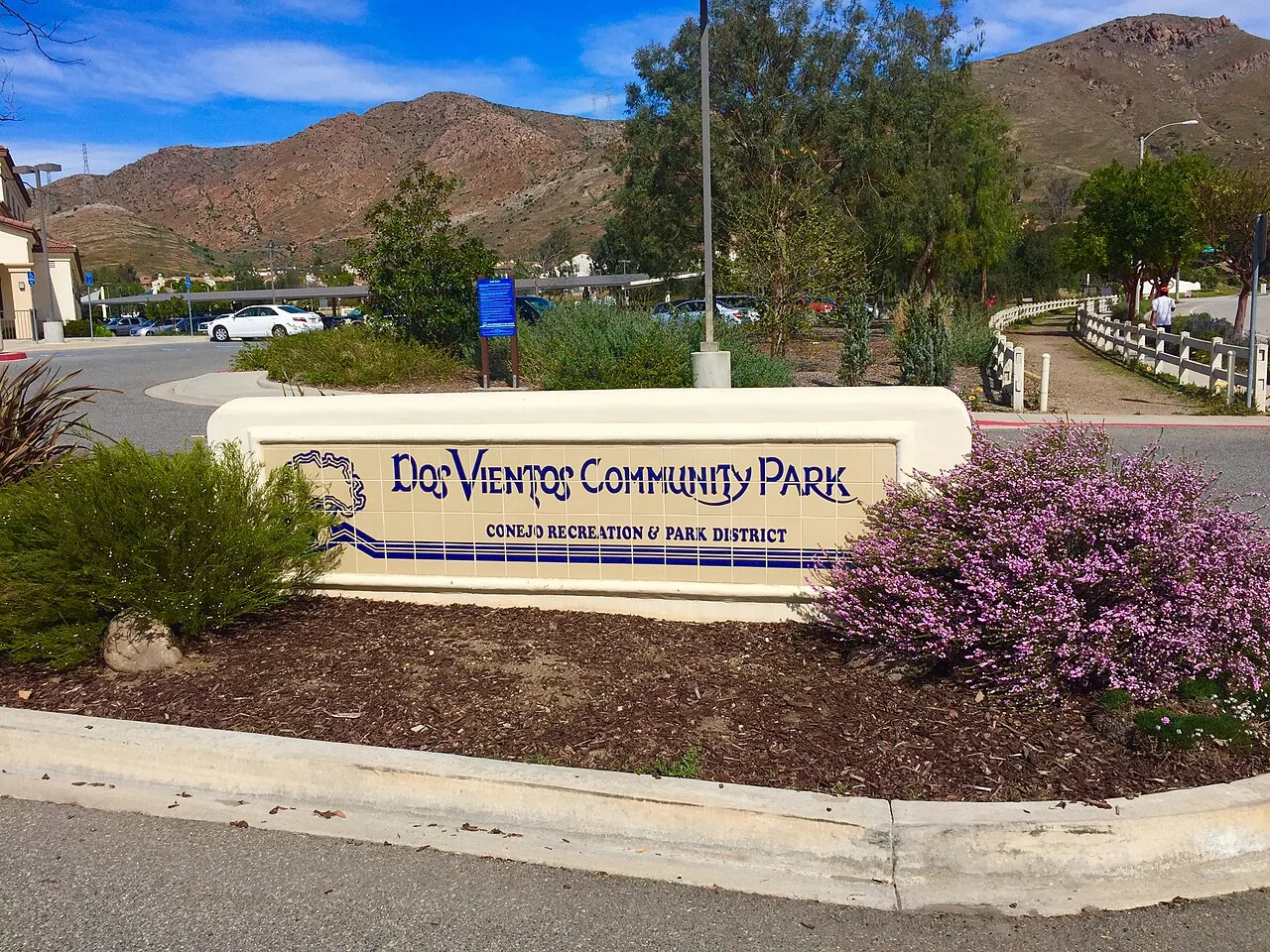
Finding: an open lap at a roof transition, with staining below the joint but no moisture reading at the nearest drain. In the Dos Vientos area, that observation belongs in a roof-zone record before it becomes a repair budget. The City of Thousand Oaks maps Dos Vientos as an approved specific-plan area, a defined planning geography rather than one institution or parcel. We survey accessible commercial roofs, trace water paths, record limits, and give owners a prioritized scope tied to the building that was inspected.
Dos Vientos
Service Areas
Call our team
Written findings and options
Thousand Oaks, CA
Ventura and Los Angeles counties
Findings: trace the reported condition
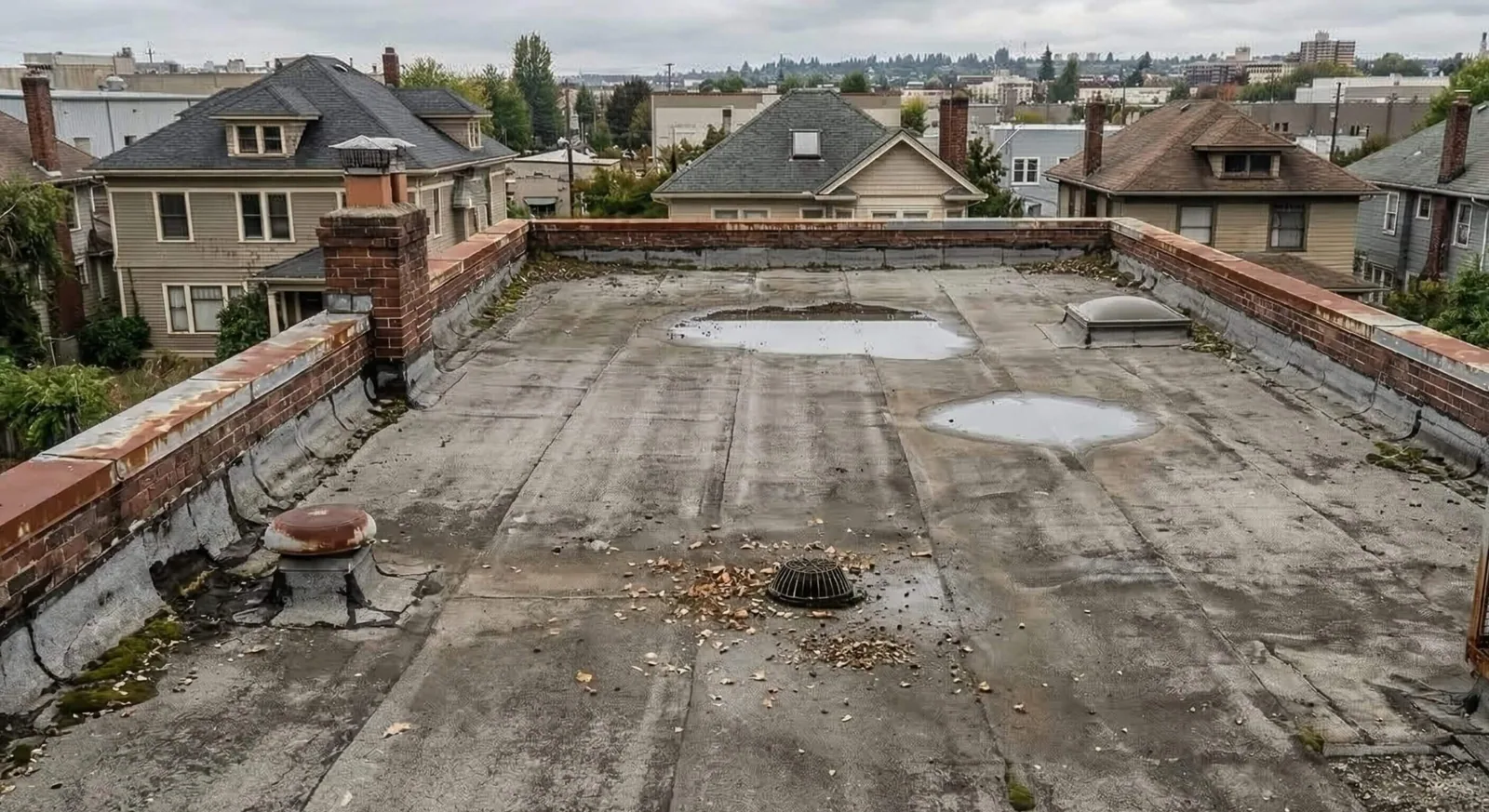
A ceiling mark or recurring drip identifies where the building user sees a problem, not necessarily where water enters. On the roof, we compare the report with seams, penetrations, edge transitions, equipment curbs, and the drainage low point. We record the condition, the area we could inspect, and any obstruction that limits the finding. If moisture extends beyond the visible defect, a test cut or other evaluation may change the repair limit. The first recommendation should explain what evidence supports a localized repair and what remains unknown.
Baseline: inventory each managed roof
Use one record for each building and divide the roof into stable sections. Note the system when confirmed, visible wear, prior patches, drainage performance, rooftop equipment, and the date of the observation. Photographs need a roof-zone label and enough context to locate the detail on a later visit. For an owner managing more than one property in the Dos Vientos planning area, this inventory makes unlike roofs comparable without assuming they share the same installation date or condition. A condition index is useful only when the underlying observations remain available for review.
Exposure: heat, wind, and dry-season debris
Thousand Oaks has a warm-summer Mediterranean climate, while dry Santa Ana winds can load roof edges and equipment curbs. The 2018 Woolsey Fire affected Thousand Oaks and nearby communities, so debris, ash, and damaged edge details can become part of a post-event survey. These regional facts do not prove damage at a particular property. The inspection still needs to check drains, scuppers, terminations, rooftop units, and membrane seams. A weather-related report should separate the observed condition from an assumed cause, then set a replacement horizon from the inspected assembly.
Options: match scope to the remaining service life
A coating, repair, recover, or replacement belongs in the comparison only when the existing surface and assembly support it. A dry field with localized open seams may call for a defined repair and follow-up. Widespread moisture, uncertain attachment, or recurring failures may require broader testing before the owner commits capital. We mark the repair limit, identify what must be removed or protected, and explain how equipment, drainage, and close-in affect sequence. The lowest initial scope is not automatically the lowest-cost plan when it leaves wet insulation or failed transitions in place.
Survey: plan access before mobilization
Confirm which building is included, who can authorize roof entry, where crews check in, and which operating hours restrict ladders, lifts, or material movement. Keep pedestrian paths and occupied spaces clear. If access changes between buildings, state that in the schedule instead of assuming a campus-style gate procedure applies to every property. Before opening a roof assembly, identify interior areas needing protection and establish who can approve an expanded repair. A staged plan reduces return visits and lets a manager coordinate survey findings with tenant activity and the next budget cycle.
Budget: separate urgent work from capital planning
Rank active water entry and unsafe loose components ahead of cosmetic wear, then assign longer-range work to a replacement horizon. Cost depends on verified area, removal depth, deck condition, insulation, edge metal, equipment coordination, access, and disposal. State which assumptions still need confirmation so a reserve study does not treat an allowance as a bid. When the roof cannot be fully inspected, list the concealed sections and the evidence needed to close the gap. A useful capital plan gives the owner a decision date and shows which findings could change the order.
Documentation: close the loop on each roof zone
After work, keep before-and-after images, material details, repair boundaries, and any remaining limitation with the building record. A follow-up visit should compare the same roof zones and details so changes are easier to judge. If an owner is preparing a Thousand Oaks Boulevard corridor property for a later transaction, a dated baseline can help separate older conditions from subsequent maintenance. For a defined inspection question in Dos Vientos, share the roof plan, leak history, access window, and decision date so the survey produces a useful planning document.
Modifications: preserve the roof chronology
Later rooftop equipment, new penetrations, coating work, and localized patches can change what an original plan shows. Compare available drawings with current conditions before setting a repair detail. Mark each modification by roof zone and date when the owner has a reliable record. If the sequence is unknown, describe what can be seen and leave the installation history open rather than assigning a system based on appearance alone. A useful baseline shows where the original assembly ends, where later work begins, and which transition requires closer review. This keeps future maintenance decisions tied to the building record instead of relying on an old product label.
Protection: agree on the first-entry plan
Before a crew opens the roof, identify the occupied space below, the person who can approve temporary protection, and the route for tools and removed material. A small repair can still affect ceiling finishes, stored equipment, or a tenant’s work area. Set the limit for interior protection, confirm who can move property, and make a plan for unexpected wet insulation. If a test opening is authorized, include the close-in material and inspection step in the same scope. That sequence gives an asset manager a clear record of what was opened, what was repaired, and what remains to be evaluated.
Horizon: turn findings into a reserve decision
Sort the survey results by risk and timing: active entry, a detail that could fail before the next service interval, routine maintenance, and a larger replacement need. State what evidence would move an item from monitoring to repair. A reserve study should identify the area measured, the assumptions used, and the date when the decision should be revisited. If a roof section remains concealed, list the inspection needed to close that gap. This approach gives the owner a defensible planning horizon for each asset without treating a visual score as a support of remaining service life. Keep the closeout with the asset register and schedule the next review against the replacement horizon.
Related planning includes the downtown Thousand Oaks area, the Thousand Oaks Boulevard corridor, storm damage roof repair, roof coating restoration, drone roof inspection, church roofing, TPO roofing, and a multi-site roof program. These routes help owners compare related decisions while keeping each building’s inspection findings and scope distinct.
Commercial Roofing Questions
Does a report of water inside identify the roof repair location?
No. Water can travel along the deck or insulation before it appears indoors. We compare the interior report with roof seams, penetrations, transitions, and drainage, then mark what the inspection supports.
Can you survey several buildings in one visit?
Yes, when access and staffing allow. We keep findings separated by building and roof zone so one roof’s condition is not assigned to another.
When is a test cut useful?
A test cut can help when moisture extent or assembly layers remain uncertain and the result would change the repair or replacement scope. We identify the question first and record the result.
How should wind or fire history affect the roof plan?
Treat it as inspection context. We check the actual edges, drains, seams, and equipment details and do not assume a regional event caused a particular defect.
What should be ready before the survey?
Provide the roof plan, prior repair records, current leak reports, the access contact, and the date by which you need a capital decision.