Multi-Site Roof Programs Across Thousand Oaks, CA and Beyond
Roofing Capabilities · Thousand Oaks, CA
Program summary, regional portfolio: three roofing vendors, three report formats, no common grading scale, repair histories kept in separate email threads, and one building whose roof was replaced the same year a neighboring building was patched for the sixth time. Nothing in the summary is surprising. It is what a portfolio looks like when each roof is handled as a separate problem by whoever was available. A multi-site roof program replaces that pattern with a single standard applied to every building: the same survey method, the same grading scale, the same repair specifications and the same reporting, with one accountable contractor behind it. The benefit for an owner in Thousand Oaks, CA is not only convenience. It is comparability, because roofs can only be ranked against each other when they are measured the same way.
We design the program around the way the owner runs the portfolio, whether that is an asset manager who funds roofs centrally or a property management company that handles them building by building. The structure is fixed, and the sites are added to it as they are surveyed.
Multi-Site Roof Programs
Roofing Capabilities
Call our team
Written findings and options
Thousand Oaks, CA
Ventura and Los Angeles counties
Standard: one scale, one format, every building
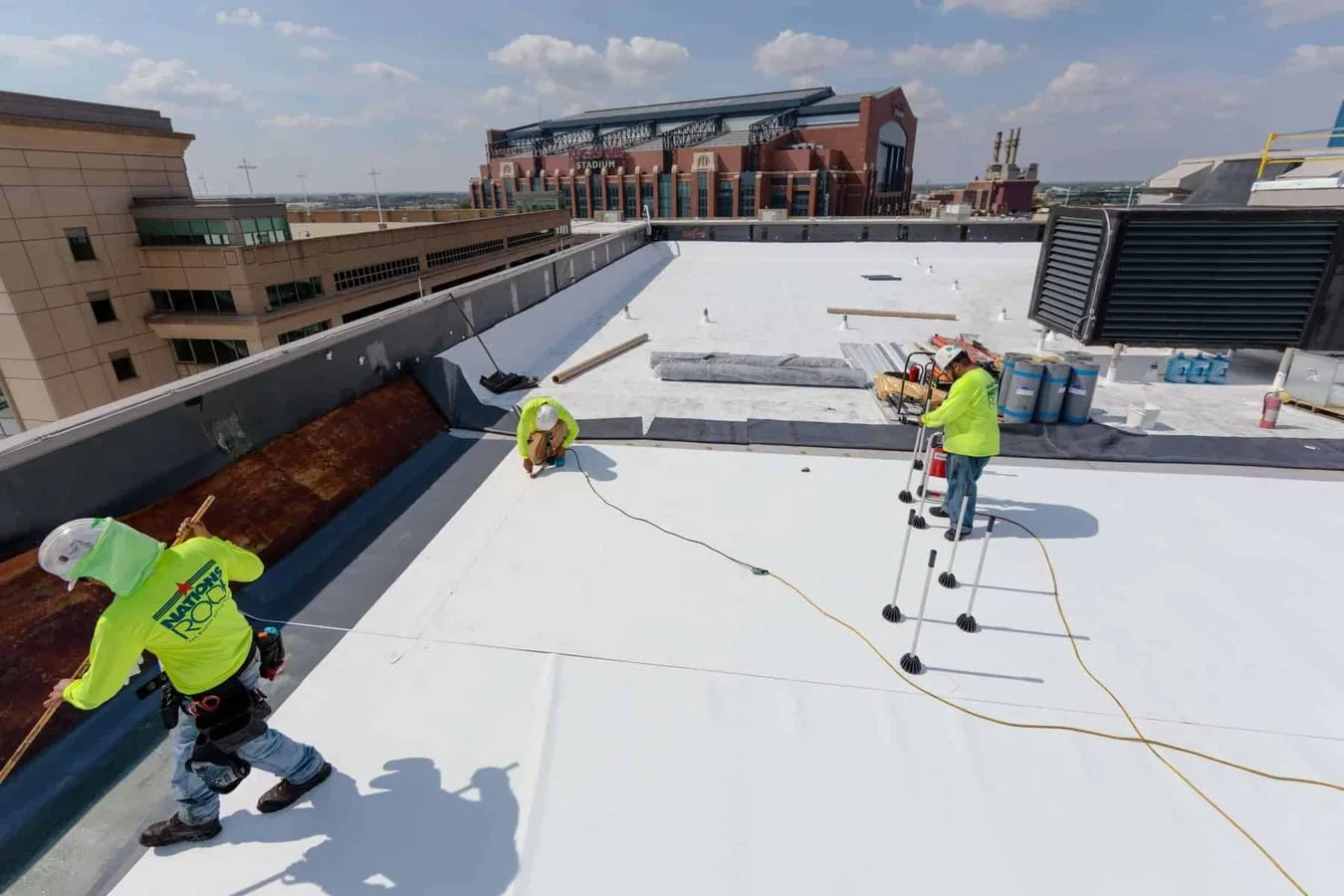
A program begins with a baseline survey of every site using the same method. Each roof is divided into numbered sections, each section is graded on one written scale, and each finding is photographed and placed on a plan. The result is a portfolio view in which a campus in Newbury Park and a retail center in Camarillo sit on the same chart, and the weakest roof anywhere in the portfolio is easy to find. This is the practical value of the roof register, and a program is the register applied at scale.
The standard also covers repairs. We write down the details and materials that will be used on each roof type, so a seam repair on one building matches a seam repair on another, and the warranty implications are the same wherever the work happens. When a property manager changes, the standard stays with the portfolio.
Sequence: deciding which sites go first
With every roof graded, the program can set an order. Sites with failing roofs and sensitive tenants go first, sites with failing roofs and low consequence follow, and sites with aging but sound roofs enter the preventive cycle. The sequence turns into a multi-year schedule, and the schedule feeds capital planning directly, so the finance team sees each year's spend by site and by scope. Because the sequence is built on grades, it can also be defended: if a board asks why one building is being replaced while another is only patched, the answer is in the file.
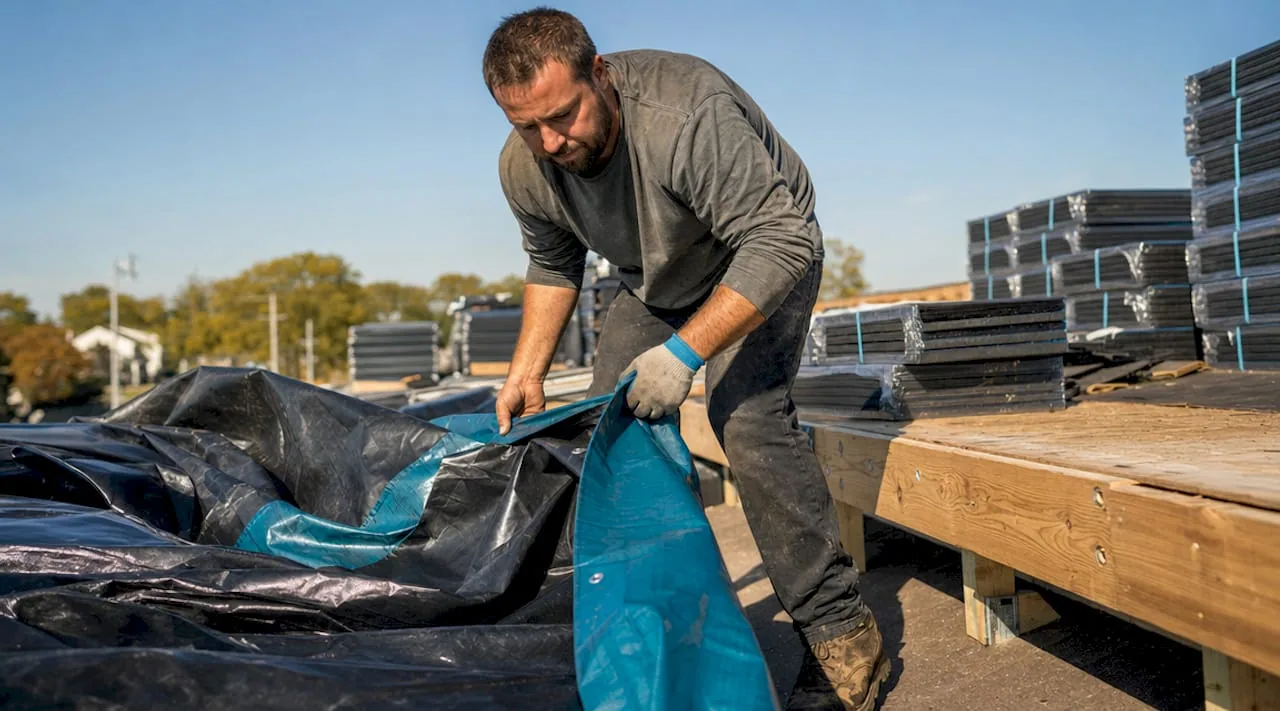
The order remains flexible. A fire, a windstorm or a lease event can move a building up the list, and the program absorbs that change without rebuilding the whole plan. Interim repairs on roofs awaiting replacement are scoped to hold until their year arrives, which keeps early money from being spent on roofs that are about to be removed.
Mix: different buildings under one program
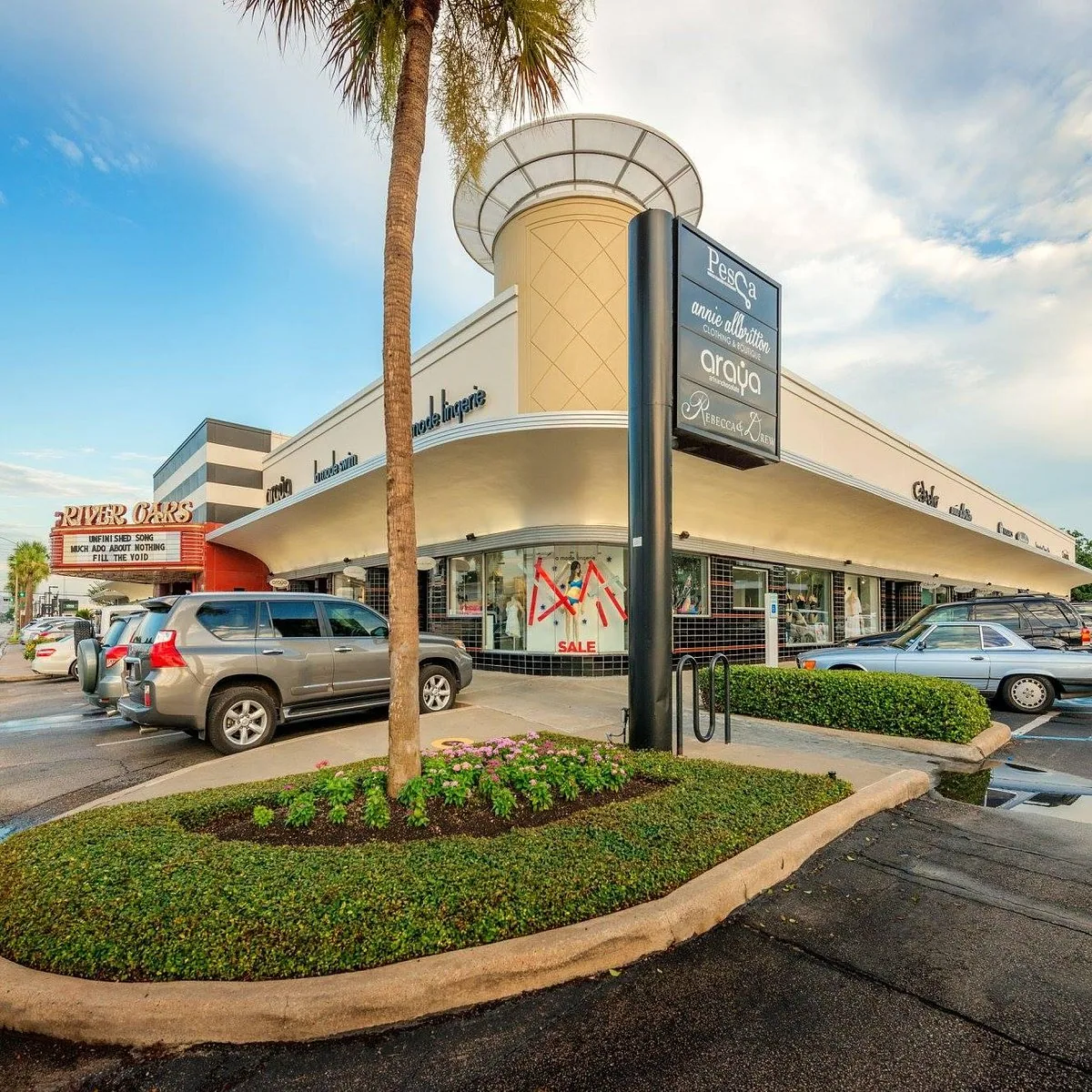
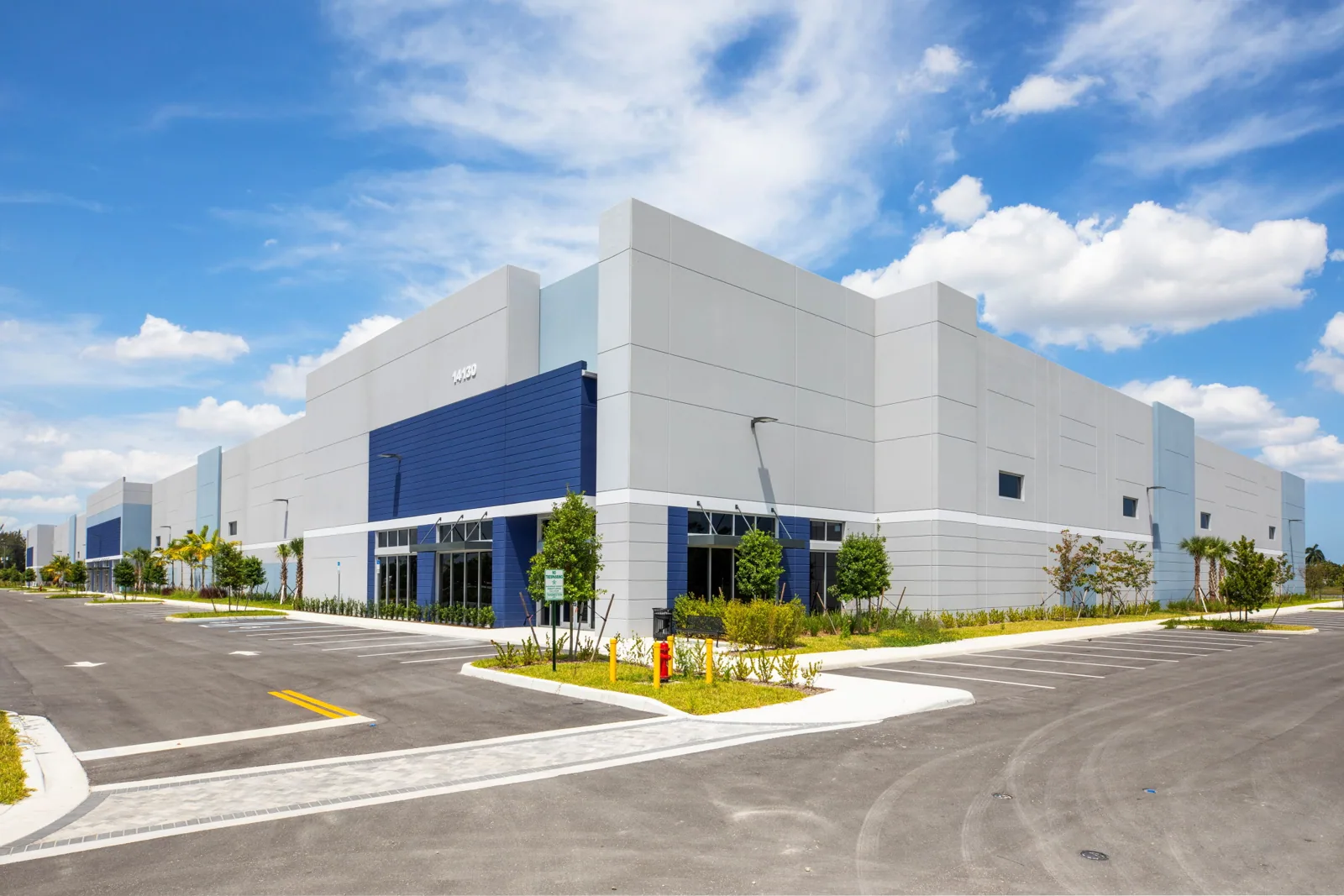
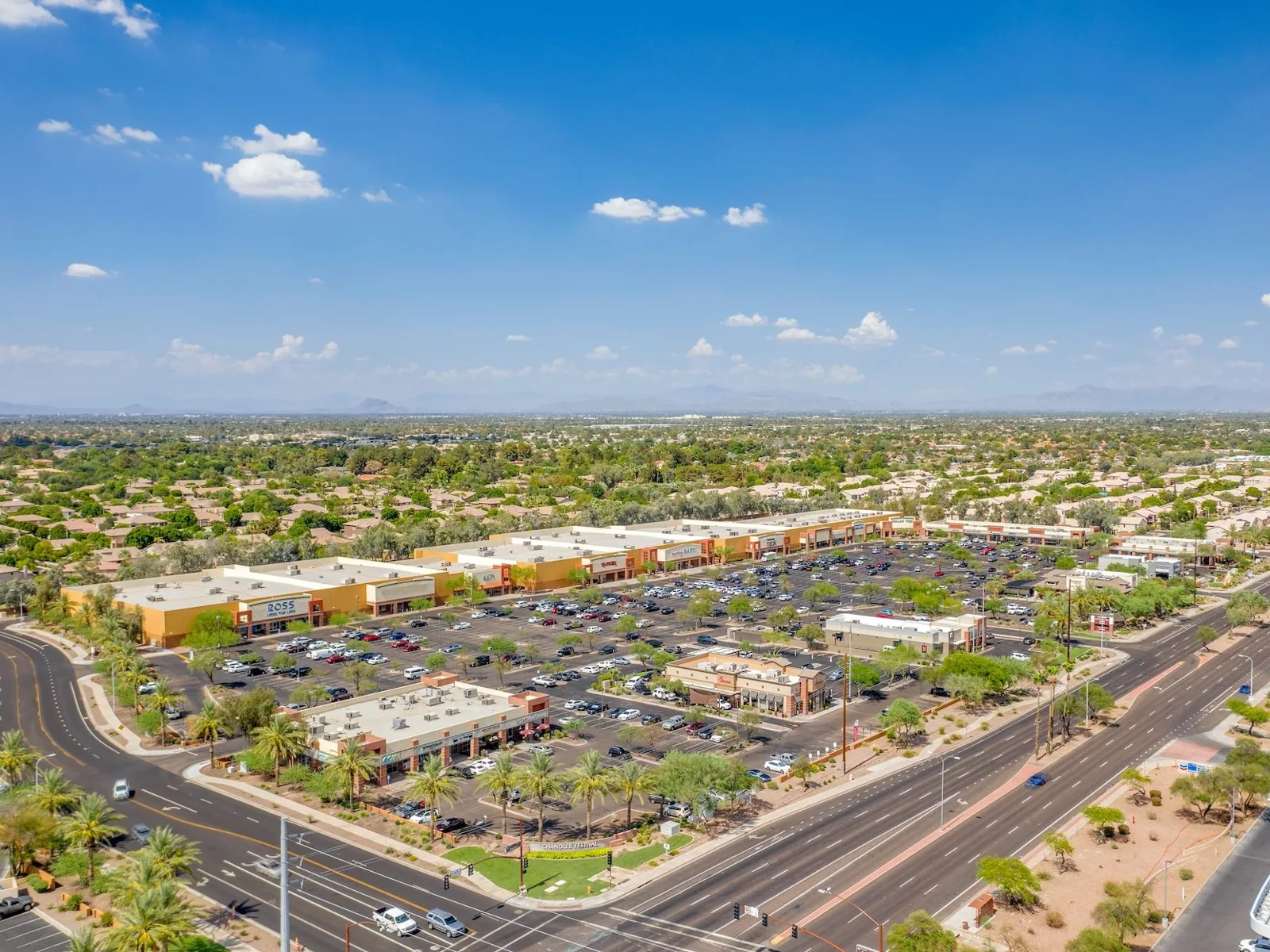
Portfolios around the Conejo Valley rarely hold one kind of building. Amgen's headquarters area has large lab, manufacturing and office campuses, and California Lutheran University's 290-acre main campus holds 41 buildings, both of which are programs in themselves. Camarillo contributes a separate municipal market, while the roof inventory there still has to be established from property records and field inspection. In Simi Valley, machinery and metal manufacturing firms fill industrial parks with metal-deck buildings, and in Port Hueneme the commercial port supports refrigerated warehouse and cold storage roofs. Each building type fails differently, so the program carries a specification for each: shopping center roofs are handled around trading hours, warehouse roofs around dock operations, and campus roofs around term calendars.
The point of a program is that these differences are managed inside one framework, not by separate contracts that cannot be compared. Heat exposure is shared across all of them, since valley summers and the extreme heat warnings issued for Los Angeles and Ventura Counties push membrane surface temperatures and rooftop HVAC load up at every site, so the same sun-damage findings are tracked from one building to the next.
Response: the same call number for every site
A portfolio needs one number to call. Leaks do not follow the owner's schedule, and when a Santa Ana wind event lifts edge metal at three sites on the same night, the owner does not want to phone three vendors. Under a program, our emergency response is available at any hour for every enrolled site, including holidays, and the crew arrives knowing the roof, because the section numbers, photographs and repair history are already in the file. The first visit is to make the building safe and to document the damage, and a permanent repair follows from the standard. Service reaches across the market, from Camarillo and Westlake Village to Simi Valley and Oxnard, and sites outside Thousand Oaks are scheduled with the same method.
Reporting: what the portfolio owner receives
Every quarter or at the interval the owner chooses, the program produces a short portfolio summary: the open items by site, the grades that have changed, the repairs completed with photographs, the projects scheduled and the spending against the plan. Preventive maintenance visits supply most of the content, and larger events such as a wildfire season or a heavy winter storm add their own entries. The reporting is plain on purpose. A regional manager should be able to read a page and know which roofs need a decision this quarter, and a CFO should be able to read the same page and see where the roof budget stands.
Annual resurveys refresh the grades, and the schedule adjusts. By the third year, the program's own history is the best evidence of how the portfolio's roofs age, and the plan improves because of it.
A shared portfolio standard should define what each condition grade means, what evidence supports it and when the next review is due. Otherwise two properties can receive the same label for very different problems. Record the membrane and insulation separately, note whether moisture was measured or inferred, and flag access limits that affected the inspection. The asset manager can then sort the work by consequence, compare repair and replacement options and assign responsibility across ownership and management teams. For recurring details, such as drains or equipment curbs, attach the prior closeout image to the next inspection so the reviewer can see whether the condition changed. A portfolio schedule becomes dependable when each site's roof record is current and comparable, while its actual repair scope remains specific to that building.
Commercial Roofing Questions
What is the smallest portfolio that benefits from a program?
Two or three buildings are enough, because the benefit is comparison. Once you hold more than one roof, a common scale and a common repair standard start paying back.
Do I have to move all my roofs at once?
No. Most owners enroll one cluster of sites, learn the format and add the rest as survey budgets allow. The standard is the same for the first building and the last.
Can sites outside Thousand Oaks be included?
Yes. We cover the surrounding valleys and coastal plain, and each site is surveyed and graded the same way as the home market.
Who decides which roof is replaced first?
You do, using the grades and sequence we provide. We recommend an order, state the reasoning and revise it if a lease event or storm changes the risk.
How are existing contractor relationships handled?
Warranty-holder repairs stay with whoever the warranty names. We keep those roofs in the program for grading and reporting, and we coordinate notice so coverage is not disturbed.