Request log, shared maintenance inbox: four leak reports in one winter week, three buildings, one budget line. The log itself says little about the roofs. It says a great deal about who is responsible for them, because an owner with one building reads a roof report differently than an asset manager with a long list of them, and a school district reads it differently than a hospital system. We build the same condition findings into the format each reader needs, whether that is a work order, a reserve study line or a bid package for the next fiscal year.
Real estate: managers, investors and trust accounts
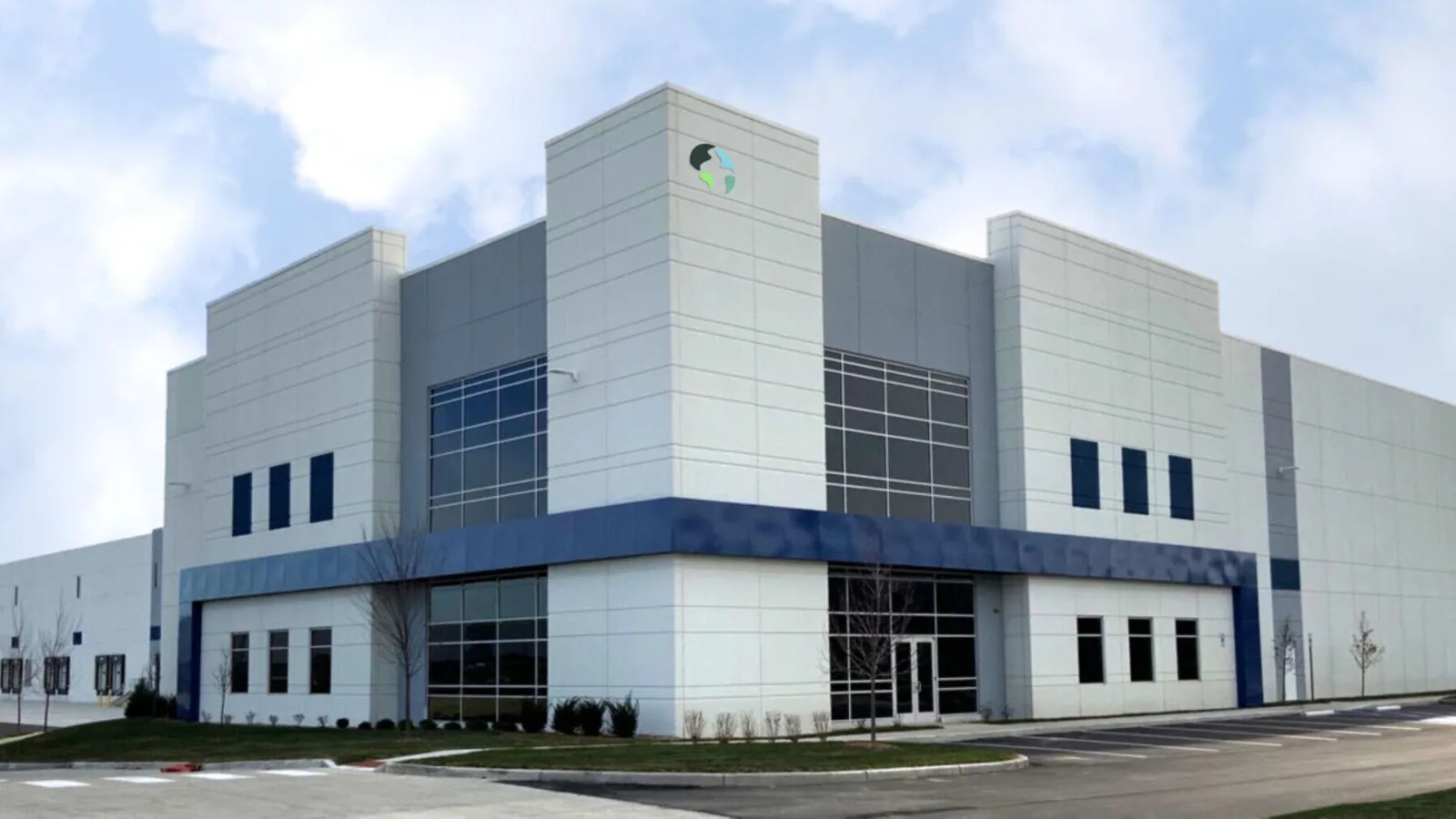
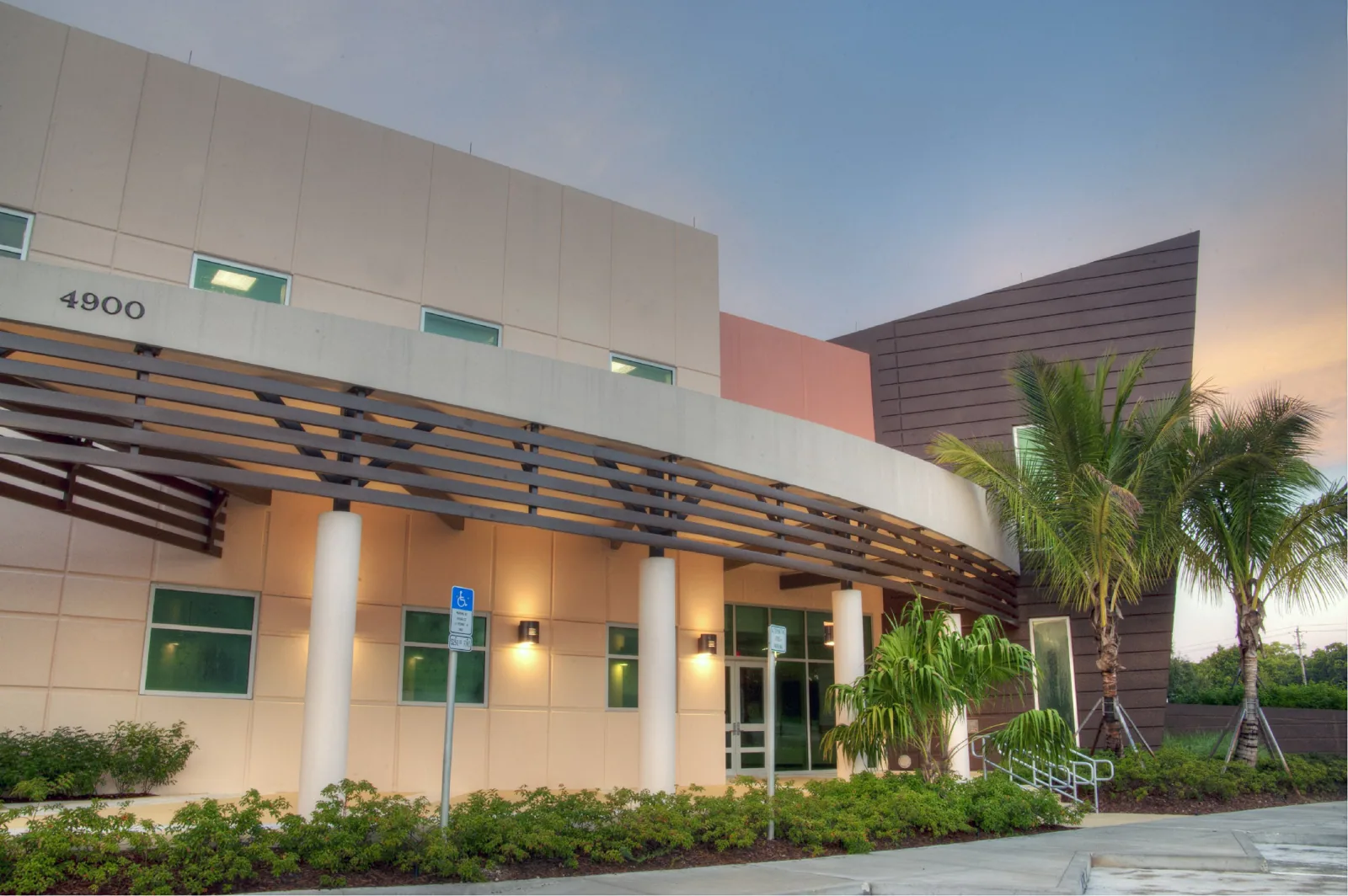
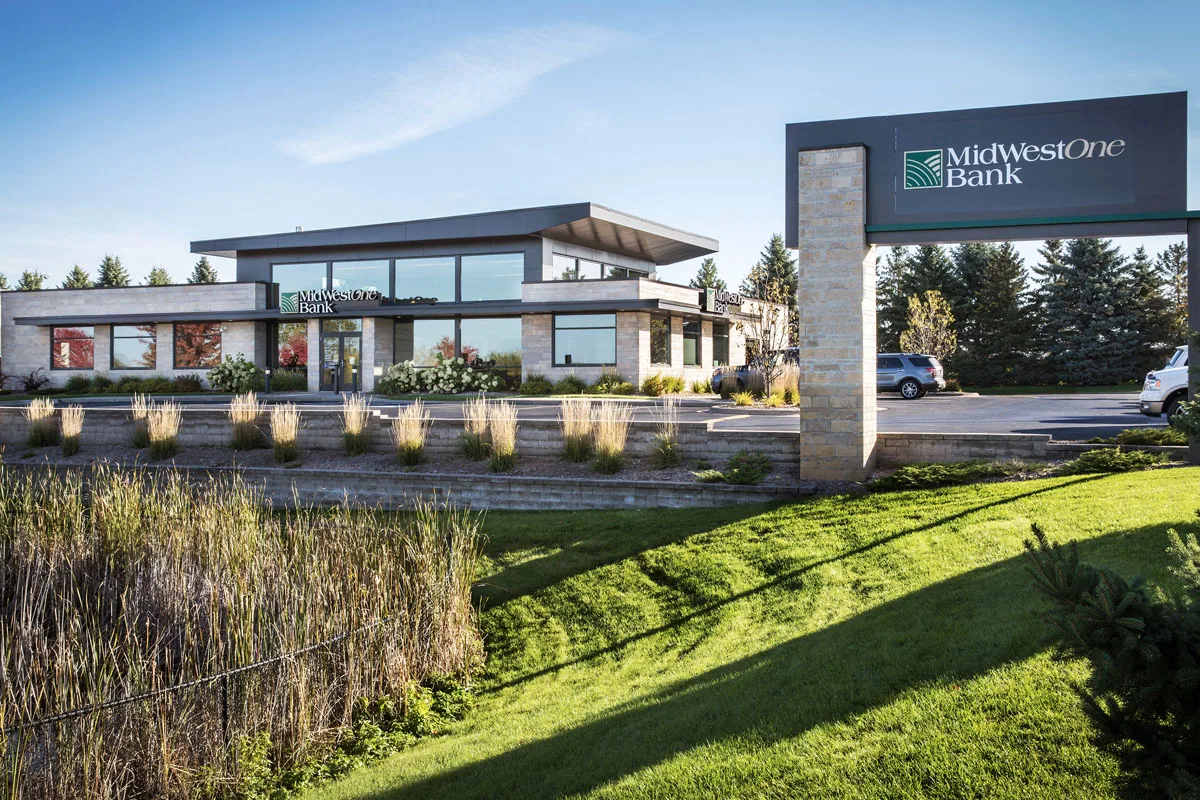
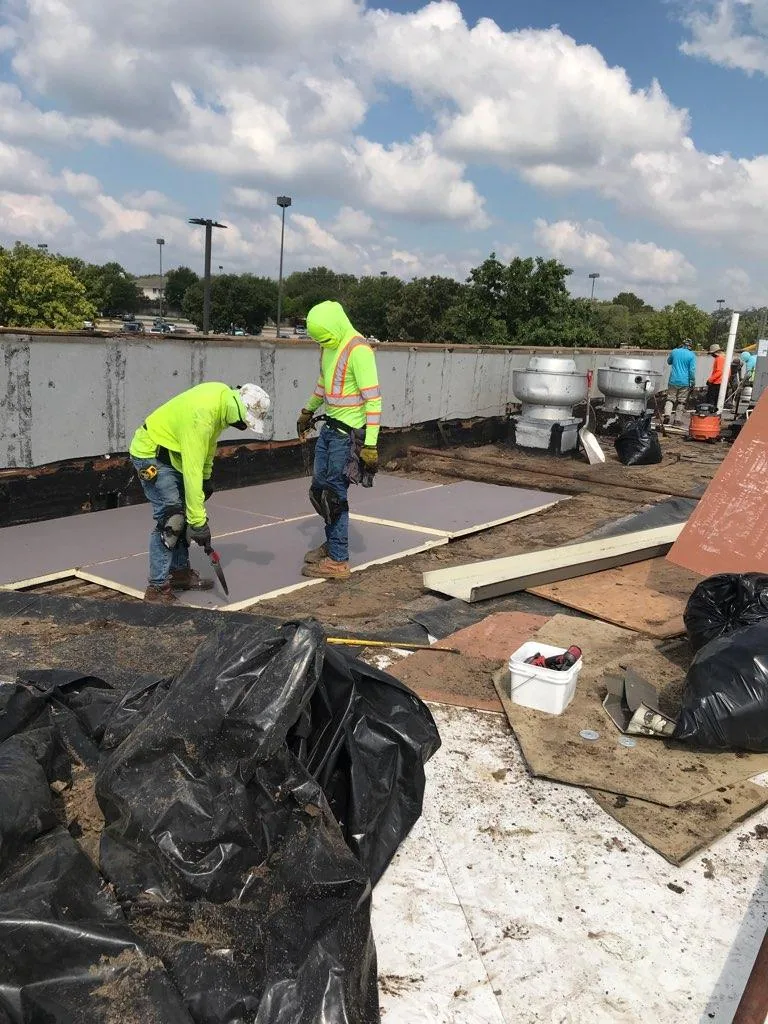
Property management companies need dated findings, photographs and a defensible repair-versus-replace line they can send to ownership. Real estate investors and REITs want remaining service life stated early, since an acquisition or a change of ownership, like the late-2024 sale of The Oaks, often pulls roof capital forward. The same reporting supports lender reviews and disposition packages.
Institutions: care, learning and public service
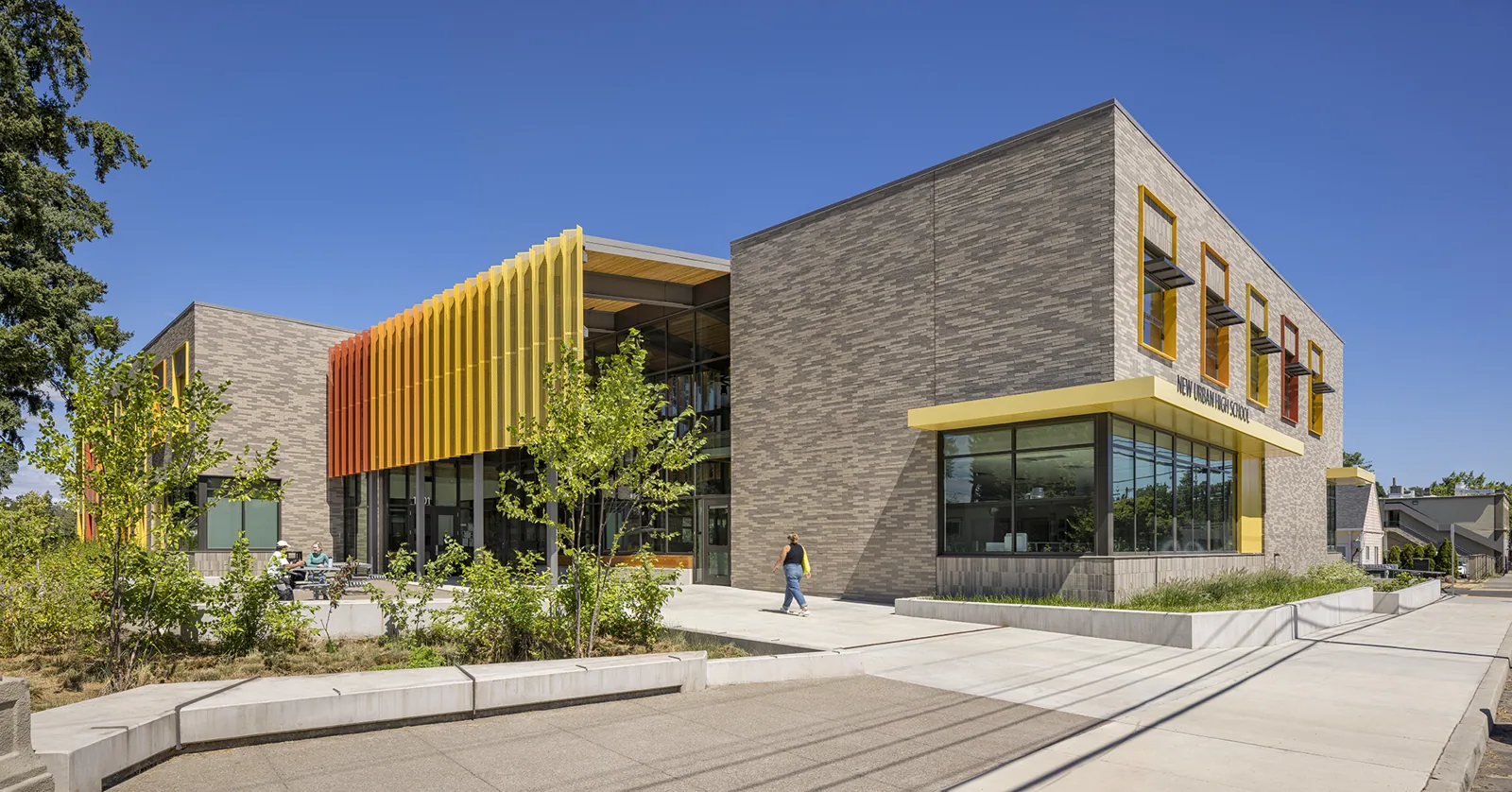
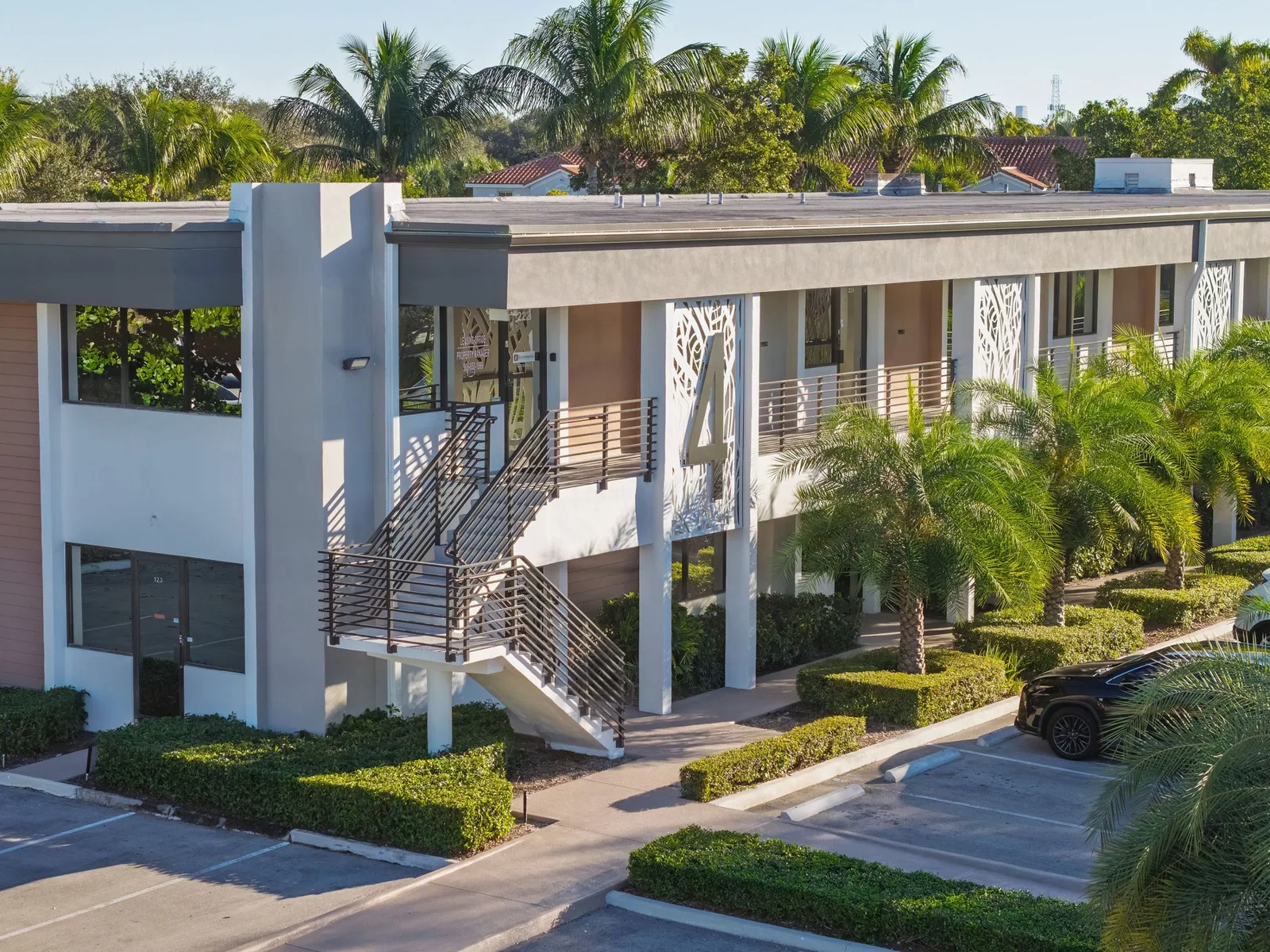
Healthcare systems run roofs over patients, so scheduling and infection control come before everything else. School districts work in summer windows and capital cycles, and Conejo Valley Unified is one of the valley's larger employers. Public agencies add procurement rules and public records, and a base such as Naval Base Ventura County adds access and escort procedures on top.
Commerce: plants, freight, stores and hotels
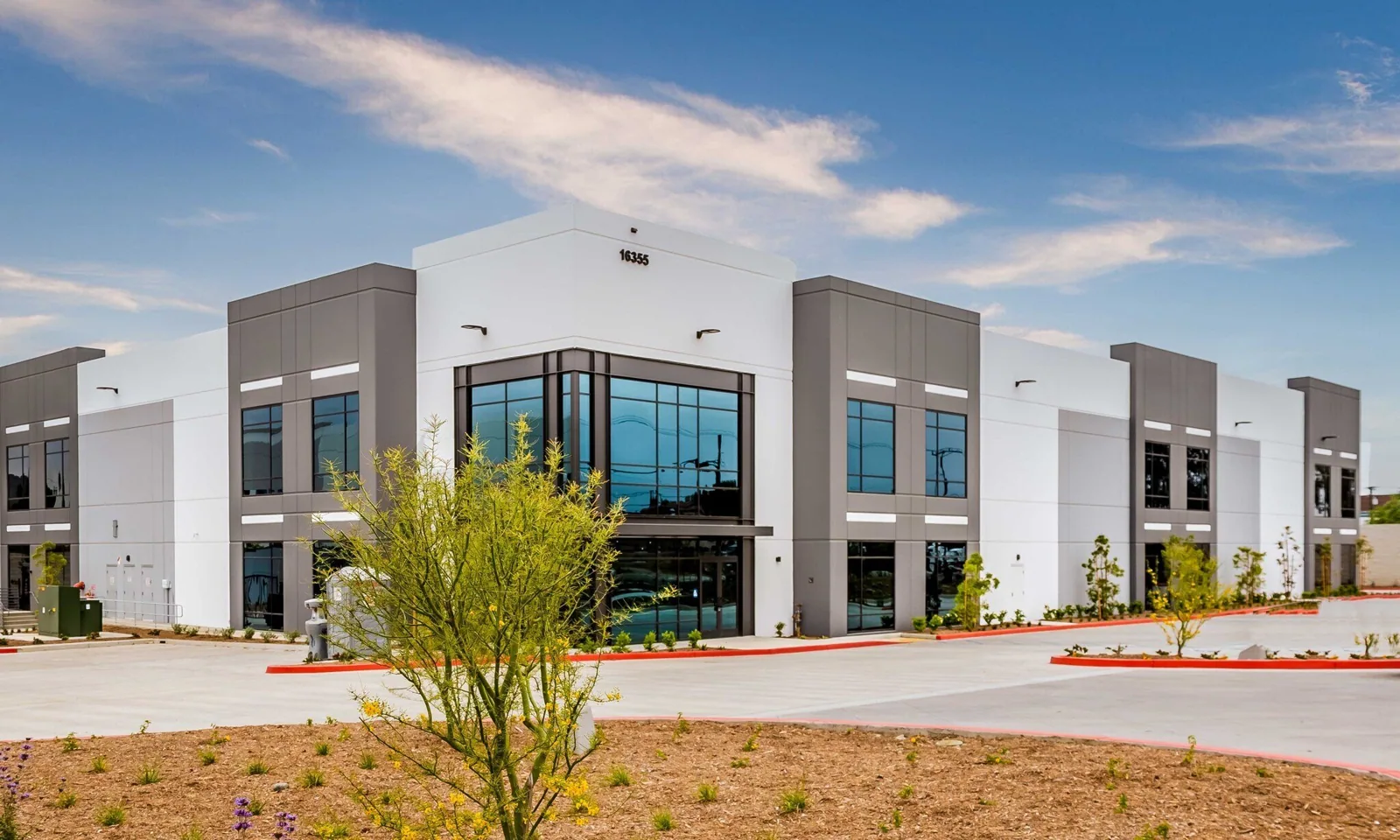
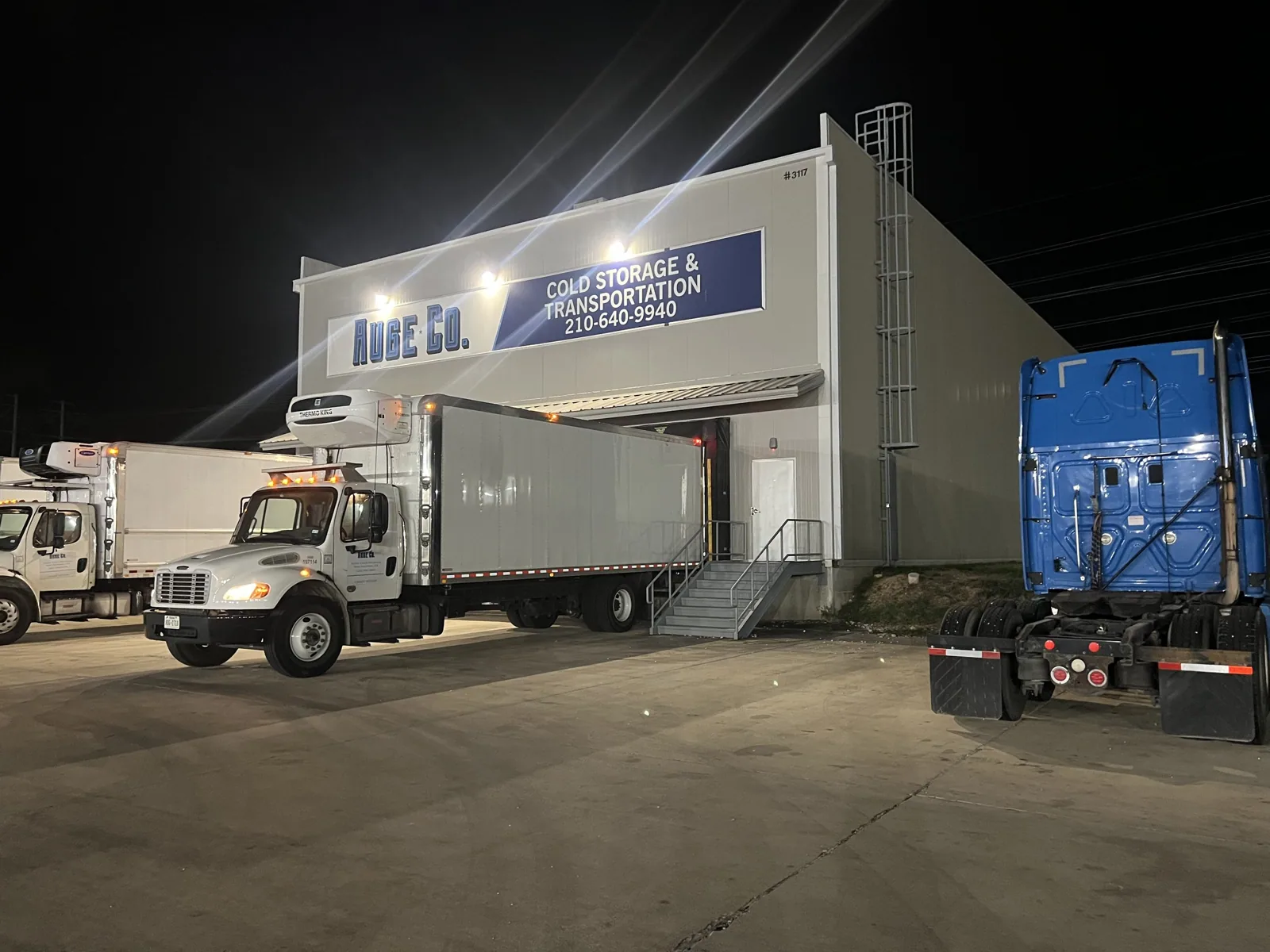
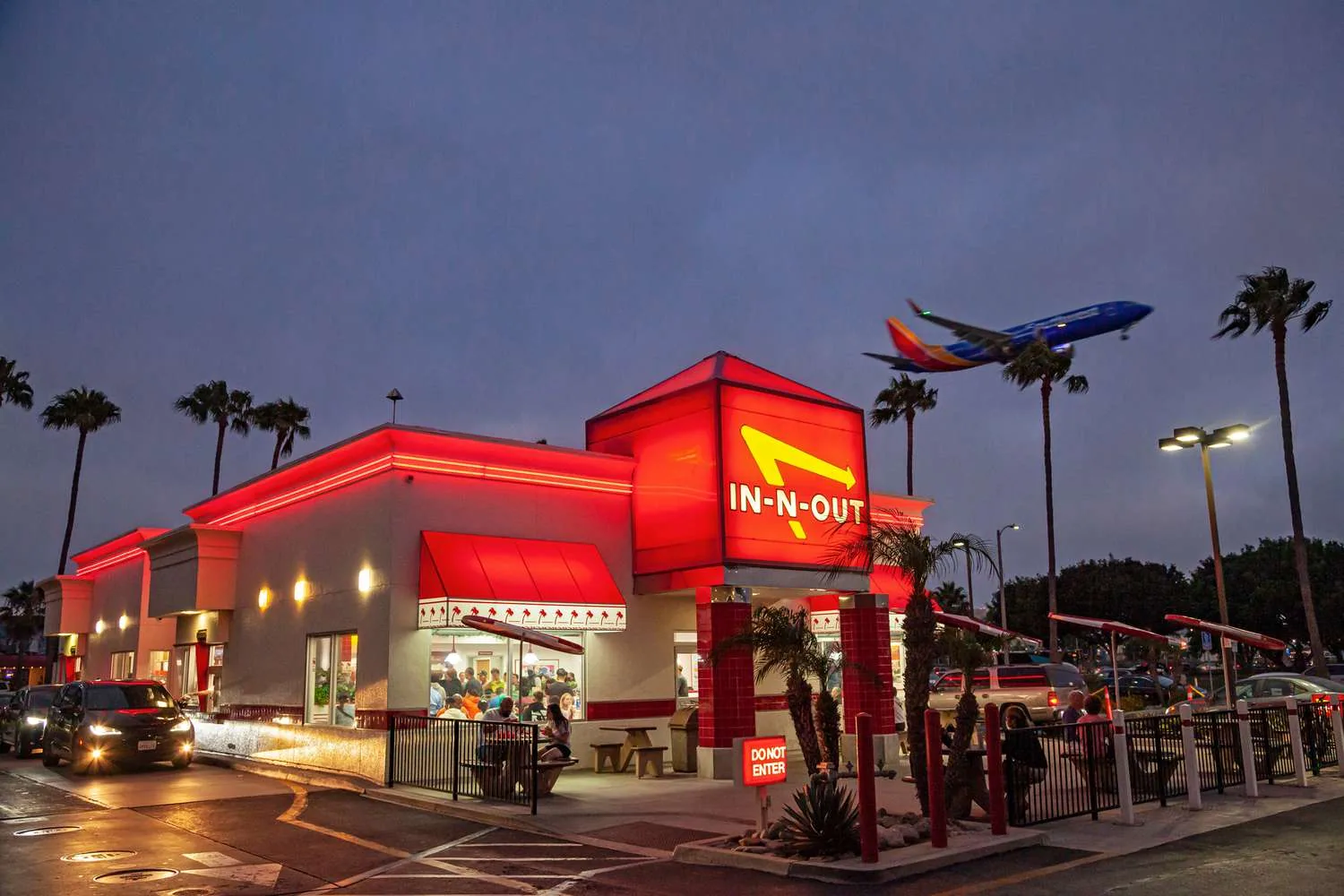
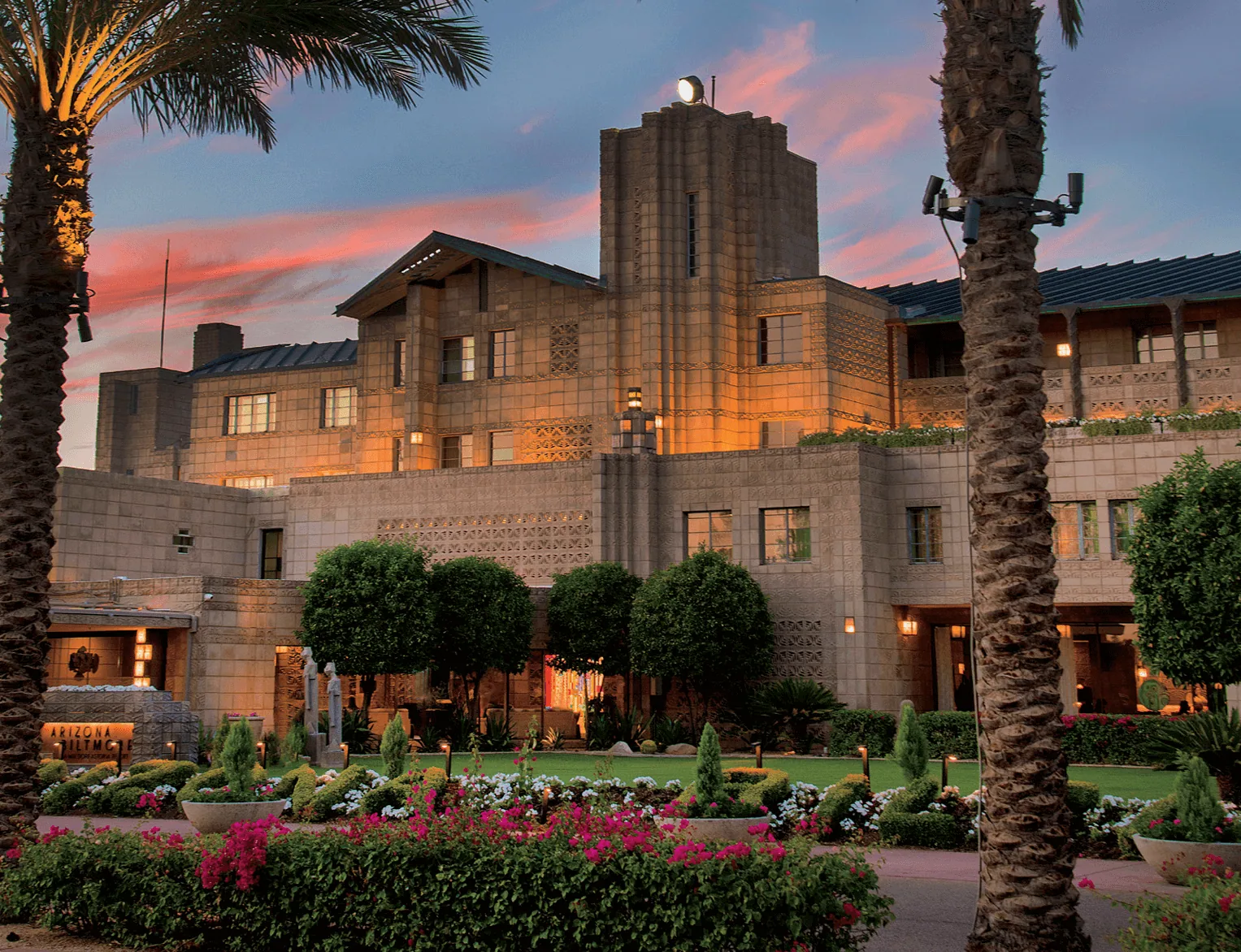
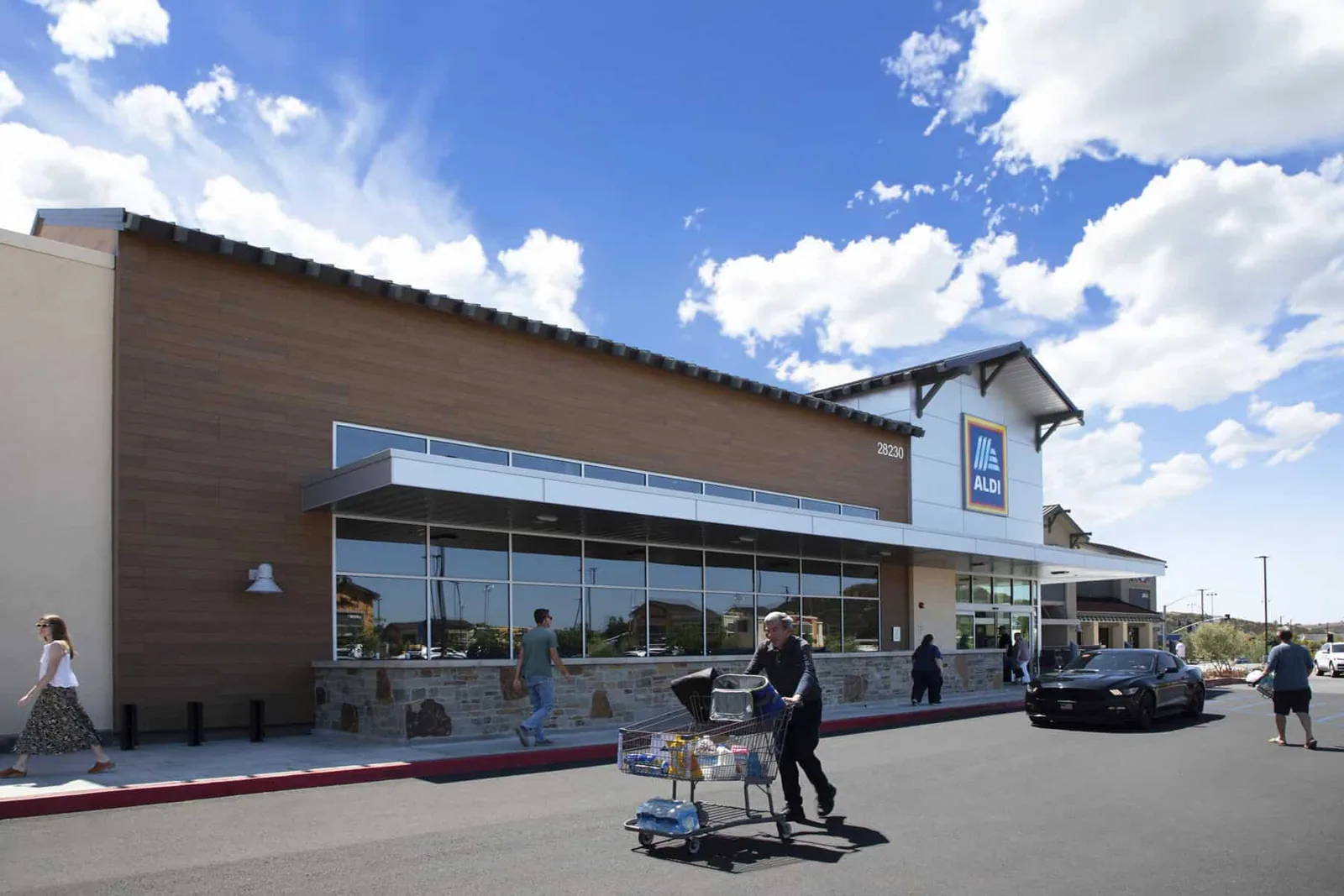
Manufacturers in Newbury Park and the Rancho Conejo Industrial Park need roofs that stay out of the way of production, and logistics and 3PL operators need dock doors and inventory protected. Retail and restaurant chains compare many sites on one standard, while hospitality groups, like the Four Seasons Hotel and the Westlake Village Inn, schedule work around guests and seasonal demand.
Common ground: exposure that every owner shares
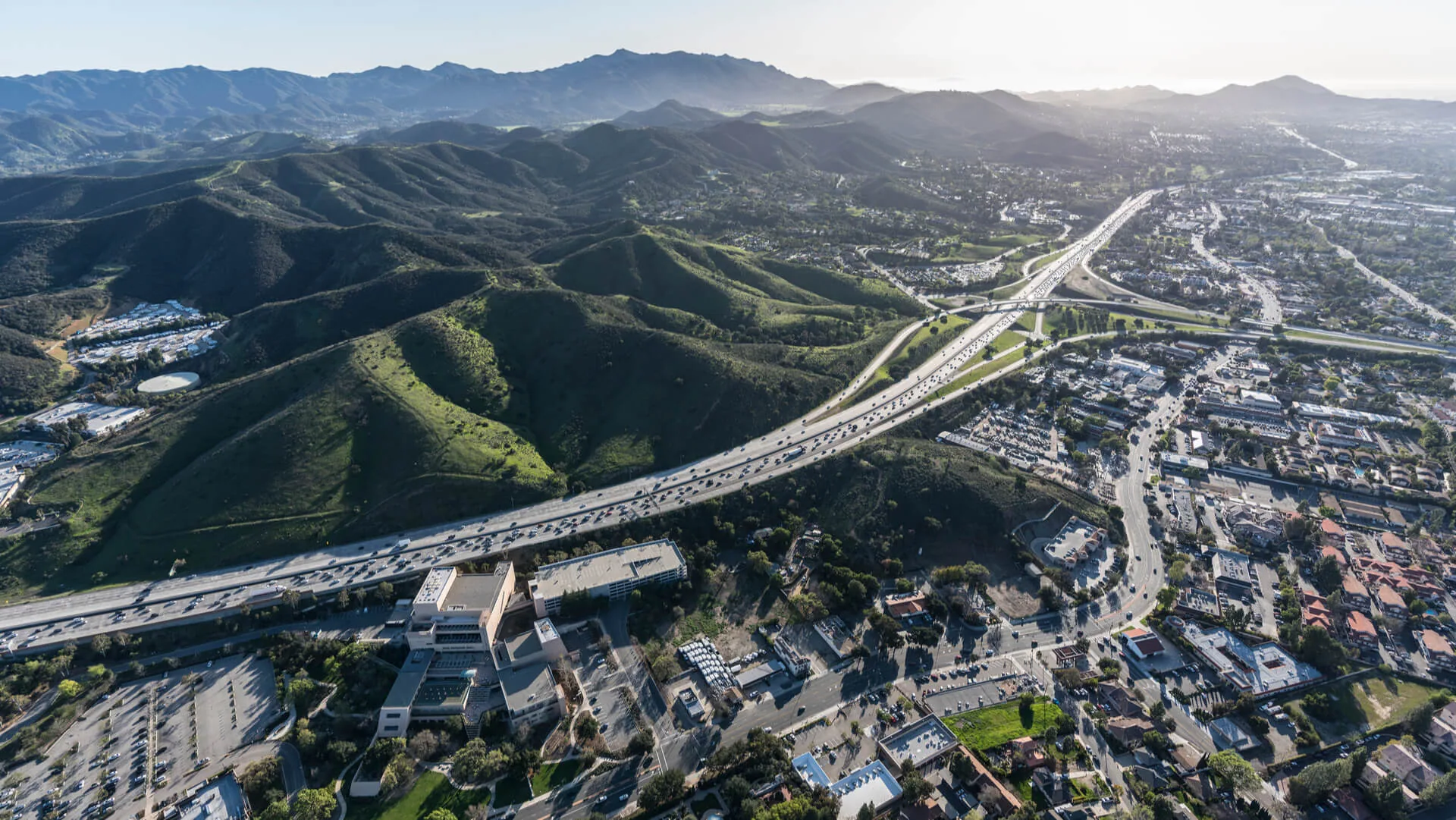
Whatever the industry, the roofs here face the same weather. Summer heat and UV wear membranes steadily, dry Santa Ana wind loads the edges and equipment, and the Thomas, Woolsey and Mountain fires of 2017, 2018 and 2024 made ember exposure and ash a real concern for roofs across the region. Those conditions are why every report we write grades ember resistance, edge attachment and drainage alongside the membrane itself. Only the format changes between a school district and a hospital system; the exposure on the roof does not.
Project partners: builders and carriers
General contractors bring us in when the roof is part of a larger scope with fixed sequencing, and insurance restoration teams need photographs, dated findings and a clear record of cause after wind or fire. Both reward a roofer who can document before, during and after the work.
Commercial Roofing Questions
Can one report serve both operations and finance?
Yes. The same survey produces repair tickets for the facilities team and a prioritized scope with replacement horizons for the people who set the reserve or capital budget.
How does ownership change affect roof planning?
A sale or repositioning is a natural moment for a baseline survey. It fixes the roof condition on paper and gives the new owner a repair and replacement schedule from day one.
How do you compare unlike buildings in one portfolio?
Each roof receives its own condition grade and repair horizon. The portfolio summary then ranks the buildings by exposure and operating consequence rather than treating square footage as the priority.
What changes after a tenant reports a second leak?
The repeat location gets matched to earlier photos and moisture readings. That comparison shows whether the repair missed a source, water migrated from another detail, or a separate defect has appeared.