Roof Support for Insurance Adjusters and Restoration Firms in Thousand Oaks, CA
Industries We Serve · Thousand Oaks, CA
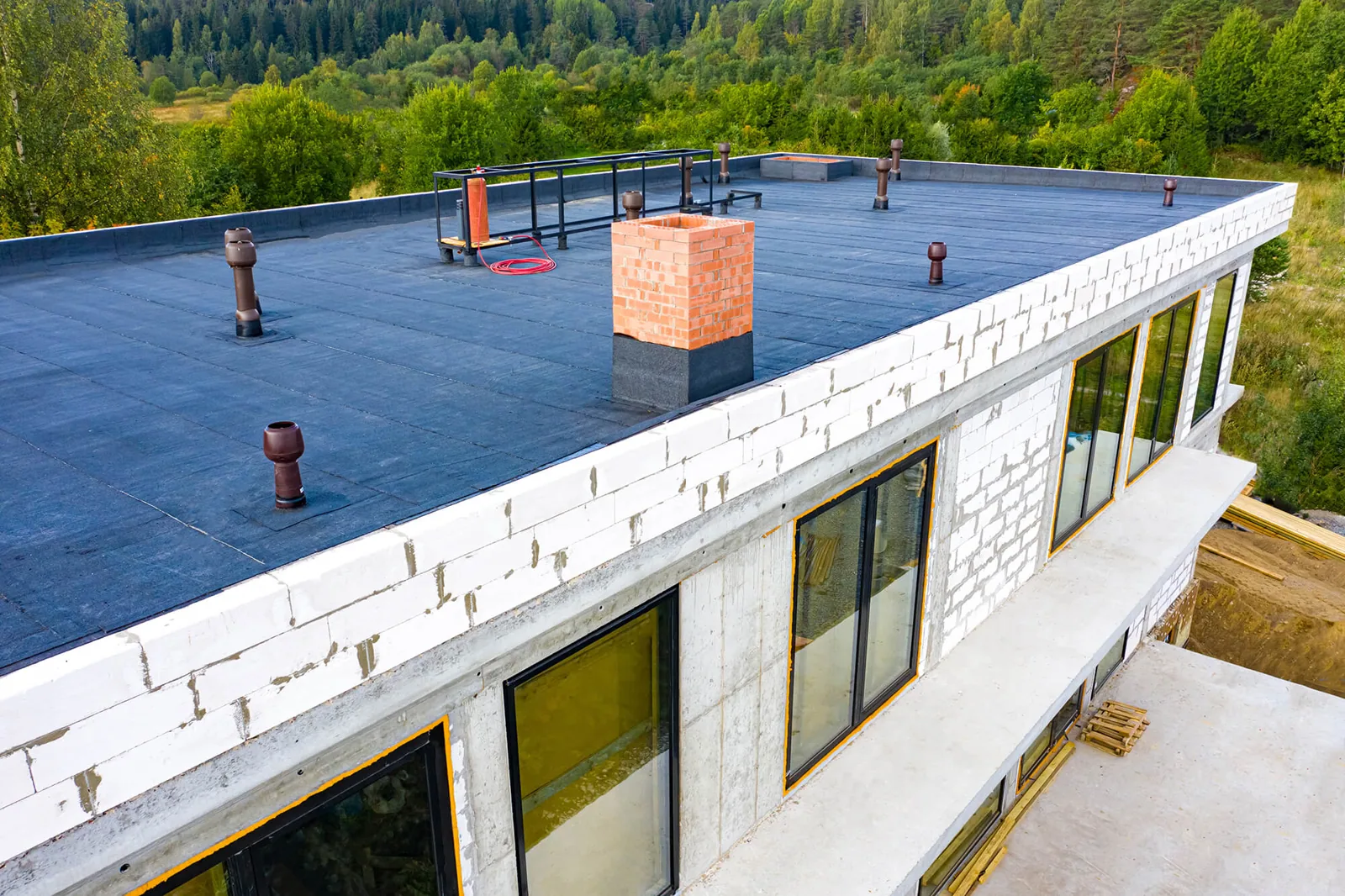
Reading at the north parapet: scorch marks on the coping cap with the membrane beneath it intact, and fifteen feet away a creased tear along a seam with no scorching at all. One event, two mechanisms. For an adjuster or restoration contractor assessing a roof in Thousand Oaks, CA, that distinction decides what belongs in the loss and what belongs in the maintenance budget, and the Conejo Valley has produced it more than once, because Santa Ana wind and wildfire have arrived together here. The usual flaw in a rushed scope is to treat the roof as a single damage story. A roof that has absorbed ember exposure, a gust, years of sun and a ponding corner needs four lines in the file, each with its own evidence, and an adjuster who receives those four lines can act on the event items without arguing over the rest.
Insurance Adjusters and Restoration Firms
Industries We Serve
Call our team
Written findings and options
Thousand Oaks, CA
Ventura and Los Angeles counties
Findings: telling fire, wind, heat and age apart
Fire leaves a recognizable record: charred or blistered surfaces, melted flashing boots, scorched edge metal and ash lodged in low corners and drains. Ember damage is local and directional, concentrated where debris collected against a parapet or an equipment curb. Wind leaves creased or torn membrane at perimeters and corners, displaced coping, lifted flashing and fasteners backing out of the deck, and Santa Ana gusts above 40 mph load exactly those details. Heat and ultraviolet exposure leave the surface chalked, crazed and shrunken across the whole field, a gradual condition that no single storm created. Ponding and age have signatures too: algae rings, stained seams and soft insulation under water that never drained.
Heat belongs in the file too. Woodland Hills, in Los Angeles County, recorded 121 F on September 6, 2020, the highest reading ever taken in that county, and extreme heat warnings have been posted for Ventura County's valleys as well. Sustained heat wears a membrane, so many roofs enter any event already worn, and that wear is not the event's doing. We photograph each category separately, take cores where the finding is unclear and keep the evidence for the old condition as visible as the evidence for the new damage. A survey that shows the whole roof is more credible than one that shows only the loss.
Triage: stopping the loss before the scope is approved
Water that enters during a claim review keeps working. Between the loss and the approval, a roof needs temporary dry-in at the damaged area, drains cleared of ash and debris, loose edge metal secured, standing water managed and a moisture reading to fix the starting point. Our emergency roof repair response runs at any hour, and we list emergency protection on a separate line from permanent repair so the adjuster can review each on its own terms.
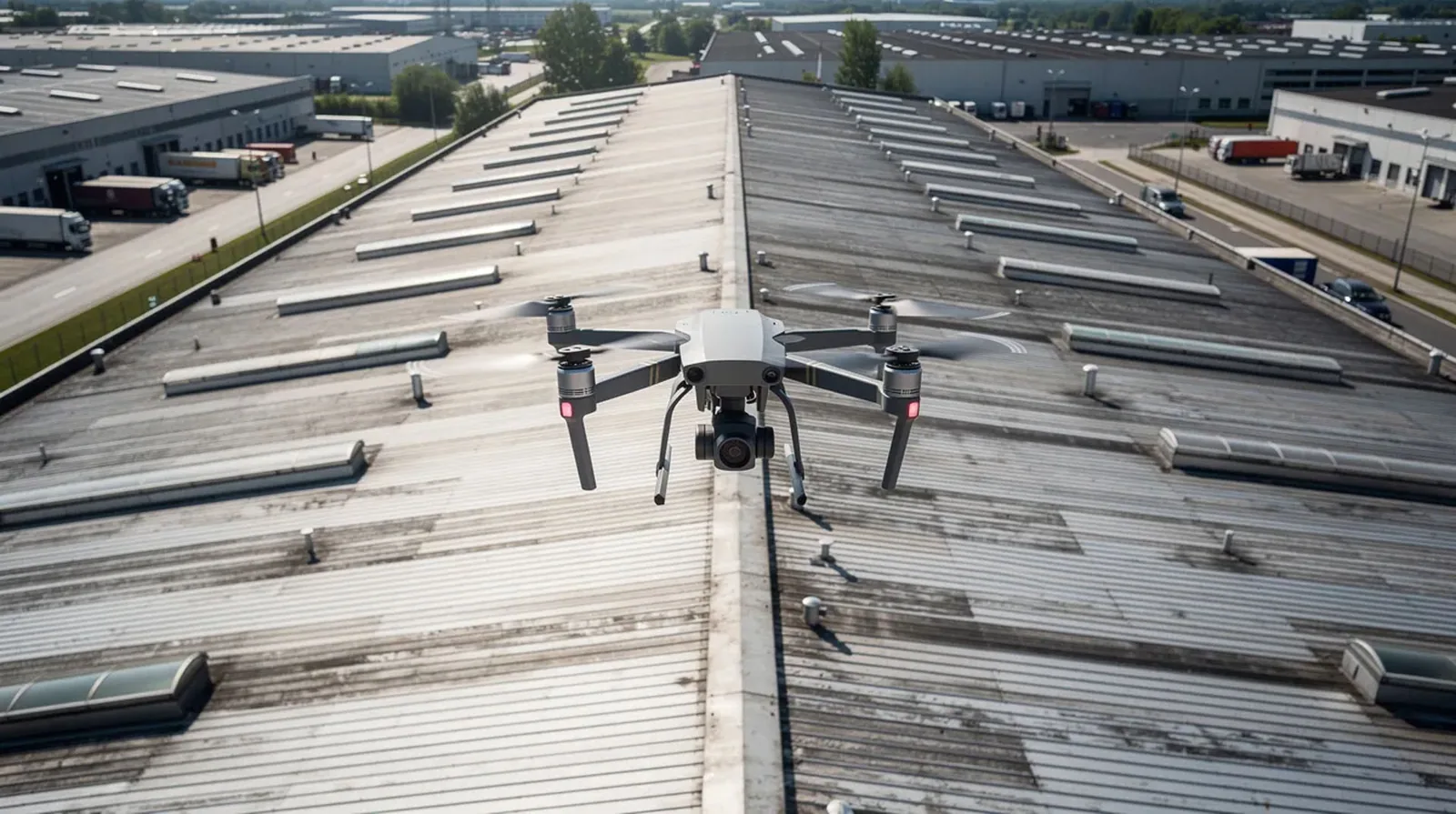
Some roofs are not safe to walk after a fire or a wind event. A drone roof inspection captures the damage without placing anyone on a compromised deck, and thermal imagery added once the surface is dry shows where moisture has travelled under intact membrane. The adjuster receives images that can be measured, dated and marked up, which shortens the site visit.
Surge: why fire years stack the queue
Losses in this region arrive in clusters. The 2017 Thomas Fire began near Santa Paula, burned 281,893 acres and destroyed at least 1,063 buildings across Ventura and Santa Barbara Counties under gusts up to 70 mph. After any reported fire or wind event, the owner should preserve the pre-event inspection and document new roof conditions before temporary work changes the evidence. The Woolsey Fire of November 2018 started on the former Santa Susana Field Laboratory property in the hills above Chatsworth and ran south through the Santa Monica Mountains, burning through Oak Park on November 8 and 9.
Each event produces the same queue: adjusters carrying heavy caseloads, a limited pool of crews and materials ordered by everyone at once. Roofs with a recorded condition move through that queue faster because the starting point is already written down. Priority belongs with critical-use buildings, and a hospital such as Los Robles, which opened in 1968 and has expanded since, carries roofs from several construction eras and rooftop mechanical for critical areas. For healthcare systems the ordering is clear: occupied clinical space first, everything else behind it.
Scope: the line items an adjuster can price
A repair scope is useful when each line can be compared with the evidence in the file. The scope we write for a loss is a list the adjuster can check line by line:
- Measured area of damage by roof section, tied to photographs and the date each was taken.
- Tear-off depth: membrane only, membrane and wet insulation, or the whole assembly to the deck.
- Edge metal, flashing and drain components replaced as units, with lengths and counts.
- Items driven by current code, such as the energy and cool roof provisions of the 2025 California codes in force since January 1, 2026, listed separately so the carrier can decide how to treat them.
- Temporary protection already performed, with dates and materials.
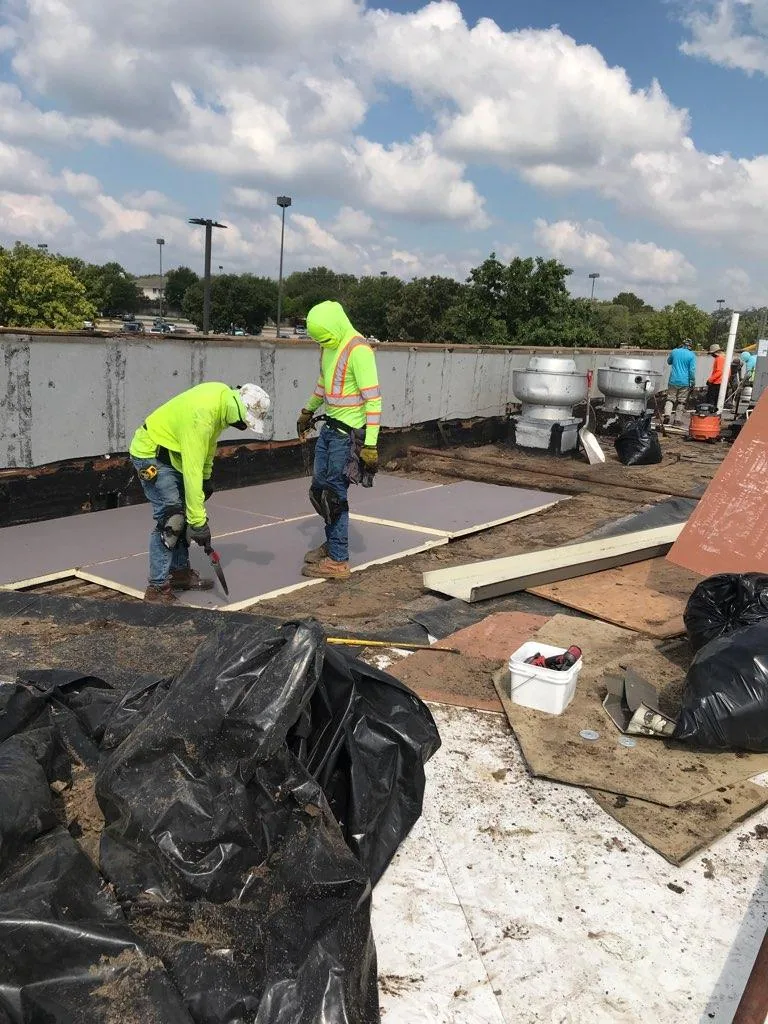
When a tear-off exposes wet insulation or a corroded deck that no survey could see, we photograph the condition and send a revised line before work continues. That habit keeps the adjuster informed as the roof opens, and it gives the owner the evidence behind an insurance claim. Burned flashing boots and ember-scarred membrane are cut out and replaced as part of fire damage roof repair, and each cut-out gets its own line.
Restoration partners: one moisture map for roof and interior
Mitigation contractors dry interiors, and drying equipment runs for nothing if the roof above is still taking in water. The sequence that works is roof dry-in first, structural drying second and rebuild third, with one moisture map shared between the roofing and mitigation crews so that nobody dries a ceiling the roof will soak again. We hand that map to the restoration firm on the day it is complete and update it after each rain.
The rebuild phase is where roofing returns to the schedule. The general contractors who reconstruct a loss need the permanent roof timed against interior finishes, curb and equipment resets and the code edition that applies to the permit. Agreeing on that sequence early keeps a covered loss from becoming a second loss when a finished room is wetted by an unfinished roof.
Documentation: the file an adjuster can close
Every roof we assess for a loss ends with a written roof condition report: photographs by section, moisture readings, core findings, a sketch of damage locations and a short statement separating event damage from wear. The report is written for a reader who was not on the roof, such as a desk adjuster, a reinspection adjuster or a coverage attorney, and it avoids opinions about coverage, which belong to the carrier.
Commercial Roofing Questions
How can an adjuster tell a wind tear from age on a single-ply roof?
Look at the edges. A fresh wind tear has clean, bright edges and displaced debris nearby, while age shows chalking, dirt in the crack and rounded edges. Seams that opened along a line of fasteners point to uplift.
Who authorizes temporary protection before a scope is approved?
The owner does, usually after a call to the carrier. We protect the roof first, then document the work with photographs and dated invoices, so the cost of preventing further damage reaches the adjuster with its evidence attached.
What helps when a roof is too damaged to walk?
Drone imagery covers the surface, and an infrared pass once the roof is dry shows moisture. Both are measured, dated and sent to the adjuster, who can then decide whether a ladder visit is needed at all.
Why do roof losses after a regional fire take longer to resolve?
Volume. Adjusters, crews and materials are all in short supply at once, and every roof competes for the same queue. A recorded condition from before the loss moves a file ahead because the comparison already exists.
Can a restoration firm and a roofer work from the same moisture readings?
They should. A shared map shows where water entered, where it travelled and where it has stopped, which lets the mitigation crew dry the right areas and lets us order the correct tear-off.