Written Roof Condition Reports in Thousand Oaks, CA
Roofing Capabilities · Thousand Oaks, CA
Photo 14, northeast corner of section C: coping joint open at the splice, sealant split along its full length, membrane edge lifted roughly a hand's width behind the metal. A reader who sees that photograph, with a location on the roof plan and a grade attached, can decide what to do about it before lunch. A reader who is told that the roof edges need attention cannot. This is the difference between a written condition report and a verbal summary, and in Thousand Oaks, CA it is also the difference between a roof that gets funded and a roof that gets discussed. The report is the instrument that lets an owner, a lender, a board or a buyer hold the same information in their hands and reach the same conclusion about what the roof needs and when.
Our reports are written for people who manage buildings and answer to budgets. They lead with the findings, support each one with an image, grade the section it came from and end in a scope that is ordered by consequence. They are meant to be read once, filed and used again a year later as the baseline for the next survey.
Written Roof Condition Reports
Roofing Capabilities
Call our team
Written findings and options
Thousand Oaks, CA
Ventura and Los Angeles counties
Anatomy: what each section of the report contains
Every roof section in the report follows the same layout, so a reader can turn to any building and find the same things in the same place. The header gives the section number, approximate area, membrane or coating type and age where it is known. Below it sit the findings, each tied to a numbered photograph and a spot on the roof plan. The grade comes next, with the reasoning stated in plain words, and the remaining service life follows as a range. Last is the recommended action for that section, labeled by timing.
- Immediate: conditions that admit water or threaten the structure and should be addressed now.
- Near term: repairs that keep a sound roof sound over the coming budget year.
- Planned: restoration or replacement scopes with a target window.
- Monitor: items recorded so the next survey can see whether they have changed.
This ordering matters to the person reading the report. An asset manager can lift the immediate items into a work order, the near-term items into the operating budget and the planned items into the reserve schedule without rewriting anything.
Method: walking the roof, then writing it up
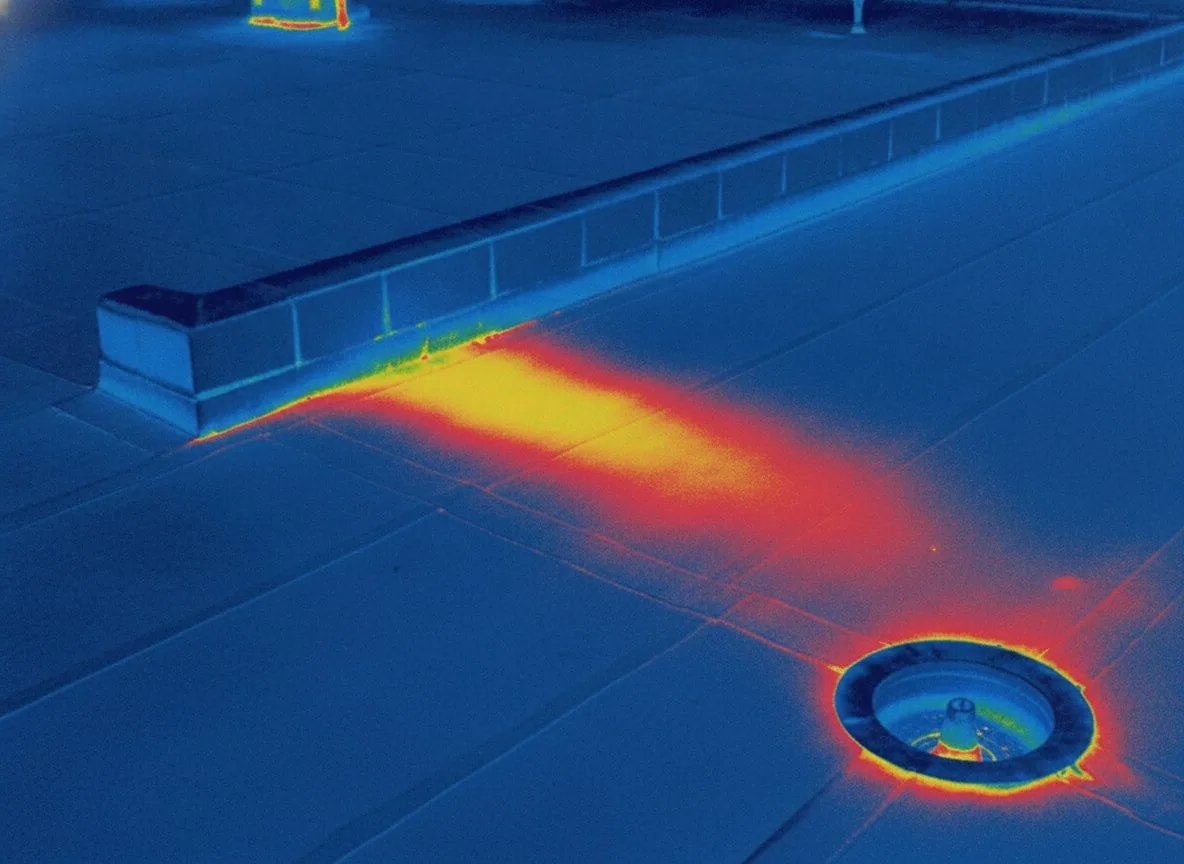
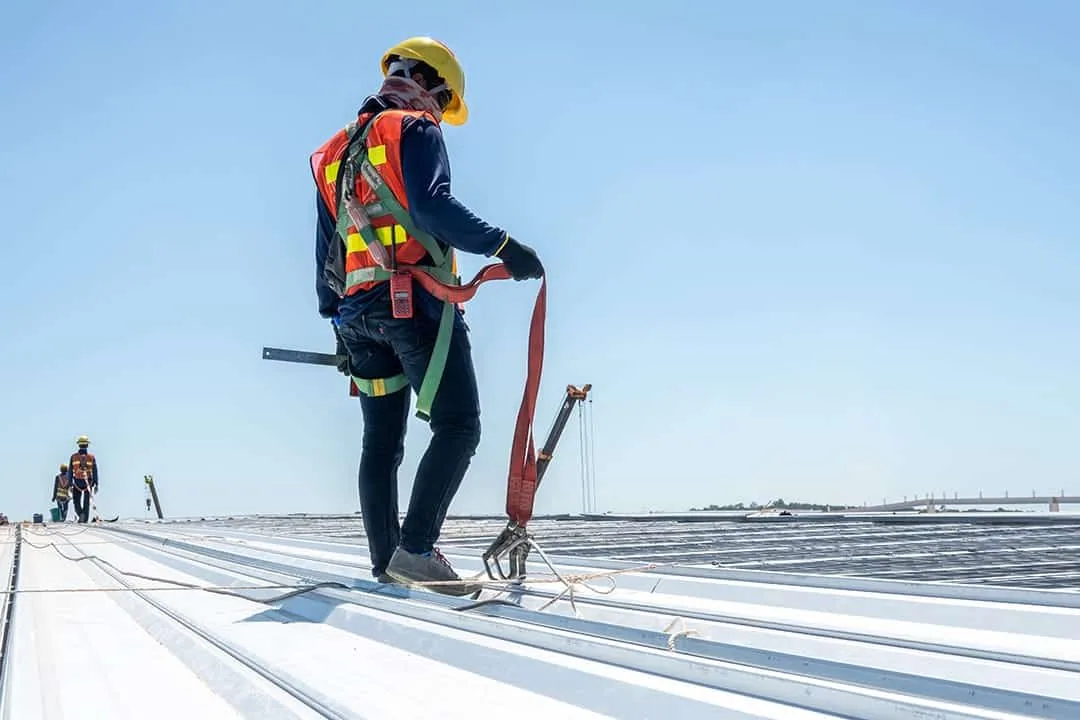
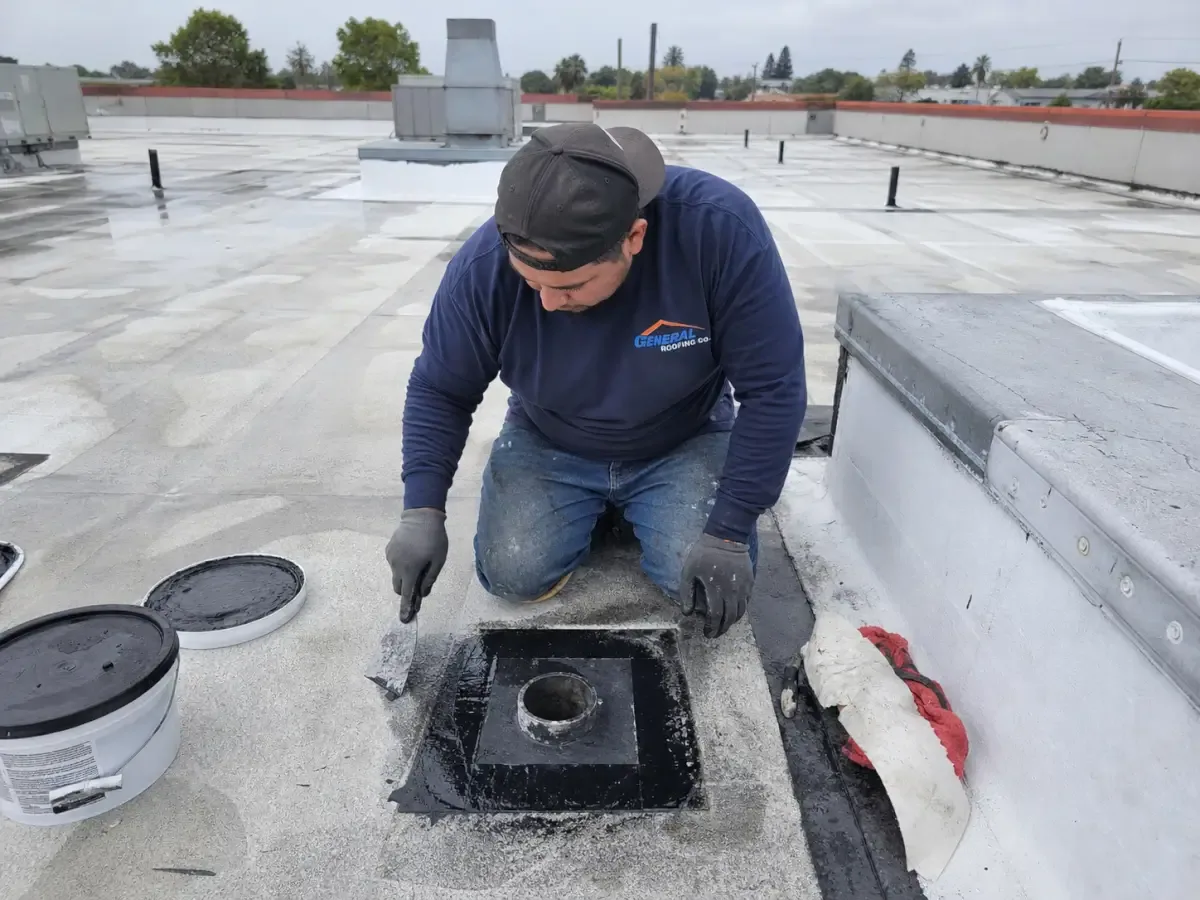
The report starts with a hands-on walk, because a roof cannot be graded from the ground or from a photograph alone. We probe seams and flashings, check drains for debris and slope, look at equipment curbs and their sealants, and press on soft areas to find out what lies beneath. Where the question is moisture, an infrared moisture survey maps wet insulation that no visual check can reveal. Where the roof is large or access is awkward, drone imagery supplies an overview that tells the crew where to concentrate the walk and gives the report a clean aerial base for the findings. The walk is the evidence, the photographs preserve it and the writing translates it, which is why we prefer to write the report ourselves from our own notes rather than hand off the findings to someone who was not on the roof.
Readers: who ends up relying on the report
A condition report gets read by more people than the owner who ordered it. Lenders want to see remaining service life before they set a reserve requirement. Insurers want pre-existing condition to be separated from storm damage, which is the reason a dated, photographed baseline becomes useful evidence if a claim follows. Boards and trustees want to see a priority order they can fund. Buyers want a view they can price, and our due diligence roof surveys are written to that standard.
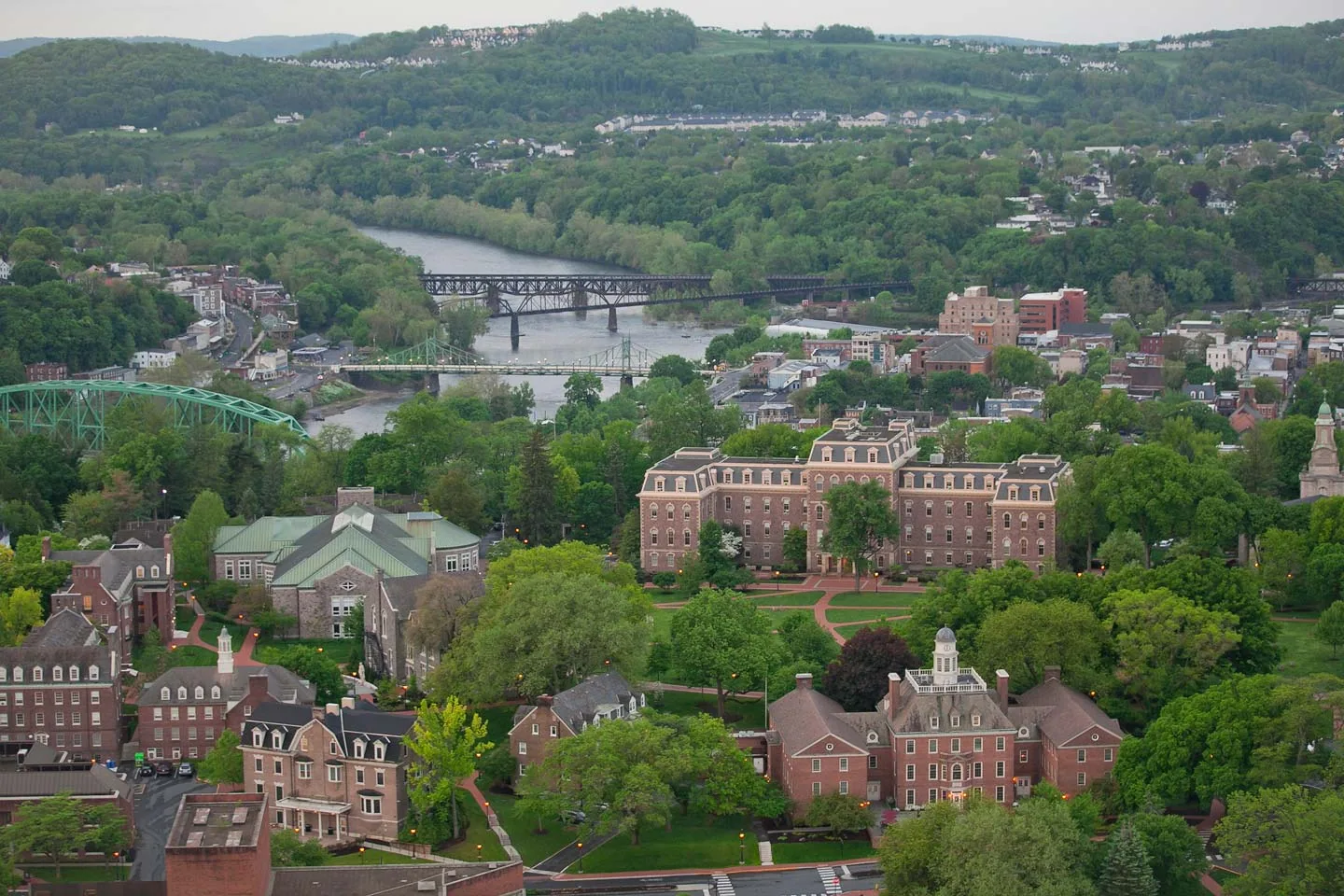
The building stock around Thousand Oaks produces its own readers. The facilities office at California Lutheran University answers for 41 buildings on a 290-acre main campus, and that many structures need reports that rank roofs against one another. Los Robles Hospital and Medical Center has been growing since it opened in 1968, so its roofs belong to several construction eras, and a hospital engineering department reads a report with infection control and critical areas in mind. The format adjusts for campus settings and for hospital roofs.
After the event: a dated record following fire and wind
The most valuable report in the Conejo Valley is sometimes the one written just after an event. Westlake Village, Agoura Hills, Oak Park, Newbury Park and Thousand Oaks all felt the Woolsey Fire of November 2018. The Mountain Fire of November 2024 struck near Somis and Camarillo under a Santa Ana wind event that was among the strongest in years, and the Kenneth Fire of January 2025 put Agoura Hills and Oak Park on evacuation warning. After any of these, ash on membranes, debris in drains, lifted edge metal and scorched flashing are all visible for a short time, and then they are cleaned away or hidden. A report that documents them on a known date supports the repair scope and, where it applies, the insurance claim.
Office parks along the 101 dominate the commercial stock in Westlake Village, and a portfolio spread across Westlake Village and Thousand Oaks can be graded on one scale, with the same report format for every building.
Delivery: format, timing and the follow-up survey
We deliver the report as a bound document and as files, with photographs embedded and also supplied separately, because facilities teams often need to attach a single image to a work order. Turnaround depends on the number of buildings and on whether moisture mapping is part of the scope, and we state it before the first visit. The report then becomes the baseline for the roof register, and a follow-up visit at the agreed interval measures change against it.
The report should be readable by the person who approves the budget and useful to the technician who returns to the roof. Start with an executive summary that names the most consequential conditions, then show a section plan, photographs, test results and recommendations with the evidence behind each. Keep remaining service life distinct from warranty term and note where access limitations reduced confidence. A ranked list should separate immediate water control from planned repair and capital replacement, with a clear reason for each priority. When two roofs share an ownership group, use the same grading definitions so the board can compare them without assuming that their materials or repair needs are identical. The dated record then becomes a baseline for the next inspection and a defensible reference if ownership or management changes.
Commercial Roofing Questions
How many photographs does a report include?
As many as the findings require, each numbered and tied to a spot on the roof plan. A clean roof gets fewer, and a roof with repeated defects gets a sequence that shows the pattern.
Can the report be used for a lender or insurer?
Yes. It is written to stand on its own, with dates, locations, grades and images, and the same document serves a lender's reserve review or an insurer's request for condition history.
Will it tell me what the repairs should cost?
It gives the scope for each action and the factors that move cost, such as access, insulation moisture and tenant constraints. Pricing follows once the scope is chosen.
What if the report contradicts a previous inspection?
We list the differences and the evidence for ours. Often the earlier report missed wet insulation or counted a patched area as sound, and the photographs settle the question.
How soon after a fire or windstorm can you document the roof?
Quickly, because the evidence fades. We prioritize post-event surveys, make safe any condition that admits water, and answer emergency calls at any hour.