Commercial Roofing in the Moorpark Road / Janss Marketplace Area, Thousand Oaks, CA
Service Areas · Thousand Oaks, CA
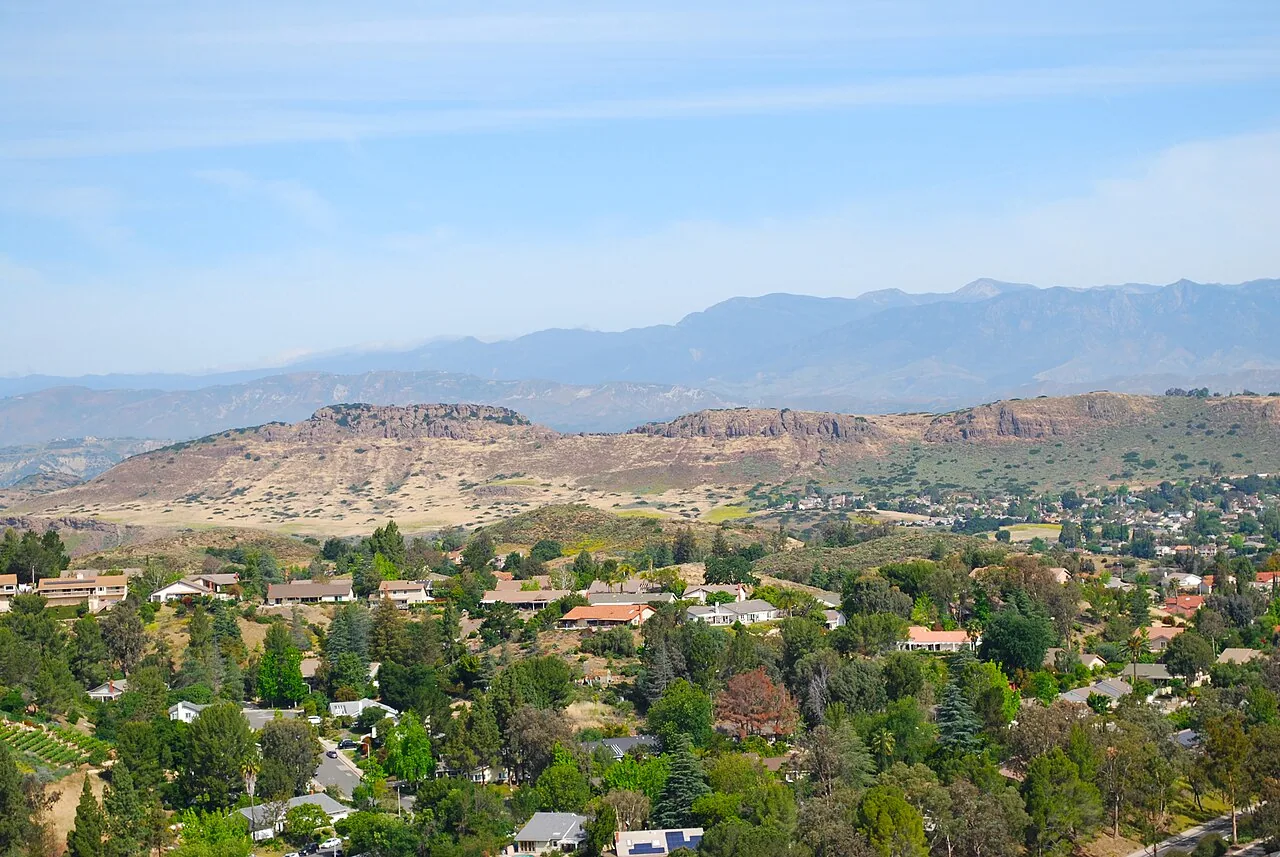
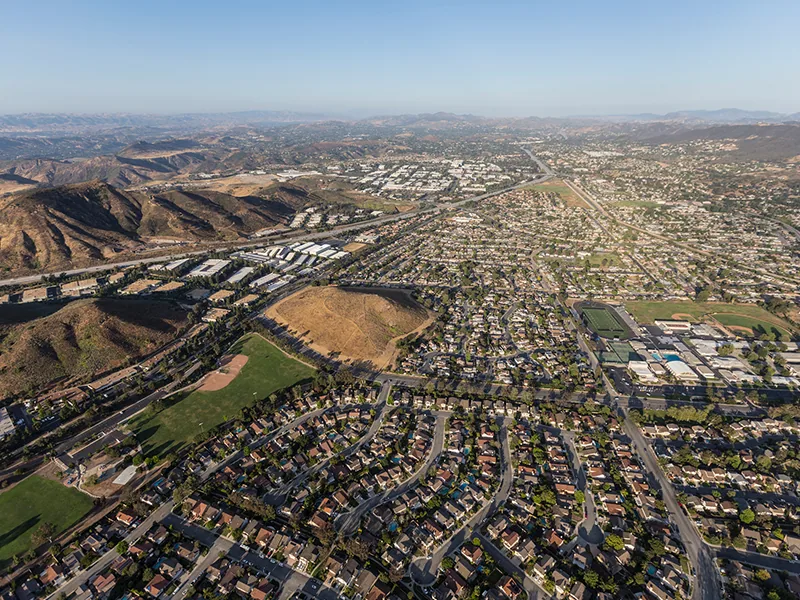
A roof above a commercial corridor has to keep water out while the businesses below remain open. Along Moorpark Road, owners may manage a mix of shops, offices, restaurants, and larger retail buildings, each with different access, occupancy, and equipment demands. The City of Thousand Oaks identifies Moorpark Road/Janss Marketplace as a land-use subarea and describes commercial development along Moorpark Road between Thousand Oaks Boulevard and Hillcrest Drive. That broader planning area is the service geography; individual stores and venues are useful context only. Commercial Roofing of Thousand Oaks documents roof condition, repair limits, and access needs so property owners can compare practical options and plan work around the building’s use.
Moorpark Road / Janss Marketplace Area
Service Areas
Call our team
Written findings and options
Thousand Oaks, CA
Ventura and Los Angeles counties
Inspection: find the source before sizing the repair
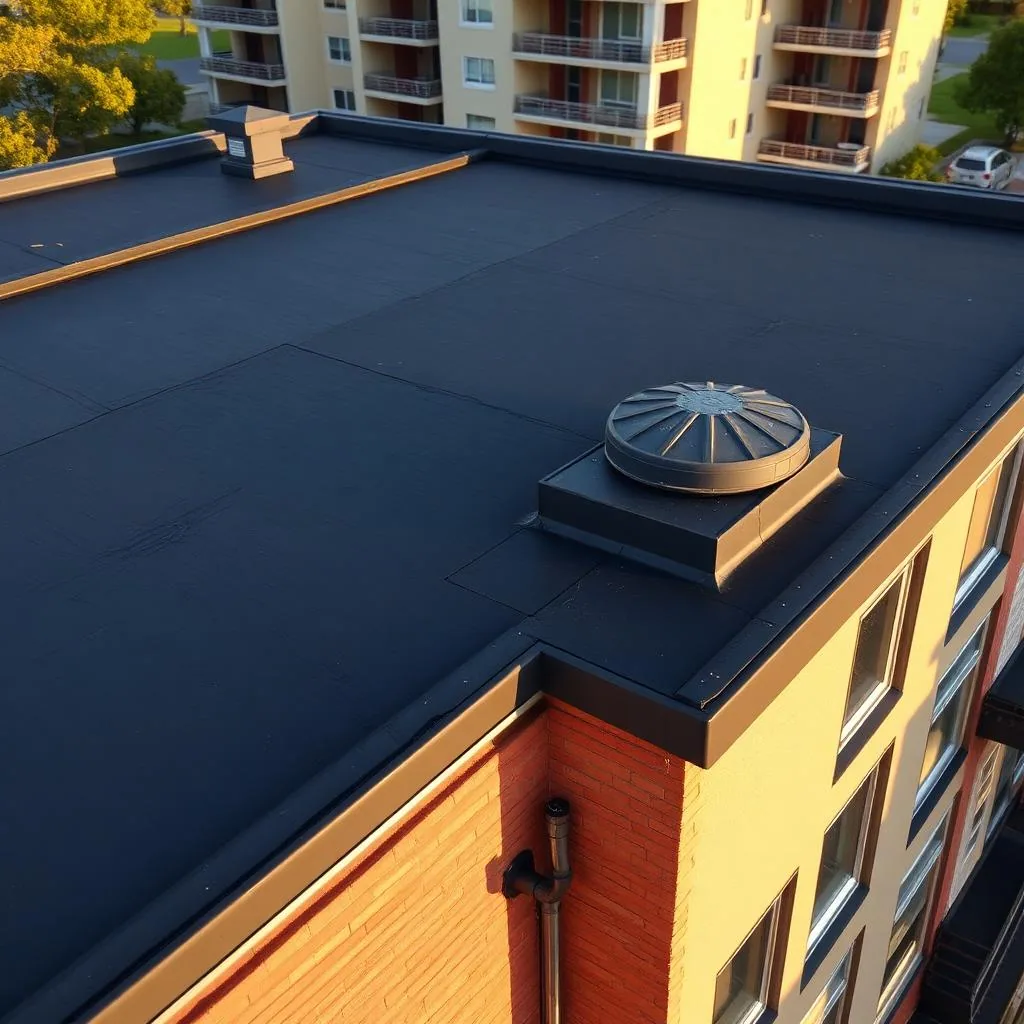
An interior stain is a starting point, not a repair boundary. Water can travel along a deck, insulation layer, or structural member before it reaches a ceiling. A roof inspection traces the report back through seams, penetrations, equipment curbs, parapet transitions, and drainage points. The assessment records visible conditions and notes areas that could not be examined. If moisture may extend beyond the visible defect, additional diagnostics can prevent a small patch from disguising a broader problem.
Commercial roofs in a mixed-use corridor can differ substantially even when they sit near one another. A restaurant may have grease-bearing exhaust and frequent rooftop service; an office may have concentrated equipment but fewer penetrations; a retail box may have long runs and expansive drainage areas. We identify the assembly where possible, map problem locations, and photograph representative details. The report should explain what evidence supports a localized repair, what remains uncertain, and whether the owner should compare a broader restoration or replacement scope.
Operations: coordinate tenants and shared access
Before work begins, identify who controls the roof, loading areas, access doors, and shared walkways. A multi-tenant property may require notice to each occupant even when the repair sits above one suite. Confirm delivery windows, customer entrances, kitchen hours, security procedures, and any restrictions on staging. If a lift or crane is needed, verify the route and the person authorized to approve it. A daily point of contact helps resolve changing conditions without disrupting unrelated tenants.
Interior protection belongs in the plan as well. Discuss ceiling access, movable inventory, sensitive equipment, and the route a technician may use to reach a leak. Where the roof is occupied by mechanical units, keep service paths clear and coordinate shutdowns with the facilities lead. These details are not administrative overhead: they determine whether a repair can be completed safely in one visit or needs staged access. The scope should say what areas are included, when crews may arrive, how temporary protection will be handled, and how the manager will receive a closeout update.
Roof systems: match the work to the assembly
Low-slope commercial roofs may use single-ply membranes, modified bitumen, built-up roofing, or metal assemblies. Each has different seams, flashings, and repair materials. A compatible patch should account for the membrane type, surface condition, existing layers, and the manufacturer’s installation requirements. A coating may be an option only when the underlying roof can support it and drainage is adequate; it does not cure saturated insulation or failing details beneath the surface.
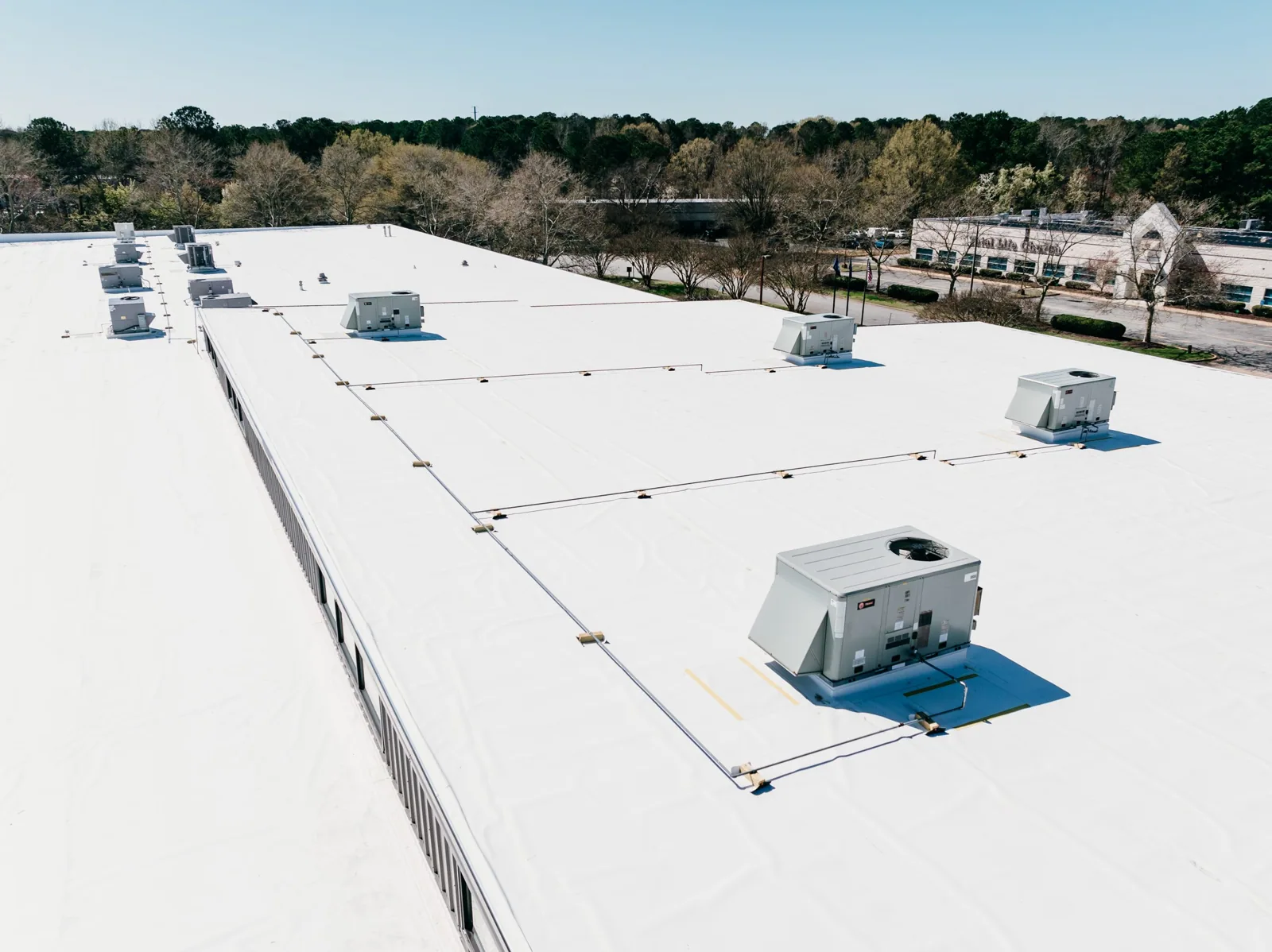
Equipment additions and tenant improvements can leave a roof with mixed-age materials. A replacement unit may introduce new curbs and conduit, while an older penetration may still rely on a sealant patch. Record those transitions and distinguish active water entry from deferred maintenance. If an owner is considering replacement, compare removal, recover, and restoration options only after the existing assembly and moisture condition are understood. The estimate should define tear-off limits, insulation assumptions, edge work, drainage corrections, and the treatment of rooftop equipment so different proposals can be compared on the same basis.
Weather: sequence work around dry-in and cure time
Southern California’s dry periods help create roofing windows, but a forecast can still change. Heat affects work pace and can influence how some products are handled or cured. The first substantial rain after a long dry spell can reveal blocked drains or weak details. Before mobilization, check the forecast and make a plan for securing open areas if conditions shift. Follow product requirements for surface dryness, temperature, and cure time rather than relying on a general seasonal assumption.
For a repair, photograph temporary dry-in and state whether it is provisional or permanent. For a larger project, coordinate daily tear-off limits with the amount of new membrane installed and protected before crews leave. Verify that drains and scuppers remain open, loose materials are secured, and each tenant-facing access route is restored. A manager should know which roof zones are complete, where work will resume, and who to contact if water appears overnight. A concise end-of-day record protects both the owner and the contractor when the schedule changes.
Budget: compare condition, scope, and timing
A useful proposal separates urgent leak control from long-term capital planning. It should identify the observed defect, repair limits, materials, access assumptions, exclusions, and the conditions that could change the price. If hidden wet insulation is possible, ask how it will be measured and authorized before removal. A low bid can omit edge metal, drainage correction, equipment resets, or protection of occupied space; a higher bid may include those items. Compare the work description rather than totals alone.
For a property owner overseeing several roof sections, set priorities by consequence and condition. A small opening above sensitive equipment may matter more than a larger but stable surface defect. Budget notes can separate immediate repairs, inspection follow-up, and planned replacement by zone. Keep the reasons for each ranking in the file so a future manager can understand the sequence. The right decision may be a targeted repair today with a dated inspection later, or a capital project supported by evidence that repairs are no longer controlling recurring problems.
Records: keep the roof history useful
After the work, retain dated photographs, the service location, material information, repair limits, and any warranty documents. Note whether a recommendation remains open and what maintenance the owner should schedule. A simple roof plan with zones makes repeat reports easier to compare. If a tenant reports a new leak, the facilities team can check whether it aligns with a prior repair or points to a different detail.
City planning groups this commercial subarea separately from other parts of Thousand Oaks. For nearby comparison, see Downtown Thousand Oaks and the Camarillo city area. Related roof decisions include modified bitumen, ponding-water repairs, drainage work, restaurant roofing, and asset planning. Those are separate service options; each property receives its own inspection and work limits.
Commercial Roofing Questions
Does the City define this as a service area?
City planning documents identify Moorpark Road/Janss Marketplace as a land-use subarea. The roofing service geography follows that broader area, not one shopping destination.
What affects scheduling above active businesses?
Tenant hours, deliveries, pedestrian routes, staging space, roof access, and the expected weather window all influence sequencing. Confirm responsibilities with the property manager early.
Can roof records help when a leak returns?
Yes. Dated photos, a roof-zone map, repair limits, and product notes help distinguish a recurring defect from a separate source and reduce repeat investigation.
Should an owner approve a coating before an inspection?
No. The existing assembly, moisture condition, drainage, and adhesion need review first. A coating is only one option when the roof can support it.
How can multiple bids be compared fairly?
Compare included roof zones, materials, edge and drainage details, access assumptions, exclusions, concealed-condition procedures, and closeout records alongside price.