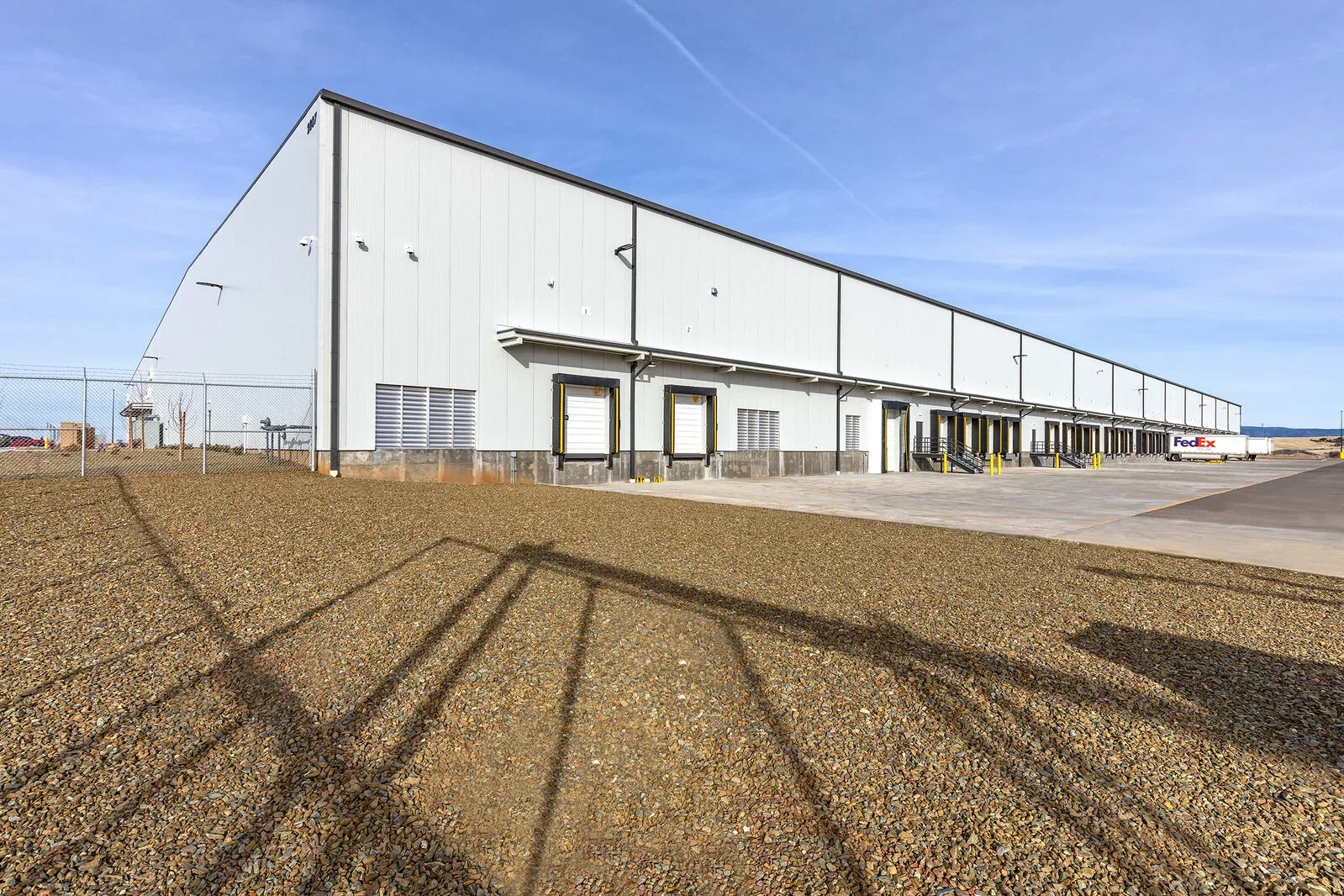
Distribution Center Roofing in Thousand Oaks, CA
Property Types We Roof · Thousand Oaks, CA
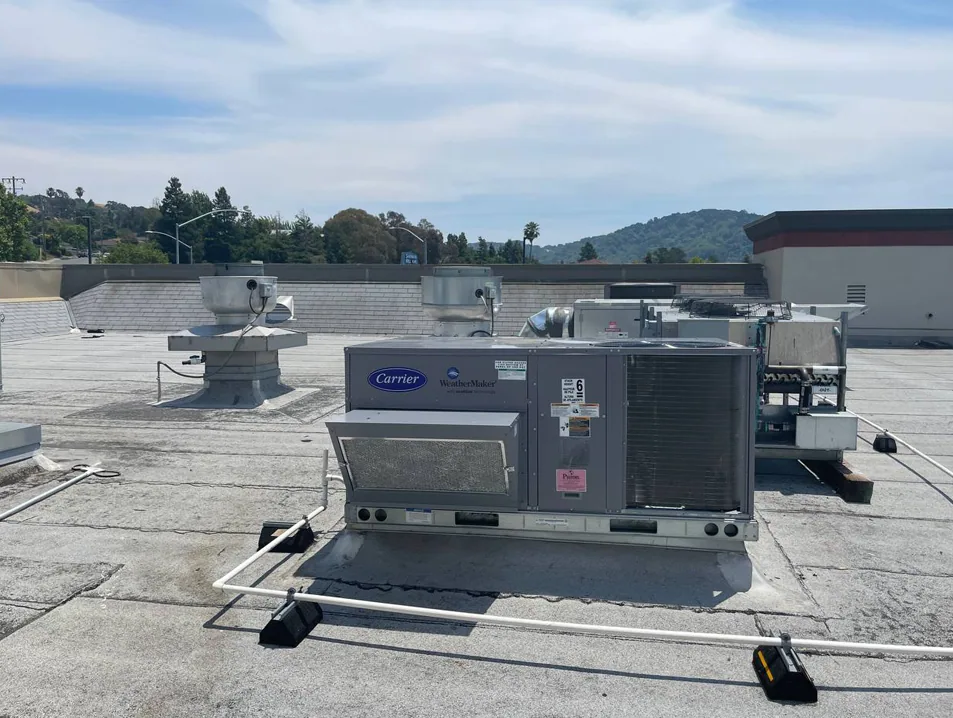
Distribution roof, north zone: a worn, scuffed path across the membrane from the stair bulkhead to four rooftop units, two condensate lines discharging directly onto the sheet, and a patch at the base of a camera mast that has lifted along one edge. A fulfillment roof is walked far more than a storage roof, because the machinery that conditions and monitors the building lives on top of it, and the finding that matters is rarely the age of the sheet. It is the wear that service access has put into it. For an owner in Thousand Oaks, CA that wear is the clearest guide to the replacement horizon, since it shows where the membrane will give out first and which sections will be hardest to protect while the building keeps shipping. We read distribution roofs by traffic, by equipment and by the operation underneath.
Distribution Center Roofing
Property Types We Roof
Call our team
Written findings and options
Thousand Oaks, CA
Ventura and Los Angeles counties
Observation: wear along the service paths
Rancho Conejo Industrial Park contains the majority of Thousand Oaks' industrial businesses, and Amazon opened a warehouse there in 2018, so distribution-scale low-slope roofs are already part of the local stock. Whatever the tenant, the pattern on these roofs is consistent. Technicians reach rooftop units, exhaust fans and communications equipment along the same routes every month, and a membrane without walk pads starts to abrade and scuff, then to split along those lines. We map the worn routes, record the thickness of the surface layer where it can be measured, and recommend walkway protection that follows the route instead of covering the whole field. The correction costs little when it is a pad and a seam repair, and a great deal when it has become a saturated section of insulation under the busiest path in the building.
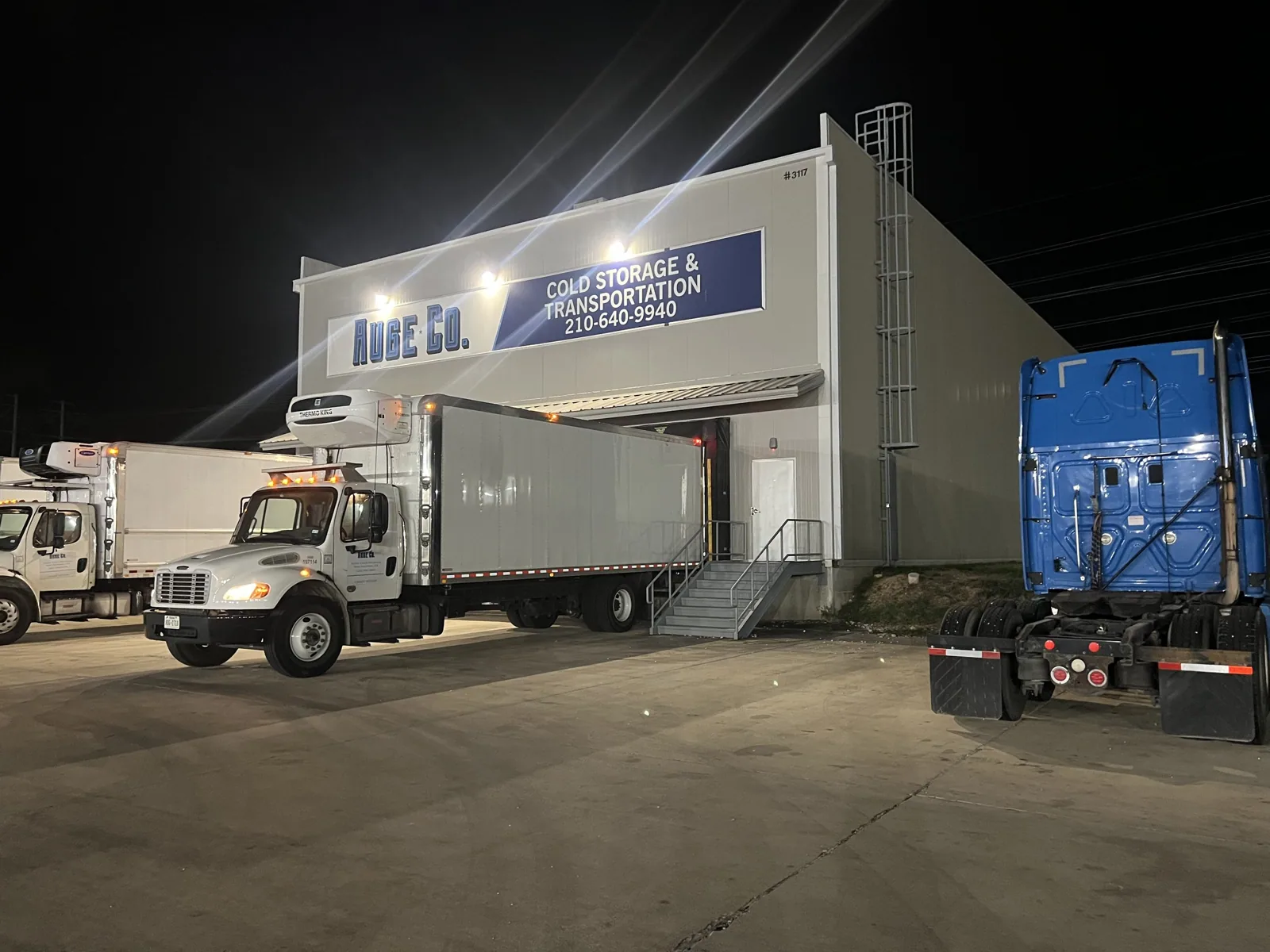
The dock side of the building shows a second pattern. Truck bays generate vibration, exhaust and constant movement, and canopies, door headers and light fixtures tie into the roof edge at points that flex every day. We check the flashing where those elements meet the parapet, the coping joints above the doors and the drains nearest the trailer apron, because water that enters at a dock wall tends to appear inside the building at the worst possible place, the staging floor.
Operations: a roof that cannot wait for the building to close
A fulfillment building often runs more than one shift, and its interior is full of conveyors, sorters, automated racking and sprinkler lines, none of which tolerate water. That changes how repairs are scheduled. We plan the work in sections, begin above the most sensitive equipment, and agree cutoff times with the operator so every opened area is closed and tested before the crew leaves. Leaks do not wait for a convenient hour, and our response continues through nights and holidays. Planning occupied building reroofing on a distribution site means settling forklift routes, trailer staging and roof access before material is ordered. Operators in the logistics and 3PL field often hold short leases, so the roof scope also has to state who answers for each defect. Where the tenant changes but the lease terms do not, a dated condition record keeps the repair history attached to the building instead of to whoever happened to be there.
Heat: extreme heat warnings and the membrane surface
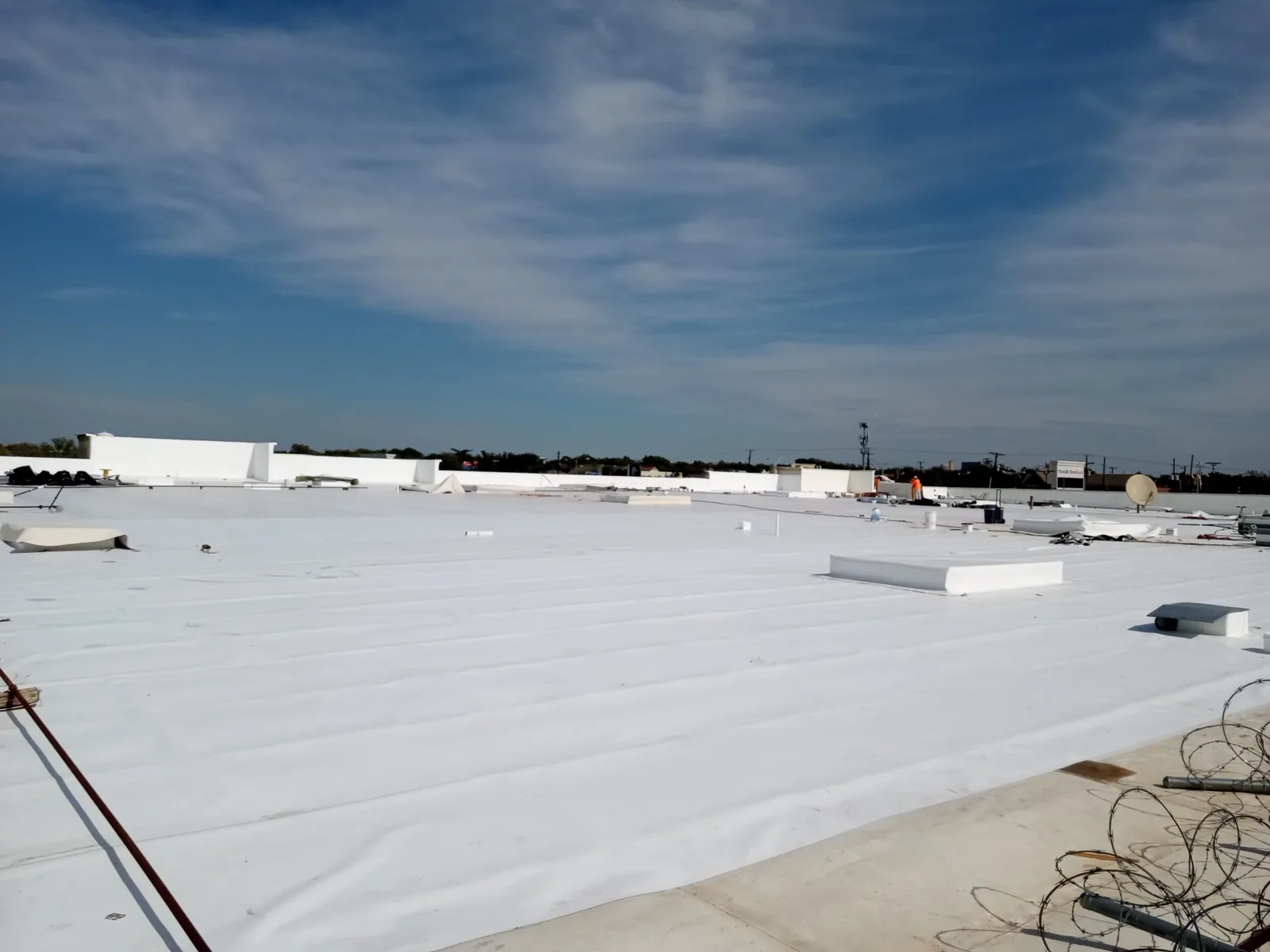
Extreme Heat Warnings from the National Weather Service office for Los Angeles and Oxnard have covered the coast and valleys of both Los Angeles and Ventura Counties, and Woodland Hills hit 121 F on September 6, 2020, a county record. Thousand Oaks sits in a milder Mediterranean climate with summer days typically in the 70s and 80s, but a roof surface runs far hotter than the air above it, and regional heat events push both the membrane and the cooling load. On a distribution building the effect is doubled. The sheet ages faster under sustained heat, and the units that keep a large interior workable run harder and shed more condensate onto the roof. Reflective single-ply membranes such as PVC roofing and white TPO lower surface temperature, and the 2025 California Energy Code, which touches cool roof standards, makes reflectivity a design input for new permits.
Equipment: units, solar and the penetrations they add
Each rooftop unit adds a curb, refrigerant and condensate lines, an electrical penetration and a service path, and every one of those is a place where flashing can fail. Santa Ana winds that can exceed 40 mph put uplift on units and their supports, so rooftop equipment curbs and supports deserve the same scrutiny as the membrane. Distribution owners also field solar proposals, and a roof that will carry an array needs sound insulation, a membrane with years remaining and attachments that do not puncture the field. A solar-ready roofing plan sorts those questions before a lease is signed, because lifting an array to replace the membrane beneath it is an expensive way to learn the roof was tired.
Program: one specification across several buildings
Owners of fulfillment space seldom hold a single roof. A portfolio might include a sorting building, a plain warehouse for overflow and a refrigerated annex, and the annex needs the vapor and insulation detailing of cold storage roofs. Near Port Hueneme, the one deep-water commercial port between Los Angeles and San Francisco, bananas, automobiles and farm exports pass through, and a good share of the warehouse stock there is refrigerated. A written multi-site roof program gives each building a condition grade, a remaining service life and a year in the budget. Properties in Port Hueneme and in Newbury Park are then scored on the same scale, and routine maintenance between survey cycles keeps drains clear and curbs sealed.
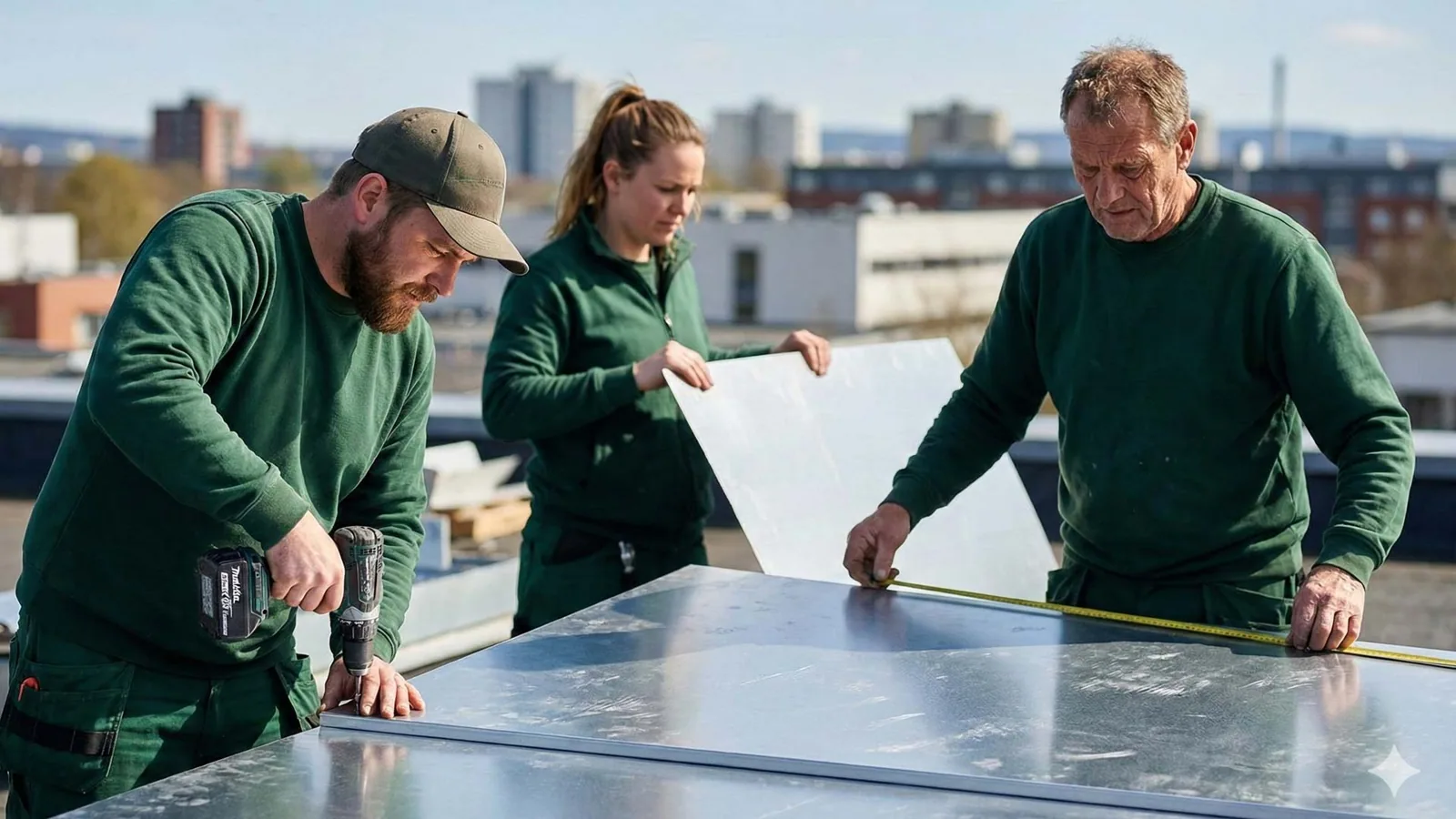
A distribution roof survey should map travel paths for maintenance crews and equipment, not simply count membrane defects. Repeated foot traffic around rooftop units can wear a route into the surface; unprotected conduit work or later rack additions may create new penetrations. Mark those paths and compare them with leak history so the owner can distinguish a system defect from damage associated with later access. During a repair, protect loading activity below, set limits for staging and identify a safe route for lifting materials. If the roof contains multiple sections, record which can be worked independently and which share a drainage or flashing transition. The estimate can then separate a contained repair from work that would require broader operational coordination, giving logistics managers a realistic sequence to review.
Commercial Roofing Questions
Do walk pads really extend the life of a fulfillment roof?
They protect the sheet only where the foot traffic actually runs, so placement matters more than quantity. A pad laid along the mapped service path stops abrasion where it was starting, while pads scattered across the field add cost without adding protection.
How do you keep a fulfillment roof dry between work days?
By closing every opened section before the crew leaves, with temporary terminations checked against the forecast. Nothing stays exposed overnight above sorters, racking or sprinkler lines, and the operator receives a written close-out for each day.
Who pays for the roof on a short logistics lease?
That is written in the lease, and the wording varies widely. A baseline survey at move-in gives landlord and tenant an agreed starting condition, so later damage can be separated from ordinary age.
Should a distribution roof be replaced before a solar lease is signed?
Usually, if the membrane has fewer years left than the lease will run. Panels make later membrane work slow and costly, so the roof should outlast the array or be replaced first.
Why do fulfillment buildings need more attention to drains than storage buildings?
Large roofs collect large volumes in a short storm, and rooftop equipment adds condensate that runs toward the same low points. Sumps and scuppers clogged with ash or debris after a fire season have little margin when a heavy winter storm arrives.