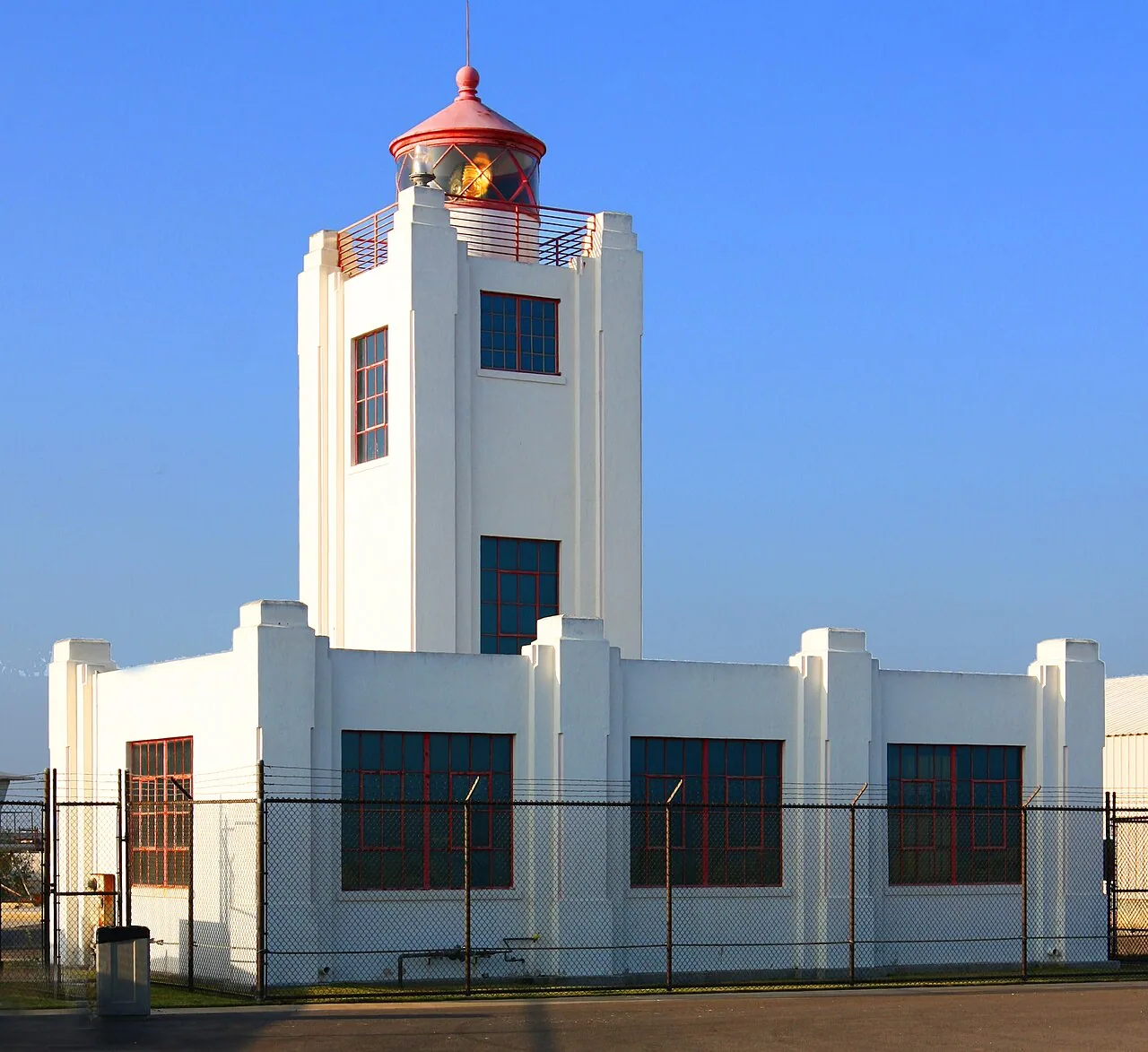
Commercial Roofing in Port Hueneme, CA
Service Areas · Thousand Oaks, CA
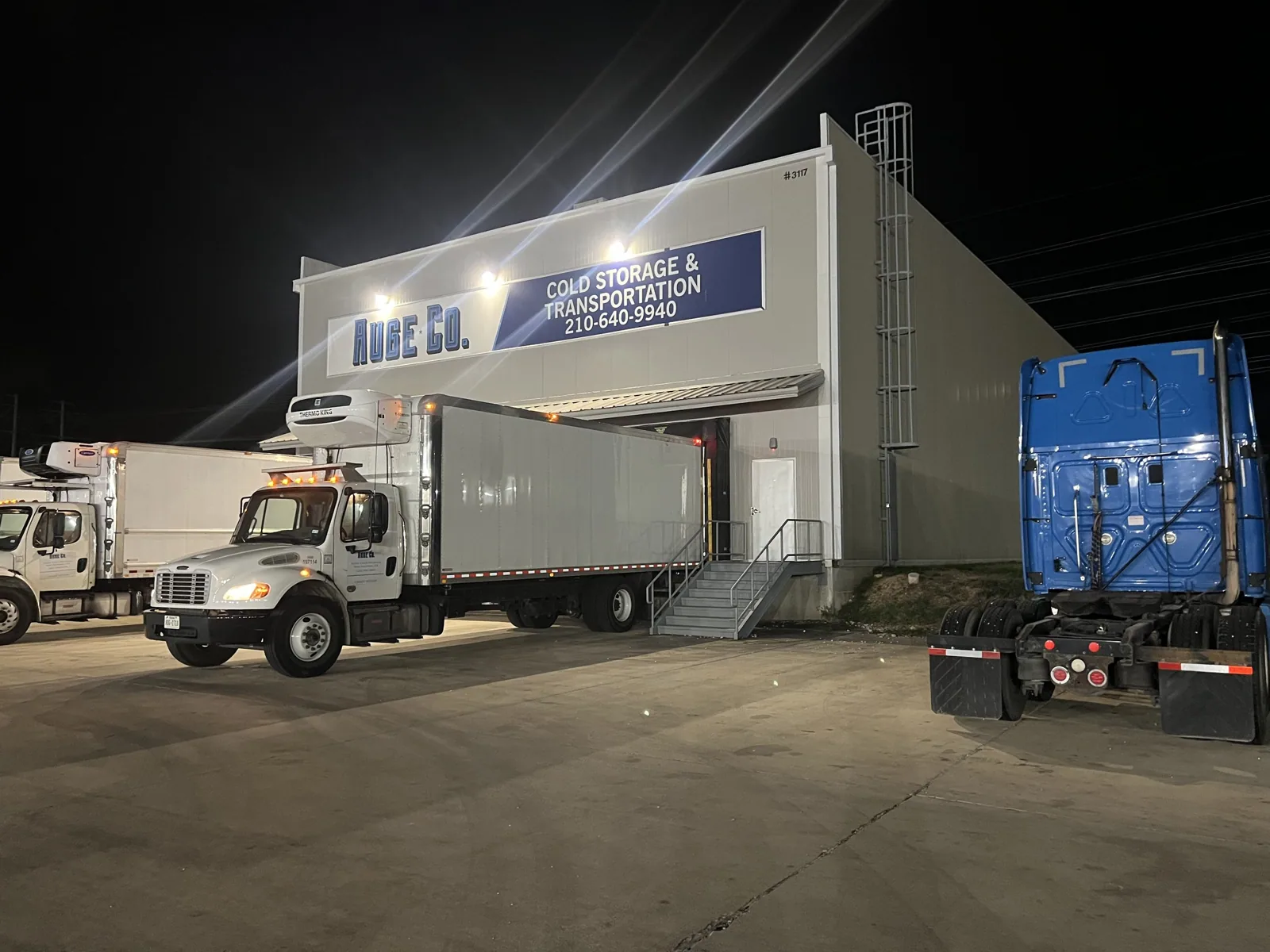
Condenser-curb entry, refrigerated warehouse roof: a sealant bead renewed at least three times, the membrane beside it chalked pale and ridged where foot traffic has worn a path to the unit and a flashing seam that has opened at one corner of the curb. A roof that carries cooling equipment is walked more than one that carries none, and it shows the wear in a line like this. The finding does not say the building leaks. It says the roof has been serviced from the top for a long time, and that its next decision is overdue.
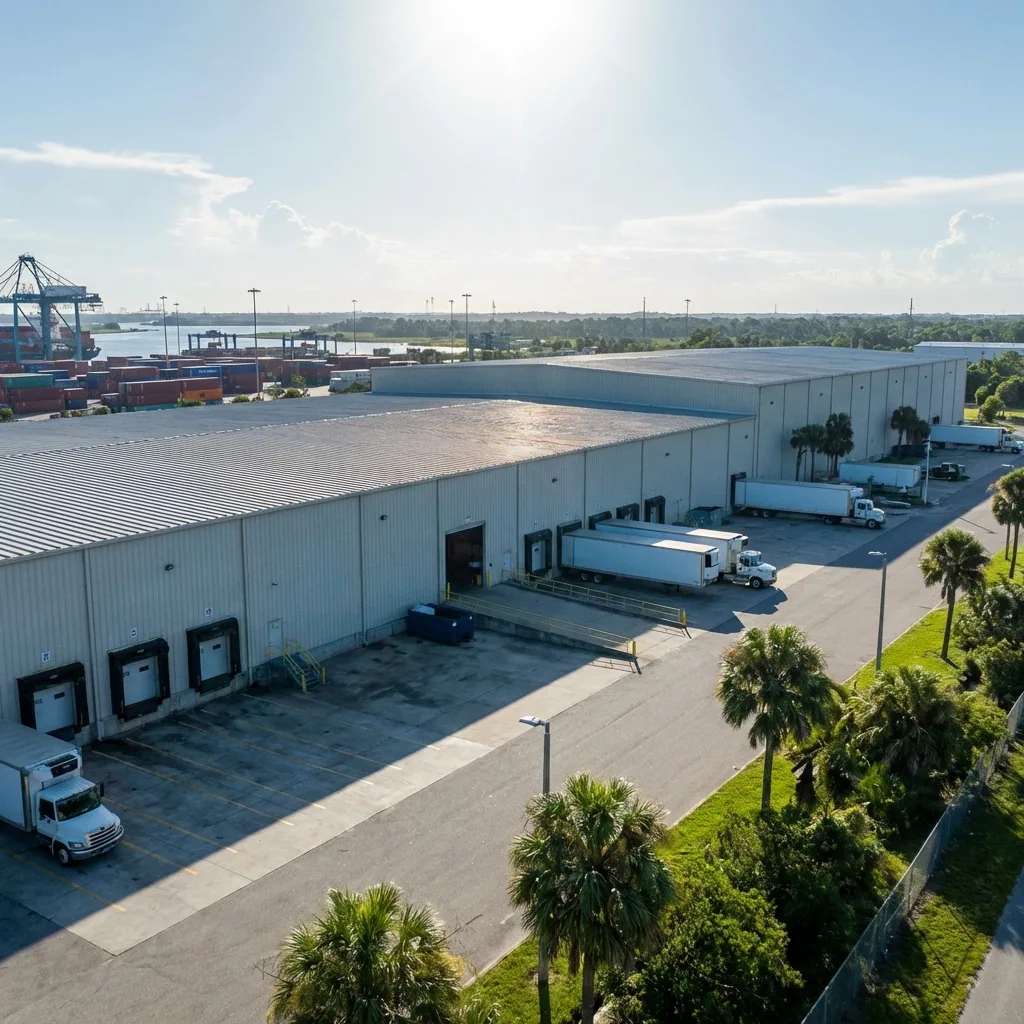
Port Hueneme, CA is a small city with an unusual concentration of this kind of building. No other commercial deep-water port sits between Los Angeles and San Francisco, and the Port of Hueneme shares the city with Naval Base Ventura County. We survey the refrigerated warehouses, cold storage buildings and base facilities that result, record the condition of each roof section, and turn the findings into a remaining service life and a scope an owner or facilities officer can budget.
Port Hueneme
Service Areas
Call our team
Written findings and options
Thousand Oaks, CA
Ventura and Los Angeles counties
Port: refrigerated warehouses and the banana trade
The port handles automobiles, bananas, pineapples and agricultural exports, and it processes roughly 3.3 billion bananas a year. That volume makes refrigerated warehouse and cold storage roofs a leading building type here. A cold building lives in a permanent temperature difference: cold inside, sun and ocean air outside, with water vapor trying to cross the roof assembly the whole time. When a vapor retarder is cut or a penetration is poorly sealed, moisture condenses in the insulation, and the roof gradually becomes a sponge that no one can see.
That is why the first walk on a refrigerated roof pairs a visual survey with a thermal scan. Wet insulation reads differently from dry after sunset, and a handful of core cuts turns the image into a diagnosis. A cold storage roof that scans dry but shows worn flashings is a repair candidate, while one that scans wet across a large area needs a staged tear-off. Because cargo flow does not stop for a roofer, the opening and closing of each section is planned against the logistics of the building, and owners who also manage a logistics and third-party warehouse portfolio can hold the findings in one record.
Waterfront: what we check on any roof near open water
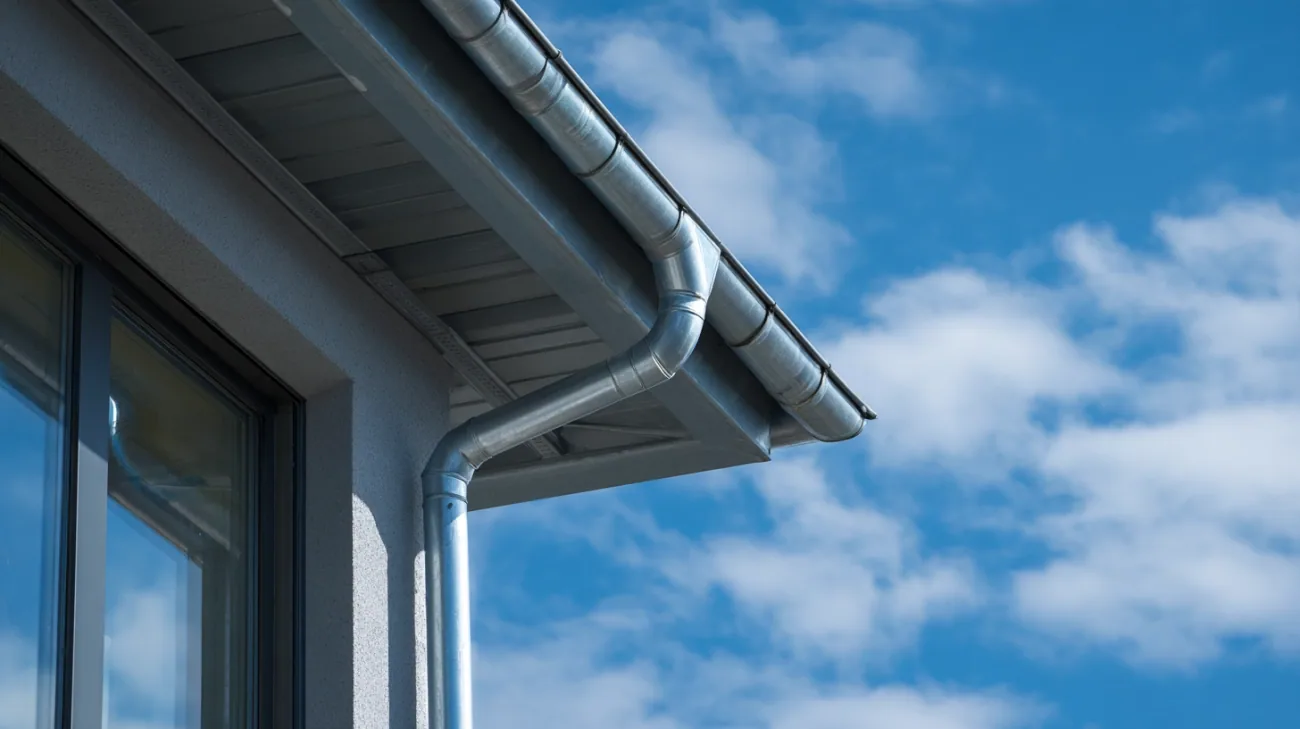
A port city puts its roofs close to the water, and salt-laden air is hard on exposed metal. Edge metal, coping, gutters, fasteners and the frames of rooftop equipment corrode earlier than they would inland, and corroded fasteners let go of edge metal when the wind rises. We therefore start waterfront inspections with the metal: rust at screw heads, pitting at lap joints, sealant gone brittle, and fasteners that are backing out of their holes. A failed edge metal, coping and gutter detail is cheap to catch on a walk and expensive to catch after a storm peels it back.
Moisture is the other half of the waterfront. Dew and sea air keep surfaces damp, which encourages algae and dirt buildup that hides the actual condition of a membrane. Cleaning a representative area before judging a surface avoids the common mistake of mistaking grime for damage, or damage for grime. Everything is photographed and recorded, so that the next survey can show the pace of change instead of a single snapshot.
Base: the Seabee home station inside the city limits
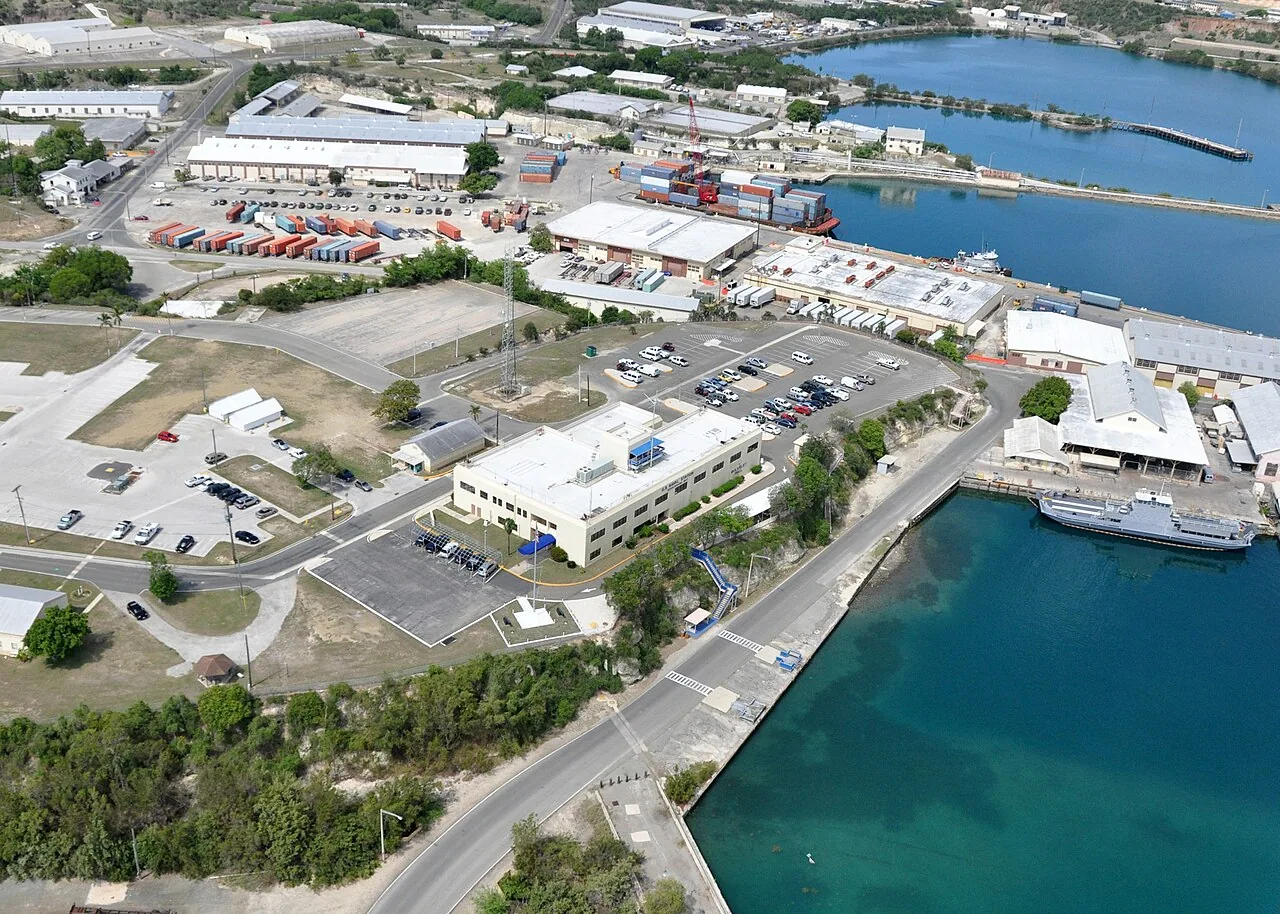
The Navy opened the installation in 1942 as an Advance Base Depot, and in 1945 it became a Naval Construction Battalion Center, a role that has made it the Seabees' West Coast home. Its own railhead has 16 miles of track, and the same ground holds a port and an airfield, so the base doubles as a mobilization site. Tenants include the 30th Naval Construction Regiment, Seabee units, the Naval Facilities Expeditionary Logistics Center and the Engineering Duty Officers School. Living quarters range from unaccompanied barracks to privatized family housing, with a commissary, the Naval Surface Warfare Center division and the Seabee Museum among the other buildings.
The listed facilities include barracks and housing, a commissary, a school, a museum and a surface warfare center, a wider mix of roofs than any one assembly covers. Base work begins with gate access, escorts and badging, moves into a schedule shaped by mission operations, and ends in roofing detailed to the Unified Facilities Criteria. Roof types and conditions vary by building, so each gets its own walk. For a naval facility roof, a barracks roof or a warehouse and depot roof, access planning starts before material is ordered.
Access: rail lines, truck lanes and crane placement
Roofs near a railhead or a cargo yard are rarely reached from the nearest open patch of ground. Rail spurs, truck lanes and laydown restrictions govern where a crane can stand, where material can wait, and when a lane can be closed. We map those constraints before pricing, because crane time and traffic control can be a large share of cost. On a building that operates around the clock, the crew gets a defined work zone, defined hours and a defined path for debris.
Tenant impact is part of the same plan. Cold buildings have dock doors that cannot stay open, offices have workers beneath the roof, and barracks have residents on a schedule. We record what sits below each roof section so that noisy or dusty work can be directed to the areas that tolerate it. For work near Point Mugu and across Oxnard, the same routine applies, with access requirements checked in advance for each site.
Options: repair, restore or replace by condition
Sound seams under a worn surface often suit a coating system, which defers replacement and gives the owner time to fund it. Localized wet insulation can be cut out and re-covered. Widespread saturation, a corroded deck or a string of failed repairs points toward replacement. Cost follows the diagnosis: how much insulation comes out, how many penetrations are rebuilt, the access limits at the port and on the base, and the hours the building allows.
On the base, federal criteria lead; on civilian buildings around the port, the state code cycle that began in January 2026 sets the permit requirements, so a replacement scope carries a code check either way. A roof taking on water at midnight gets the same response as one at noon: call, and the opening is dried in while the permanent scope is written.
Owners can also review regional projects in Oxnard, a neighboring city with varied commercial properties.
Commercial Roofing Questions
How can a cold warehouse roof fail without leaking?
Through trapped vapor. Insulation absorbs moisture slowly, loses its resistance and drives up the refrigeration load long before a drip appears.
Why does salt air change the inspection?
It speeds corrosion on fasteners, edge metal and equipment frames, so the metal gets the first look and the membrane the second.
What should be expected before work starts on a Navy base roof?
Access and escort steps, badging for the crew and a schedule that respects mission operations. These need to be arranged before material is ordered.
Can a refrigerated building stay in operation during reroofing?
Typically yes. The work proceeds in short bays that are sealed by evening, and the vapor retarder details are settled before the first cut.
Is a coating a sensible choice near the water?
On a dry, sound roof, often. The surface is cleaned and the metal is repaired first, since a coating over rust or grime does not hold.