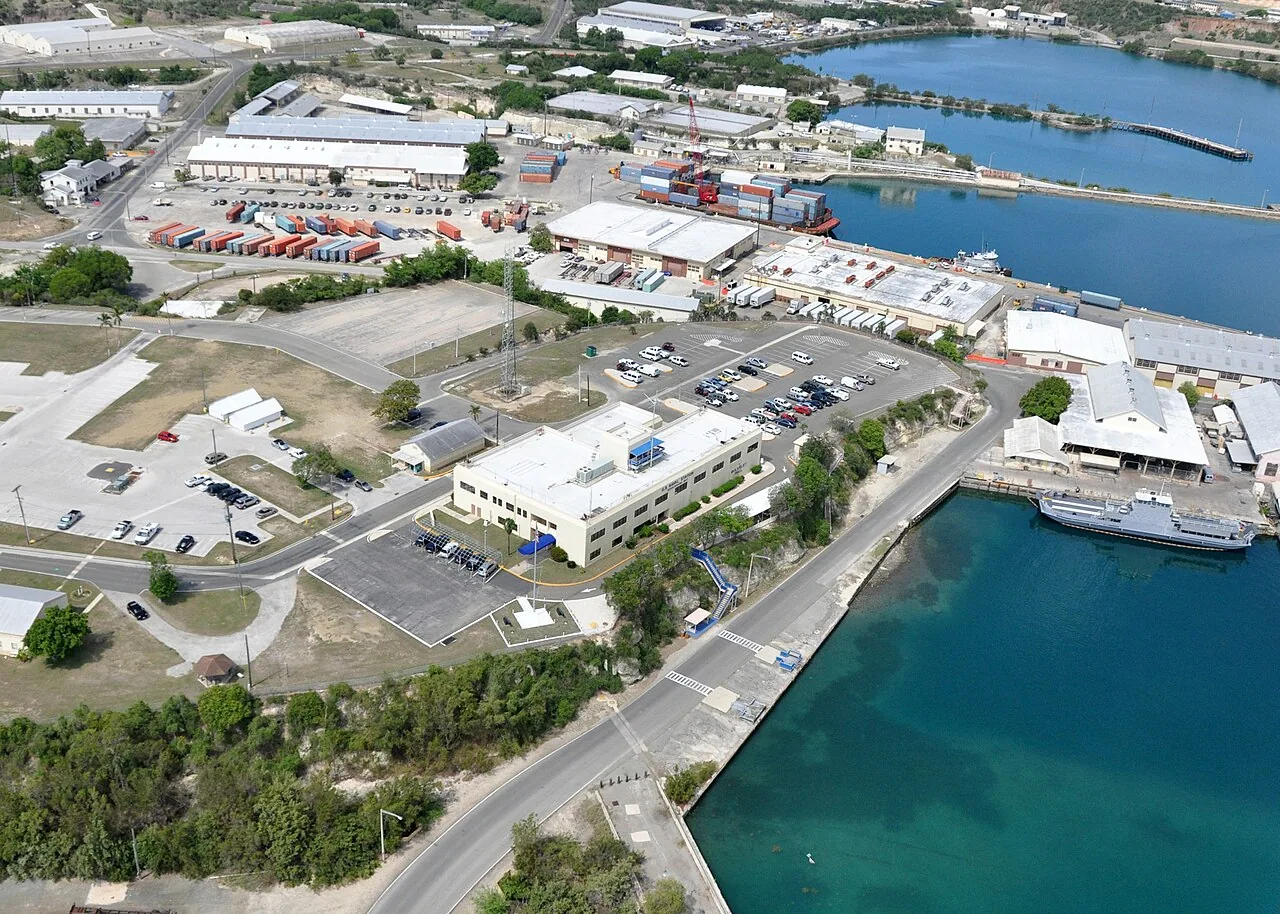
Naval Facility Roofing in Thousand Oaks, CA
Property Types We Roof · Thousand Oaks, CA
Shop building, naval air station: fastener heads standing proud along the lower purlin line, rust blooms where the panel laps meet the eave, and a coating on the exposed edge flashing that has lost its gloss and begun to chalk. The interior is dry. The finding matters anyway, because corrosion on a coastal metal roof moves from cosmetic to structural on a schedule that nobody sees until a condition report puts it on paper, and a Navy facilities office plans its repairs years ahead of the rain that exposes the problem.
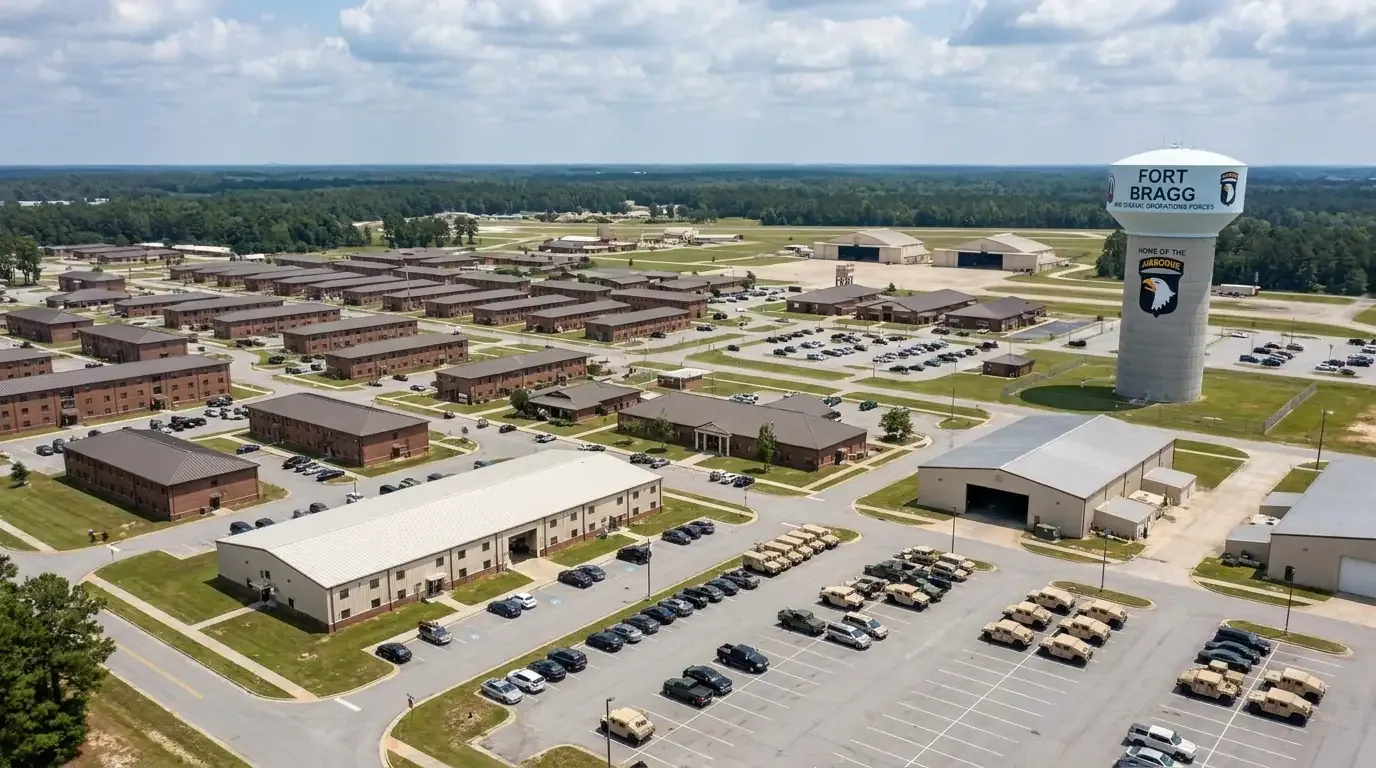
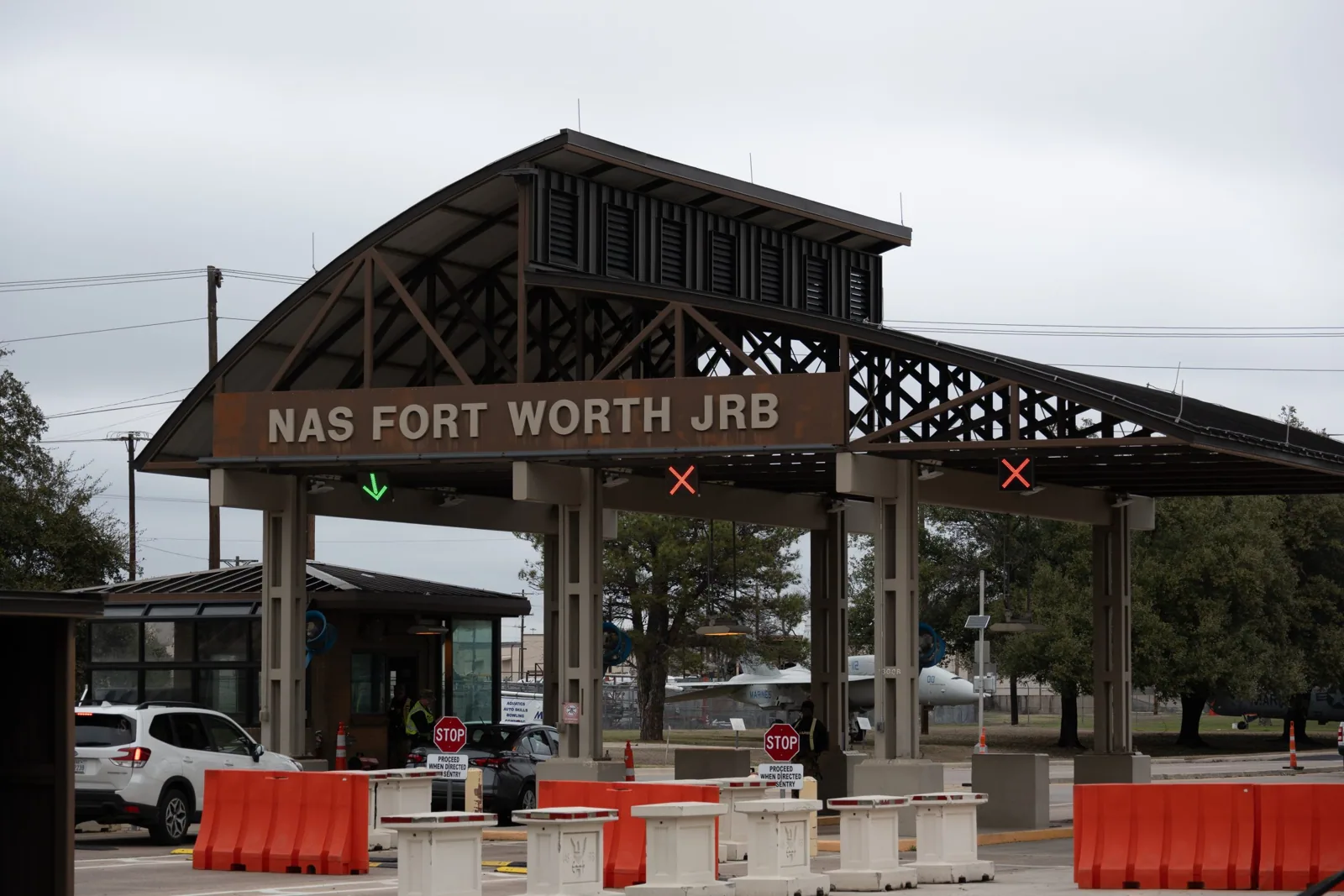
The Navy buildings nearest Thousand Oaks, CA belong to Naval Base Ventura County, at Point Mugu, just southwest of the Conejo Valley. Its two sides, Point Mugu and Port Hueneme, hold hangars, laboratories, barracks and a commissary, and the roofs above them are the low-slope and metal assemblies we repair, replace and coat on any commercial property. Military installation roofing pairs an ordinary technical survey with the extra planning a gate and a mission calendar demand.
Naval Facility Roofing
Property Types We Roof
Call our team
Written findings and options
Thousand Oaks, CA
Ventura and Los Angeles counties
Inventory: two former bases managed as one building list
Naval Air Station Point Mugu merged with the Naval Construction Battalion Center at Port Hueneme in 2000 to form Naval Base Ventura County. The combined base has more than 100 tenant commands and a population of more than 19,000, which makes it the largest employer in Ventura County. For a roofer, those numbers describe a portfolio problem. A base assembled from two older installations will hold buildings of different uses, and no single specification covers their roofs.
A single baseline survey across that range lets a facilities office compare buildings against one condition index instead of arguing from anecdotes. A multi-site roof program applies that idea with one grading scale, one photo standard and one prioritized scope, so the roof budget goes first to the buildings with the least remaining service life. Tenant impact is graded the same way. A roof over a barracks or a laboratory carries a different cost of delay than a roof over a storage bay, and the scope should say so in plain terms before anyone sets a funding priority.
Point Mugu: the airfield side and its test range
Point Mugu operates two asphalt runways, one of 11,102 feet and one of 5,502 feet, and began as a World War II anti-aircraft training center before becoming the Navy's missile development hub. Today it is home to E-2 Hawkeye squadrons, Fleet Logistics Support Squadron 55 and Air Test and Evaluation Squadron Three Zero, with unaccompanied barracks and privatized family housing on base. The Naval Air Warfare Center Weapons Division, which operates a sea test range of 36,000 square miles, is a major tenant and implies hangars, laboratories and range-support buildings.
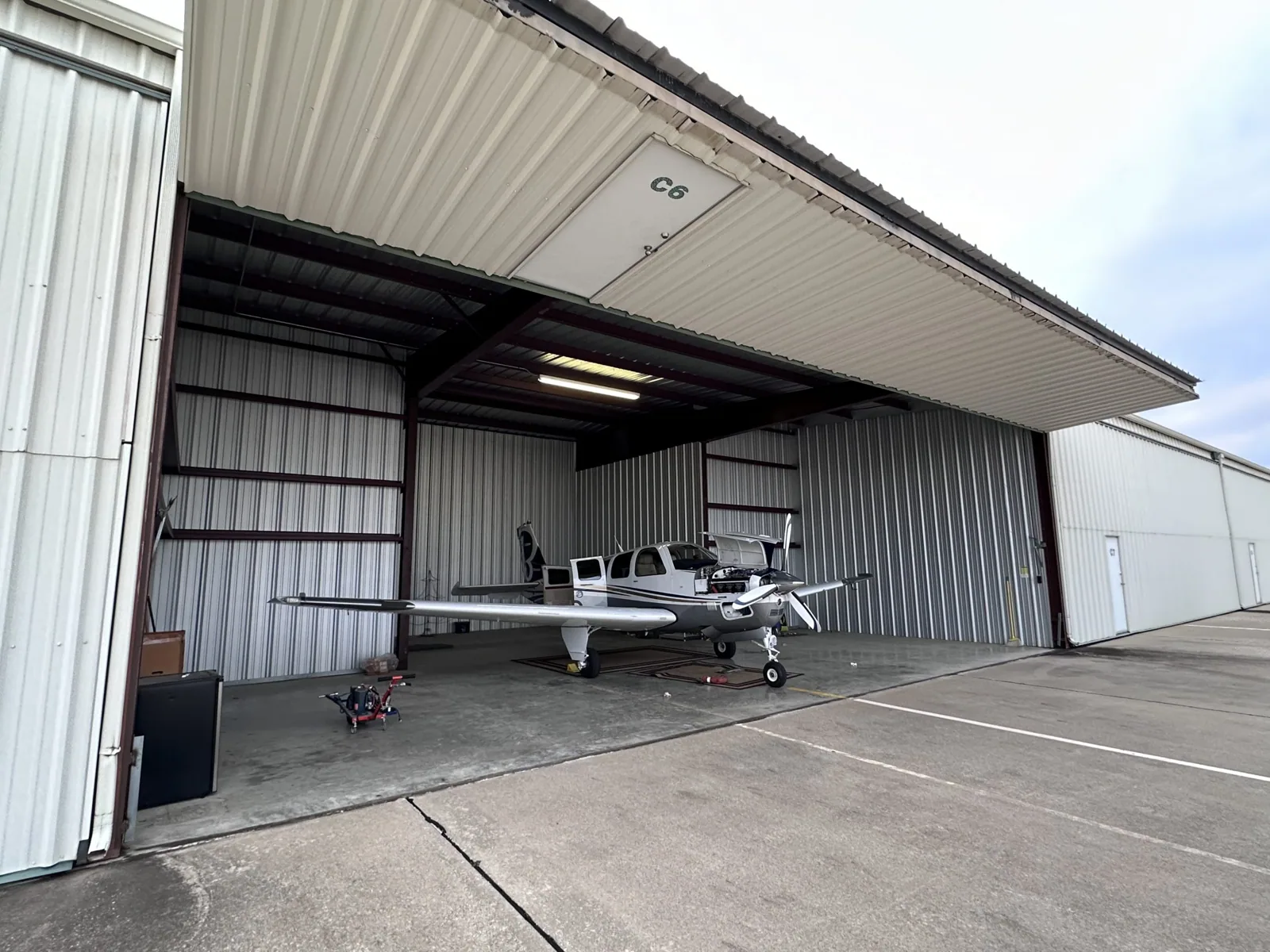
Those building types share a few roof traits: long spans, large clear interiors, rooftop equipment serving laboratory spaces, and little tolerance for water above sensitive contents. The detailing used on military hangar and maintenance facility roofs applies directly, and any roof at Point Mugu is planned around the runway and range schedule first.
Port Hueneme: Seabees, 16 miles of rail and a deep water port
The Port Hueneme side began in 1942 as an Advance Base Depot, took the name Naval Construction Battalion Center in 1945, and is the Seabees' West Coast home. A mobilization site with its own deep water port, airfield and railhead, it handles people, material and cargo. Tenants include the Engineering Duty Officers School, the Naval Surface Warfare Center Port Hueneme Division and the Seabee Museum, alongside barracks and a commissary.
A mobilization and logistics mission implies storage and shop buildings, which behave like the warehouse roofs we survey in industrial parks: wide fields, dock-side parapets, rooftop curbs and drains that carry the whole load. The same survey logic carries over to military warehouse and depot roofs, with the added coastal conditions at Port Hueneme to weigh against each membrane.
Coastal plain: rainfall, marine air and Santa Ana days
Thousand Oaks sits about 12 miles from the Pacific, and the Oxnard plain is the wetter coastal side of the same service area. Oxnard receives roughly 15.6 inches of precipitation a year, falling in mild winters and followed by warm, dry summers, so drainage details need inspection before the winter rain period. Metal roof work also checks clips, fasteners and cut edges for condition before a repair boundary is set. That is why standing seam metal roofing on the plain is checked at its clips and fasteners as closely as at its panels.
Offshore wind is the third exposure. Dry Santa Ana winds can easily exceed 40 mph, and the Mountain Fire of November 2024, which began in a remote area north of Somis and burned near Camarillo, came during the most extreme Santa Ana wind event in years. After a wind day like that, edge metal, coping and equipment curbs are the first details our crews walk.
Record: a roof file that follows the building, not the command
Commands on a base rotate, and the people who knew why a roof was patched in one corner rotate with them. A survey report that lists each section, the photographs of every defect, the layers we could identify and the next decision point stays with the building. When a tenant command moves into a hangar or barracks, the incoming facilities contact can open the file and see the replacement horizon without a hand-off meeting.
Access to the roof follows installation rules: worker lists submitted early, passes issued through the base office, escorts when required, and deliveries scheduled through the gate. Roofing is specified under the Unified Facilities Criteria for roofing and the contract documents. We keep the paperwork aligned with those documents from the first submittal to the final inspection, and the closeout file carries the photographs, test results and daily reports an inspector will ask for. That file is also the baseline for the next survey, so the next change in condition is measured against something real.
Every installation assignment begins with the contracting officer or facility representative confirming the applicable specification, escort requirements, badging, approved staging and limits on photography or electronic devices. The roof survey records only information authorized for the project and maps access restrictions alongside the condition findings. Work packages should identify the assembly, substrate, tested fastening or attachment criteria, temporary protection and acceptance steps before materials arrive. If operational constraints prevent a full survey, document the excluded areas and request an approved access window rather than extrapolating their condition from an adjacent roof. Daily closure includes a weather-tight tie-in and an accounted-for tool and debris check. At completion, the facility receives the records required by its contract, including approved submittals, inspection notes, change documentation and a roof plan that identifies the completed limits.
Commercial Roofing Questions
How far is Naval Base Ventura County from Thousand Oaks?
Point Mugu is about 17 miles southwest in a straight line, and Port Hueneme about 21 miles west-southwest.
Does marine air change how a metal roof is inspected?
Yes. We look harder at fasteners, panel laps, cut edges and coating condition, since corrosion starts there before it shows on the panel face.
Why survey a base portfolio before choosing a repair?
Because one condition index across all buildings shows which roofs have the least service life left. Repairs then go where they protect the most, instead of where the loudest complaint came from.
Do barracks and hangars need different schedules?
Barracks work is planned around residents and sleep hours, while hangar work is planned around aircraft movement and operations. Each building gets its own phasing in the access plan.
What happens to a roof opening when the flight line closes the work?
It is already closed. We open only the area that can be tied in and sealed the same shift, so a stop order leaves the building watertight.