Military Hangar and Maintenance Facility Roofing in Thousand Oaks, CA
Property Types We Roof · Thousand Oaks, CA
Bay inspection, aircraft maintenance hangar: a run of standing seam panels with fasteners backed out at the high rib, dark streaks beneath the door head where water has tracked down the wall, and a sealant joint at the edge of a skylight band that has hardened and split. The aircraft below are not wet. What the entries record is a roof that has moved with temperature for years and loosened at every connection that was meant to stay tight, and that is a planning problem for whoever holds the maintenance budget for the hangar line.
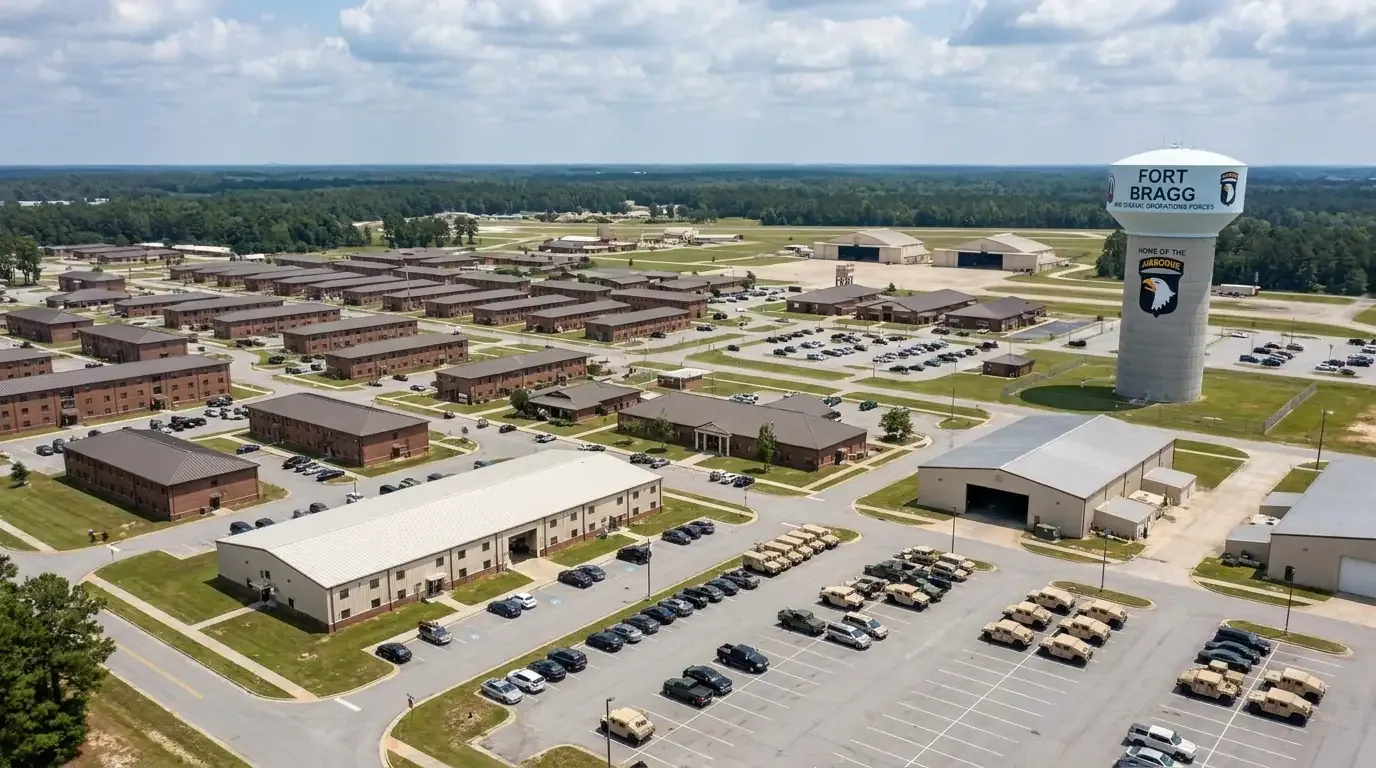
Hangars and maintenance buildings are a central roof type on the installations near Thousand Oaks, CA, at Point Mugu and at the adjacent Channel Islands Air National Guard Station. These roofs span wide, sit high, protect expensive contents and share their buildings with fire suppression systems, so a water entry that would be a nuisance in an office becomes a serious finding in a bay. On a base, military installation roofing begins with a survey of the structure, the details and the schedule, in that order.
Military Hangar and Maintenance Facility Roofing
Property Types We Roof
Call our team
Written findings and options
Thousand Oaks, CA
Ventura and Los Angeles counties
Spans: a long roof that moves every day
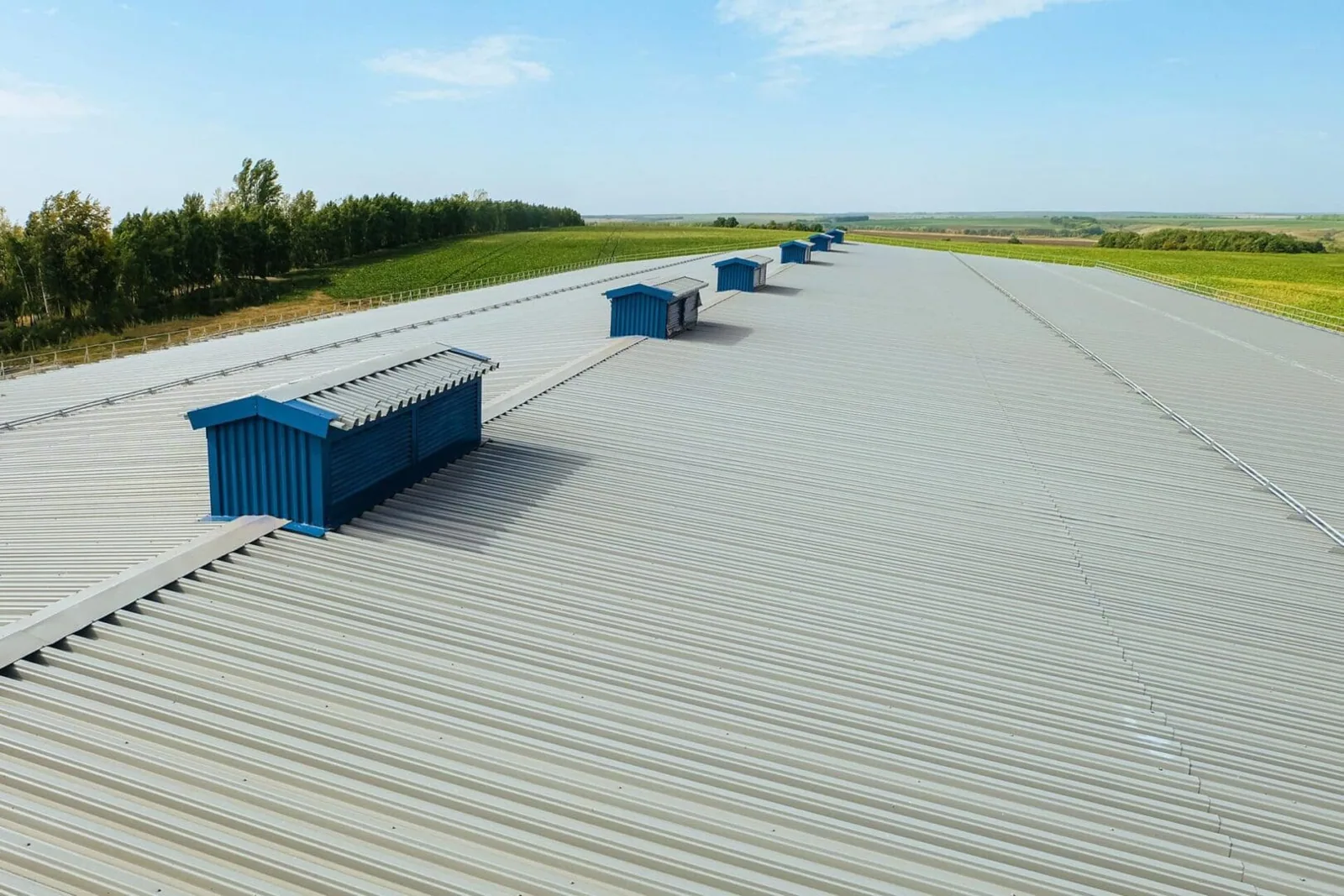
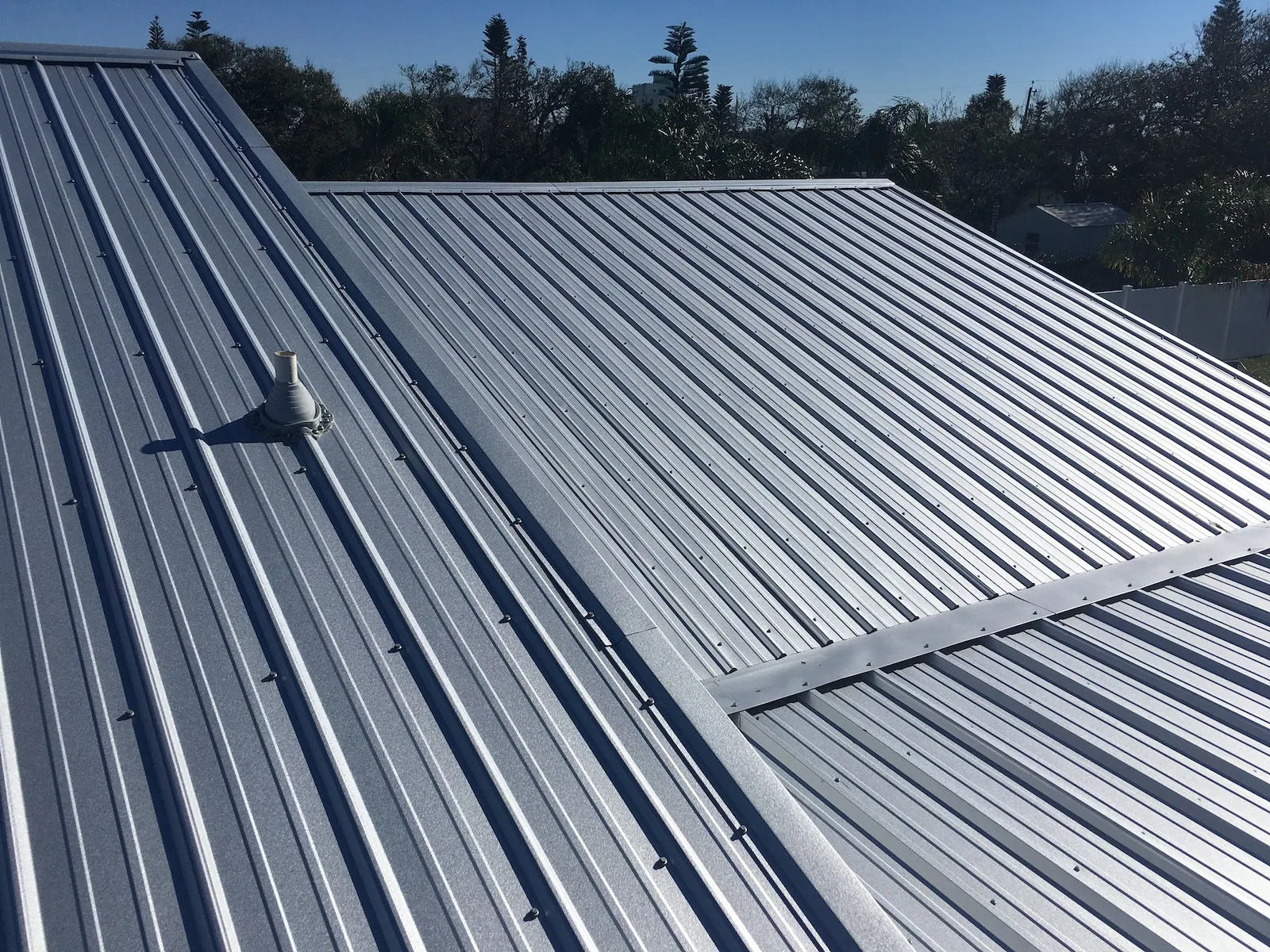
A hangar roof is a long, uninterrupted surface supported over a clear interior. Metal panels expand and contract with each day's heat, and over a long run the movement is considerable, which is why clips, fasteners, seams and end laps are what loosen first. On a standing seam metal roof, we look for witness marks at the clips, sealant failure at panel ends and any place where thermal movement has stressed a penetration. Where a seam is open, it is documented by panel number and run, so a repair can be located again.
Where an older through-fastened metal roof has started leaking at the screws, metal roof retrofit over the existing panels is often a better option than tear-off, because it keeps the interior protected while the new assembly goes on. The survey sorts the choices by remaining service life and by what the hangar can tolerate during the work.
Doors: the biggest opening in the envelope
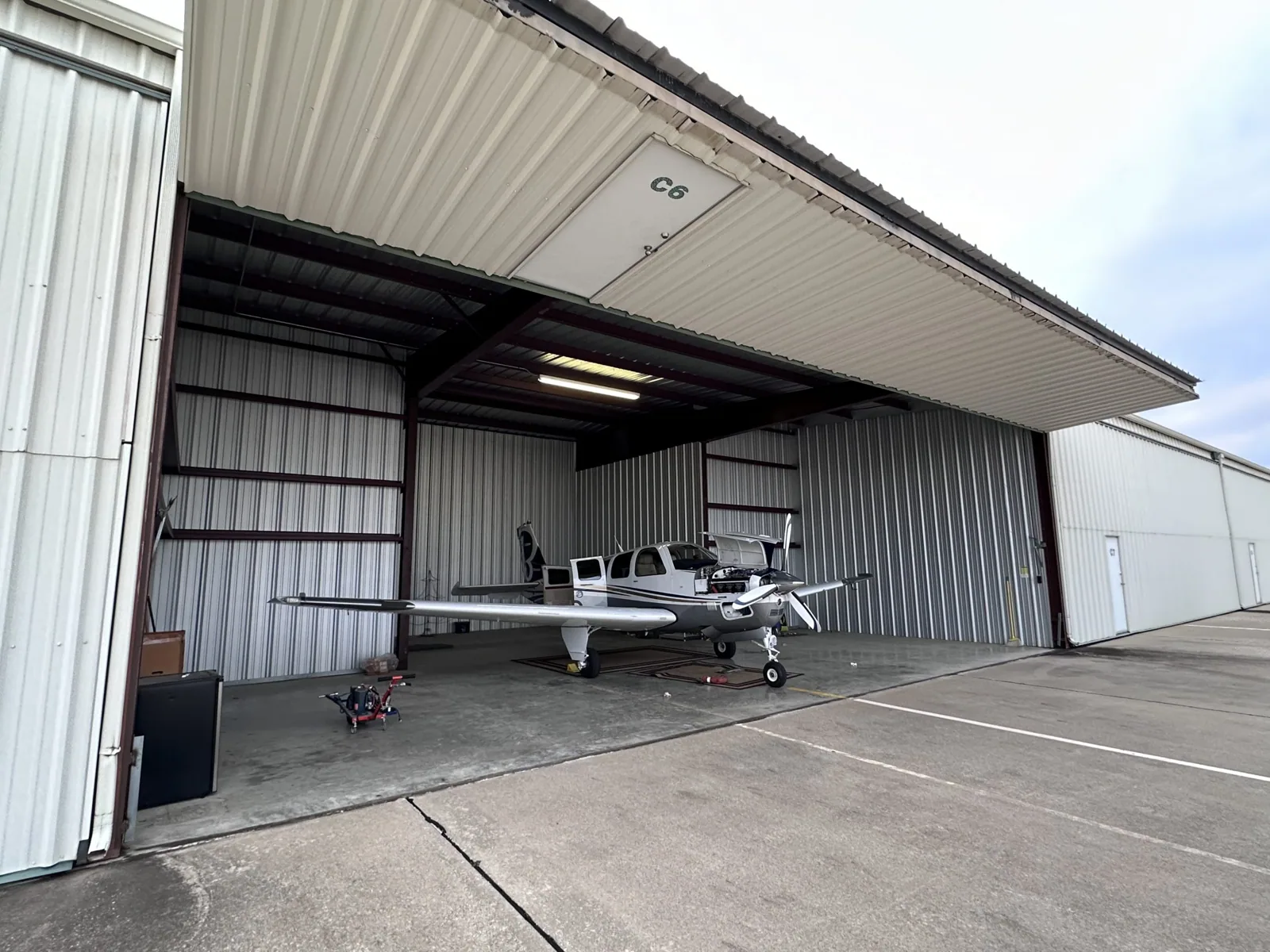
A hangar door is a vast opening that sits directly below the roof edge, and its head, jambs and track housings are places where roofing, wall and door systems all meet. Water that enters at the head can run down the interior wall and appear to be a door problem. Wind makes the same area worse, since Santa Ana winds can exceed 40 mph, and the Woolsey Fire of November 2018 burned under winds of 50 to 60 mph. Edge metal and door-head flashing take the uplift, and a loose edge that goes unnoticed can peel back panels along the entire gable end.
After a high-wind day we inspect those details first, and we record the condition of each with photographs. Tracing a wind-damaged roof back to its first loose component is the discipline here, and on a hangar the first loose component is often at the door.
Flight line: foreign object debris and a schedule set by operations
On a flight line, a loose fastener is a hazard to aircraft. Crews count tools in and out, collect offcuts and packaging at the end of each shift, and keep staging away from taxiways and aprons. Material deliveries move through the gate on an agreed schedule, and workers are listed in advance, passed by the base office and escorted where required. Work stops when operations require it, and a stop order should find the hangar tied in and watertight.
Point Mugu has a pair of long asphalt runways, and its flight units include Hawkeye squadrons, a logistics support squadron and a test and evaluation squadron. A major tenant, the Naval Air Warfare Center Weapons Division, brings laboratories and range-support buildings alongside the hangars. The roof plan for each is a phased scope tied to the operating calendar, with the day's open area closed before the next flight window. That rhythm governs any roof plan at Point Mugu.
Suppression and contents: what sits beneath the roof
A hangar interior is a concentration of expensive equipment, aircraft, tooling and fire suppression piping, much of it hung from or near the roof structure. A leak that would stain a ceiling tile in an office can reach electronics, wet a floor where crews work around fuel and hydraulic fluid, or interfere with a suppression system. That raises the value of finding water early, and it is the reason we favor a periodic survey over waiting for a drip.
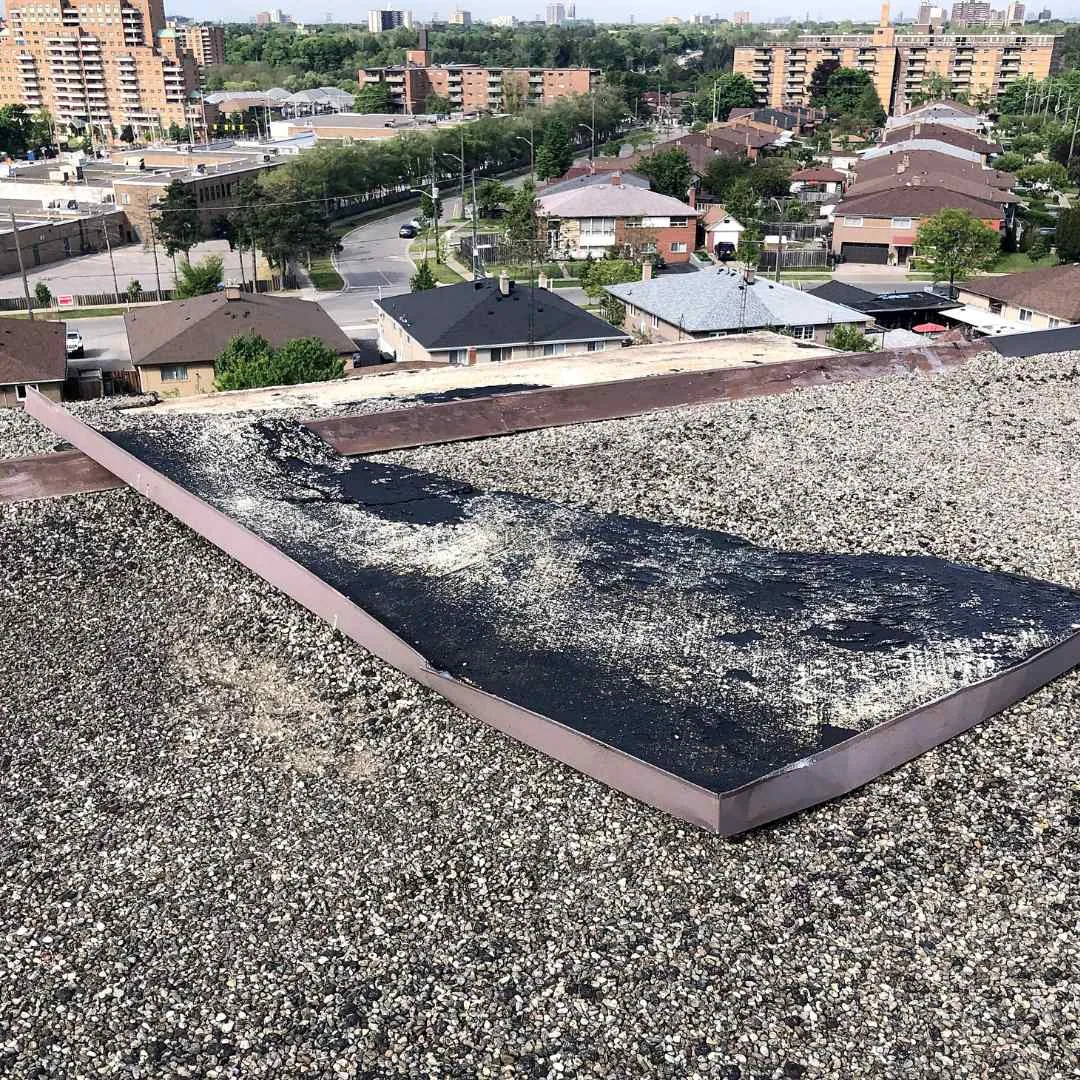
Insulation under or over the deck is the other quiet risk. Saturated insulation in a hangar roof holds water against the deck and corrodes the steel from above, and it can sit for years without a visible stain. An infrared moisture survey maps where it is wet, and cores confirm what the scan suggests. The map then drives how much of the assembly has to be replaced and how much can stay.
Sites: Point Mugu, the Guard station and Camarillo Airport
The Channel Islands Air National Guard Station, home of the 146th Airlift Wing, occupies a 204-acre site beside Point Mugu and flies C-130J transports. A fire-retardant reload facility finished there in 2021 lifted storage from 10,000 to 50,000 gallons. A wing that flies airlift and aerial firefighting missions means large aircraft hangars and fire-retardant loading facilities. On the civilian side, Camarillo Airport, within Camarillo, is a county-owned 650-acre field with a 6,013-foot runway, and its aircraft maintenance providers and dealers mean hangar and shop roofs of their own. The questions about panels, clips and door heads are the same for any aircraft hangar roof, whether it stands at Camarillo Airport or on the base.
The distinction that matters to an owner is access and process. A civilian operator sets terms with a lease and the airport's owner. A military facility is governed by the installation, the contract specification and the Unified Facilities Criteria for roofing. Depots often share maintenance planning with a warehouse roof, where clear-span operations and loading access shape the work window.
A maintenance hangar survey should map the roof to the work bays, cranes, exhaust systems and doors below. Before opening a seam or replacing a panel, confirm aircraft and tooling locations, facility access, lift limits and the hours available for a complete dry-in. Record any condition that could release debris onto an apron or work area, and include a final fastener and sweep check in the acceptance plan. If the installation requires escort or limits photography, follow the approved process and record only the information authorized for the project file. The closeout identifies the completed zone, materials installed, inspections performed and any area that could not be accessed. That gives the facility manager a reliable maintenance baseline without assuming the whole hangar was inspected in one visit.
Commercial Roofing Questions
Which roof detail on a hangar leaks most often?
The door head and the fasteners along long metal runs. Both sit where movement, wind and several building systems meet.
Can a hangar roof be worked while aircraft are inside?
Sometimes. The plan keeps a closed envelope each shift and avoids work over sensitive bays during critical operations.
Why does foreign object debris control matter on a roof?
Loose hardware blows or falls onto the apron, where it can damage aircraft. We count tools, collect offcuts and clear the roof before each shift ends.
How do we find wet insulation in a hangar without tearing up the roof?
An infrared scan on a clear evening maps the warm, wet areas, and core samples confirm them. Only the confirmed sections go into the replacement scope.
Do military hangars follow different roofing rules than civilian ones?
The installation, the contract specification and the Unified Facilities Criteria set the rules on a base. A civilian hangar follows its lease and local code.