Aircraft Hangar Roofing in Thousand Oaks, CA
Property Types We Roof · Thousand Oaks, CA
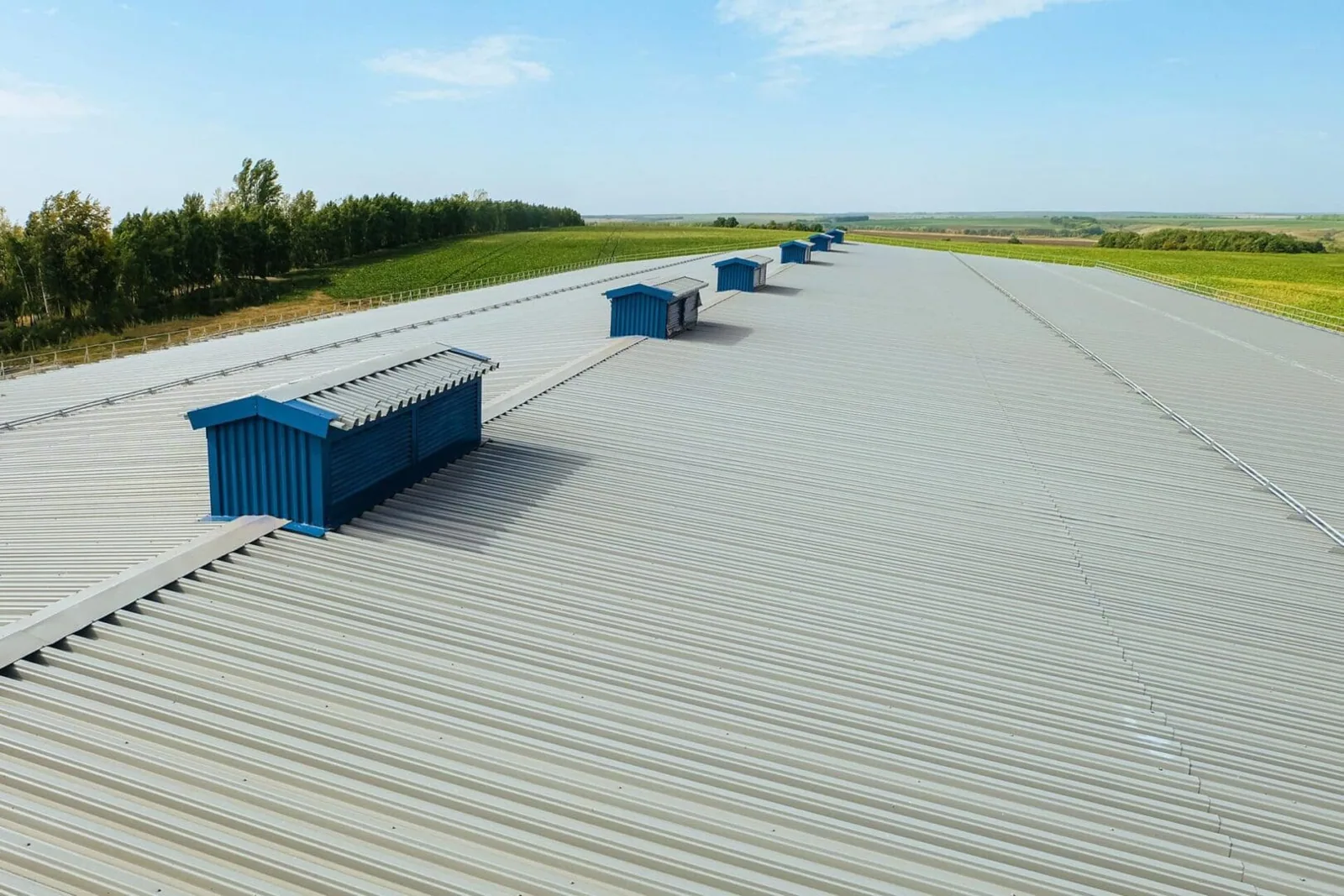
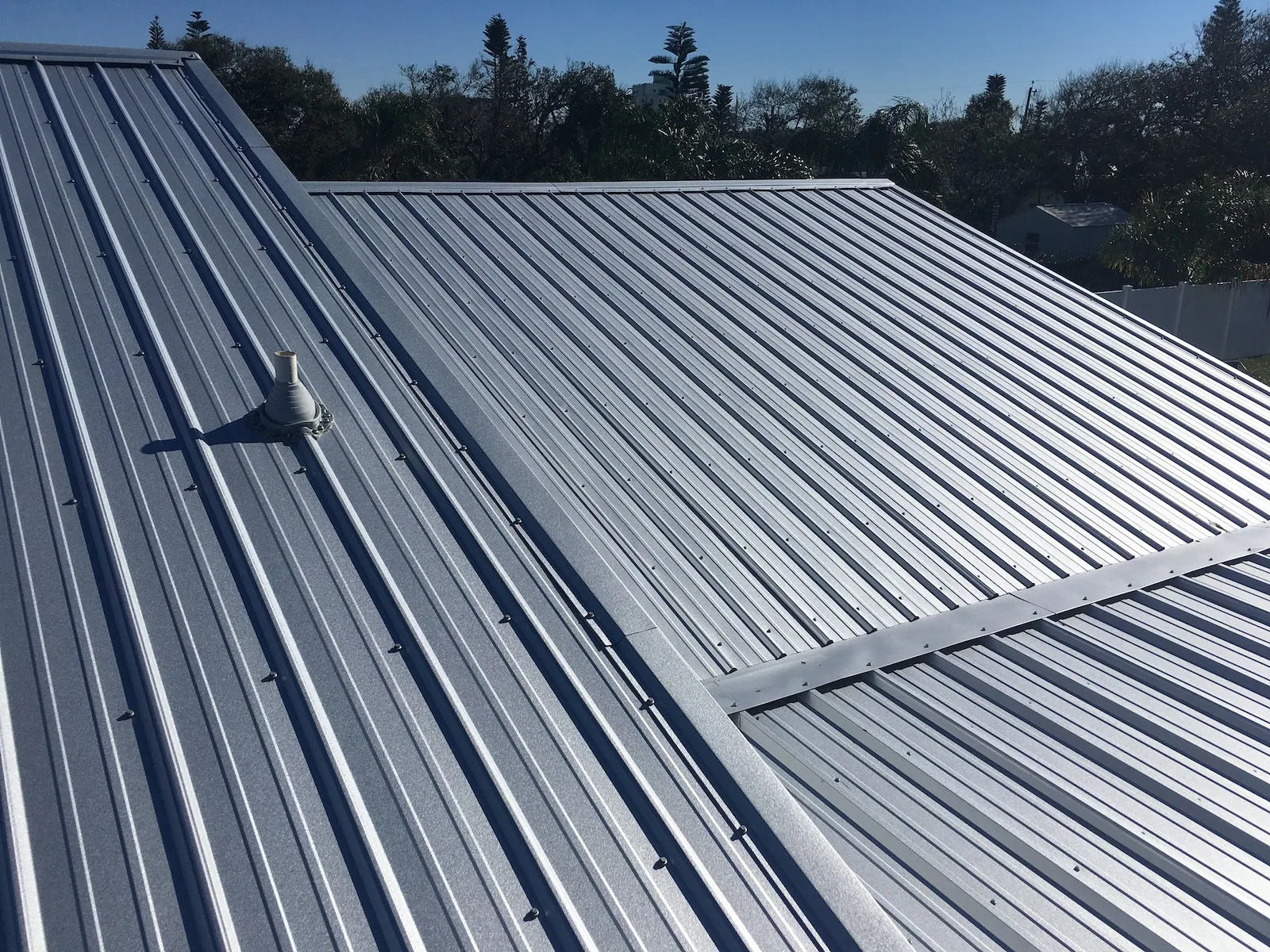
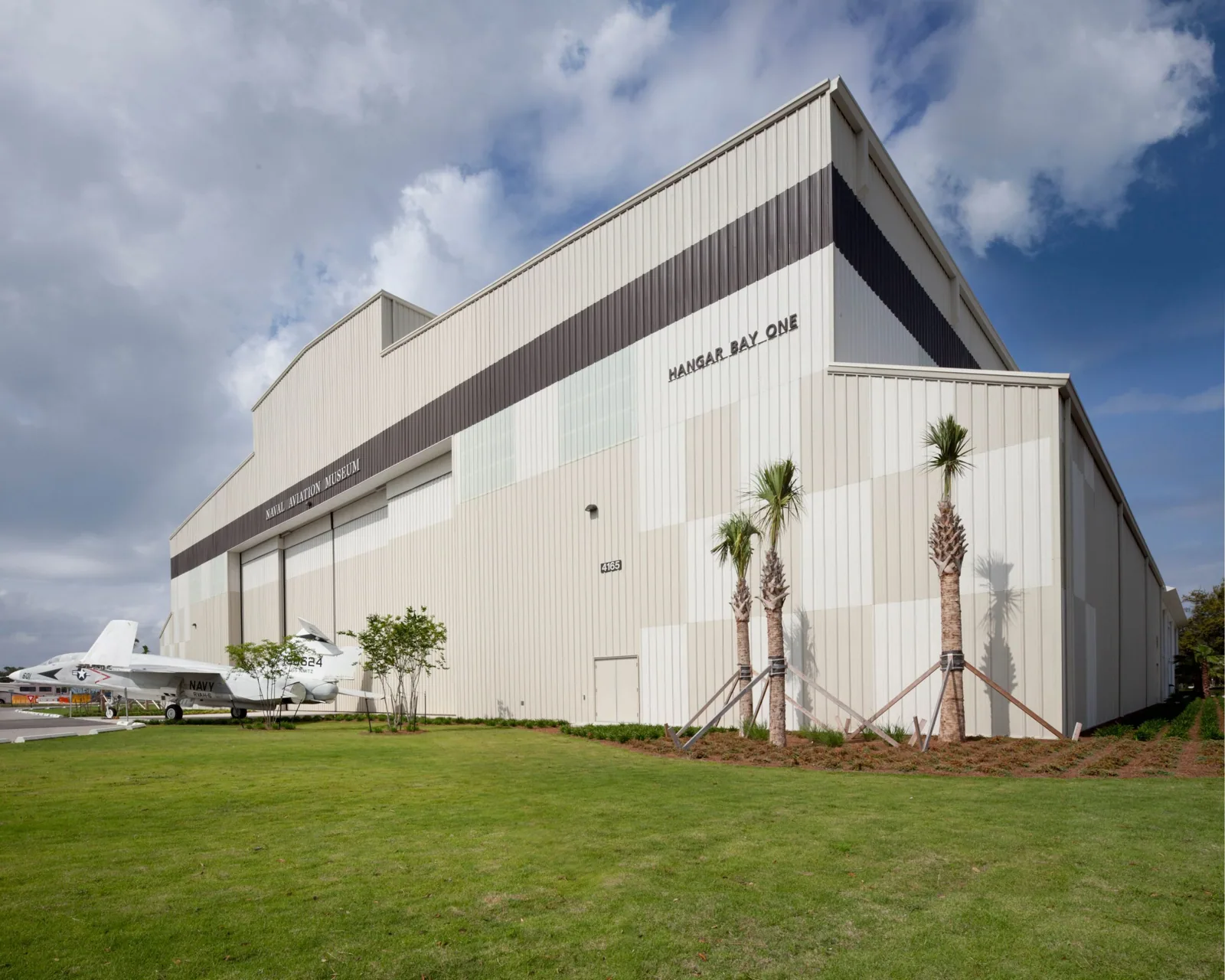
Hangar roof, east bay: standing seam panels with witness marks at the clips, a row of translucent light panels crazed to the color of old ice, and a drip line along the door header that leaves a damp mark on the apron whenever the wind turns. An aircraft hangar is one enormous volume under a roof that keeps the weather off aircraft, tooling and a maintenance schedule, so the finding that matters is rarely the leak itself. It is the consequence: an aircraft moved, a bay closed, work stopped for a day. We survey hangar and aviation building roofs in Thousand Oaks, CA and at the airfields around it, and we write the findings so an operator can see which panels, seams and edges threaten the schedule and which can wait for the next budget cycle.
Aircraft Hangar Roofing
Property Types We Roof
Call our team
Written findings and options
Thousand Oaks, CA
Ventura and Los Angeles counties
Span: clear-span steel, long panels and thermal movement
Most hangars are clear-span steel buildings, with the roof carried across a wide opening on trusses or rigid frames and a metal skin on top. Long panels move. A panel run the length of a hangar expands in afternoon heat and contracts overnight, and the clips that hold it are meant to let it slide. When a clip binds, the panel buckles or the seam opens, and witness marks at the clips tell us which. Conejo Valley summers, with sun that does not let up for months, give those clips thousands of cycles every year.
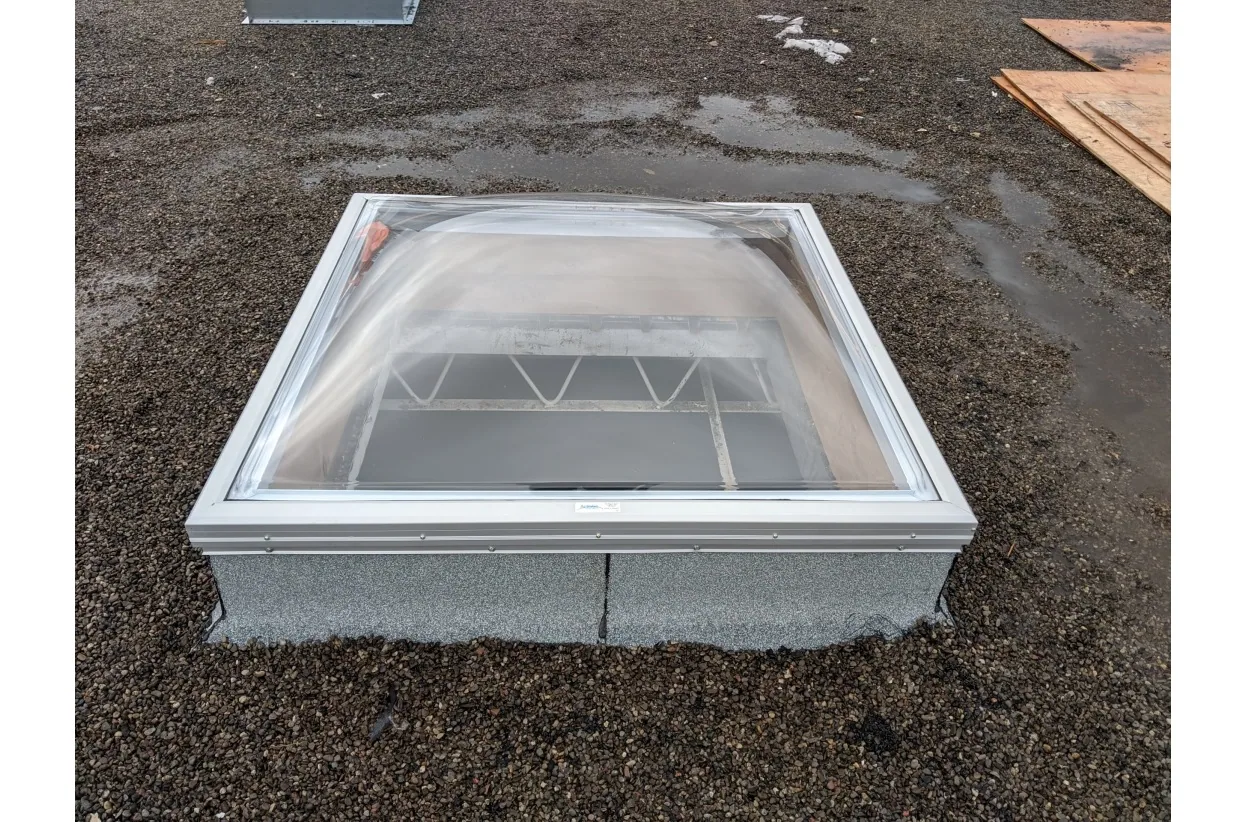
Translucent daylight panels age differently from the steel around them. They craze, yellow and lose strength, and the curb where they meet the metal is often the first wet spot in the building. We record clip movement, seam condition, sealant at ridges and endlaps and the state of every light panel, and we separate surface wear that a coating can address from structural issues that call for a standing seam repair or a metal roof retrofit. The details around skylights and penetrations receive the same attention as the field.
Doors: wind pressure when the hangar is open
A hangar is the one building type designed to stand wide open on a side. With the main doors open, wind enters and pressurizes the interior, which adds to the uplift the roof already sees from outside. The result is a higher net load on the roof edges and the panels nearest the door header than the same building would carry closed. Santa Ana winds can easily exceed 40 mph, and gusts forecast above 65 mph accompanied the Mountain Fire in November 2024, so an open hangar door facing a gust is a condition to design for, not an exception.
We check the edge metal and panel attachment nearest the doors first, together with the header flashing and the track covers, and we recommend a walk after any major wind day. Those walks feed the same record as the annual survey, and they let a facility manager show that a failure was new and not already present, which matters for a claim and for planning wind damage roof repair.
Debris: foreign objects and the ramp
Aviation adds a hazard that ordinary roofing never has to consider: foreign object debris. A loose screw, a strip of sealant, a fastener washer or a scrap of flashing that blows off a hangar roof can land on a ramp or taxiway, where an engine can ingest it or a tire can be cut. Airport operators treat that as a safety matter, and a roofing crew has to work to the same standard.
For the roof, that means three habits. Fasteners and small parts are counted and kept contained during every repair. Tear-off material is netted or chuted to a covered container and never dropped. The work zone is swept with a magnet at the end of each shift. It also means an older roof with failing fasteners and shedding sealant is an operating risk and not only a leak risk, so the survey reports loose parts as a safety finding with a priority of its own.
Camarillo Airport: hangar and shop roofs
Camarillo Airport is one local aviation property. Its presence does not establish the roof type, condition or responsibility of any nearby building. For an airport assignment, the survey records each hangar and shop separately, confirms operator and tenant responsibilities, and maps the access rules that govern the work area.
On an aviation property, responsibility for roofs can be divided by lease. A survey that maps each building, occupant and condition gives the operator and tenants one working record. The Mountain Fire of November 2024 burned near Camarillo during an extreme Santa Ana wind event. After a reported event, inspect the assigned roof for displaced edges, opened seams, punctures and debris before setting a repair boundary. A phased scope can group ready work while keeping access routes clear.
Point Mugu: Navy and Guard hangars
Naval Base Ventura County at Point Mugu has two asphalt runways, the longer at 11,102 feet and the shorter at 5,502, and hosts E-2 Hawkeye squadrons and Air Test and Evaluation Squadron Three Zero. The adjacent Channel Islands Air National Guard Station is home to the 146th Airlift Wing, which flies C-130J aircraft for airlift, aerial firefighting and aeromedical evacuation. A 2021 reload facility expanded fire-retardant storage. Those operations call for roof planning around hangars, maintenance areas and equipment access, with every restriction confirmed by the installation contact.
Roofing inside the fence is run differently from commercial work: a crew is escorted and badged at the gate, the calendar bends to flight operations, and the specification follows the Unified Facilities Criteria. The same escort, scheduling and weathertight-at-shift-end rules govern any military hangar and maintenance facility roof, naval facility roof or other military installation job. With aircraft inside the hangar, each phase must leave its section weathertight at the end of every shift.
Before work starts, the facility representative should confirm which bays can be released, where aircraft and ground equipment will be staged, and how deliveries may cross the apron. A roof plan should mark the work boundary, temporary tie-ins, open panel edges and the path for removing debris. When repair requires opening a long seam or replacing a light panel, the crew needs a realistic same-shift dry-in limit and a weather stop rule. The closeout walk checks fasteners, loose sealant, packaging and metal fragments, then records that the ramp-side area is clear. Those controls support a roofing scope that respects both the building and the operation beneath it. For shared aviation properties, written responsibility matters as much as access: the operator, tenant and owner should agree who authorizes the work and who accepts the finished roof section.
Commercial Roofing Questions
Why do hangar roof panels leak at the clips?
Clips are meant to let a panel slide with temperature. When one binds, the panel buckles and the seam opens, and water finds the gap.
Can a hangar roof be repaired with aircraft inside?
Often, with a covered work zone and a plan to keep tools and debris off the aircraft. Sensitive work may call for moving the aircraft first, and the operator makes that call.
What counts as foreign object debris on a roofing job?
Any loose part that could reach a ramp or taxiway: screws, washers, sealant, scraps of flashing. Parts are counted, contained and swept up every shift.
Do translucent panels need replacing along with the metal?
Usually they age faster than the steel, so they are assessed on their own. Crazed or yellowed panels lose strength and are replaced with the curbs resealed.
What changes when the hangar sits on a military installation?
Access, escorts and badging add lead time, and work is scheduled around flight operations. The roof is built to the Unified Facilities Criteria for roofing.