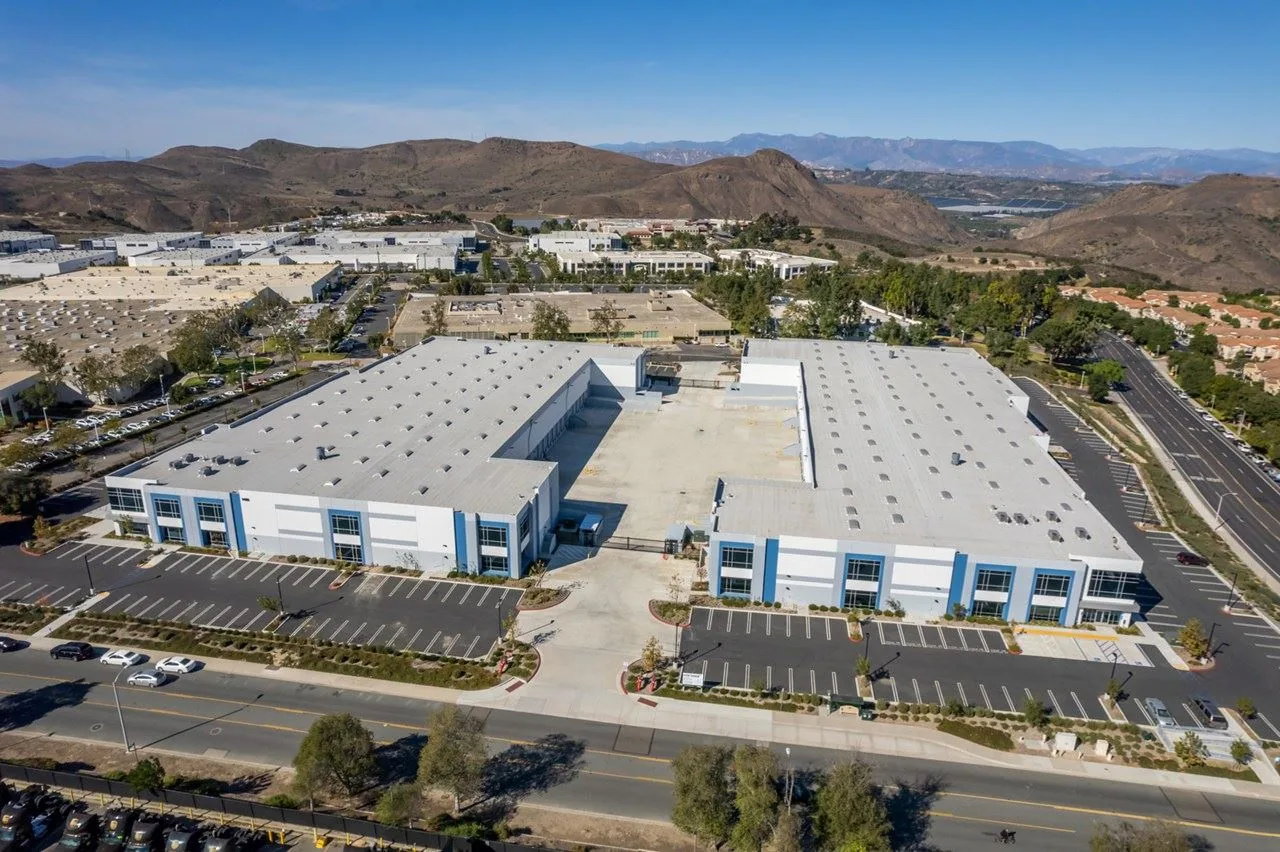
Commercial Roofing in Rancho Conejo Industrial Park, Thousand Oaks, CA
Service Areas · Thousand Oaks, CA
Finding: a hairline separation between the membrane and the concrete parapet along the long wall of a tilt-up building, with standing water at two interior drains and a sealant joint between wall panels that has hardened and split. A report line like that describes a roof whose field is still serviceable while its perimeter is already costing the owner money, and it is typical of the low-slope buildings in an industrial park. Rancho Conejo Industrial Park dominates northern Newbury Park in Thousand Oaks, CA with more than 120 properties counted in 2017 and the bulk of the industrial businesses in town. We inspect, repair, restore and replace roofs on that kind of building, from the tilt-up shell to the research and development block to the distribution roof, and we give each owner a ranked scope that turns a perimeter finding into a planned budget line before the next storm turns it into an interior repair.
Rancho Conejo Industrial Park
Service Areas
Call our team
Written findings and options
Thousand Oaks, CA
Ventura and Los Angeles counties
Stock: tilt-up shells, R&D blocks and a distribution roof
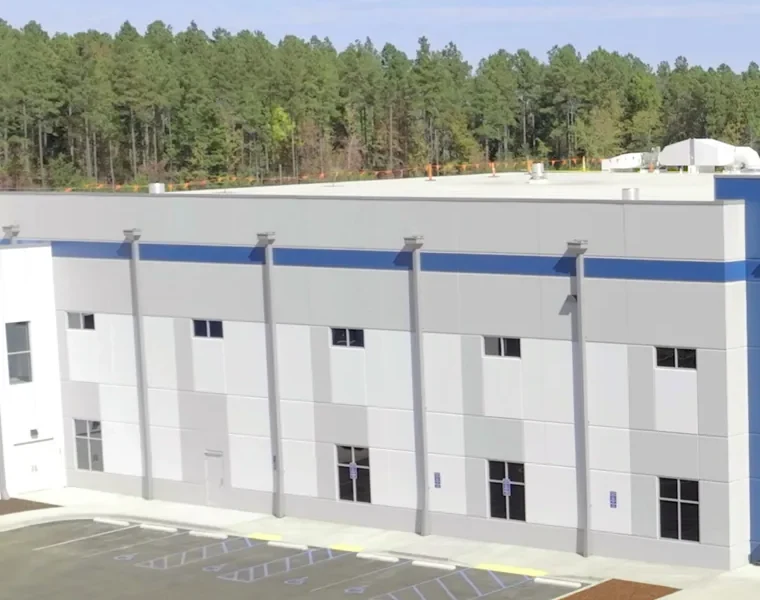
The park is not one kind of roof. Its tilt-up and research and development buildings are joined by the distribution-scale low-slope roof of the Amazon warehouse that opened in Newbury Park in 2018, and each type fails in its own place. A tilt-up building fails at the junction between the roof edge and the concrete wall panels: counterflashing, parapet caps, panel joints and the scuppers that pass through the wall. An R&D block fails where its equipment is, around exhaust fans, air handlers and the penetrations that serve laboratories and clean spaces. A distribution roof fails over its length, at seams, fastener lines and drain sumps, because it carries so much membrane per drain. A walk through the park therefore sorts buildings by type before it grades them, and the grade for a tilt-up perimeter is never averaged with the grade for a warehouse field, because the repairs, the crews and the dollars are not the same.
Perimeter: parapets, panel joints and scuppers
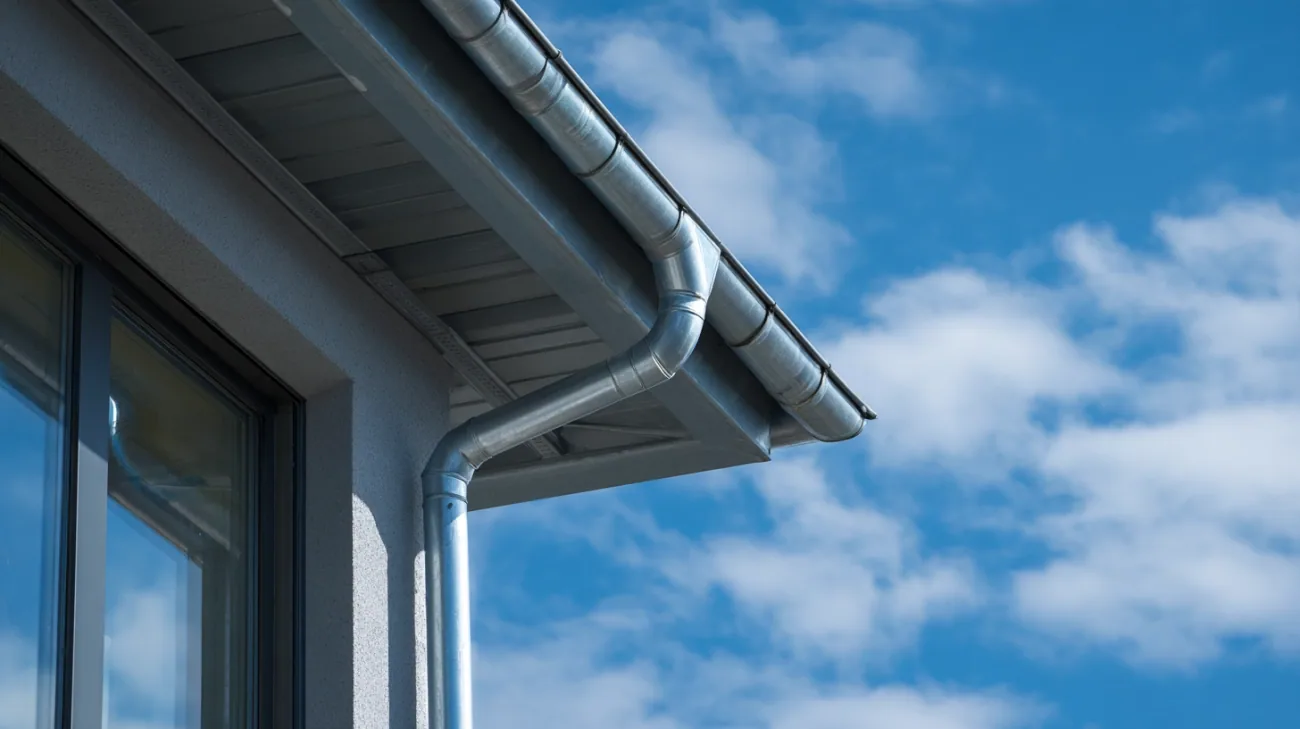
On a tilt-up roof the wall is part of the waterproofing. Water that runs down the parapet face meets the roof edge, and water that crosses the top meets the cap, so the flashing height, the termination bar, the counterflashing reglet and the panel joint sealant all matter more than the age of the sheet itself. We probe each termination, look for pulled fasteners and open laps, and trace every scupper to the point where it discharges, because a blocked scupper turns a parapet into a tub. When the perimeter is the only failing component the answer is a repair, with new flashing and sealant and a record of where it was done. When the same finding repeats on every wall, the fix moves into a capital plan, and the drains and scuppers and the edge metal, coping and gutters are scoped as one package so the wall is closed rather than patched.
Tenants: one park, several kinds of exhaust and tolerance
The employers listed in the Newbury Park business area include Amgen, Shire (formerly Baxalta), Anthem Blue Cross, DesignworksUSA, SAGE Publishing and Skyworks Solutions. That is a wide range of employers, and a roofing plan for an area like it has to expect different exhaust, different equipment loads and a different tolerance for interruption from one building to the next. A laboratory roof may call for a membrane that resists solvent vapor, as KEE roofing does, while an office-use building needs a quiet schedule and a clean work zone. A manufacturing plant may tolerate noise but not an air-intake shutdown. We ask each occupant what the roof cannot be allowed to do, such as drip over a bench or interrupt a shift, and we write that into the sequence before the first day of work.
Operations: dock days, shifts and three freeway exits
An industrial park lives on truck access, and three US 101 exits serve Newbury Park, so crane and hoist deliveries become a scheduling problem as much as a roofing one. A roof crew competes with dock traffic for the same yard, so we plan lifts and material staging for the quietest dock hours and keep fire lanes and loading doors clear. For distribution and light-industrial tenants, the work window is set by the shift schedule rather than the season, and a section is opened only when the day's forecast and the day's materials allow it to be closed again before the last shift ends. Industrial parks elsewhere in the region, such as the metal-deck buildings of Simi Valley, set similar logistics, and warehouse tenants add the dock and shift demands of distribution center roofs.
Exposure: heat, Santa Ana wind and a record of fire
Rainfall in Newbury Park totals roughly ten inches in a typical year, with most of that arriving across a short winter season, so a low-slope roof there faces a handful of heavy storms separated by long dry months of sun. Fire has come close more than once: the Thomas Fire in 2017, then the Hill and Woolsey Fires in 2018, all threatened Newbury Park, and the Woolsey Fire in particular burned under Santa Ana winds of 50 to 60 mph, so ash on the roof and ember exposure are part of the planning. Heat adds its own cost: warnings of extreme heat have been posted for the Ventura County valleys, and a dark industrial membrane runs far hotter than the air above it. After an event we clear drains, look for melted or scorched material at penetrations and re-check the edge, and in a quiet season we schedule the same walk so that the condition record is not started on the day of a loss. The same exposure runs through the rest of Newbury Park, and a park owner with buildings outside the park can plan one walk for all of them.
Horizon: restore, recover or replace by building
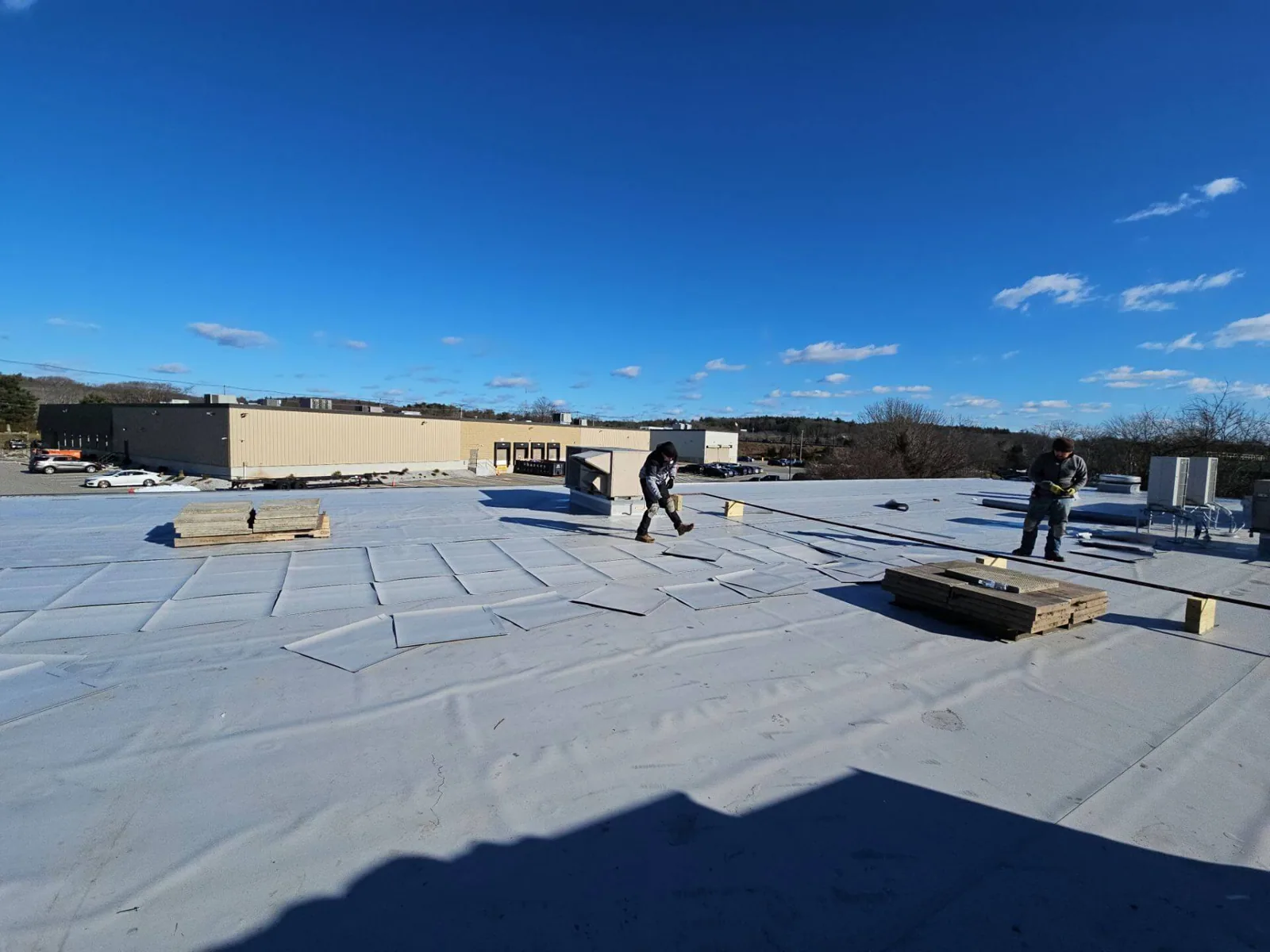
Once the findings are graded, each building falls into one of three columns. A roof with dry insulation and a weathered surface can be restored with a coating, which postpones tear-off and the disposal it brings. A roof with sound insulation but a failing membrane is a candidate for a recover. A roof with wet insulation is replaced. The cost of each follows the same drivers: the area of wet material, the number of penetrations and wall tie-ins to detail, the hoisting needed, and how much of the building can be closed off at one time. For a permit filed on or after January 1, 2026, the 2025 California Energy Code applies to nonresidential roofing, so the choice between a new cool roof installation and a coating is also a compliance decision. An owner who plans to add panels should settle the details of a roof ready for solar before the membrane is chosen.
Commercial Roofing Questions
Why do tilt-up roofs leak at the wall when the field looks fine?
The joint between roof and concrete panel carries movement and runoff together, and its flashing and sealant age faster than the sheet. A probe at each termination finds the failure before a stain does.
Can one report cover several buildings in the park?
One report can cover several, with each building graded on its own evidence. Owners with a mix of tilt-up, R&D and warehouse roofs receive a single ranked list, which shows which building takes the next dollar.
What matters most when a laboratory sits under the roof?
Solvent vapor from exhaust, because it attacks some membranes, and the shutdown plan for fans and intakes. Both are settled with the occupant before a material is ordered.
How does a heavy winter storm test a flat roof here?
Newbury Park receives most of its ten inches in a short season, so drains, sumps and scuppers carry the entire load in a few days. Strainers and sump areas are cleared and checked before the first forecast storm.
Who answers when a Santa Ana gust lifts a roof edge at night?
The emergency crew is on call all night, every weekend and on holidays. The first visit dries in the opening, and the permanent repair is scoped after the edge has been photographed.