
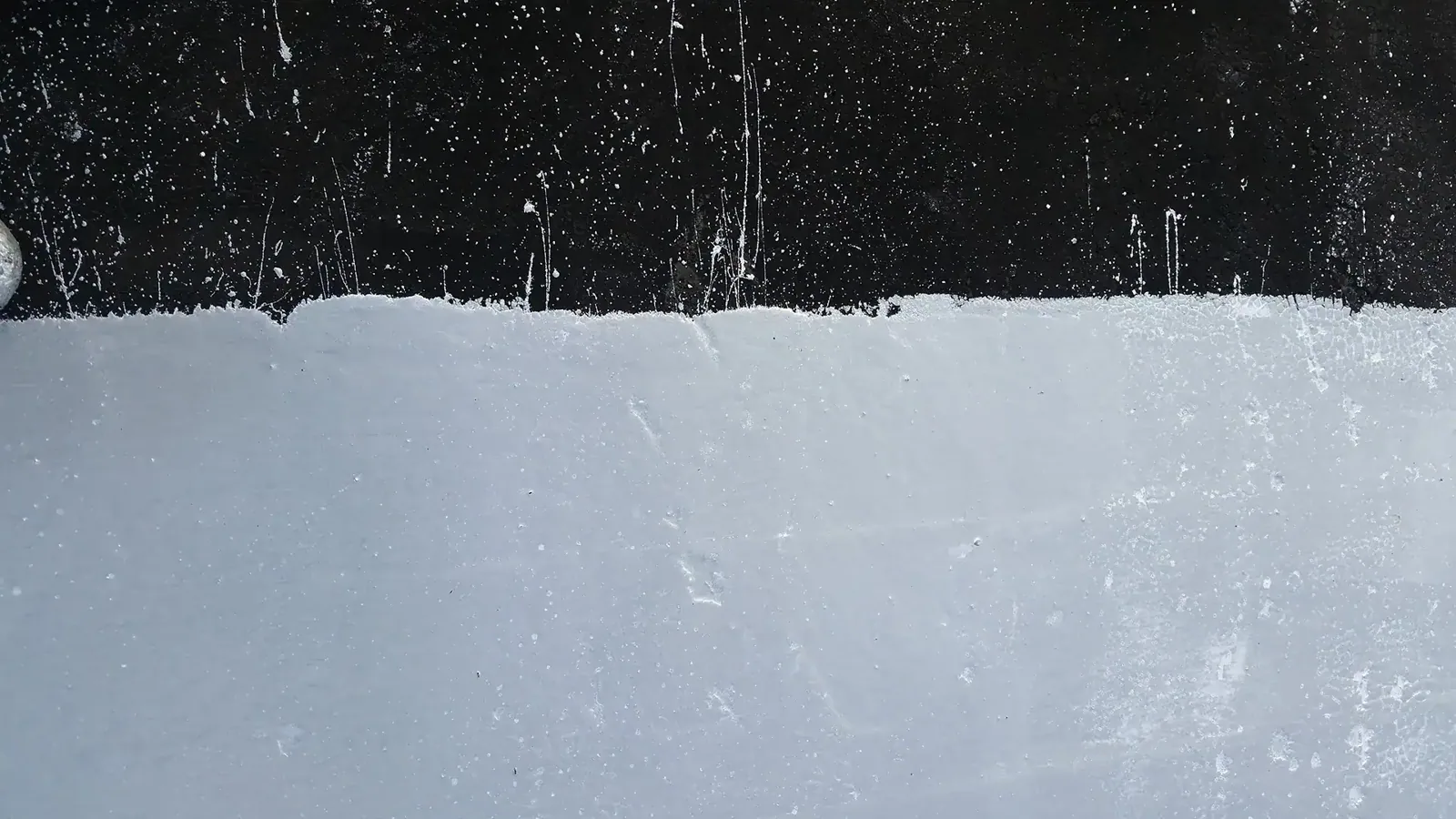
Cross-section log, drain sump: two generations of membrane stacked over polyiso that reads wet on the meter, with no cover board between them. That sequence is common on commercial roofs that have been recovered once already, and it frames the real decision for the owner. The question is rarely which membrane is best in the abstract. It is which system suits this deck, this exposure and this replacement horizon, in a valley where summer heat and dry offshore wind do most of the damage.
Single-ply: sheets that weld or bond into one layer
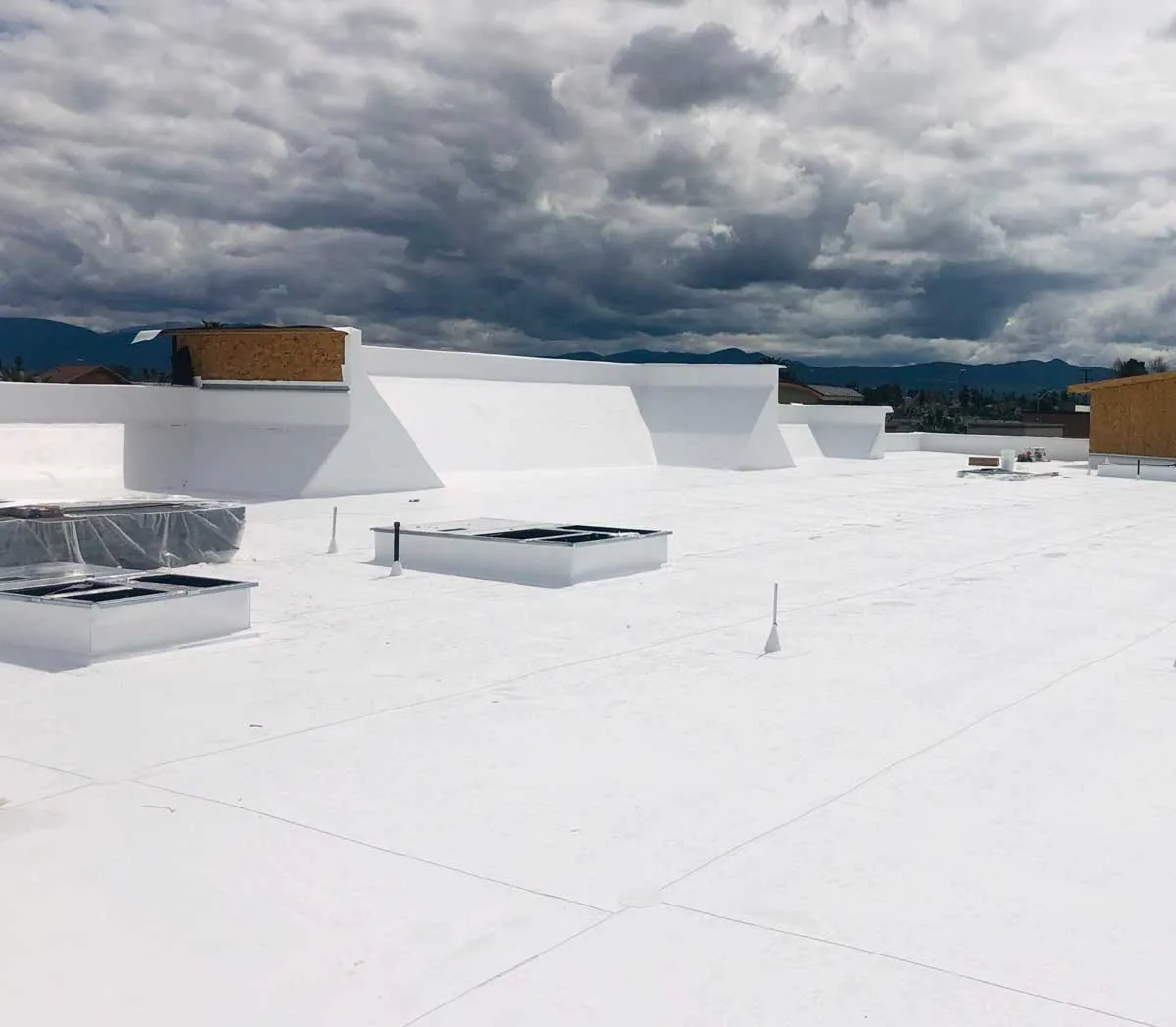
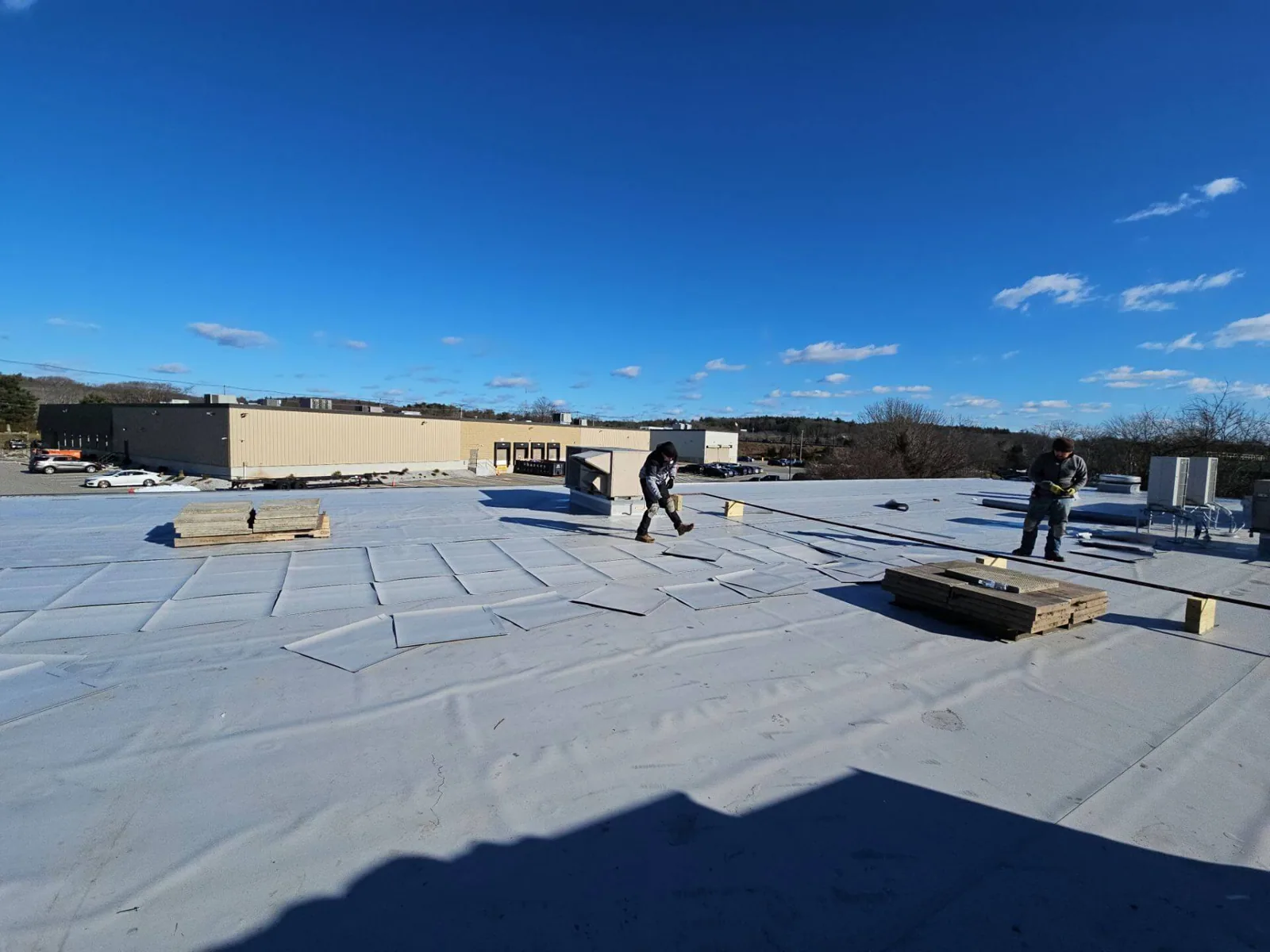
Single-ply is a common choice on low-slope office and industrial roofs. TPO roofing is a white, heat-welded sheet that suits reflectivity goals, and PVC roofing adds chemical resistance for roofs under kitchen exhaust or lab vents. EPDM roofing is a vulcanized rubber sheet with a long record under UV, and KEE roofing is a ketone-blended PVC built for grease and chemical exposure. Each ages differently under Conejo Valley sun, and the survey tells us which is holding up.
Bitumen: layered assemblies with a long service record
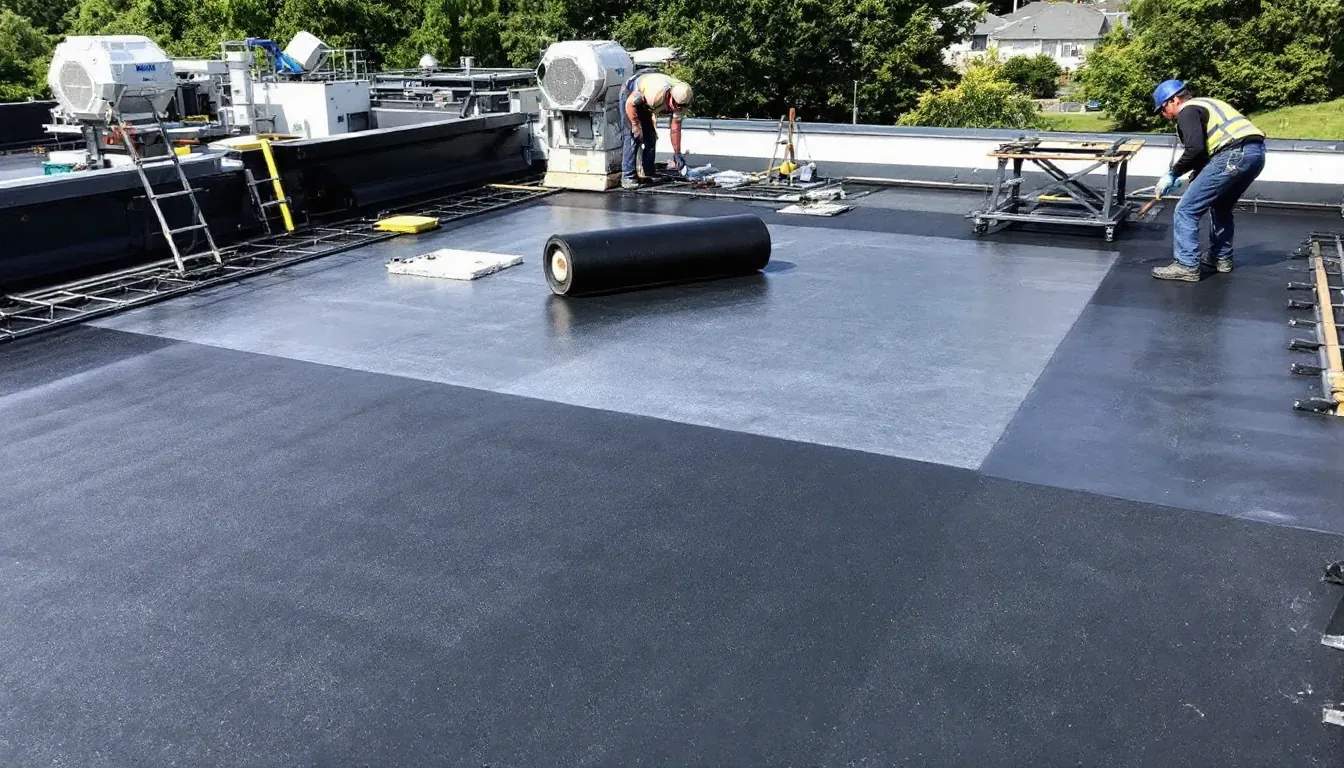
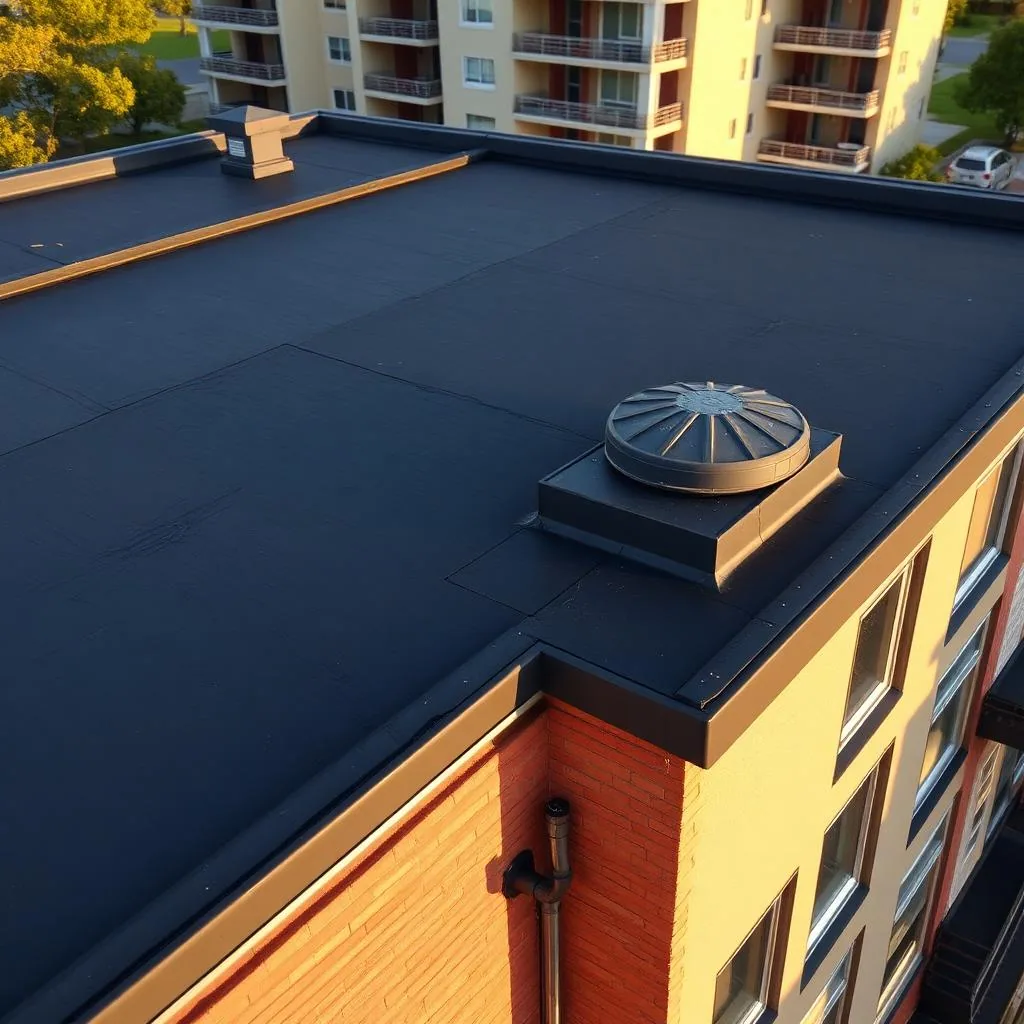
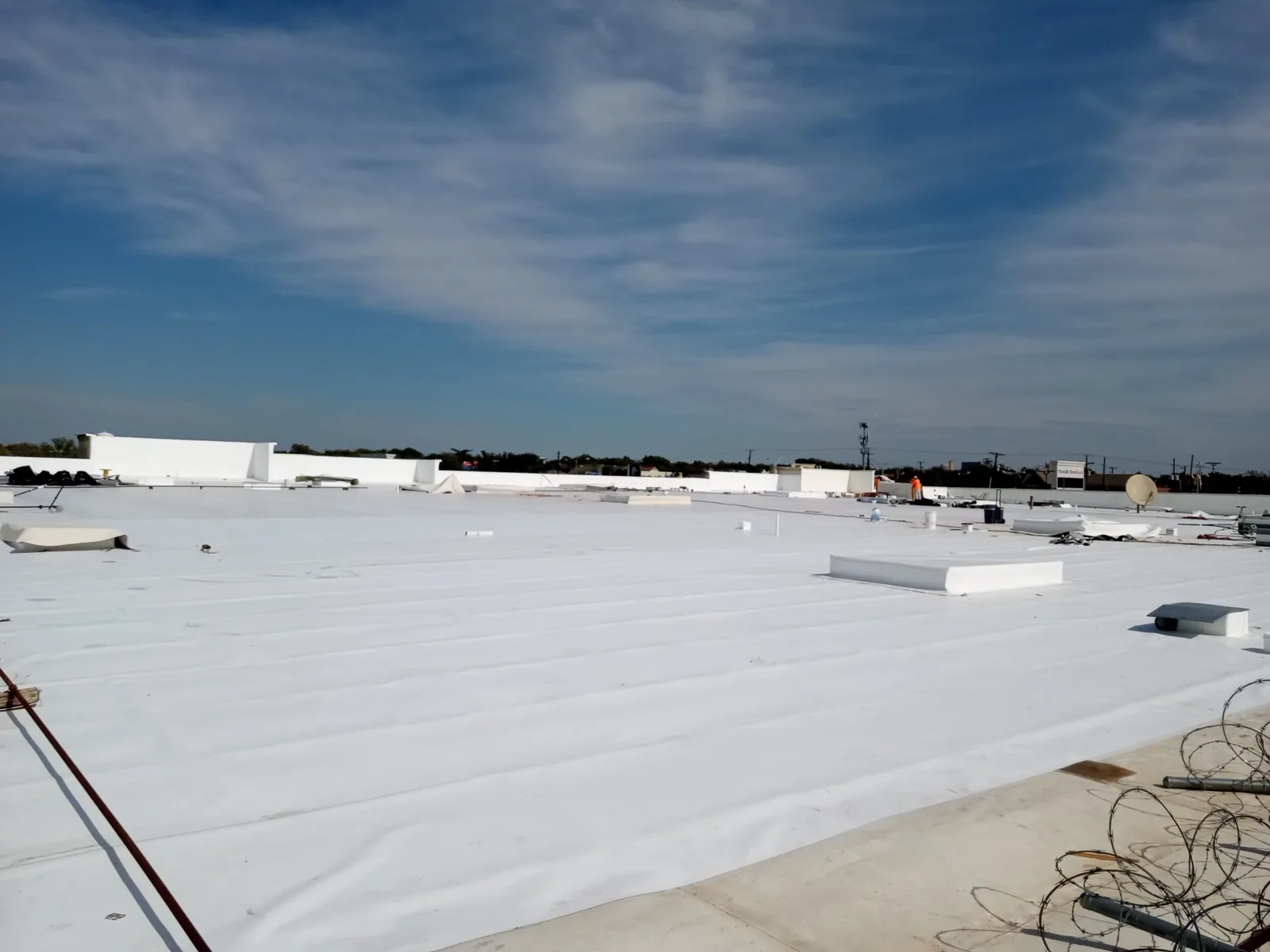
Where a roof takes foot traffic from service techs, or sits under equipment that gets moved, a layered assembly can outlast a thinner sheet. Modified bitumen roofing adds polymer-modified plies with a granulated or coated cap sheet, while built-up roofing stacks felts and asphalt into a redundant, multi-ply membrane. Both carry weight and add redundancy, and both need attention to cap sheet granule loss and flashing laps as the surface weathers.
Metal: panels for long spans and steep demands
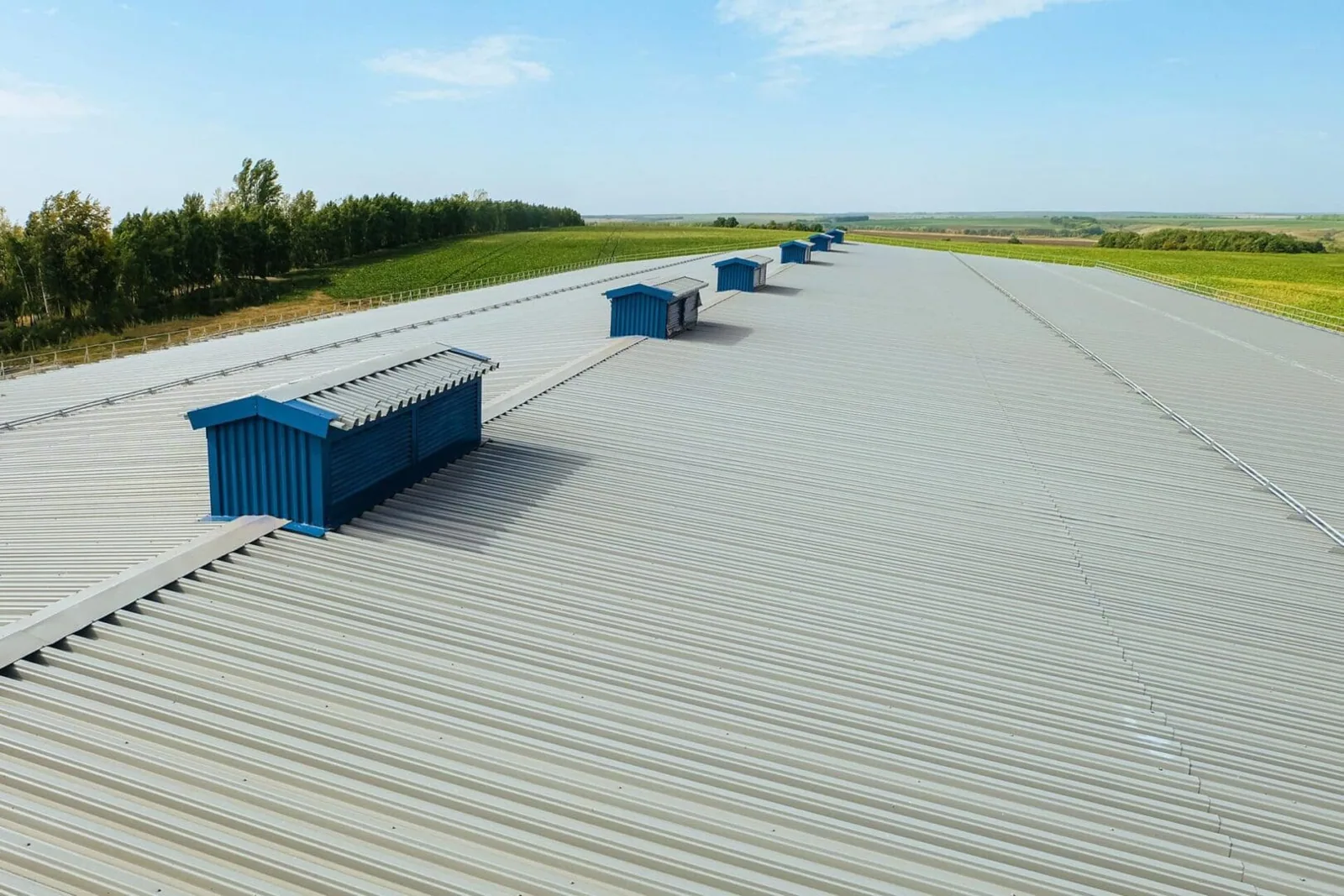
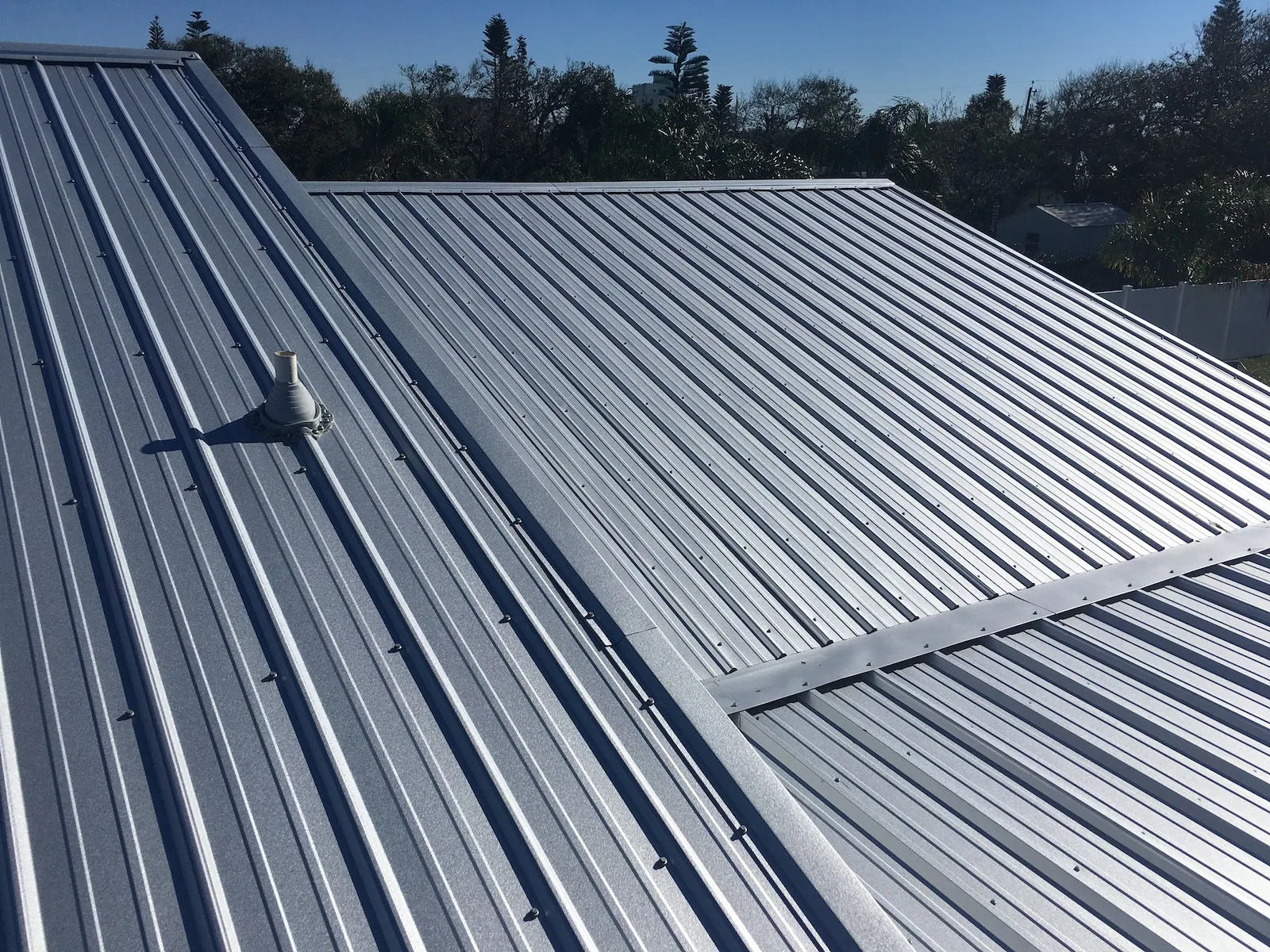
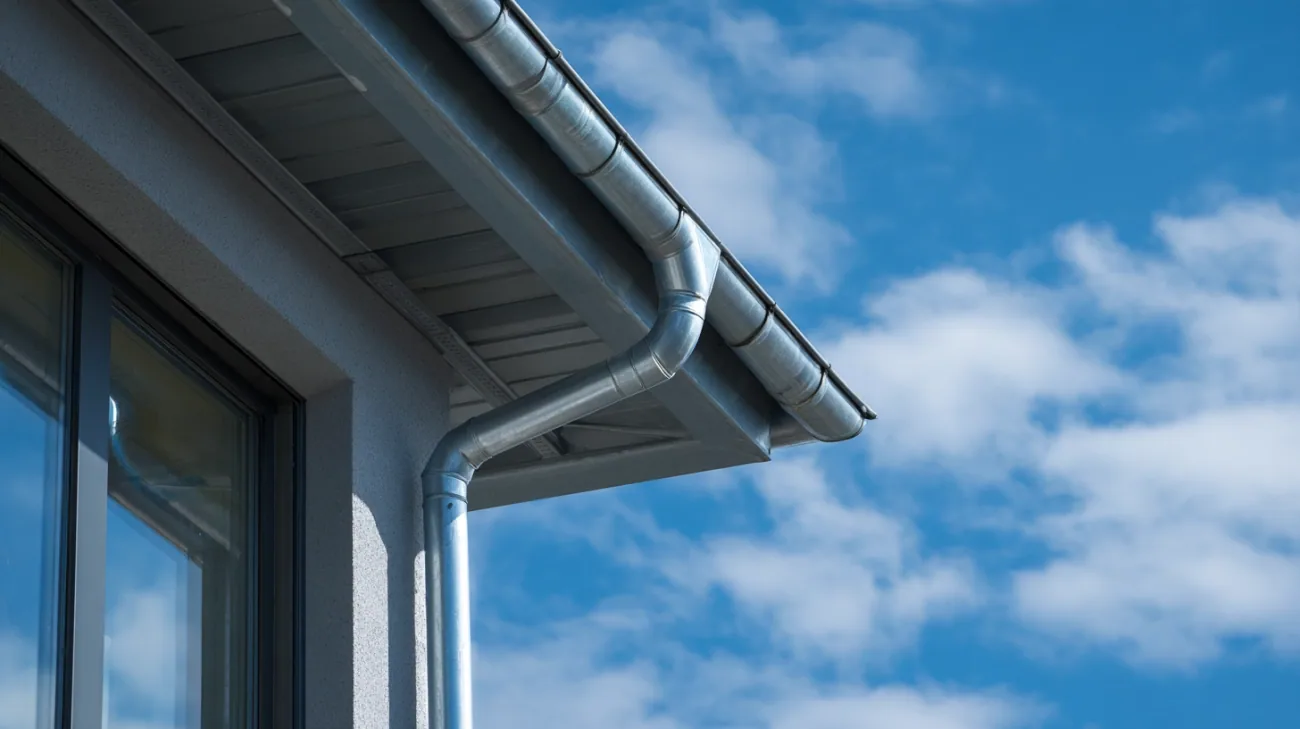
Metal roofs suit buildings where spans are long and the owner wants a lower maintenance burden over the replacement horizon. Standing seam metal roofing uses concealed clips that let panels move with temperature, and a metal roof retrofit can install new panels over an existing low-slope roof to avoid a full tear-off and limit disruption to the occupants below. Seam, fastener and panel-lap findings take the place of membrane welds in the condition report.
Foam and coatings: restoring the roof already in place
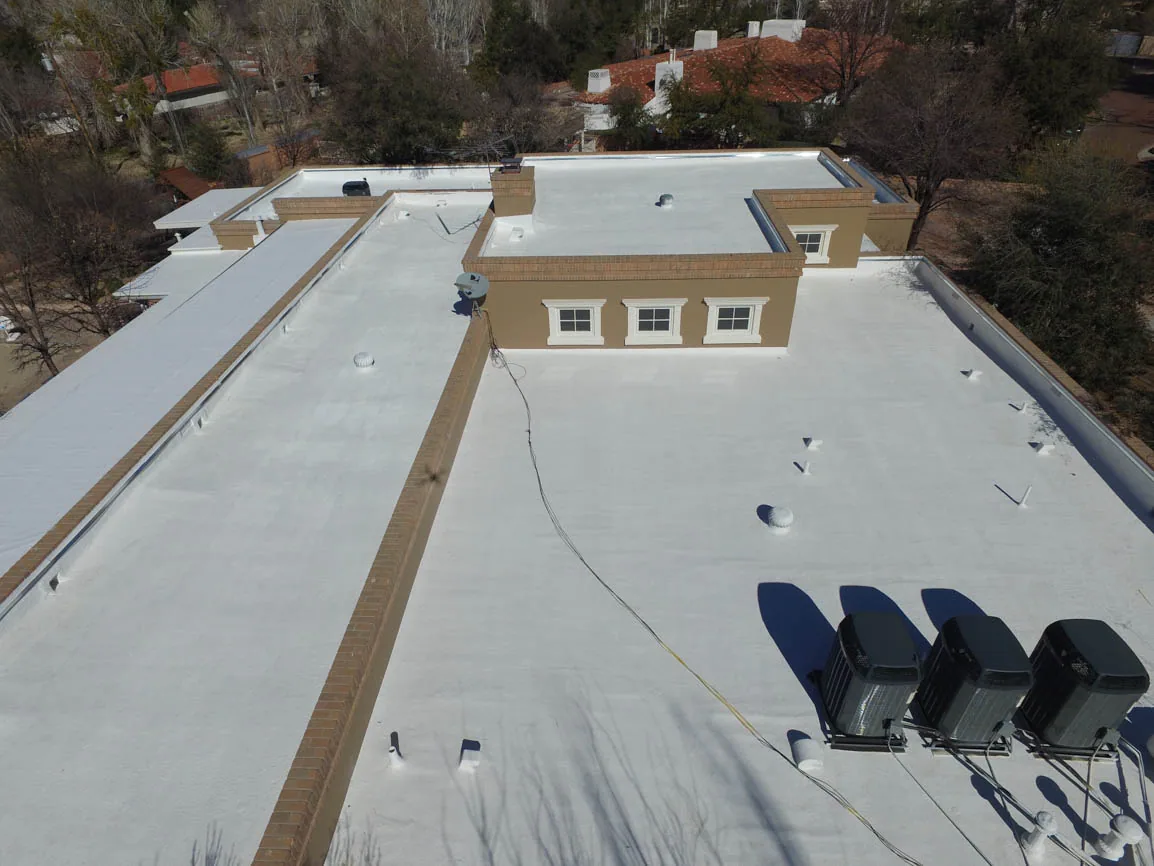
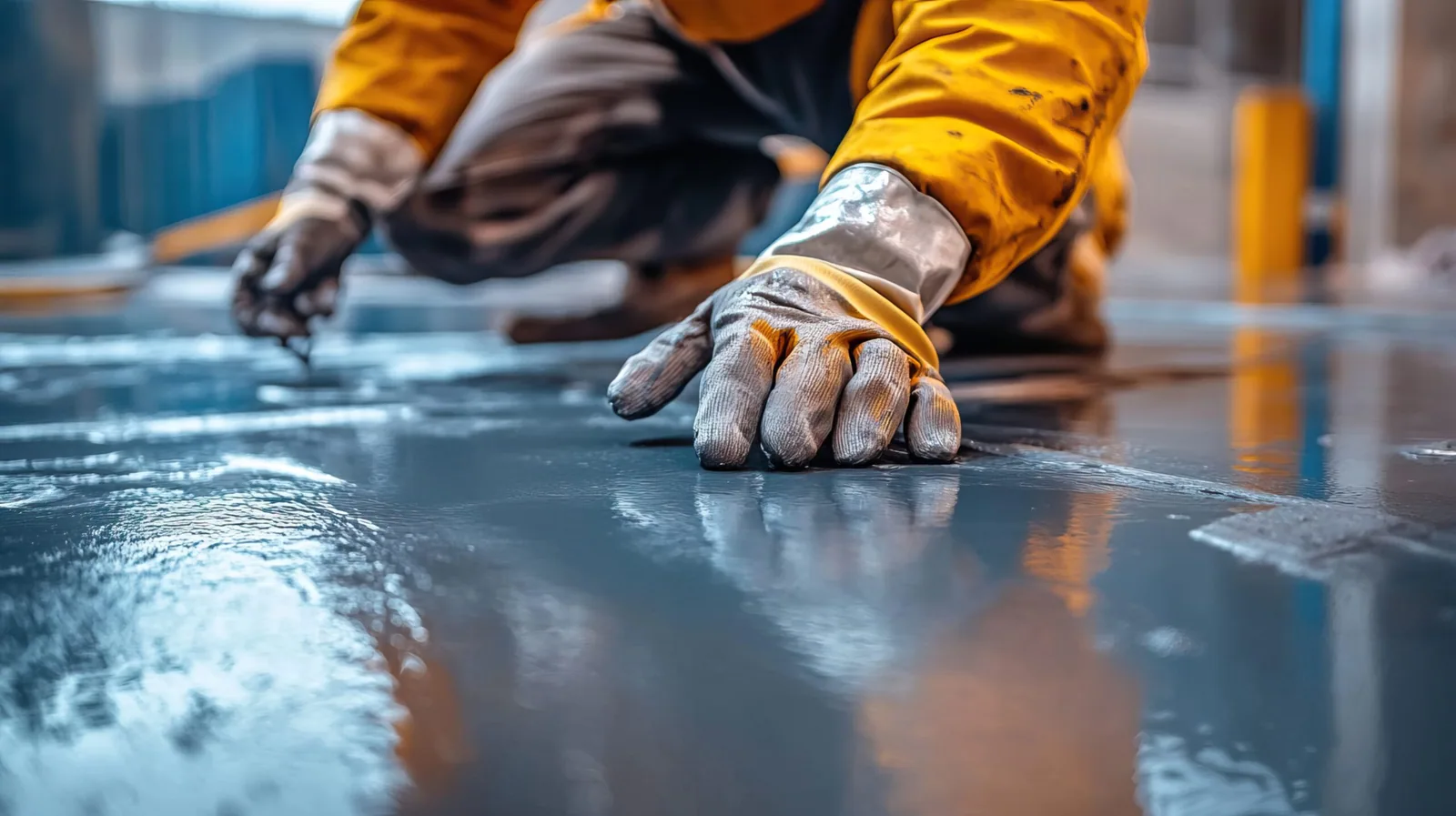
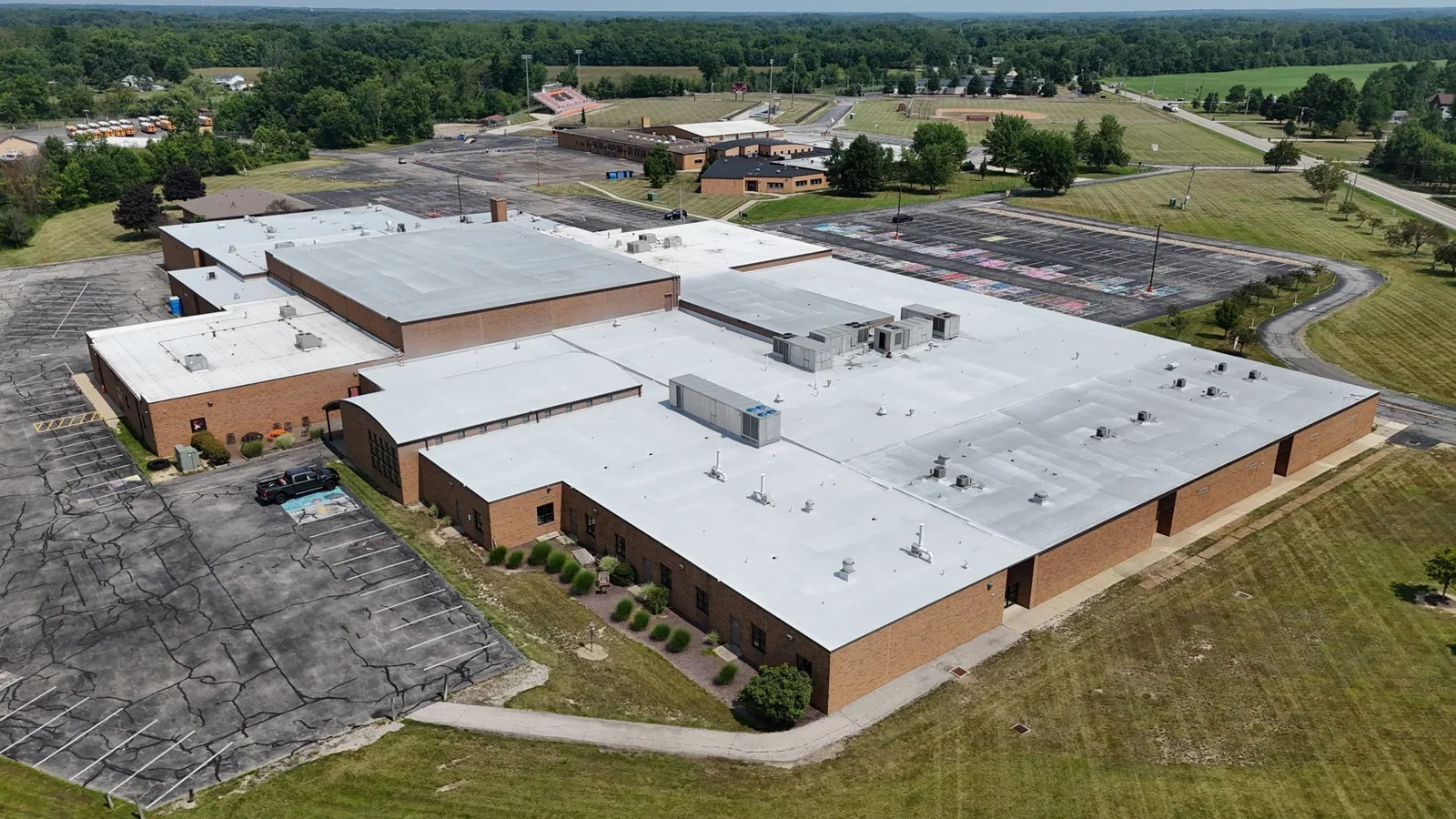
Not every aging roof has to come off. Spray polyurethane foam roofing adds insulation and a monolithic surface with very few joints over a sound substrate, and fluid-applied coatings can restore reflectivity and seal minor defects. Silicone roof coatings tolerate ponding water, while acrylic roof coatings suit dry, well-draining slopes. Moisture readings decide whether the substrate qualifies at all.
Exposure: what the climate asks of every system
Santa Ana winds can exceed 40 mph, and during the November 2018 Woolsey Fire they ran at 50 to 60 mph. They load the edges, parapets and rooftop equipment of every system the same way: through attachment. At The Oaks, the regional mall open since 1978, the attachment questions are the same at every edge and curb, whichever membrane is up there.
Commercial Roofing Questions
Which system lasts longest in Conejo Valley sun?
Longevity follows the maintenance record as much as the material. A well-kept membrane with clean drains and sound flashing will outlast a better product left alone, so the condition survey is the better predictor.
Can two different systems share one roof?
They can, and on multi-phase buildings they often do. The transition between systems needs compatible flashing and a clear drainage path, and each section gets its own entry in the condition index.
When does a recover make sense?
Only when the existing assembly is dry enough, the deck is sound and the added load is acceptable. Core results, attachment and drainage determine whether another layer is a durable option.
What should a system condition index track?
Record the membrane or panel condition, seams and flashings, drainage, moisture evidence and prior repairs. Those fields let an owner compare like with like at the next budget review.