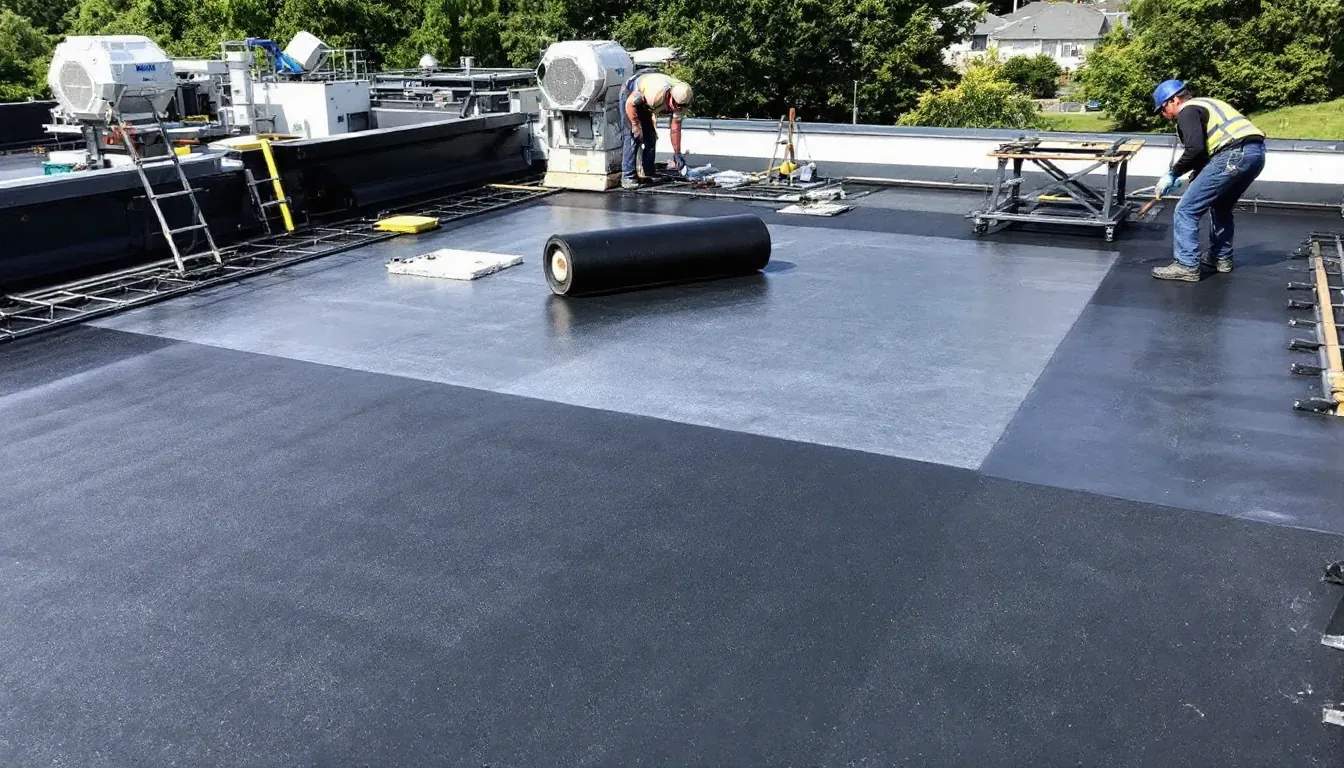
EPDM Roofing in Thousand Oaks, CA
Roof Systems · Thousand Oaks, CA
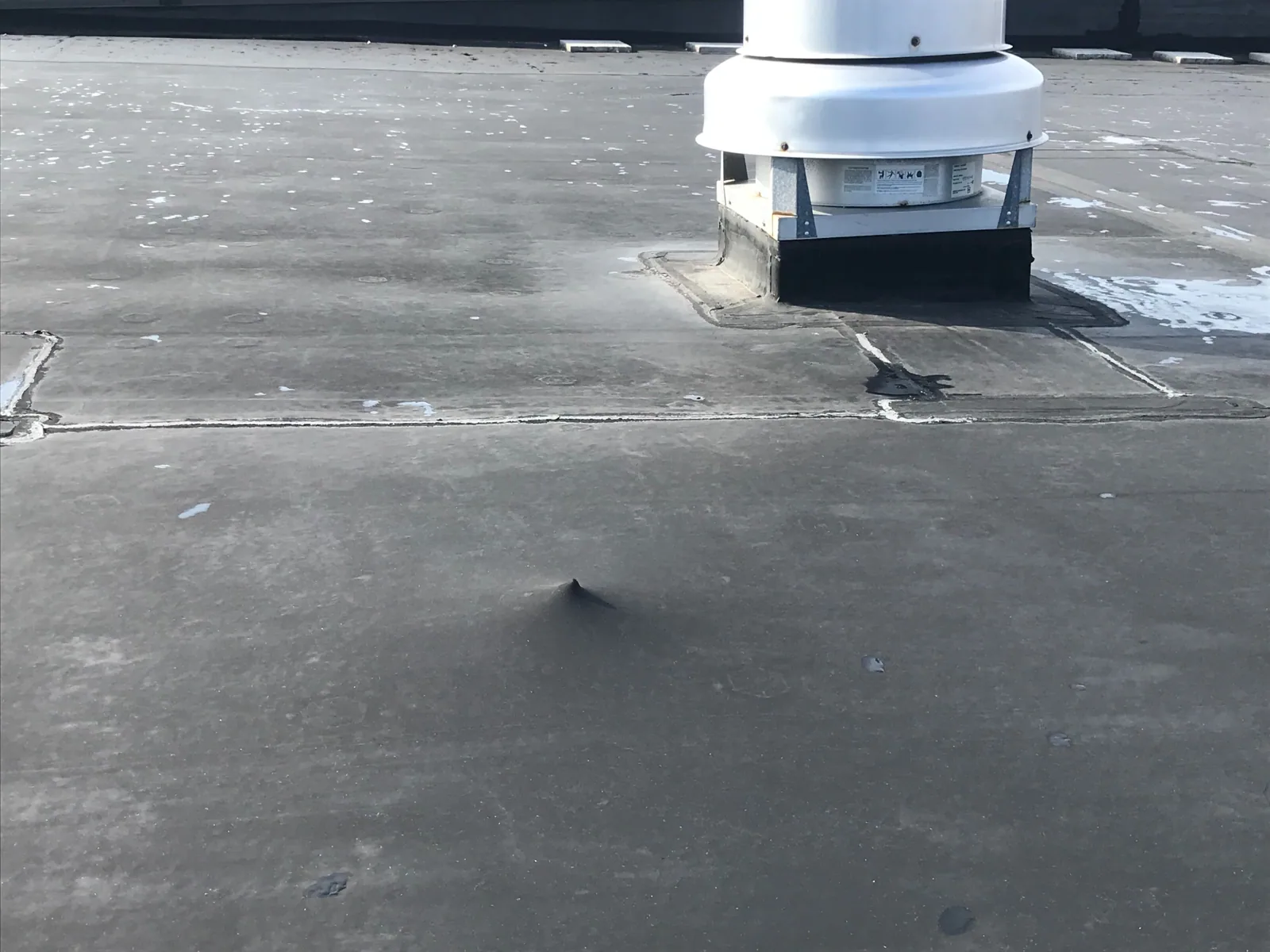
Splice log: tape-bonded seams along the east run of a black EPDM roof show edge lift at four laps, while the cured rubber between them is still elastic, uncracked and uniformly dull. On a classroom wing or gymnasium that has been through a dozen dry seasons, that combination is common and it points to a specific conclusion: the sheet has years left, and the seams are the part of the roof that will set the replacement horizon. EPDM, ethylene propylene diene monomer, is a vulcanized synthetic rubber, and it ages differently from thermoplastic sheets such as TPO and PVC, which matters to any owner in Thousand Oaks, CA. Reading it correctly keeps a sound membrane from being replaced early and a failing one from being nursed too long.
EPDM Roofing
Roof Systems
Call our team
Written findings and options
Thousand Oaks, CA
Ventura and Los Angeles counties
Rubber: what a cured sheet does well and where it tires
EPDM is made in large rolls, which means fewer seams across a broad field, and its elasticity lets it ride out thermal movement and minor building shifts without cracking. It resists ozone and ultraviolet light well, and a clean sheet can carry foot traffic and light mechanical work for a long time. Its limits are specific. Seams and flashings depend on tapes or adhesives rather than welds, so they age on a different clock from the field. The black surface also absorbs heat, and in a valley where forecasters have posted extreme heat warnings for Ventura County, that heat works on every bond line, particularly at parapet tie-ins and around equipment curbs.
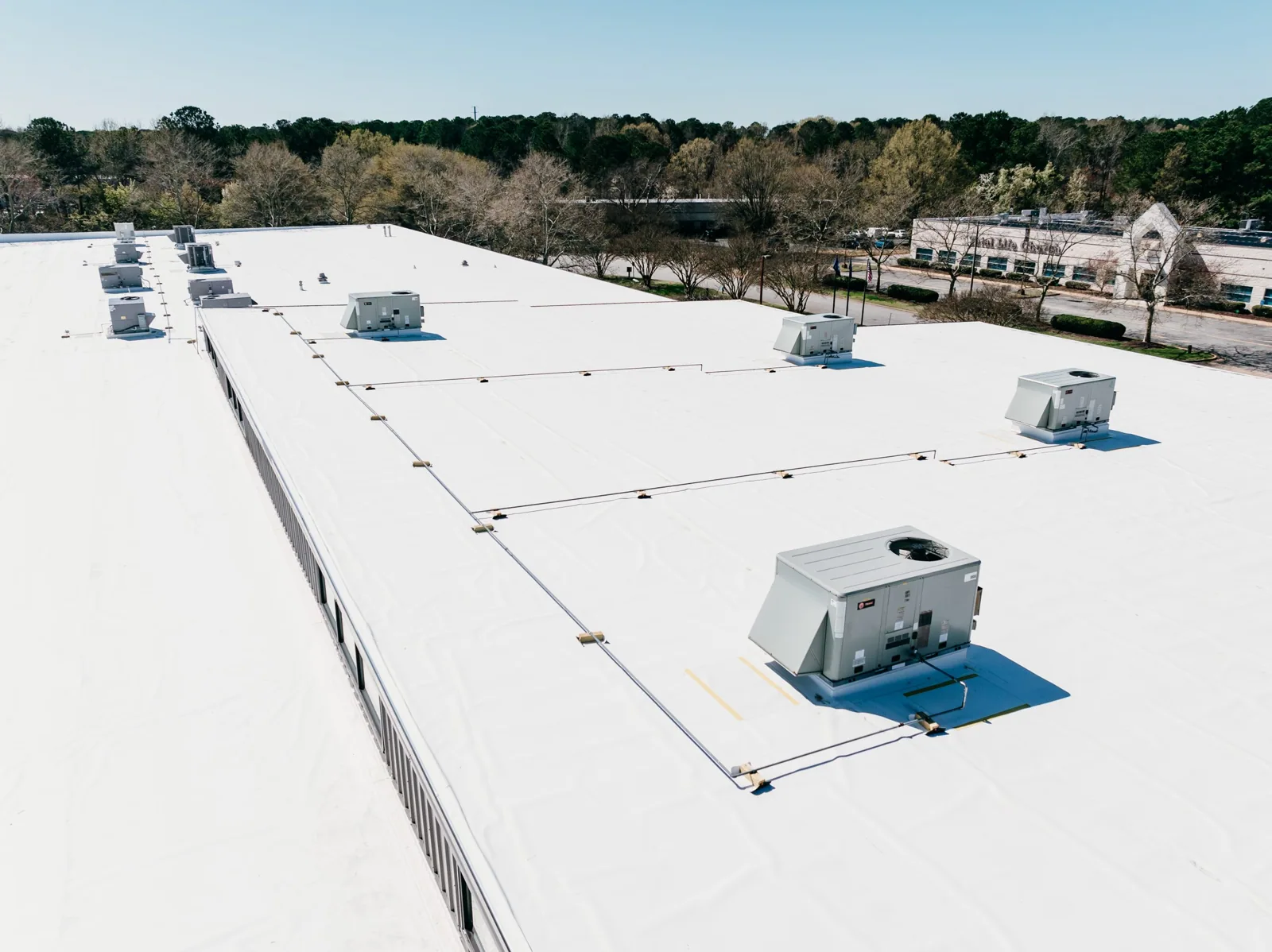
White EPDM exists for owners who want a cool surface and a lower thermal load, and the choice should be made against the energy code at permit. We record the surface temperature behavior, shrinkage at the edges and any pulling at flashing terminations, because shrinkage is how EPDM tells you it is nearing the end of its useful life.
Campuses: classrooms, gyms and phased replacement
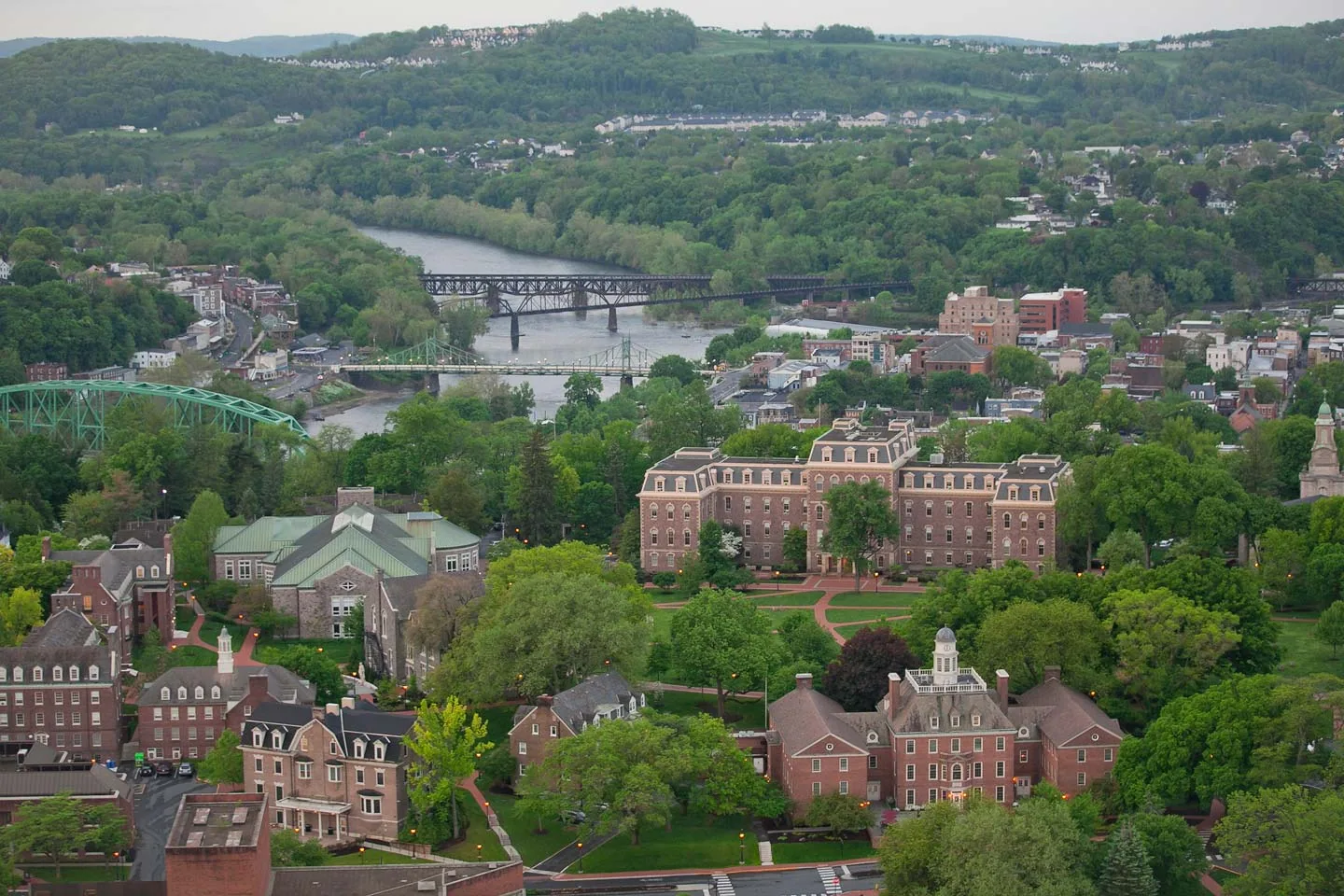
The main campus of California Lutheran University covers 290 acres and holds 41 buildings, from Gilbert Sports and Fitness Center, at 96,000 square feet, to Samuelson Chapel, finished in 1990. A campus of that many buildings calls for an inventory with a condition grade for each roof and a replacement order that follows the academic calendar. Large spans, summer work windows and sensitive occupancy all favor a membrane that installs predictably in big sections. That is the planning problem for the facilities office at California Lutheran University, and it is the same one on any college or university campus.
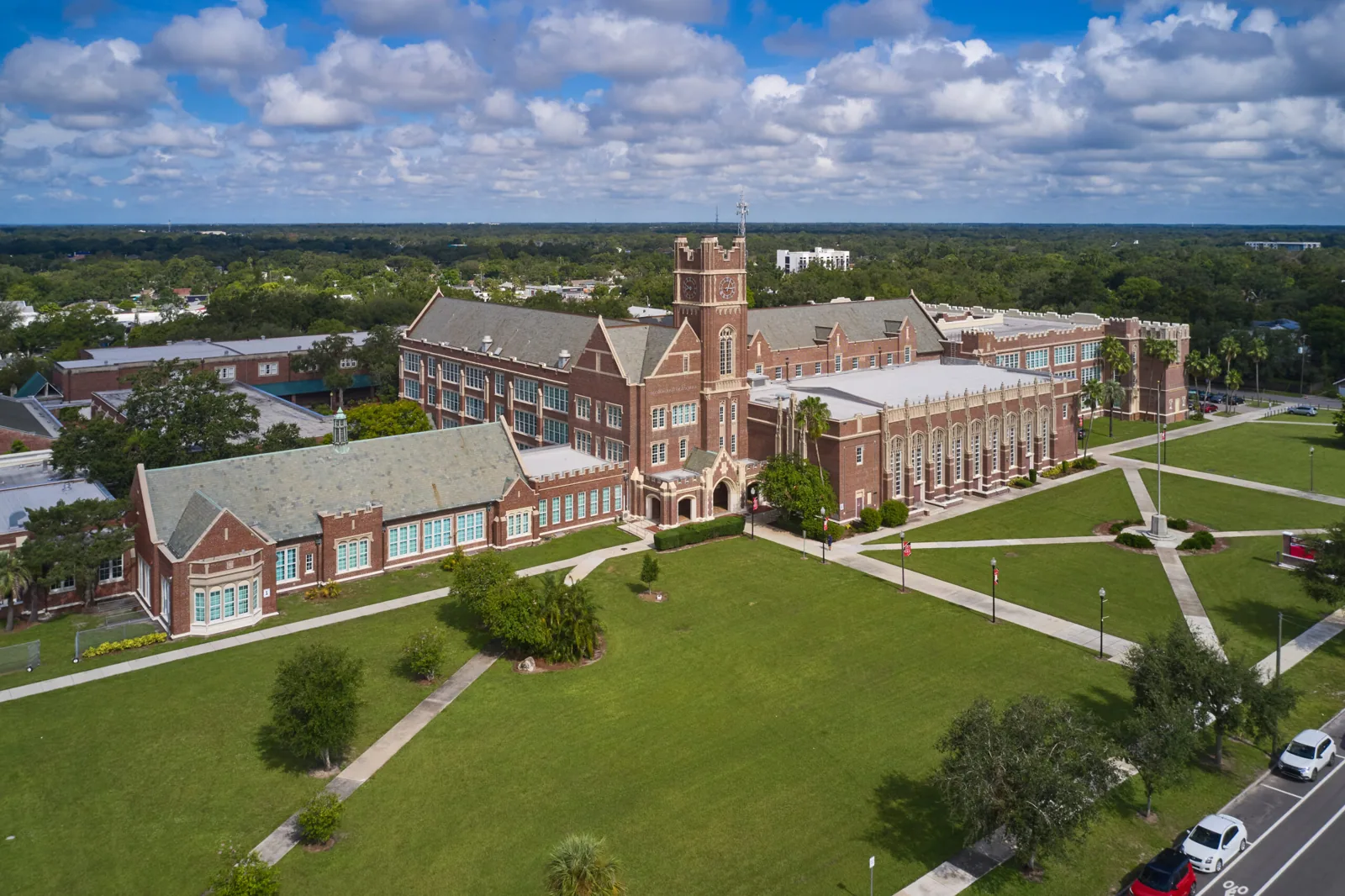
Public schools face the same planning pressure. Oak Park runs its own school district, with Medea Creek Middle School, Oak Park High School and three elementary schools, and the Woolsey Fire swept the community on November 8 and 9, 2018. After a fire in the neighborhood, the school roofs nearby deserve a fresh baseline: ash, ember strikes and clogged drains change what the next budget cycle looks like.
Splices: tape, adhesive and the punctures between them
Field seams on EPDM are joined with factory or field-applied tape over primed surfaces, and the quality of the bond depends on the cleanliness of the rubber and the weather on the day it was made. We probe each splice, look for fishmouths where an edge has lifted, and check the T-joints where three sheets meet, which are the first places a weak bond shows. Flashing is usually made of uncured rubber that conforms to curbs and pipes, and it is the detail that tends to shrink and open first.
Punctures are the other recurring finding. A thin elastic sheet is exposed to dropped tools, service visits and foot traffic between rooftop units, and a small hole in the field may sit unnoticed until the insulation below is wet. Walkway pads, a patrol schedule and a log of repairs are inexpensive protection; a small membrane puncture repair made early costs far less than the wet insulation it prevents.
Storm load: short winters, heavy bursts and standing water
Rainfall in Newbury Park totals roughly ten inches over a year, most of it inside a short winter season, so a low-slope roof here is tested by a few heavy storms rather than a steady drizzle. The coastal plain at Oxnard is damper, near 15.6 inches annually, a fair stand-in for the wetter coastal side of the service area. In both cases the weak point is drainage. A clogged scupper or a drain with a sagging sump can hold water on an EPDM field for days, and while the rubber tolerates standing water better than many sheets, the seams and flashings do not enjoy it.
We mark every area that still holds water forty-eight hours after rain and compare it with the drain layout. The answer is usually tapered insulation, a new sump or a cleaned and re-flashed outlet, not a new membrane. Ponding water repair that starts with the survey costs less than repair that starts with an interior ceiling stain.
Ballast: stone, Santa Ana gusts and the ember benefit
Many EPDM roofs are loose-laid and ballasted with river stone or pavers. That stone protects the sheet from ultraviolet light and adds a layer between embers and the membrane, but it is also loose material on a roof in a region where Santa Ana winds can exceed 40 mph. At corners and perimeters the stone can scour out and leave the rubber exposed, and the uncovered edge is where uplift begins. We measure ballast depth by zone, pick up displaced stone and recommend larger pavers or a mechanically attached edge where the scour pattern repeats.
When the building cannot carry the weight, or the sheet is ready to retire, options include adhering a new membrane over a cover board or a coating program using silicone coatings where cores confirm dry insulation. Carlisle SynTec makes one of the EPDM systems we install and repair, and the Carlisle SynTec splice and flashing details guide what we probe on those roofs. Owners comparing membrane options can also review TPO roofing against the deck, attachment, drainage and planned service life.
On an EPDM roof along the Thousand Oaks Boulevard corridor, verify ballast, seam and drain condition before pricing maintenance.
The owner should compare EPDM repair, recover and replacement against the actual seam condition and moisture below the sheet. A tape splice that has lifted can often be prepared and rebonded when the rubber is clean, compatible and dry, but a patch over contaminated material will not restore the bond. At curbs and walls, form the flashing to the detail and test the tie-in before the work area is closed. If ballast is present, map depth and displaced areas before moving stone, then restore protection evenly without burying drains or flashings. A survey can also record whether the roof has a coating or prior recover that affects adhesion. Those observations support a maintenance plan specific to the existing assembly rather than a blanket assumption based on the membrane type.
Commercial Roofing Questions
How can I tell if EPDM seams are failing or just dirty?
Probe each splice and look at the edge. A dirty seam stays bonded when the probe passes; a failing one lifts, shows a fishmouth or leaves a clean gap beneath the tape. Photographs of the lap edges make the difference obvious in the report.
Is black EPDM a problem for the energy code?
It can be. The 2025 California Energy Code includes cool roof standards for qualifying nonresidential work, so a black sheet may need to be replaced with a white or coated surface when the permit is reviewed. We settle that question before pricing.
Can a coating go over an EPDM roof?
On a sound roof with dry insulation and tight seams, using a primer and a system matched to rubber. Cores and adhesion tests come first. A coating cannot hold open splices together.
What does ballast do in a wildfire?
Stone adds mass between embers and the sheet, which helps. It does not replace a tested assembly rating, and loose stone is a hazard in Santa Ana wind, so we check coverage depth and replace stone that has moved.
When should a school or campus schedule EPDM work?
Summer break is the usual window for occupied classrooms and gyms, with weekend and holiday phases for smaller work. Booking the survey in winter lets the findings feed the budget cycle before the break arrives.