Carlisle SynTec Roofing Systems in Thousand Oaks, CA
Roofing Manufacturers · Thousand Oaks, CA
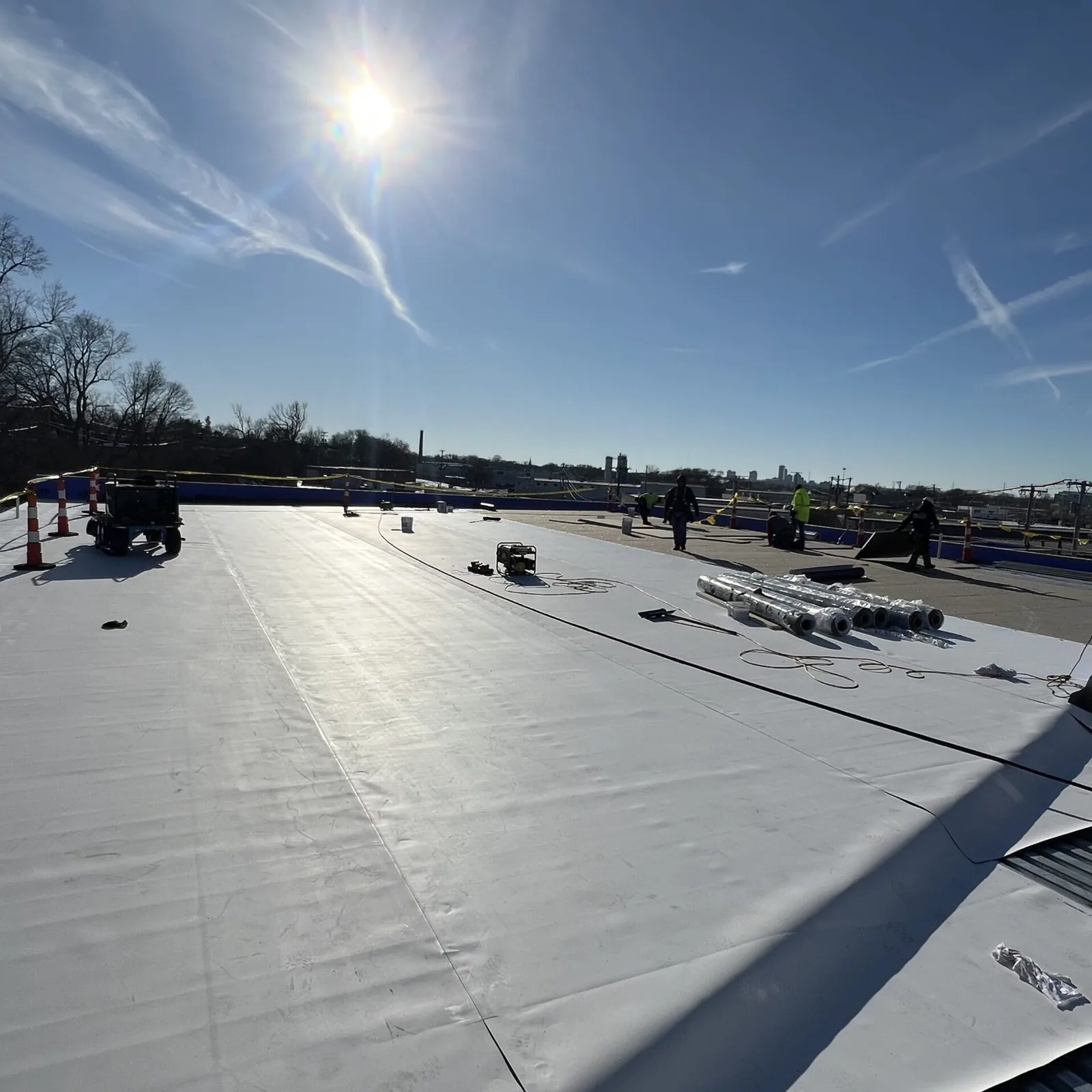
Surface temperature log: a black EPDM field reading far above the afternoon air temperature, with the splice tape along the south run still flat and the sealant at every cut edge intact. On a Conejo Valley retail box with its loading dock on the south side, that finding is ordinary, and it explains why rubber membranes have stayed on commercial roofs for so long: the sheet tolerates heat that stresses other materials, provided the seams and flashings receive the care the field never needs. For an owner in Thousand Oaks, CA, Carlisle SynTec is the maker of that sheet under the Sure-Seal name, and of TPO, PVC and fleece-backed membranes as well. The survey question is which of those the building carries and how much service life remains in it.
Carlisle SynTec Roofing Systems
Roofing Manufacturers
Call our team
Written findings and options
Thousand Oaks, CA
Ventura and Los Angeles counties
Line-up: Sure-Seal, Sure-Weld, Sure-Flex and the fleece-backed sheets
Carlisle SynTec sells Sure-Seal EPDM, a vulcanized rubber sheet that is spliced with tape or adhesive, Sure-Weld TPO and Sure-Flex PVC, both of which are joined by hot-air welding, and a fleece-backed family in which a fabric layer on the underside grips the bonding adhesive. A self-adhering membrane can also suit some difficult substrates, but we check its manufacturer and compatibility before specifying it. The choice among them follows the building: EPDM for large simple roofs that need a long-lived rubber, TPO where reflectivity and welded seams matter, PVC where grease or chemical residue lands on the sheet, and fleece-back where the existing substrate is uneven or a recover is planned.
An owner who inherits a roof often does not know which family it is. We identify the membrane by its markings, thickness and seam type, then record it with the attachment pattern and the age of the insulation. That record is the baseline every later decision references, and it is the same step whether the next move is a repair, a coating or a replacement.
Heat: black rubber, white sheet and the summer record
In September 2020 a Woodland Hills station read 121 degrees Fahrenheit, a record for Los Angeles County, and forecasters at the Los Angeles/Oxnard weather office have posted Extreme Heat Warnings that span the shoreline and the inland valleys of both counties. A dark membrane on a roof in that weather runs much hotter than the air, and each day of sun and each cool night moves the seams and flashings a small distance. Black EPDM absorbs that cycle well. It also falls short of the cool roof criteria in the 2025 California Energy Code on its own, which applies to permit applications filed from January 1, 2026.
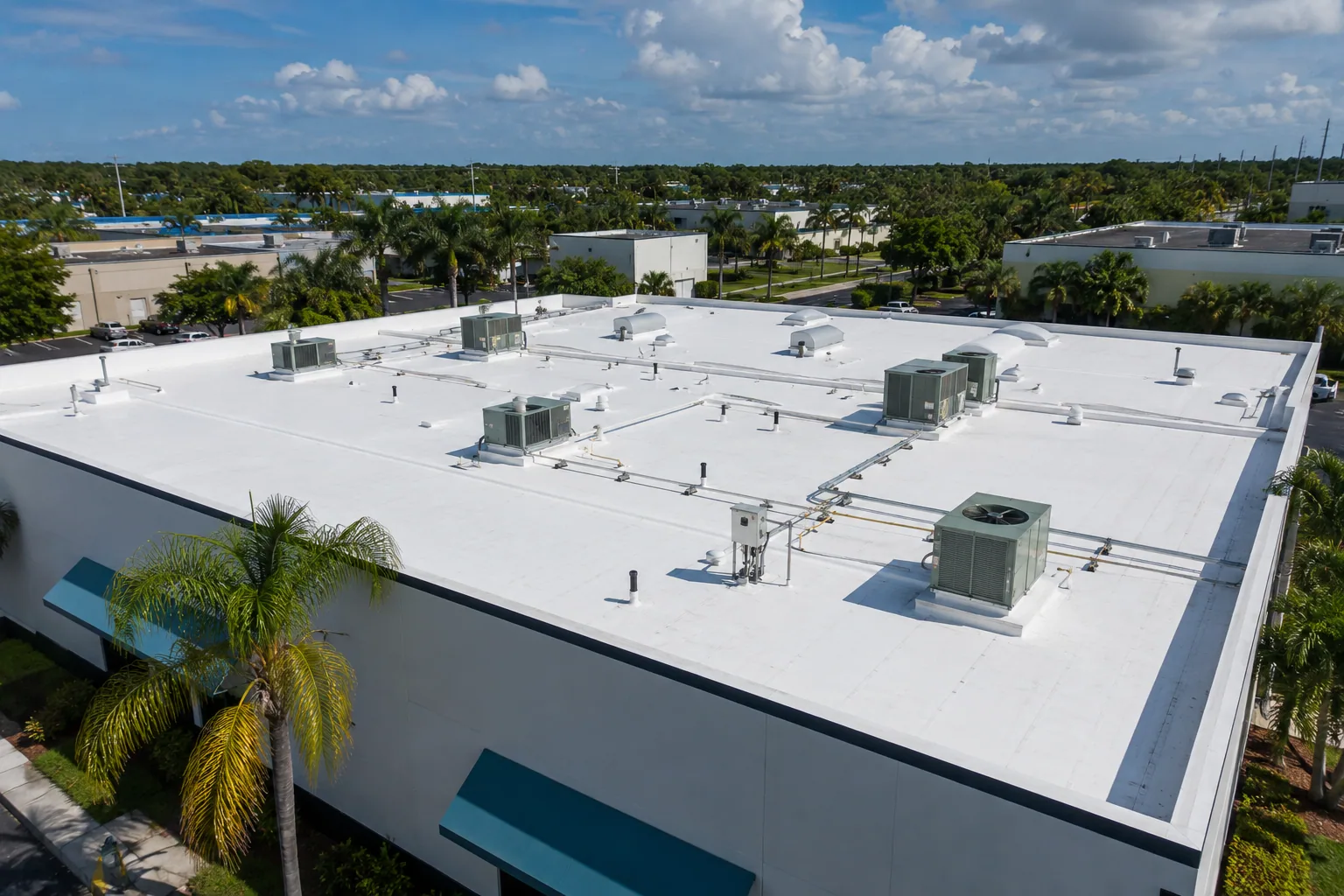
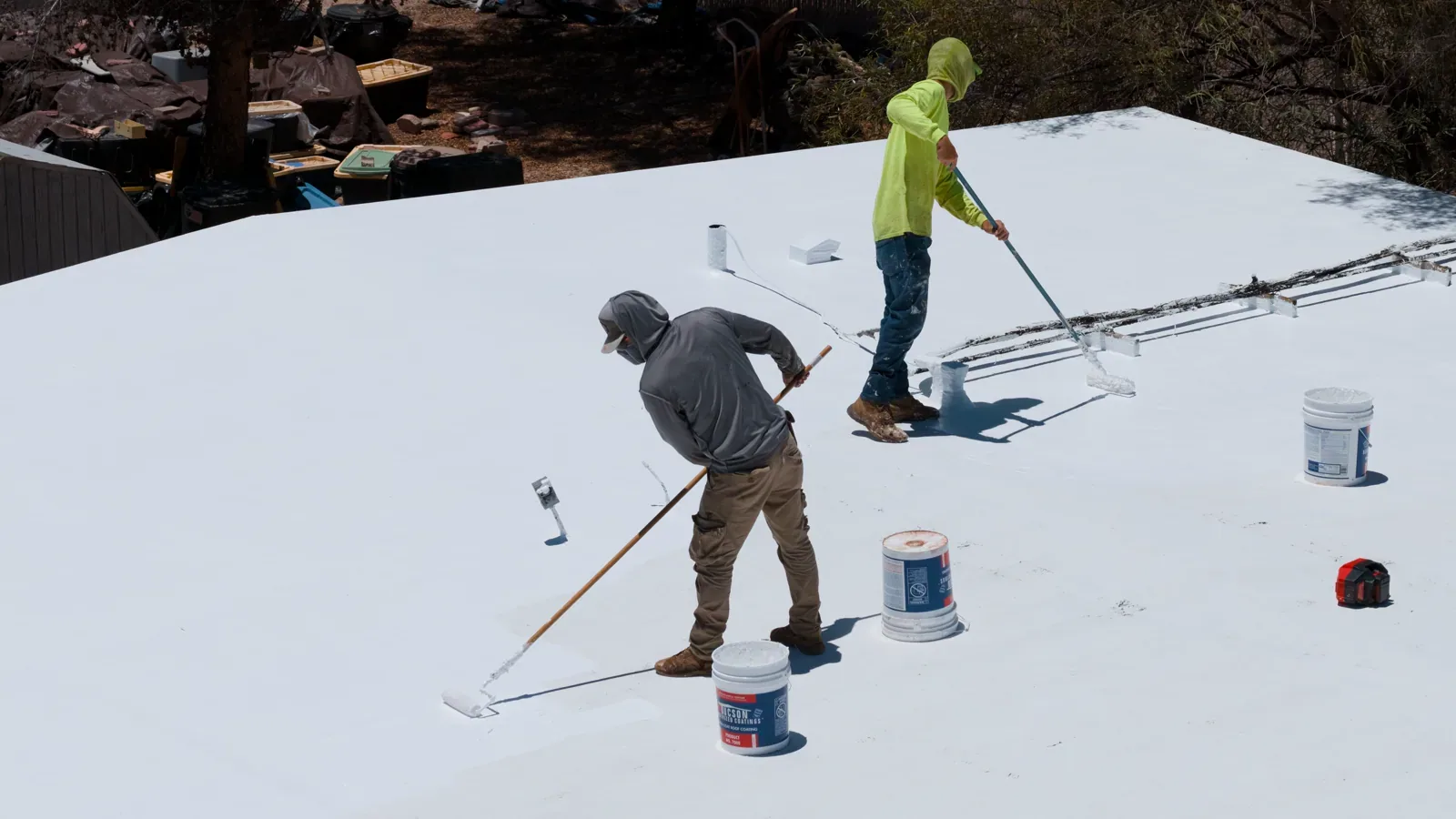
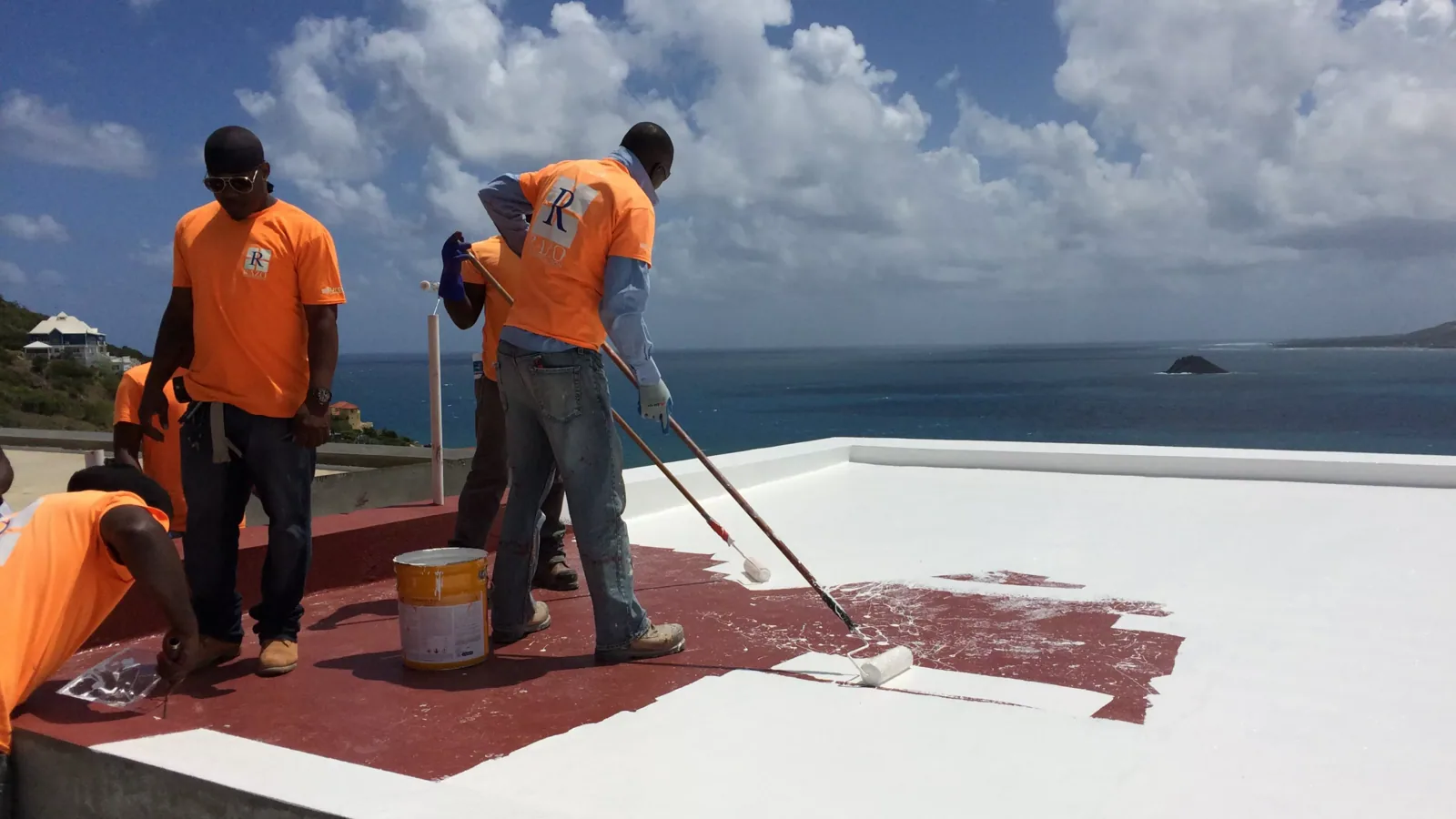
At a reroof that means a white-surfaced EPDM, a white TPO or PVC sheet, or a reflective coating over an existing rubber roof. We lay out those choices with the insulation and cover board below them, because the code review looks at the whole assembly. Where the owner wants the lower first cost of leaving the rubber in place, a cool roof installation over a sound EPDM field is often the practical path.
Retail: boxes that change tenants and roofs that change hands
The Oaks is a 1.3 million square foot regional mall with a 14-screen AMC, and Stockdale Capital Partners acquired it from Macerich late in 2024. That ownership change makes roof condition part of the property review alongside leases and insurance renewals. A buyer needs to know which membrane covers each section, what repairs are documented and whether warranty terms carry through the transaction.
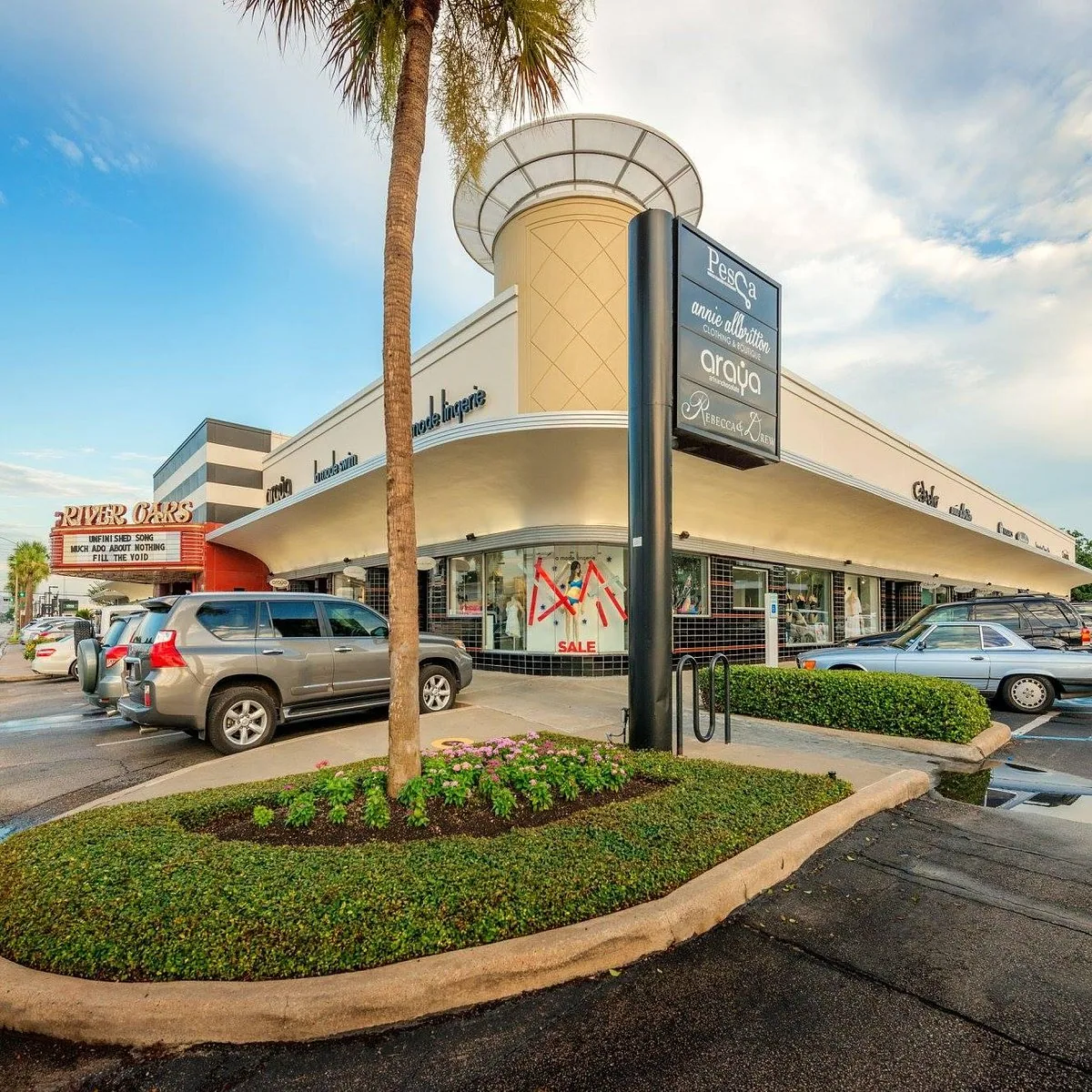
Retail additions can have different systems under one property name, so we survey by roof section and tenant space instead of assuming a uniform assembly. The report gives ownership a practical repair sequence: address active leaks first, plan sections approaching replacement and leave sound areas in service where the survey supports it. We compare shopping center roofing phases and tenant interfaces before recommending a repair or replacement.
Seams: tape, welds and the probe that finds the gap
EPDM roofs fail at their joints before they fail in the field. Splice tape depends on a clean, primed surface and on pressure rolled in at the time of installation, and where either was skipped the edge of the seam lifts and a channel opens. Pipe boots and curb flashings made of uncured rubber shrink and harden with age, and the corners go first. TPO and PVC welds fail differently, through a cold weld or a contaminated lap, and the probe finds those the same way it finds tape gaps.
Every seam in the survey area is probed and the lifts are flagged on the plan. A confirmed seam failure repair uses the right method for the material: new tape and primer on rubber, a cleaned and welded patch on thermoplastic. We do not mix methods, because a repair that is chemically wrong for the sheet fails again at the next heat cycle.
Recover: when fleece-back goes over what is already there
A roof with a sound deck and dry insulation can sometimes take a new membrane over the old one, which saves the cost of tear-off and keeps the building in use. A fleece-backed sheet is well suited to that sequence because the fabric backing bridges small irregularities in the substrate, while the adhesive bonds it without fasteners through the old layers. Preparation does the rest: loose gravel removed or covered with board, blisters opened, wet areas cut out, and attachment calculated for the wind loads at the edges.
A roof recover overlay is a one-time option, and the survey tells the owner whether it is still available. Core cuts and a moisture scan decide that, and the building code limits how many layers may remain. Roofs that have already used their overlay go on the replacement schedule. The report states which path applies, so the choice is made once and from evidence.
Records: reading a warranty against the roof
System warranties are issued by the manufacturer on its own terms, with conditions for materials, installation and maintenance, and an uncontrolled repair or a new rooftop unit installed by another trade can create a dispute. We read the warranty before touching the roof and photograph the condition after every visit. Owners comparing EPDM across makers, including Holcim Elevate and Versico, receive the same checklist for each, so the differences in the sheet and the paperwork are visible side by side.
At a building in Camarillo Old Town, Carlisle system selection still begins with the actual substrate, attachment and exposure on the roof, then accounts for how occupied businesses need the work phased.
Commercial Roofing Questions
Does black EPDM still make sense under the energy code?
Not on its own at a reroof, since cool roof criteria favor a reflective surface. A white-surfaced sheet or a coating over sound rubber is the usual way to meet them.
What fails first on an aging EPDM roof?
Seams and flashings, well ahead of the field sheet. Splice tape and uncured flashing rubber age faster than the cured membrane, so the probe goes to the joints first.
Can a fleece-backed membrane go over an old gravel roof?
Often, with preparation. Loose stone is removed or covered with board, moisture is checked by scan and core, and the attachment is calculated for edge wind loads.
Who stands behind the warranty on a Carlisle SynTec roof?
The manufacturer, on terms that cover materials and installation with conditions for upkeep. We read those terms first, so no repair puts them at risk.
How do tenant improvements affect an existing membrane?
Each added unit brings new curbs, penetrations and foot traffic. We log those changes, add walk pads where traffic concentrates, and confirm that the flashing was done to the roof's detail.