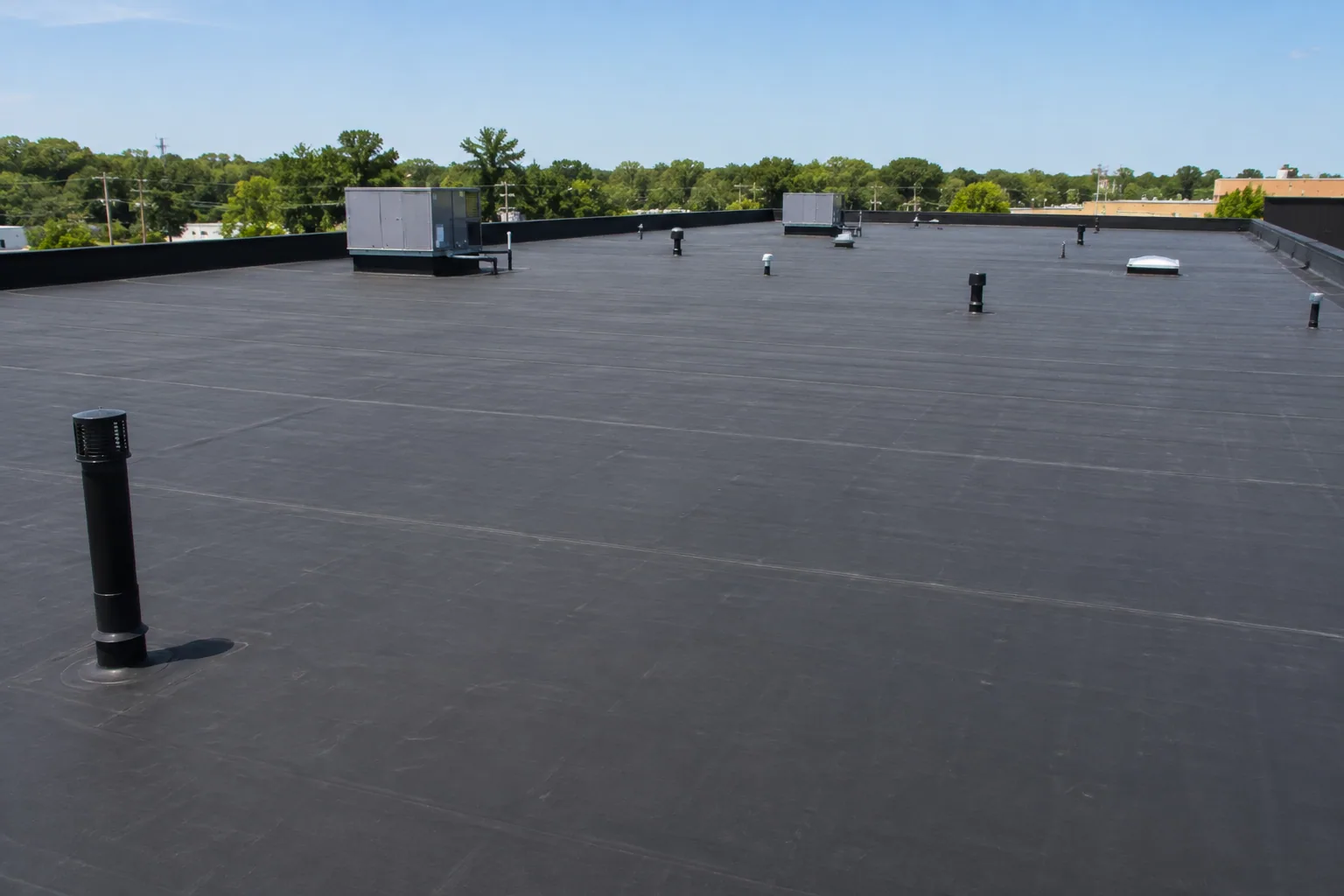
Versico Roofing Systems in Thousand Oaks, CA
Roofing Manufacturers · Thousand Oaks, CA
Deck fastener pull-out, bay 7: readings varied widely across a single bay of steel deck, and the weakest values sat where fasteners had landed beside the rib instead of on its top flange. On a light-industrial building in the Conejo Valley, that scatter is more important than the membrane condition above it, because a mechanically attached single-ply roof is only as secure as the deck it is screwed into. Versico supplies TPO, EPDM and PVC single-ply systems, along with the insulation and accessories that go with them, and its assemblies are commonly fastened to steel decks. For an owner in Thousand Oaks, CA the survey therefore starts one level down, with the deck and the fasteners, and reaches the membrane second.
Versico Roofing Systems
Roofing Manufacturers
Call our team
Written findings and options
Thousand Oaks, CA
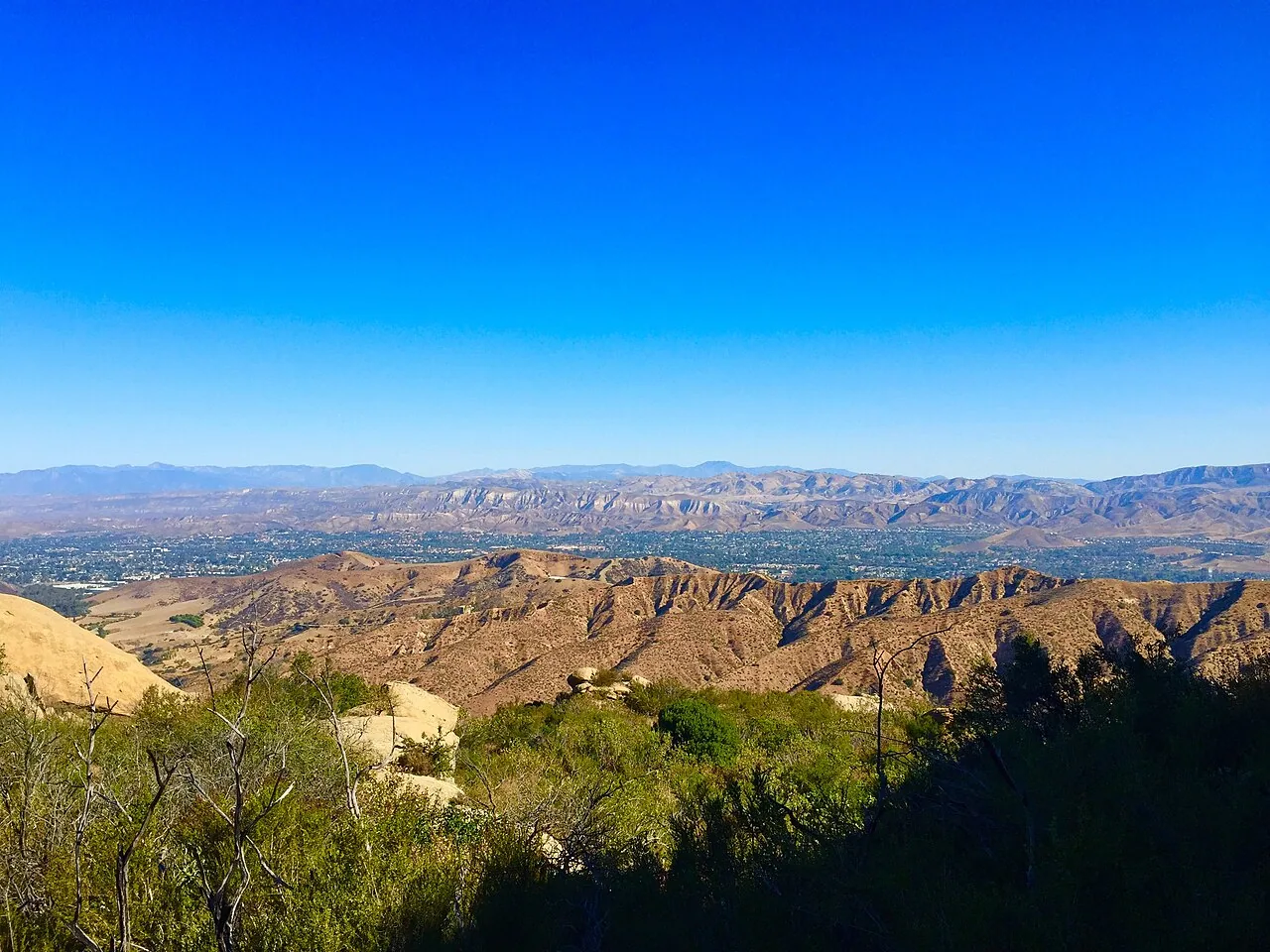
Ventura and Los Angeles counties
Range: VersiWeld TPO, the rubber and PVC sheets, and their accessories
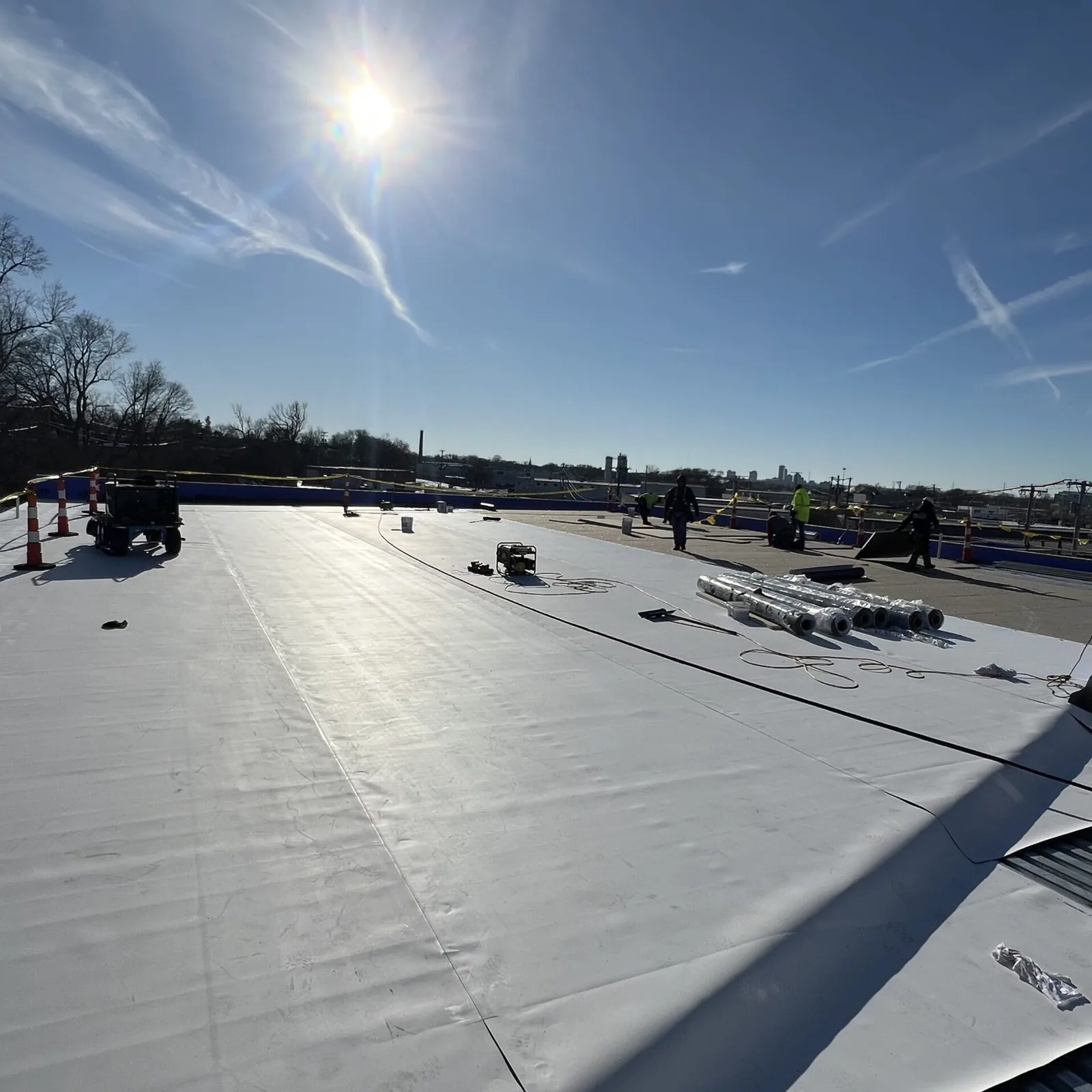
Versico sells its TPO as VersiWeld, a hot-air welded thermoplastic offered for mechanically attached, adhered and ballasted installations. The company also supplies EPDM and PVC sheets, polyisocyanurate insulation, cover boards, adhesives and prefabricated flashing accessories. An owner who meets Versico as a roof label may find a fastened TPO membrane over polyiso on a corrugated steel deck, which is an economical assembly when the deck is sound and the fasteners are tight.
That economy has a condition attached. The assembly performs only if the hardware and the deck hold. Our survey logs sheet type, thickness at a sample cut, attachment pattern, insulation condition and the state of the deck wherever it is visible from below, then ranks the roof on a condition index. Owners comparing this maker with Carlisle SynTec receive the same fields for both, which makes the choice a matter of assembly details and not of marketing.
Industrial: Simi Valley's fabrication shops and the steel deck
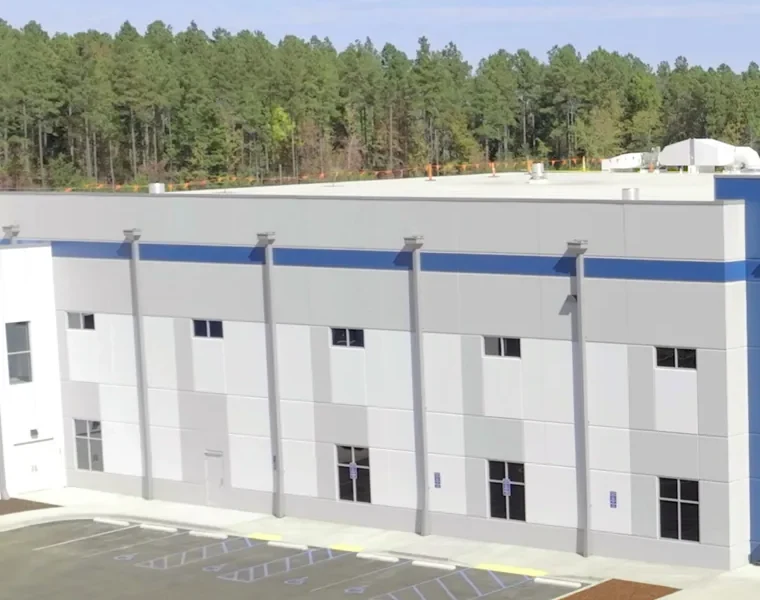
Simi Valley counts machinery and tools as its largest industrial category, with 69 firms, followed by metal manufacturing with 51, and its industrial parks are dense with metal-deck buildings. Employers there include AeroVironment, Meggitt Safety Systems and Milgard Windows and Doors. Machine shops and metal fabricators can put oil mist, metal fines and process exhaust into the air above the building, and some of the discharge lands on the roof. On a white sheet the stain is cosmetic at first. Over time, grease and fines attract dirt that raises surface temperature, and rusting metal particles can mark the membrane and corrode the plates beneath it.
For manufacturing plant roofing we map the exhaust stacks, check the downwind surfaces and inspect fastener plates for rust. In Simi Valley, where metal-deck buildings fill the industrial parks, a program that begins at one building can extend to its neighbors with the same checklist.
Fasteners: flutter, plate wear and the screws that back out
In wind, a mechanically attached sheet moves. It billows between rows of fasteners and snaps back, and each cycle rubs the membrane against the edge of a plate. Over many Santa Ana events the sheet wears at every plate line, and the first sign is a row of small wear marks or hairline tears along the line of fasteners. Separately, rooftop equipment vibration and thermal movement can back a screw out of a thin deck flange, so the plate rides above the sheet and pushes a bump into it.
Santa Ana gusts reached up to 70 mph during the 2017 Thomas Fire in Ventura and Santa Barbara Counties, and were forecast above 65 mph for the 2024 Mountain Fire near Somis and Camarillo. A plate line on a fastened sheet takes that kind of loading cycle after cycle. We press every plate by hand, mark any that spin or lift, and re-seat or replace them into sound deck. Where the deck is too thin or too corroded to hold a fastener, the report says so and the plan changes from a repair to a deck correction before the next membrane goes on.
Hangars: Camarillo Airport and the long-span shop roof
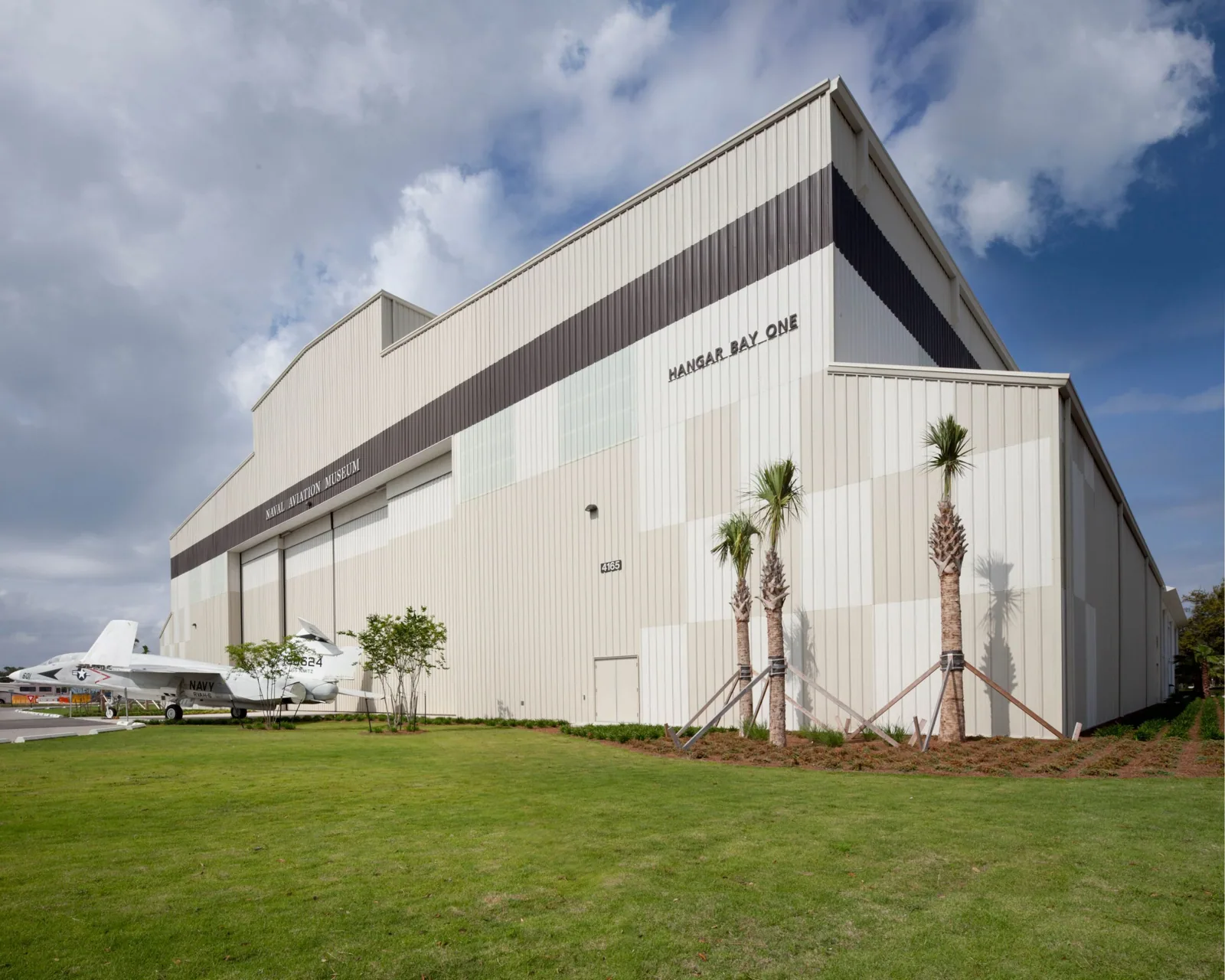
Camarillo Airport covers 650 acres of county land about three miles west of the center of Camarillo; its 6,013-foot runway serves general aviation, and its tenants range from flight schools and charter operators to aircraft maintenance providers, with fire and sheriff support facilities alongside. That tenant mix means hangar and shop roofs, and those are structures with large clear spans and wide door openings. Large door openings can change the wind picture at the roof edge, and long spans leave less margin for added loads.
Roof work on an aircraft hangar is planned around the activity beneath it. Debris control matters because aircraft share the space, so the plan covers sweeping, magnet sweeps and tarps. At Camarillo Airport the access routes and the schedule of operations come first, and the lessee or the county confirms what it needs before a section is opened.
Repair: patching a fastened sheet and judging what remains
A fastened TPO roof can be repaired by welding patches over tears and re-seating plates, and it often performs for years after such work. There are limits. If the sheet has lost its flexibility, if the insulation has taken on water over a wide area, or if the deck is corroded at many locations, repair spending delays the inevitable and a replacement date goes into the plan. A moisture scan and a handful of cores establish which situation applies, and the cost of each is measured against the cost of replacement.
The survey also records the quick wins: clearing debris from scuppers, sealing pitch pockets, adding walk pads below equipment and replacing missing fasteners. Those items protect a roof that has years left. Anything beyond them is a conversation about timing, not about whether the roof will leave service, and an aging TPO roof at that stage usually ends in a dated plan.
Record: pull-out values, plate counts and the next owner
The report holds pull-out results by bay, plate counts at the perimeter, seam probe notes, photographs and a plan marking each repair. Owners in Moorpark, which supported 12,235 jobs in 2017 and sits at the north end of State Route 23, can hand this record to a lender or an insurer without a second visit. It also gives a facility team a reference for later work, since they can see which bays were checked and compare future readings to the baseline. For owners who prefer a modified bitumen assembly on a similar deck, Soprema systems come up in the same comparison.
Commercial Roofing Questions
Why do fasteners back out of a steel deck roof?
Vibration from rooftop units and the sheet's own movement in wind work them loose, especially in a thin deck flange. A plate that rides high pushes a bump into the membrane.
How is a fastened TPO roof tested for wind readiness?
Pull-out tests at sample locations tell whether the deck will hold a screw, and a hand check of plates, edge metal and seams shows the rest. Results are logged by bay on the roof plan.
Can a hangar roof be worked on with aircraft inside?
With debris controls, tarps and a clear schedule, often yes. The plan covers magnet sweeps and protects aircraft and equipment under the work area.
What do machining and metal shops do to a membrane?
Oil mist and metal fines settle downwind of stacks and can rust, stain and trap heat. We map the discharge points and inspect plates and seams on those surfaces first.
When is a Versico roof beyond repair?
Once insulation is wet across a broad area, the sheet has lost its flexibility or the deck is corroded in many places. Cores and a moisture scan show which one applies.