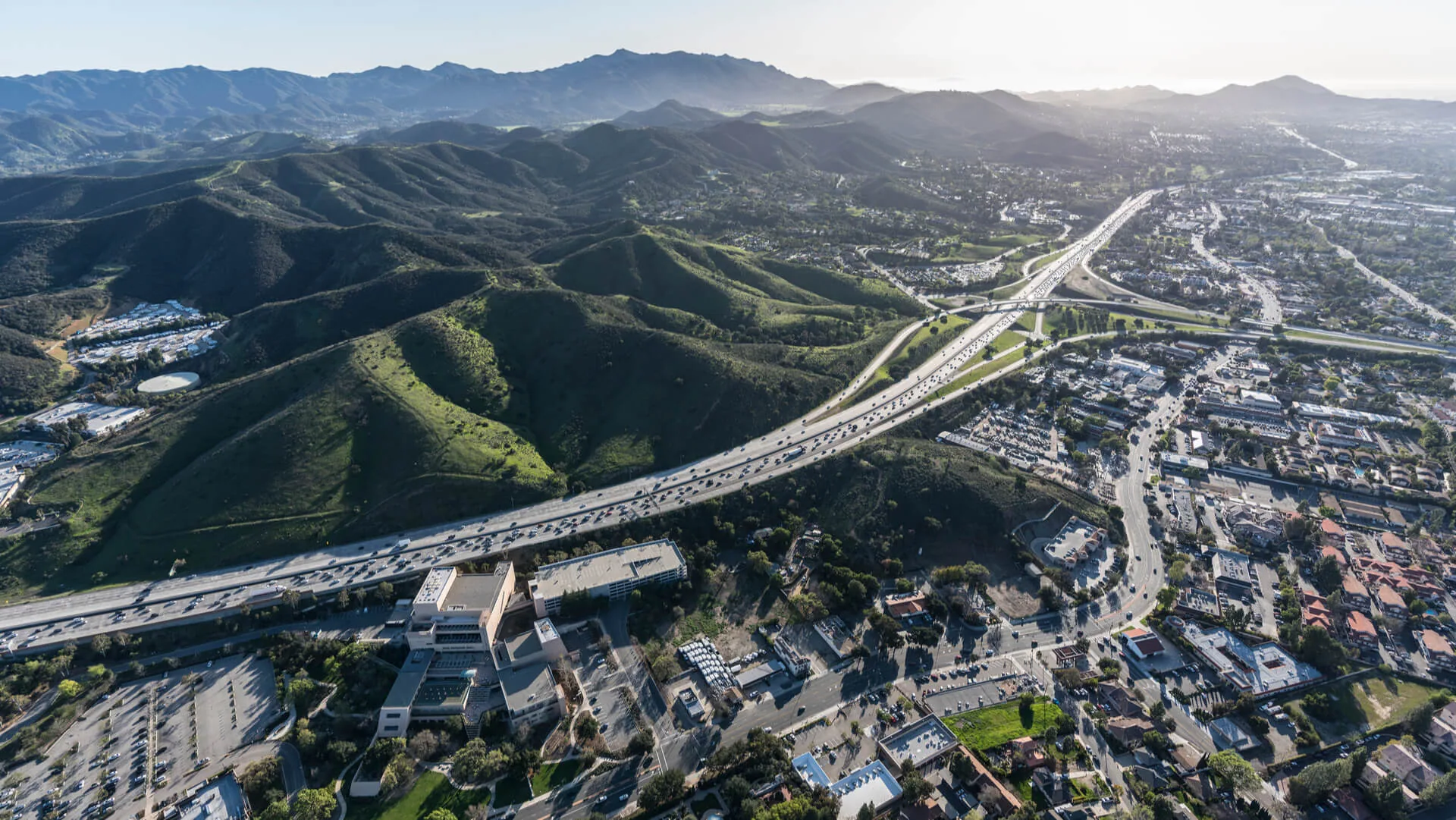
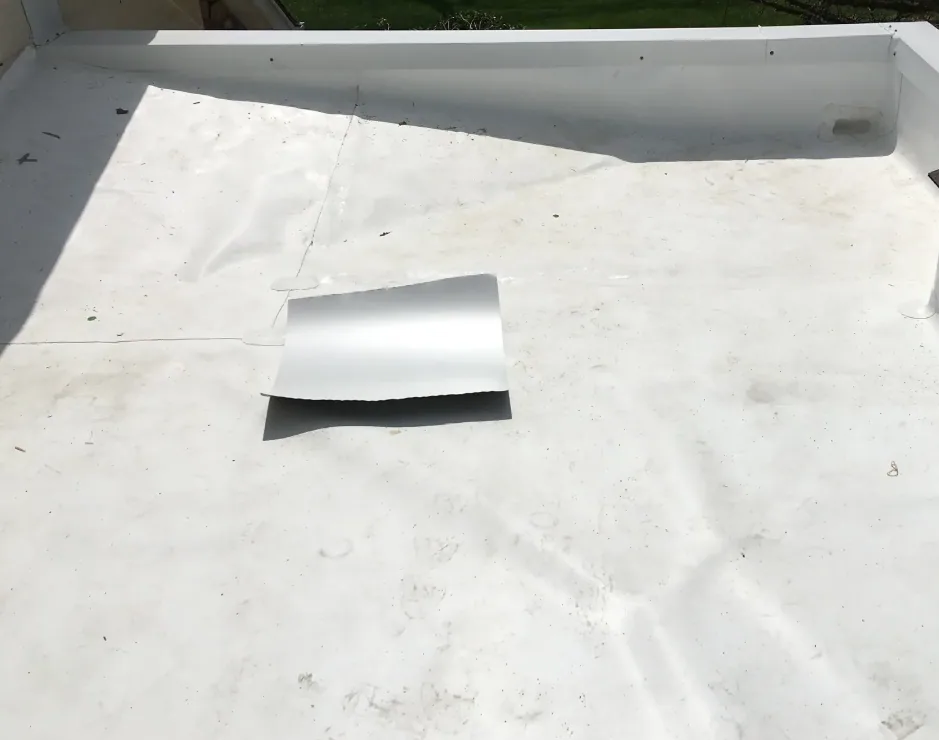
Incident sheet, first morning after the gusts: lifted edge metal on the west parapet, a rooftop unit panel found on the membrane, and fine ash settled in every low spot. The sheet does not yet say whether the roof was damaged or only disturbed, and that distinction drives the repair, the claim and the budget. Damage repair in Thousand Oaks, CA starts by sorting what the event actually changed from what was already worn, then fixing the first and scheduling the second.
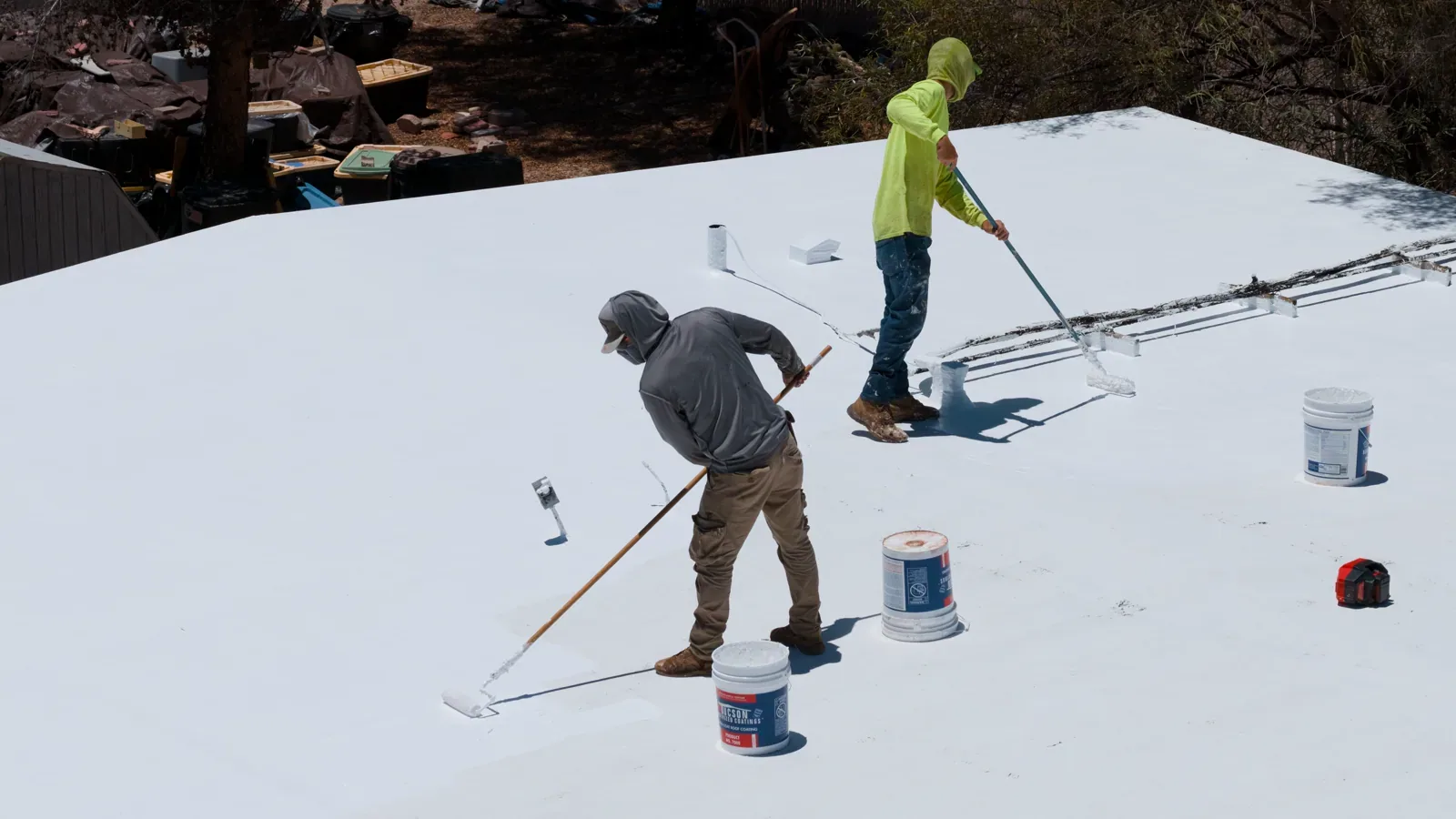
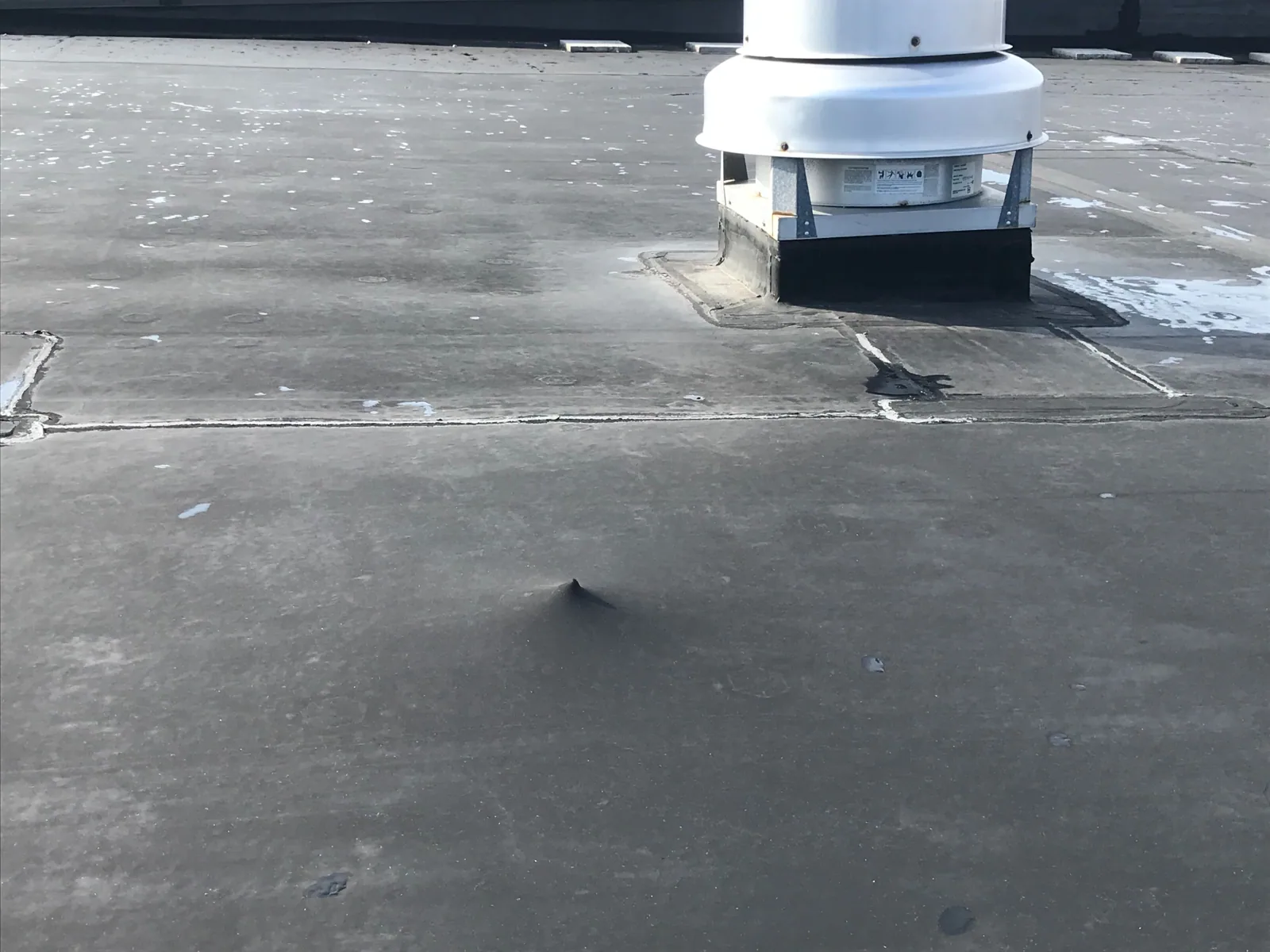
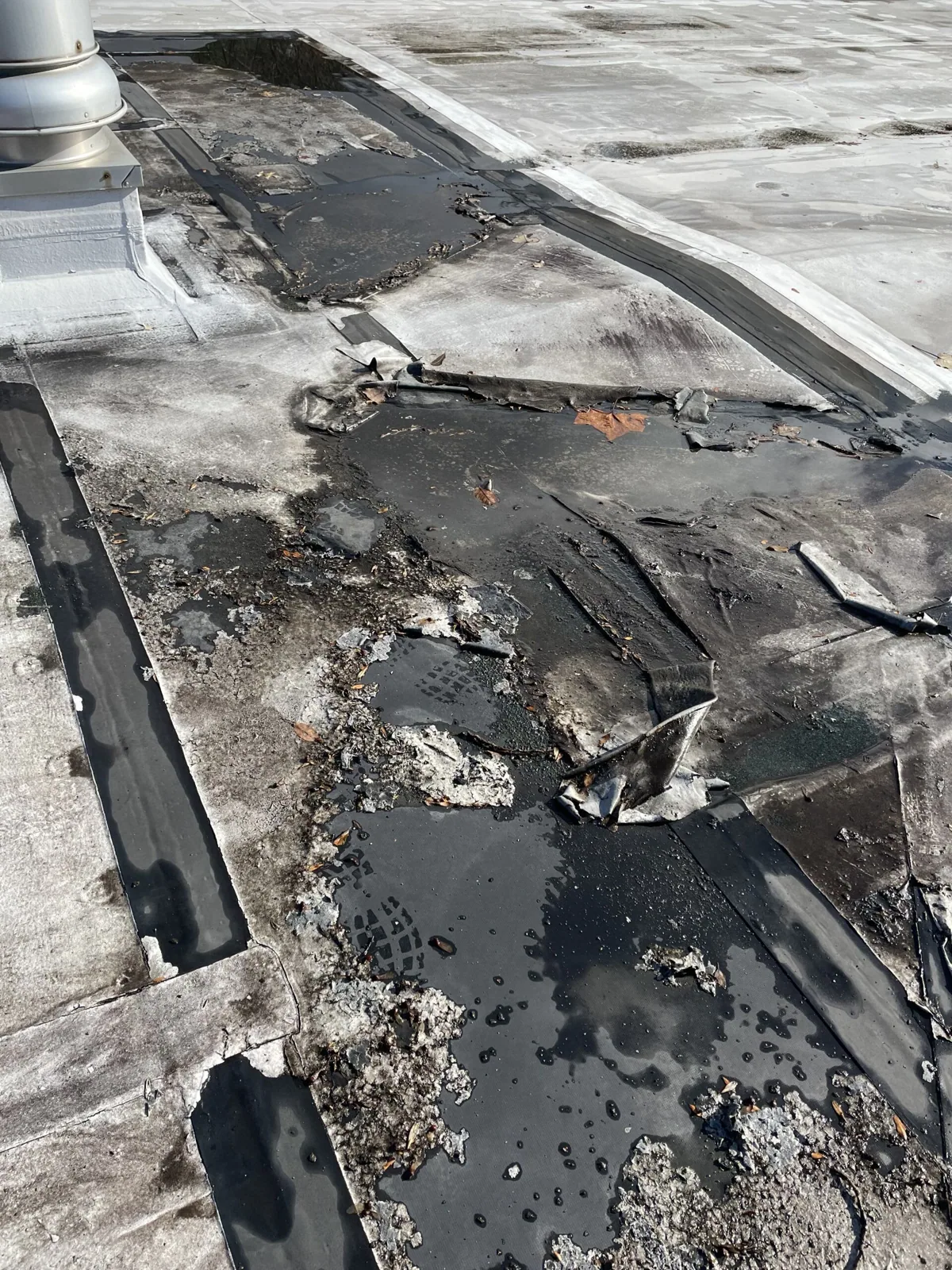
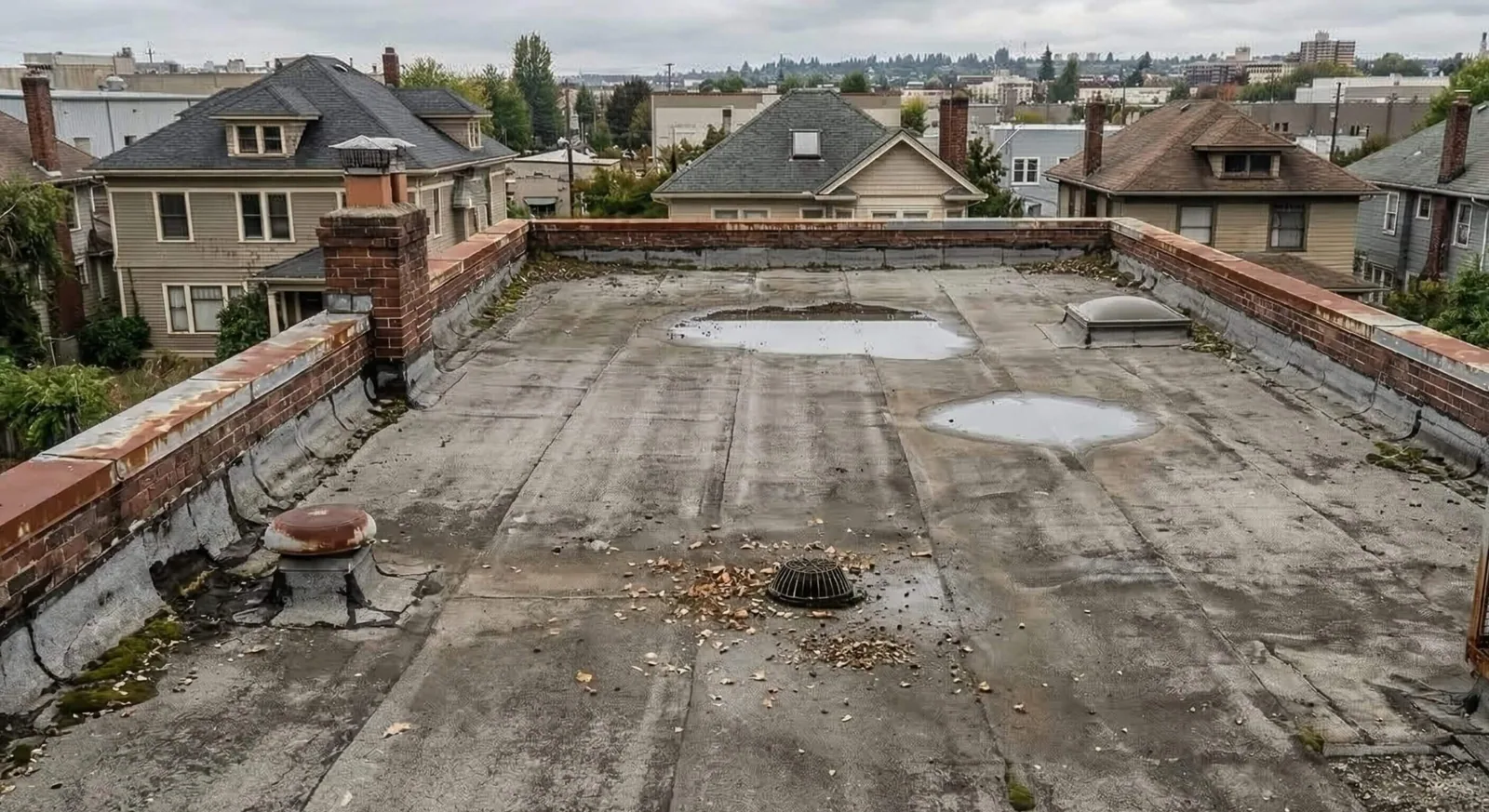
Wind and fire: the events that define local risk
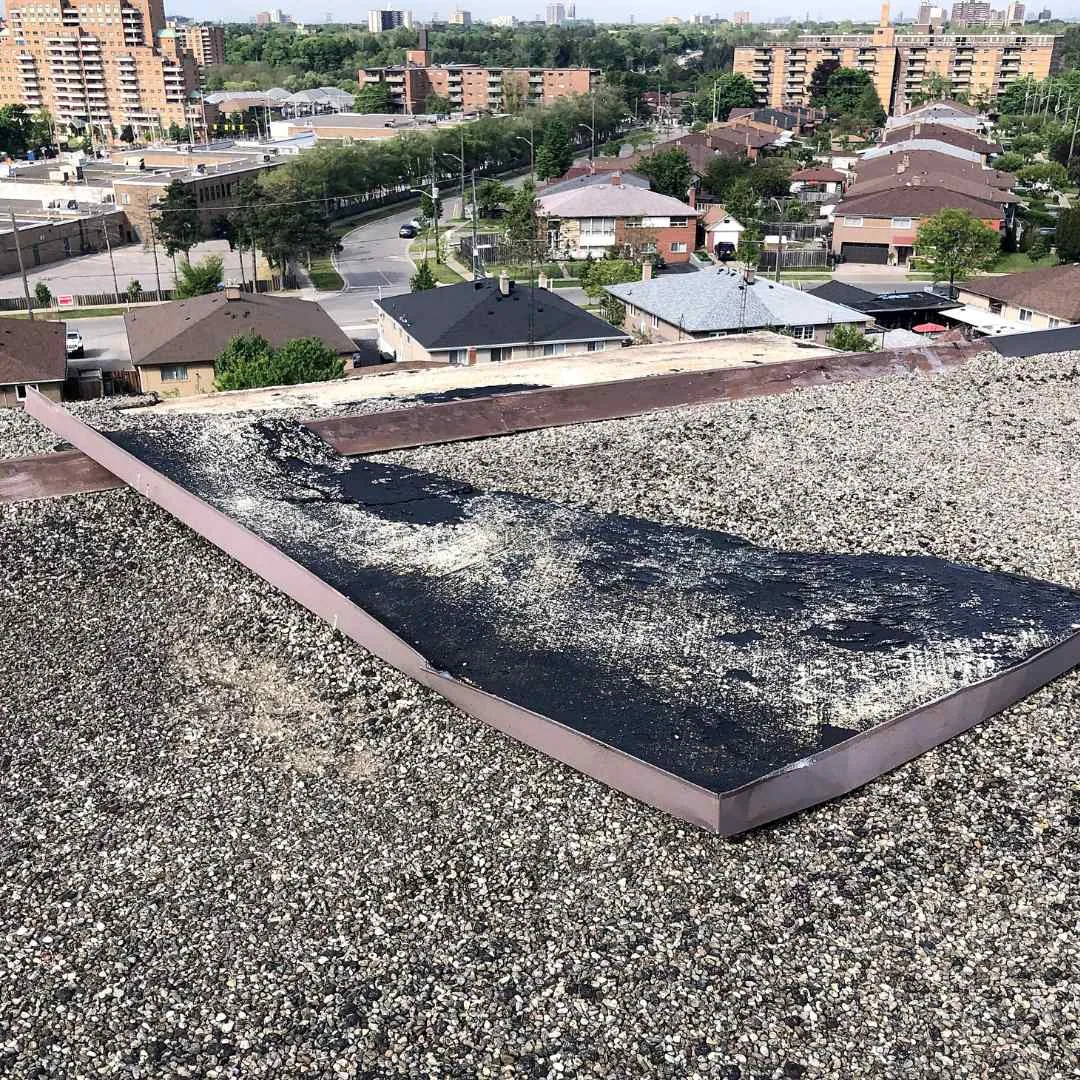
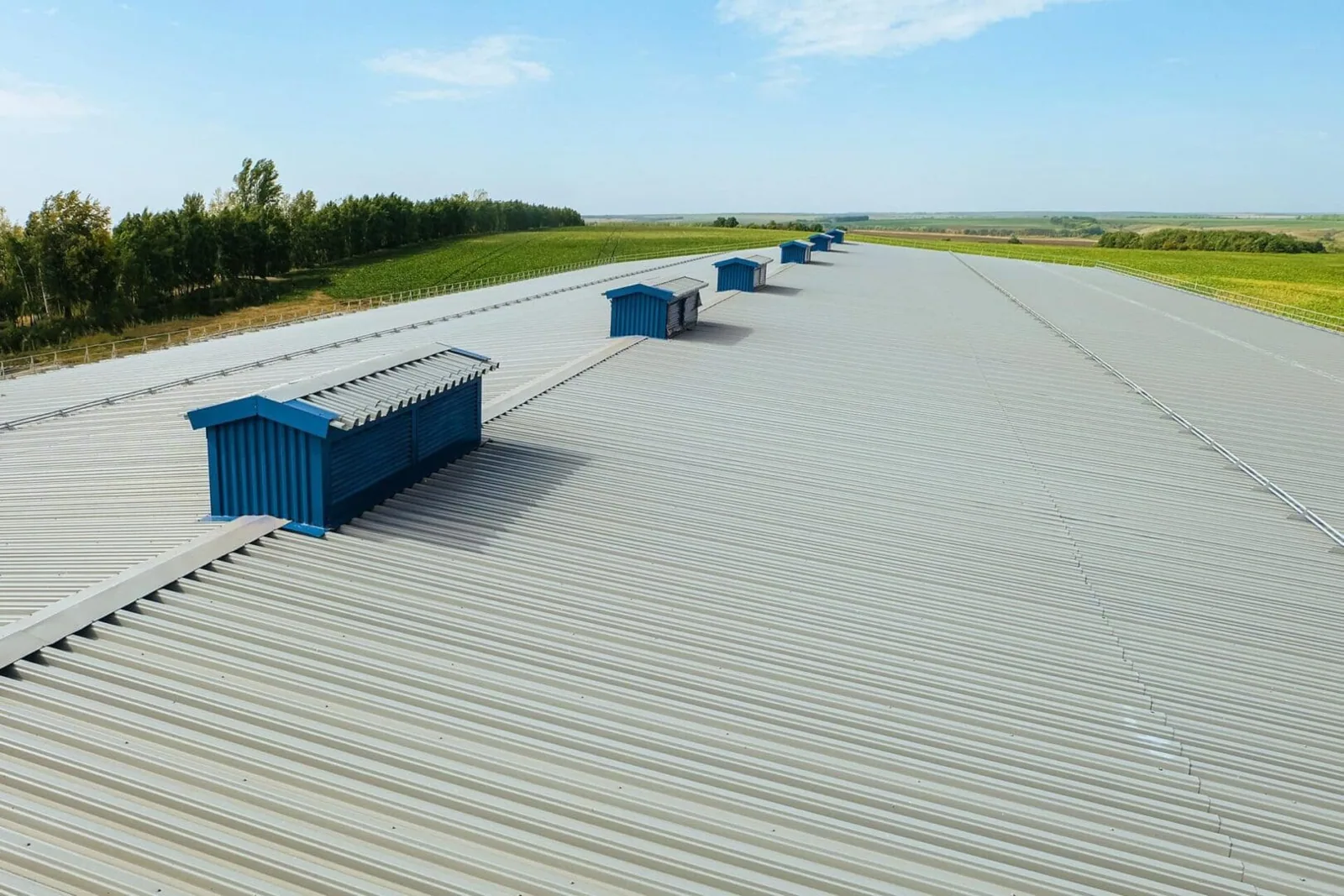
Santa Ana winds can exceed 40 mph, and in the Woolsey Fire of November 2018, which affected Thousand Oaks and Newbury Park, they reached 50 to 60 mph. Wind damage roof repair looks first at edge metal, copings, rooftop equipment and the perimeter of the membrane, where uplift concentrates. Fire damage roof repair covers scorched membranes, heat-damaged flashing and ember burn marks, and it needs a written record of cause for the carrier.
Water: ponding, flashing and seams
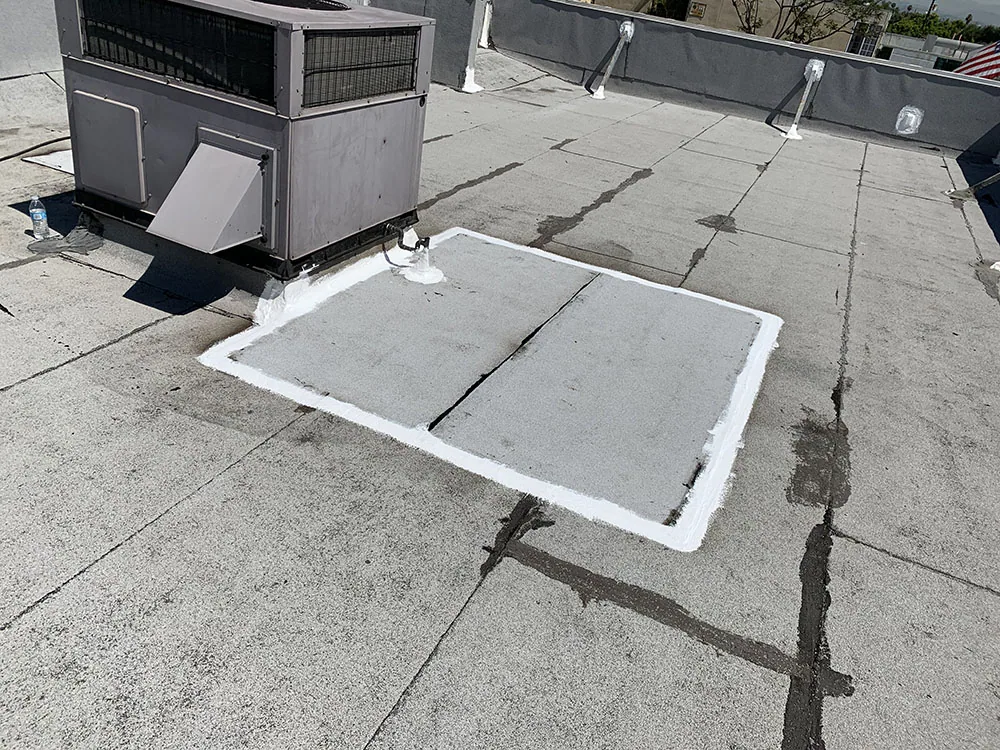
A drainage fault can sit unnoticed for months, because rain in Newbury Park, about ten inches a year, comes mostly in a short winter season and then arrives all at once. Ponding water roof repair corrects low spots, clogged drains and sagging deck sections. Flashing failure repair rebuilds terminations at walls, curbs and penetrations, and seam failure repair re-welds or re-bonds laps where heat cycling has pulled them open.
Surface wear: punctures and sun
Foot traffic and equipment service leave their mark. Membrane puncture repair closes cuts and tears from service techs, fallen debris and tools. Heat and UV roof damage repair addresses crazing, chalking and brittle sheet from long summers in the sun. Neither looks urgent from inside, and both shorten remaining service life if the owner waits.
Response: temporary protection and the claim file
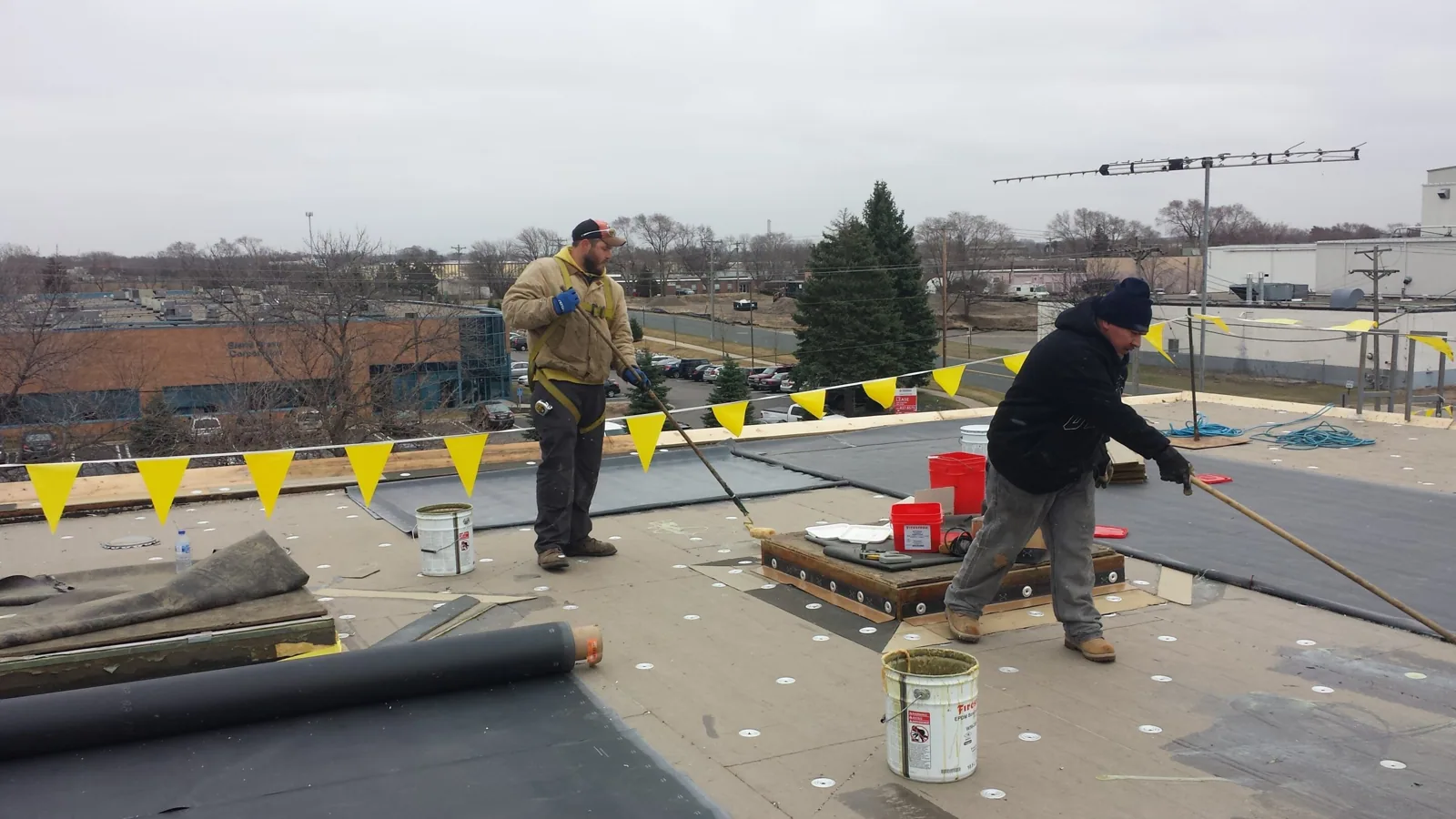
When a roof is open to weather, emergency roof repair secures the building first, any hour of any day. A fuller storm damage roof repair follows once the survey is complete, and the dated photographs and moisture readings from both stages go into the file used for roof insurance claim assistance. When a windstorm touches several buildings at once, the order of work follows the risk to each interior, which matters most in a district like Newbury Park, where the city's largest share of industrial and biotech buildings stands.
Planning: turning one event into a repair schedule
The November 2024 Mountain Fire destroyed 243 structures near Somis and Camarillo under extreme Santa Ana winds, and it shows that wildfire exposure in Ventura County is not rare. A repair is the first line of the response. The second is a revised condition index that records what the event changed, what it exposed and where the replacement horizon has moved, so the next budget cycle starts from real numbers rather than from memory.
Commercial Roofing Questions
How do you tell storm damage from ordinary wear?
Patterns separate them. Damage from one event clusters on the windward side or near the point of impact, while wear spreads evenly and tracks the sun-facing slopes.
Should an owner wait for the adjuster before tarping?
No. Stop the water first and document everything as you go. Photographs and moisture readings taken before and after the temporary work support the claim.
What should the first damage record include?
Photograph the affected area before covering it, note the event date, and mark any displaced metal or debris. We add moisture readings and a roof plan so the later repair scope can be compared with the initial condition.
When can permanent repairs be priced?
Once the roof is safe to access and the wet area is mapped. Temporary dry-in controls exposure first; the permanent scope follows after we know whether insulation, deck or only the membrane changed.