Commercial Roofing in Newbury Park, Thousand Oaks, CA
Service Areas · Thousand Oaks, CA
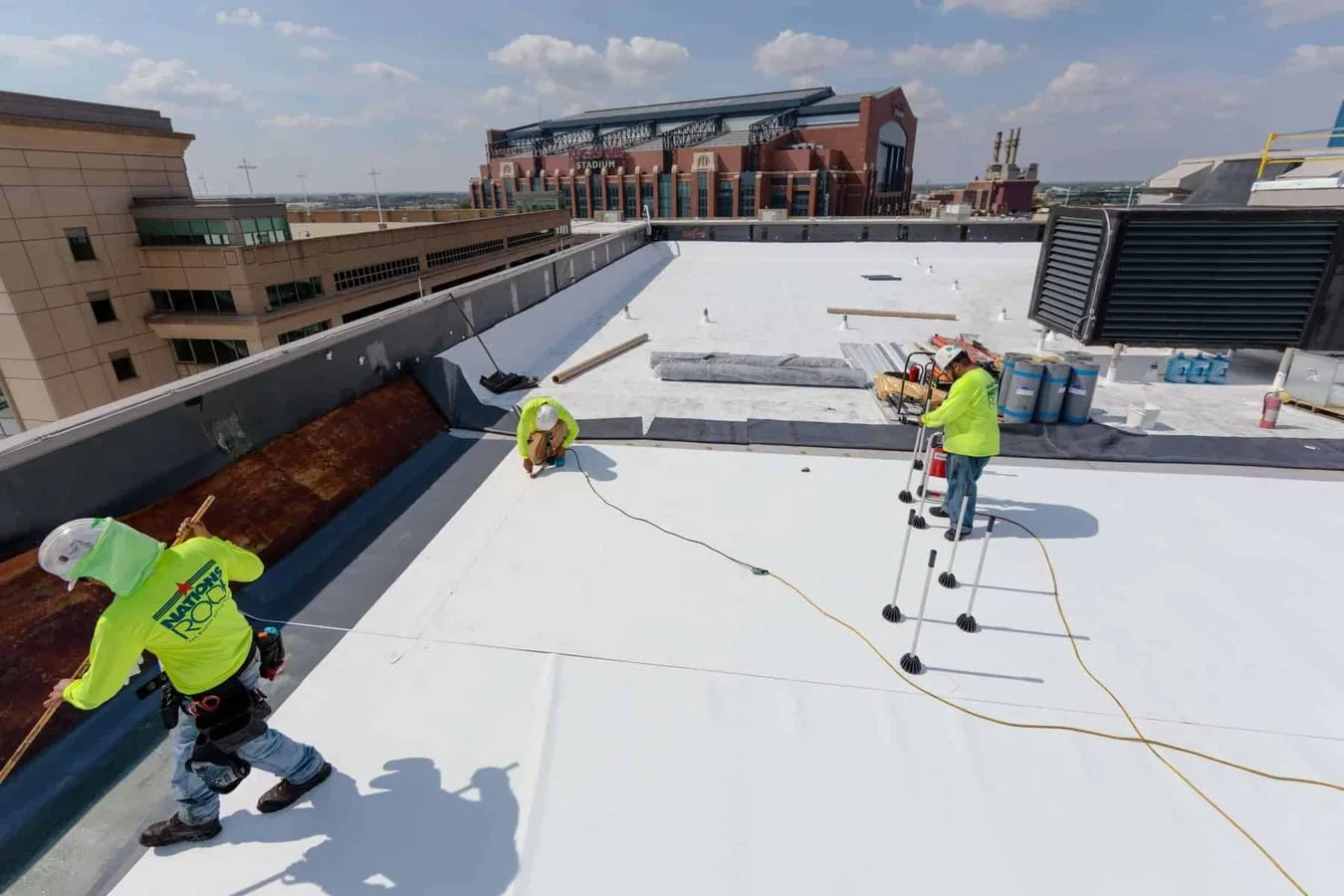
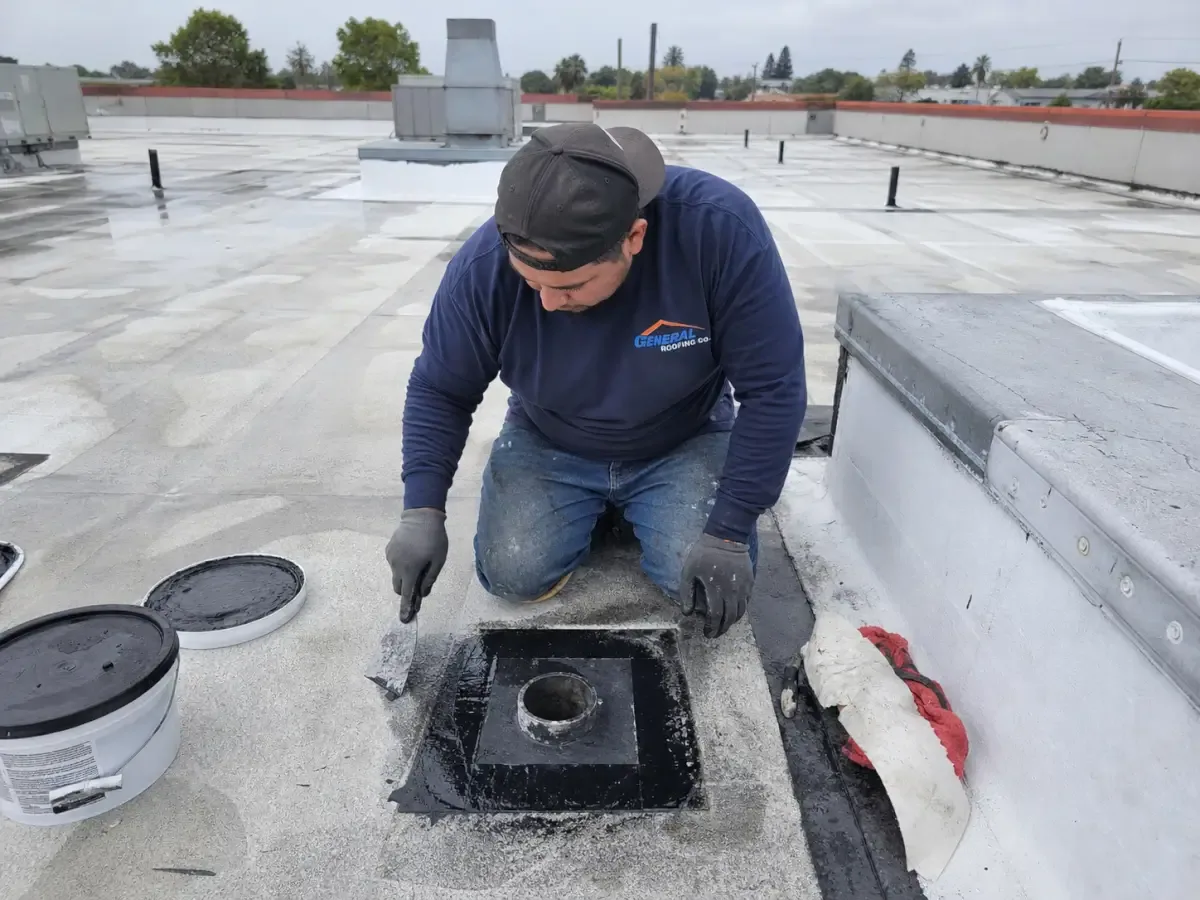
Research building roof, section two: the penetration count has roughly doubled since the last drawing, and two abandoned conduit stubs still stand open to the weather. A line like that is common on laboratory and office campuses that have been fitted out and refitted over the years, and it tells the owner something a leak report would not: the roof is no longer the roof the drawings describe. Newbury Park makes up roughly 40 percent of the land area of Thousand Oaks, CA, and carries the largest share of the city's industrial and biotech buildings. Our crews inspect and repair low-slope roofs on laboratory, research and industrial buildings, restore those that can be saved and replace the rest, and each survey is written so that it becomes the current drawing, with every penetration located, every membrane section graded and every deficiency ranked by the year it needs to be funded.
Newbury Park
Service Areas
Call our team
Written findings and options
Thousand Oaks, CA
Ventura and Los Angeles counties
Reach: 21 square miles from 500 to 2,828 feet
Newbury Park spans about 21 square miles, and its ground runs from 500 to 2,828 feet above sea level. That range matters to a roof survey because exposure does not stay uniform across it. Buildings at the two ends of that range share the Conejo Valley sun, but there is no reason to assume they meet Santa Ana gusts, embers or ash in the same way, so exposure is recorded site by site instead of assumed. For an owner with more than one building in the area, we therefore sort the portfolio by location as well as by roof type, put the most exposed sites first in the walk and note wind-related edge conditions separately from age-related ones. The result is a map of where the next event is most likely to find a weakness, which is a different and more useful thing than a list of roofs by age.
Campuses: laboratory, manufacturing and office roofs on one site
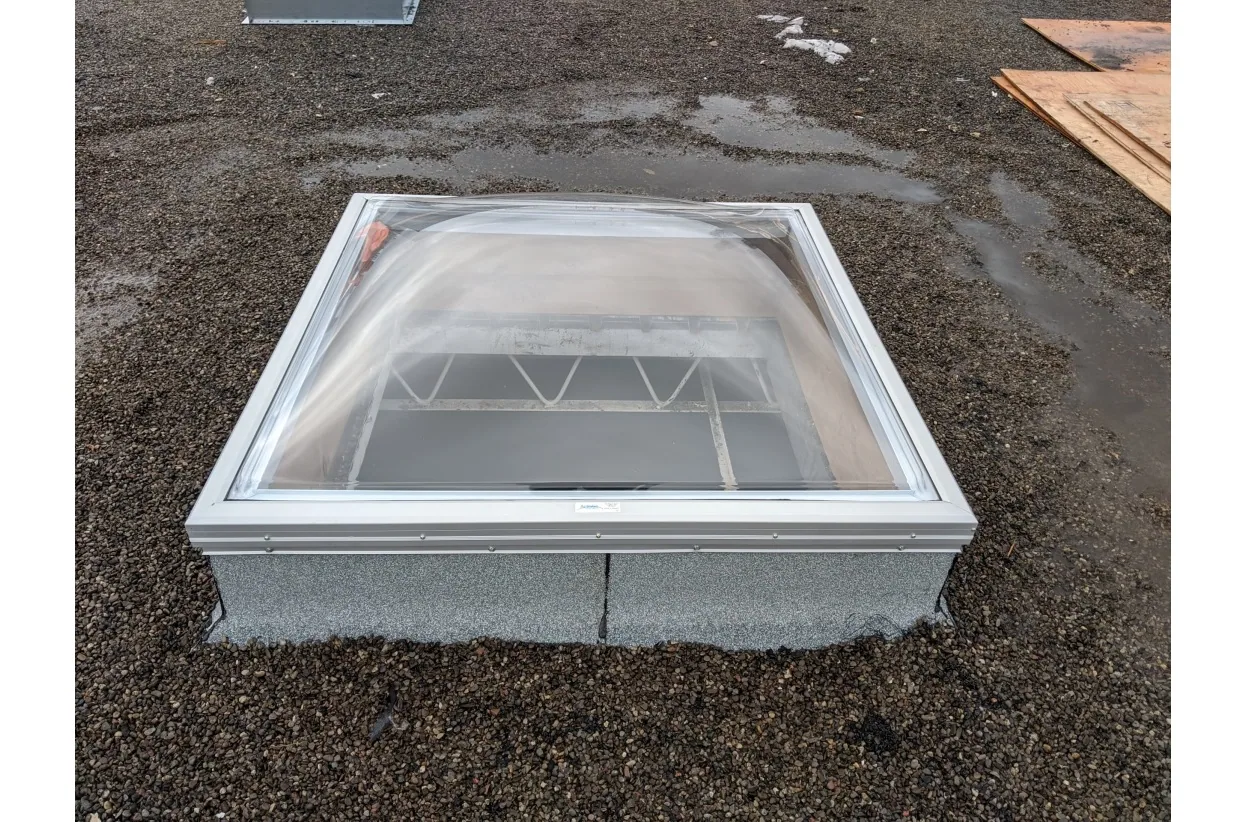
Amgen, called the largest employer in the Conejo Valley, employs approximately 7,000 people at its headquarters campus in the Newbury Park and Thousand Oaks area, and a biotech campus of that kind is built as several laboratory, manufacturing and office buildings instead of one. For a roofing plan, the headcount is not the point; the point is that multi-building campuses accumulate penetrations, rooftop plant and refits in each wing at a different pace. A laboratory building keeps adding exhaust and piping, an office wing adds condensers, and a manufacturing building adds process vents, so each roof ends up with its own penetration schedule and its own flashing risks. We survey campuses of this kind building by building, mark every penetration and curb, and grade the surrounding membrane in the same pass. That survey becomes a standing register, the working form of roof asset management, and every skylight and penetration flashing detail in it can be updated by facilities staff as equipment changes. Timing follows the same register: a wing with a shutdown scheduled for equipment replacement is the natural moment to renew the roof beneath it, because the curbs are already disturbed, and work done in the same window costs less than a second mobilization months later. Cost drivers on a campus are the number of penetrations to re-detail, the weight of rooftop plant that must be lifted or shored, and the access routes between buildings.
Industrial share: the city's largest slice of industrial and biotech buildings
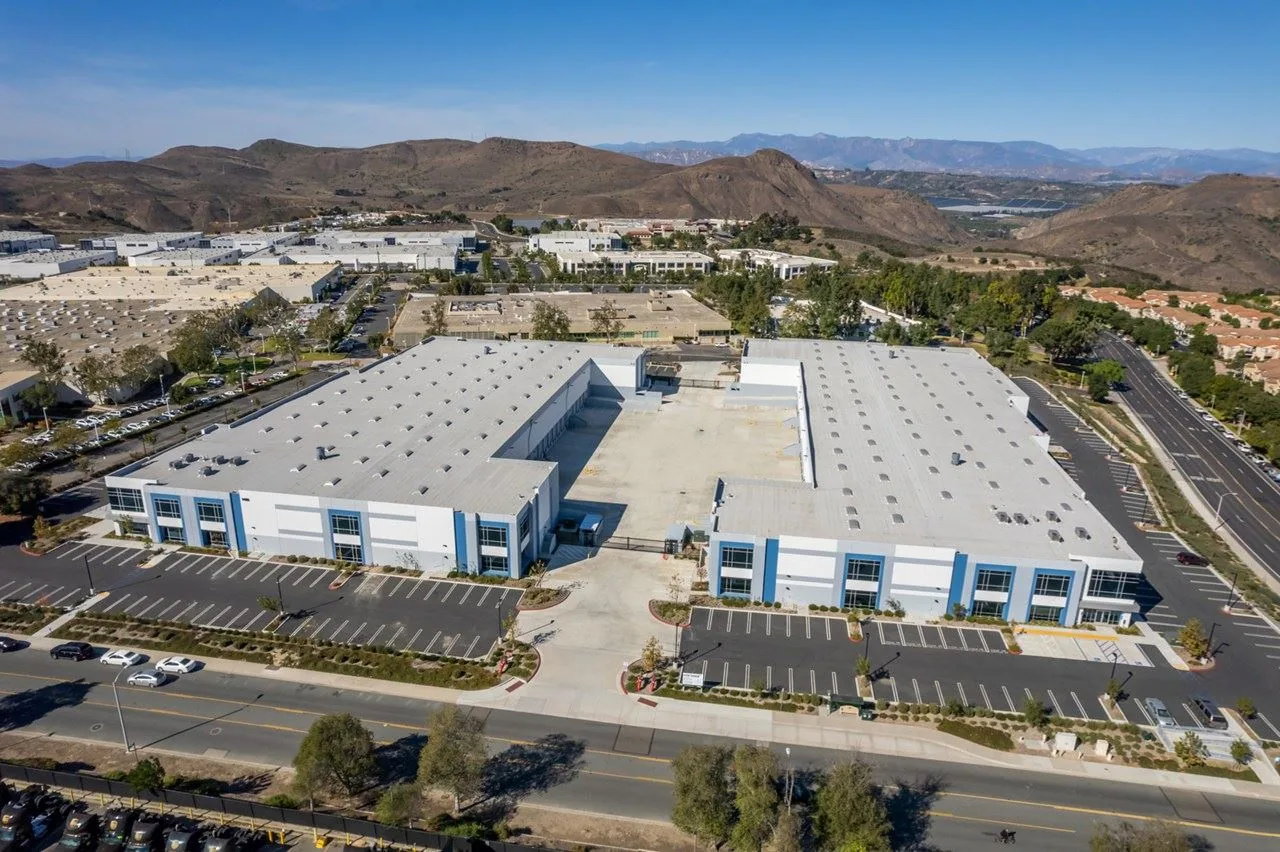
Three US 101 exits serve Newbury Park, and the area holds the largest share of the city's industrial and biotech buildings, with Rancho Conejo Industrial Park dominating its northern end. An owner of several such buildings needs a document more than a visit: a written condition report with photographs, moisture results and a replacement horizon for each roof, so that a lender, an insurer or an incoming tenant can read the same facts the owner sees. We produce roof condition reports in that form, one per building, and they are structured so a section can be updated after a repair without rewriting the whole file. The practical benefit is timing. A building with eight years of life left and a building with two years of life left look similar from the ground, and the report is what lets the budget treat them differently before the shorter-lived one fails in a storm.
Fire years: Thomas, Hill and Woolsey, and what fire leaves on roofs
The 2017 Thomas Fire and the 2018 Hill and Woolsey Fires all threatened Newbury Park, and Woolsey, which affected it directly, ran on wind speeds between 50 and 60 mph. Roofs in that kind of event are exposed twice: embers land on them, and ash settles in drains, valleys and against curbs afterward. We check for scorch and melt at penetrations, look for ash that has dammed a drain, and verify that roofing at edges and curbs has not lifted. Noncombustible and ember-resistant assemblies matter in this area, and the City of Thousand Oaks adopted the Wildland-Urban Interface Code with the rest of its 2025 code update, so a replacement planned now is reviewed in that setting. Where a fire has already done damage, fire damage roof repair pairs the emergency dry-in with a written record for the insurance file. The same exposure follows the 101 east into Agoura Hills.
Rain: about ten inches, delivered in a few storms
Rainfall in Newbury Park comes to about ten inches in a normal year under a Mediterranean pattern, and most of it lands in a short winter season. A low-slope roof here sits dry for months and is then tested by a handful of storms, which means the drains, sumps and overflow scuppers are called on all at once. A roof that has drained slowly all summer under a layer of leaves and ash may hold a pond of days, and a pond over aging membrane is how a small defect becomes an interior loss. Our fall checklist therefore starts with drainage and ends with seams. When ponding is persistent, the options run from cleaning and drain repair through tapered insulation to a coating suited to standing water, a choice that turns on the remaining life of the sheet, which is the first question in any ponding water roof repair. Price follows the area affected, the depth of the slope correction and how much of the building can be opened in one phase.
Commercial Roofing Questions
Does a roof higher up in Newbury Park need different attention?
Exposed sites are walked first and get a closer look at edge metal, coping and equipment tie-downs. The area covers ground from 500 to 2,828 feet, so the survey records location along with age.
What should a campus roof register contain?
Each section's location, system, install date, last repair, penetration list and moisture result. For laboratory buildings the register also records which exhaust points were added or abandoned.
How soon after a fire should the roofs be inspected?
Once the area is open to crews and the structure is safe. Ash and debris are cleared from drains first, then scorch, melt and lifted edges are photographed for the claim file.
Why does a dry year still leave ponding problems?
Debris builds up in drains while no rain moves it. When the winter storms arrive in a short window, a clogged outlet holds water for days over seams that were already tired.
How is a penetration schedule kept current after a refit?
Each time equipment is added or removed, the register entry for that roof section is updated with a photograph of the new flashing. If a night breach happens, our emergency crew works from that same entry, which saves time finding the opening.