Commercial Roofing in Agoura Hills, CA
Service Areas · Thousand Oaks, CA
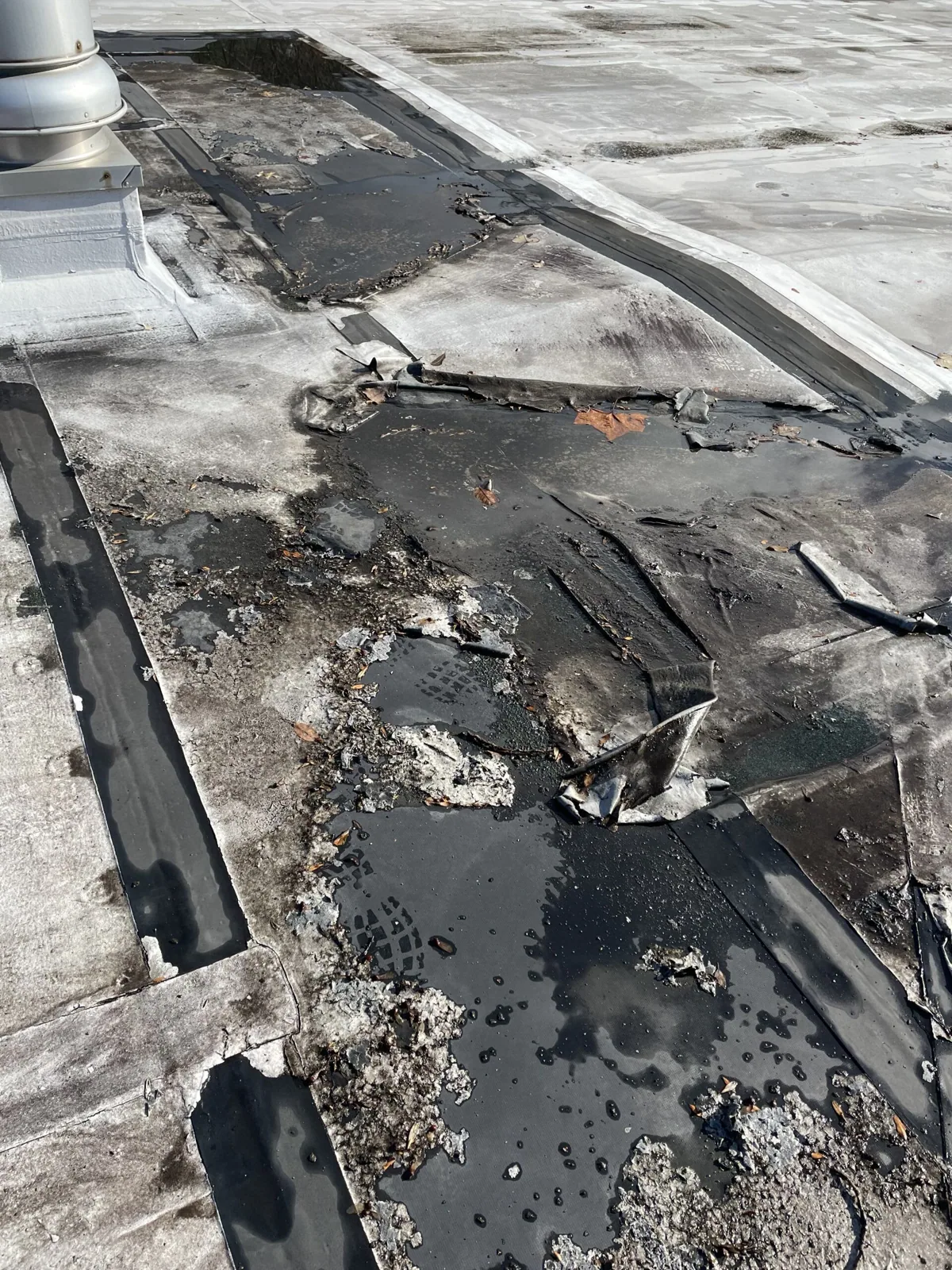
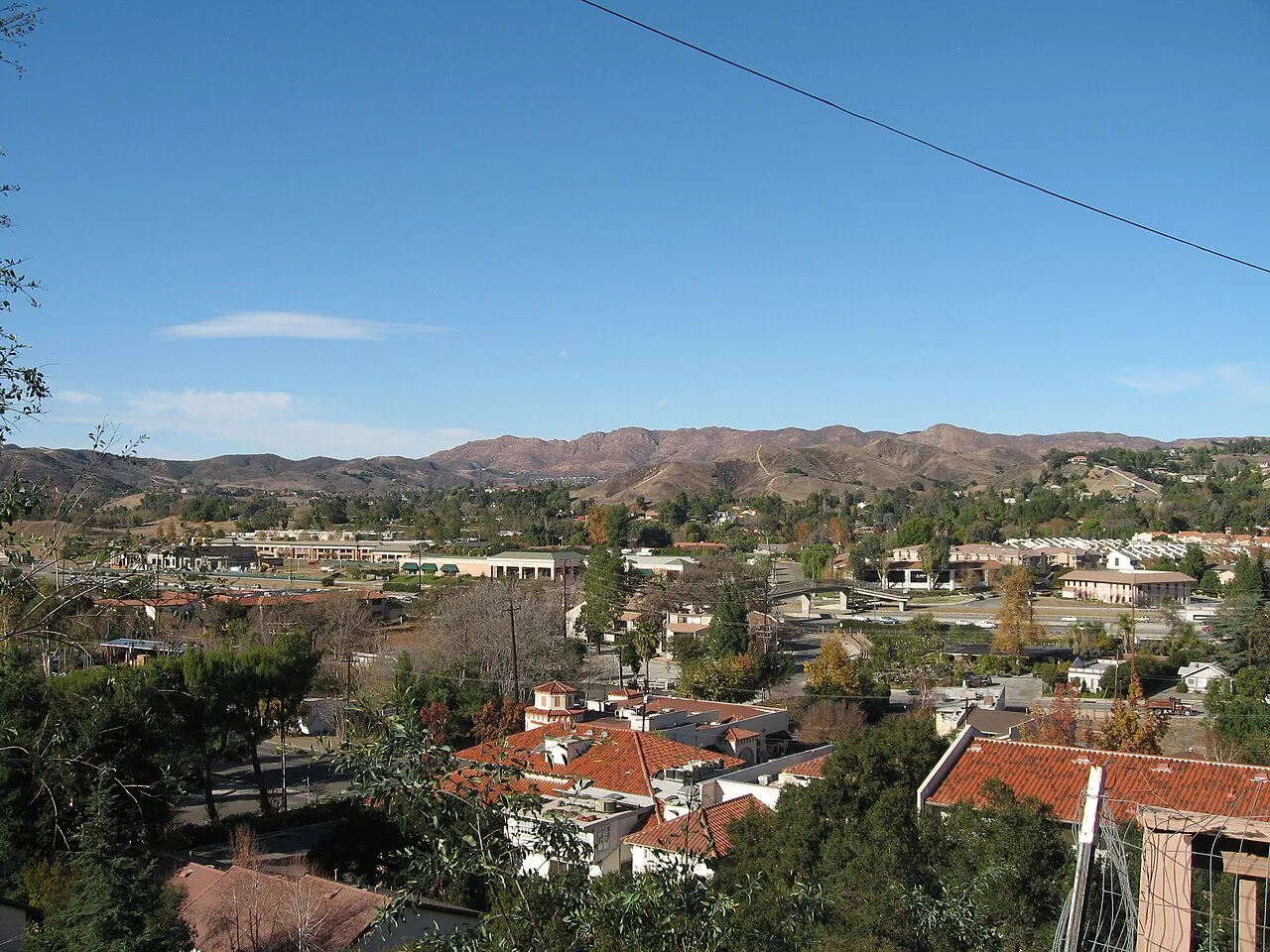
Condition entry: windblown leaf litter and fine ash packed into the lee corner of a parapet, with the nearest drain half covered and the membrane beneath it holding a skin of standing moisture. It is a small line in a report, and it is the one that tells an owner in Agoura Hills, CA how a roof has been maintained since the last fire event. The city has lived through the Woolsey Fire and the Kenneth Fire warnings, and a commercial roof on either side of US 101 is read for what those events left in its drains, flashings and sealants. We read that evidence, put it into a baseline, and turn it into a decision about what to repair, what to restore and what to replace.
Agoura Hills
Service Areas
Call our team
Written findings and options
Thousand Oaks, CA
Ventura and Los Angeles counties
Fire history: Woolsey in 2018, Kenneth in 2025
The November 2018 Woolsey Fire devastated Agoura Hills, and in January 2025 the Kenneth Fire again brought evacuation warnings to the city and to Oak Park. Those two events are more than six years apart, and both are reasons for an owner to treat the roof as a fire-exposed surface. A building inside an evacuation area that never burned can still hold ember damage and a heavy ash load, and a roof that stood through Woolsey may have aged faster than its install date suggests.
After an event we look at four things in order: debris and ash at drains and scuppers, surface pitting or scorching on the membrane, loosened or lifted edge metal, and damaged sealant at penetrations. Each is photographed and mapped to a roof section, and the file becomes the record an insurer or lender can read. That same sequence drives the scope for fire damage roof repair, and a claim goes more smoothly when the pre-event baseline already exists. Owners filing after an event can have those photographs turned into claim documentation through roof insurance claim assistance.
Business parks: Agoura Road and shared drainage
Agoura Road holds the city's main business parks, and Kanan Road is the other principal commercial area. A multi-building park asks several things of a roof: drainage that can cross building lines, rooftop units added by successive tenants, and a patchwork of repair dates that nobody has put into one record.
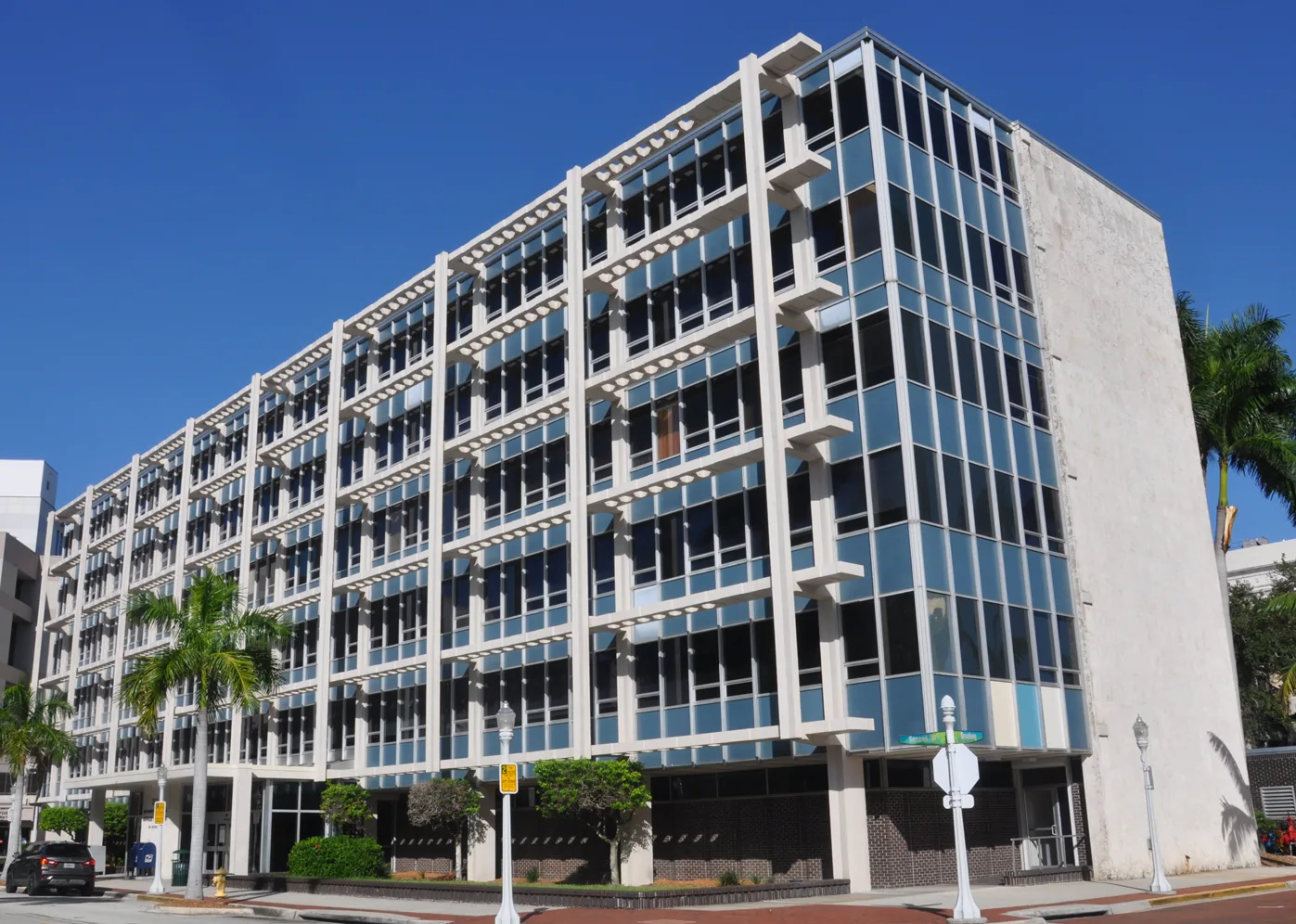
The first deliverable is therefore a map. Each roof section receives a condition index, each penetration is logged, and every repair is dated, so that the manager can see which buildings share a failure and which are outliers. From that map we build a prioritized scope with a remaining service life for each section and an order of work that respects tenant hours. Where a park's buildings are offices, the usual concerns of an office building roof, rooftop equipment and tenant hours, apply.
Employers: schools and office tenants
The city's largest employers are the Las Virgenes Unified School District, Visual Concepts Entertainment and Motor Vehicle Software Corp. Those names point to the kinds of owners and occupants a roofer deals with here: a public school district that works to a calendar and a facilities budget, and corporate employers who care about noise and access during the work day.
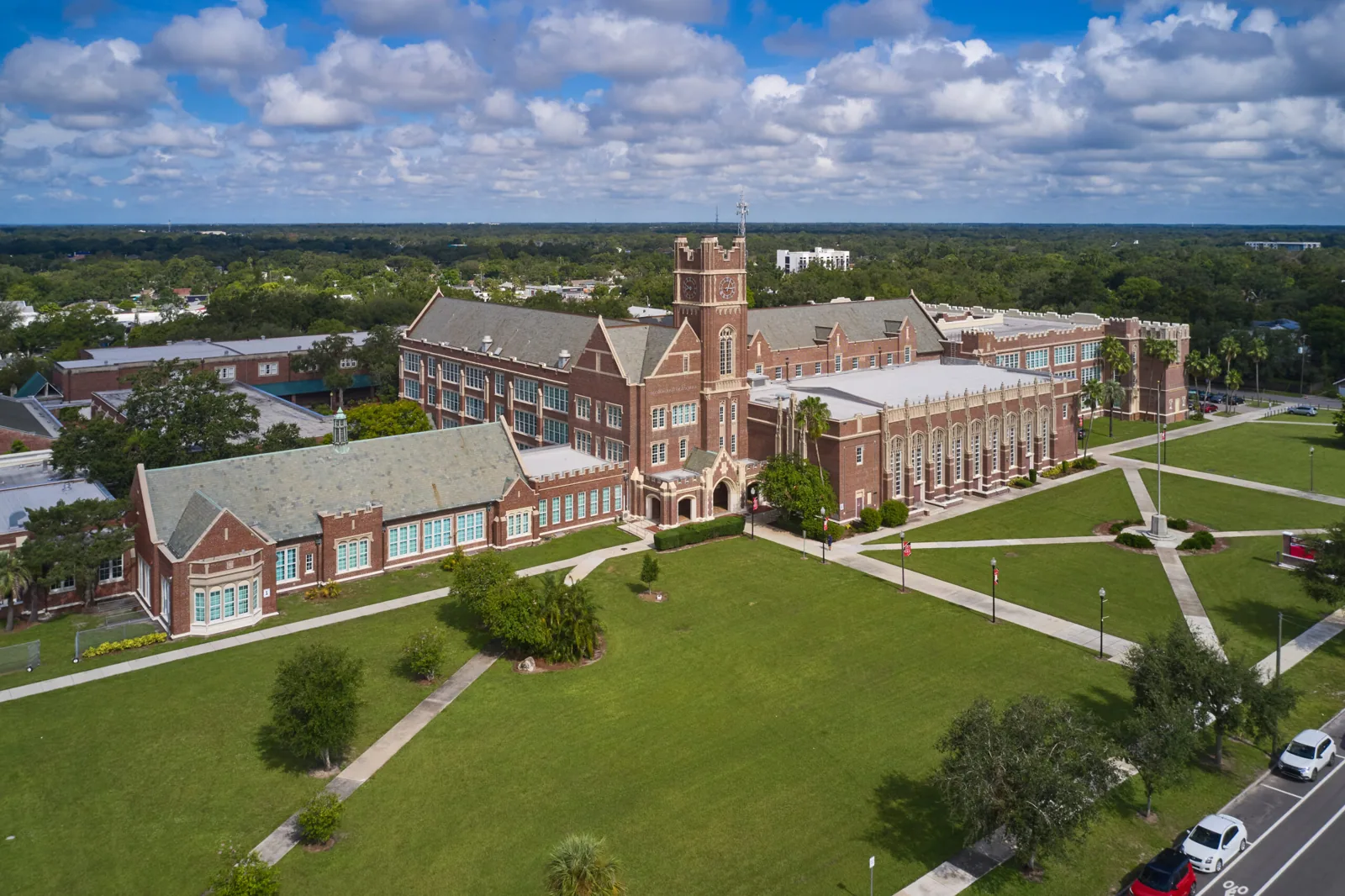
Roof projects for educational buildings are planned around summer breaks and fall start dates, with weather-tight conditions restored at the end of each shift and students kept out of the work zone. Office roofs are staged around tenant hours, with loud tasks such as tear-off and fastening placed before or after the busiest period. For a public school district, the package for school roofing is bid-ready, with the scope, drawings and a phasing plan.
Wind: how Santa Ana gusts load a roof edge
In the Thousand Oaks, CA market, Santa Ana winds can exceed 40 mph and channel through passes, and the Woolsey Fire burned under gusts of 50 to 60 mph. Agoura Hills was inside the footprint of that same Woolsey event. On a low-slope roof the highest uplift pressures sit at corners and perimeters, so the first things to fail are edge metal, coping, the outer rows of fasteners and anything on a curb that has not been strapped down. A roof with a perimeter that was never inspected for loose metal is exposed at its weakest line.
We probe perimeter fasteners, check coping joints and sealant, and confirm that rooftop equipment is secured. Where the edge is loose, we replace or reset it to the current edge metal and coping details, and where the membrane is already lifting we scope a repair before the next wind event. Owners often prefer to schedule that work in the quiet months, ahead of the autumn winds.
Planning: crossing the 101 and sequencing the work
US 101 divides Agoura Hills into northern and southern halves, which matters for a portfolio manager who holds buildings on both sides. Crane access, material staging and tenant coordination differ with each site, so the proposal prices them separately and then offers a combined schedule. A manager who wants a single reserve line can use the combined number, while one who wants control of each property gets a separate scope.
For a portfolio crossing US 101, we group surveys by access window and building use rather than assume adjacent roofs can be opened together. The northern and southern sides of Agoura Hills may share a service schedule, but each property's drainage, perimeter and equipment details need their own condition record. We mark the work area, establish where material can be staged and identify which tenant entrances stay clear. A prioritized scope then separates immediate water entry from edge upgrades and longer-horizon replacement, giving ownership a practical order for the next budget cycle.
The decision is driven by moisture. A dry roof near the end of its membrane life can often take a coating or a recover, while a wet one needs tear-off to the deck. When fire is a recurring risk, a roof coating restoration over a sound base is also a way to refresh the surface without adding weight. Neighboring owners in Westlake Village face a similar mix of office parks and fire exposure. Owners managing properties across the foothill corridor may also need a roof baseline in Oak Park, with findings kept separate by address.
Commercial Roofing Questions
Does a fire evacuation warning mean the roof needs a survey?
Not automatically. If embers or heavy ash reached the building, a walked survey is worthwhile, and a baseline taken after the event gives a lender or insurer something to compare against.
Why are the edges of the roof the first place you look after high wind?
Uplift pressure concentrates at corners and perimeters, so coping, edge metal and the outer fastener rows fail before the field of the roof does. A loose edge tells us where to look next.
Can a school or office building stay open during reroofing?
Generally yes, with phasing. We close the roof in sections, keep it watertight at the end of each shift and keep noisy tasks away from classes or the tenants' busiest hours.
How should an owner with buildings on both sides of the 101 organize a roof budget?
Start with one survey of every building, then group the work by moisture findings and remaining service life rather than by street address. The grouping makes a three-year plan far easier to defend.
What is the most common finding on a roof that has been through a wildfire season?
Clogged drains and degraded sealants at penetrations. They are cheap to fix when found early and expensive when a winter storm finds them first.