Commercial Roofing in Oak Park, CA
Service Areas · Thousand Oaks, CA
Drain log, school building, two weeks after an evacuation warning: ash in two of four sumps, a gray film of soot over the membrane laps, and a scupper liner half closed by blown leaf litter. Nothing in that entry is damage. It is also the entry that decides whether the next heavy winter storm finds a clear path off the roof or a basin of standing water, and it is the one most often missing from a building file.
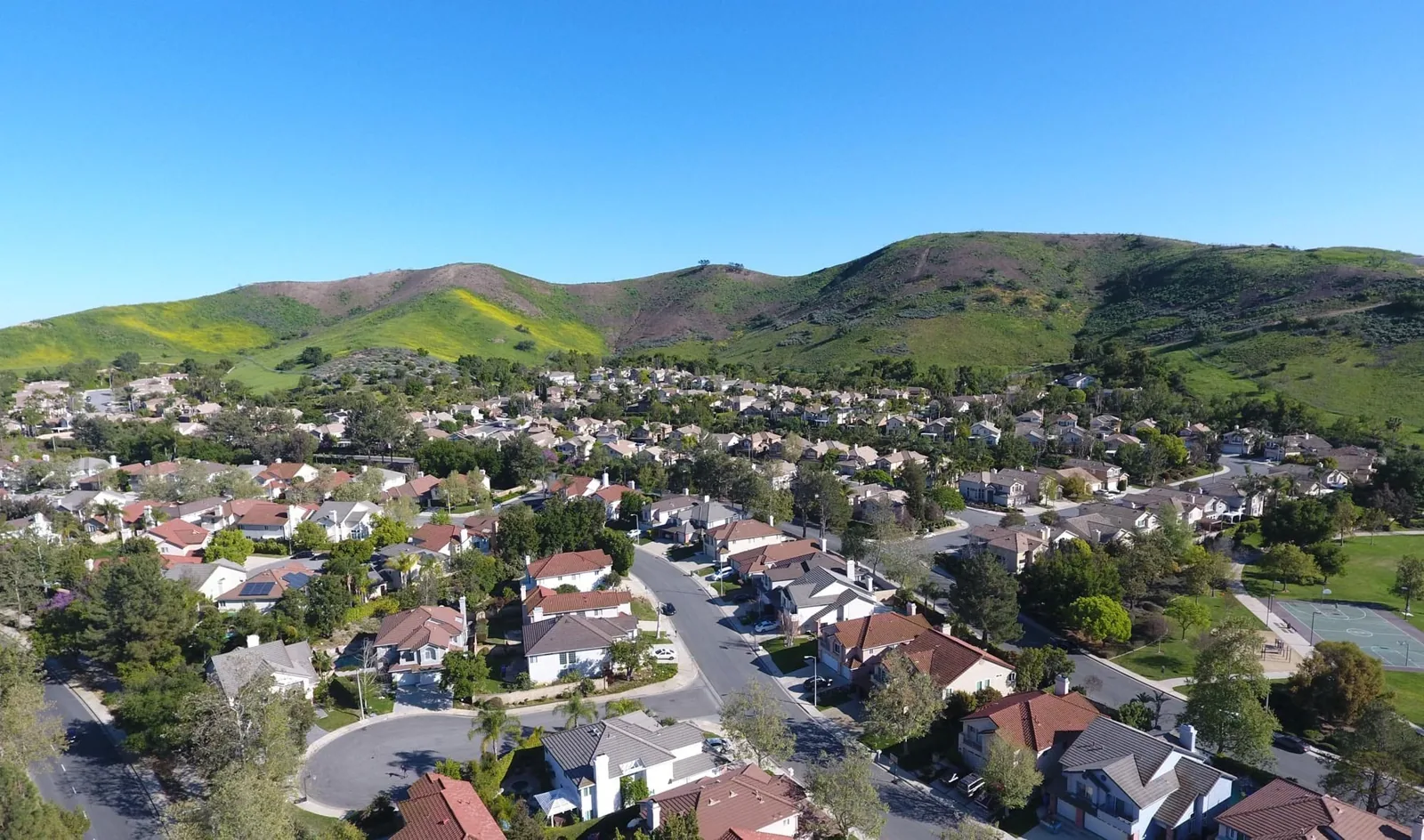
Oak Park, CA is a community of about 5.29 square miles in the Simi Hills of southeastern Ventura County, with its own school district and, just as important to a roof, a recent history with fire. Woolsey crossed Oak Park on November 8 and 9, 2018, and Kenneth put the community under evacuation warnings again in January 2025. Our work here starts from that record: survey the institutional and commercial roofs, log what ash, wind and heat have done to them, and hand the owner a ranked scope with the remaining service life of each section.
Oak Park
Service Areas
Call our team
Written findings and options
Thousand Oaks, CA
Ventura and Los Angeles counties
Schools: a district's roofs and a summer window
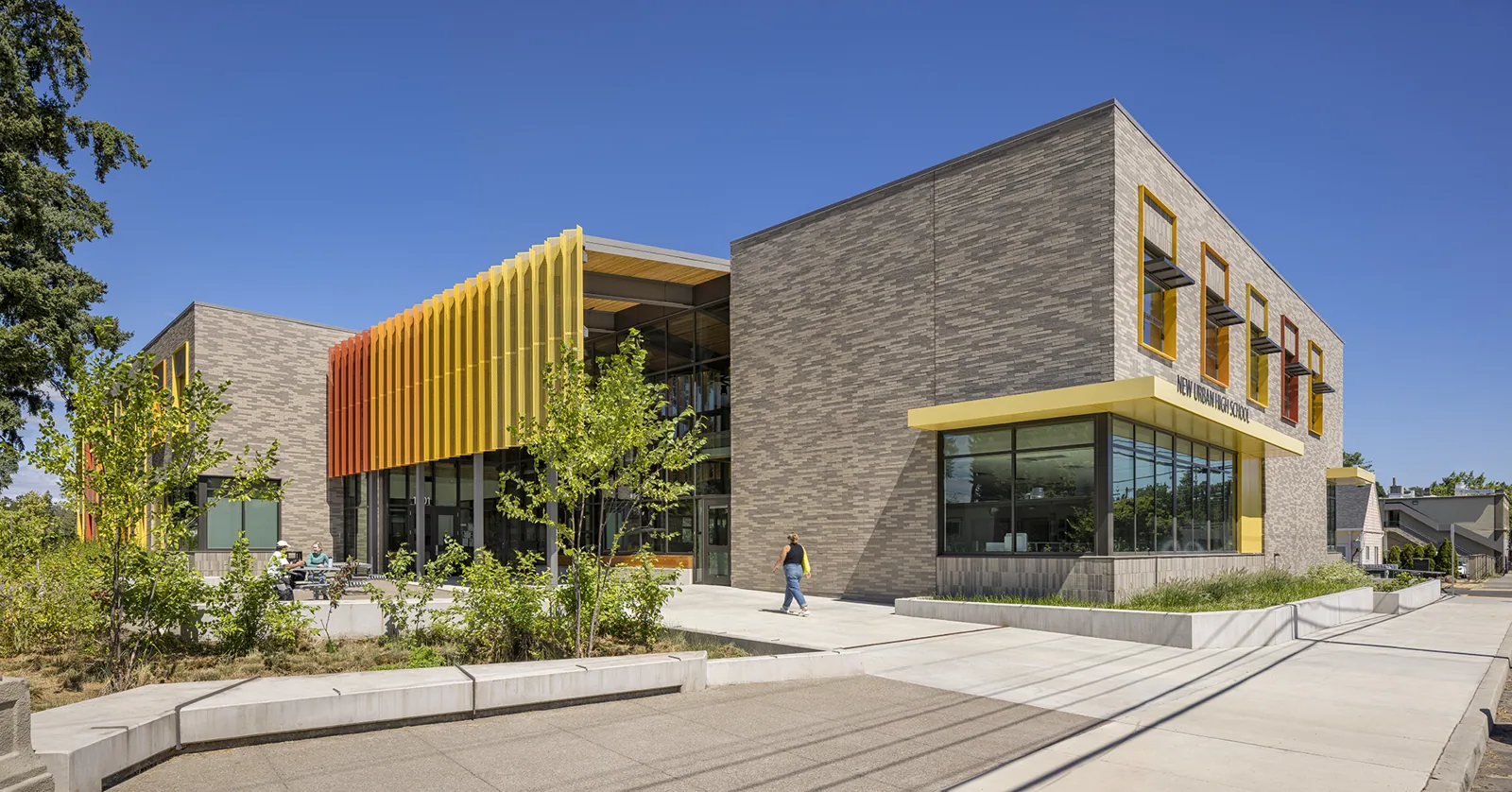
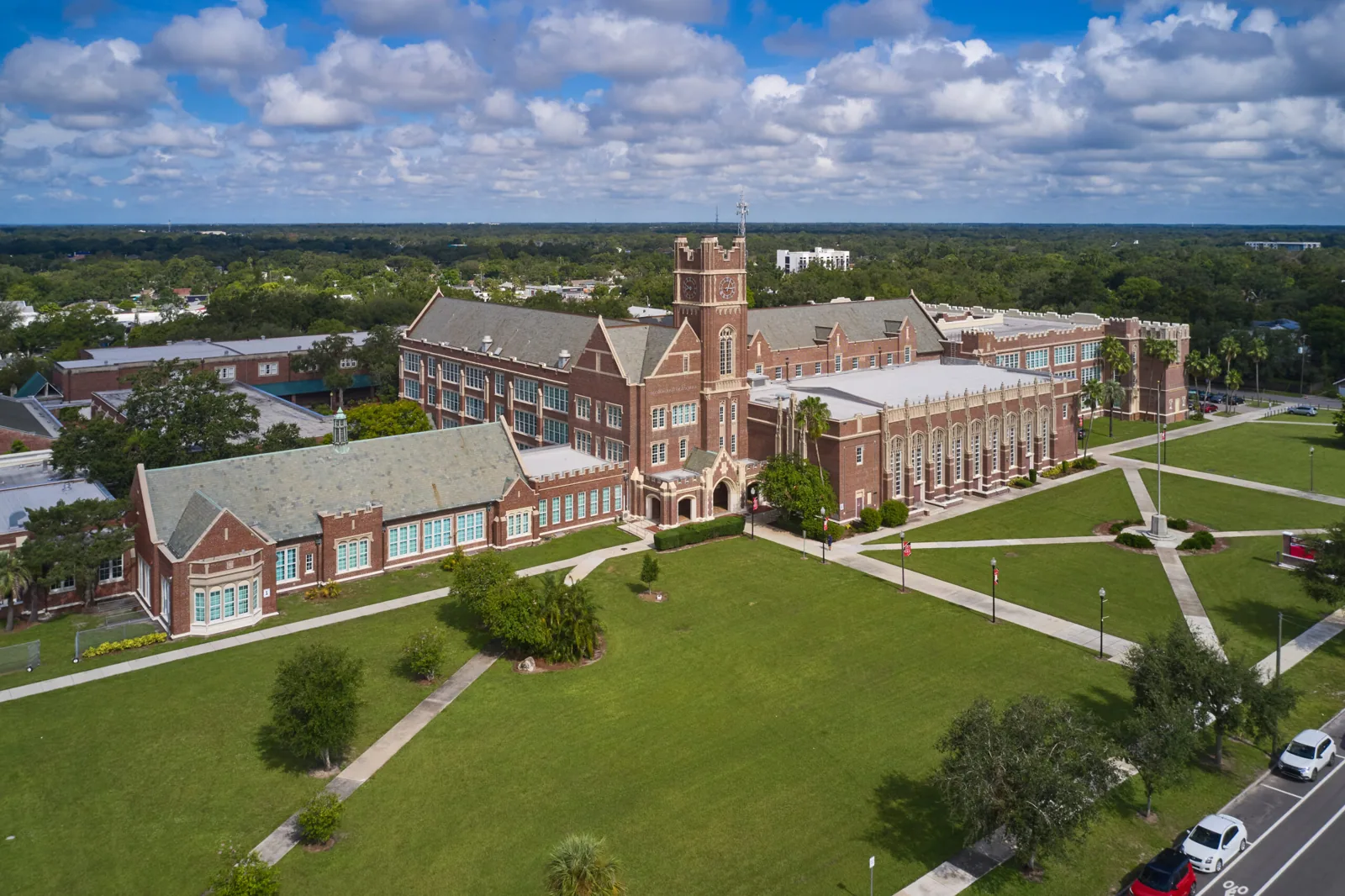
Oak Park has a school district of its own, that includes the high school, Medea Creek Middle School and three elementary schools. Those schools are institutional roofs answering to one owner. A school campus usually means several buildings: classroom wings, a gym or multipurpose room, an office block, covered walkways, and mechanical equipment added as ventilation needs changed. Those buildings rarely share a construction year, so their roofs rarely share a condition.
The practical consequence is that a school district should hold one ranked list instead of five separate worries. We walk each campus, grade every roof section on the same scale, and sort the results by remaining service life, so the board or the facilities director can see which sections can wait and which cannot. The calendar then does the rest. Summer is the working window, the budget cycle sets the dollar limit, and a replacement that slips past the end of August collides with the school year. Sequencing like that is what school roofing comes down to.
Embers: the Woolsey burn-through and a warning in 2025
Under Santa Ana winds of 50 to 60 mph, Woolsey covered 96,949 acres, left 1,643 structures destroyed and sent more than 295,000 people out of their homes. The fire crossed Oak Park, and Kenneth in January 2025 brought evacuation warnings once more. For a roof, a fire does not have to reach the building to leave a mark. Ash settles into drains and low corners, embers lodge in debris against walls and curbs, and heat or smoke can leave sealants and surface coatings crazed or dull.
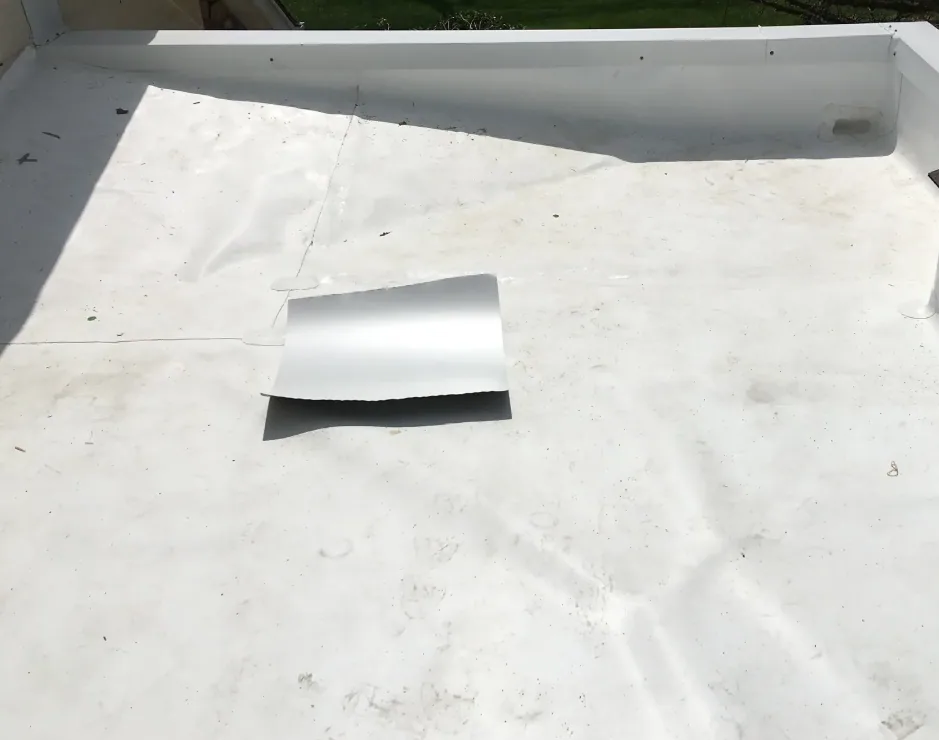
After an event like that we walk the roof for the specific things fire leaves behind: scorched or pitted membrane at the edges, melted or blistered sealant, soot and debris trapped at changes in plane, and any equipment that has been shifted or stripped by wind. Each finding is photographed and dated. If an insurer needs it later, a roof insurance claim file that begins with a dated baseline is a much stronger file than one that begins with a claim.
Hills: wind that comes over the ridgeline
A community in the Simi Hills should assume its roofs will be tested by offshore gusts from time to time. The Woolsey Fire burned in Santa Ana winds of 50 to 60 mph, and the same wind has a name in Ventura and Los Angeles Counties for funneling through passes and damaging structures. The parts that give first are well known: the leading edge of the membrane, loose coping, unsecured unit panels, and any flashing that depended on sealant alone.
Wind also moves debris, and debris is the quiet enemy of low-slope drainage. A season of dry brush, leaves and bark settles against parapets and into scuppers, then sheds in a single winter storm. Our roof drains and scuppers check includes clearing, flushing and testing each outlet and recording how fast it drains, so an owner knows the building can shed its water before the first heavy rain.
Rain: a short season that tests the drains
Elsewhere in the Thousand Oaks market, Newbury Park averages only about ten inches of rain a year, crowded into a few winter weeks, so low-slope drainage here is judged by a handful of big storms. Down on the coastal plain at Oxnard the total is closer to 15.6 inches, a fair guide for any building toward the coast. For Oak Park, the practical point is that a roof can sit dry for most of the year, hide a slow failure, and then show it all at once when a storm arrives after a long dry spell.
That is why we check slope, drain count and overflow provisions before any scope. A roof that holds water more than a day after rain is a candidate for tapered insulation or additional drains, and persistent ponding water roof repair is cheaper before the membrane has started to craze at the low points. In Newbury Park, which sits in the same Thousand Oaks market and carries the city's largest share of industrial and biotech buildings, the same pattern is tested on bigger roofs, so owners with property in both places can run one survey format.
Scope: permits, timing and what moves the cost
Oak Park is an unincorporated community, and the City of Thousand Oaks, which amended its own building regulations in 2025, is a different jurisdiction. Before pricing a replacement we confirm which agency issues the permit and which edition of the state codes it enforces, since the new statewide cycle began in 2026 and its energy provisions reach cool roofs on nonresidential work. Fire-prone locations can also carry added requirements for roof assemblies, so the question gets asked early rather than at plan check.
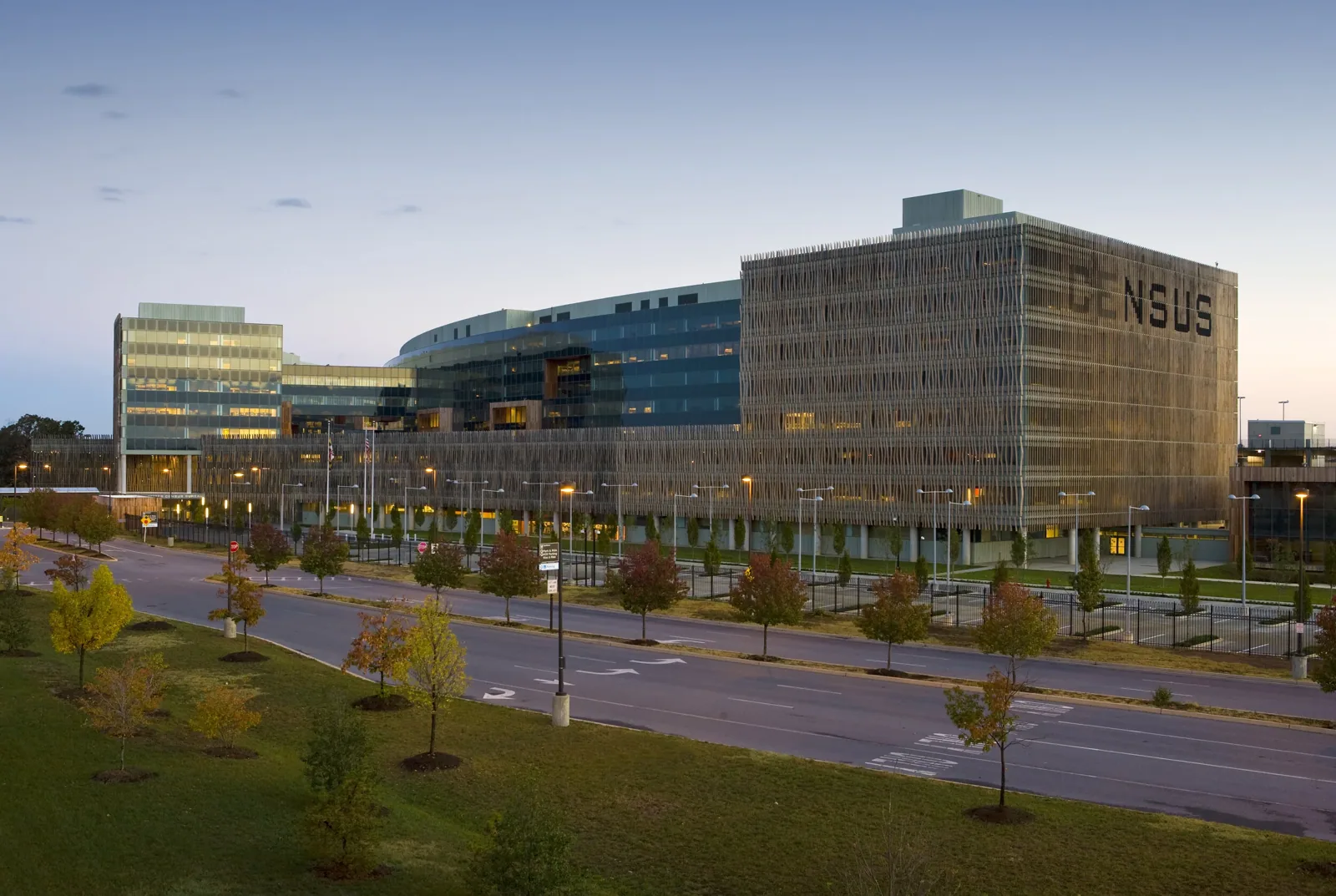
Cost then tracks four things: the amount of wet insulation, the penetrations that need new flashing, the means of reaching the roof, and whether the building is occupied during school hours or after them. A commercial roof inspection establishes each of those before a number is attached. Owners with neighboring holdings in Agoura Hills, which shares the Woolsey and Kenneth history, can fold both communities into one prioritized scope.
For property owners, a post-event inspection should be specific to the roof rather than a general assumption based on nearby fire activity. Photograph the membrane, perimeter, rooftop equipment and debris conditions, then compare them with any pre-event inspection file. Check drains and scuppers before winter rain, since ash or small debris can remain hidden after the visible surface is cleared. If a roof repair is needed, distinguish immediate protection from the permanent scope and note where an insurer or facilities team should review the record. A building in an unincorporated community may also fall under a different permit authority from a neighboring city, so confirm the agency responsible for the work before estimating code-driven changes. This keeps response, repair and future maintenance in the right sequence.
Commercial Roofing Questions
Is a roof worth checking after an evacuation warning if the fire never reached the building?
Yes, briefly. Ash in drains and embers in debris cause trouble later, and a short walk with photographs costs far less than a leak found in February.
How should a school district rank its roofs when the money is limited?
By remaining service life, with wet insulation and active leaks at the top. A shared condition scale makes five schools comparable on one page.
Do dry months hide roof problems?
Often, since a slow seam failure or a blocked drain shows nothing until water arrives. A pre-season drain test brings those problems out on a dry day.
Who issues the permit for a reroof in an unincorporated community?
We confirm the issuing agency before pricing, because that answer sets which code amendments apply to the work.
What can a wind warning do to a roof that looked fine the week before?
Lift a weak edge, loosen coping or shift a unit panel. A perimeter walk right after the warning catches movement before the next rain.