Roofing for School Districts in Thousand Oaks, CA
Industries We Serve · Thousand Oaks, CA
Backlog review, district maintenance office: roof requests are sorted by the date they were submitted and not by condition, which places a cosmetic stain at one site ahead of a ponding membrane at another that has held water through two winters. Nothing in the list is wrong. Each request describes a real symptom, and each was handled in turn. What the list lacks is a common measure, and without one the district funds roofs in the order the phone rang. For a facilities director in Thousand Oaks, CA, the first useful step is a survey that grades every roof on one scale, adds a remaining service life and a replacement horizon, and turns the backlog into a ranked plan that a board can follow across several budget cycles.
School Districts
Industries We Serve
Call our team
Written findings and options
Thousand Oaks, CA
Ventura and Los Angeles counties
Ranking: condition first, and the date of the call last
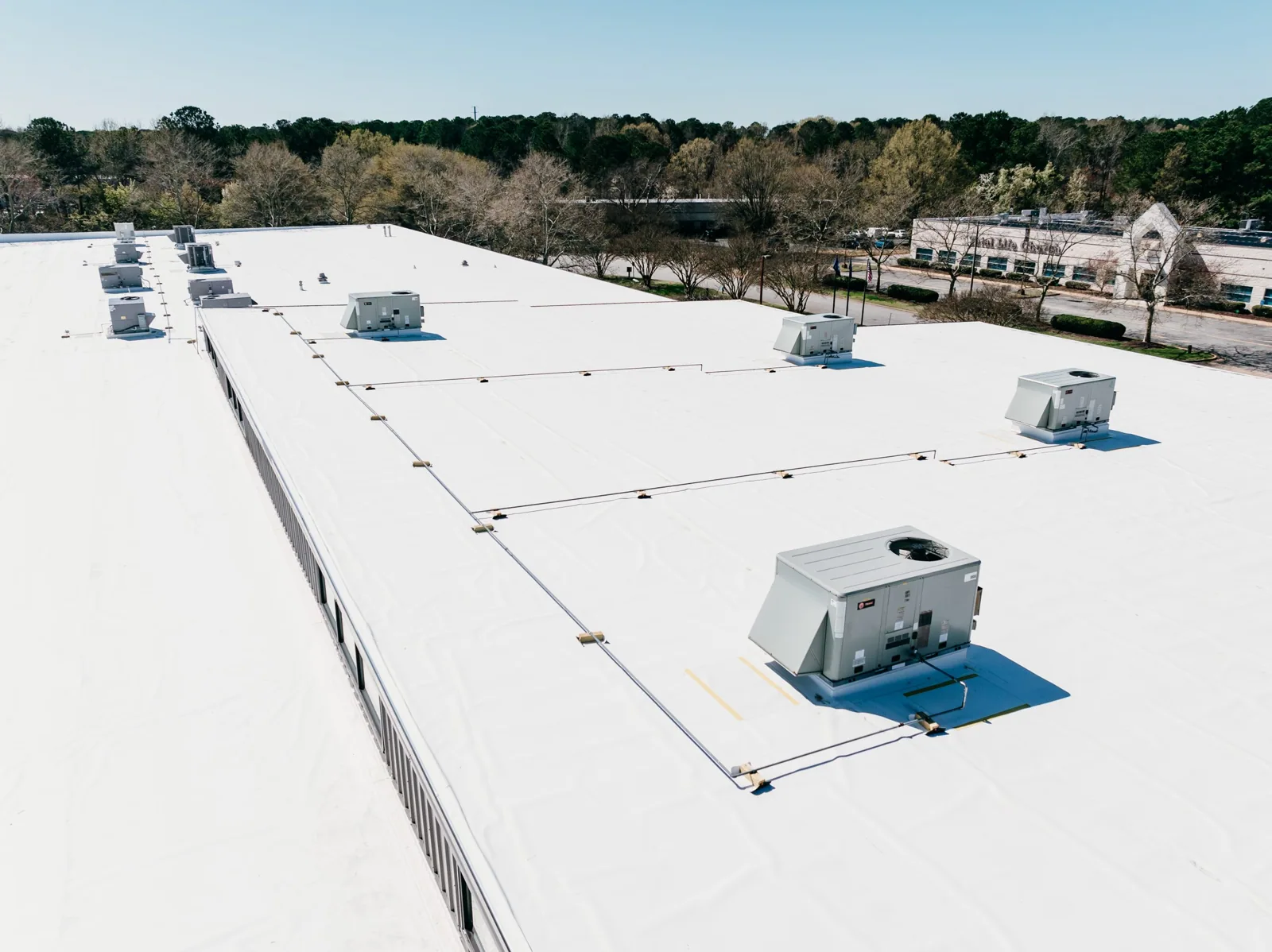
A ranked plan weighs three things for every roof section: what the membrane and flashing look like, how much of the insulation is wet, and what happens below if the section fails. A gymnasium with moisture in the insulation outranks a storage building with a faded surface, even if the storage building was reported first. We record each finding with photographs and probe results, so the ranking can be explained to a principal, a trustee or a parent without technical vocabulary. Ponding is a common finding on flat school roofs, and the fix for a ponding roof can be a drain correction, new tapered insulation or a replacement section. Because every site is graded the same way, a district can defend an order of work when a school community asks why its roof is not first, and the answer is a page of findings that anyone can read.
Footprint: one district, several climates
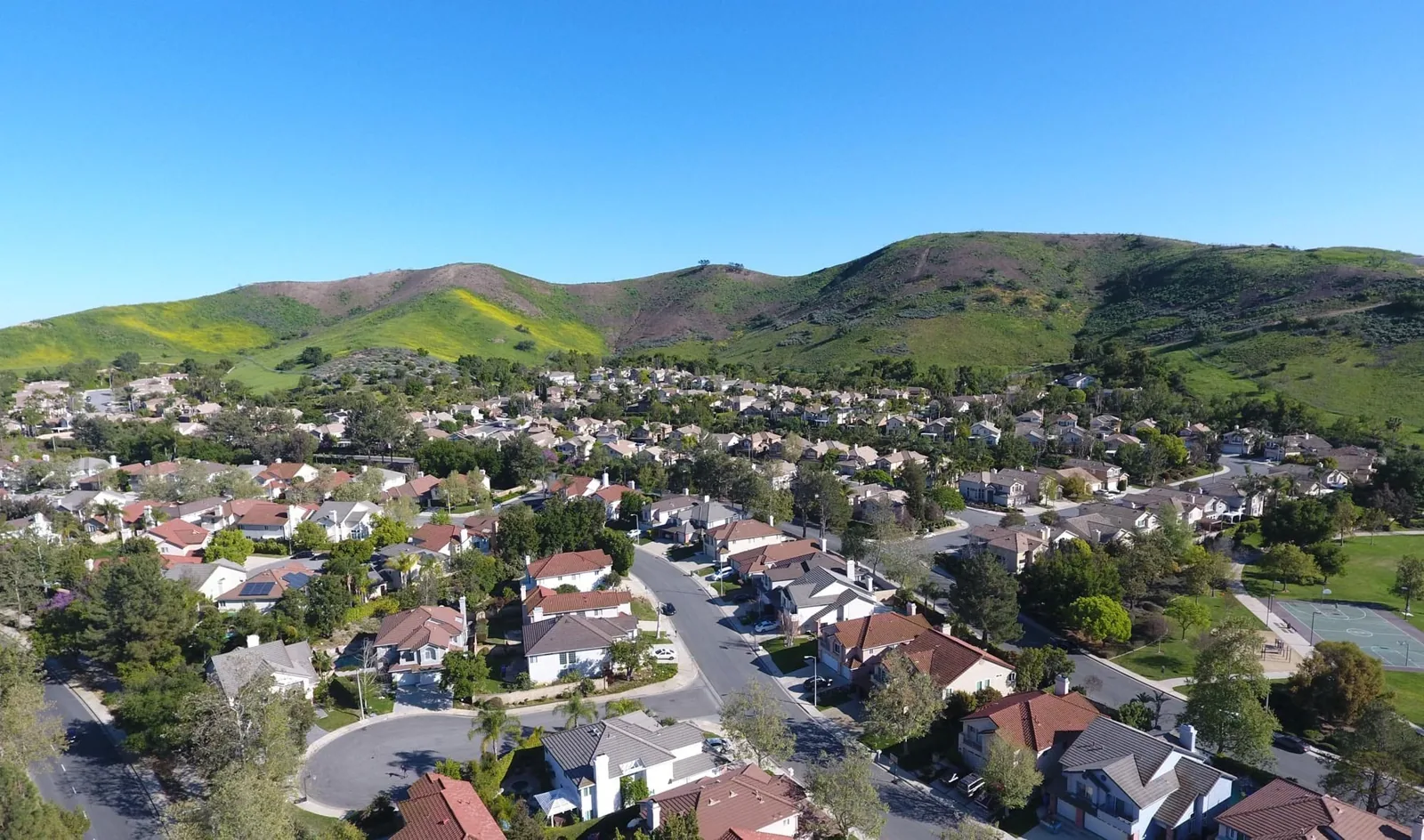
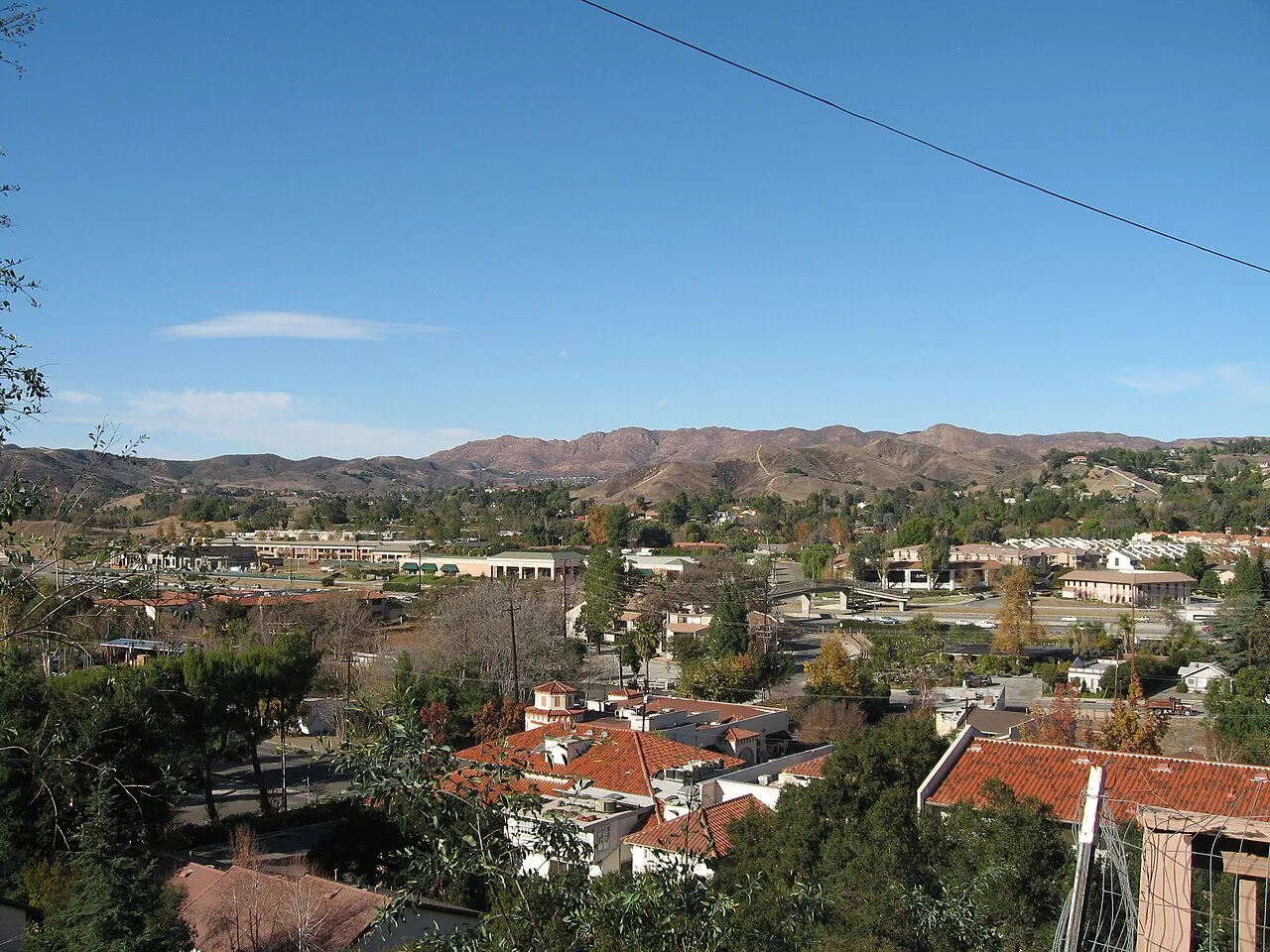
School districts in this region cross city lines and microclimates. Oak Park has a district of its own: three elementary schools, a middle school named Medea Creek and a high school. Las Virgenes Unified heads the list of Agoura Hills employers, Pleasant Valley School District is among Camarillo's largest, and Moorpark Unified and Simi Valley Unified each head the employer lists in their own cities. Rainfall alone differs: Newbury Park averages about ten inches a year, while coastal Oxnard receives about 15.6 inches, and Westlake Village summers run up to about ten degrees cooler than nearby inland areas. A district stretched across those conditions sees roofs weather at different rates, so the survey records exposure along with age. Sites in Oak Park and Agoura Hills also carry the fire history of the east end of the Conejo Valley.
Fire years: ash, embers and the district's file
Flames from the Woolsey Fire moved through Oak Park across two days in early November 2018, and the Kenneth Fire in January 2025 sent evacuation warnings back to Oak Park and Agoura Hills. A school roof near a burn area collects ash in drains and gutters, may carry scorch marks at edge metal and holds embers in gravel or debris. We inspect these roofs in a fixed order after an event, clear drains before the first rain and photograph every finding so the district has a dated record. That record supports the claim the district's insurer may require, and it separates fire damage from older wear that was already present. Permanent repairs follow from the findings, with temporary measures in place until the work can be bid. A burned or open school roof can get emergency roof repair at any hour to dry it in, and the same file feeds the next survey.
Large spans: gyms, cafeterias and the roofs people gather under
Every campus has a few roofs that matter more than the rest. A gymnasium, a cafeteria or a multipurpose room holds groups of students and often serves as an event space at night. These buildings tend to have long spans, deep insulation and rooftop equipment concentrated over the busiest rooms. A failure there closes the room, and the repair can interrupt a season of sports or a graduation. We treat large-span roofs as their own category in the survey, with deeper moisture mapping and a closer look at the structure and drainage, and recommend repairs ahead of the weather rather than behind it. Drains over these rooms get particular attention, since a clogged outlet above a gymnasium can put standing water on a roof that was designed to shed it within a day or two of a storm. When age and moisture justify a new system, a recover over the existing roof may offer a faster path where that roof is dry and the structure allows it, because it limits tear-off dust above occupied rooms.
Program: a multi-year plan a board can fund
A district rarely has the money to replace every roof at once, and it should not try. A multi-year plan assigns sites to years by rank, keeps each year's work within a summer's capacity and reserves a contingency for failures. We prepare the schedule together with a condition record for each building, then update it after each season so the next year's list reflects what was done and what changed. Restoration with a coating suits roofs whose membranes and insulation are still sound, and roof coating restoration can move a replacement out by several years. The figures come from a capital plan for the roof portfolio, tied to the district's own budget calendar. Cities, counties and other public agencies that hold many small buildings follow the same logic, and a district can compare notes with them on bid timing. Summer work is usually bid in spring, so the specification has to be ready before the general contractors who carry school projects fill their calendars.
A district-wide plan is strongest when campuses are compared on one scale but scheduled around their actual use. Record classroom, gym, kitchen and administration zones separately, then align roof phases with the academic calendar, summer programs and community events. Facilities staff can group similar membrane repairs for procurement while keeping a campus-specific map of drains, penetrations and warranties. When a leak appears during the term, the maintenance team can check the affected roof zone against the last report and decide whether to make a contained repair or bring forward a larger project. Board materials should show the consequence of deferral, the estimated service life and the next decision date. This gives budget committees a usable sequence instead of a flat list of buildings competing for funds.
Commercial Roofing Questions
Where does a recover make sense on a school roof?
On a roof whose insulation tests dry and whose structure can carry another layer. A recover saves tear-off time and dust above classrooms, but it leaves the old layers in place, so confirm the moisture readings first.
How do we compare a repair request with a replacement request?
Put both on the same condition scale and add the cost of waiting to each. A repair that must be repeated every year may cost more over three years than a replacement section, and the survey shows which case you have.
What does a board packet need to show for a roof project?
A condition grade, photographs of the findings, the options with their likely service lives and the consequence of delay. Boards fund what they can see, and a one-page summary with the backup attached usually clears review.
Should coastal and inland campuses follow the same schedule?
Same scale, different cadence. Coastal sites see more rain and inland sites see more heat, so each needs a visit before its harder season and a log of what the visit found.
What do we do about ash on roofs after a nearby fire?
Clear drains and gutters first, because ash turns to paste in the first rain and blocks outlets. Then inspect edge metal and flashing for scorch and loose pieces, and photograph both for the district's file.