Roofing Partner for General Contractors in Thousand Oaks, CA
Industries We Serve · Thousand Oaks, CA
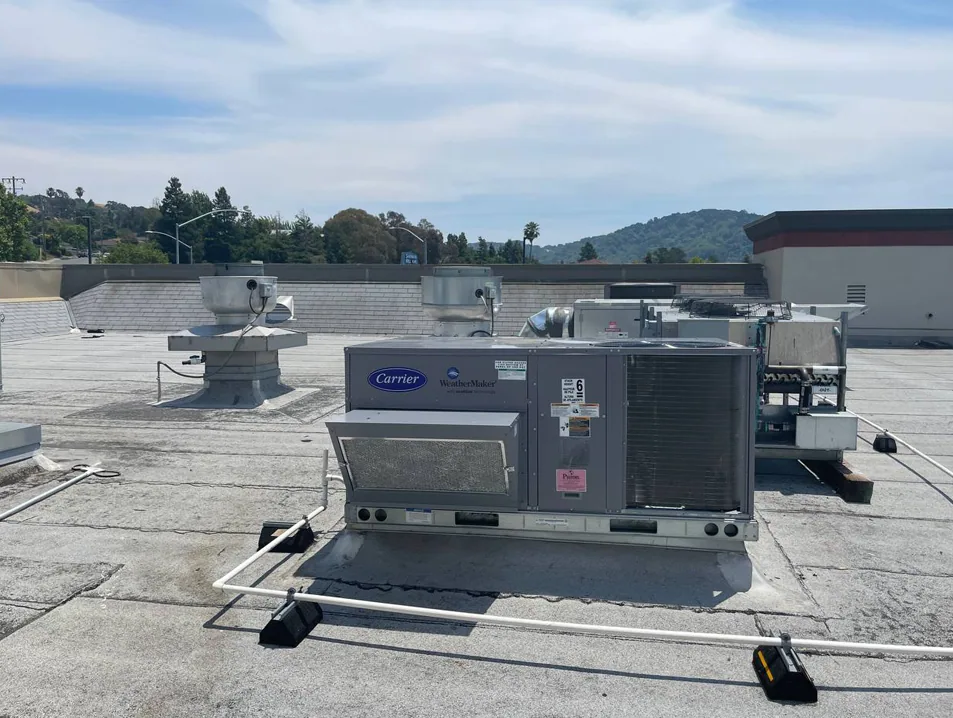
Pre-construction walk, two-story office building slated for repositioning: core samples show saturated insulation beneath two rooftop units, exactly where the tenant-improvement drawings call for heavier replacement equipment. The roof is not in the general contractor's scope, yet it now controls the schedule, because no mechanical subcontractor will set new units on a curb that sits over wet insulation, and no owner will release the lease-up budget before knowing what the roof will cost. For a builder working in Thousand Oaks, CA, that is the usual shape of the roofing problem: a finding made late, by someone else, with a date already attached. We reverse the order. We put a baseline condition survey and a prioritized roofing scope in the contractor's hands before the bid is set, so the roof becomes a line with a number and a sequence instead of a surprise in week six.
General Contractors
Industries We Serve
Call our team
Written findings and options
Thousand Oaks, CA
Ventura and Los Angeles counties
Scope: where the roof meets the critical path
Roofing touches a general contractor's schedule at four points. Before demolition, the condition of the existing roof decides whether the assembly can carry new loads. During the structure and mechanical phases, penetrations, curbs and hoisting put holes and weight on the membrane. At dry-in, the building must be weathertight before interior finishes begin. At closeout, the owner expects documentation. Missing any one of them costs days, so we write our scope against those four points and state each dependency on another trade in plain terms: rooftop equipment cannot be set until its curbs and supports are flashed and tested, and finishes beneath a repaired section should wait for a moisture reading.
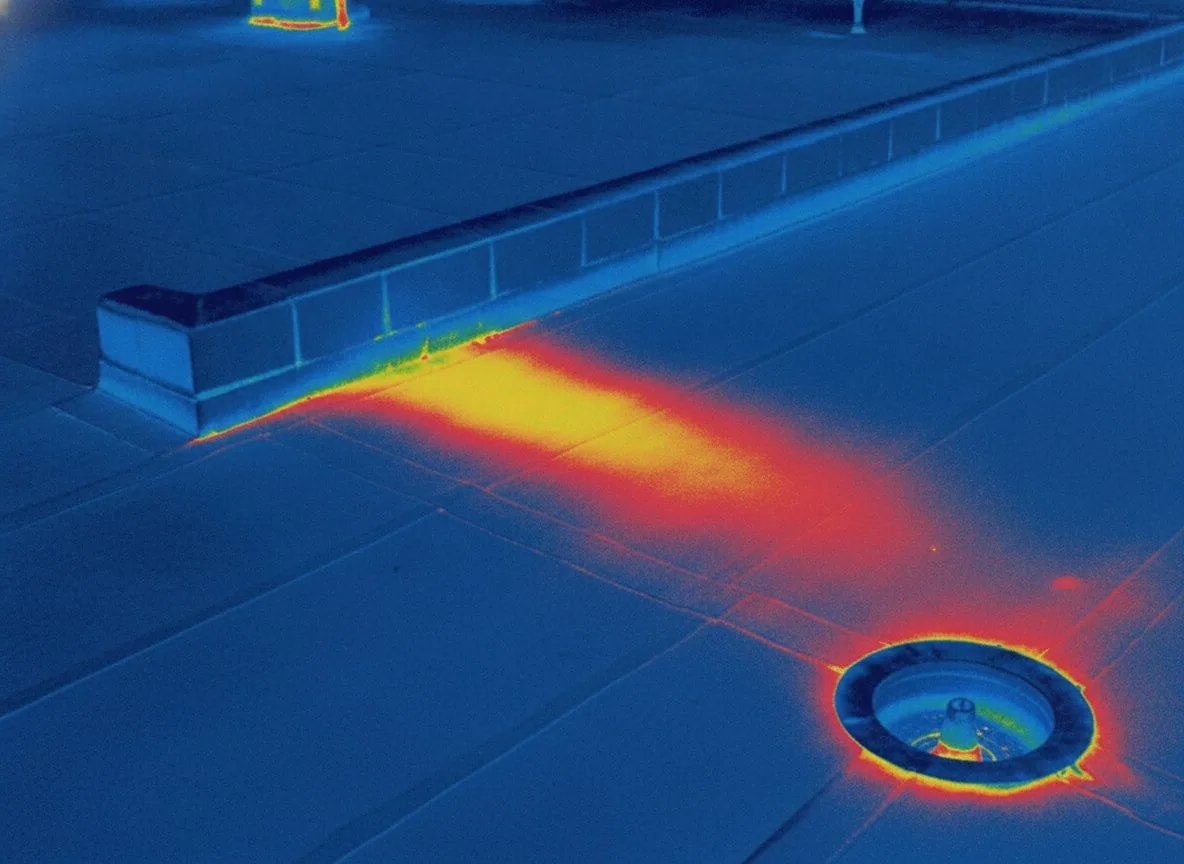
Foot traffic is the quiet damage. Mechanical, electrical, fire-alarm and low-voltage crews all walk the roof, and a membrane that began the job in good condition can finish it punctured by dropped fasteners, dragged ladders and stacked materials. We recommend walk pads along service routes, a written rule on where material may be staged and a photographic check before and after the other trades finish. Where moisture is suspected, an infrared moisture survey maps the wet areas before the drawings commit equipment to them.
Repositioning: office campuses and re-tenanted boxes
Capital moves through the valley in sequences, and each sale or re-tenanting opens a construction window. The 198,478 square foot Conejo Corporate Campus, two buildings that Amgen occupied for ten years, has a buyer who also owns the Think Here office and R&D campus, at 160,771 square feet, and plans a Class A multi-tenant repositioning. Work of that kind brings new rooftop equipment and a fresh look at every roof, which is where a builder needs a roofing partner who can put a number on the roof ahead of the final drawings. The conversation is the same one we have with real estate investors and REITs, only earlier in the schedule.
Retail follows the same pattern. Retail repositioning changes tenant layouts and access plans, so the roof scope should be coordinated with the owner’s work schedule and verified lease responsibilities. The Oaks changed owners in late 2024, a transition that often brings capital repair work with it. Retail on the Thousand Oaks Boulevard corridor around The Oaks and Janss Marketplace is the clearest local example, and any re-tenanting for retail and restaurant chains turns on the same question: what is above the new ceiling, and will it outlast the lease?
Code: the 2026 permit window and the energy code
California's 2025 building code, Title 24 Part 2, based on the 2024 International Building Code, became effective January 1, 2026. The 2025 Energy Code reaches permit applications submitted from that date forward, with nonresidential updates that touch roofing, cool roof standards, solar and battery storage. The practical question for a general contractor is which edition governs a given permit set, because the roofing scope has to be written to the edition that will be enforced.
The City of Thousand Oaks amended its Title 8 in 2025, adopting and amending the state codes, including the Wildland-Urban Interface and Existing Building codes, and its council found that local climate and topography justify local amendments. We read the amended text alongside the plan checker's comments so that the reroof detail, the cool roof installation and any solar-ready roofing provisions are priced as the permit will require them, not as an earlier code would have allowed.
Exposure: Santa Ana days and the crane window
Weather in the Conejo Valley is mostly cooperative, and that makes the exceptions expensive. Santa Ana winds can exceed 40 mph while dropping relative humidity below 10 percent, and the Mountain Fire of November 2024 arrived with gusts forecast above 65 mph. On days like that, crane picks, large panel handling and loose membrane stop, and the schedule needs float for them. Rain behaves differently: Newbury Park averages about ten inches a year, most of it in a short winter, so a few heavy storms test whatever temporary dry-in is on the roof. We do not leave deck exposed overnight in that season.
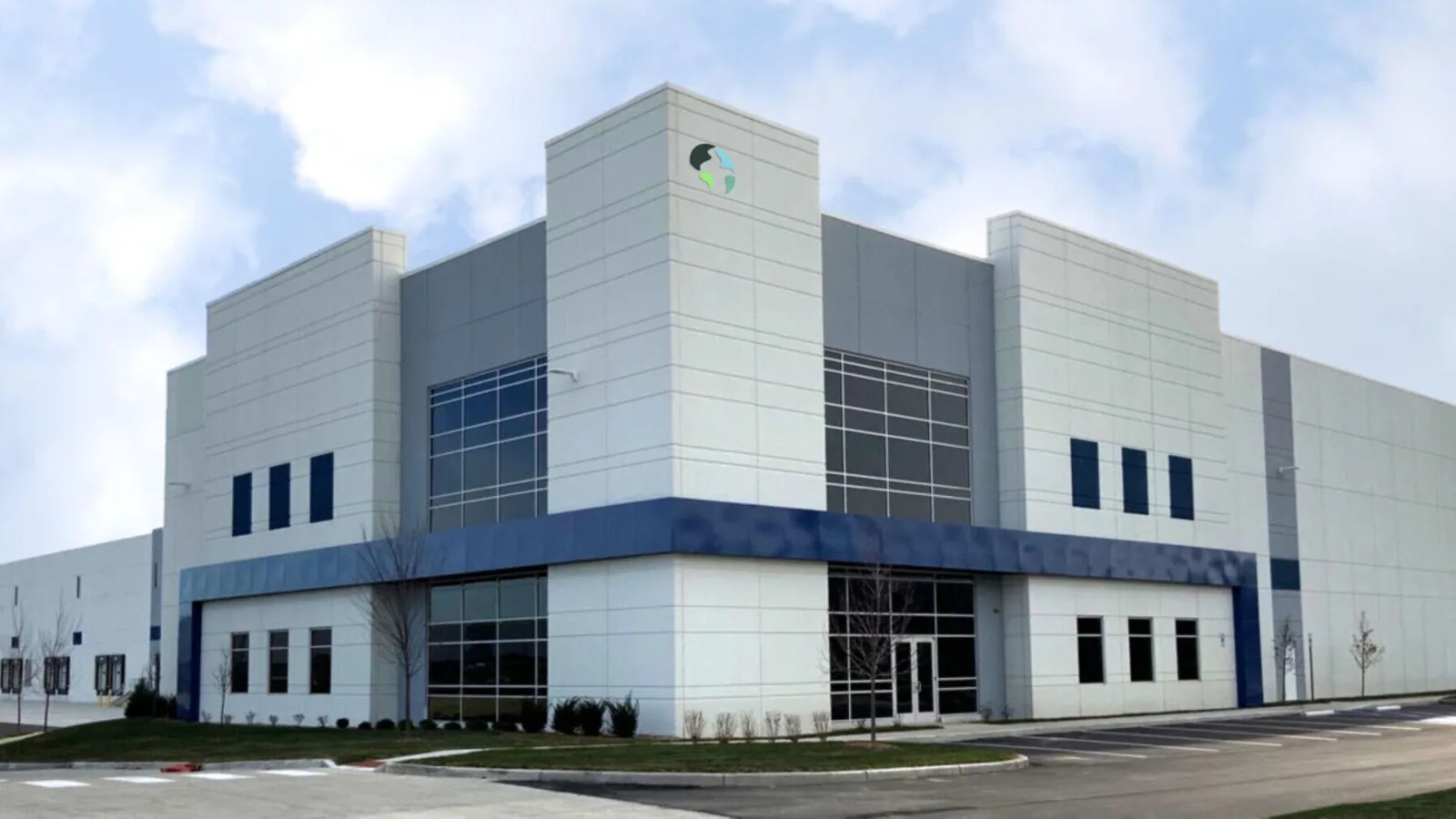
The industrial side of the valley sets the tempo of many projects. Rancho Conejo Industrial Park in northern Newbury Park had more than 120 properties in 2017, and Amazon opened a warehouse there in 2018. A general contractor working across that inventory should identify each owner, roof limit and access plan separately before scheduling concurrent scopes. Roofing in Rancho Conejo Industrial Park therefore calls for coordinated lifts and shared laydown areas, planned with the same discipline as a single large building.
Handoffs: what a roofing partner owes the project
A roofing subcontractor earns its place on a general contractor's team through what it hands over and when. Each of our engagements delivers the following:
- A written baseline with photographs and moisture readings, issued before pricing, so every party prices the same roof.
- A prioritized scope that separates must-do items from items that can wait for the next budget cycle.
- Daily dry-in status during every open-roof phase, in a format the superintendent can post.
- A sign-off sequence for curbs, penetrations and edge metal, so dependent trades proceed against a recorded check.
- A closeout package of photographs, as-built details and the paperwork an owner needs for roof warranty management.
Cost on a roof like this is driven by access, hoisting distance, tear-off depth, the number of penetrations and how much of the building keeps operating during the work. We state those drivers in the scope, so the general contractor can see which assumption would move the price if the site plan changed.
Commercial Roofing Questions
Can you price the roof before the drawings are final?
A budget range is possible once a survey exists. We separate fixed items, such as repairs the survey proves, from variable ones, such as how many units will need new curbs, and we name the assumptions that would move the number.
Who answers for roof damage caused by other trades?
Responsibility follows the contracts, but the evidence follows the roof. A dated baseline of photographs and moisture readings fixes its condition on the day the other trades arrive, which gives the general contractor a record to assign repairs fairly.
What does a wind day do to a roofing schedule?
Lifts and large panel handling stop first, while interior-facing work and flashing carry on. We build float into the sequence for the Santa Ana season and re-plan crane time against the forecast each morning.
Should the roof survey come before the owner signs the construction contract?
Ideally. A survey during due diligence or pre-construction turns roof findings into scope, and scope into a budget line, which spares the owner a change order after the project has already begun.
How are hoisting and staging handled on a busy site?
We schedule crane time and material drops against the site logistics plan and ask for a laydown area close to the lift point. Materials are staged on protected surfaces, not directly on the membrane.