Roofing for Real Estate Investors and REITs in Thousand Oaks, CA
Industries We Serve · Thousand Oaks, CA
Acquisition review, two-building office campus under contract: the seller's roof report runs four pages, carries no date and says nothing about insulation moisture, while the lender's condition assessment calls the membranes serviceable for the hold period. Neither document says when the first large roof expense will land, and for an investor underwriting a repositioning that date is the number that matters. The Conejo Corporate Campus sale shows how the question looks in Thousand Oaks, CA. The property is a 198,478 square foot, two-building campus that Amgen occupied for ten years, and the buyer plans a Class A multi-tenant repositioning. A repositioning budget assumes the roofs will carry the new plan, so we measure them before that assumption is locked into a pro forma.
Real Estate Investors and REITs
Industries We Serve
Call our team
Written findings and options
Thousand Oaks, CA
Ventura and Los Angeles counties
Underwriting: turning a roof into a capital line
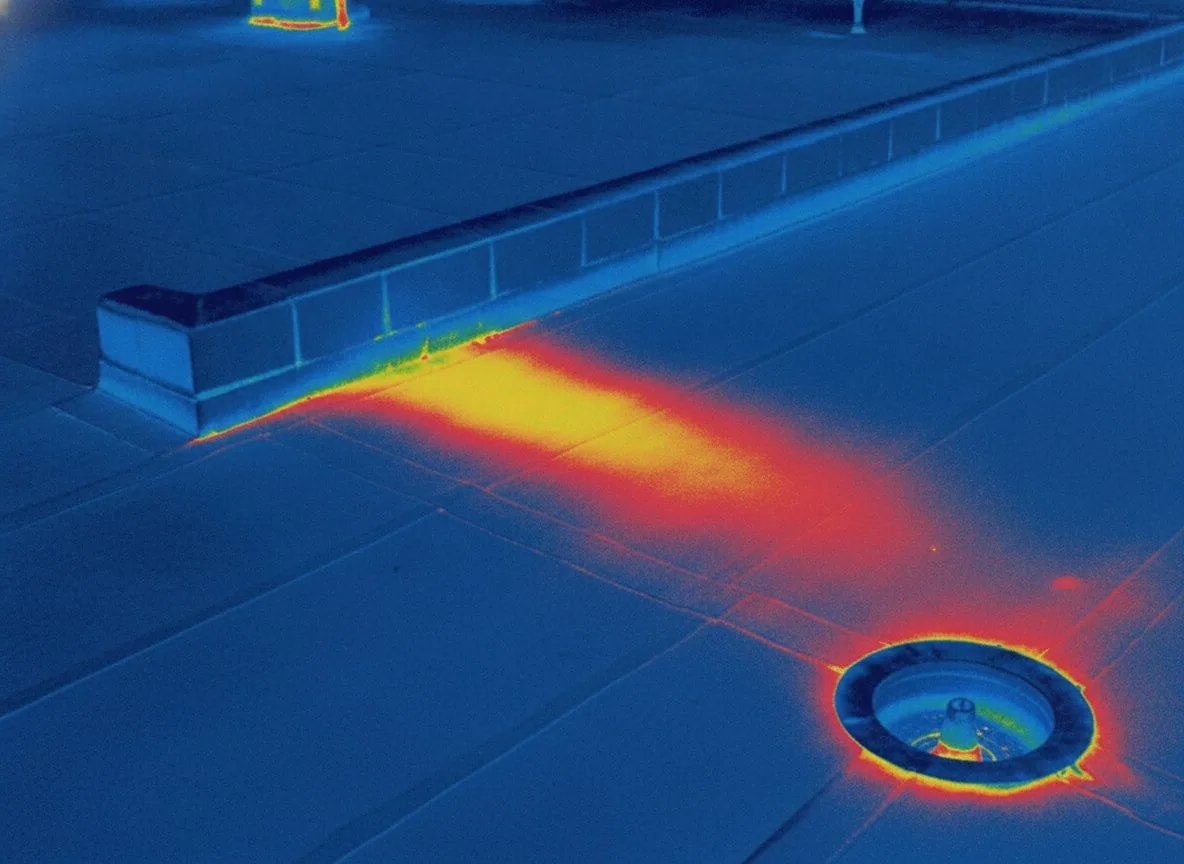
A reserve schedule treats a roof as a date and a dollar figure, and the date is usually a guess drawn from the building's age. A survey replaces the guess with findings: membrane condition in the field and at seams, flashing at every wall and penetration, drainage that holds water between storms, and insulation moisture confirmed by core samples. We pair the hands-on walk with an infrared moisture survey when the roof is large or the insulation is thick, because wet insulation is the finding that most often turns a repair into a replacement. Each roof section then receives a remaining service life and a replacement horizon. The underwriter sees which sections can be restored, which need a recover and which belong in year-one capital, and can price them against the purchase. A due diligence roof survey is built for exactly this and is delivered inside the diligence window.
Re-tenanting: dark boxes and the roofs left behind
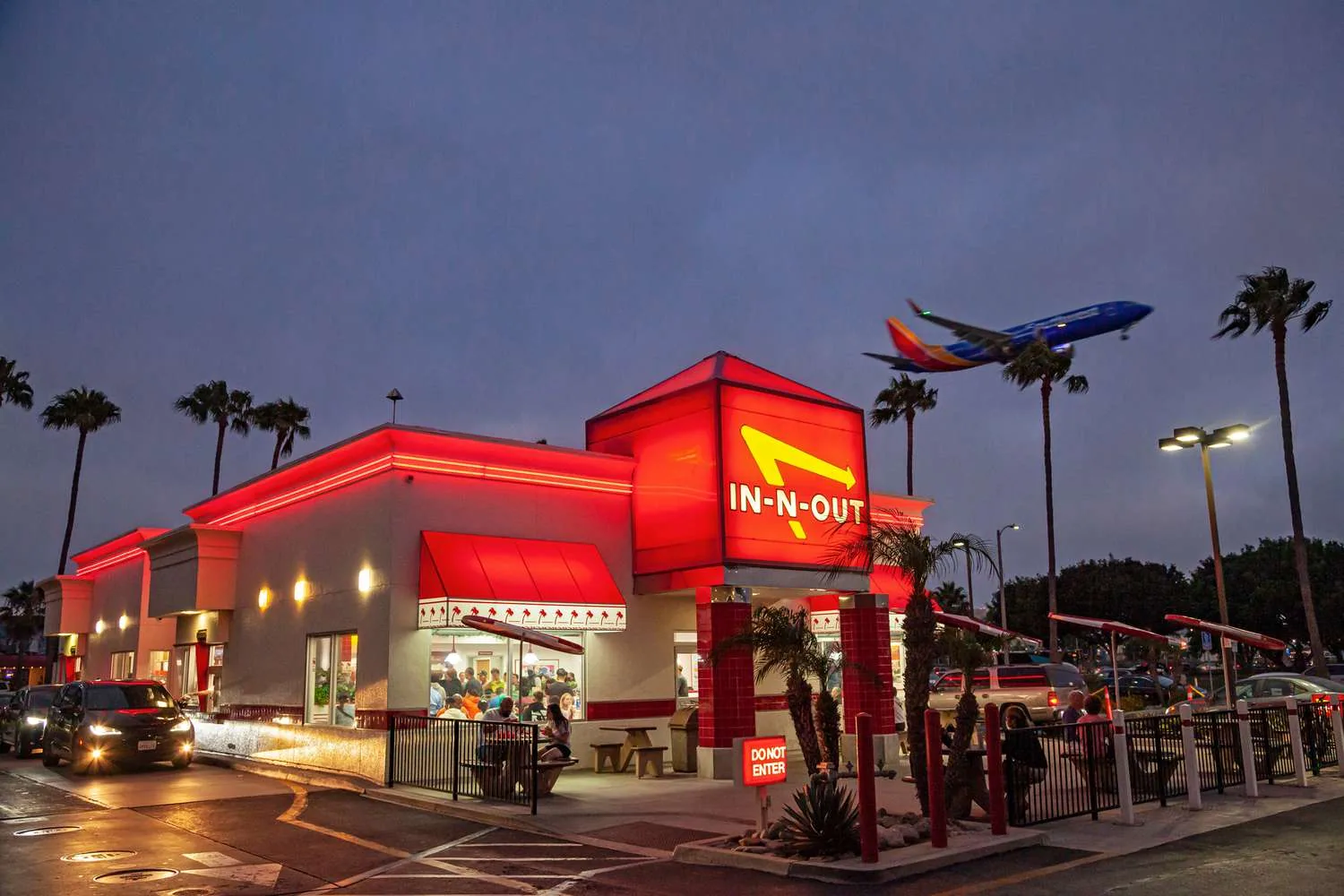
Retail repositioning leaves the clearest roof evidence in the valley. For an acquisition in a defined commercial area, confirm the roof history and tenant obligations before assigning a capital reserve; a changed use can alter both access and equipment needs. Whoever takes a big box next often wants rooftop units, a new entrance canopy or a different drainage layout, and each of those changes loads on a roof of unknown condition. At The Oaks, the late 2024 sale from Macerich to Stockdale Capital Partners is an ownership change of the sort that often triggers capital repair work on roofs. Our survey tells a new owner what the existing roofs can accept before the leasing plan commits to equipment loads. Janss Marketplace and The Oaks sit in roughly the same part of Thousand Oaks Boulevard, and the pair shows why that check comes first, and the same logic applies to retail and restaurant chains taking space in either one.
Code cycle: permits filed from January 1, 2026
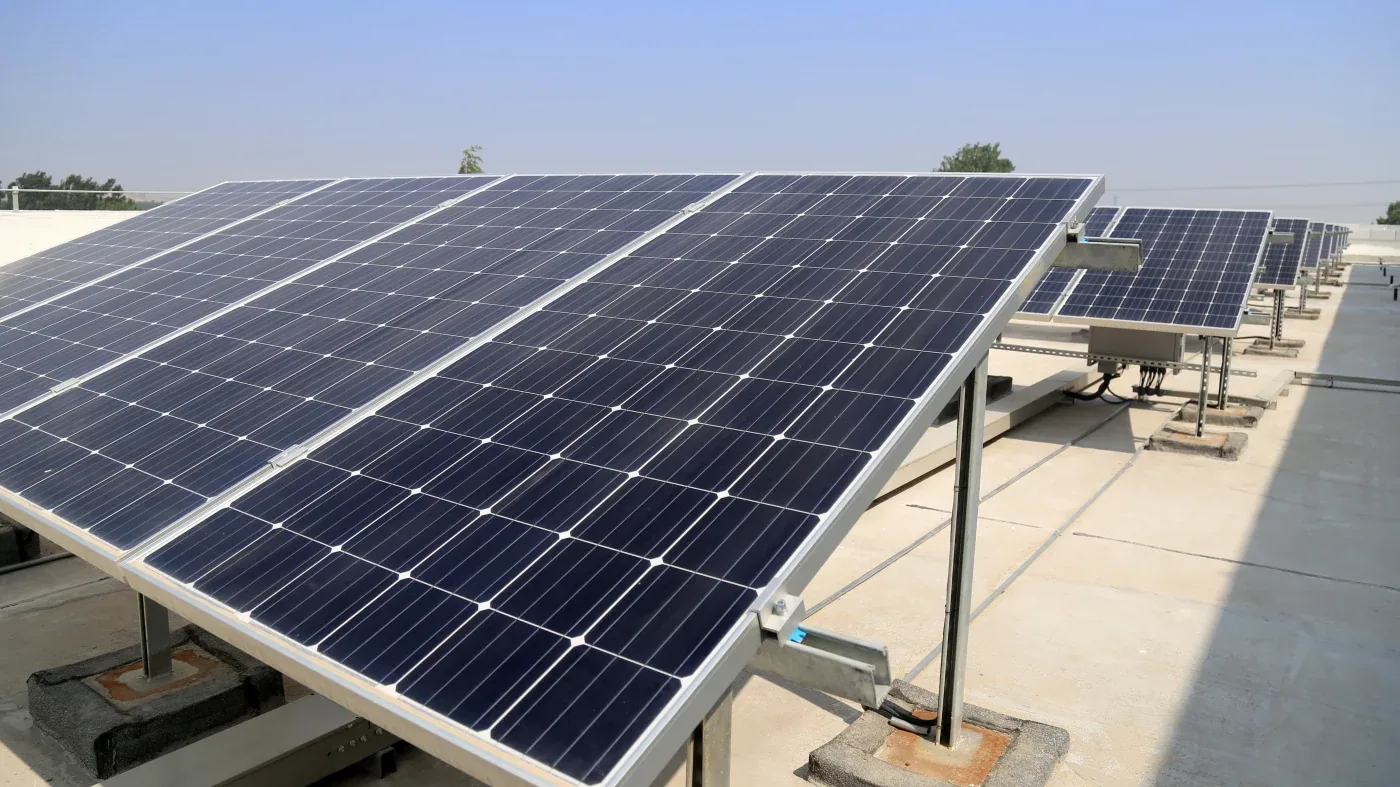
The state's 2025 building standards became effective on the first day of 2026, and any permit application filed from that date forward is reviewed under the new Energy Code, which changed nonresidential rules for roofing, cool roof performance, solar and battery storage. Thousand Oaks went a step further in 2025 by revising its own Title 8, so the city's version of the package differs in places from the state text. A replacement priced a year ago on older assumptions needs another look. Insulation depth, reflectivity and readiness for panels are design decisions at the moment a permit is filed, and changing them afterward costs time. We write replacement scopes against the current package, and where an investor expects to add panels, a roof planned as solar-ready roofing avoids tearing up a new membrane a few years later. Reflectivity is then a specified number, and a cool roof installation can be priced against it.
Hold period: repair, restore or replace against the exit date
The right intervention depends on how long the owner expects to hold the asset, and the survey is built to let that horizon drive the recommendation. Sound insulation under a tired surface makes a roof a candidate for a coating, which moves the replacement date later and keeps the largest expense out of a short hold. A roof with wet insulation in several sections will not respond to coating, and spending on it only delays a larger bill that a buyer will find in diligence. Between those cases sits the recover, which adds a new membrane over a dry existing roof where code and structure permit. We lay out each option with its likely service life and the conditions that would change it, so the decision belongs to the owner. Where the choice is between roof coating restoration and replacement, roof capital planning puts both on one timeline against the exit date.
Exposure and records: what insurers and buyers ask for
Wildfire years leave a mark on how a roof is judged. Woolsey in 2018 was driven by Santa Ana gusts in the 50 to 60 mph range, and the Mountain Fire of November 2024 was forecast to bring gusts past 65 mph, so an assembly's ember resistance, edge metal and debris management are fair questions from an insurer as well as from a repair budget. At exit, a buyer's lender asks the same question from the other direction. We keep a file per roof with the survey, photographs, repair history and any manufacturer paperwork, so an owner can answer both. The roof warranty management record shows which coverage is still in force and what maintenance it assumes. Owners who hand a buyer that file are less exposed to a late price adjustment, and an owner who hands day-to-day care to property management companies can give them the same documents.
In Newbury Park, an owner with several buildings around Rancho Conejo Industrial Park can compare roof sections on one capital register while keeping each property’s inspection record distinct.
A buyer’s review should tie each roof zone to the purchase assumptions. Separate defects that can be priced as immediate repairs from conditions that need testing, and state which estimates are preliminary because access or records were incomplete. For a multi-building asset, use one condition scale but preserve the differences in assembly, occupancy and remaining service life. The owner can then compare the cost of a near-term repair with the reserve required for replacement, while the property manager receives a defined maintenance list at closing. In Newbury Park, where Rancho Conejo Industrial Park contains a substantial share of the city’s industrial properties, that distinction is useful when one ownership group holds several roofs. Each finding still needs evidence from its own building; a portfolio model cannot substitute for an inspection.
Commercial Roofing Questions
How early in diligence should the roofs be surveyed?
As early as the seller allows access. Findings on wet insulation or failed seams can change price or scope, and a short window leaves no room to ask for a credit. Request roof access in the first week of a contract.
Can a seller's roof report be relied on?
Treat it as a starting point and check its date, its author and whether it records moisture. Many reports describe the surface only. An independent survey tests what lies beneath the membrane, which is where the cost is.
What does a repositioning change about the roof?
Mostly load and penetrations. New tenants bring rooftop units, exhaust and conduit, each of which adds a curb or support. The roof has to be rated for those additions, and any membrane near the end of its life should be replaced before the equipment arrives.
How do the 2025 codes affect a replacement budgeted last year?
A permit application filed on or after January 1, 2026 falls under the 2025 Energy Code, so insulation and reflectivity requirements should be priced again before the scope is bid. Recheck the budget line rather than carry the old figure forward.
Is a coating a fair substitute for replacement before a sale?
Only where the insulation is dry and the membrane sound. A coating over wet insulation hides a problem a buyer's survey will find, and the sale price can suffer more than the avoided replacement cost saved.