Roof Warranty Management for Thousand Oaks, CA Owners
Roofing Capabilities · Thousand Oaks, CA
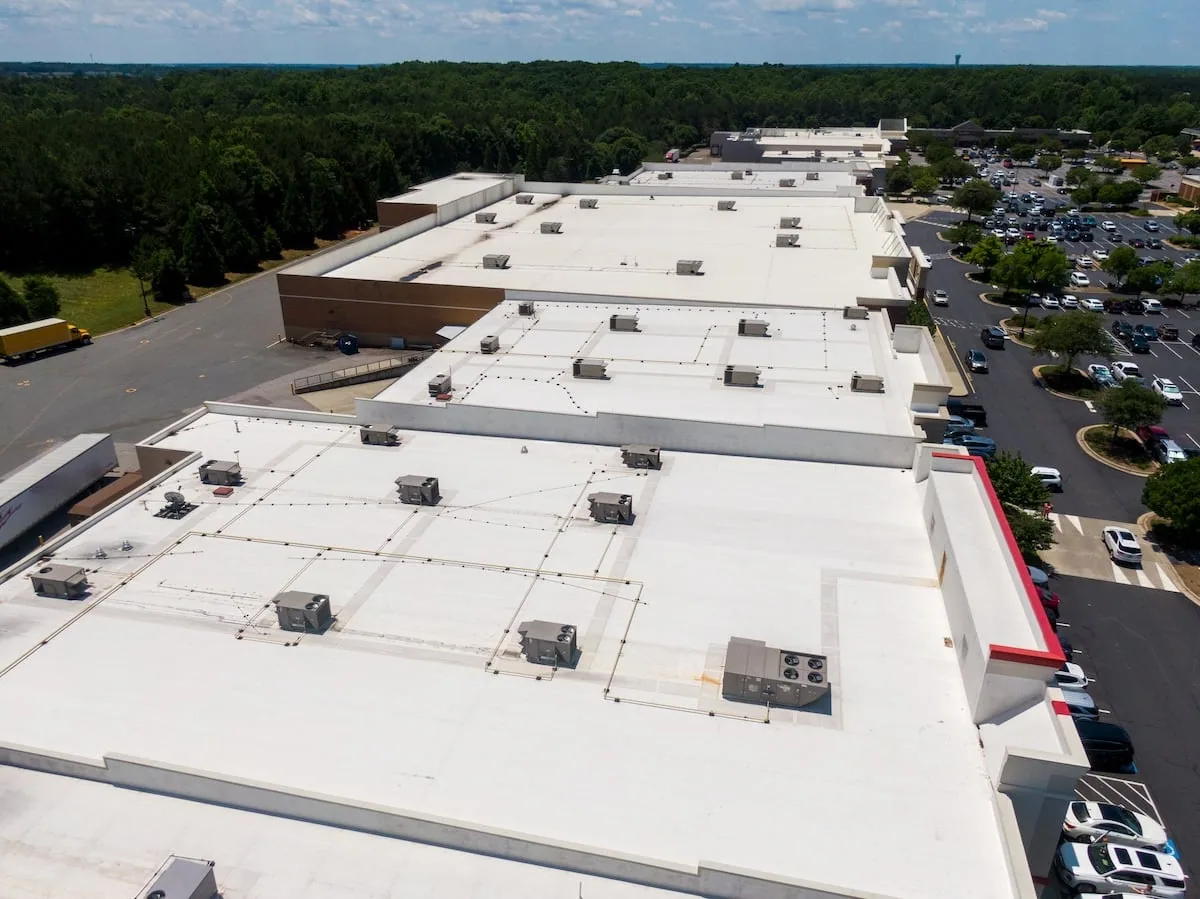
Warranty file, retail building: manufacturer's letter present, expiration date not marked on the cover sheet, two rooftop units added by a tenant's HVAC vendor since installation, no notice of either sent to the manufacturer, last documented maintenance visit undated. Nothing on that roof is leaking, and yet the owner's most valuable roof document may already be weaker than it looks. A manufacturer warranty is a conditional promise. It depends on the roof being maintained as the terms require, on repairs being made by the methods the manufacturer accepts and on changes to the roof being reported before they are made. Roof warranty management in Thousand Oaks, CA is the work of keeping those conditions satisfied and provable for as long as the coverage runs.
For an owner with several buildings, the exposure multiplies. Each roof has its own terms, its own expiration and its own list of actions that put coverage at risk. We turn those separate documents into one schedule, so the person responsible knows which roofs are covered, for what, until when and what must happen before anyone touches them.
Roof Warranty Management
Roofing Capabilities
Call our team
Written findings and options
Thousand Oaks, CA
Ventura and Los Angeles counties
Terms: the clauses that decide whether coverage holds
The first step is to read the warranty the way an adjuster would. Most manufacturer warranties turn on a short list of clauses: what is covered, what is excluded, the maintenance the owner must perform, the notice the owner must give before work, the repair methods the manufacturer will accept and the limits on wind speed or other conditions. We extract those clauses into a plain summary for each roof and flag any term that conflicts with how the building actually operates. A warranty that limits coverage in high wind, for example, deserves a close look in a market where Santa Ana gusts were forecast above 65 mph during the November 2024 Mountain Fire near Somis and Camarillo.
We also confirm what the paperwork does not say. A roof with a letter and no registered product data, or a coating applied over a membrane whose warranty has lapsed, belongs in a different category from one with complete documentation, and the schedule reflects that difference. Owners then see, building by building, which roofs hold real coverage and which hold only a letter in a file, and they can decide where a survey or a notice letter comes first.
Triggers: work that can put coverage at risk
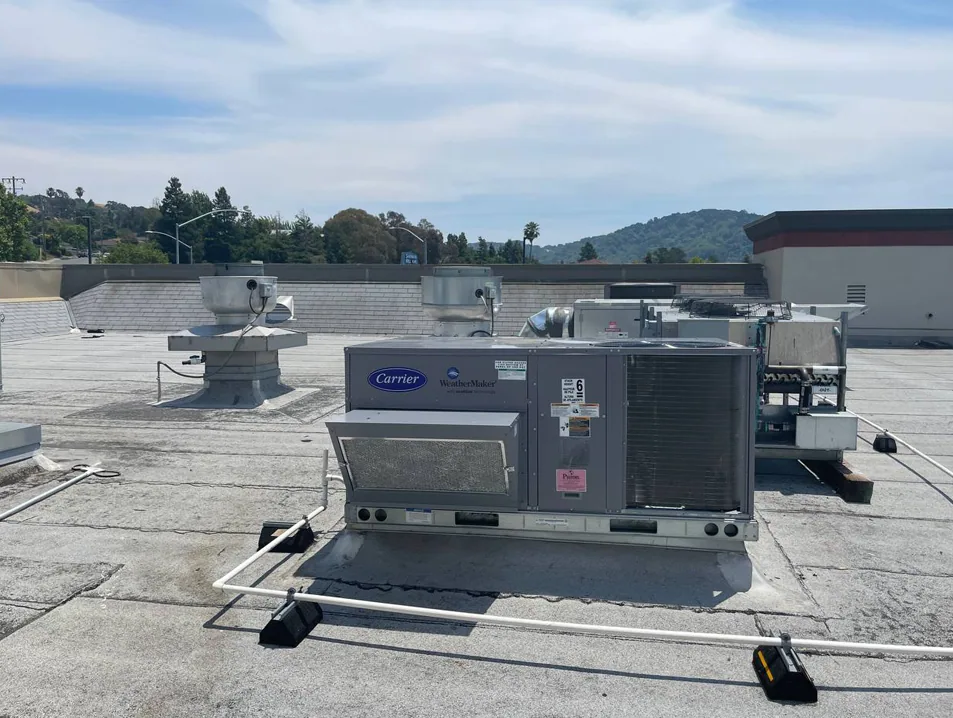
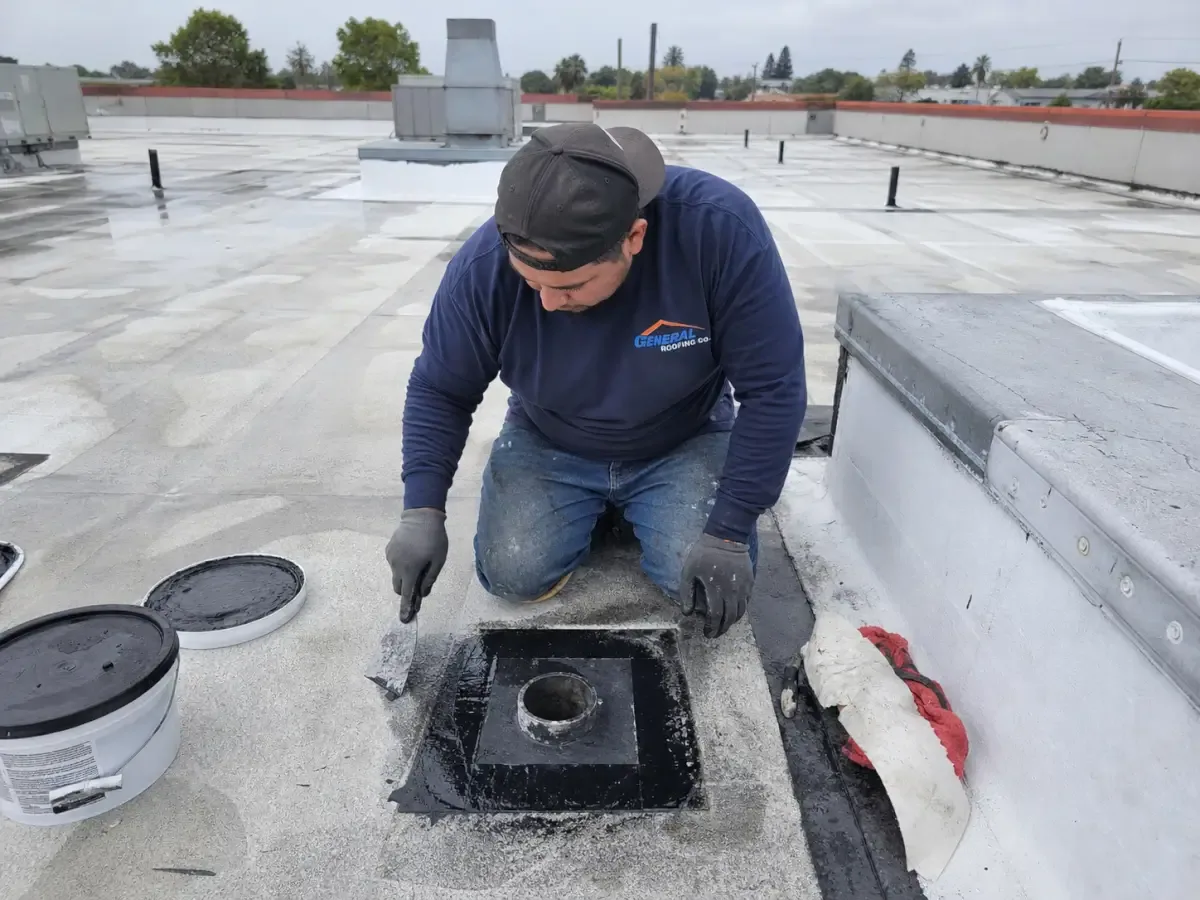
Most warranty disputes begin with work done on the roof by someone who did not know the terms. A new rooftop unit needs a curb, and a curb needs flashing that the manufacturer accepts. A cable run for a tenant, a satellite dish, an antenna mount or a conduit through the membrane creates a penetration that may be outside the warranty unless it was detailed correctly and reported. An equipment curb or support installed without the manufacturer's detail is a classic example, and the roof may fail first at that spot.
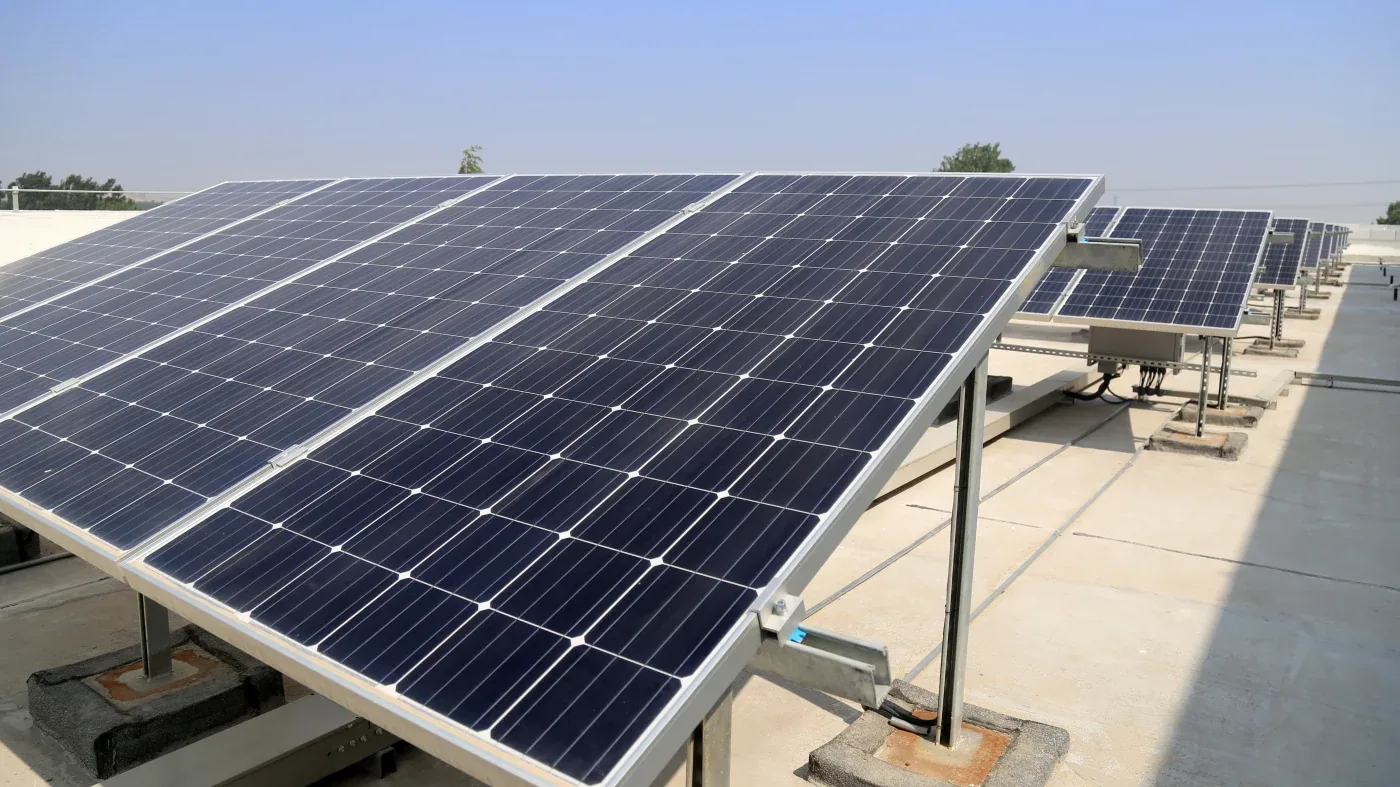
Solar is the larger version of the same risk. Racking, ballast and conduit all alter the roof, and an array that sits over a membrane for years is hard to inspect. Solar-ready roofing is designed with the warranty in mind, so the supports and the membrane agree. Where an array is planned for an existing roof, we review the warranty terms first and tell the owner whether the manufacturer needs to approve the layout.
Records: the file that proves maintenance happened
When a claim is filed, the manufacturer asks for proof that the owner kept up the roof. That proof is a file, and it is far easier to build as the roof ages than to reconstruct after a leak. For each roof we keep dated inspection reports, photographs, drain-clearing visits, repair entries with the materials used, and every notice sent to the manufacturer, all indexed by roof section. Our preventive maintenance visits are documented in exactly this format, so each visit adds a page to the file. If the roof is later surveyed, the condition report joins the record and shows the roof's state against the warranty terms.
The file also protects against turnover. Facilities staff and property managers change, and the person who knew where the warranty letter was kept is often gone by the time it matters. A complete file travels with the building.
Transfers: sales, refinancing and tenant changes
Warranties are often tied to ownership, and many require notice or a fee for a transfer to a new owner to take effect. That makes a sale or a financing a warranty event. The Oaks changed hands in late 2024 when Stockdale Capital Partners bought it from Macerich, and a transaction of that scale raises the question of which roofs are still covered and whether transfer provisions were followed. The same question arises at the two-building Conejo Corporate Campus, where a buyer plans a repositioning after Amgen's ten years of occupancy. A buyer's lender will ask for the warranty schedule, and our due diligence surveys include one.
Tenant changes matter too. A tenant change can alter the roof even when the membrane stays in place. New HVAC units, exhaust, conduit and sign supports add penetrations, while equipment removals can leave abandoned curbs and open flashings. We compare the roof plan with the proposed fit-out before work starts, identify which details affect coverage and record the finished condition after the trade leaves.
Claims: acting when a covered roof leaks
When water appears under a roof that is still covered, the order of steps matters. Photograph the condition and protect the interior. Notify the manufacturer according to the warranty's notice clause, and do not allow an outside crew to make permanent repairs before the manufacturer has been told. We make the roof safe on an emergency basis, document the cause and prepare the notice and the supporting records. Product-specific warranties differ, so the process follows the system on the roof, whether it is a Carlisle SynTec or Johns Manville membrane or another product, and we read the actual terms rather than assume them. A leak that appears just before an expiration date deserves the fastest notice of all, since the date on the letter is the date that counts.
At a commercial property in Camarillo Old Town, the coverage file should record who can authorize roof work and how tenant operations shape access, so a future repair can follow the warranty terms without disrupting occupied space.
Commercial Roofing Questions
Does a roof repair by a third party void my warranty?
It can, if the repair method or contractor falls outside what the warranty accepts. Check the terms before work begins. We read them first and tell you whether notice is required.
Where are the warranty documents usually missing?
After a sale or a change of property manager. The letter exists somewhere, but the registration data and the maintenance history rarely follow. We rebuild what can be rebuilt from the manufacturer and our own survey.
Do tenant rooftop installations matter to coverage?
Yes, every penetration and every added unit counts. Require tenants to route requests through the owner, and have the work detailed and documented to the manufacturer's standard.
What proof will a manufacturer ask for after a leak?
Dated maintenance records, photographs of the failure, repair history and evidence that notice was given on time. A file kept as the roof ages answers all four.
Can an old roof be restored without losing coverage?
Sometimes the warranty has already ended, and sometimes the manufacturer must approve the coating or overlay first. We confirm the status before choosing the scope.