Due Diligence Roof Surveys in Thousand Oaks, CA
Roofing Capabilities · Thousand Oaks, CA
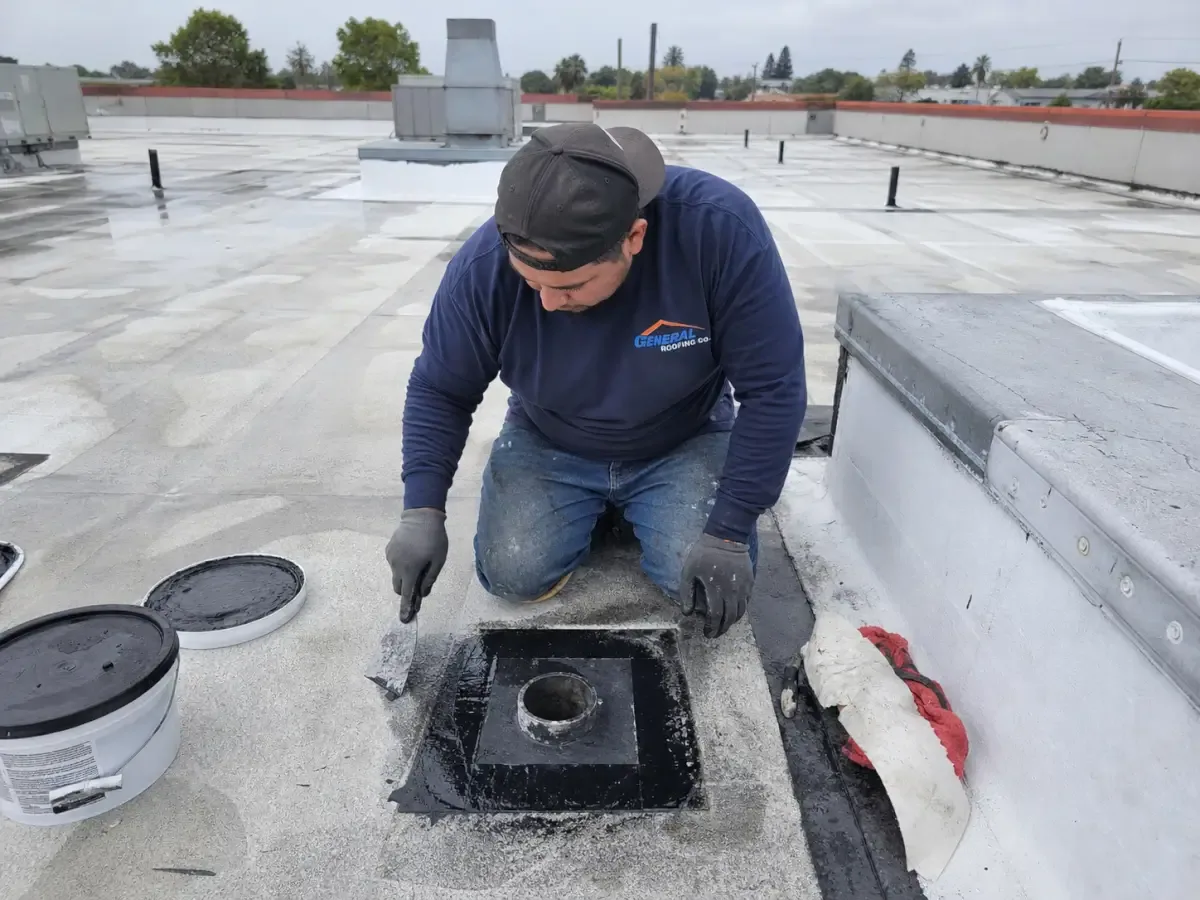
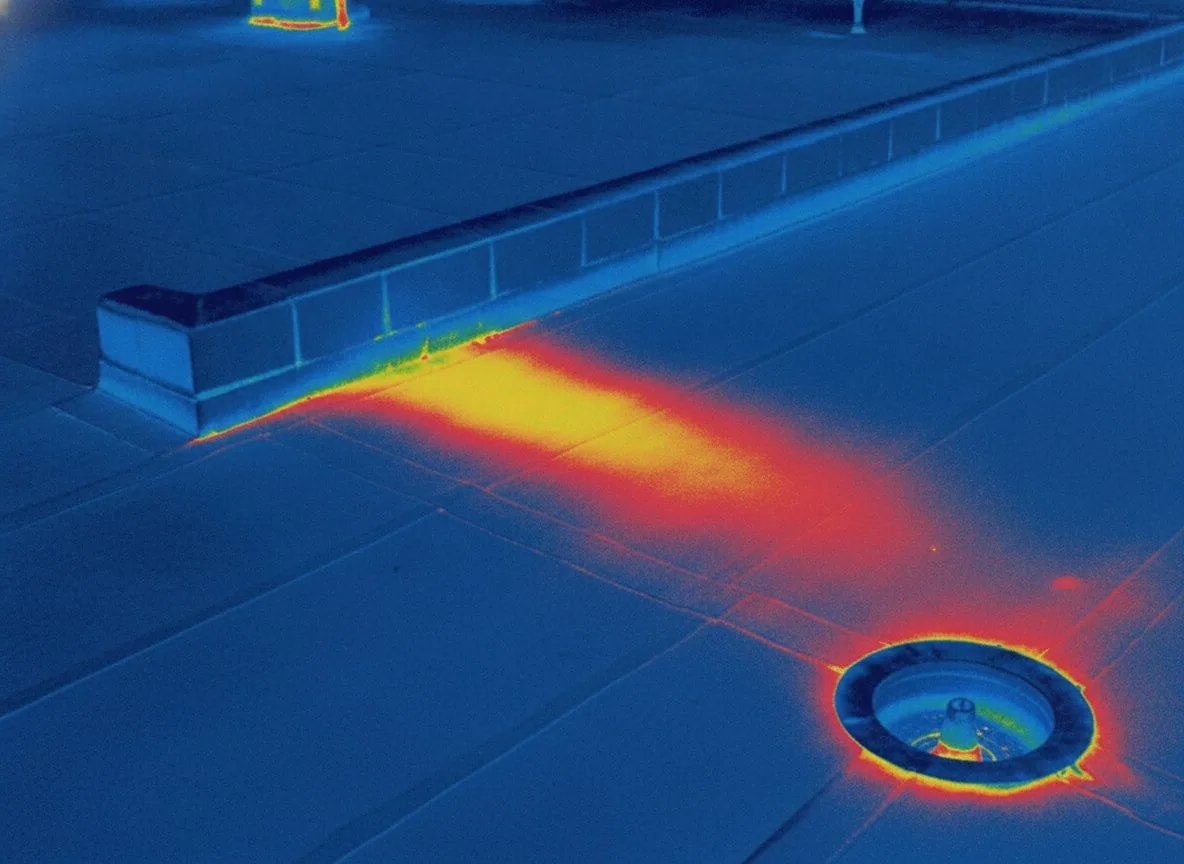
Survey result, industrial building under contract: field membrane serviceable on visual inspection, drains at the two low corners holding water into the following day, and an infrared pass that reads the insulation beneath that ponded zone as wet. The seller's disclosure describes the roof as in good condition, and on the surface of it, the seller is not wrong. What the survey adds is the part of the roof that cannot be seen, and that part is where the buyer's first capital call usually comes from. Roof surveys for acquisitions and refinancing in Thousand Oaks, CA are built to find that kind of finding while the contract still allows a negotiation, because the same discovery made after closing is a cost, and the same discovery made before closing is a price adjustment.
We run the survey as a short, structured engagement fitted into the diligence period. The deliverable is a written report with photographs, a grade for each roof section, a remaining service life range and a scope priced by timing, so the buyer, the lender and the seller are all working from one set of facts.
Due Diligence Roof Surveys
Roofing Capabilities
Call our team
Written findings and options
Thousand Oaks, CA
Ventura and Los Angeles counties
Clock: fitting the survey inside the diligence window
Diligence periods are short and roofs are slow to assess if the work is not planned. We ask for the roof plans, any prior reports, warranty papers and the repair history as early as the seller will release them, and we schedule access around tenants so that the walk, the moisture mapping and any core samples are finished with room to spare. A drone pass speeds the first look on large buildings and tells the crew where to concentrate. The infrared work is timed for conditions in which the readings are reliable, which on a clear Conejo Valley day usually means the late afternoon and evening, when the roof releases the heat stored through the day.
When a roof cannot be fully surveyed in the window, the report says so and states what is unverified, because a buyer who knows what is missing can price the risk, while a buyer who assumes completeness cannot.
Deliverable: findings a buyer can price
The report is written for the deal team and the lender, not for a roofing specialist. Each roof section carries its grade, its photographs and its recommended action, ranked by timing: work needed immediately, work expected within the hold period and work beyond it. The summary sheet totals the scope by year so it can drop into the acquisition model, and a note on the confidence behind each estimate shows the reader where the numbers are firm and where they depend on further testing. Our full condition report format is the base, with a diligence summary on top.
Moisture findings matter most. Wet insulation under a membrane that looks sound will shorten the roof's remaining life far more than surface wear will, and it changes the plan from restoration to replacement. An infrared moisture survey is therefore a standard part of the engagement, rather than an optional extra.
Adjustments: what the findings do to the deal
Findings reach the transaction in three ways. Immediate repairs may be handled by the seller before closing, or credited at closing. Near-term replacement needs can be reflected in the price, in a holdback or in a reserve. Long-horizon items are left to the buyer's capital plan, which can start from the survey data on the first day of ownership. Our role is to give each finding a scope and a timing, and the parties decide how to allocate the cost. We do not set the price, but we make sure the roof is not the unexamined line in the model.
Warranty paperwork belongs in the same conversation. A transferable warranty with clean maintenance records adds value, and a lapsed one removes it. The warranty review that accompanies the survey tells the buyer which coverage will survive the sale.
Lender view: reserves, covenants and refinancing
Lenders read roofs through remaining service life. A refinancing request that arrives with a dated survey, a clear grade and a funded plan for the weakest sections is easier to process than one that offers an assertion. Where a lender requires a reserve, the survey gives both sides a defensible basis for sizing it. Investors and REITs that refinance on a schedule often keep a standing survey cycle, so the roof file is current when the loan comes due. The survey also helps when a lender asks a pointed question, such as whether a roof that is ten years from replacement will outlast the loan term. A graded section with a stated service life range answers it directly, and a section graded poor arrives with its own funded plan, so the lender sees a managed risk instead of an open one.
Local lens: what Conejo Valley roofs have been through
A survey in this market looks for the marks of local conditions. Summer sun and heat bake exposed membranes, which shows as crazing and shrinkage on the south-facing slopes. Santa Ana winds can exceed 40 mph, so edge metal, coping and parapet flashing are examined for lift. Woolsey in November 2018 reached both Thousand Oaks and Newbury Park, which puts ash in drains and embers in low spots on the list of things a buyer's survey should check before closing. Rancho Conejo Industrial Park, at the northern edge of Newbury Park, counted over 120 properties in 2017, and a buyer weighing more than one building there needs the survey to rank the roofs against each other.
Repositioning deals need a further question answered. A buyer of the two-building Conejo Corporate Campus, which Amgen occupied for a decade, also owns the Think Here campus and plans Class A multi-tenant repositioning, and a new use can bring new rooftop equipment, new tenant loads and a new office roof standard. The survey reports whether the existing roofs will carry that plan and for how long.
A useful acquisition survey turns roof observations into questions the buyer can resolve before the contingency period closes. The record should distinguish visible surface wear from conditions that require a core, identify where access was limited, and state which conclusions rely on seller records rather than direct confirmation. For each roof section, the buyer can compare remaining service life, near-term repair exposure and the likely timing of a larger capital decision. A reserve model is more defensible when assumptions are explicit: the proposed repair area, the membrane layers observed, moisture results, and the consequence of deferring work. Where the seller has incomplete records, list the gap and the next inspection needed instead of treating a missing date as proof of age. This lets ownership, lending and facilities teams discuss the same condition baseline without mistaking a preliminary survey for a construction specification.
Commercial Roofing Questions
How long does a survey take for a multi-building purchase?
It depends on roof area and access, and we confirm a schedule once we see the plans. Moisture mapping and core samples add time, and we build that into the diligence calendar.
Can the seller's report stand in for a buyer survey?
It can inform ours, but a buyer should hold an independent report, because the seller's was written for a different purpose and may omit moisture or recent repairs.
Do you cut cores during diligence?
Only with the owner's consent and with the cut repaired the same day. Cores confirm what the infrared pass suggests, and they show the layers beneath, which affects the scope.
What if the roof is under warranty?
Then we read the transfer terms and flag any notice or fee the sale requires. Coverage that does not carry to the new owner should be priced as no coverage.
Will the survey tell us when to replace?
It gives a target window for each section and the findings behind it. A later survey can refine that window once the roof has a year of history in the file.