Roof Capital Planning for Thousand Oaks, CA Buildings
Roofing Capabilities · Thousand Oaks, CA
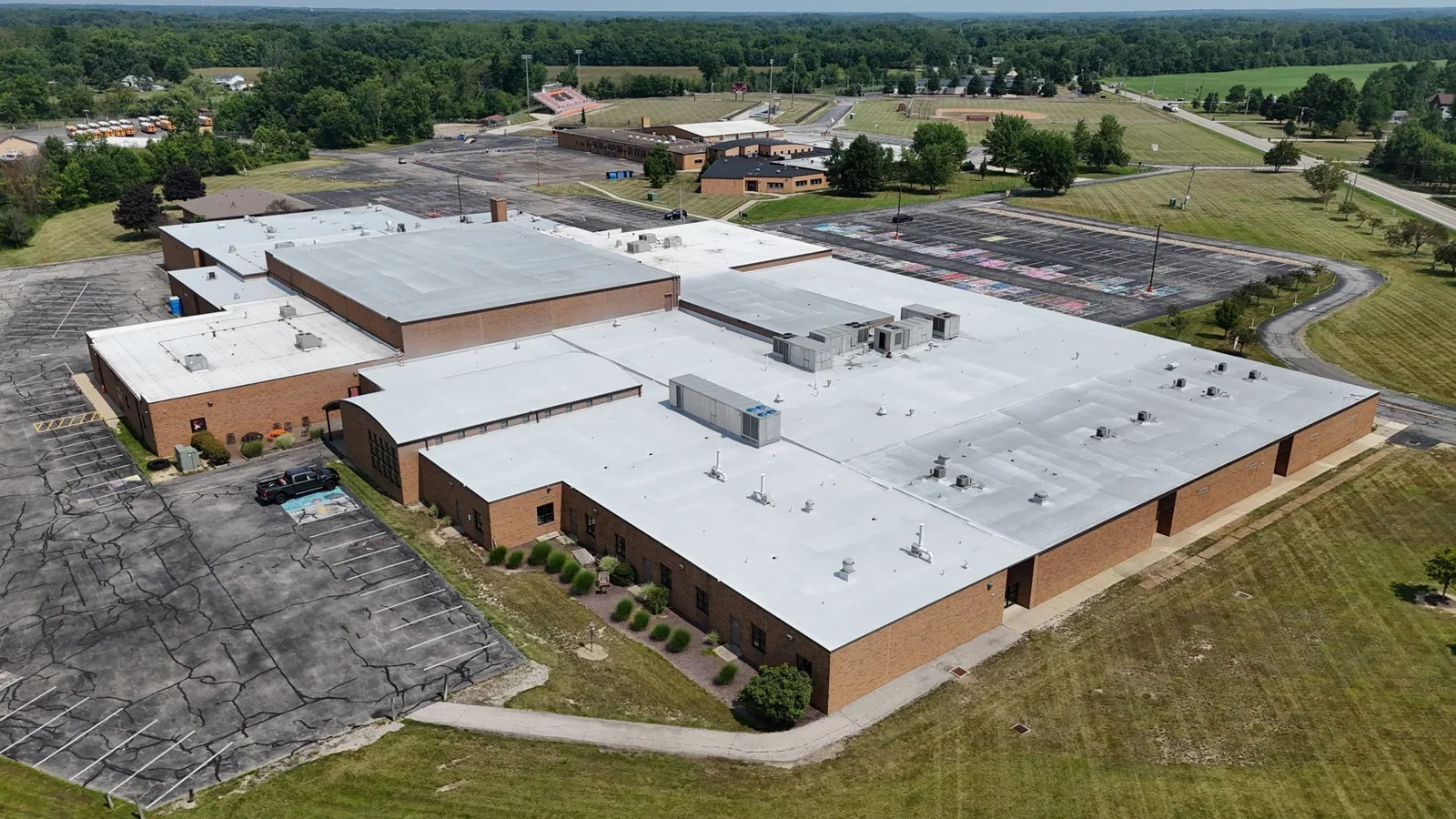
Finding: the reserve study carries the main roof of a two-story office building as a single replacement in a single year, while the condition survey puts one section past its useful life, two sections mid-life and a fourth recently overlaid. Both documents are correct, and they cannot be reconciled until someone splits the roof into the parts that actually age separately. That is the starting point of roof capital planning in Thousand Oaks, CA. A roof is rarely one asset with one replacement date. It is a set of sections with different ages, different exposures and different repair histories, and the cheapest path through them usually involves several decisions spread across several budget cycles instead of one large line that arrives all at once.
We prepare the plan from the survey outward, so every number traces to a section, a photograph and a stated assumption. The owner gets a schedule for the next several years, a defensible scope for each year and a clear statement of what changes if a decision is pushed back.
Roof Capital Planning
Roofing Capabilities
Call our team
Written findings and options
Thousand Oaks, CA
Ventura and Los Angeles counties
Horizon: how a replacement year is actually set
The replacement horizon is a range, and we present it as one. For each section we estimate remaining service life from the membrane type, the age where it is known, the pattern of surface wear, the condition of the seams and the state of the insulation underneath. A membrane with crazing on its south slopes but dry insulation can often reach the later end of its range with maintenance. A membrane with a wet core cannot, and the horizon collapses to the point where the moisture becomes a structural or interior-damage problem.
The plan then fixes a target year inside each range, chosen where the cost of waiting begins to exceed the cost of acting. That crossover is the useful number. Before it, repairs are inexpensive and the roof remains serviceable. After it, each repair protects an asset that is already spent, tenants begin to see the effects, and a planned project turns into an emergency one with a compressed schedule and less choice over products and timing.
Scope split: restore, recover or replace section by section
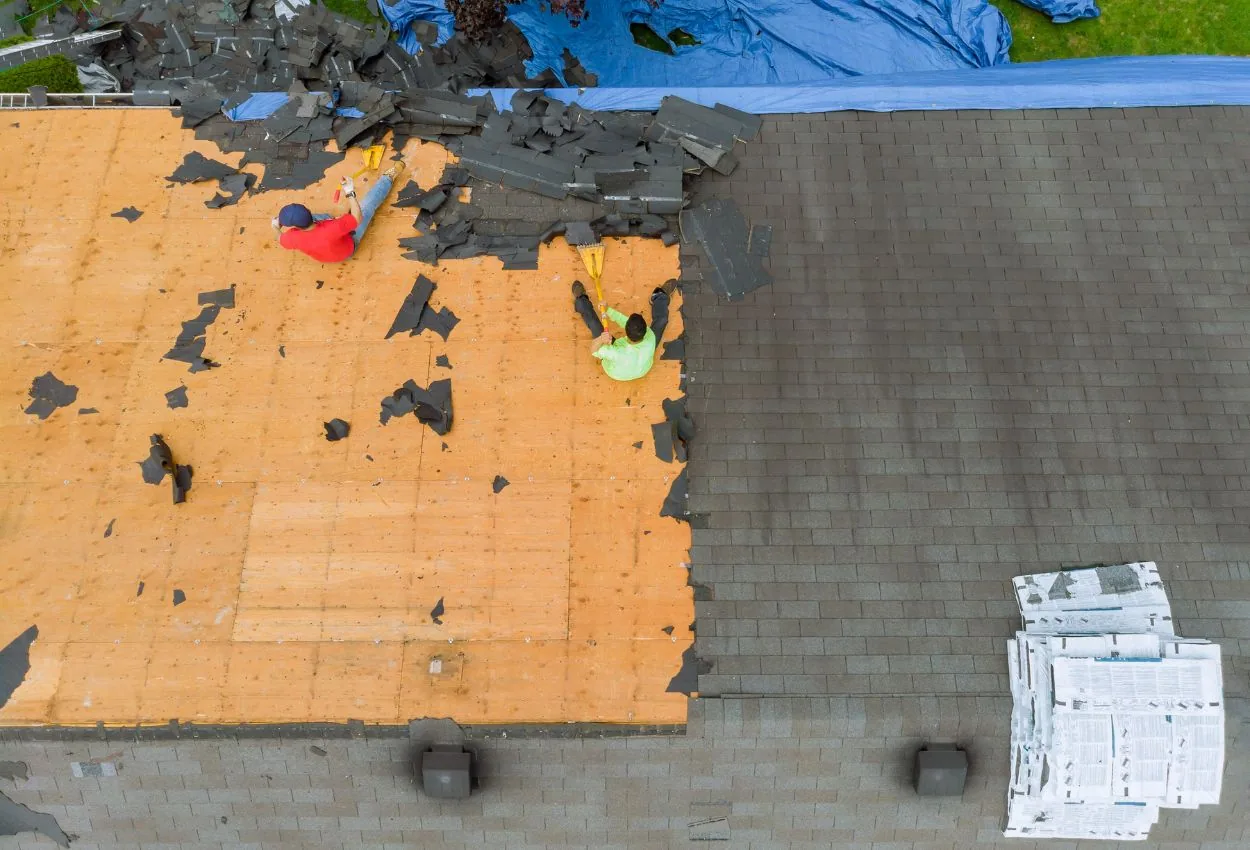
Once the roof is divided into sections, each can take the treatment that suits it. A section with sound insulation and a membrane that is worn but intact may be a candidate for restoration with a coating, which spends a fraction of a tear-off and resets the clock for a defined period. A section with dry but aged insulation under a failing membrane may suit a recover, provided the deck and existing layers can carry it and the code allows it. A section with saturated insulation goes to full replacement, because nothing placed on top will hold.
These choices are not interchangeable, and a plan that treats them as such will either overspend on healthy sections or underspend on failing ones. We state the assumption behind each choice, so the finance team can see what the number depends on, and we list the condition that would change it, such as a core sample that proves wetter than the moisture survey suggested.
Code cycle: what the 2025 California codes add to a replacement
Timing now carries a regulatory element. The 2025 California Building Code took effect on January 1, 2026, and the 2025 Energy Code applies to permit applications filed on or after that date, with nonresidential updates that touch roofing, cool roof requirements, solar and battery storage. The City of Thousand Oaks adopted those codes with local amendments in 2025, citing its own climate and terrain. For an owner, this means that a replacement budgeted before the change may not carry the scope the permit now demands. Insulation levels, reflective surfaces and provisions for future photovoltaic arrays can all move the number, and each is worth pricing during planning rather than discovering at plan check.
Where a plan expects an array, solar-ready roofing deserves a line of its own, since the membrane, the supports and the warranty need to agree with the equipment that will sit on top. The same logic applies to cool roof installation, where the reflective surface should be selected for the energy code and for the Conejo Valley summers it will face.
Transactions: ownership changes pull roof spending forward
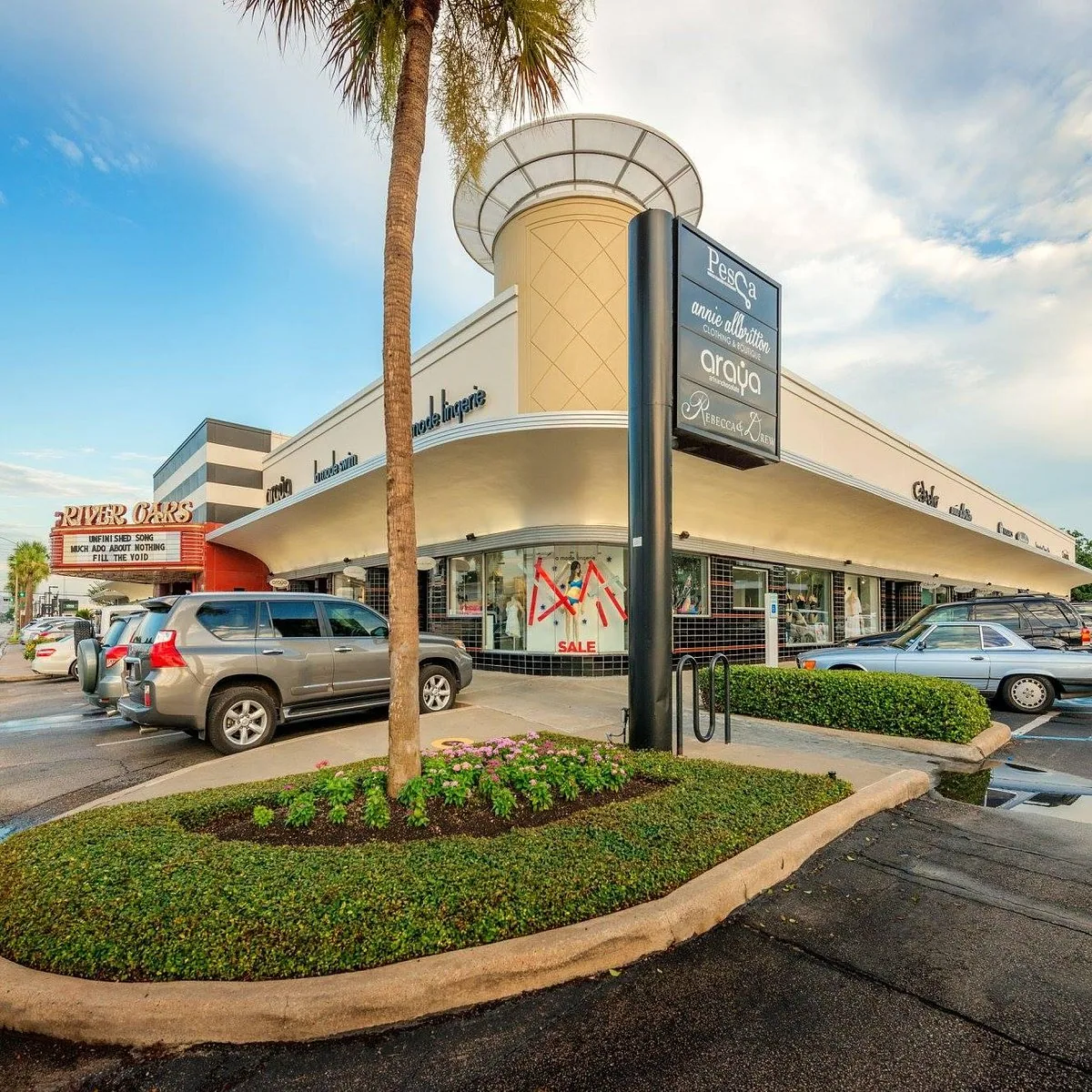
Capital planning is most urgent when a building changes hands or changes use. The Oaks, the 1.3 million square foot regional mall opened in 1978, was bought by Stockdale Capital Partners in late 2024, and a change in ownership of that kind often triggers capital repair work on roofs. Janss Marketplace lost its Sears and Toys R Us in 2018, which left large box roofs waiting on new tenants, and a re-tenanting project is the moment to decide whether a roof gets restored or replaced. In the same way, the two-building Conejo Corporate Campus, which Amgen occupied for ten years, is slated for Class A multi-tenant repositioning by its buyer, and a repositioning plan has to know which roofs will outlast the new lease terms. Our work for shopping center owners and real estate investors usually begins with that question.
The plan also gives a seller or buyer something to negotiate with. A documented schedule of roof spending, section by section, replaces the vague allowance that often appears in a purchase agreement, and it lets the parties price the roofs on what they actually need.
Budget cycle: staging the spend and protecting tenants
The final part of the plan is sequencing. We order the projects by risk and by building schedule: roofs over sensitive operations early, roofs above retail space outside peak trading weeks, and work on occupied floors timed to limit tenant impact. Where a roof must be done in phases, the plan shows the phase boundaries and the temporary protection that holds between them. Each year's scope carries its assumptions, its contingencies and the finding that would trigger a revision, so the budget owner is never surprised by what the number includes. The plan feeds directly from the roof register and is revised each time a section is resurveyed. A portfolio with a building in Rancho Conejo Industrial Park still needs each roof's own baseline; a roof condition report gives the reserve study a dated starting point.
Commercial Roofing Questions
When should a replacement enter the reserve study?
As soon as a section reaches the back half of its estimated service life. Early entry lets the cost be spread, and the target year can still move later if the next survey finds the roof holding up.
Is a coating a capital item or an operating one?
That call belongs to your accountants and your lease terms. We write the scope and the expected service life clearly so they have what they need to classify it.
Can one roof be replaced over two budget years?
Yes, when the sections are separable and temporary protection is detailed at the phase line. The plan marks that line, so the first year's work does not leave the second year's area exposed.
How much should be held back for hidden damage?
Hold a contingency tied to the unknowns, mainly wet insulation and deck condition. A moisture survey narrows that figure before the project is bid, which is why we run one in the planning year.
Will the 2025 energy code change a roof I already budgeted?
It can, if the permit is filed on or after January 1, 2026. Insulation, reflectivity and solar provisions may add scope, so we reprice the project against the current requirements.