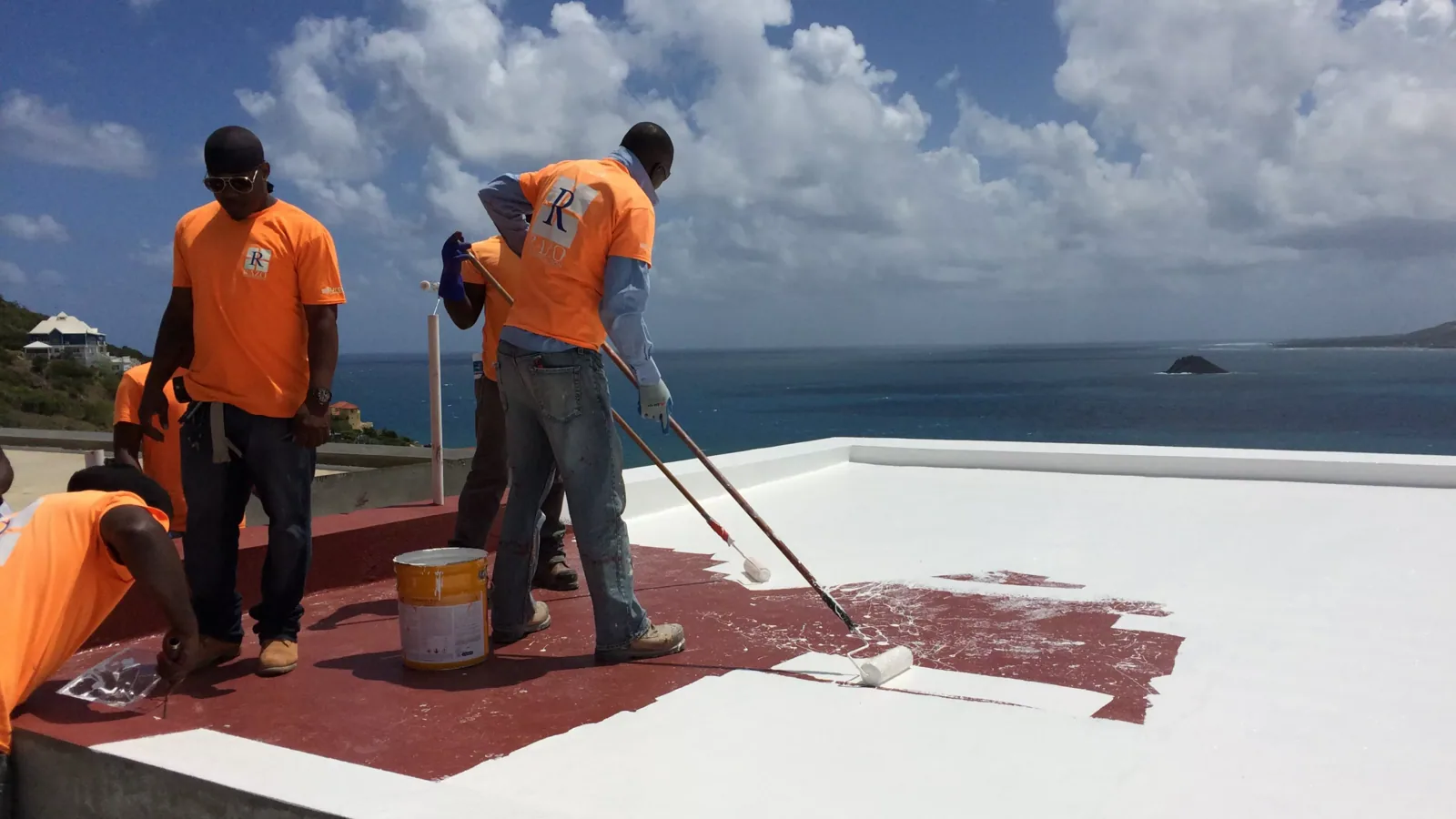
Roof Recover and Overlay in Thousand Oaks, CA
Commercial Roofing Services · Thousand Oaks, CA
Observation: a single existing membrane, mechanically fastened to steel deck, with dry insulation at every core location and no more than a handful of isolated soft spots. That is the profile of a roof that may be a good recover candidate, and with Newbury Park averaging only about ten inches of rain a year, a roof here can stay dry until a detail fails. A recover installs new insulation or cover board and a new membrane over the existing roof, which avoids the disposal, noise and exposure of a tear-off. It is permitted only where the code and the moisture conditions allow, and our job in Thousand Oaks, CA is to prove those conditions before anyone commits budget to the approach.
Roof Recover and Overlay
Commercial Roofing Services
Call our team
Written findings and options
Thousand Oaks, CA
Ventura and Los Angeles counties
Conditions: when a recover is permitted at all
The building code limits how many roof coverings can sit on a deck, and it does not permit recovering over a roof assembly whose insulation is wet or whose deck has deteriorated. Existing roofs that already carry more than one covering, roofs with trapped moisture, and roofs whose substrate cannot accept new fasteners are removed instead. The City of Thousand Oaks adopted and amended the 2025 California codes in its Title 8 update, including the existing building code, so the local building department is the final reader of these rules, and we confirm its expectations before a proposal goes out.
Structure is the second gate. A recover adds dead load from new insulation, cover board, membrane and sometimes ballast or equipment, and the existing framing must carry it with the rooftop units already in place. On older buildings that have accumulated mechanical equipment, the added weight is worth checking before it is assumed away. A recover that cannot meet these conditions is not a savings, it is a delayed replacement with a larger bill.
Verification: proving the old roof is dry
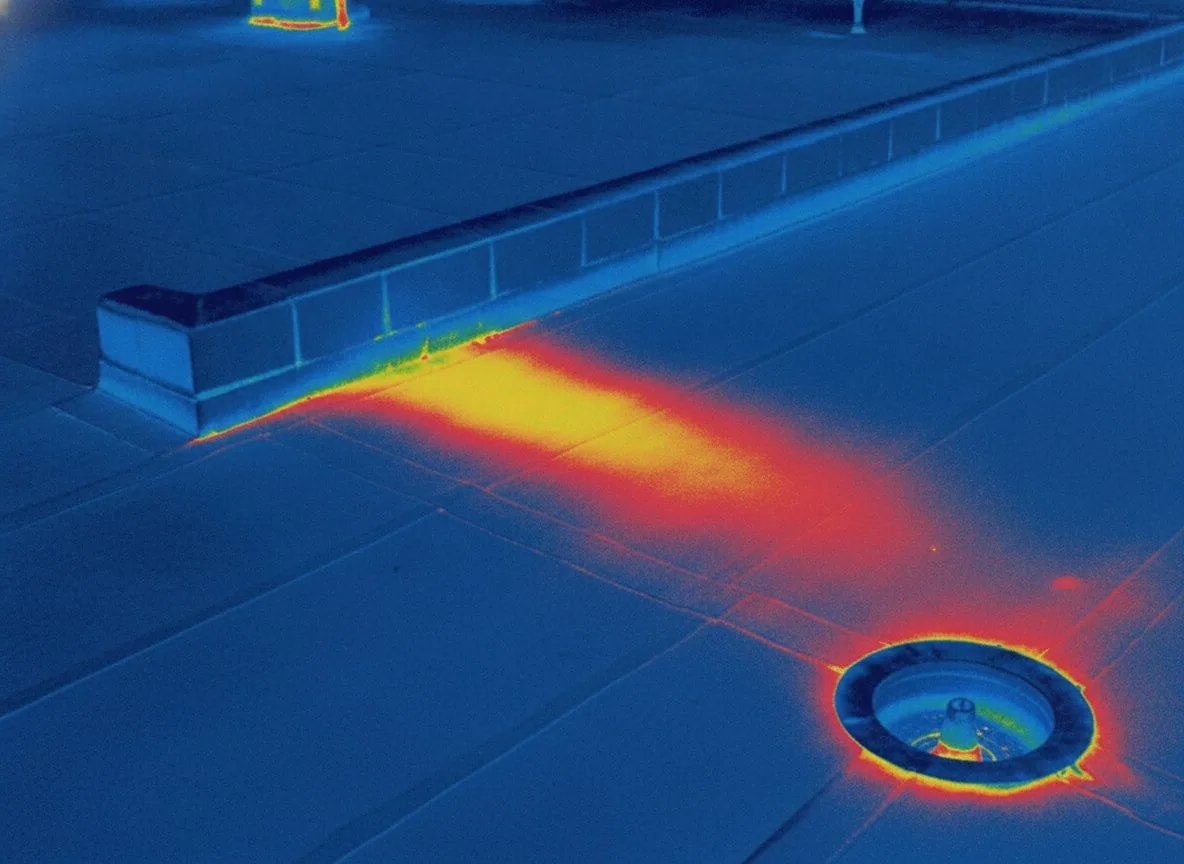
Visual condition says very little about what is inside the assembly. We recommend an infrared moisture survey across the whole roof, followed by core cuts at the thermal anomalies and at a spread of control locations. The cores confirm what the thermal image suggests: the type of existing membrane, the number of layers, the insulation material and thickness, and the moisture content at each depth. The result is a map that separates dry area, suspect area and wet area, and it is the document that the building department, the owner and the manufacturer all want to see.
Where wet insulation is limited to a few locations, those areas can be cut out and replaced before the recover goes on, which keeps the approach viable on roofs that are mostly sound. Where wet areas are extensive, the finding is that a recover would bury the problem, and the sensible path is commercial roof replacement.
Assembly: what is installed over the existing roof
A typical recover begins with surface preparation: removing loose gravel, blisters, wrinkled membrane and failed flashings, and repairing the substrate so the new layer sits on a flat, clean plane. A layer of insulation or cover board then separates the old roof from the new membrane, and the new system is attached through the old roof into the deck with fasteners sized for the wind exposure at each zone, or adhered where the existing surface allows it. Perimeters and corners receive tighter attachment because uplift concentrates there, and that matters in a valley where Santa Ana gusts can exceed 40 mph.
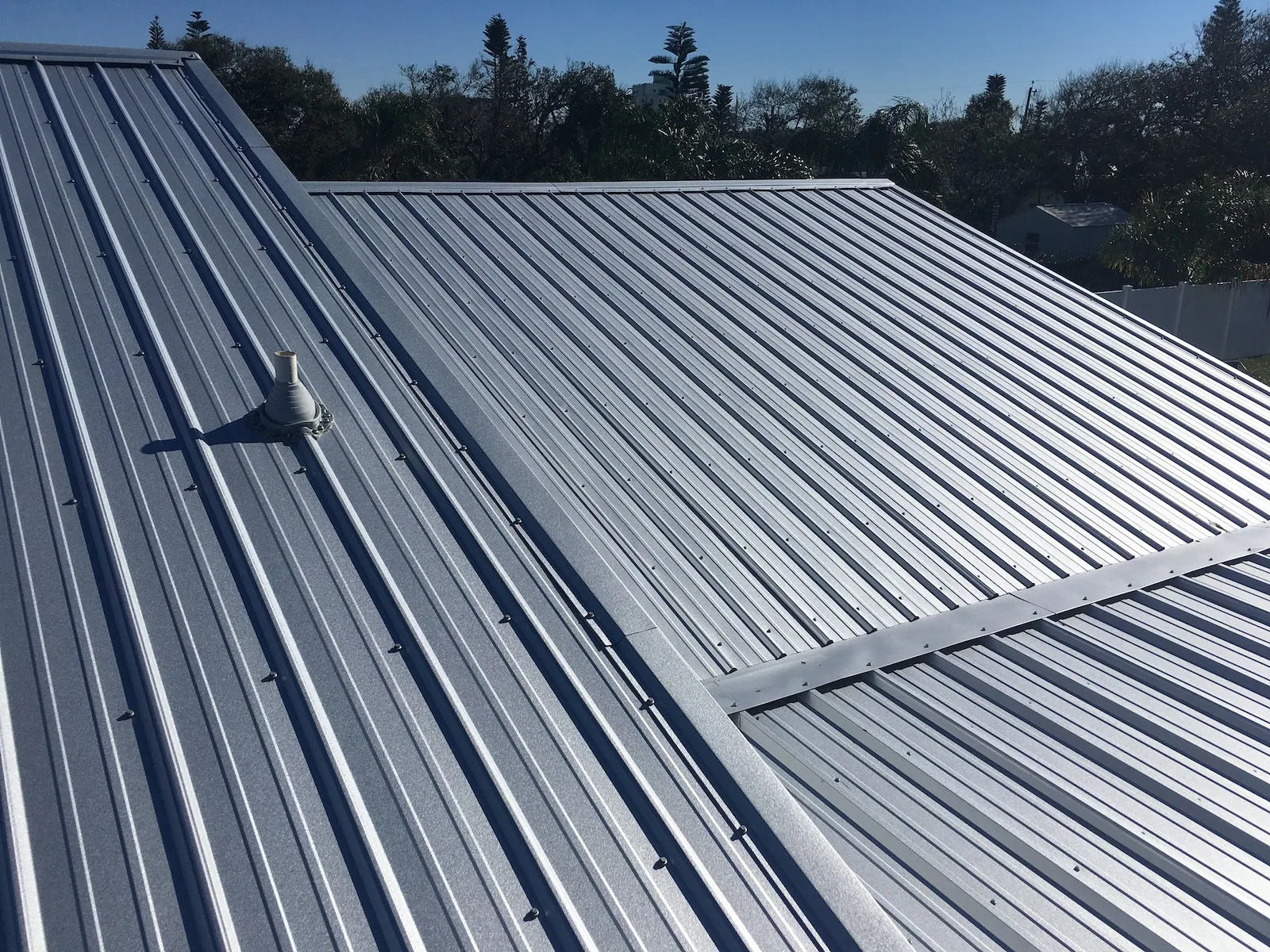
The new membrane is chosen on the same terms as for a replacement, and flat, open roofs often suit single-ply. Where the structure is steel and the building is a candidate for a longer-life system, a metal roof retrofit can be framed over the existing roof, which is a recover of a different kind. Curbs, drains, scuppers and edge metal are raised or replaced so that the new surface drains properly and every termination sits at the correct height above it.
Tradeoffs: what a recover saves and what it leaves behind
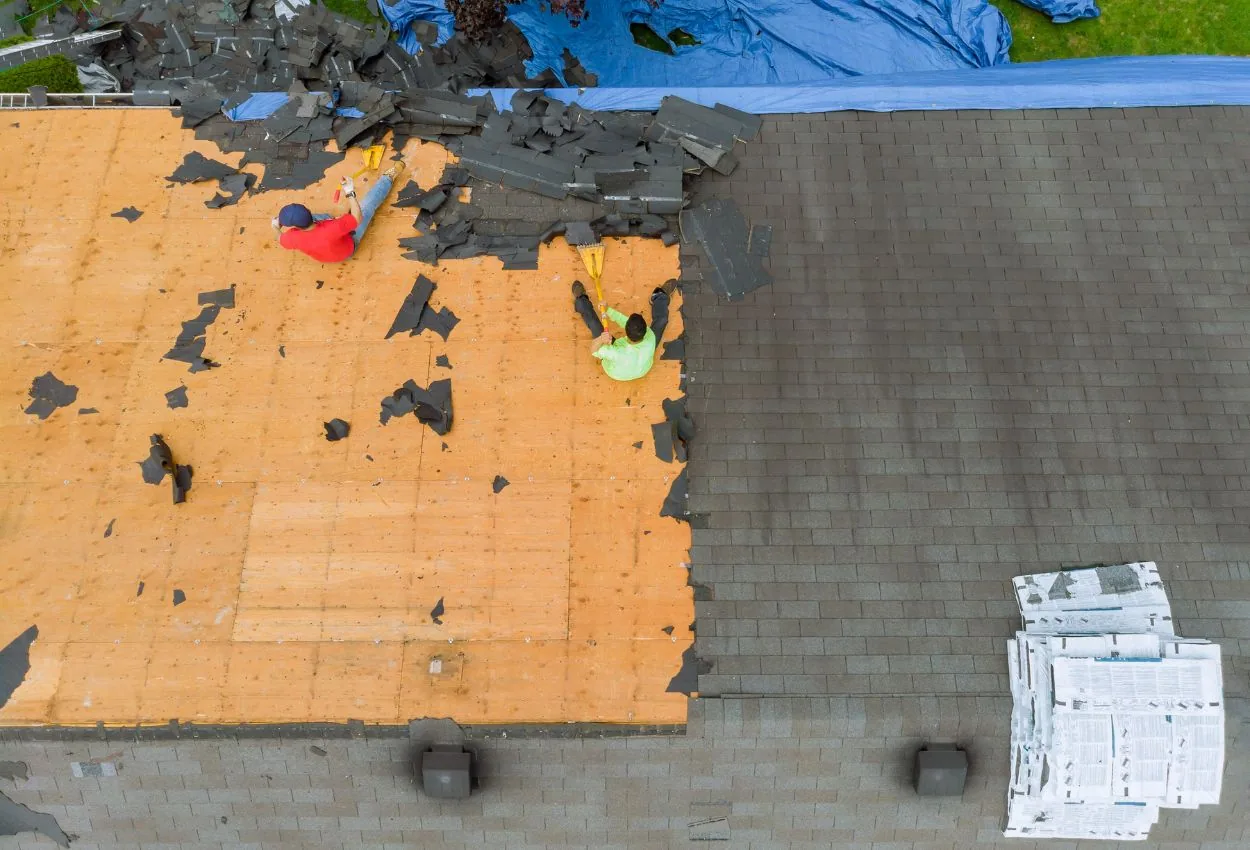
The savings are real and they come from specific places: no disposal of the old membrane and insulation, less labor in deck exposure, a shorter period with the roof open, and less disruption to tenants beneath it. For a building that has to stay operational, that is a meaningful difference. The cost is that the old roof stays in place, so any hidden defect stays hidden, and when the next replacement arrives it will involve removing both systems.
That second cost belongs in the capital plan. A recover is best treated as a second roof life that extends the replacement horizon, with the later tear-off priced as a larger scope. Where the existing membrane is sound and only its surface has worn, a coating can be the lower-cost alternative, and we price roof coating restoration against the recover so the owner sees both. The right answer depends on the findings, the budget cycle and the owner's intended hold period for the building.
Local conditions: heat, energy code and campus roofs
Sustained summer heat is the background condition for every roof here, and the National Weather Service has issued Extreme Heat Warnings for the coast and valleys of Ventura and Los Angeles Counties. Heat affects a recover in two ways: it accelerates the aging of the layer left underneath, and it raises the thermal movement on the new membrane at every seam and flashing. The 2025 California Energy Code also touches roofing and cool roof standards on nonresidential work, which a recover permit must satisfy, so the assembly is specified to meet the code as well as to dry the building.
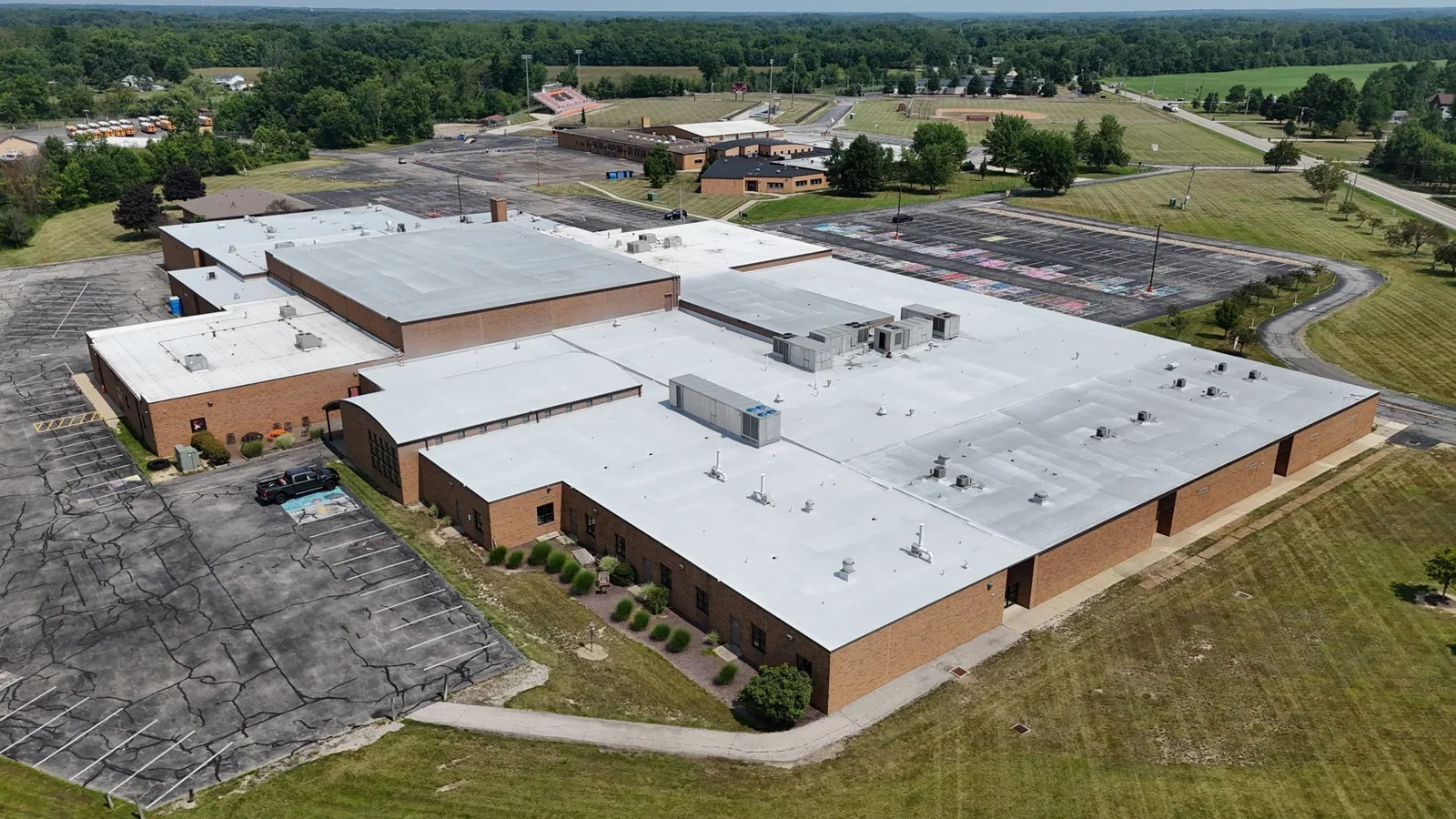
Newbury Park carries the largest share of the city's industrial and biotech buildings, and the tilt-up and R&D buildings of the Rancho Conejo Industrial Park are worth a survey to see whether a recover fits. An owner holding several such buildings can use one proven recover as a pattern, and pair it with a roof capital planning schedule that decides which buildings recover and which wait for replacement.
A recover decision begins with verification, not a product selection. Review the number of existing layers, confirm that the deck can carry the added load and test whether insulation beneath the membrane is dry enough to remain. Detail every curb, parapet and drain that will gain height, because a new layer can change water flow and reduce flashing clearance. The scope should identify any area that must be removed before overlay, describe the cover board and attachment, and state how daily tie-ins will be protected. If test results leave an uncertainty, price the investigation separately instead of treating an allowance as a confirmed condition. The owner can then see when a recover is appropriate and when a full tear-off gives a more reliable roof assembly.
Commercial Roofing Questions
How many roofs can be stacked on one deck?
The code restricts the number of coverings, and the building department confirms the limit for each project. A roof that already carries more than one covering generally has to be removed instead of recovered.
What if a core cut shows wet insulation?
Limited wet areas can be removed and replaced before the recover. If the moisture is widespread, the roof should be torn off, because covering it would trap water against the deck.
Will a recover change how my roof drains?
It can. The added thickness raises the surface relative to drains, curbs and edges, so we adjust drain bodies, scupper heights and flashing heights, and we use tapered insulation where water has been standing.
Does a recover affect the energy code or cool roof requirements?
The energy code applies to qualifying nonresidential roofing work, and a recover is usually inside that scope. We specify the insulation and surface to meet it at the permit stage.
Is a recover cheaper than a replacement?
Usually the upfront cost is lower because there is no tear-off and disposal. The tradeoff is that the old roof remains, so the later replacement carries a larger scope. We price both so the owner can compare lifecycle cost.