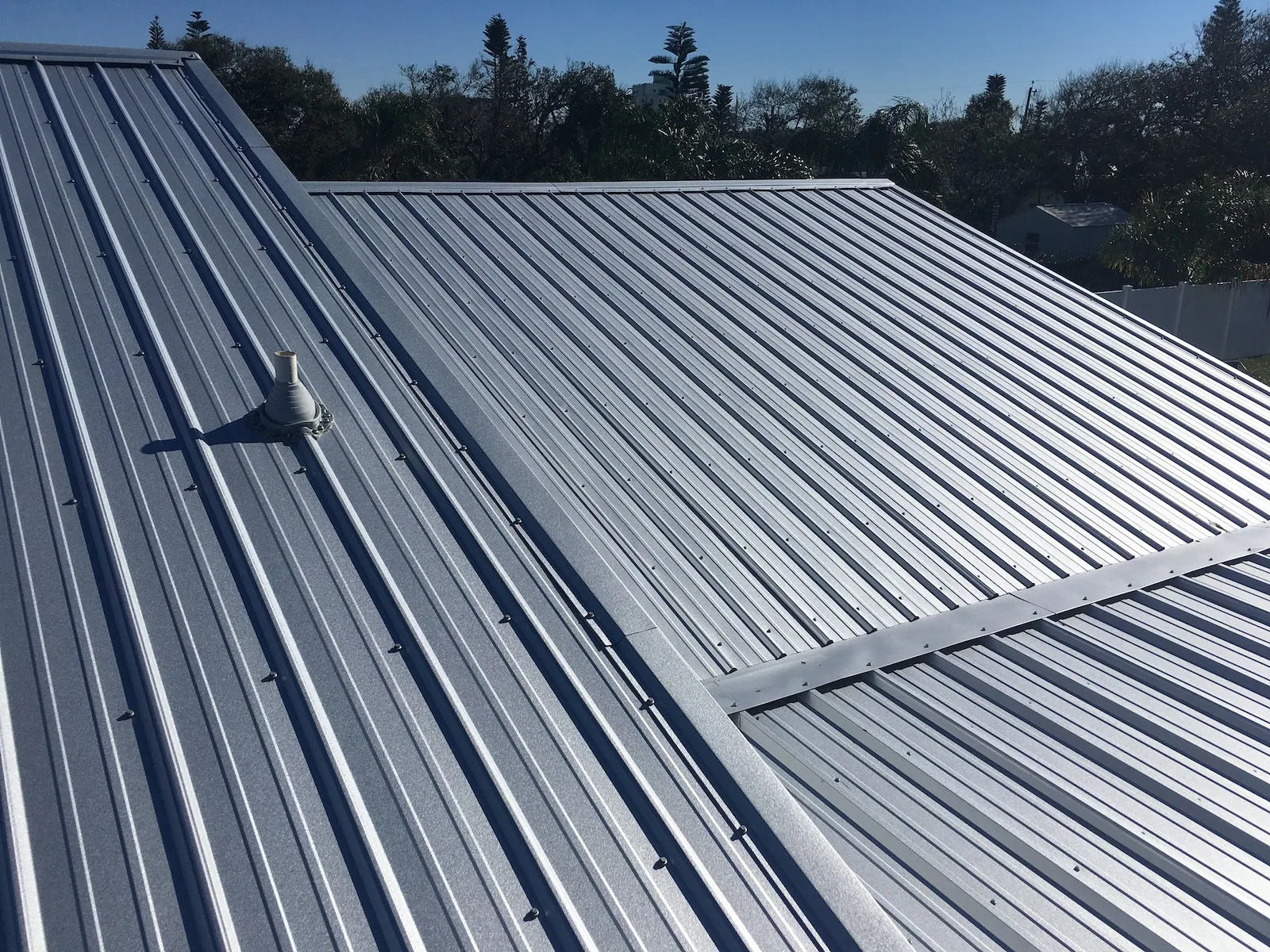
Metal Roof Retrofit in Thousand Oaks, CA
Roof Systems · Thousand Oaks, CA
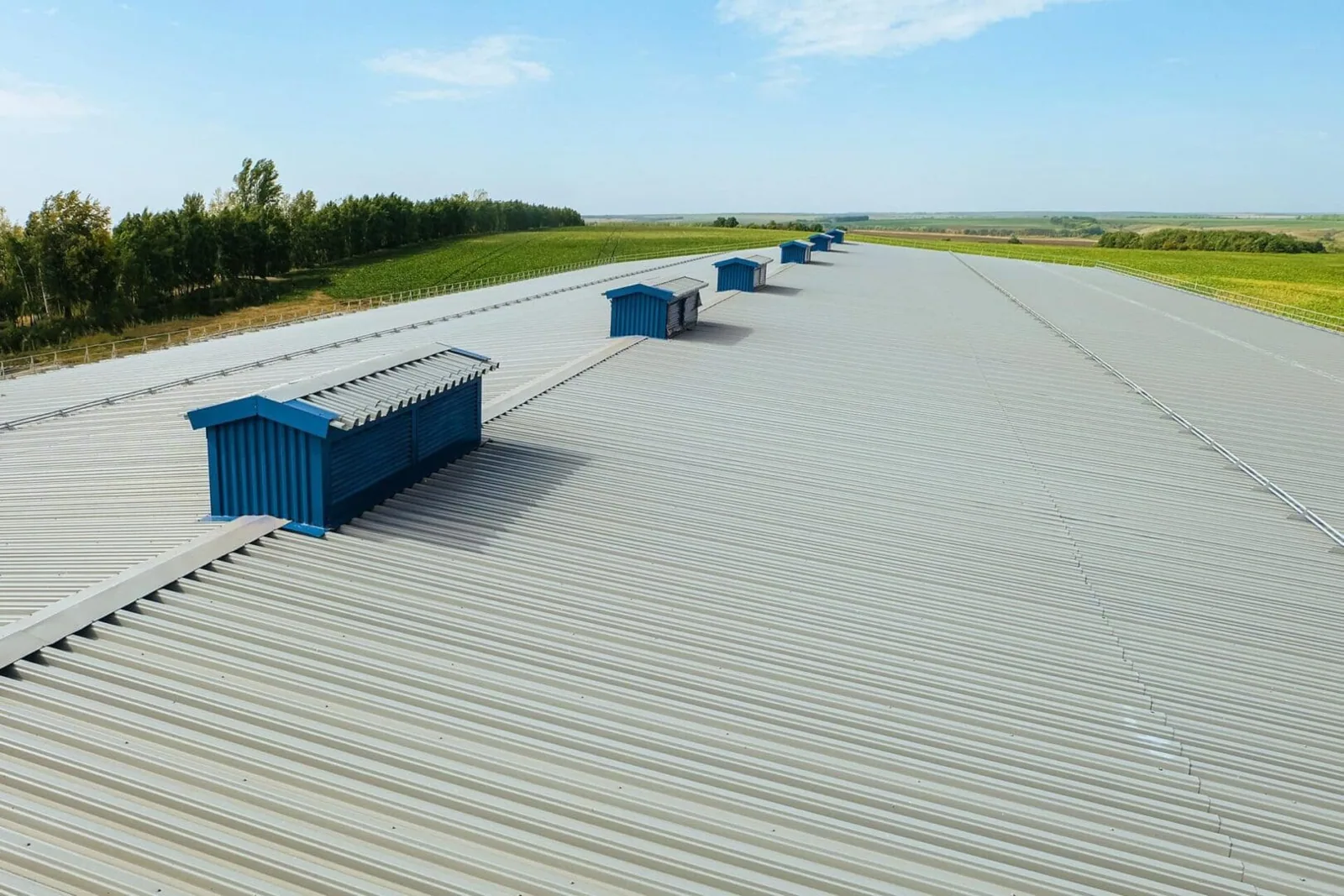
Screw withdrawal: a long row of fasteners standing proud of the rib on the west slope of an industrial building, each with a cracked rubber washer beneath the head and a rust bloom spreading into the panel around it. On a metal-clad building in the Conejo Valley, that finding says the roof is leaking at hundreds of tiny places before it leaks at one large one. Exposed-fastener metal, the ribbed or corrugated panel screwed straight through to the purlins, is a familiar commercial roof, and it ages by the fastener. For owners in Thousand Oaks, CA the choice is not only repair or replace. A third path, retrofitting, adds a new system over the old one and leaves the building in service.
Metal Roof Retrofit
Roof Systems
Call our team
Written findings and options
Thousand Oaks, CA
Ventura and Los Angeles counties
Fasteners: backing out, washers and the leak path
Every screw in an exposed-fastener roof carries a washer that seals the hole, and every washer is a small wear item. Under strong ultraviolet exposure the rubber hardens, cracks and shrinks. Thermal cycling then works against the screw itself: panels expand and contract each day, the fastener slowly rocks in its hole, and the threads lose their grip in the purlin. A screw that has backed out of the framing no longer compresses its washer, and the hole becomes a leak path that opens whenever it rains.
Laps and ridge caps add their own tape and sealant joints, and those dry out as well. We map backed-out fasteners, failed washers, open laps and deteriorated sealant by slope, and we compare the pattern with where the interior stains have been reported. A concentration on the south and west slopes is typical of a valley with year-round sun, and the map is what turns an anecdote about leaks into a scope with a number of repair points.
Corrosion: the panel, the purlin and the space below
Fastener condition is only half the survey. The panel itself can be sound, or it can have lost its galvanized or painted coating at cut edges, laps and fastener heads. Rust at a screw hole is a sign that water has been getting in for a long time, and the steel framing below deserves a look when staining is heavy. Dissimilar metals, coastal air and trapped dirt on ridges accelerate it.
The space below matters too. Many metal-clad buildings have little or no insulation, and warm interior air that meets a cold panel condenses and drips in a pattern that looks like a leak. A moisture survey and a site walk with the building manager separate the two. If condensation is the cause, the fix is insulation and ventilation, and a retrofit is a chance to correct both. Choosing the thickness for the energy code and protecting the vapor path are the same decisions that govern any roof insulation and cover board upgrade.
Triage: re-fasten, seal, coat or retrofit
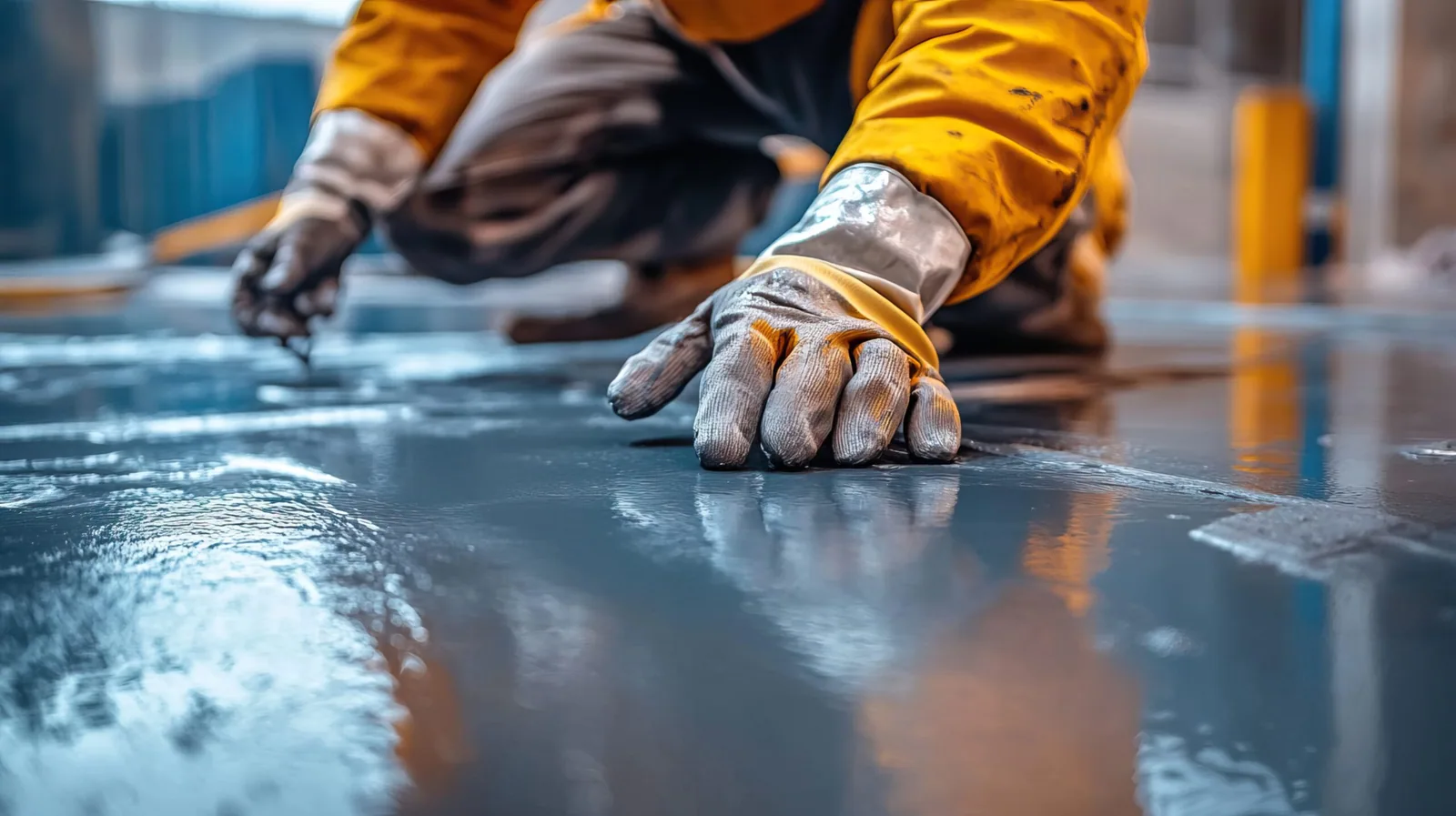
The findings fit four levels of response. The first is maintenance: replace failed fasteners with larger-diameter screws and new washers, and reseal laps and flashings. The second adds a coating, such as silicone roof coatings over cleaned and primed panels, which can seal fastener heads, extend panel life and lower the surface temperature when adhesion and panel condition support it. The third is a retrofit that frames a new roof above the existing panels. The fourth is full replacement, which is reserved for roofs with heavy corrosion, structural damage or wet insulation.
The right level depends on corrosion, the building's age and how long the owner expects to hold it. A coating is a good bridge on a roof with a few years of useful life. A retrofit pays back over a longer horizon. The report shows each option with a cost range, an expected service period and the assumptions behind them.
Retrofit assembly: framing, insulation and new panels over old
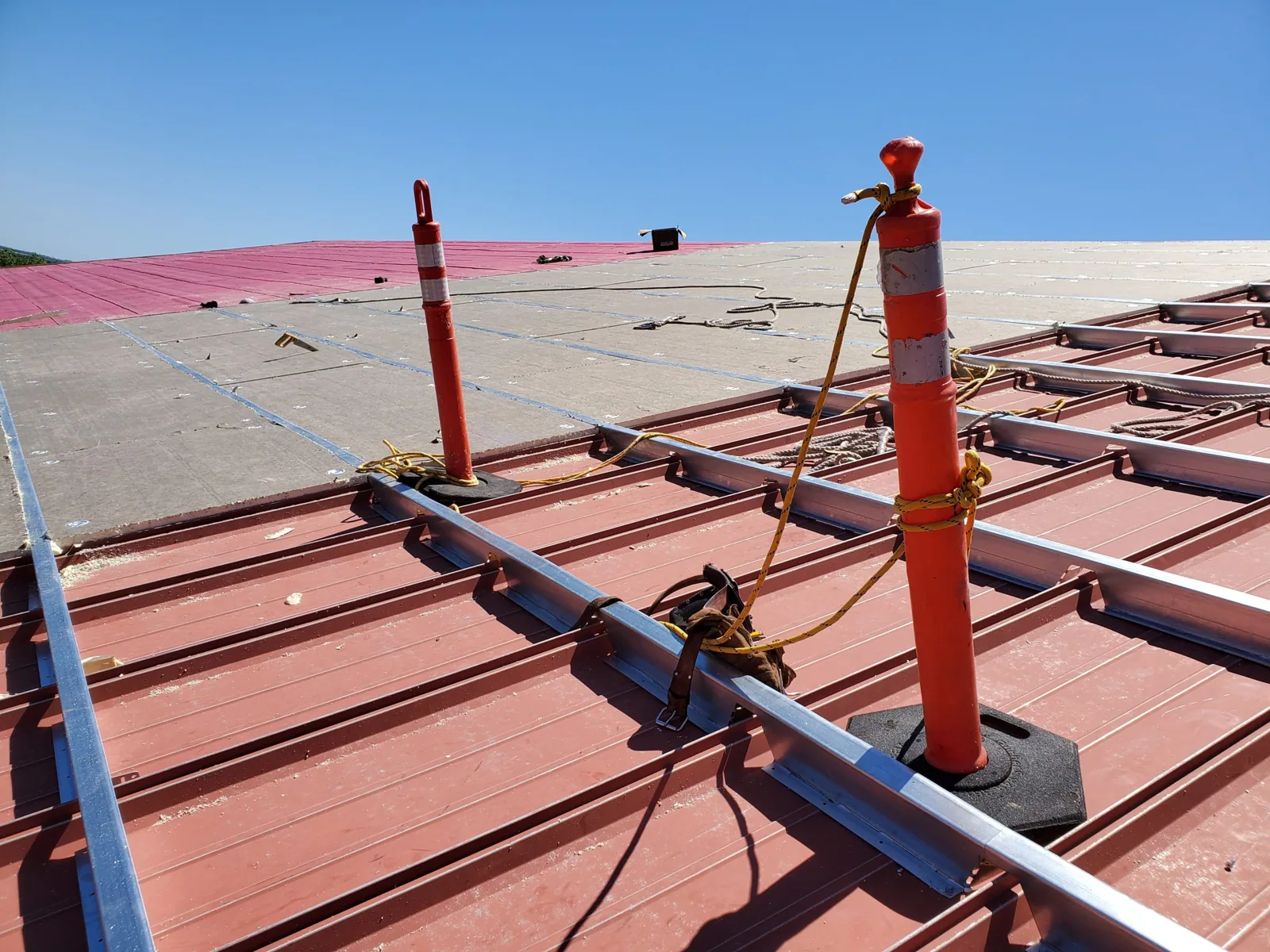
A metal roof retrofit installs a new, usually standing seam, roof over the existing one. A framing system of sub-purlins or hat channels is attached through the old panels to the structure, and insulation can be added in the cavity. New panels then clip to the framing. The old roof stays in place as a temporary waterproofing layer during construction, which keeps the building dry and in use. Penetrations are raised, curbs are rebuilt, and drainage is resolved before the new panels are set.
The new panel system needs a defined load path. We record existing purlin spacing, deck condition, attachment points and any areas of corrosion before specifying sub-framing, insulation and clips. A retrofit can improve drainage and thermal performance, but only if the added assembly clears parapets, wall transitions and rooftop equipment without creating a low point. At an industrial property in Simi Valley or Camarillo, a survey documents those constraints before production lines or loading schedules are affected. The final scope shows where existing panels remain, where new framing starts and how each transition sheds water.
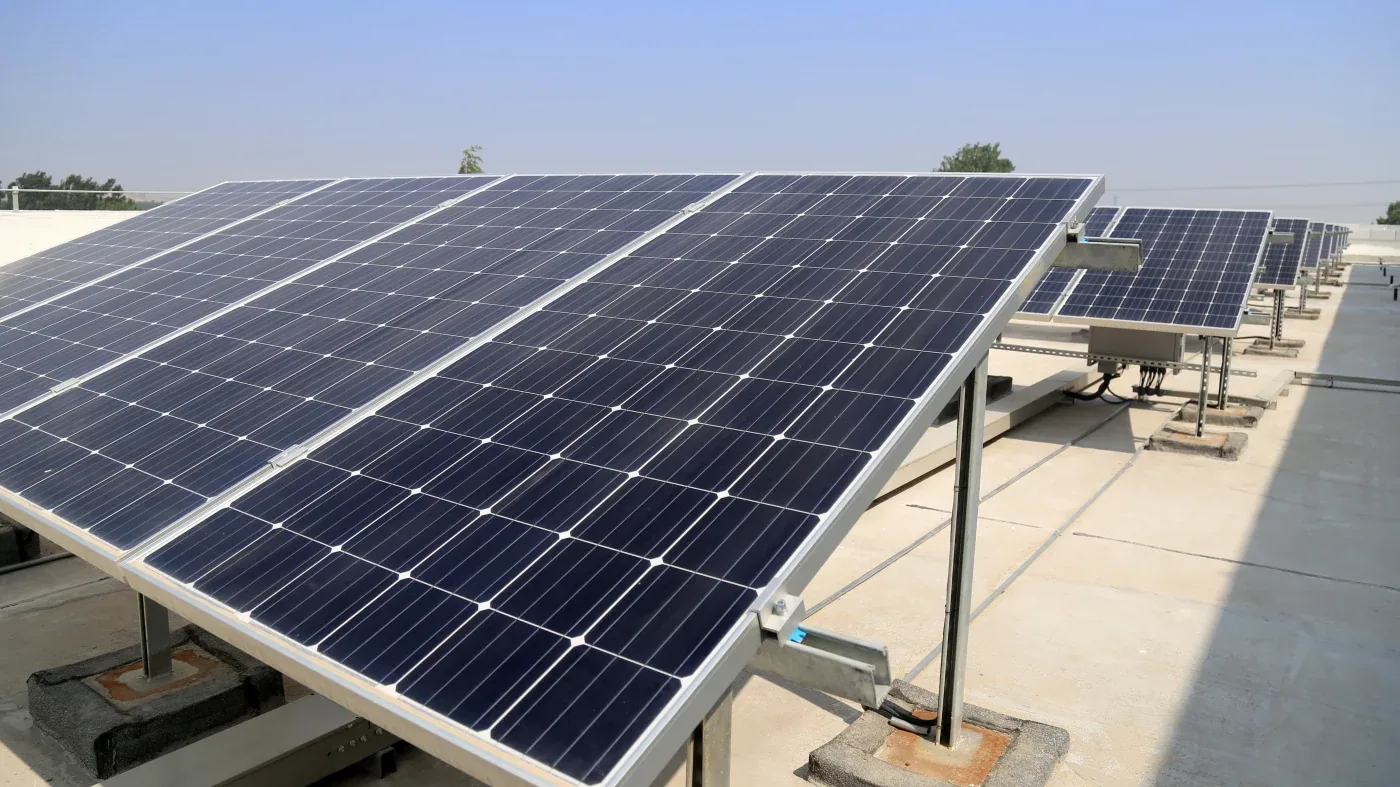
Because the weight is modest compared with a masonry or ballasted roof, retrofits suit many older metal buildings, though a structural review confirms the load and the attachment at every purlin line. The result behaves like a new standing seam metal roof and can be designed with solar-ready roofing in mind, with clamps that attach to seams without penetrating the panel.
Industrial parks: Simi Valley, Camarillo and what is actually on top
Simi Valley's largest industrial category is machinery and tools with 69 firms, followed by metal manufacturing with 51, plus food processing and plastics, so its industrial parks are dense with metal-deck buildings. A metal deck is not the same thing as a metal roof. Many buildings carry a membrane over a steel deck, others carry exposed-fastener panels, and the first line of the survey records which system is actually on top. Camarillo's industrial growth followed the Ventura Freeway, completed in the mid-1950s, and a district that has grown over that long a span rarely holds one roof type, so each roof is identified on site instead of assumed. For owners in Simi Valley and Camarillo with flex industrial roofing in their portfolios, the retrofit question is how to extend a metal roof without stopping production beneath it.
Permits apply to every one of them. Thousand Oaks took on the 2025 California codes through a 2025 update to Title 8 of its municipal code, and a retrofit in the city is reviewed for structure, energy code and fire classification. Simi Valley and Camarillo run their own building departments, and the approval that covered the original roof does not carry over to new framing. Because a retrofit is a form of roof recover, the structural check on added load comes first, and the permit set is drawn from it.
Commercial Roofing Questions
Why does an exposed-fastener roof leak after a repair visit?
A repaired screw may be the only one fixed on a slope where hundreds are aging at the same pace. Spot repairs help, but the remaining fasteners keep failing, so a systematic re-fastening pass is more reliable.
Can we coat an old metal roof instead of retrofitting?
For a roof with sound panels and limited rust, a cleaned, primed and coated surface can seal fasteners and cool the building. Heavy corrosion or a long hold period points toward a retrofit.
Will the building stay in operation during a retrofit?
The old panels remain as a weather barrier while the new framing and panels go on, so production and tenants continue. We stage work around loading, noise and any sensitive equipment inside.
What does a retrofit add that the old roof lacked?
Usually insulation, a standing seam surface with concealed clips and better drainage details. Energy code and cool roof requirements are reviewed at permit, and solar attachment can be planned into the seam layout.
How do we tell condensation from a roof leak?
Condensation drips appear on cool, humid mornings across large areas, while leaks follow rain and track to specific fasteners or laps. A moisture survey and a rain-day walk usually separate them within one visit.