Silicone Roof Coatings in Thousand Oaks, CA
Roof Systems · Thousand Oaks, CA
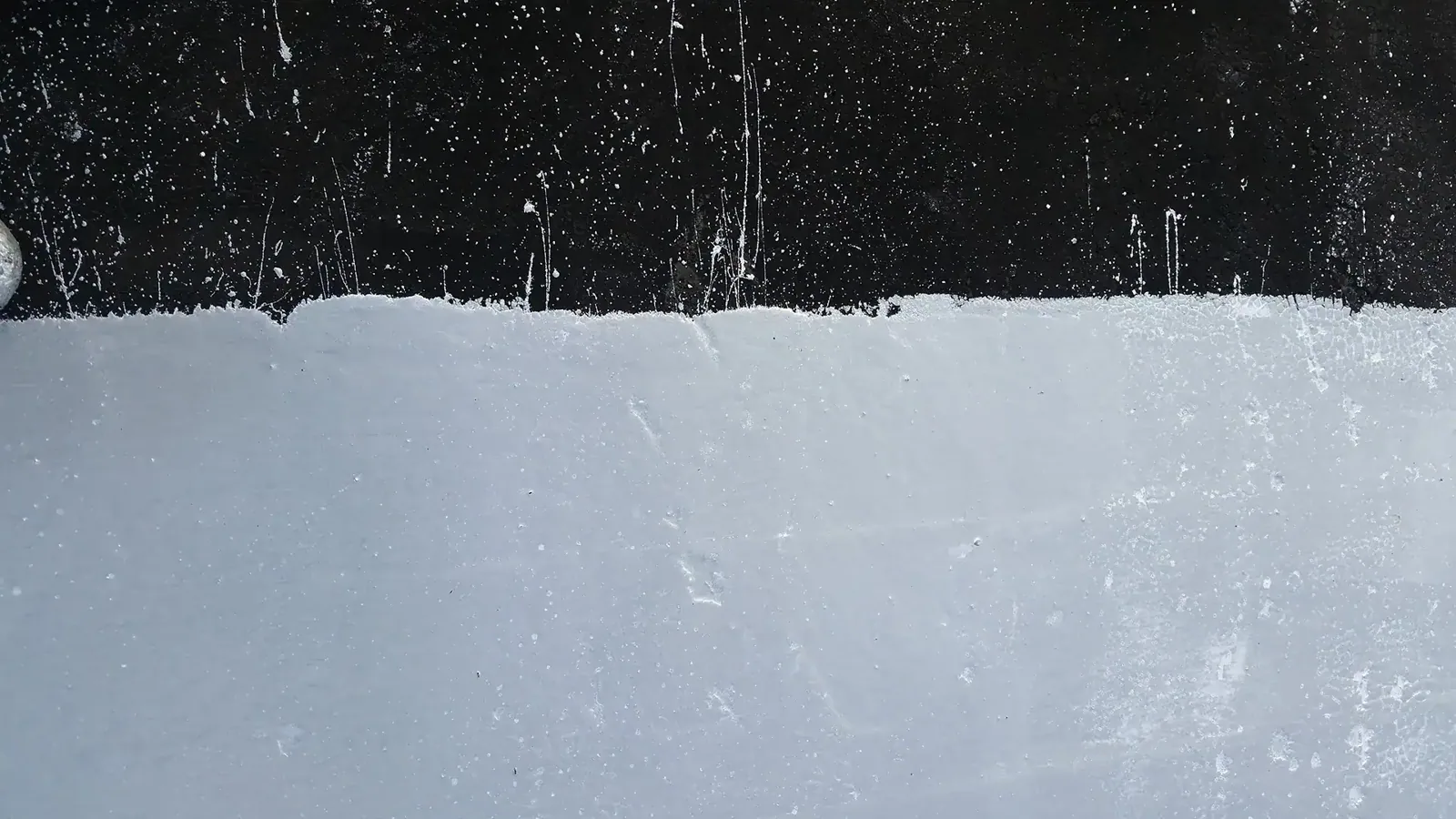
Ponding record: a shallow basin about the footprint of a delivery van, still holding water two days after the last storm, with a dark ring of algae and silt at its edge and a membrane beneath it that is otherwise intact. Newbury Park gets roughly ten inches of rain in a typical year, and most of it falls in a short winter season, which means a low-slope roof is judged by a handful of hard storms instead of steady drizzle. A basin like this one marks the spot where one of them found a weakness in the slope. It is the finding that sends owners toward silicone roof coatings in Thousand Oaks, CA. A cured silicone film tolerates standing water, resists ultraviolet breakdown without chalking away and stays flexible through the daily temperature swing. It is also the least forgiving coating to specify carelessly, which is why the choice begins with the substrate and not with the product.
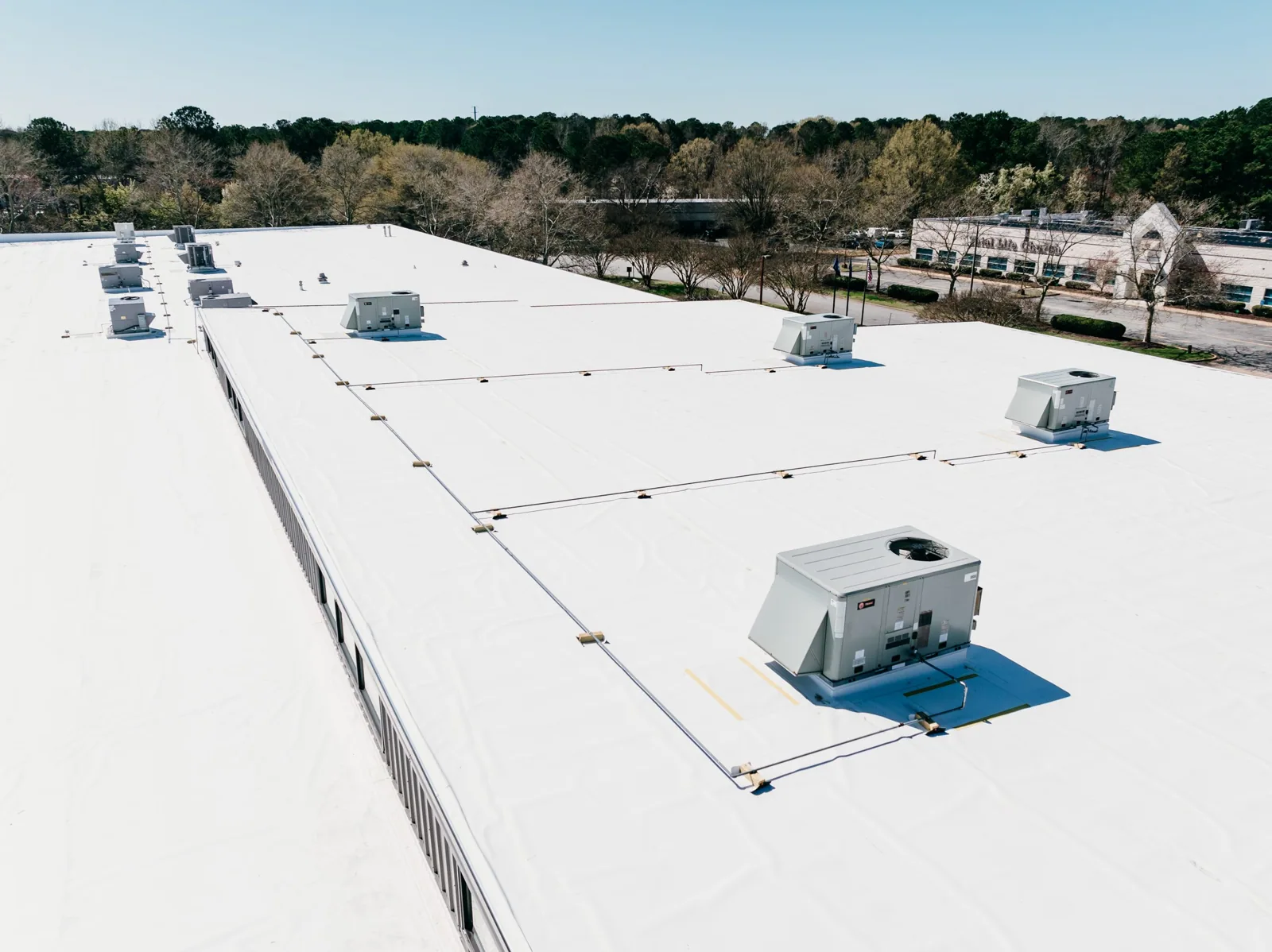
Silicone sits beside acrylic systems on most restoration scopes, and the two are priced, cured and maintained differently. We apply silicone over sound single-ply, modified bitumen, metal and sprayed foam, and we say so plainly when a drainage fault needs repair before any coating goes on.
Silicone Roof Coatings
Roof Systems
Call our team
Written findings and options
Thousand Oaks, CA
Ventura and Los Angeles counties
Ponding: the condition silicone is chosen for
Acrylic films are water-based and re-wet under prolonged immersion, which is why they soften or blister on a roof that holds water. A cured silicone film does not. That single property lets a coating go on over a roof that cannot be re-sloped economically, and it explains why silicone is the usual answer where ponds sit at low drains, behind curbs or along a sagging deck. It does not cure the cause. Water that stands for days still adds weight, grows algae and works at every seam, so the scope pairs the coating with a drainage review: the condition of sumps and baskets, the height of scuppers, and whether tapered cover board belongs in the plan. Where a basin is deep, a ponding water repair goes in before the first gallon of silicone is opened.
Adhesion: what the old surface does to the film
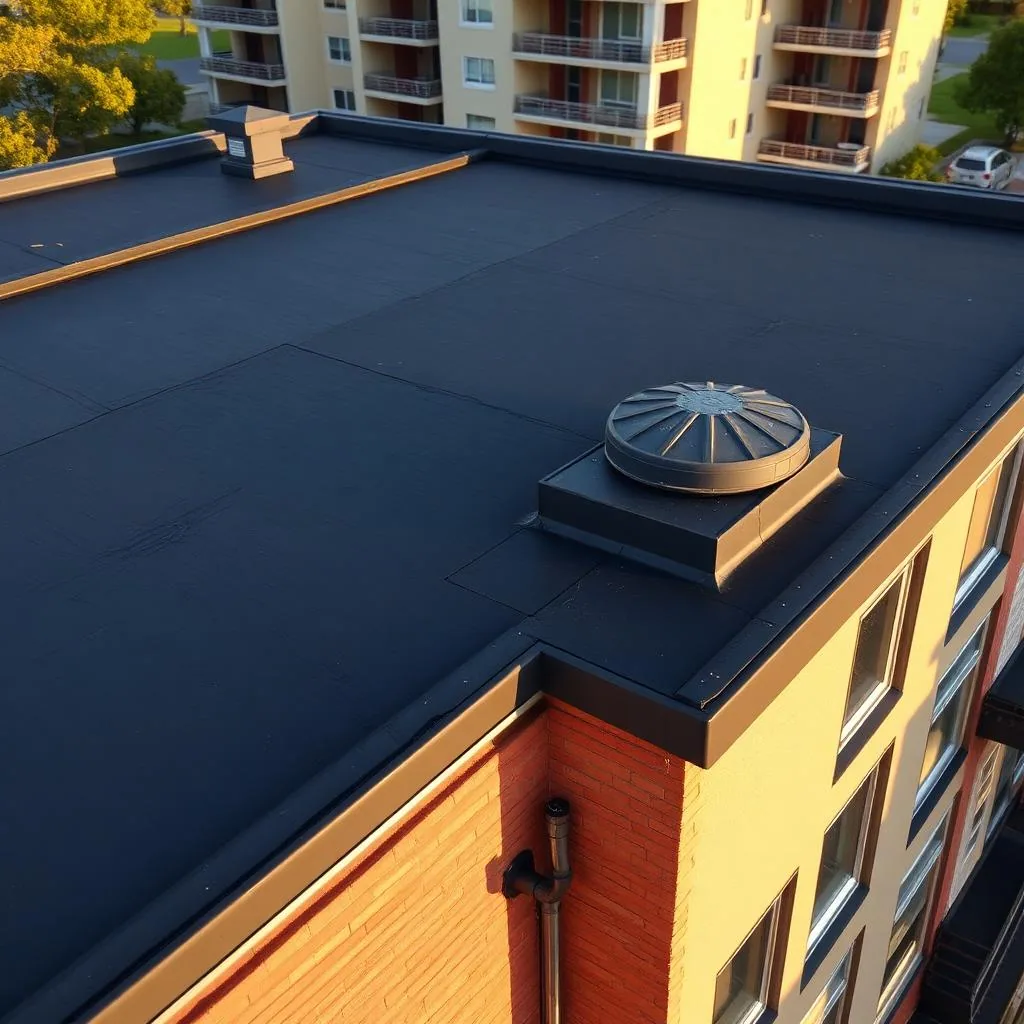
Silicone bonds well to a clean, sound surface and badly to a contaminated one, so the existing roof dictates the preparation. Over asphalt-based roofs such as modified bitumen, oils in the asphalt can migrate into the new film and stain or soften it, so a barrier basecoat or primer goes down first. Over single-ply roofs the surface is washed, any chalk is removed, and a test patch is rubbed, scraped and pulled before the full scope is priced.
Silicone also holds an unusual place later in the roof's life. Very little sticks to a cured silicone surface except more silicone, so choosing it commits the roof to silicone recoats, or to a full tear-off when the film finally reaches the end of its use. That is a horizon decision, and it belongs in the reserve plan on the first day, not in a change order years later.
Cure: dry air, Santa Ana days and the application window
Most roof silicones cure by drawing moisture from the surrounding air, which turns humidity into a working variable. During a Santa Ana event relative humidity can fall below 10 percent and gusts can pass 40 mph, so a fresh film is slow to set and quick to catch dust and mist where it should not land. We schedule silicone for stable days in the dry season, watch the humidity forecast as closely as the rain forecast, and shield cars, glass and neighboring roofs from overspray, which is stubborn to remove once it dries.
When it does set, silicone sheds a passing shower within a short time, a useful margin if an early storm threatens, where acrylic leaves much less room. Roofs on the wetter coastal edge of our range gain the most from that margin: Oxnard receives about 15.6 inches of precipitation a year, well above the roughly ten inches of Newbury Park, and a coastal-plain roof in Oxnard spends more of its life wet.
Dirt and ash: reflectivity after fire season
The surface of a silicone film stays slightly tacky and holds airborne dirt, so a bright new coating dulls quickly. Ash on roofs became a real local issue after the 2018 Woolsey Fire, which affected Thousand Oaks and its neighbors, and dust carried in on dry offshore wind lands on the film the same way. Lost brightness lowers measured reflectivity, which matters on an energy-code roof: the 2025 California Energy Code, which governs permits filed from the start of 2026 onward, reaches nonresidential cool roof standards.
A scheduled wash recovers much of the lost reflectance, and the wash costs far less than a recoat. We record the coating's listed reflectance at installation and compare it at each survey, so a decline reads as a documented trend and not a surprise at a lease renewal or refinance. The Oaks is a 1.3 million square foot regional mall, and across a building of that size a small loss of reflectance is a cooling-load question worth tracking.
Horizon: how silicone fits a replacement plan
A silicone restoration buys time, and the useful question is how much, at what cost, against the alternatives. For a roof with dry insulation and a membrane that has used up its weathering surface, a coating can defer replacement and spread the expense over several budget cycles. For a roof with wet insulation, a coating only hides the problem. We write the scope in horizons: the sections the coating restores now, the sections that need repair first, and the sections whose replacement date is simply moved.
Owners who manage several properties often phase the work by exposure, starting with the south and west slopes that weather fastest, and tie each phase to the reserve study with a roof condition report that ranks every roof. Because a reflective coating also bears on cool roof installation requirements at permit, the energy review happens in the same pass.
Closeout: what the file should hold
Thickness is the measurable promise of a coating, and it is established twice. Wet film readings are taken as the material goes down, and the dry film is verified after cure at sampled locations. The closeout file records batch numbers, those readings by roof section, the surface preparation, the primer used, adhesion test results, the weather during application, and photographs before and after. Warranty terms belong to the coating manufacturer, so the file shows what that manufacturer requires and whether the installed system meets it. A later commercial roof inspection uses the same file as its baseline.
Commercial Roofing Questions
Why does silicone pick up dirt faster than other coatings?
The surface stays slightly tacky, so airborne dust and ash stick instead of rinsing off in the first rain. A scheduled wash restores most of the lost brightness, and we log the reflectance before and after.
Can acrylic go over an old silicone coating later?
Rarely. Cured silicone resists nearly everything except more silicone, so an acrylic topcoat tends to peel unless the silicone is removed or a compatible primer passes an adhesion test. Plan on silicone recoats.
Is a silicone roof slippery for technicians?
When wet, yes. Walkway pads or granule-embedded paths mark the routes to rooftop units, and crews are told to treat any damp silicone surface like ice until it has dried.
How thick does the coating need to be?
The manufacturer publishes a minimum dry film thickness for each warranty level, and our readings are taken against that figure. Thicker is not automatically better, because excess film adds cost without adding life.
What happens to the coating when a rooftop unit is replaced?
Cut-in work is repaired with silicone sealant and a patch of the same coating, which bonds to itself. Telling us before the crane date lets the coating crew dress the new curb in the same visit.