Commercial Roofing in Oxnard, CA
Service Areas · Thousand Oaks, CA
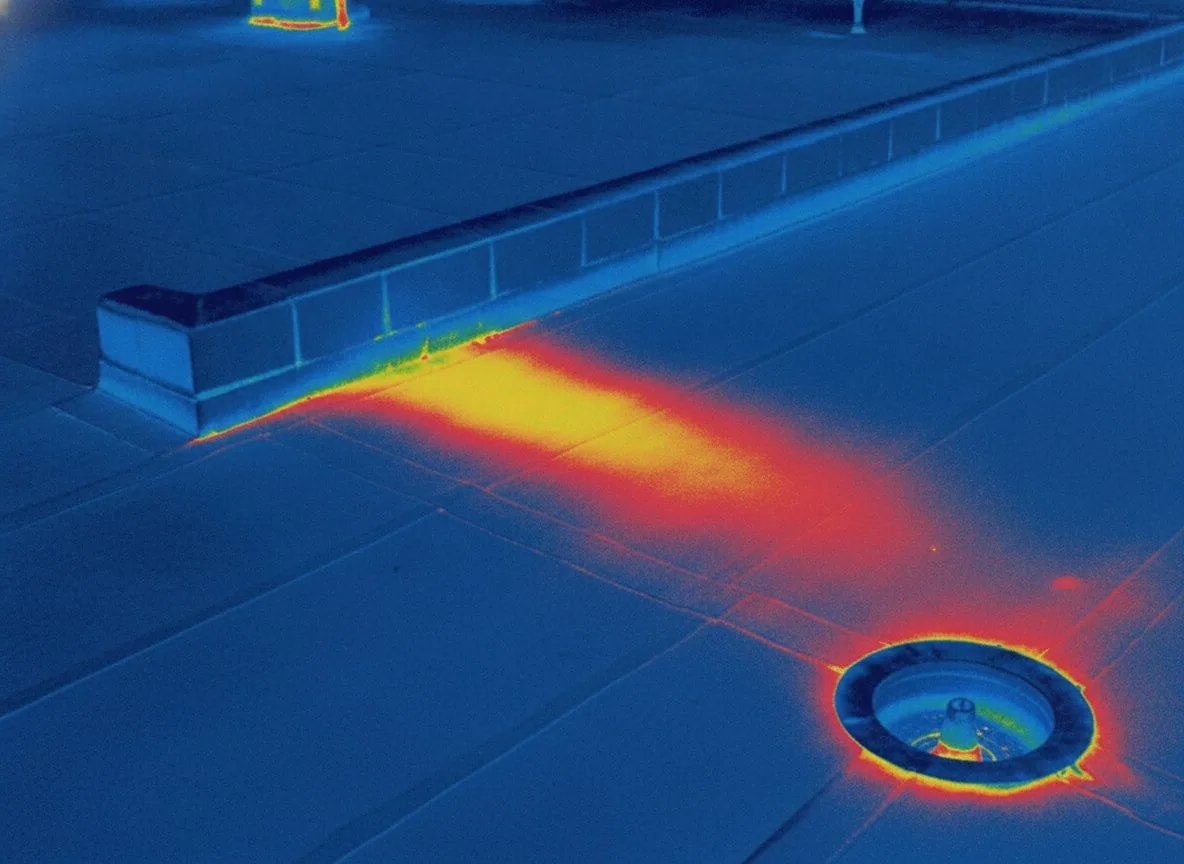
Cold-room roof entry, produce packing building: insulation cores that came up wet and heavy in the corner nearest the refrigeration penthouse, a membrane that looks sound from above, and a ceiling below that has been beading moisture for longer than anyone has logged. The finding is not a leak in the ordinary sense. Vapor has been moving through the assembly for years, the insulation has absorbed it, and the roof has been losing thermal performance while the energy bill told the story first.
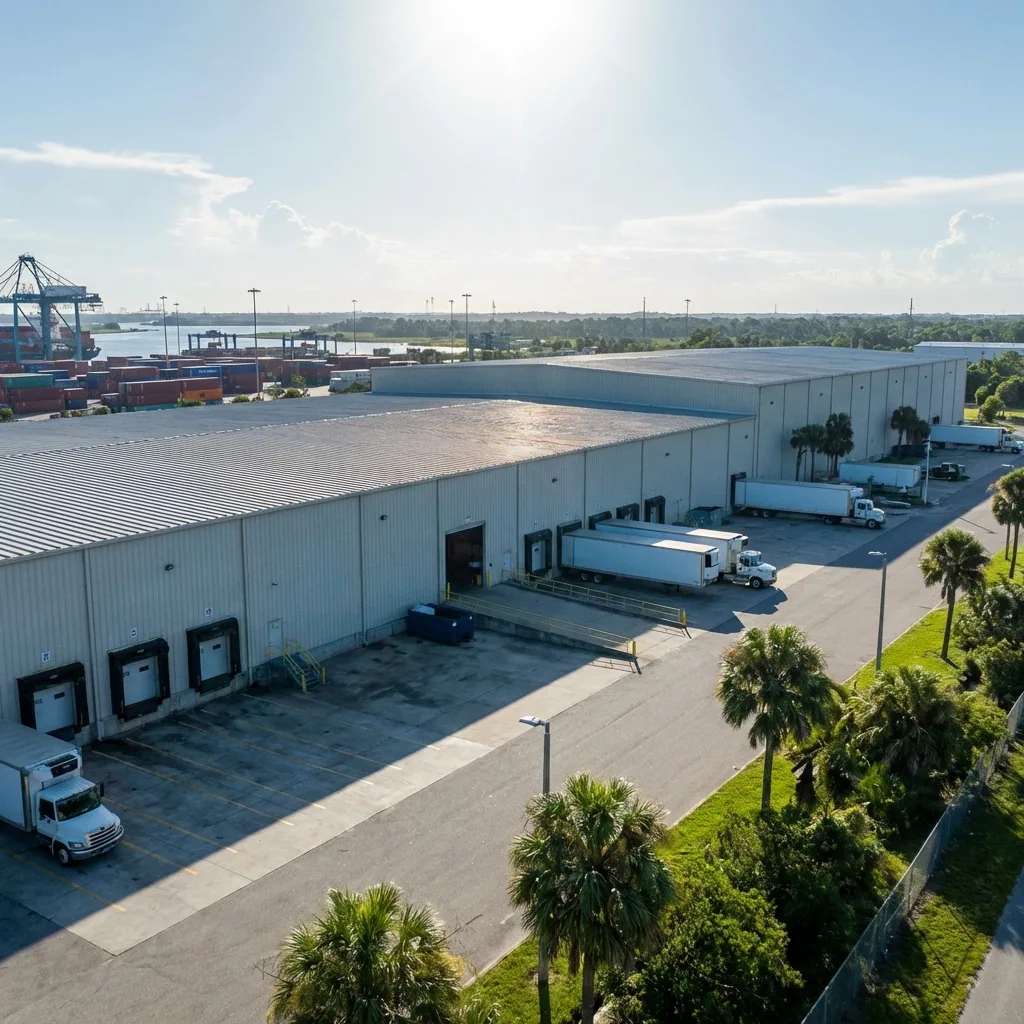
Oxnard, CA produces roughly one-third of California's strawberries, and the packing and cold storage buildings that go with that crop are common across the city. They sit beside school roofs, health-system buildings, manufacturing plants and defense-related buildings, on a coastal plain that receives more rain than Newbury Park. We survey those roofs, separate what is dry from what is saturated, and give the owner a prioritized scope with a remaining service life attached to each section.
Oxnard
Service Areas
Call our team
Written findings and options
Thousand Oaks, CA
Ventura and Los Angeles counties
Packing and cold storage: vapor, insulation and the cold chain overhead
A refrigerated building asks more of its roof than a dry warehouse does. The interior is held cold while the exterior swings through sun and sea air, so water vapor drives constantly across the assembly. If the vapor retarder is cut, lapped badly or penetrated by a poorly sealed pipe, vapor condenses inside the insulation. Wet insulation loses its resistance, the compressors work harder, and the membrane above begins to blister or soften where moisture and heat meet. Frost and ice at interior penetrations are a late sign of the same problem.
On a packing building the first walk concentrates on refrigeration penetrations, evaporator and condenser curbs, the perimeter, and the transition between conditioned and unconditioned bays. An infrared moisture survey maps the wet areas on a clear evening, core samples confirm the diagnosis, and the owner learns whether a patch, a partial tear-off or a full replacement is the sensible path. Because the product inside is perishable, the plan also sets how the roof will be opened and closed in stages, which matters as much to the schedule as the weather does. The broader needs of a cold storage roof run through the same sequence of survey, moisture mapping and staged work.
Employers: schools, health care and manufacturing on one list
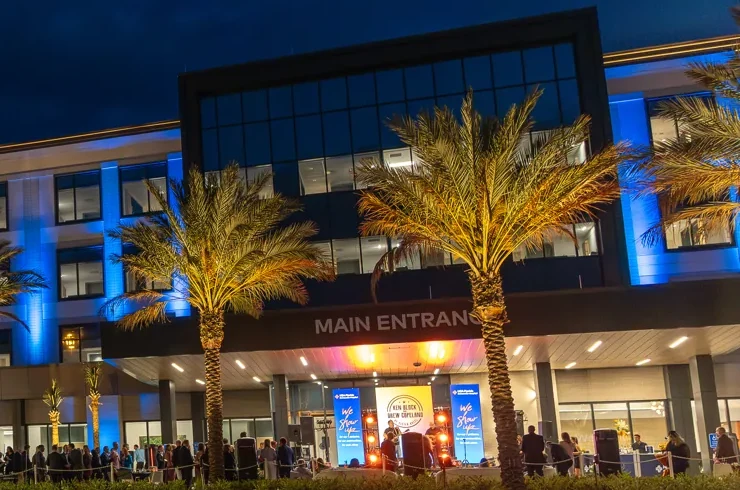
The largest employers on the Oxnard list are Oxnard School District with 3,870 employees, the agricultural company Reiter with 2,447, CommonSpirit Health with 1,933 and Procter & Gamble with 1,898. These employers show the range of owners who answer for roofs here, and each answers to a different clock. A school district is bound to the academic calendar, a health system to patients and continuous operations, an agricultural company to harvest, and a manufacturer to production schedules.
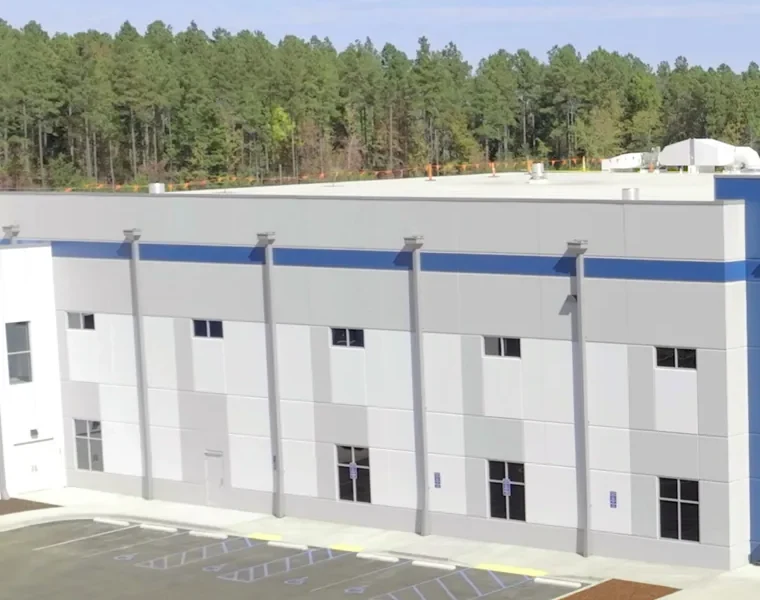
Those clocks drive the order of work. We ask for the hours a crew can have, the equipment that cannot lose power, the areas below that cannot tolerate dust, and the staging area that does not block trucks. A health system's hospital roof is worked in sections with attention to intakes and exhaust, while a manufacturing plant is sequenced around production, shipping and any wet processes inside. Each plan starts from the building's own constraints rather than from a standard crew calendar.
Coast: a wetter plain and what moisture does to metal and membrane
Oxnard averages about 15.6 inches of precipitation a year. That is more than the roughly ten inches of rain Newbury Park averages, and it makes the coastal plain a fair guide to the wetter side of the Thousand Oaks market. A drain left half blocked shows its weakness in a wet winter, when the roof needs every outlet open. Drains, scuppers and overflows are therefore the first items we check on a coastal low-slope roof, ahead of the field membrane.
Near the coast we also look closely at metal. Fasteners, edge metal, coping, curb flashings and rooftop equipment frames hold up less well when the air carries salt and humidity, so rust at fastener heads and pinholes in thin metal are routine findings. Where ponding persists, a silicone roof coating can be the right restoration on a dry, sound roof because it tolerates standing water better than most surfaces, and a clear roof drain and scupper program keeps the water moving the rest of the year.
Defense: the Air National Guard station and the naval bases
Inside Oxnard itself, the Channel Islands Air National Guard Station is the base of the 146th Airlift Wing, whose C-130J aircraft fly airlift, aerial firefighting and aeromedical evacuation missions, and it sits beside the Weapons Division facilities at Point Mugu. Naval Base Ventura County, which combines Point Mugu and Port Hueneme, is the largest employer in Ventura County. Defense is one of the pillars of the Oxnard economy, and a wing that flies C-130J aircraft implies hangars and fire-retardant loading facilities alongside the shops and offices that support them.
On an installation the paperwork leads: who escorts the crew, who is badged, which mission hours are closed to roof work, and which Unified Facilities Criteria govern the assembly. A leak above aircraft or equipment is a mission problem, so planning concentrates on weather windows and phased openings. The general outline for military installation roofing applies here, and the aviation side of the base at Point Mugu and the Seabee base at Port Hueneme each add their own roofs and access rules.
Options: restore, recover or replace on a coastal timeline
The choice on any Oxnard roof starts with moisture. Where the roof is dry and only the surface has aged, a coating is the economical route. Where it is dry but the membrane is tired, a recover may do if the deck and fasteners are sound. Wet insulation, as in a cold storage building, has to be cut back to the wet layers before anything new goes on. Cost follows the same facts: the share of insulation that is saturated, the flashings to be rebuilt, the way the roof is reached, and the portion of work that must wait for off-hours.
Replacement scopes here also fall under California's 2025 code cycle, effective January 1, 2026, so cool roof and insulation requirements are checked with the permit office before a price is set. Owners with buildings in Camarillo as well can run the survey on one scale. When water is already getting in, phone us at any hour; the opening is closed temporarily first and the permanent scope follows.
Nearby municipal coverage includes Port Hueneme, where coastal exposure can shape roof inspection priorities.
Commercial Roofing Questions
How does a packing building end up with wet insulation under a sound-looking roof?
Vapor drives through the assembly from the cold interior. A cut vapor retarder or a leaky pipe seal lets it condense in the insulation.
Can a roof over refrigerated space be replaced without disturbing the product?
With planning, yes. Work moves in small bays that are closed by evening, and the sequence follows the cold-room layout.
Why do coastal roofs show rust sooner than inland ones?
Salt and humidity attack fasteners, thin metal and unit frames. We look for rust at screw heads and pinholes in edge metal on the first walk.
Is a school roof in Oxnard handled differently from a plant roof?
Mostly in the calendar. School work lives inside summer break, while plant work follows production shifts and any wet processes below.
Do base access rules slow down a roof repair near the Guard station?
They add steps such as escort and badging, so the schedule starts earlier and the crew list is submitted well ahead of mobilization.