Commercial Roofing in Simi Valley, CA
Service Areas · Thousand Oaks, CA
Finding: fasteners at a metal-deck roof are loosening, with corrosion around the washers and a split membrane above the affected area. No leak has been reported. The condition still belongs in the baseline because the attachment and membrane need separate inspection before remaining service life is estimated. We record the roof zone, accessible support and next useful check for the owner’s budget review.
Simi Valley includes industrial properties reached by State Route 118, which links the city with Moorpark, the San Fernando Valley and Chatsworth. We inspect each assigned roof for attachment, drainage, seams and flashing, then rank repairs against restoration and replacement options. The route helps coordinate regional visits; it does not make neighboring buildings share a roof system or condition.
Simi Valley
Service Areas
Call our team
Written findings and options
Thousand Oaks, CA
Ventura and Los Angeles counties
Industrial parks: what metal deck asks of a membrane
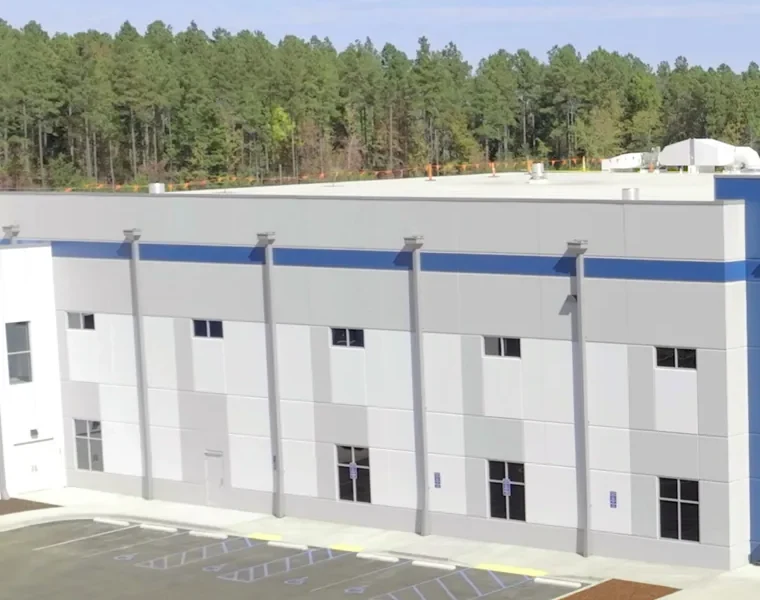
Industrial uses can bring exhaust, make-up air and process equipment through the roof. Each penetration adds a weather detail that needs compatible flashing and sound support. If warm or humid air reaches the underside of a cold assembly, condensation is another question to investigate rather than assume. We compare interior observations with the roof construction and equipment layout before assigning a cause.
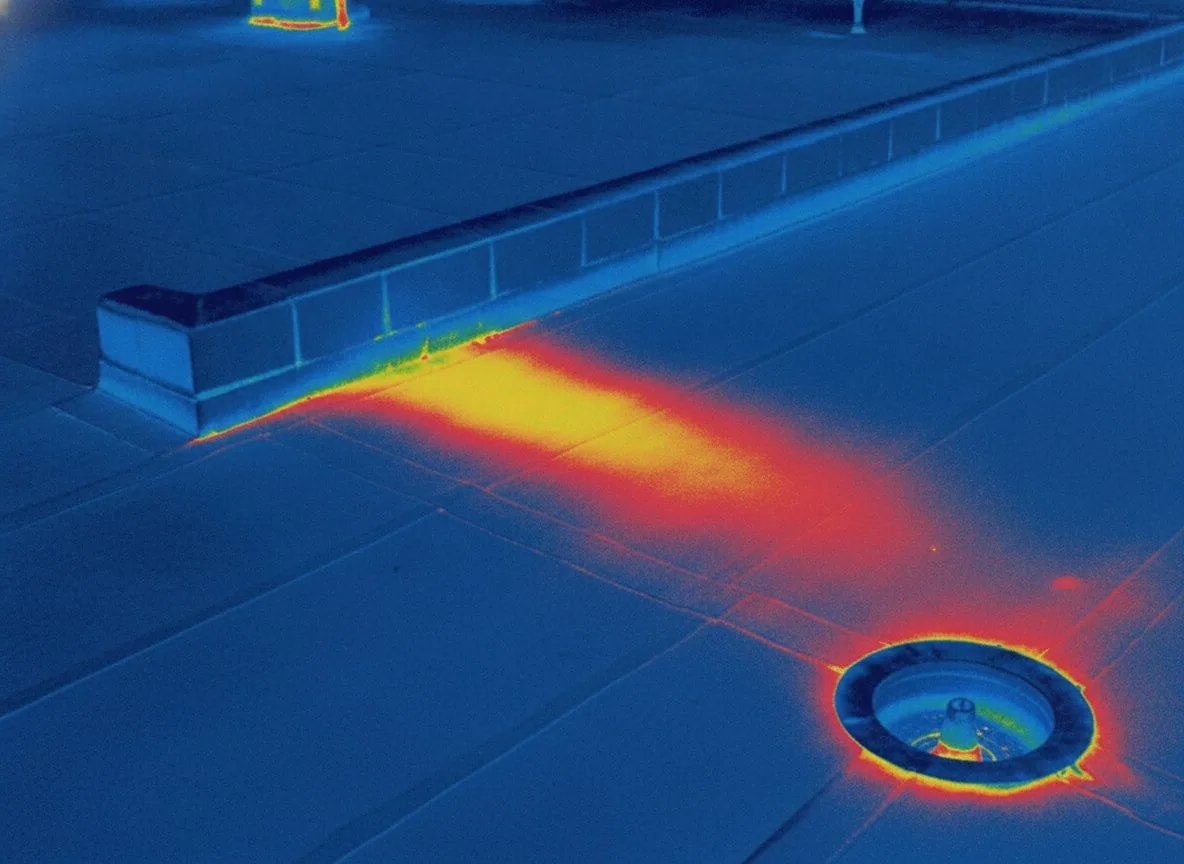
Over a metal deck the useful questions are narrow. Is the deck sound beneath the insulation? Are the fasteners holding or backing out? Are the laps tight? Is there trapped moisture that nobody has seen yet? An infrared moisture survey answers the last one before anyone cuts a core, and the answer sorts the roof into one of three tracks: a recover, a metal roof retrofit where structure and slope allow it, or a tear-off of the wet sections. Owners of a manufacturing plant roof usually want that answer before the budget is set, not after.
Employers: a school district, a health system and manufacturers
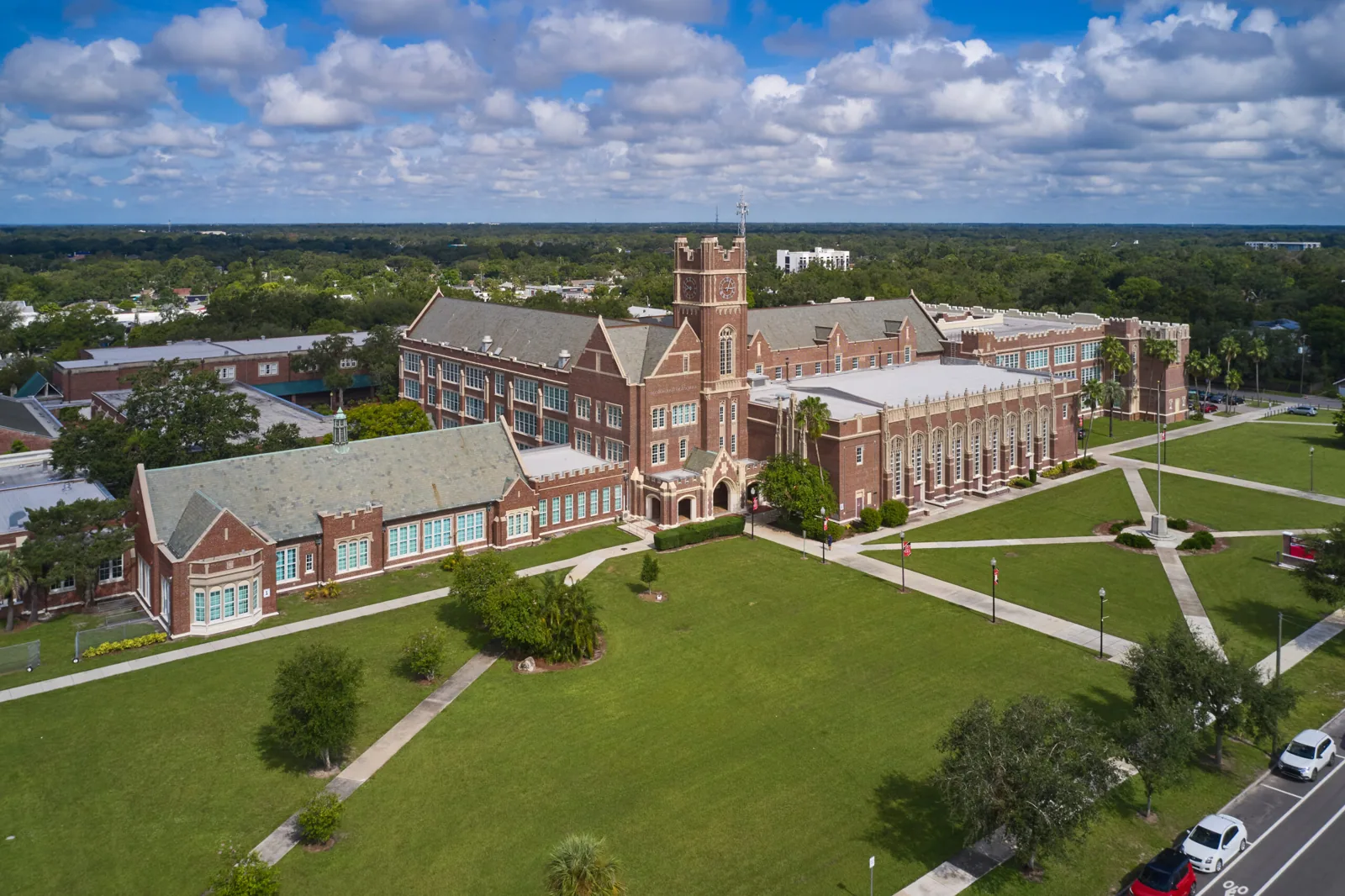
Schools, healthcare and manufacturing each operate on different schedules. The facilities contact identifies room protections, production periods, air-intake requirements and any work window before a roof section is opened. The mix tells us who will be setting the schedule. A school district works to an academic calendar and a budget that may be fixed before the survey is finished. A health employer works around patients, air intakes and continuous operations. A manufacturing tenant with a controlled interior works around its production floor, where a day of dust or a morning of hot work is a real cost.
The first walk therefore records tenant impact alongside condition: where the intakes sit, where the loading lanes run, which rooms are under which roof section, and which hours the crew can have. That record lets the owner choose between a single summer mobilization and a staged program. The same logic governs school roofing for an education owner and hospital roofing for a health-system owner.
Hills: the 2003 Simi Fire and what embers leave behind
Santa Ana winds can exceed 40 mph across Ventura and Los Angeles Counties and are known to channel through passes and damage structures. After a reported wind or fire event, inspect the actual roof for lifted edges, opened laps, debris and punctures. Record observed damage separately from regional event history before setting the repair scope. Fire exposure and roofing meet in small, specific places: ash packed against the uphill side of a curb, embers lodged where a parapet meets a wall, a sealant bead that has crazed and opened, and organic debris in a scupper.
After any event with ember fall we photograph each roof section, clear and flush the drains, and log the condition with a date. The baseline matters for two reasons. It shows what the roof looked like before the next season, and it gives an insurer or lender a record that is not a recollection. Owners replacing a membrane in this setting often weigh ember resistance across the whole assembly, from the cover board to the edge details, and a claim file built on a dated baseline is far easier to assemble than one built from memory.
Wind: edges, parapets and the equipment on top
Santa Ana winds can exceed 40 mph, drop relative humidity below 10 percent and cause structural damage in Ventura and Los Angeles Counties. On a low-slope roof the first parts to feel it are the perimeter and anything standing above the deck: coping, edge metal, parapet caps, curbs, and rooftop units with loose panels or missing straps. A membrane that is well adhered in the field but weakly terminated at the edge will lift there first, and once the edge opens the rest follows quickly.
Our check follows the wind. We start at the windward perimeter, test the terminations, count the missing or backed-out fasteners in edge metal, and then move to the equipment. Findings go into a wind damage roof repair scope when something has moved, and into the baseline when nothing has. Summer heat adds its own wear. Thousand Oaks days typically run in the 70s and 80s, yet the region's valleys have been placed under Extreme Heat Warnings, and a dark membrane under that load ages at the surface long before it leaks.
Staging: multi-building parks and the 2025 codes
An industrial park rarely has one roof. It has a row of buildings with different install dates, different tenants and a facility manager who answers to a budget cycle. We stage the work the way a portfolio owner would: survey every building on one scale, rank the sections by condition index, and set the order so that roofs with active moisture go first and roofs with plenty of life are left alone. Tenants that run second shifts get a sequence that keeps noisy work away from their hours.
Code timing belongs in the plan. The state's building code edition changed over on January 1, 2026, and any permit application filed from that day carries the new energy code, whose nonresidential provisions reach cool roofs. The City of Thousand Oaks adopted its own amendments to the cycle, and those apply inside that city, so for a Simi Valley building we confirm which jurisdiction issues the permit before we price a replacement. Owners with buildings in Moorpark, which State Route 118 links to Simi Valley, or in Chatsworth, which the same highway reaches, can have one survey format and one prioritized scope across all three communities.
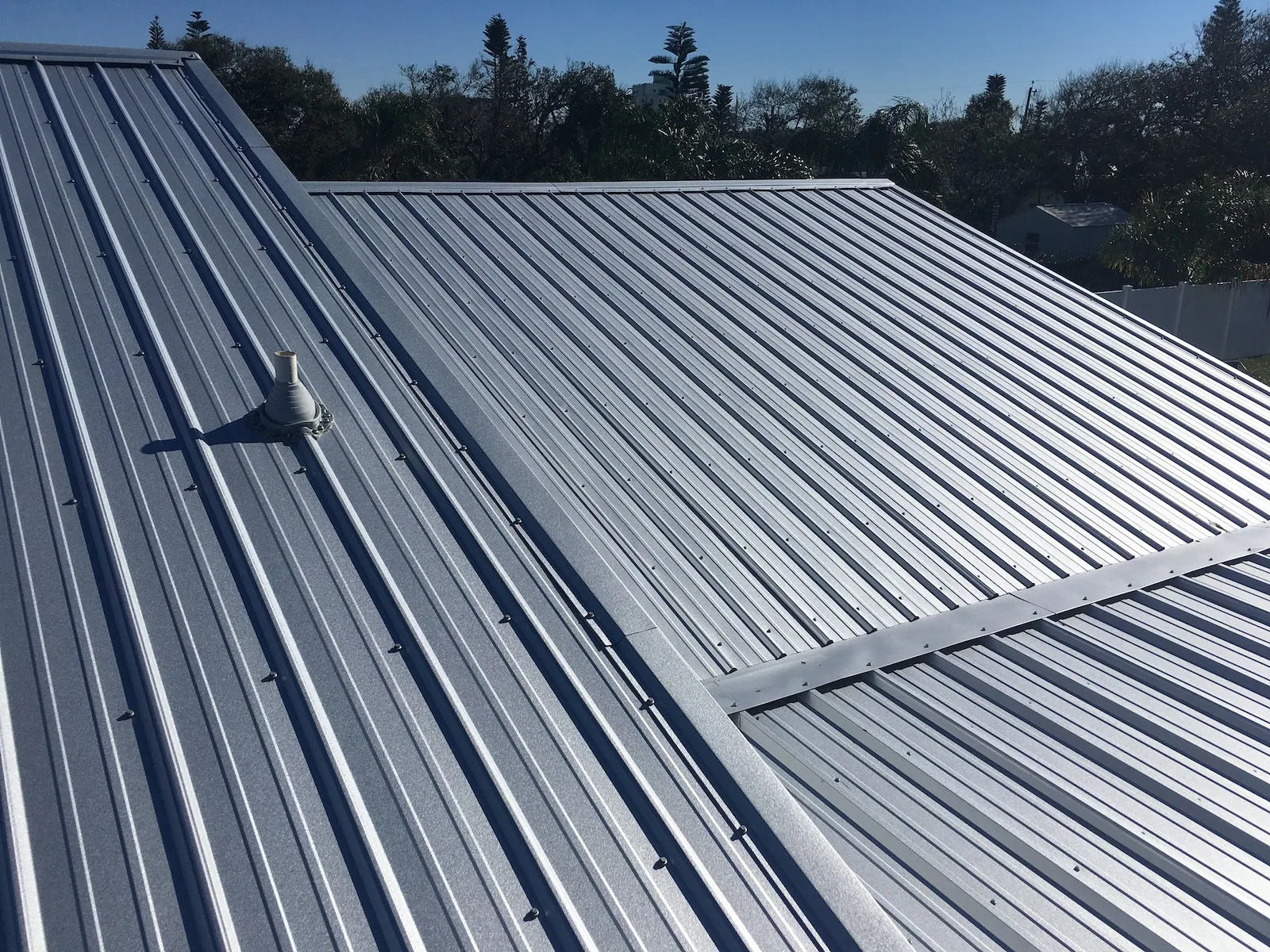
A practical condition file records the roof’s exposure by orientation, drainage route and equipment zone, then attaches dated images to a marked plan. If the surface shows heat-related wear, check the seams, terminations and fasteners for movement before estimating remaining service life. At metal-roof transitions, record coating condition and the way dissimilar materials meet, since a small interface can drive a larger water path. For a property with several tenants, identify which areas can be reached without interrupting loading or customer access. This gives a facilities manager a short list for the next maintenance visit and a separate scope for any repair that needs construction access. Owners comparing sites in Simi Valley and the wider Conejo Valley should keep readings tied to each building; a nearby weather station or similar roof is context, not a substitute for inspection.
Commercial Roofing Questions
Can a metal-deck roof be recovered without removing what is there?
Only when the deck is sound and the insulation below it is dry. A moisture scan and a few cuts confirm both. Wet insulation or a corroded deck has to come off first.
Which fails first at a machine shop, the membrane or the penetrations?
The penetrations. Exhaust and makeup-air flashings usually open before the field does, so we log and reseal or replace them ahead of any surface work.
Does the 2003 Simi Fire still matter to a roof surveyed today?
The fire matters less than the hills. Wildfire is frequent here, so the useful habit is a dated baseline and a fresh walk after every event with ash or ember fall.
Can a school building in Simi Valley be reroofed in one summer?
A single building usually can. A group of buildings is better staged across several summers, ordered by condition index so the worst roofs go first.
What should a manager request after a windy week?
A perimeter photo log covering coping, edge metal, curbs and unit panels, taken before the next wind warning so any movement is on record.