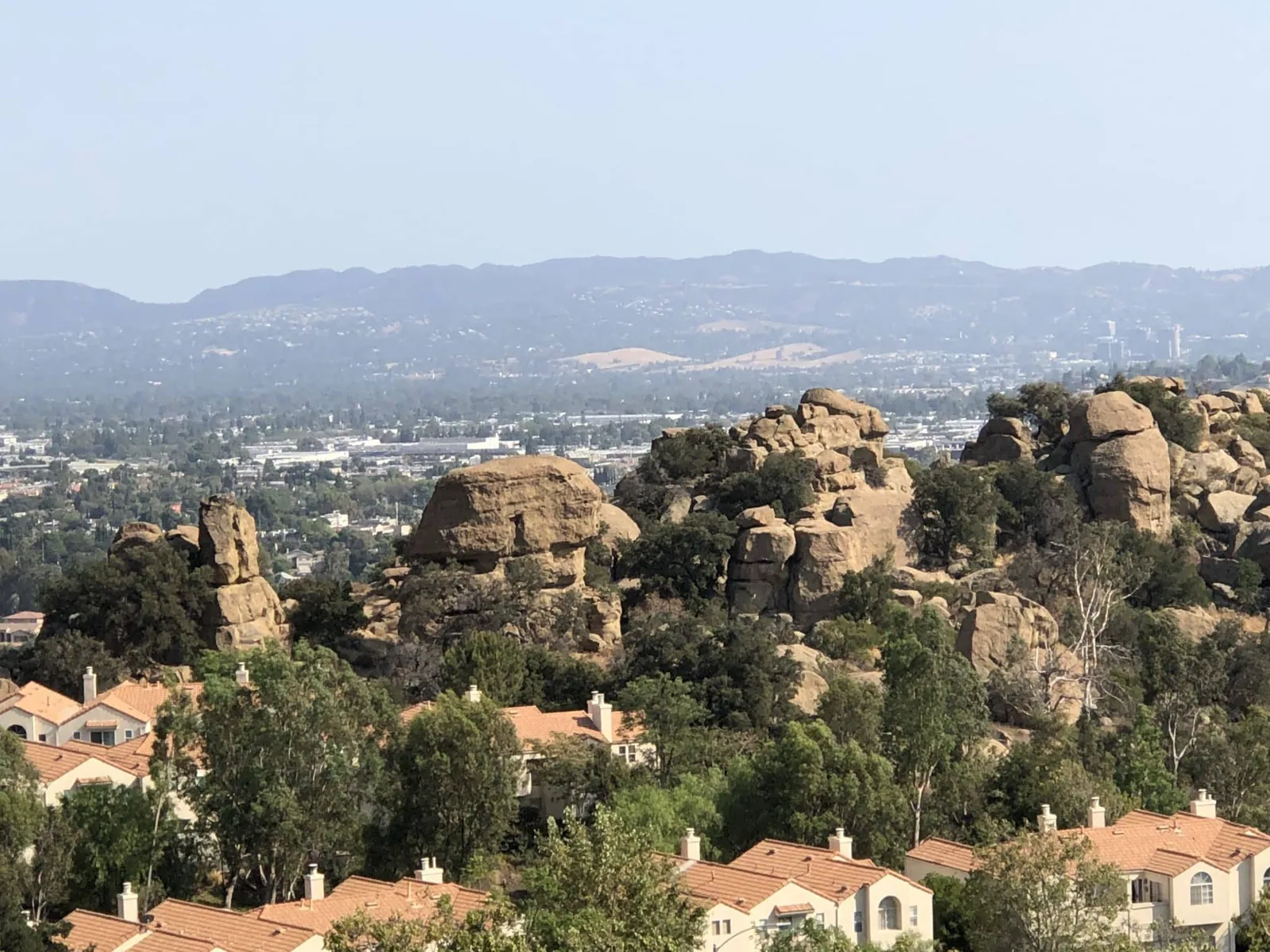
Commercial Roofing in Chatsworth, Los Angeles, CA
Service Areas · Thousand Oaks, CA
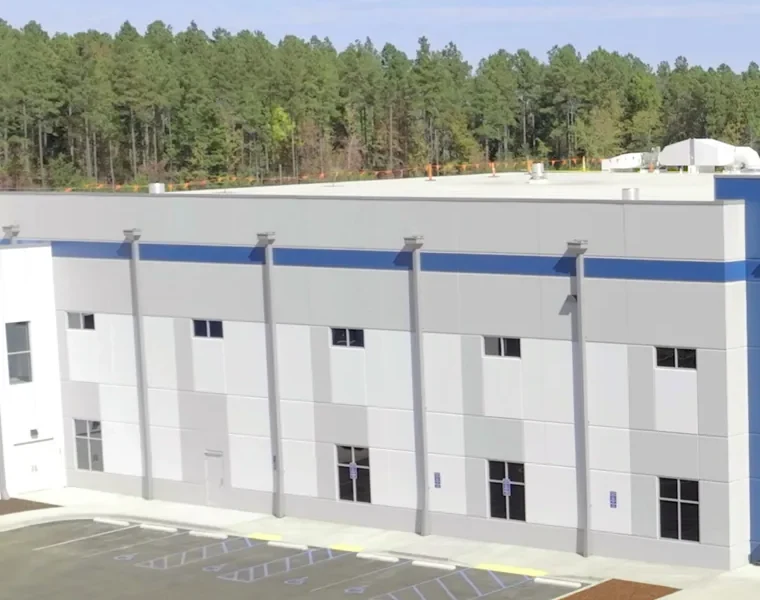
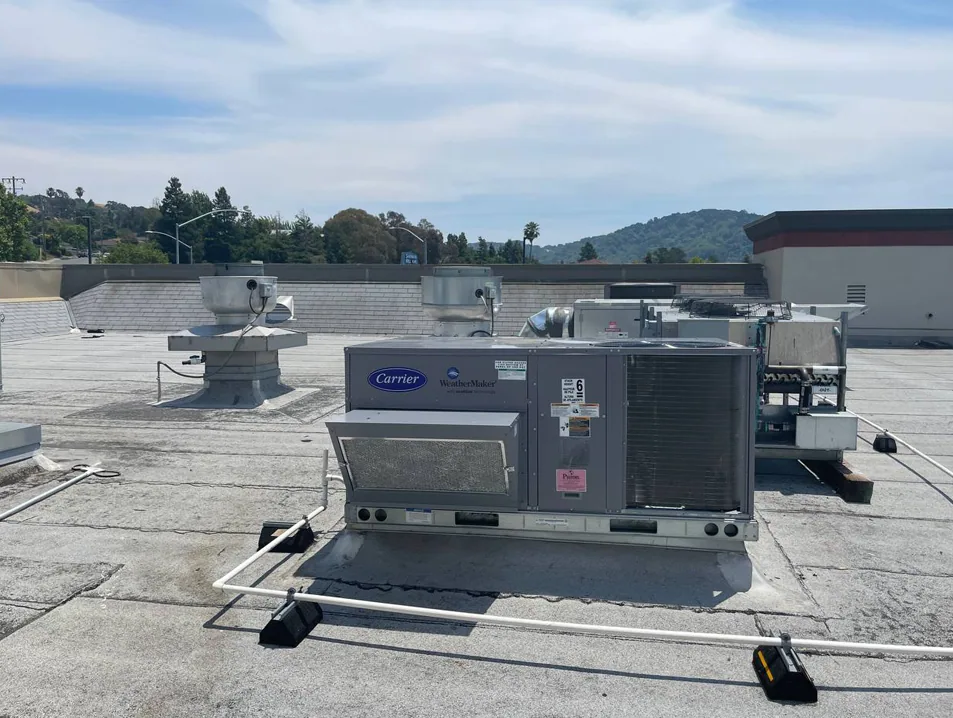
Curb register, production building with an attached distribution wing: a cluster of rooftop units on curbs whose sealant has hardened and split, a membrane that has been repaired around each one and a drain line that runs under the equipment. That is the kind of entry we write on industrial roofs that have been modified over time. Chatsworth hosts the National Notary Association, Premier America credit union, Capstone Turbine, Natel Engineering, Hydraulics International and the Lamps Plus production and distribution facilities, so a single community holds office, production and distribution occupants whose roofs age in different ways. For an owner of Chatsworth, CA property, the first useful question is how much remaining service life each roof has and which findings repeat across the portfolio.
Chatsworth
Service Areas
Call our team
Written findings and options
Thousand Oaks, CA
Ventura and Los Angeles counties
Production: equipment, curbs and the cost of a leak below
A production or distribution building uses its roof as a platform. Rooftop units, exhaust fans, conduit and piping all pass through the membrane, and each one is a place where water can enter and where the roof is worked on by someone who is not a roofer. On a first walk we photograph every penetration, check curb flashing and sealant, trace condensate lines and see whether equipment sits on supports that allow the membrane to be maintained beneath it. We also note foot traffic patterns, because worn walking paths show where service techs go and where the membrane is thinnest.
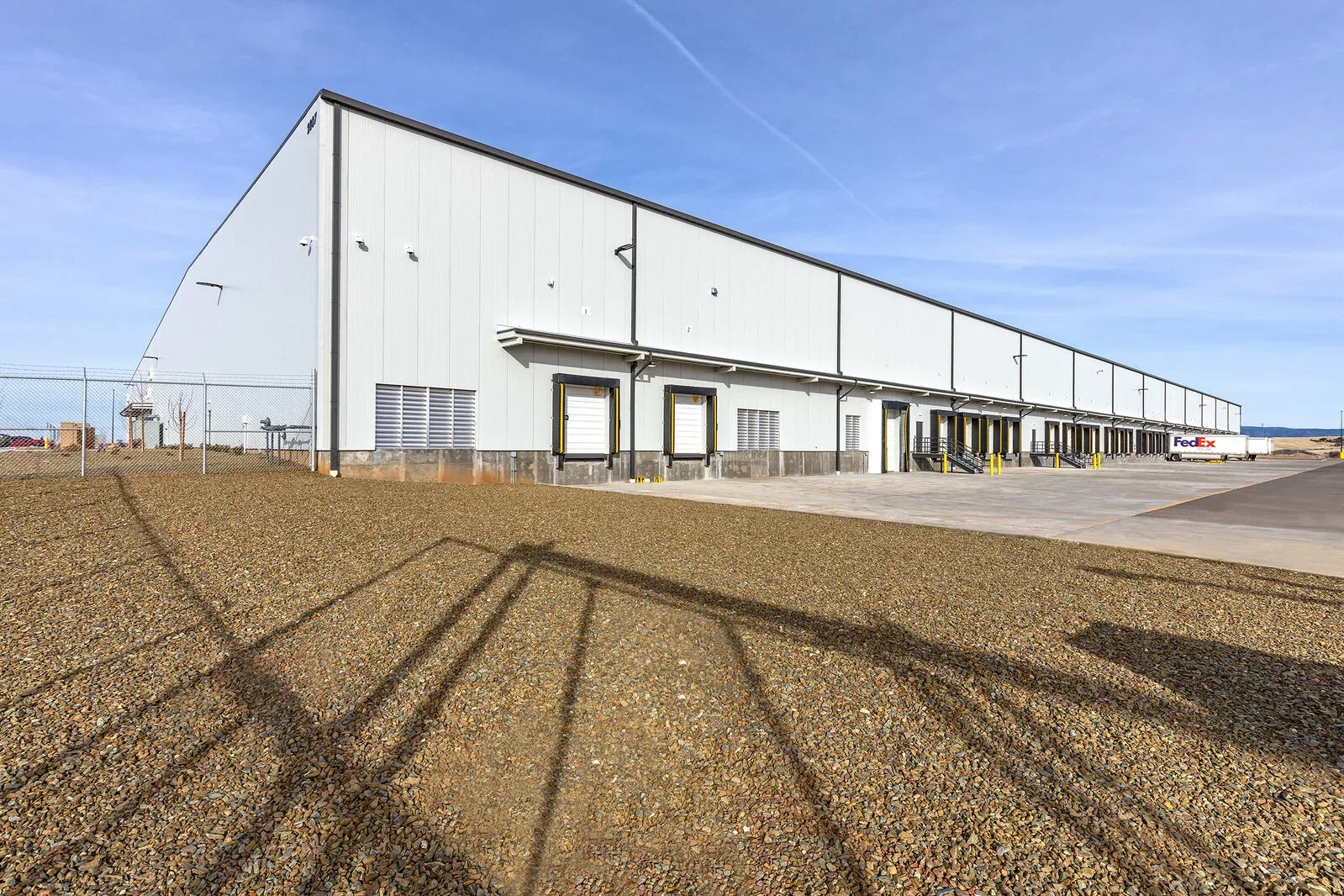
The consequence of a leak depends on what sits below. Over a production line or stored goods, water costs more than the roof repair, and an owner may decide that a membrane with many repairs is already a candidate for replacement. On a manufacturing plant roof or a distribution center roof, the survey begins with that comparison: the cost of the next repair against the cost of moving the replacement date forward. Where equipment has to be lifted or shut down, rooftop equipment curbs and supports are scoped in the same visit so the work is done once.
Drainage deserves the same attention as equipment. Condensate and equipment discharge often run across the membrane to a drain or a scupper, and where that water has been running for years the surface shows it as staining, softening or a shallow basin around the outlet. We look at where each discharge ends, whether the drain bowl is clear and whether the roof slopes to the outlet or away from it. A modest change in how water leaves a roof, such as a splash pad under a condensate line or a new sump, usually costs far less than the membrane damage it prevents.
Offices: tenant impact on the floors below
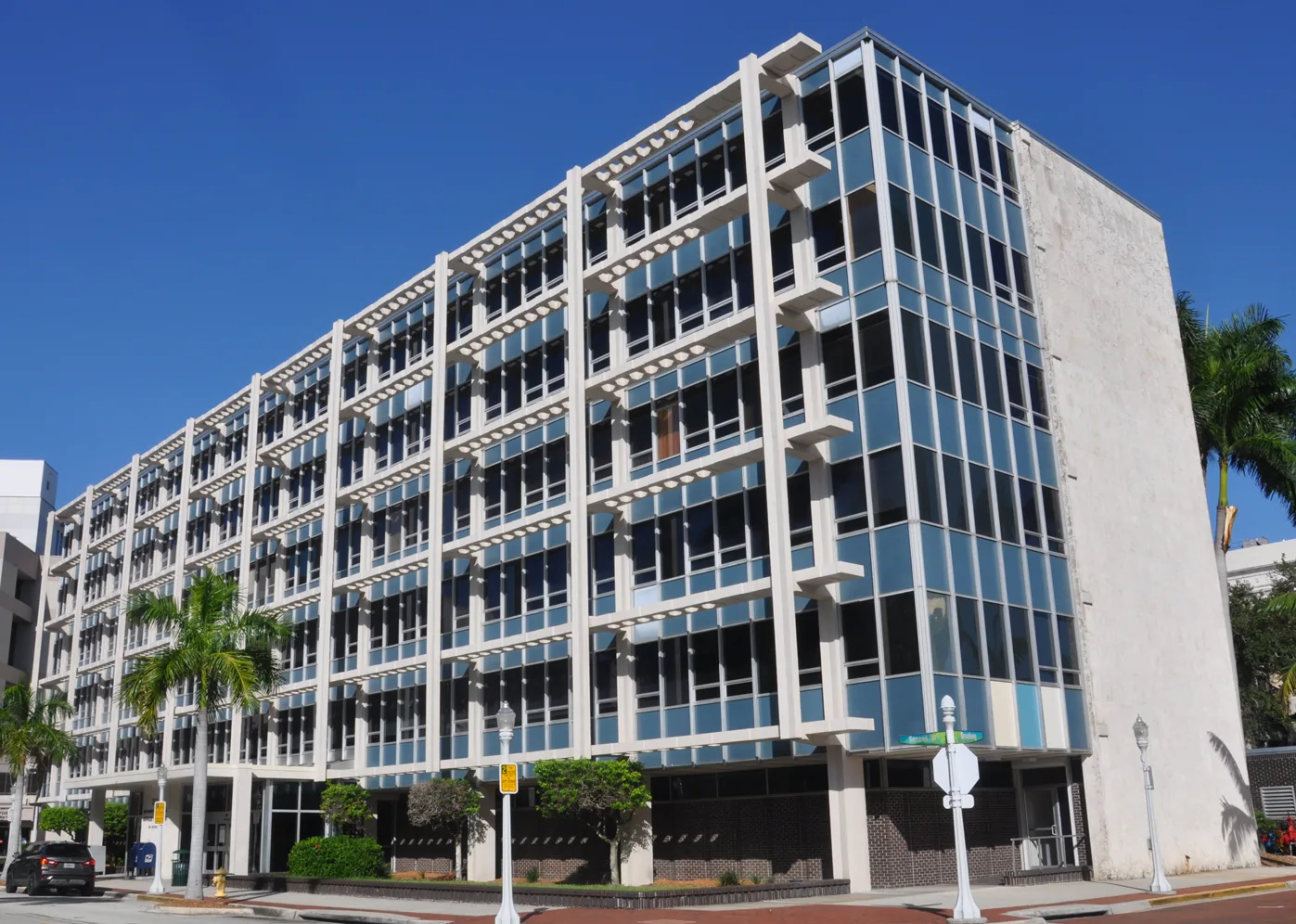
Some roofs here cover offices rather than machinery, and over occupied office floors noise, odor and access have to be managed during business hours. We plan a roof project around the occupied floors beneath it: staging that keeps entrances clear, hot work scheduled for off hours where it cannot be avoided, and a dry-in at the end of each shift. Tenants get a written schedule, and the property manager gets one point of contact who can answer for the crew, the material deliveries and the daily dry-in. If the roof also carries a tenant's equipment, that equipment is protected and its shutdown windows are agreed in advance. That sequence is standard on an office building roof, and the record produced keeps tenant impact visible in the cost of each option.
Heat: the San Fernando Valley's record
Woodland Hills, in the same San Fernando Valley, set the Los Angeles County record of 121 F on September 6, 2020. Extreme Heat Warnings from the National Weather Service have covered the valleys of both counties. Sustained heat raises membrane surface temperature, speeds the loss of plasticizers in some single-ply surfaces, stresses seams and adds to the cooling load on rooftop units that already work hard. A roof that has spent many summers under that exposure may show crazing, chalking or lifted laps while the building below remains dry.
For a property manager covering several Chatsworth addresses, maintenance records are most useful when every note names the roof area, the defect and the next action. We photograph seam openings, drain conditions and equipment flashings, then mark them on a roof plan that a technician can follow without guessing which corner a report means. That discipline helps compare a production building with an office or distribution space, even when their schedules differ. The Chatsworth Transportation Center connects Metrolink, Amtrak and Metro services, while local production and engineering employers keep the area active through the workday, so roof access planning should start with the building operator.
Owners can respond in stages. A membrane with sound seams and dry insulation can often take a reflective coating, which reduces surface temperature and extends service life, and the same logic drives how we scope heat and UV roof damage repair. Where the roof is past coating, a recover or replacement under the 2025 California Energy Code, which applies to permit applications filed on or after January 1, 2026, brings cool roof standards into the scope.
Hills: the Santa Susana Field Laboratory and the Woolsey Fire
The former Santa Susana Field Laboratory in the hills above Chatsworth, once the site of Rocketdyne rocket engine testing, is closed and slated for cleanup. The November 2018 Woolsey Fire started on that property, burned 96,949 acres, destroyed 1,643 structures and forced more than 295,000 people to evacuate under Santa Ana winds of 50 to 60 mph. For roofs in the neighborhoods below, the lesson is about exposure rather than damage: ash in drains, ember pitting, wind-lifted edges and sealant that took heat. We check those items after any fire or red-flag wind event, and we keep a dated record that supports an insurance file where one is needed.
Owners with buildings on both sides of the Ventura County line can use the same condition language across all of them, and a multi-site roof program keeps Chatsworth next to roofs in Simi Valley and Moorpark. State Route 118 links those cities to Chatsworth, and the Chatsworth Transportation Center, with Metrolink, Amtrak and Metro service, ties the area to the rest of the basin. West Hills, which borders Chatsworth, can sit on the same survey route.
Commercial Roofing Questions
Do rooftop units on a production building need their own findings?
Each unit gets its own entry covering curb, flashing, sealant and condensate line. That detail shows which penetrations fail repeatedly and what a repair sequence should cost.
What does a fire that started in the hills mean for a roof on the valley floor?
Ash, embers and high wind reach well beyond the burn area. We clear and photograph drains, test edge metal and note any pitting, which gives the owner a dated record.
How does record heat change the choice of coating?
Reflectivity and seam integrity matter more than color. We scan for moisture first, because coating over wet insulation traps the problem instead of fixing it.
Can one program cover buildings in Chatsworth and in Ventura County?
One scope and one report can cover both, using the same condition index so roofs can be compared. SR 118 gives a direct link between Chatsworth, Simi Valley and Moorpark.
Who responds when a distribution building leaks on a weekend?
A crew is dispatched at any hour, weekends and holidays included. The first goal is a temporary dry-in over stored goods, followed by a written repair scope.