Occupied Building Reroofing in Thousand Oaks, CA
Commercial Roofing Services · Thousand Oaks, CA
Occupancy finding: a roof with one interior stair, a hatch that opens inside a tenant suite, and a loading dock that runs from early morning to dark. None of that is a roofing defect, but all of it governs how a reroof can be carried out and what it costs. Material has to reach the roof by some route. Debris has to leave by another. Every route either passes through a space somebody is using or stays outside it at a price, and the plan for the work is largely the plan for those routes.
Occupied building reroofing in Thousand Oaks, CA is therefore a scheduling and protection problem first and a membrane problem second. The membrane choice, the tear-off method and the phasing all follow from what the occupants cannot give up: air handling, quiet hours, clear entrances, security, or a roof that is dry at the end of every shift. A prioritized scope that records those limits before the bid is how an owner avoids paying for them as change orders afterward.
Occupied Building Reroofing
Commercial Roofing Services
Call our team
Written findings and options
Thousand Oaks, CA
Ventura and Los Angeles counties
Constraints: what the occupants cannot give up
We begin with a list, collected from the building engineer and the property manager, of the functions the roof work must not disturb. For one building that means the fresh-air intakes that serve a laboratory. For another it means the quiet hours of a clinic, the parking in front of a restaurant, or the one passenger lift that doubles as the freight route. Leases sometimes carry their own limits on noise, odor and access, and the roofer needs to see those clauses before the schedule is written.
The list fixes the shape of the job. Work hours may shift to early morning or evening. A material that releases fewer fumes may replace one that smells strongly. A staging area may have to move to a corner of the lot that costs shoppers fewer spaces. Each of these changes the price, which is why the findings are written down and priced openly and are not absorbed into a lump sum.
Phasing: opening only as much roof as can be closed that day
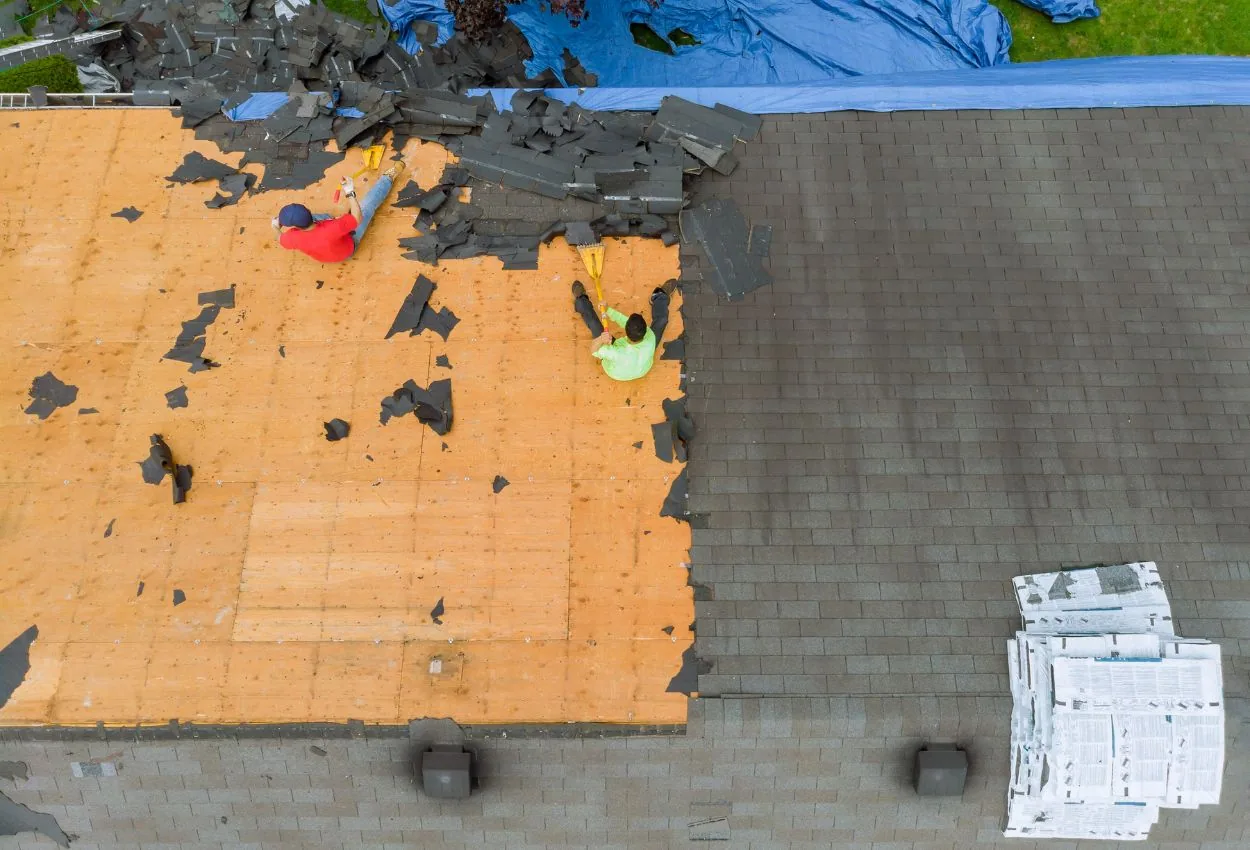
The basic discipline is that no more roof is opened than can be made watertight before the crew leaves. The building is divided into sections, tear-off proceeds one section at a time, and the new membrane is tied into the old at each day's edge with a temporary seal that holds overnight. A drain that sits in an open section is protected so that debris does not enter the building's storm line.
Santa Ana events complicate that routine. Offshore gusts that can pass forty miles an hour will lift loose insulation boards and membrane that has not yet been fastened, so we watch the forecast and do not open large areas on a day when gusts are expected. Wind-sensitive tie-ins are held for a calm window, and the most exposed sections are finished early in the project.
Methods: choosing a roof system that suits the occupants
Some roof systems are a better fit for occupied buildings than others. Mechanically fastened and adhered single-ply membranes such as TPO or PVC generate little odor and no open flame, and the heat-welded seams are made on the roof without solvent fumes drifting toward intakes. Hot-applied built-up roofing and torch-applied modified bitumen are used with more caution because of fumes, fire risk and the need to keep intakes sealed.
A recover over a sound existing roof reduces the debris, the noise and the number of truck trips compared with a full tear-off, and it keeps the old membrane as a temporary barrier while new material goes on. That option exists only when the survey shows dry insulation and a deck that can carry another layer. When it does not, a staged commercial roof replacement is the alternative, and the protection plan carries more weight.
Protection: debris, noise, dust and air intakes
Protection is a list of specific items. Intake louvers and exhaust vents are sealed or ducted away from the work area. Chutes or enclosed hoists carry debris to bins away from entries, and the bins are changed on a plan that keeps the loading dock free. Walkways under the work zone are covered or closed. Tear-off that creates dust is controlled with wetting, vacuum attachments and cleanup between shifts.
Noise is managed by sequencing. The loudest tasks, such as tear-off and fastener installation, are scheduled in the windows when the least number of occupants are affected, and the quieter finishing work follows. Notices go to tenants before each phase, with a named contact on site who can stop a task if a tenant reports a problem. Complaints are logged and answered, since a record of what was reported and fixed protects the owner as much as the tenant.
Settings: hospitals, campuses and malls
Different buildings place different demands on the roof crew. At a hospital such as Los Robles Hospital, with rooftop mechanical serving critical areas and roofs from several construction eras, the work is staged unit by unit around infection control and air handling, and the plan is reviewed with the facility engineer. A hospital roof leaves very little room for improvisation.
On a campus like California Lutheran University, with 41 buildings on 290 acres, the academic calendar and event dates set the schedule more than weather does. At The Oaks, which draws more than five million visitors a year, access routes and staging have to keep shoppers clear of the work, and a big-box roof over a vacant store, the situation Janss Marketplace faced when Sears and Toys R Us closed in 2018, is a different problem from the roof over a store that is open. Each setting gets its own sequence, and on a retail property the work follows the tenant hours and seasonal peaks of shopping center roofing.
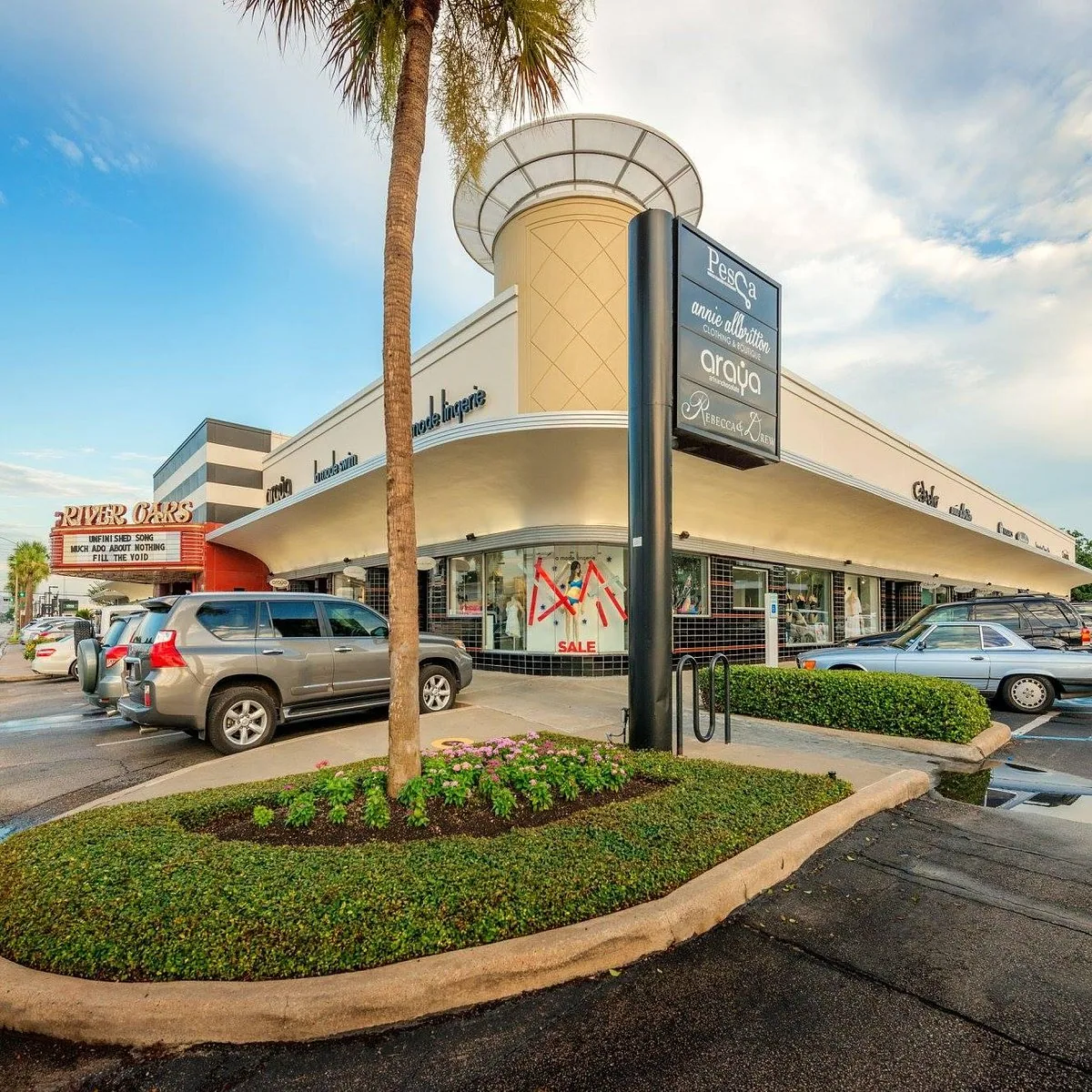
Along the Thousand Oaks Boulevard corridor, roof phasing can hinge on storefront access and tenant hours. In the broader Conejo Valley market, we set the same opening, dry-in and daily closeout rules for each property while recording its distinct air-handling and access limits.
Commercial Roofing Questions
Will the work be loud or smelly?
Noise comes from tear-off and fastening, and we place those tasks in the hours when the fewest occupants are present. Odor depends on the system, so we select adhesives and methods with intakes in mind and seal or duct the intakes that sit near the work.
How do you keep fumes and dust out of the air handlers?
Intakes within reach of the work are covered or ducted away, and we agree the plan with the building engineer before the first day. Where a laboratory or clinic depends on its air quality, we ask what the building monitors and stop work if a reading changes.
What if the wind picks up mid-shift?
Every day's work is sized so it can be closed quickly. Loose boards and unfastened sheet are secured first, and sections are never left open overnight. If a Santa Ana forecast puts a large area at risk, the opening is postponed.
Who tells my tenants when the work is happening?
We prepare the notices for each phase, with dates, the areas affected and the on-site contact, and the property manager sends them under the owner's name. Keeping the message with the manager helps tenants route questions to a familiar source.
Can night or weekend work reduce the disruption?
Often, at the cost of a premium for the hours. Night work is quieter for occupants, but lighting, noise limits and neighbors have to be considered. We price both and let the owner choose.