Commercial Roofing Across the Conejo Valley, CA
Service Areas · Thousand Oaks, CA
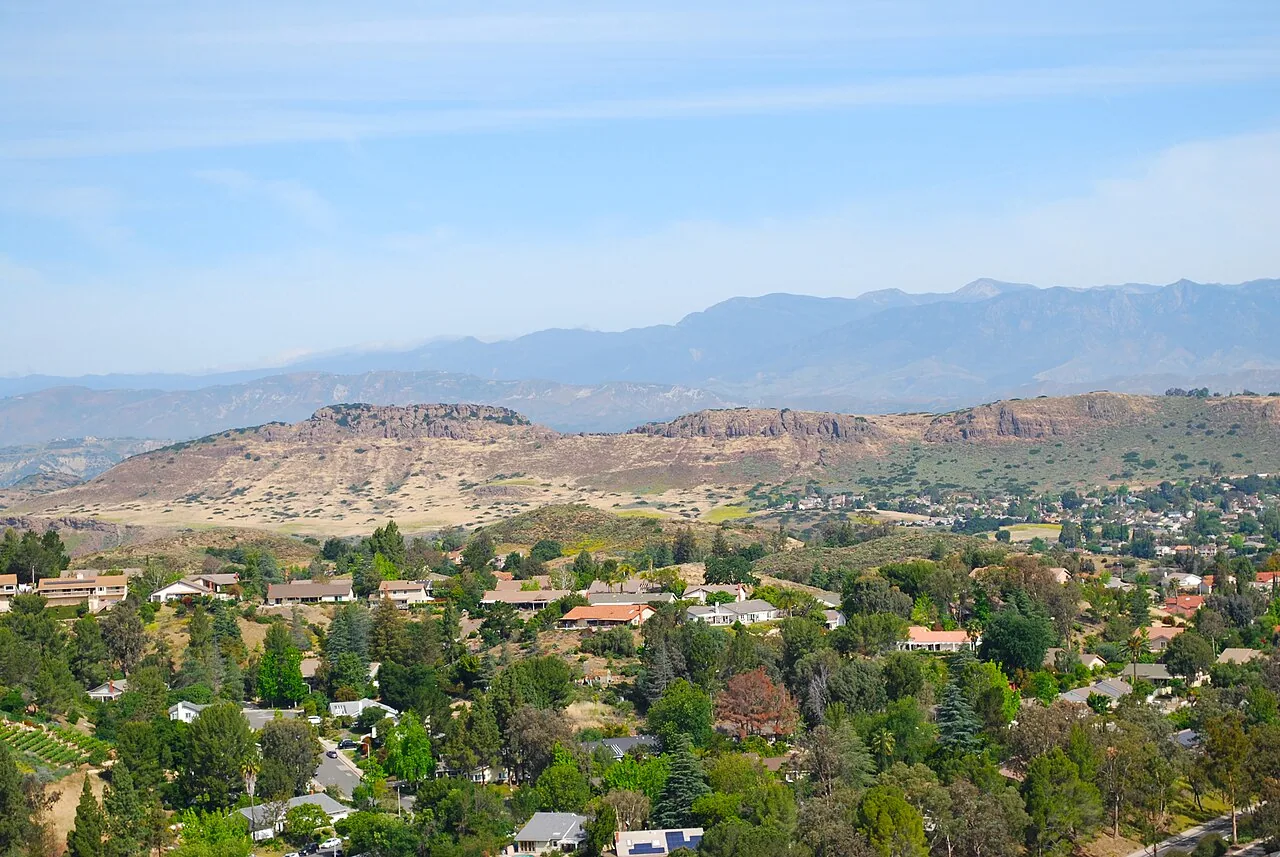
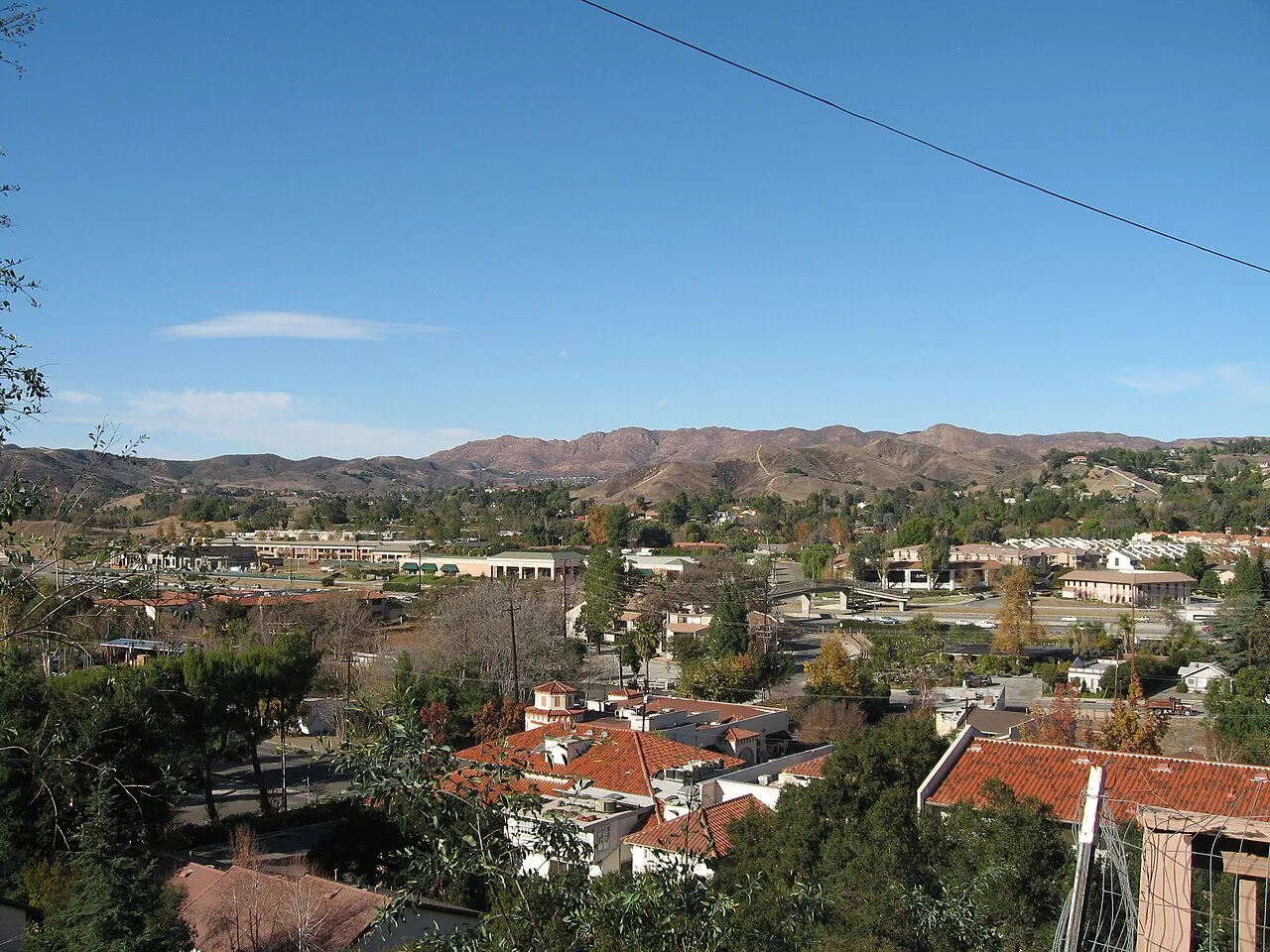
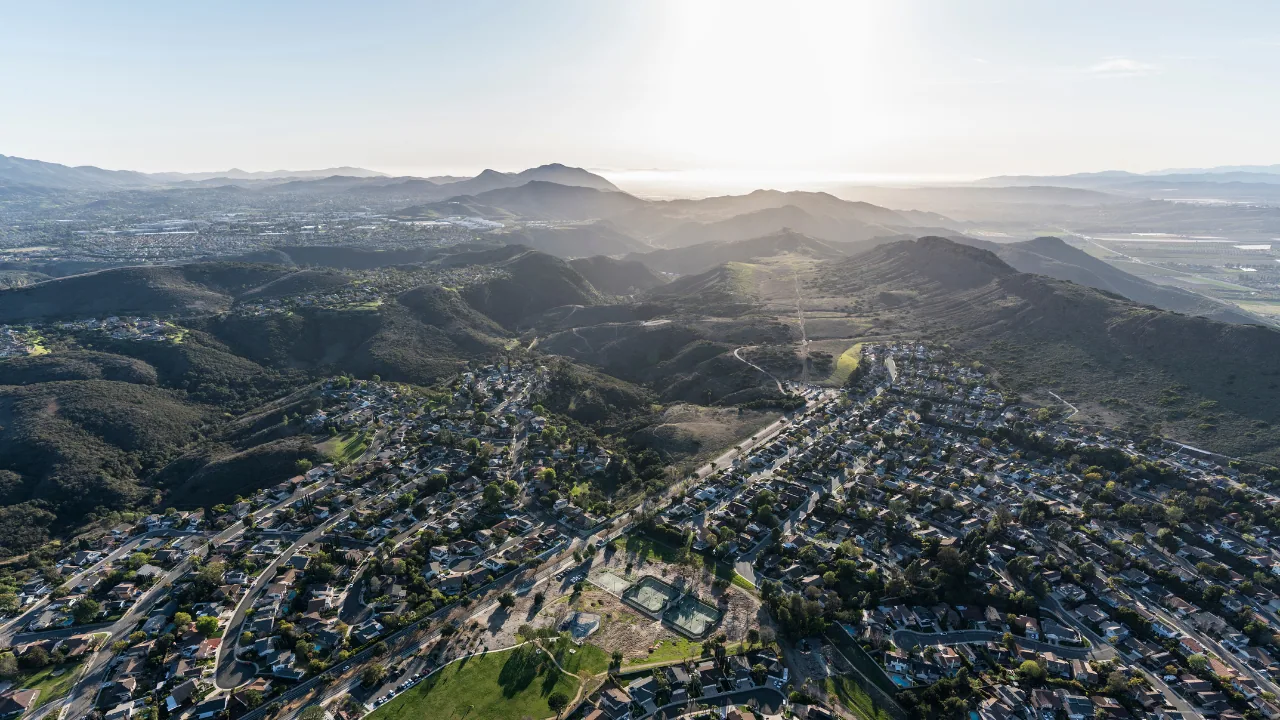
A commercial roof portfolio spread across a valley rarely has one condition or one maintenance schedule. A warehouse may be approaching replacement while an office roof needs a drainage correction and a retail building needs a targeted flashing repair. The City of Thousand Oaks describes itself as being in the heart of the Conejo Valley, and its planning review places the valley at roughly nine miles long and seven miles wide. The area includes established municipalities and commercial districts with different building uses and access constraints. Commercial Roofing of Thousand Oaks helps owners document each roof, compare findings, and set a practical order for inspections, repairs, and capital planning across the regional service area.
Conejo Valley
Service Areas
Call our team
Written findings and options
Thousand Oaks, CA
Ventura and Los Angeles counties
Portfolio: build a consistent roof register
Begin with a property list and a roof-zone map for each site. Record the approximate roof age if known, system type, past repairs, open leaks, and equipment changes. A single spreadsheet or asset register can then show which roofs need immediate attention and which require a scheduled follow-up. Keep observations separate from assumptions: a ceiling mark is a report, while a measured opening or moisture survey is evidence about the roof assembly.
For each visit, note what the technician could inspect and where access was blocked. Photograph drains, seams, edge details, penetrations, and any patch that may affect a future repair. Include orientation or a roof-plan reference so a different manager can find the same location later. This consistent record helps a regional owner compare risk without pretending every property has the same design, tenant, or maintenance history. The next work order can refer to a known condition rather than recreate the investigation from memory.
Regional planning also benefits from a recurring inspection calendar. Set the interval according to the roof system, prior findings, exposure, and maintenance history, then revisit the schedule after major repairs or equipment changes. A visual survey does not replace a manufacturer inspection or a diagnostic test when conditions call for one, but it can identify obvious drainage and edge concerns before they become urgent. Give each site a named contact and a standard way to report new symptoms. When a building changes hands or property management, transfer the roof register and open actions with the other operating records. That handoff keeps the next decision based on what was observed instead of starting over.
Triage: rank by consequence and condition
A portfolio plan should balance the probability of failure with the effect of a leak. A small defect above electrical distribution, sensitive inventory, or occupied care space can deserve an earlier response than a larger surface issue over an unused storage zone. Agree on a simple ranking method with facilities and operations staff. Include active water entry, recurring repairs, vulnerable interior uses, and the size of the affected roof area.
Urgent stabilization and permanent work have different purposes. Temporary dry-in reduces immediate exposure while an owner reviews a broader repair or replacement. Label that condition clearly in the record, with an owner for follow-up and a due date. Otherwise a provisional patch can become the only evidence that a problem existed. A triage table is most useful when it names the next action, responsible party, and timing, rather than relying on red-yellow-green labels without explanation.
Systems: compare roofs by assembly, not address
Roof assemblies vary by building use and construction date. Single-ply membranes, modified bitumen, built-up roofs, and metal systems each need different inspection points and compatible repair materials. A portfolio survey should identify what is present, including later overlays or repairs where visible. A coating may be considered only after checking the substrate, drainage, moisture, adhesion, and product limits. It should not be used to hide a condition that requires a different remedy.
Equipment work can alter an otherwise stable roof. New curbs, conduit, exhaust, and service paths introduce details that need flashing and documentation. Ask each contractor to state whether the proposal includes equipment resets, edge metal, drains, and protection of tenant operations. When comparing options, separate a localized repair from a broader restoration and a full replacement. The scope should define the zones included and describe how concealed conditions will be measured before cost or schedule changes.
Coordination: set a workable site sequence
Owners with sites in several cities need a contact path that works for both property managers and field crews. Confirm who grants roof access, who can approve interior entry, and who receives a same-day report. Tenants may have different hours, loading windows, security rules, or sensitive operations. Schedule work around those constraints and identify which areas need barriers, notices, or a temporary detour.
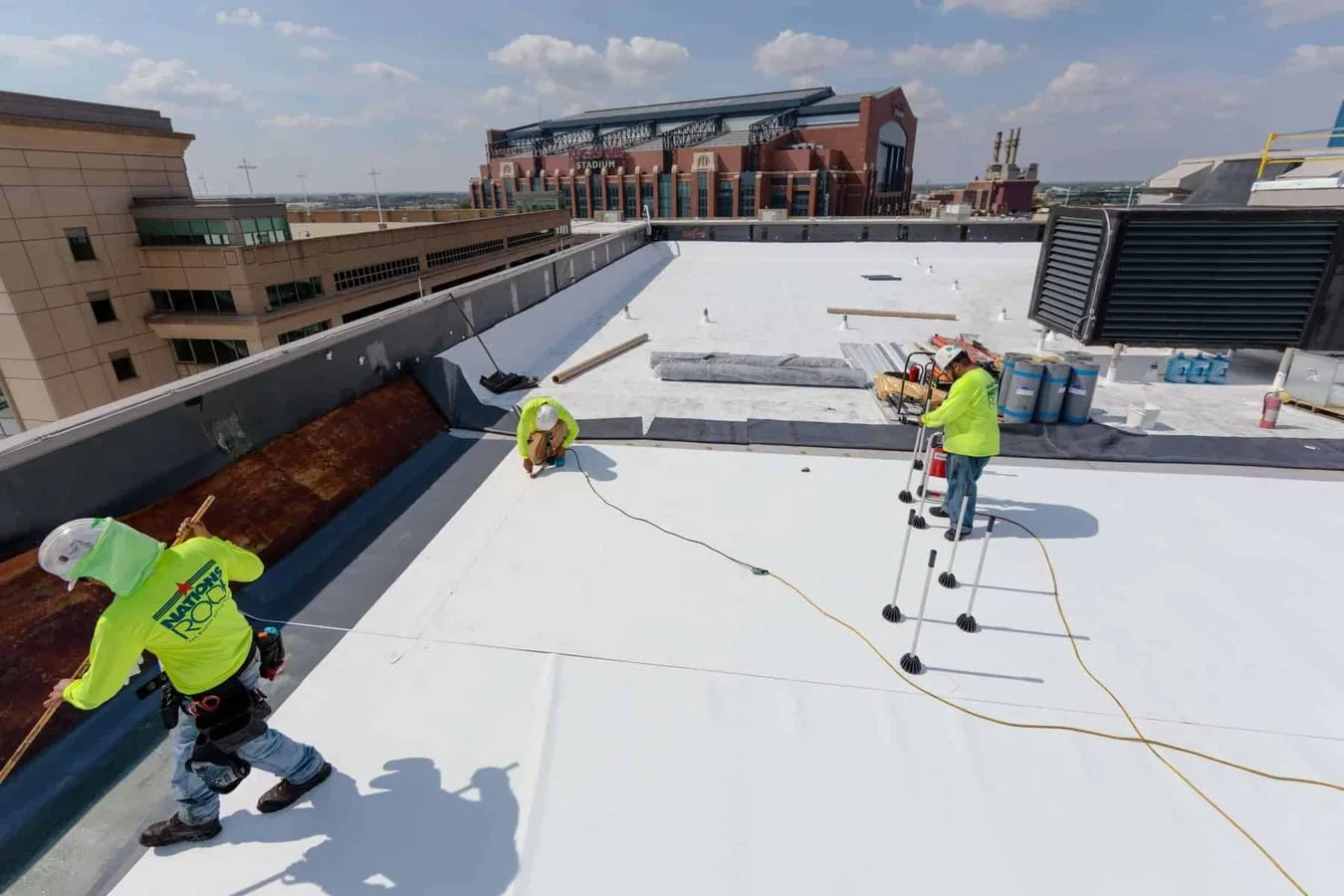
Weather, material cure time, and site access affect the sequence. For larger projects, define daily limits for tear-off and dry-in so an open area does not exceed the crew’s protection capacity. For repair visits, confirm that the right system materials are available and that drains or walkways will be left clear. A short pre-job checklist should list the work zone, tenant notices, access equipment, weather backup, and escalation contact. If any item changes, update the schedule before crews mobilize rather than relying on assumptions made during bidding.
Budgeting: connect findings to the capital calendar
Annual roof budgets are stronger when they distinguish planned work from unresolved risk. Put emergency stabilization, routine maintenance, diagnostic follow-up, and capital replacement in separate categories. For each planned project, state the evidence, estimated timing, and decision still needed. That lets finance teams understand why a repair is proposed now and what a deferral means.
Estimates should explain quantities and exclusions. Ask whether pricing covers tear-off, insulation, drains, flashings, rooftop equipment coordination, temporary protection, and disposal. If the proposal assumes dry substrate or sound decking, require a documented process for handling a different finding. A clear contingency prevents hidden conditions from turning into a surprise approval. Keep the current-year priority list short enough to execute while maintaining a separate forecast for the next budget cycle.
Closeout: preserve a usable handoff
At completion, collect dated photos, work limits, material records, warranty documents, and maintenance recommendations. Record whether the repair resolved the reported issue or whether a monitoring visit remains open. Share a concise closeout with the property manager and anyone responsible for the roof asset register. A useful handoff states what changed, what remains to be watched, and when the next inspection is due.
Regional coverage includes Downtown Thousand Oaks and Agoura Hills. Owners can also review roof asset management, commercial roof inspections, drain and scupper repairs, and modified bitumen systems. Those references support planning; every property still needs findings tied to its own assembly and use.
Commercial Roofing Questions
What does the Conejo Valley service area cover?
It describes the broader regional market around Thousand Oaks and nearby communities, not one building or employer. A specific project’s city and access needs should be confirmed during scheduling.
How should a multi-site owner prioritize roof work?
Rank by active leaks, likely failure, interior consequence, repair history, and time needed for capital approval. Record the reason for each priority and the next action.
Can one inspection approach work for every property?
A consistent report format helps comparisons, but the inspection details should reflect each roof assembly, building use, equipment, and access conditions.
What records should be retained after a repair?
Keep dated photographs, roof-zone references, materials used, work limits, warranty terms, and any recommended follow-up. Note whether temporary protection remains in place.
When does a repair become a replacement discussion?
Recurring failures, broad moisture, aging materials, or repeated emergency work may justify comparing replacement. A contractor should connect that recommendation to documented conditions.