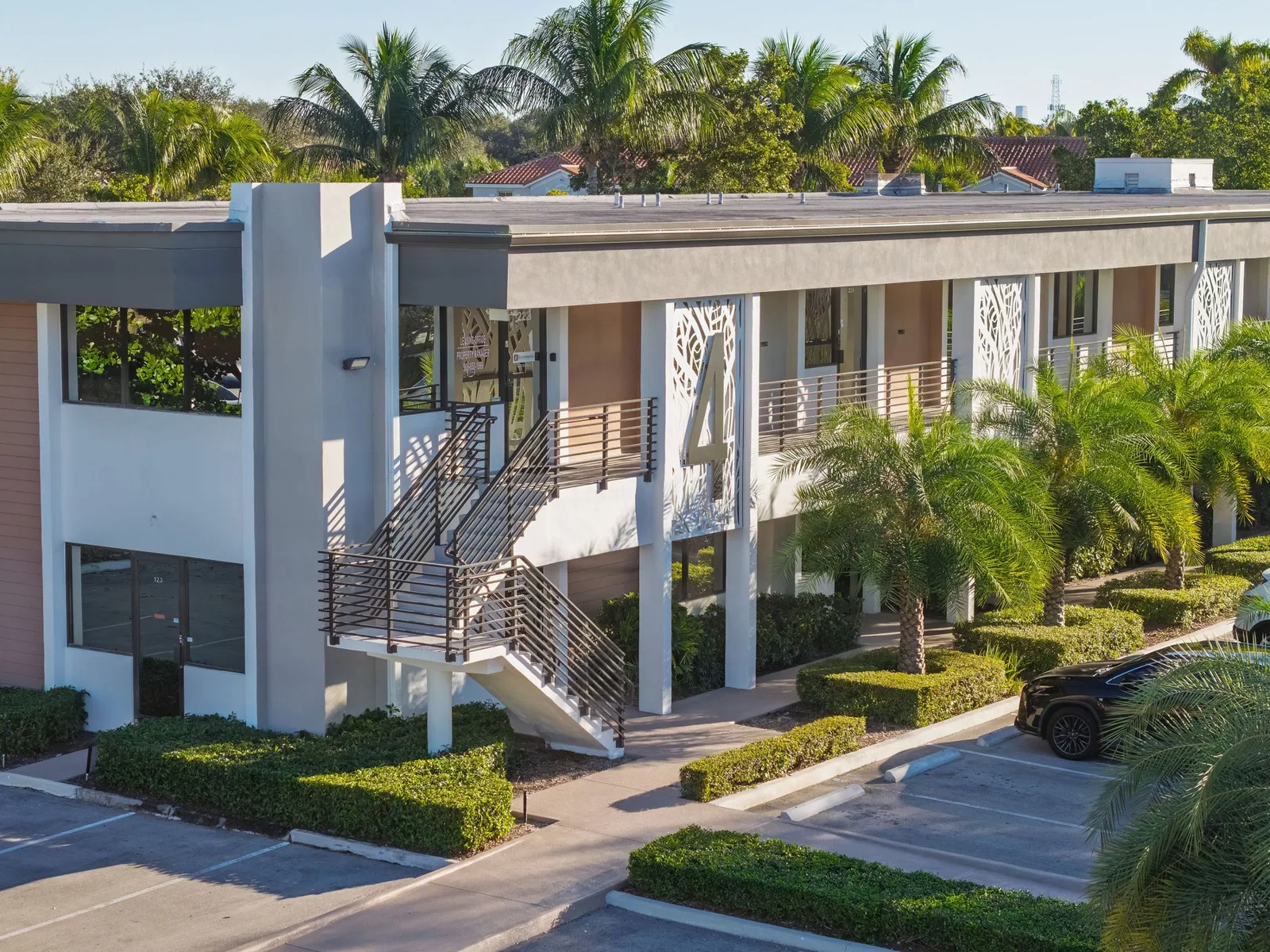
Roofing for Property Management Companies in Thousand Oaks, CA
Industries We Serve · Thousand Oaks, CA
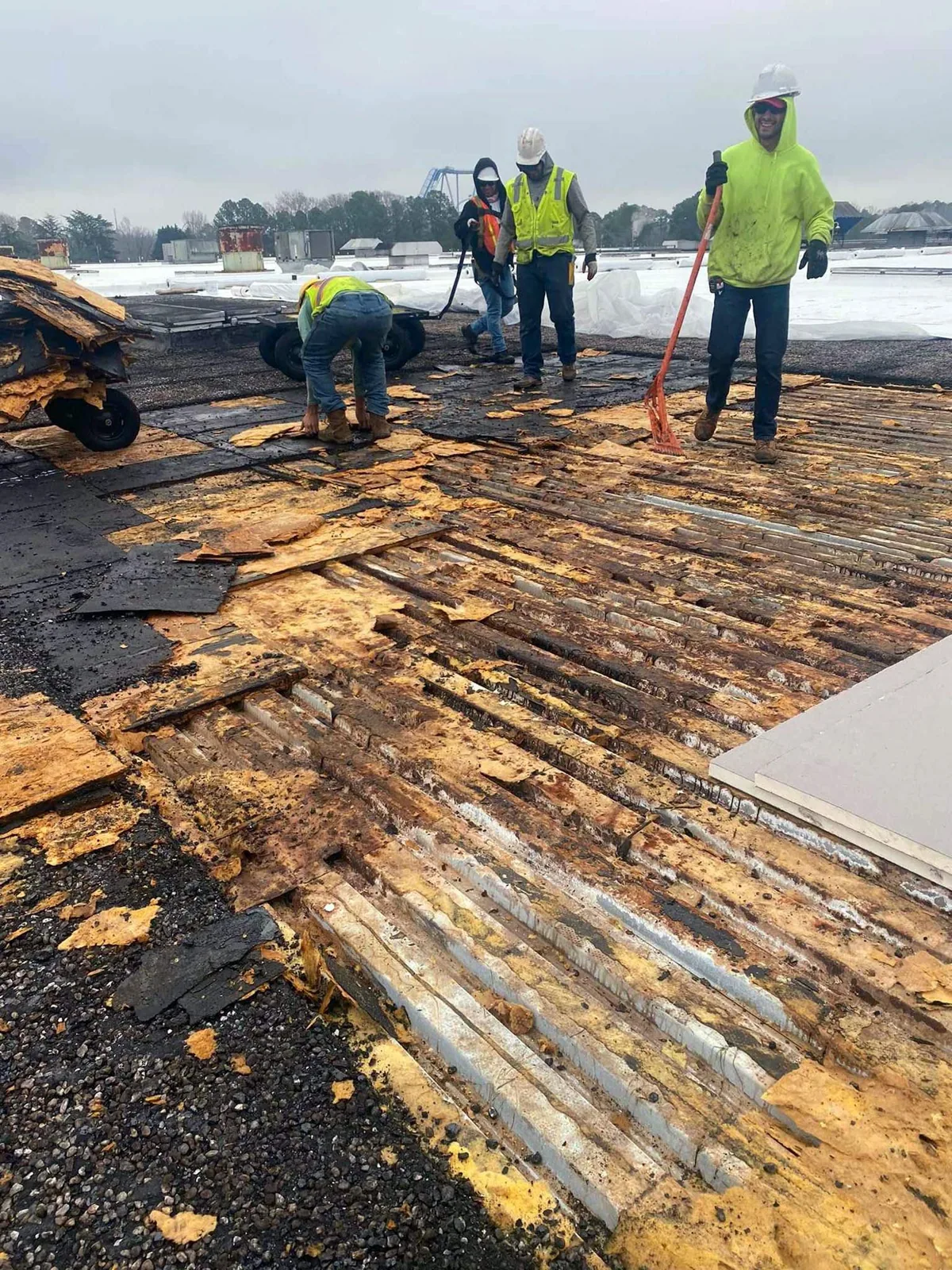
Work-order history, three buildings under one management agreement: the same ponding complaint filed twice in a single summer, once traced to a clogged drain and once to a deck that has deflected beneath its insulation, and both coded to general maintenance in the ledger. A manager reading the ledger sees two small repairs. A roof survey reads the same entries as a drainage failure and a structural change, which carry very different consequences for the replacement horizon of each building. Property managers in Thousand Oaks, CA hold roofs on behalf of owners and investors who expect a number at budget time, and we build that number from findings on the membrane, flashing, drains and equipment supports, so the choice between repair, restoration and replacement is made on evidence and presented in a form an owner can approve.
Property Management Companies
Industries We Serve
Call our team
Written findings and options
Thousand Oaks, CA
Ventura and Los Angeles counties
Ledger: where roof spend hides inside maintenance
A work-order system records what was fixed and rarely records where on the roof it was fixed. That gap is why a building can absorb a dozen small roof calls over several years without anyone adding them up. When each visit is tied to a roof section on a plan, repeat locations stand out: the same corner flashing resealed again, the same drain cleared after every storm, the same seam patched after each hot spell. Those repeats are findings, and they usually mark the spot where a repair has stopped working. We tag repairs by section so a manager can show an owner the real cost of waiting, set against the cost of the next intervention. Where repeats cluster on one membrane, our preventive roof maintenance visits give the manager a dated log that supports a replacement request instead of another patch invoice.
Mixed stock: tilt-up, office park and retail in one agreement
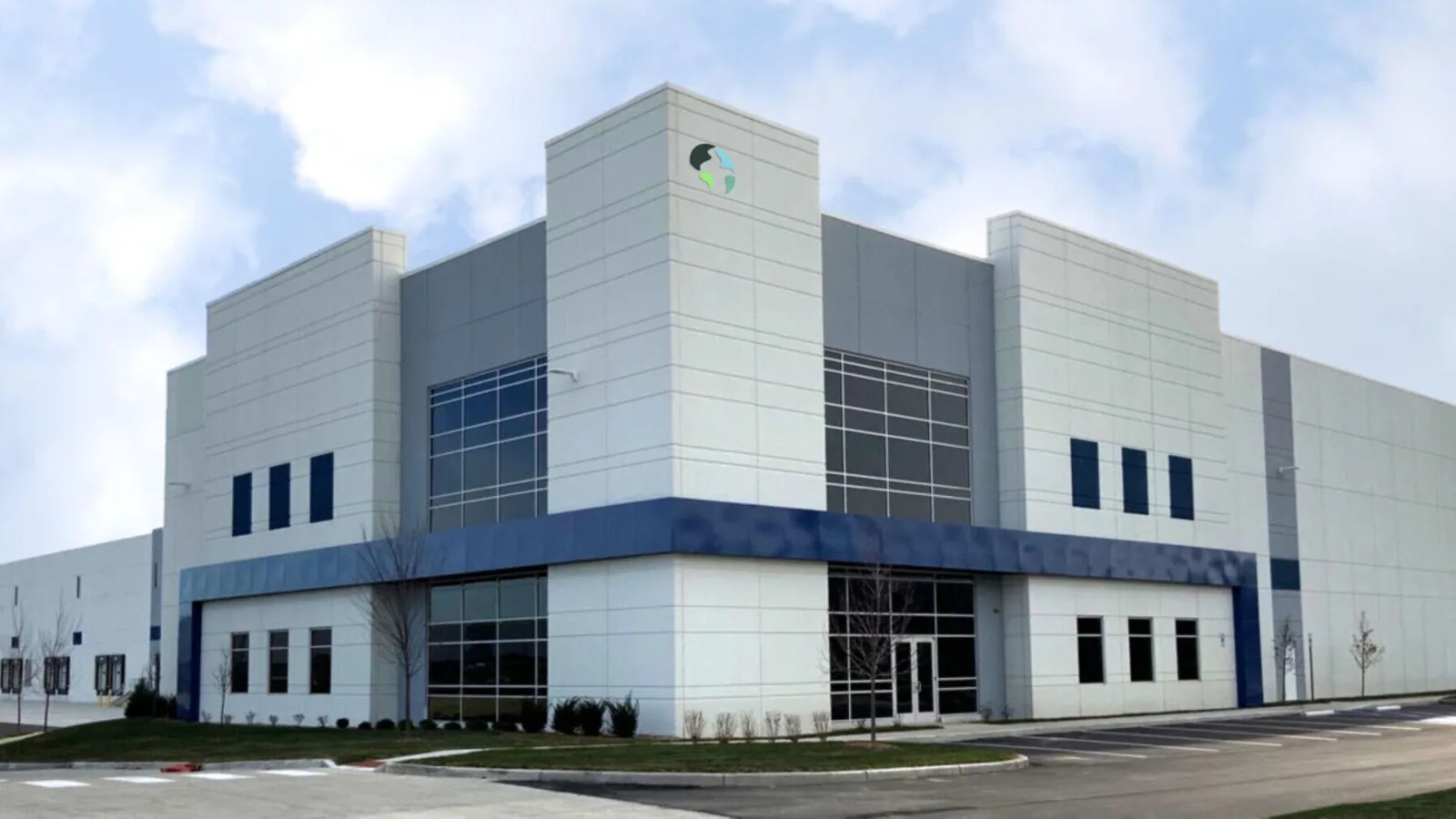
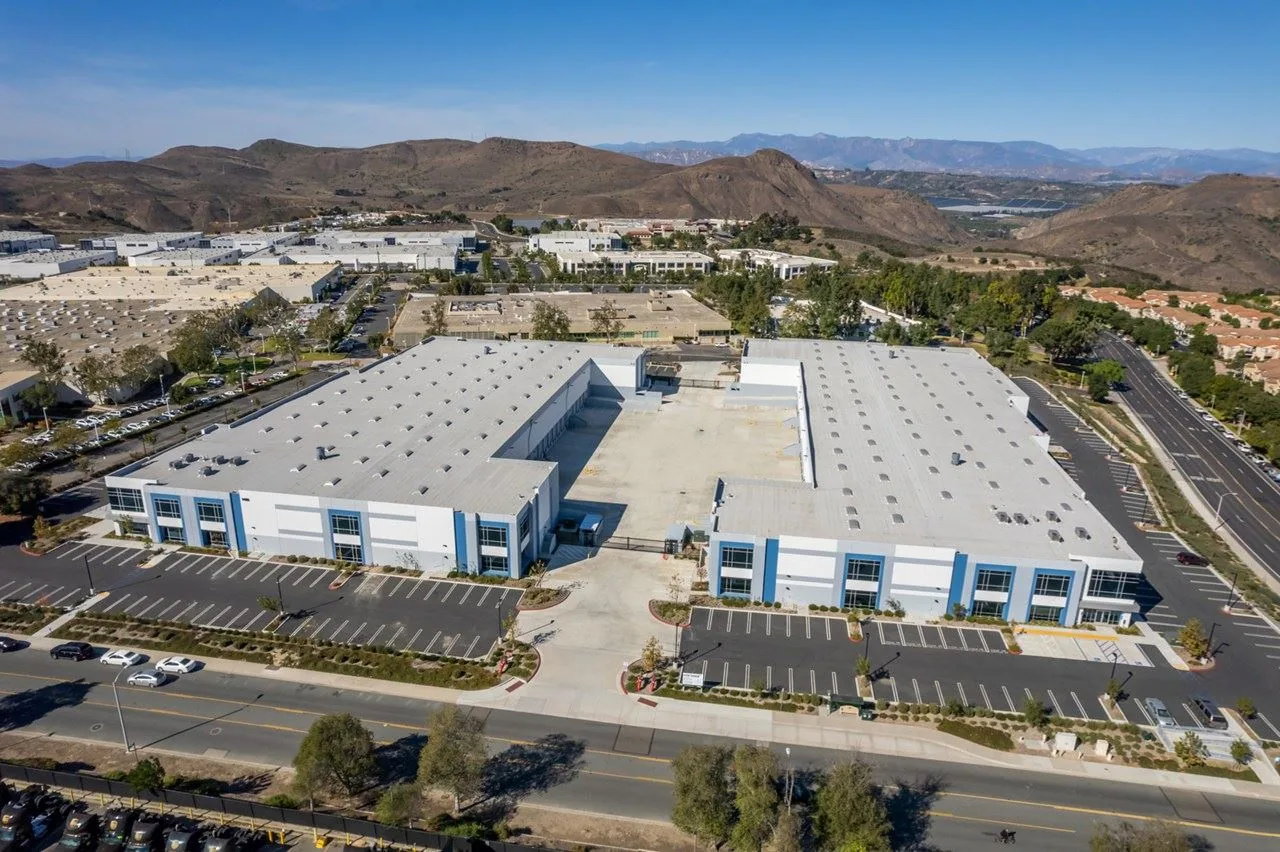
A management agreement in the Conejo Valley rarely covers a single kind of building. Most of the city's industrial businesses are found in Rancho Conejo Industrial Park, which had more than 120 properties in 2017; Amazon opened a warehouse there in 2018. The park’s industrial inventory spans separate properties, so the manager records each roof system, drainage layout and repair history rather than assuming neighboring buildings share construction. Westlake Village, home to headquarters such as Guitar Center and PennyMac Loan Services, adds office parks along US 101, where rooftop mechanical and tenant improvements accumulate lease after lease. Retail along Thousand Oaks Boulevard adds tenant bays, canopies and signage that pierce the membrane in their own ways. Each type fails differently, so the survey records system, age, drainage and penetration count for every building and grades them on one scale. That is what lets a manager set a tilt-up in Rancho Conejo Industrial Park beside an office roof in Westlake Village and say which one needs capital first.
Tenants: additions, access and the roof they share
Tenant improvements are the quiet source of roof damage in multi-tenant buildings. A new suite brings a rooftop unit, a satellite dish, a kitchen exhaust or a conduit run, and each one is installed by a trade that may never have spoken to the roof's owner. The survey inventories every penetration and support, flags the ones with failed flashing or unsupported pipe runs, and records who owns the equipment. That inventory lets a manager enforce roof access rules with a document in hand, and it gives the membrane manufacturer's warranty, where one exists, a maintenance record to rely on. When roof work has to happen above occupied suites, we plan noise, access and hours with the manager so that tenant impact is a scheduling matter and not a complaint. On equipment-heavy roofs the first repair scope usually sits at the curbs and equipment supports, since that is where tenant additions leave their marks.
Fire years: one wind event, several owners calling
The November 2018 Woolsey Fire affected Newbury Park, Oak Park, Agoura Hills, Westlake Village and Thousand Oaks itself, so a manager with buildings in several of those places has several owners asking for a status at once. The Kenneth Fire in January 2025 again brought evacuation warnings to Agoura Hills and Oak Park. A portfolio roof plan turns that scramble into a checklist: which buildings have gravel or open gutters that hold embers, which carry rooftop equipment with intakes close to loose debris, and which hold ash that can clog drains once rain arrives. After an event we inspect in the order the survey ranks the roofs, photograph every finding and return a dated record per building, the kind of file an owner and an insurer both ask for. Claims often involve insurance and restoration firms, and damage from a Santa Ana gust is handled through wind damage roof repair at any hour.
Reporting: a condition index each owner can read
Owners seldom read full roof reports. They read summaries, and a summary is credible only if the pages behind it are consistent. Every building in the survey receives the same grade for membrane, seams, flashing, drainage, insulation moisture and equipment, plus a remaining service life and a replacement horizon. Infrared and drone work back up the visual findings where a roof is large or access is awkward, so a finding on a hard-to-reach section is measured and not assumed. The deliverable is a ranked list with a prioritized scope per building and a budget range tied to the owner's budget cycle, delivered with photographs. A manager who reports to several owners can send each one the same format. The roof condition report for each building uses that format, and a multi-site roof program keeps the numbers current as roofs are repaired or replaced.
A portfolio register is most useful when a regional manager can act on it without translating every inspector’s terminology. Give each building a stable identifier, record its system and drainage arrangement, and separate urgent water entry from work that can be funded in a later cycle. When a tenant reports a ceiling stain, attach the room or work order to the nearest roof zone, then verify the path above rather than assuming the leak began directly overhead. The manager can compare unresolved issues across sites, group similar repairs for procurement and show ownership why one building needs immediate access while another only needs seasonal maintenance. Keep estimates, photographs, warranty records and closeout notes with the same roof record. That continuity matters through a sale, management change or lease renewal, when institutional memory can disappear faster than the membrane itself.
Commercial Roofing Questions
Who should keep the roof records, the manager or the owner?
Both should hold the same file. The manager needs it for work orders and tenant questions, and the owner needs it for reserves, sale preparation and insurance. We deliver one condition report per building so neither party depends on the other's copy.
How do I budget for a roof I have not surveyed?
Start from age, system and exposure to set a rough figure for one cycle, then replace it with survey findings as soon as you have them. A survey turns the guess into a prioritized scope with a remaining service life, which is the version an owner is willing to fund.
Does a tenant's rooftop unit affect the roof warranty?
It can. Equipment installed or serviced without coordination often leaves damaged flashing or extra fastener penetrations, and a manufacturer may ask for the maintenance record when a claim is made. Log every trade visit and have curbs and pipe boots inspected after the trade leaves.
What should we send an owner after a Santa Ana wind event?
Send a dated report for each building with photographs of every finding, a list of what was dried in and a list of what still needs a permanent repair. That gives the owner something to forward to an insurer the same day.
Is a repeated leak call a repair problem or a replacement signal?
Repeated calls to one location point to a repair that has stopped working, while repeated calls across a whole roof point to a membrane near the end of its service life. The survey separates the two so the response matches the cause.