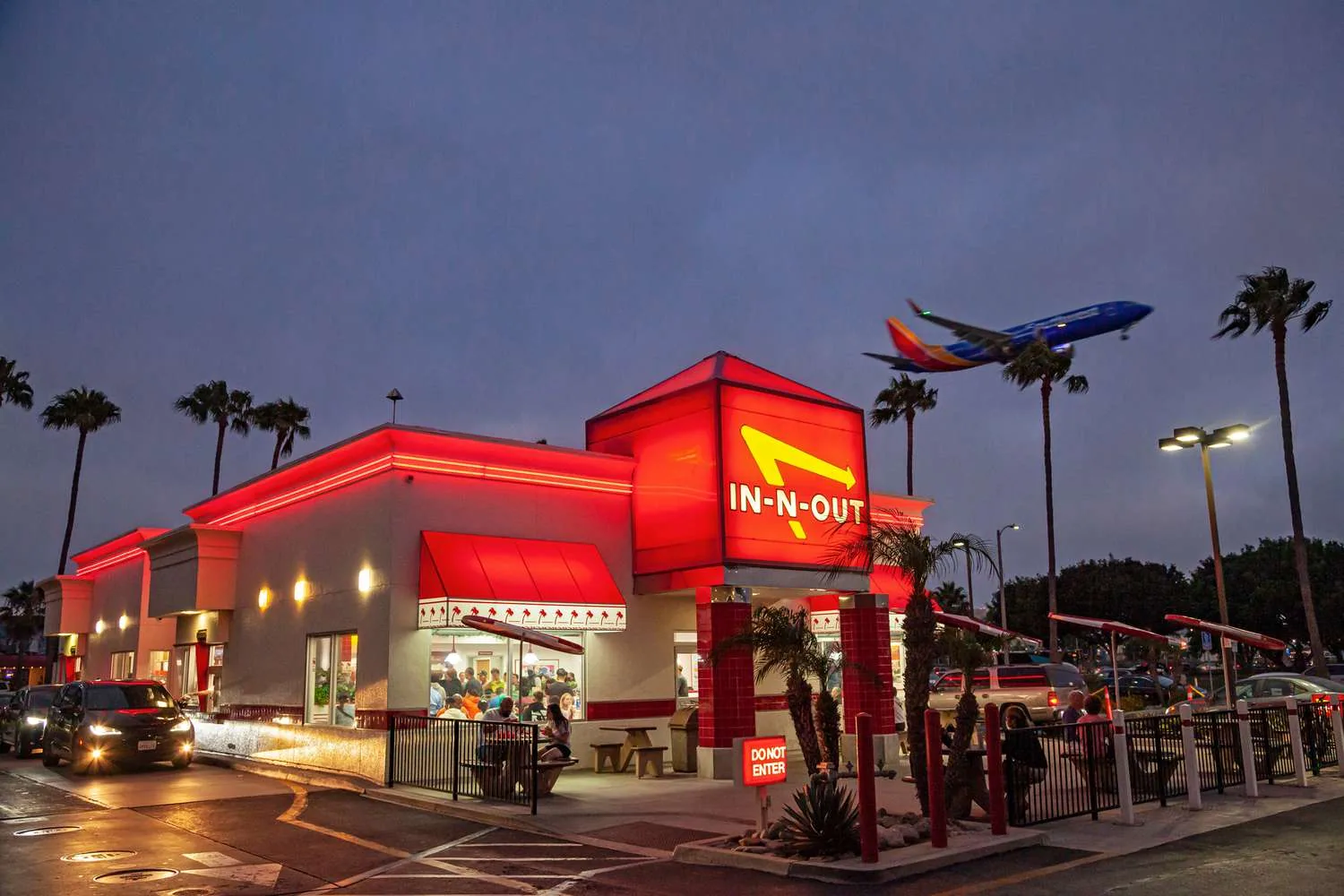
Roofing for Retail and Restaurant Chains in Thousand Oaks, CA
Industries We Serve · Thousand Oaks, CA
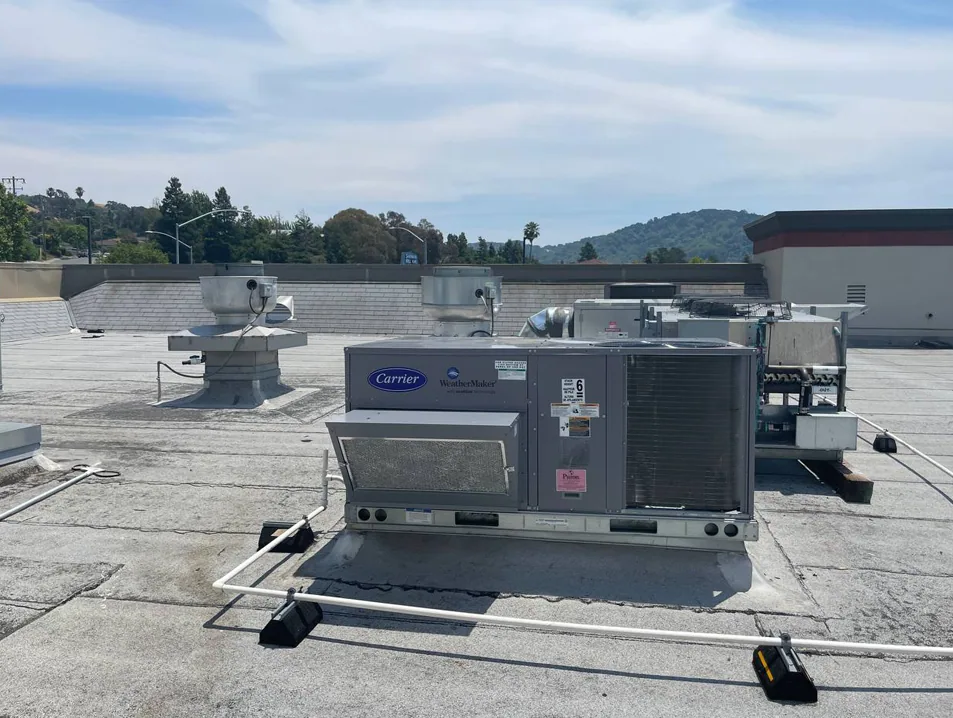
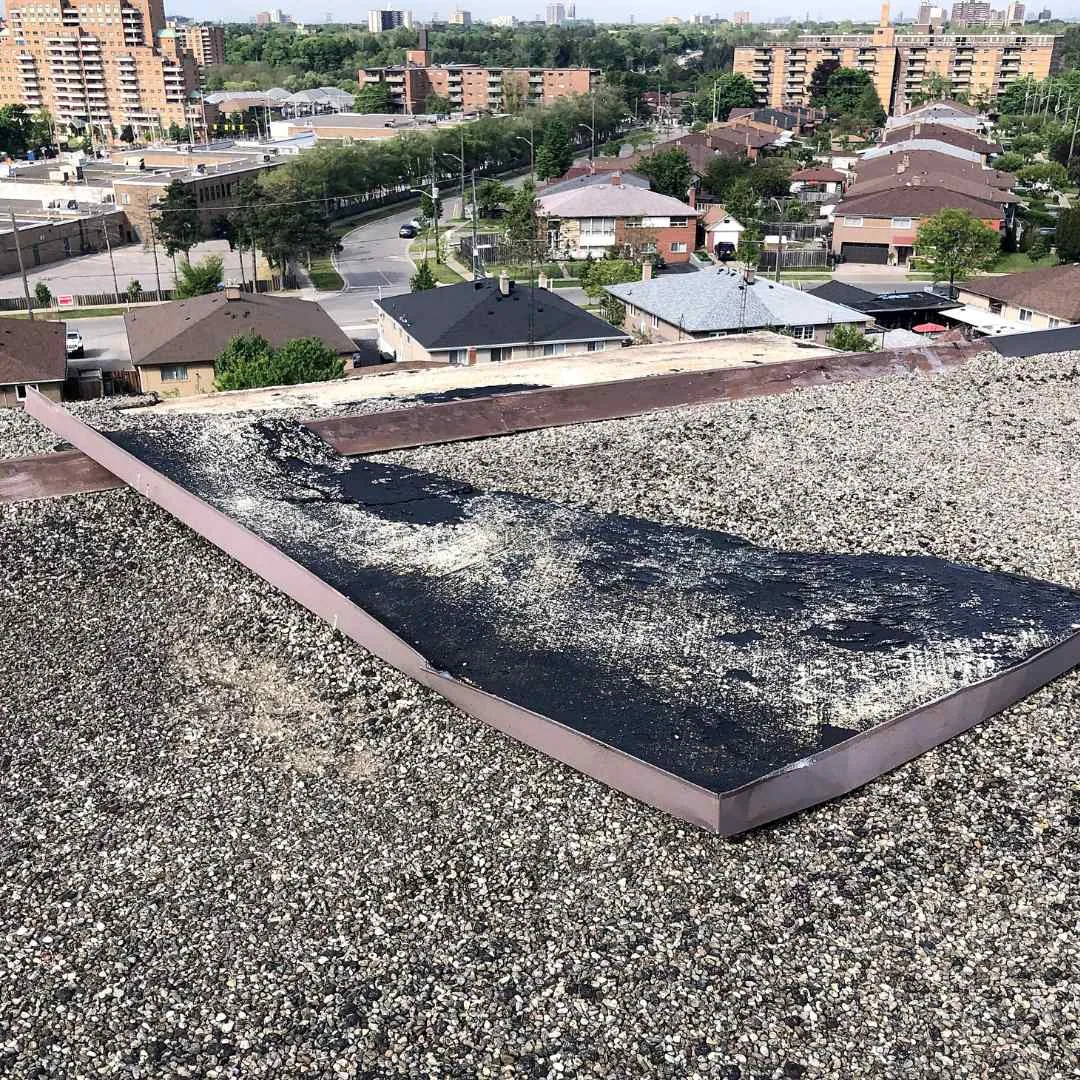
Portfolio roll-up, two stores of one restaurant brand: the same make of exhaust fan sits on both roofs, and both show the same grease-stained patch of membrane downwind of the fan, with the same split in the curb flashing beneath it. One store would be a repair ticket. Two stores with an identical defect are a specification problem, and a brand that fixes them one at a time will see the pattern again at the third and fourth. For a multi-location operator with stores in Thousand Oaks, CA and the centers around it, the value of a roof survey lies in what it reveals across the portfolio: the details that repeat, the stores that rank highest for attention, and the one corrective standard that stops the same call from arriving every quarter.
Retail and Restaurant Chains
Industries We Serve
Call our team
Written findings and options
Thousand Oaks, CA
Ventura and Los Angeles counties
Repeats: one defect, many stores, one fix
A chain builds its stores from a common set of drawings, and a common set of drawings carries common weaknesses. A parapet height that suits the sign package, a curb that sits too close to a drain, a mechanical unit placed where the crew cannot reach it: these appear again and again. We record each finding with its location and a code, then sort the whole portfolio by code, so the repeats surface in a single table. The correction is written once, with a detail drawing, a material callout and a sequence, and applied wherever the code recurs. Equipment placement matters most, and the rooftop equipment curbs and supports detail is usually the first one rewritten. Operators then see which stores need a repair, which need a standard change and which can be left alone until the next cycle, and a finance lead can budget the second group as one project instead of a string of unrelated service calls.
Landlord line: who holds the roof over a leased store
Many chain stores sit in someone else's building, and the roof usually belongs to the landlord while the exhaust fans, antennas and condensing units on it belong to the tenant. The Oaks lists about 170 stores as of 2018, and Camarillo Premium Outlets, owned and operated by Simon Property Group, holds about 160 stores in an open-air single-floor center that grew by 23 stores in 2009. In centers like these, a leak over a tenant bay can come from the landlord's membrane or from the tenant's own penetration. We record which party owns each component, photograph the condition on the day and give the brand a document it can send to the landlord's management office. That keeps a dispute from turning on memory, and the same file helps the investors and REITs that own centers like these, since they see the tenant's equipment in writing. The record format fits the roofs at The Oaks and Janss Marketplace and at Camarillo Premium Outlets alike.
Calendar: November, holiday trading and the wind
Retail and restaurant roofs have a narrow work calendar, and the local weather overlaps it. More than five million people visit The Oaks each year, and a mall with that footfall has its busiest weeks in November and December. Woolsey in 2018 and Mountain in 2024 both ignited in November, under Santa Ana winds of 50 to 60 mph in the first case and gusts forecast above 65 mph in the second. The result is a roof that must be ready for wind in the same weeks the brand wants no disruption at the store. We therefore push inspections and repairs to late summer and early fall, when heat has done its work and holiday trading has not begun, and we check edge metal, signage supports and loose equipment before the wind season. Wind damage roof repair remains available at any hour when an event arrives anyway.
Dining rooms: exhaust, grease and entertainment venues
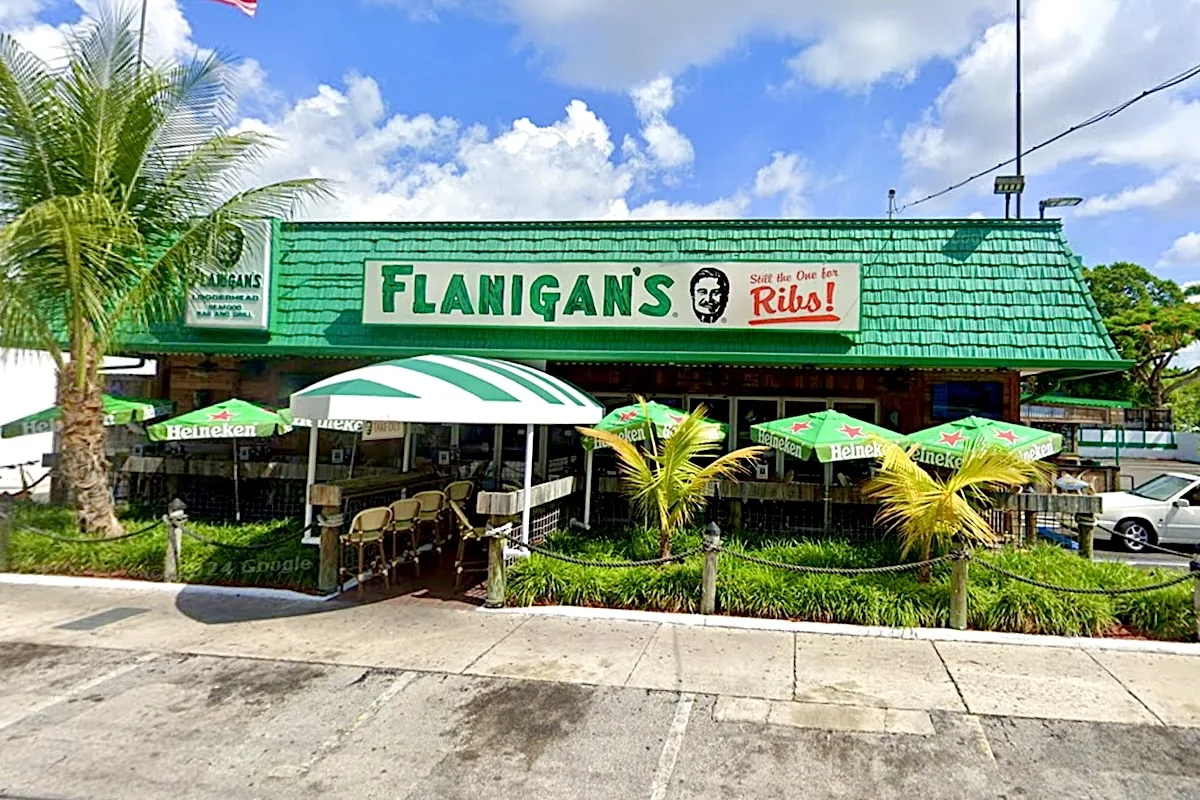
A restaurant roof is a working surface, and a chain restaurant roof is a repeated one. Dave and Buster's is one of the major tenants at Janss Marketplace, and The Oaks includes a 14-screen AMC Dine-In, so dining-and-entertainment venues are part of the local mix, and any venue with a kitchen sends exhaust onto a roof. Grease that escapes a fan lands on the membrane downwind, softens some sheets and attracts debris, and a grease containment pad under every fan is a cheap defense. Gas lines, makeup air units and hood curbs add penetrations that must stay watertight through summer heat. For brands with several restaurants, the restaurant roofing checklist reads the same at every store, so a crew can walk any location and look for the same things in the same order. Hotel kitchens run by hospitality groups raise the same exhaust questions and respond to the same fixes.
Rollout: sequencing stores across centers and corridors
A brand with stores in Thousand Oaks, Westlake Village, Calabasas, Camarillo, Santa Clarita and the San Fernando Valley can fix only so many roofs per quarter. The regional centers, including The Commons at Calabasas, Westfield Topanga, Valencia Town Center and the Northridge Fashion Center, each have a landlord with a schedule, and each landlord has rules for roof access. We rank the stores by condition and consequence, group them by landlord and by trip, and build a quarterly plan that respects both. The ranking uses one scale, so a store in Calabasas and a store in Northridge can be compared on the same page, with the same photographs and the same definition of a defect behind each line. Operators handling this across many sites find a multi-site roof program the simplest way to keep standards, schedules and records in one place.
At a property in Camarillo Old Town, the work plan should specify how lifts, delivery and temporary protection fit the storefront access that remains open.
A portfolio standard should define how stores report a leak, who authorizes a temporary closure and which team owns permanent repair. For each property, connect the store number or lease record to a roof plan, then maintain a separate log of drainage, flashing and equipment conditions. Similar roof systems can share a detail standard, but each site still needs its own inspection and test results. When a repeat issue appears at several locations, compare photographs and installation records before treating it as a brand-wide failure. This separates a shared specification issue from a local access or maintenance problem and gives facilities teams a focused corrective action they can verify on the next visit.
Commercial Roofing Questions
How do we handle exhaust fan damage to a landlord's membrane?
Document the damage with photographs and the fan's service record, then send both to the landlord with a repair proposal. A containment pad and a repaired surface under the fan stop the damage from recurring.
When is the best season for roof work at a store?
Late summer into early fall, after peak heat and before holiday trading and the wind season. Rain in this area falls in a short winter, so repairs finished by then are tested by the first storms of the year.
Can one roof specification serve stores in different centers?
For the membrane, flashing and equipment details, it can. Landlord rules for access, hours and approved contractors differ by center, so the specification stays the same while the work plan changes.
What roof records should a restaurant brand keep for each store?
Equipment locations, the date and scope of every repair, photographs from each visit and the landlord's roof contact. With those on file, a new manager can answer an insurer's question or a landlord's complaint in minutes.
How should stores prepare for a Santa Ana wind warning?
Secure loose items on the roof, clear drains and check that signage supports, edge metal and equipment panels are tight. A short checklist sent to store managers a day ahead works better than a long policy.