Restaurant Roofing in Thousand Oaks, CA
Property Types We Roof · Thousand Oaks, CA
Grease log, rooftop exhaust fan two: a collection pan overfull and tilted, a spill that has run past the curb and soaked into the membrane, and a hinge kit missing so the fan lid hangs open after every cleaning. Findings like these turn up on restaurant roofs before any leak does, and they matter for a reason that has little to do with the roof sheet. Fats and oils attack some membranes, a clogged drain beneath a spill sends dirty water across the field, and an insurer reading the fire file will ask who maintains the exhaust. We survey restaurant roofs in Thousand Oaks, CA as part of the kitchen, because the roof is where the building's heat, smoke and moisture leave, and the roof plan only works if it respects that traffic.
Restaurant Roofing
Property Types We Roof
Call our team
Written findings and options
Thousand Oaks, CA
Ventura and Los Angeles counties
Exhaust: where the kitchen meets the membrane
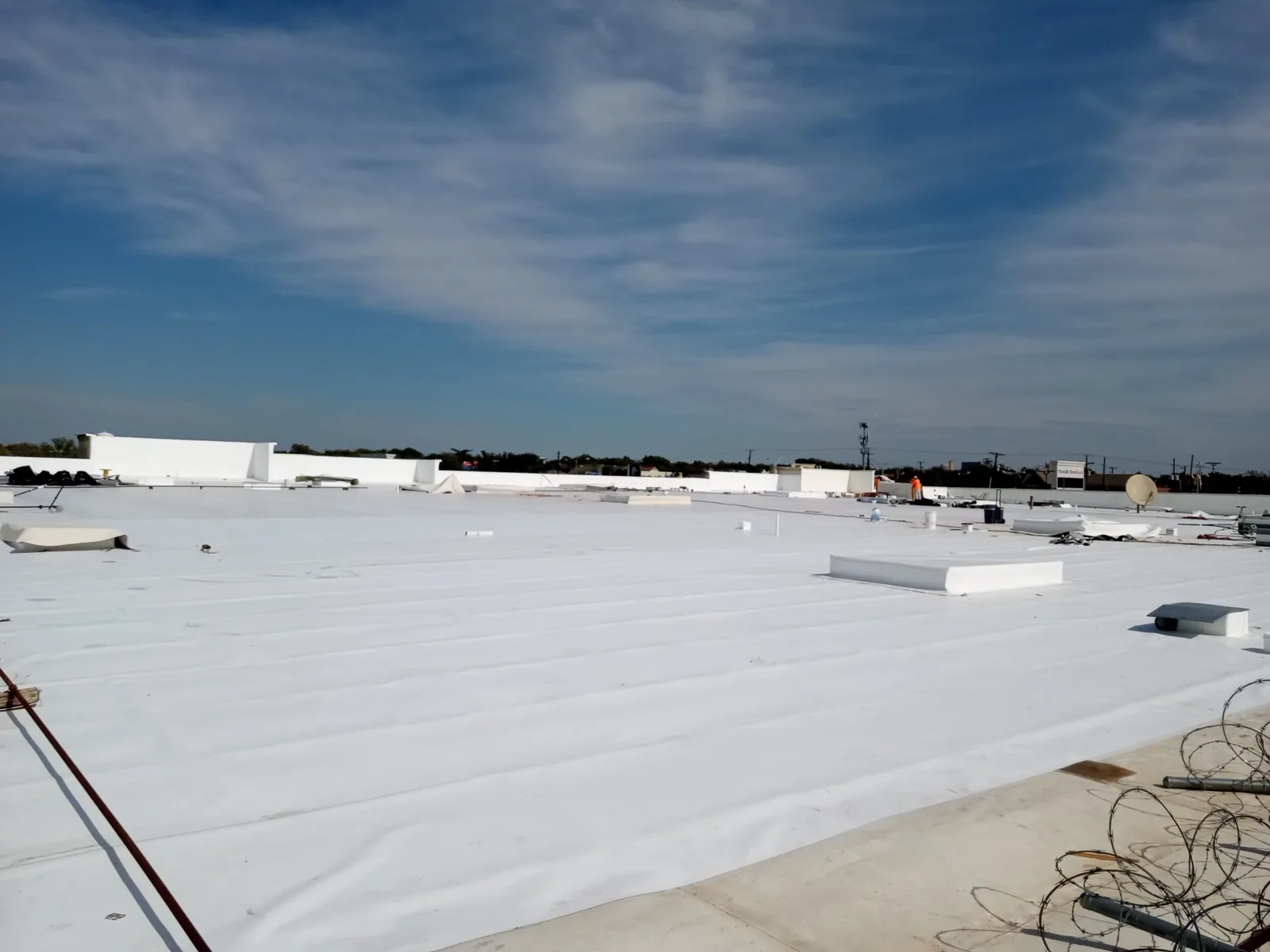
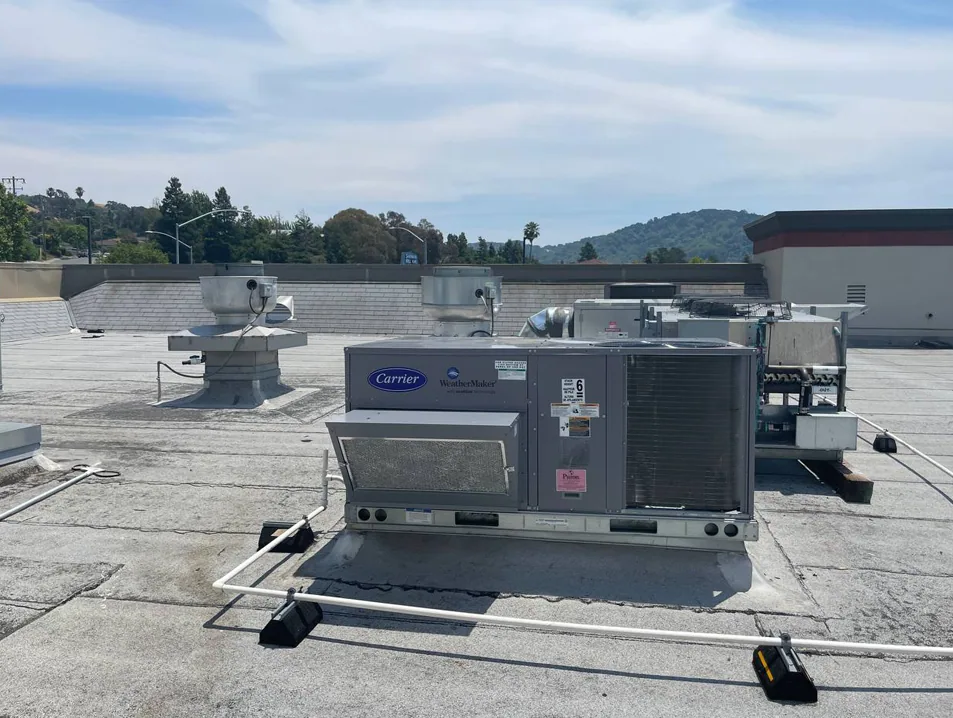
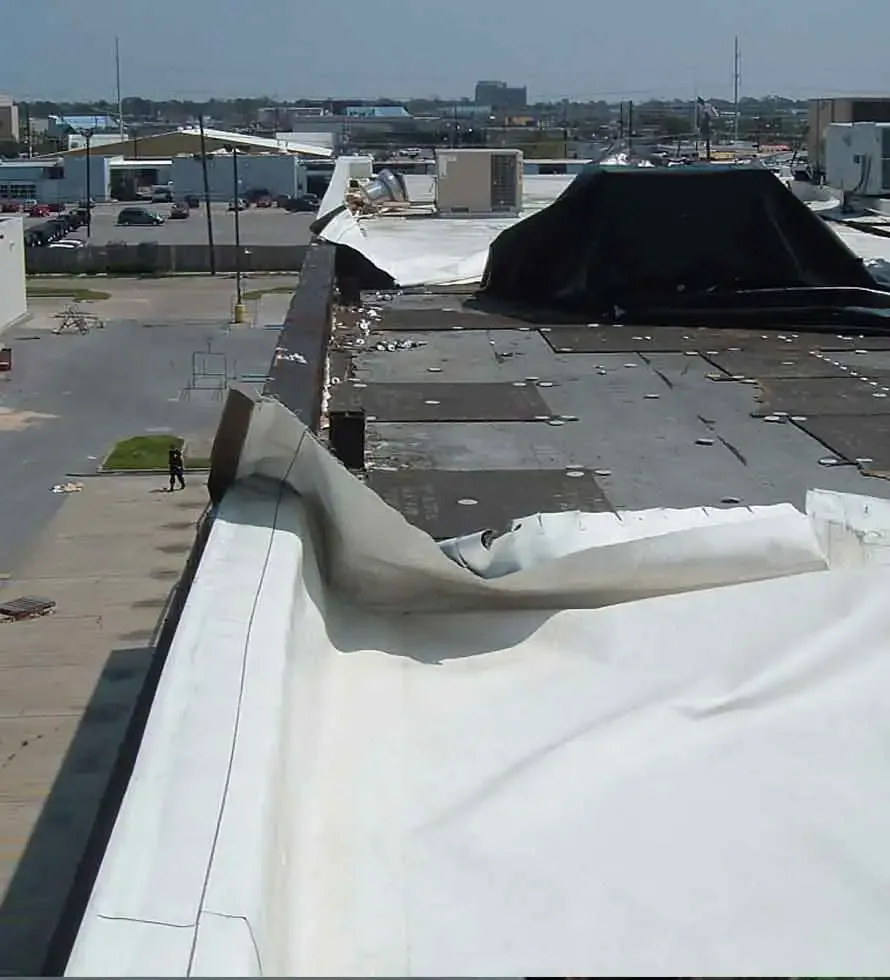
The part of a restaurant roof that fails first is the area around the exhaust fans. Hood exhaust carries grease vapor that settles on whatever sits downwind, and the stain can be traced from the fan across the field. Where the fan is mounted on a curb, the flashing at the base sees heat, grease and the movement of technicians who service it every week. We install or restore grease containment, hinge kits that let the fan open without scraping the roof, and pads on the access route, and we choose membrane and flashing materials for their resistance to fats and oils. A PVC roofing system is a common choice at the exhaust zone, and a section that has already soaked can be cut out and replaced without touching the rest. The record of cleaning dates, spills and repairs starts at the first visit and is kept in the same file as the roof plan, so a lender or an insurer can later read a continuous history instead of a collection of invoices.
Penetrations: hoods, makeup air and gas lines
A full-service kitchen puts more holes in a roof than the dining room ever suggests. Hood exhaust, grease duct risers, makeup air units, gas lines to cooking equipment, refrigeration lines and plumbing vents all pass through the deck, and each is usually installed by a different trade at a different time. The usual finding is a collection of boots and sealant patches of mixed age, some of them leaking, some merely overdue. We rebuild the worst of them with proper flashing, record the rest in a schedule ranked by risk, tag each with a photograph, and coordinate with the kitchen's mechanical contractor so that a hood replacement does not undo a sound roof, and a hood swap is treated as a roofing event with its own flashing inspection afterward. Detailed work around rooftop equipment curbs and supports is where a restaurant roof earns its keep.
Service: a roof that works between lunch and dinner
A restaurant rarely closes for a roof, so the schedule is set by the quiet hours. Open-flame methods are generally avoided, since they cannot be run safely above a working kitchen, and primers and adhesives are low in odor and kept away from the dining air intake. Dumpster areas, patio seating and the delivery door are protected or left clear, and debris is lowered by chute at times that do not cross a customer path. Deliveries of material arrive before the lunch rush and leave before the dinner crowd, and the crew keeps a single contact in the kitchen who can ask them to stop. Where a repair cannot wait for a slow day, a temporary dry-in is set quickly and the permanent work follows when the dining room is closed. The same rule governs any commercial roof leak repair: a temporary fix is labeled as temporary and tied to a date for the permanent one.
Venues: dine-in theaters, hotel dining rooms and mall restaurants
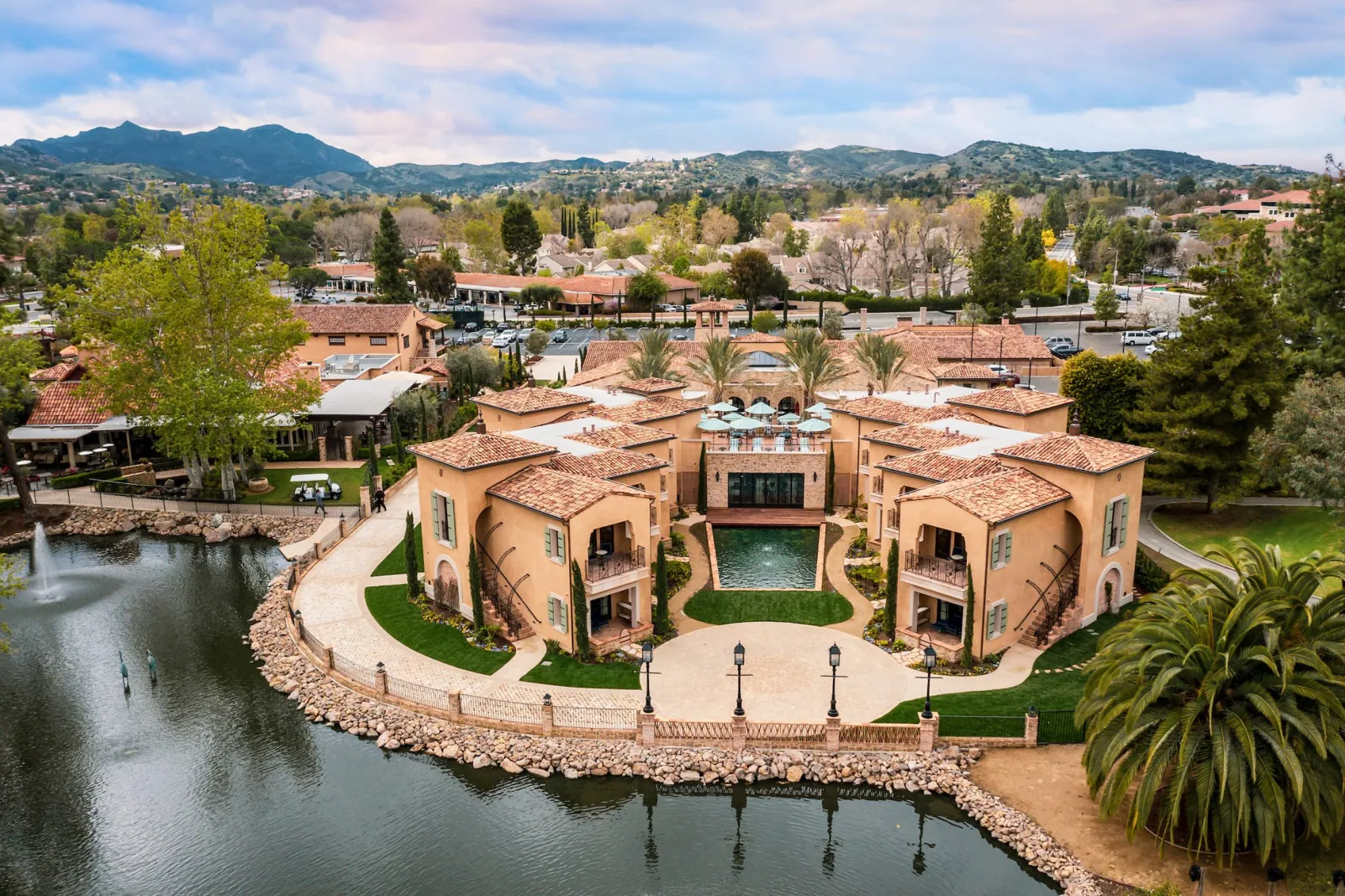
The dining category here is broader than a freestanding restaurant. Dave and Buster's at Janss Marketplace and the AMC Dine-In at The Oaks combine food service with entertainment, and hotels in Westlake Village, where the Four Seasons Hotel and Westlake Village Inn are major employers, put food service inside hotel operations. Each combination changes the roof: a venue with a theater adds big air handlers, a hotel kitchen shares the roof with guest-room mechanical equipment, and a mall restaurant shares a membrane with neighboring tenants. At a center like The Oaks and Janss Marketplace, a roof with several kitchens under it has to be read as one system, because a grease problem on one tenant's section can ripple into the neighbor's.
Fire: kitchen flues, ember exposure and the insurer's file
A restaurant roof faces fire from two directions. The first is the kitchen, where a hot duct near a combustible surface is a hazard that the roof assembly has to be detailed to respect, with clearances and noncombustible protection where ducts and curbs meet the deck. The second is the outside: the Woolsey Fire of November 2018 ran before Santa Ana winds of 50 to 60 mph and reached Agoura Hills and Westlake Village as well as the Thousand Oaks area, so ember exposure is a live local concern, and a roof with cracked sealant, open penetrations or built-up debris in its gutters gives embers somewhere to settle. We inspect for both, check the gutters and edges where leaf litter collects, document the condition of every cap and screen, and keep photographs that an insurer can read. Coverage questions belong to the owner's agent, while the roof record that supports them is ours, and the same file format serves a shopping center roof or a set of retail and restaurant chain sites.
A kitchen exhaust map is a valuable part of the roof survey. Identify discharge direction, grease residue, nearby penetrations and the path technicians use to service fans. Where residue has reached the membrane, determine whether cleaning is compatible with the roof system before applying a patch or coating. Coordinate fan shutdowns and access with the operator, and protect food-preparation areas from dust, odors and falling debris during work. A phased plan can keep the kitchen running while a defined roof section is repaired, but only if the exhaust and temporary protection are checked before service resumes. The final record should note any damaged flashing, the cleaning performed and the maintenance interval recommended for that specific roof.
Commercial Roofing Questions
Why does a restaurant roof stain near the exhaust fan?
Grease vapor lands on the roof downwind of the hood and builds into a film. A containment pan, regular cleaning and a membrane that resists oils keep the film from attacking the sheet.
Can a kitchen keep cooking while the roof is repaired?
Normally yes, with a plan. We schedule the exhaust-zone work for the slow hours and keep intakes covered, and cooking lines stay open unless a hood or duct has to be shut down.
Who is responsible for exhaust cleaning on the roof?
The kitchen's hood service handles the duct, and we coordinate our visits with theirs. Our part is the roof surface, the pan and the flashing, which the service visit tends to leave behind.
Is a hot or torch application allowed on a restaurant?
Rarely. Open flame above a working kitchen is avoided on principle, and cold-applied and welded systems do the same work with less risk.
What should a restaurant owner ask after a leak over the dining room?
Ask where the water entered and whether the insulation is wet. A repair that fixes only the stain will fail again, and a survey of the wet area settles the question before the ceiling is rebuilt.