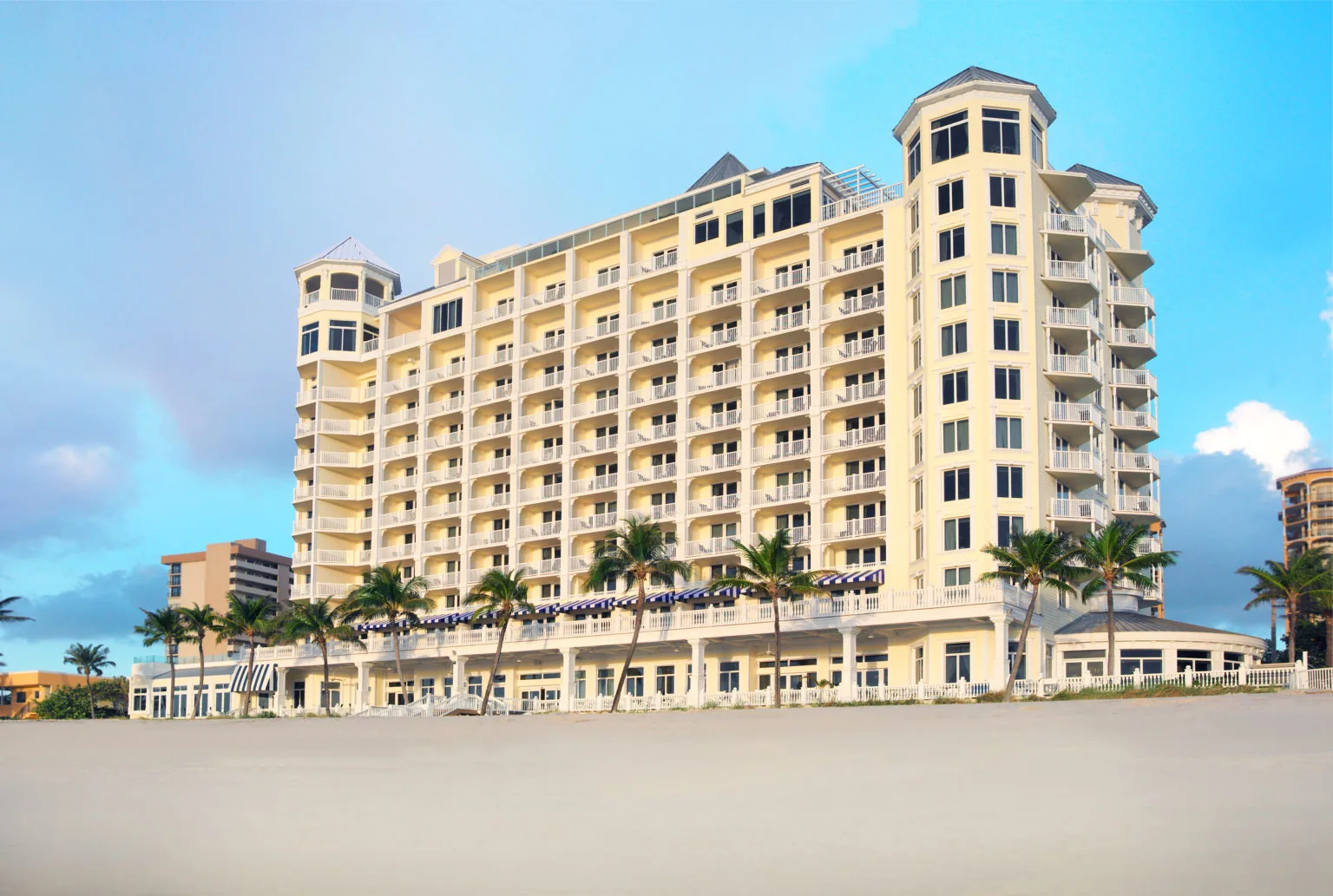
Hotel Roofing in Thousand Oaks, CA
Property Types We Roof · Thousand Oaks, CA
Guest-room ceiling log, top floor: two rooms taken out of inventory after a wet corner appeared above the closet, a maintenance ticket closed with a sealant repair, and a second ticket three weeks later for the same corner. On a hotel, a roof defect is measured in room nights before it is measured in dollars of repair, and a property manager reading that log wants to know how many rooms the problem could take offline next. We survey hotel roofs in Thousand Oaks, CA with that arithmetic in mind. The findings are written so an asset manager can see which sections threaten revenue, which can be restored on a planned schedule and how each option affects the guests who are sleeping underneath, the staff who work around the work zone and the events already on the calendar.
Hotel Roofing
Property Types We Roof
Call our team
Written findings and options
Thousand Oaks, CA
Ventura and Los Angeles counties
Guest floors: water above occupied rooms
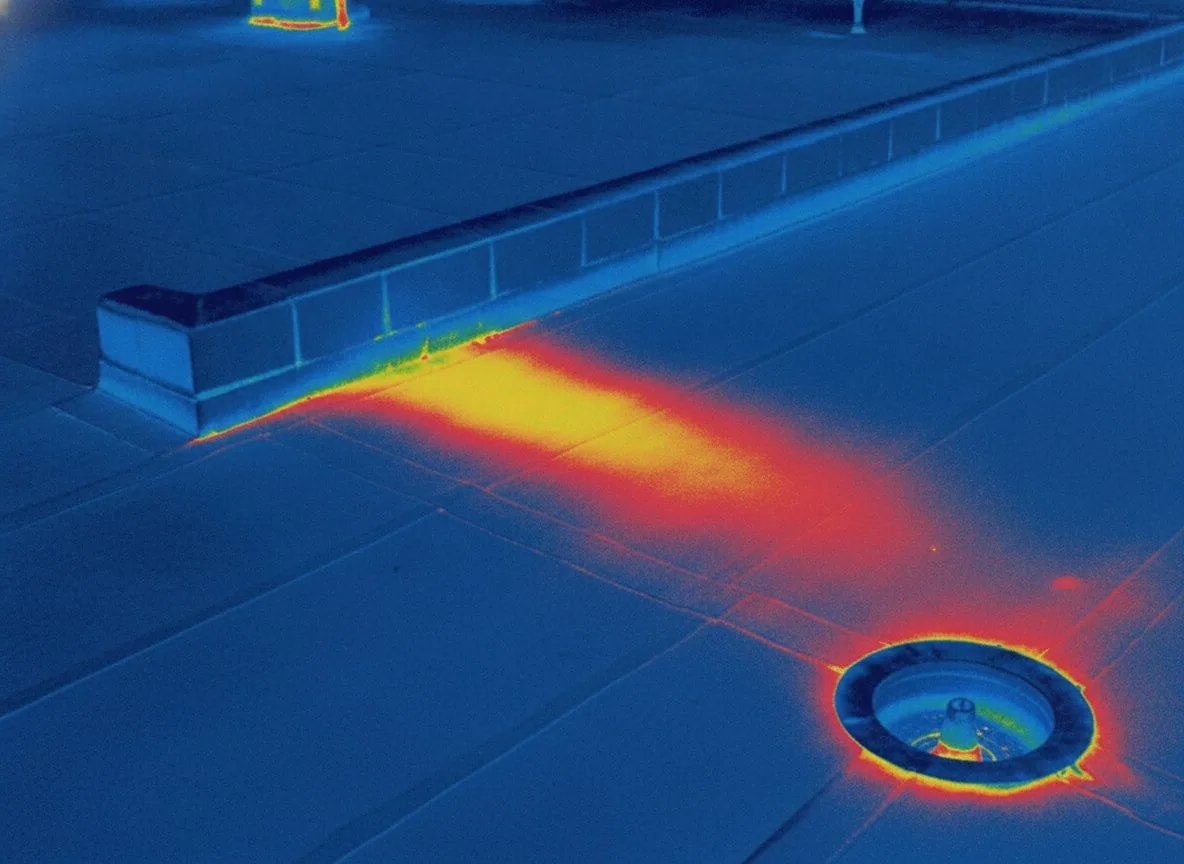
The roof of a hotel sits directly above rooms that are rented one night at a time, so a small leak has a much larger consequence than it would on a warehouse. Water that enters at a parapet or a rooftop unit curb can travel across a deck, along a structural member and into a ceiling several rooms away, and the guest who finds it is a review waiting to be written. Residents live directly below the membrane on apartment roofing too, but a hotel turns the room over every day and has no lease to absorb a bad week. We trace each leak to its entry point, using moisture meters and, where needed, an infrared moisture survey, and we log the affected rooms against the roof section above. That log lets the property manager see which sections generate repeat calls, and it supports a decision to restore a section in the off-season instead of patching it every month.
Amenities: pool decks, banquet halls and kitchen exhaust
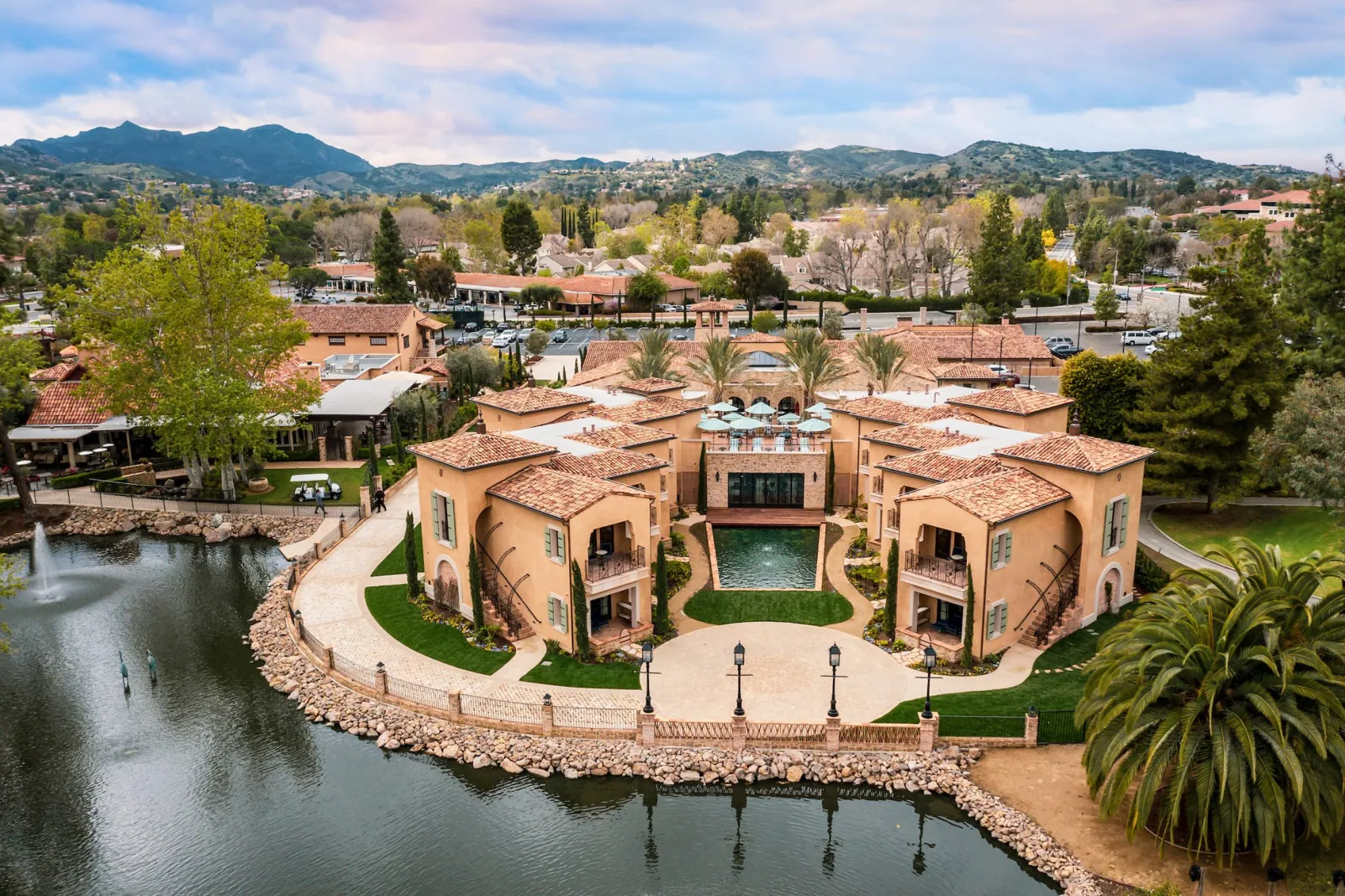
A hotel roof is rarely one roof. It combines the guest tower, a banquet or ballroom wing with a high interior, a kitchen with exhaust, mechanical rooms and sometimes a roof deck or pool terrace. Each part has its own load, drainage and access needs, and each tolerates a different amount of disruption. A ballroom booked for a weekend cannot take a tear-off overhead, and a kitchen that feeds a restaurant needs its exhaust zone protected, as on any restaurant roof. Pool and terrace areas also need drains that stay reachable and protection for the waterproofing below any pavers or planters. We map each section by use, set the work order accordingly and tell the front office which areas will see crews and when, so event sales and room sales are not surprised.
Westlake Village: coastal air, cooler summers and the 2018 fire
Hotel roofs in the east of the valley sit at the Los Angeles County line, where hospitality properties operate alongside corporate offices and other employers in Westlake Village. US 101 is a commercial corridor through Westlake Village. The Woolsey Fire of 2018 affected the community, so post-event roof review can document displacement, debris and surface damage before repair scope is set. A membrane that looks sound in winter can show crazing and chalking by autumn, so a hotel here should treat its roofs as fire-exposed assets, with gutters kept clear, penetrations capped and the roof assembly checked for ember resistance.
Seasons: scheduling around occupancy, weddings and the holidays
Hotels have a calendar of their own, with conference blocks, wedding weekends and holiday peaks, and the roof schedule has to fit it. Large tear-off belongs in a soft period for the property, which varies by market and is best learned from the revenue manager, not assumed. Noisy work is held until late morning and finished before check-in, so guests in rooms beneath are not woken, and hoisting and debris removal are kept away from the main entrance and valet lane. Reroofing an occupied building follows one sequence: open only the area that can be closed that day, protect the interior with temporary measures, and give the front office a daily note on which floors are affected. A well-sequenced reroof is nearly invisible to guests. The Conejo Valley Tourism Improvement District has marketed the region since 2013. A roof leak can interrupt a booked room or event space, so the repair plan needs to protect occupied areas and give the operator a clear closure window.
Records: a roof file that follows the property
Hotels can change hands, flags and management companies, and the roof file is easy to lose in the transition. We keep a roof-by-roof record that survives those changes: install dates, systems, repairs, leak history by room and a remaining service life stated on the same terms for every section. That file serves hospitality groups that manage several properties, because it allows direct comparison between hotels and a capital budget based on evidence. Where a loss has occurred, the same records feed the claim, and roof insurance claim assistance depends on photographs taken before the event. Permit numbers, inspection sign-offs and product data sheets sit in the same file, so a later repair is matched to the original system instead of improvised. A hotel with a good roof file lets a buyer's team read the history without a long walk of the building.
A room-impact map makes the estimate easier to schedule. Match each roof zone to the guest floors, meeting rooms, kitchens or service areas below it, then mark which spaces can tolerate daytime noise and which need a protected work window. If a leak has moved laterally, show both the visible ceiling location and the confirmed roof entry so a room is not returned to service before the source is controlled. The daily plan should state how the crew will reach the work, where material will be lifted, when noisy tasks end and who receives the completion note. A property can then coordinate room inventory and event operations around specific work areas instead of taking a whole wing offline by default. At closeout, keep repair photographs and material data with the roof plan; a later manager can see what changed and where the next inspection should focus.
For an existing leak, preserve the original work order and note when the room was taken out of service, what temporary measure was applied and whether the ceiling was opened. That chronology helps the survey distinguish a recurring source from a new event and gives the operator a better basis for deciding when the permanent repair can be made.
Commercial Roofing Questions
How do I know which hotel roof sections cause the repeat leaks?
Log each leak against the room and the roof section above it. After a few entries the pattern is plain, and a survey of the repeat location usually finds the one detail responsible.
Can a hotel stay open during a full reroof?
In most cases, yes, with phasing and a front-office plan. The decision is whether the rooms below the work zone can be sold, and that is a revenue question as much as a roofing one.
What if a banquet or ballroom roof leaks before an event?
Call us the same day for a temporary dry-in. The event goes on if the interior is protected, and the permanent repair follows afterward.
Do rooftop decks and terraces change the roof system?
They do. A deck needs a membrane that tolerates foot traffic, pavers or pedestals, and drains that stay accessible, so the system is selected for the use above it.
Is the roof file useful if the hotel is sold?
A buyer will want the age, the repairs, the leak history and a service-life estimate, and a clean file shortens that review considerably.