Soprema Modified Bitumen Roofing in Thousand Oaks, CA
Roofing Manufacturers · Thousand Oaks, CA
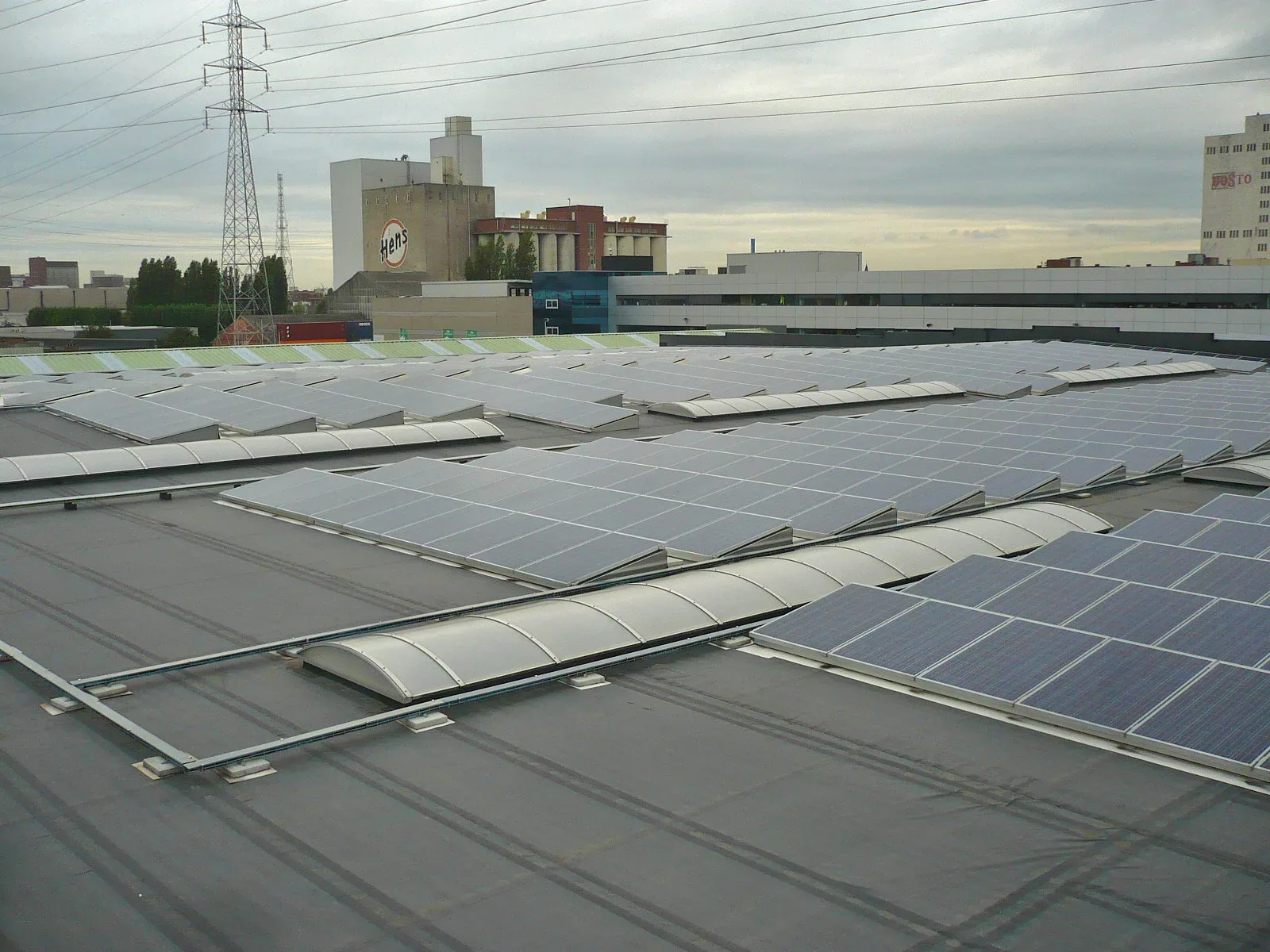
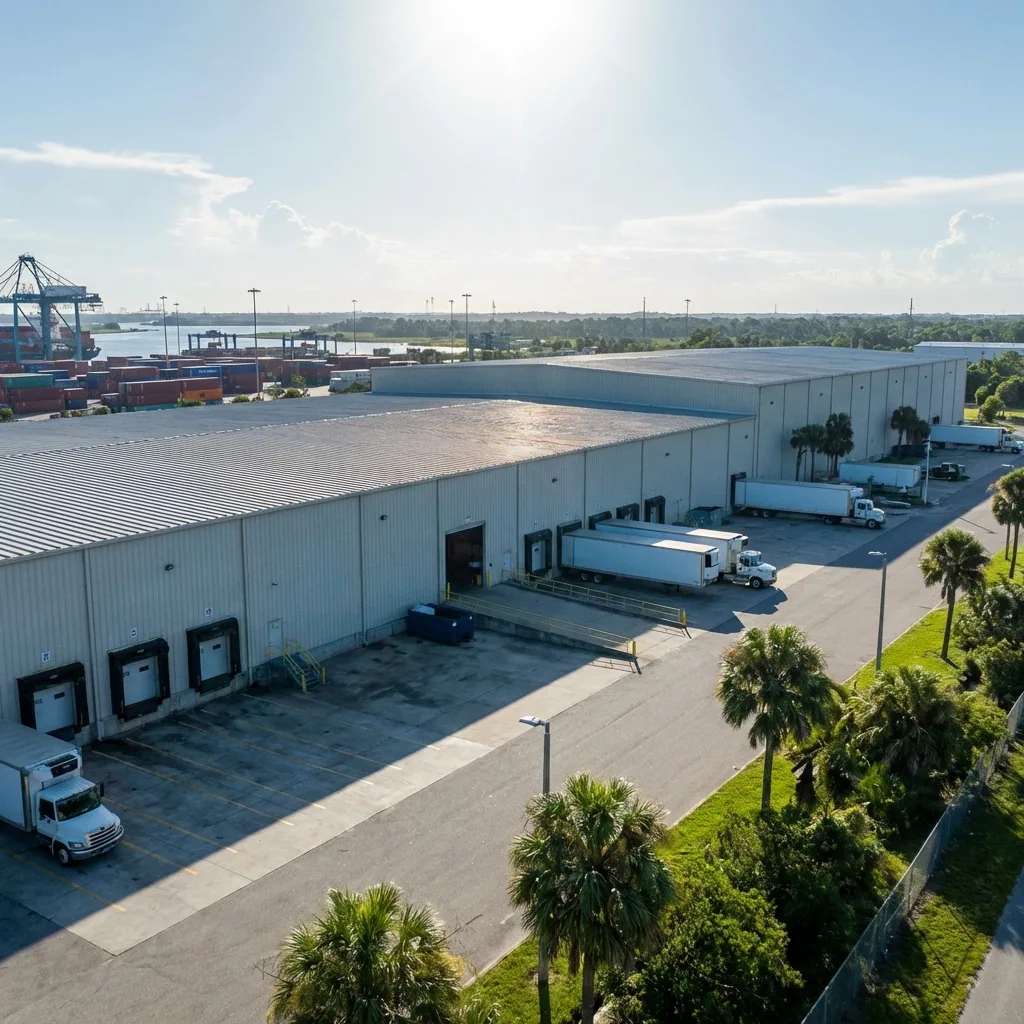
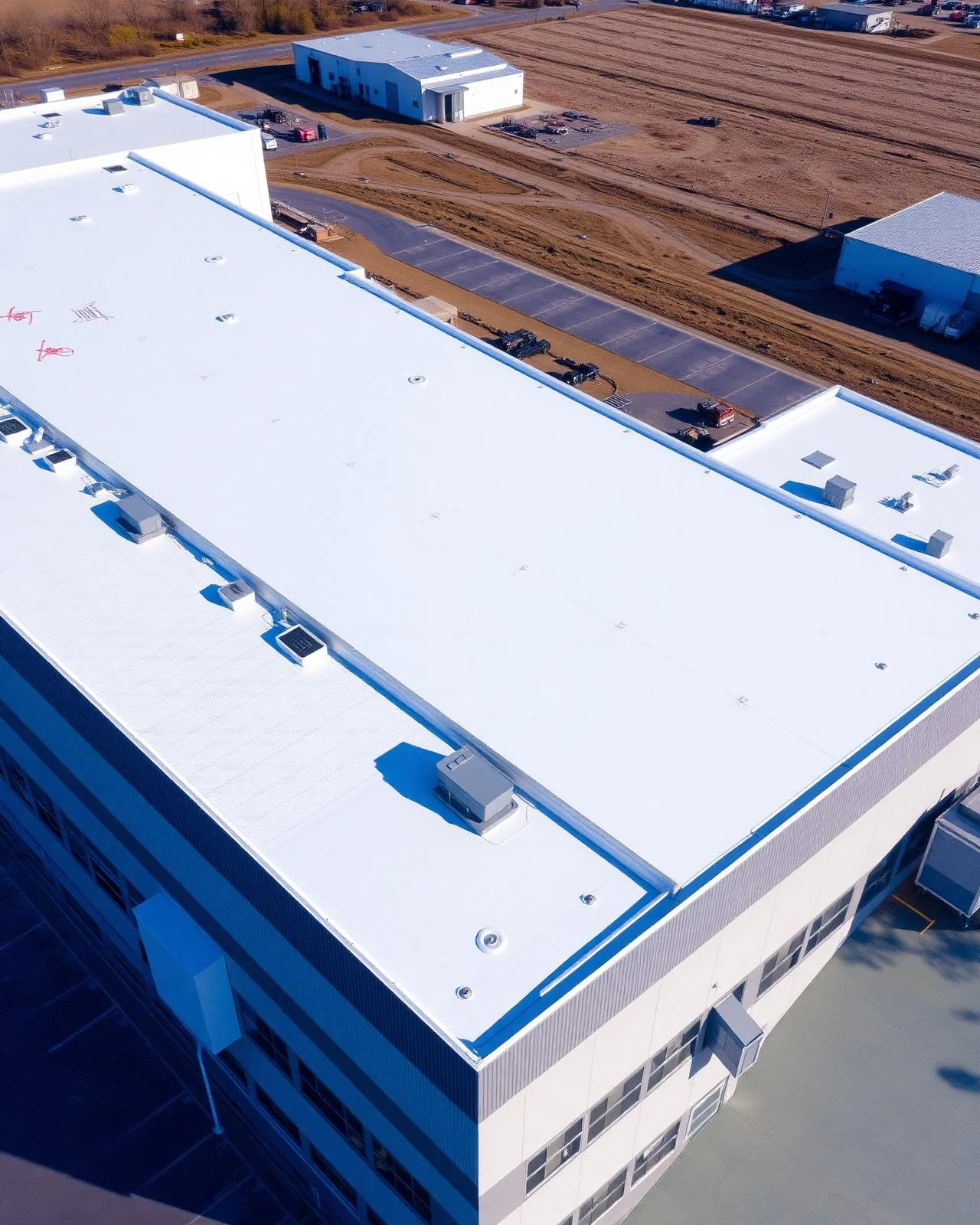
Cap sheet reading, refrigerated receiving building: a wide band of granule loss directly below a condenser discharge, the base ply visible at the drip line, and every lap along the band still tight. On a cold storage building of the kind common around the Port of Hueneme, that finding means the surface has failed ahead of the structure, and it places the roof in a narrow window in which a repair is still possible. Soprema, a manufacturer of modified bitumen and liquid-applied roofing, supplies the kind of layered, redundant assembly that suits buildings where a leak is a loss of inventory and not a nuisance. For an owner in Thousand Oaks, CA, the survey converts the reading into a planning number: how much surface remains and when the next layer belongs in the budget.
Soprema Modified Bitumen Roofing
Roofing Manufacturers
Call our team
Written findings and options
Thousand Oaks, CA
Ventura and Los Angeles counties
Range: Sopralene sheets, Alsan RS liquid resin and polyiso board
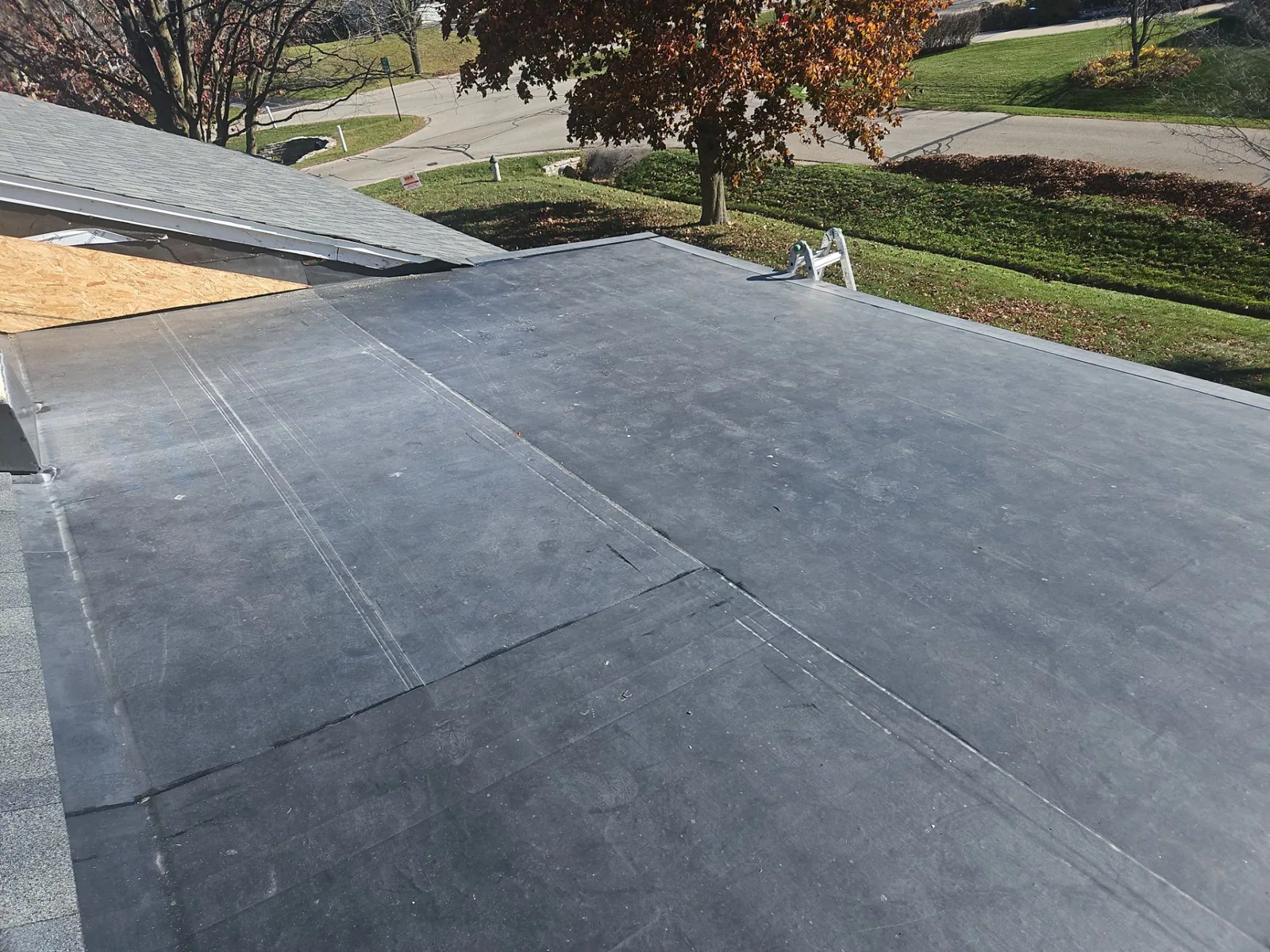
Soprema's roofing catalog centers on SBS modified bitumen sold under the Sopralene name, available as torch-applied sheets, as self-adhering sheets and in cold-applied versions that are bonded with adhesive. It also supplies Alsan RS, a cold-applied liquid resin system used for flashings and details, and Sopra-ISO polyisocyanurate insulation. A typical commercial assembly places a base ply and a cap ply over insulation and a cover board, so two layers of waterproofing sit above the deck.
That redundancy is the reason these systems appear on buildings with expensive contents. A pinhole in the cap does not instantly become a leak, because the base ply still holds. The same layering makes diagnosis harder, since water can travel between plies and show up far from the entry point. Our survey reads the roof with a moisture scan, probes laps, opens cores at the suspect points and reports the number of plies, their condition and the state of the insulation. The same moisture scan, lap probe and core method applies to roofs from Johns Manville and GAF.
Cold chain: bananas, strawberries and the vapor drive
No other commercial deep-water port lies between Los Angeles and San Francisco, and the Port of Hueneme moves about 3.3 billion bananas a year, so refrigerated warehouses and cold storage roofs are a major building type nearby. Oxnard grows about a third of the state's strawberries, and the packing and cold storage buildings that follow are common there. A cold room beneath a warm roof sets up a steady vapor drive, pushing moisture down from the humid air above toward the cold surface below.
On cold storage roofing the vapor retarder is the key layer. When it is interrupted at a penetration or a wall, vapor reaches the insulation, condenses and freezes, and the board loses its thermal value while adding weight to the deck. Surveys of these roofs check retarder continuity at every curb, and moisture scans look for cold, wet patches near the building edge. A modified bitumen base ply can serve as that retarder when detailed correctly, which is another reason the system is used. The same survey method applies in Port Hueneme and across Oxnard.
Torch work: dry wind, embers and the fire watch
Torch-applied modified bitumen uses an open flame to melt the underside of each sheet into the substrate. In most of the country that is a procedure with ordinary precautions. In Ventura County it meets offshore Santa Ana winds that can top 40 mph while humidity falls under 10 percent, the kind of conditions that came with the Woolsey Fire of 2018, which affected Thousand Oaks and Newbury Park. On a day like that, a spark from a torch seam finds dry fuel quickly, on the roof and beyond its edge.
Our approach is to match the method to the day and the building. Cold-applied adhesives and self-adhering sheets replace the torch where wind, adjacent vegetation or flammable contents make flame unreasonable. Where torch work is the right method, it proceeds under a hot work permit, with extinguishers at the point of work, a morning check of the forecast and a fire watch after each shift ends. If the wind rises during the shift, torch work stops and the lost day is logged in the project record, because a schedule delay is a line item and a rooftop fire is a loss event.
Installations: modified bitumen under federal criteria
Naval Base Ventura County, formed in 2000 when Point Mugu and Port Hueneme merged, hosts more than 100 tenant commands and a base population above 19,000. Its tenants describe the building types where a redundant, multi-ply membrane earns its cost: hangars, laboratories and range-support buildings for the Naval Air Warfare Center Weapons Division at Point Mugu, Seabee unit and logistics buildings at Port Hueneme, unaccompanied barracks on both sides of the base, and, next to Point Mugu, the Channel Islands Air National Guard Station, where the 146th Airlift Wing completed a permanent fire-retardant reload facility in 2021.
Roofing on an installation is designed to the Unified Facilities Criteria for roofing, which set the systems, attachment and detailing a base will accept, so a Soprema assembly is selected to meet that specification before any commercial preference. The rest differs from ordinary commercial work in procedure: gate access with an escort, badging, and a schedule that bends around the mission. Those requirements set the timeline of any military installation roofing project from the first walk-through, and they are arranged through the base before any material is staged.
Details: liquid resin where the roof gets crowded
Where a roof is crowded with pipes, conduit, struts and curbs, prefabricated boots stop fitting. A cold-applied liquid resin, reinforced with fleece, is brushed or rolled around the object in layers and cures into a continuous collar with no joint to open. It needs a clean, dry and sound substrate, and a bonded primer, but it avoids hot work next to equipment and can be applied in short working windows. We use the method for repairs on modified bitumen roofing where flashing at a penetration has failed and the surrounding field is still serviceable.
Records of those repairs go into the same file as the rest of the survey: where the resin went, what primer was used, the weather on the day and photographs before and after. When a manufacturer warranty applies, that file is the evidence that repairs followed the product's required method.
Commercial Roofing Questions
Is torch-applied modified bitumen acceptable near wildland?
Only with controls: a hot work permit, forecast checks, extinguishers and a fire watch afterward. On red-flag wind days the work stops, and a cold-applied method takes its place.
Why does insulation on a cold storage roof get wet from inside?
Warm, humid air meets a cold surface and condenses within the board. A vapor retarder that breaks at a curb or wall lets it in, so continuity is checked at every penetration.
Can a Soprema system be specified on a military building?
Where it meets the Unified Facilities Criteria for roofing and the project specification, it can. Access, escort and badging are arranged through the installation before materials move.
When does liquid flashing beat a prefabricated boot?
Around crowded or irregular penetrations, where a boot cannot seat. The resin cures as a continuous collar, provided the substrate is clean, dry and primed.
Why does a two-ply Sopralene roof take longer to leak-trace?
Water that passes the cap can run along the base ply before it finds a way down, so the stain and the entry point may sit far apart. A moisture scan narrows the search before any core is cut.