Built-Up Roofing in Thousand Oaks, CA
Roof Systems · Thousand Oaks, CA
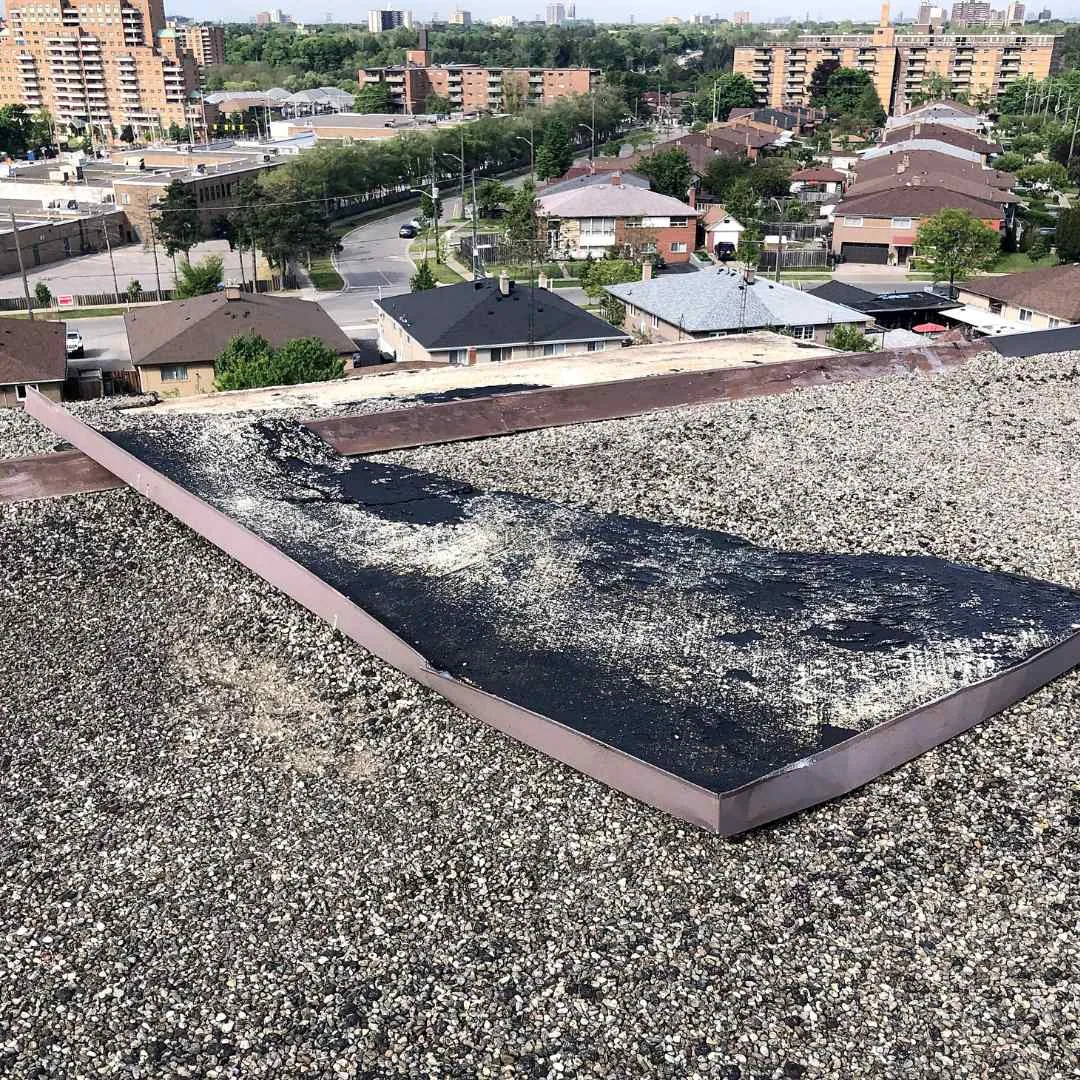
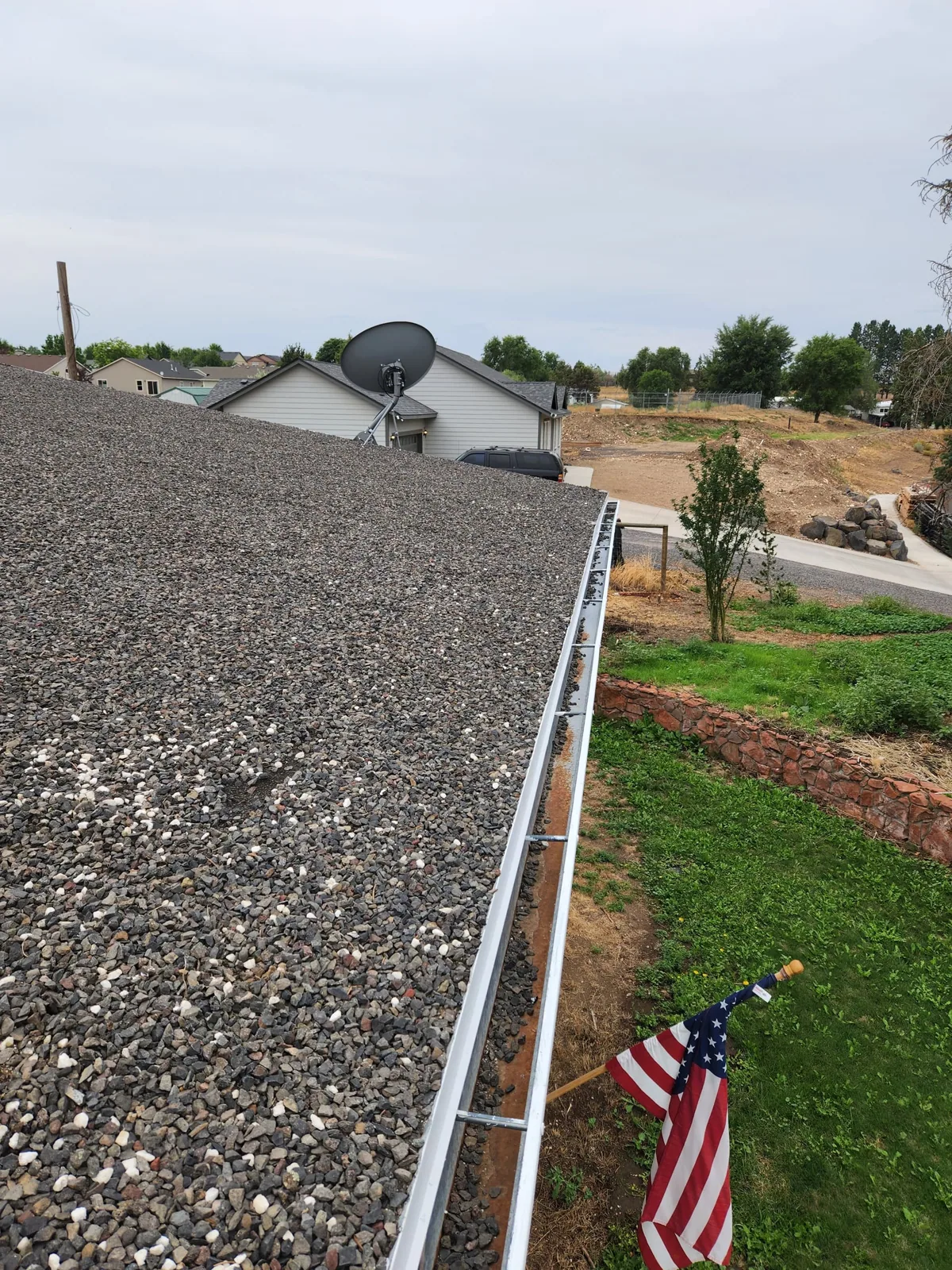
Gravel scour: a bare strip along the north parapet where the aggregate has blown inboard, exposing the flood coat and the top ply of felt beneath it, while the field a few yards away is still evenly covered. On an office or business-park building in the San Fernando and Conejo Valleys, that finding is the first line of a long conversation about a built-up roof. Built-up roofing, or BUR, is the oldest continuous commercial low-slope system, assembled from alternating layers of bitumen and reinforcing felts and finished with stone. It is heavy, redundant and slow to fail, which makes it the roof that most often arrives at a planning meeting well past the age anyone expected. For owners in Thousand Oaks, CA the useful question is what its condition says about the next decade.
Built-Up Roofing
Roof Systems
Call our team
Written findings and options
Thousand Oaks, CA
Ventura and Los Angeles counties
Anatomy: plies, bitumen and what sits on top
A BUR assembly begins with a base sheet or insulation attached to the deck, then three or more plies of felt mopped with hot asphalt or coal tar, or laid in cold adhesive. The surface is finished with a layer of gravel or slag embedded in a flood coat, a granulated cap sheet or a reflective coating. Each ply is a backup for the others, which is the source of the system's reputation: a small breach in the top does not necessarily reach the deck. The gravel also protects the bitumen from ultraviolet light and holds the roof down against wind.
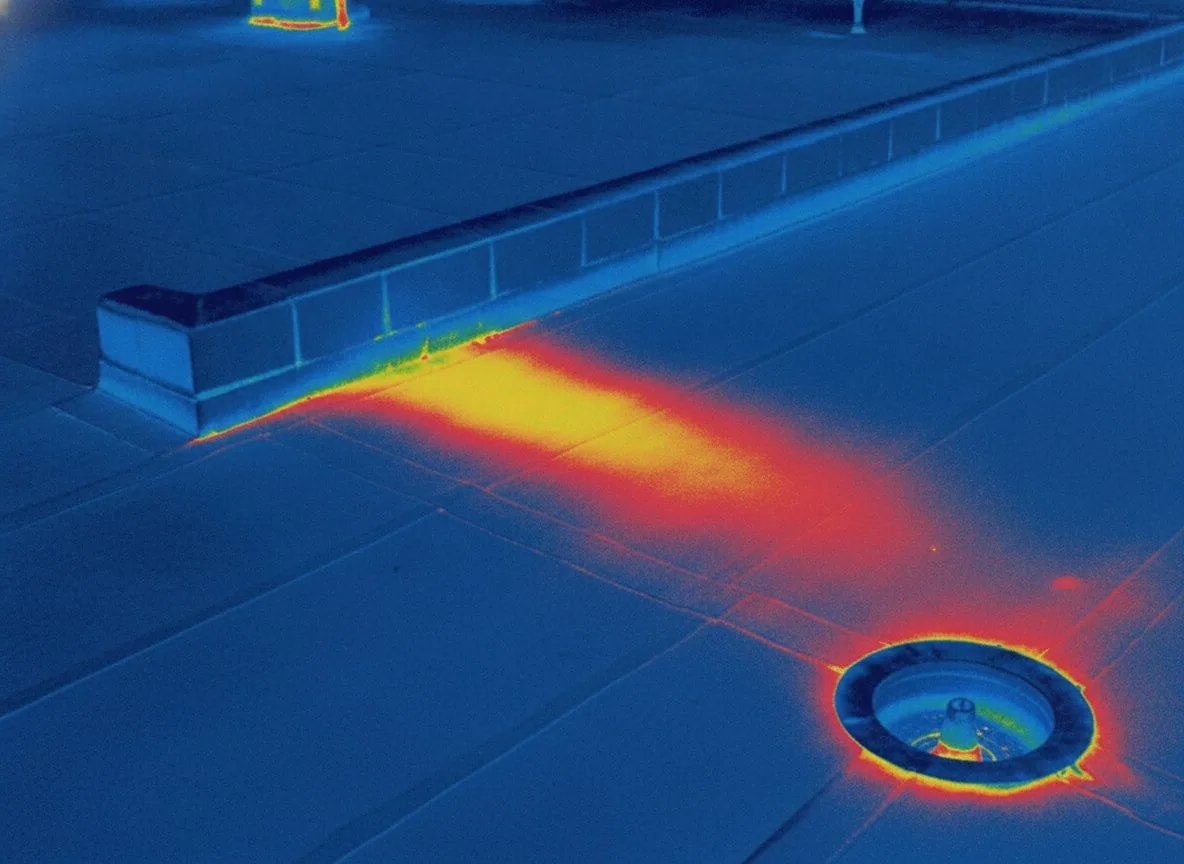
That redundancy hides problems, too. Water that enters a failed ply can travel between layers for a long distance before it appears as a ceiling stain, and the felts hold moisture long after the leak has been patched. The first task of a survey on this roof type is therefore to find where water is, not where it entered, and an infrared moisture survey followed by core samples does that better than any visual walk.
Gravel: ember resistance and Santa Ana scour
A stone surface is among the most fire-resistant coverings a low-slope roof can carry, and in a region that has seen the Woolsey Fire of 2018, the Thomas Fire of 2017 and the Mountain Fire of 2024, that matters. Embers landing on a gravel-covered, tested assembly have nothing combustible to take hold of. The tradeoff is that loose stone is a wind hazard. Santa Ana winds can exceed 40 mph and have channeled through the passes of Ventura and Los Angeles Counties, and at the perimeter the gravel moves first, leaving bitumen exposed to sun and abrasion.
We measure surfacing coverage by zone, replace displaced aggregate and look at edge metal and gravel stops, which are the barriers that keep the stone on the roof. A pattern of repeat scour at the same corners tells us the edge needs heavier metal or a different surfacing. That is a wind problem, and it is repaired the way any wind damage is: at the edge first, then the field.
Age: Warner Center, West Hills and the thirty-year question
Warner Center is a master-planned business district of about 1,100 acres in Woodland Hills and Canoga Park. Warner Center Plaza holds 1.8 million square feet of office space and the Warner Center Business Park holds 1.1 million, developed from the 1970s through the early 1990s, so many of its roofs are 30 to 50 years old. Built-up roofing was a standard commercial low-slope system for much of that period, so a building in Warner Center from those decades may carry it.
West Hills adds a different layer of history. The Corporate Pointe business park was the Thompson-Ramo-Wooldridge aerospace headquarters in 1959 and later housed Hughes Aircraft and Raytheon, and the commercial areas of West Hills include Fallbrook Mall and Platt Village. For an asset manager, age is a prompt for a condition index, not a verdict, and a BUR roof of that vintage can still be sound when it has been maintained.
Failure modes: splits, blisters and alligatoring
Aging BUR roofs show a small set of defects. Thermal splitting appears as straight cracks over insulation board joints, where the membrane has pulled apart under repeated heating and cooling. Blisters mark pockets of trapped moisture or air between plies. Alligatoring is the crazed, scaly pattern of exposed asphalt that has lost its stone. Flashings at walls and curbs open as the felts shrink away from the substrate. Each of these is a different level of urgency, and the report grades them separately so a facility manager can tell a maintenance item from a capital item.
Where defects are limited, cutting out and replacing the affected plies, re-embedding gravel and resealing flashings can extend the roof's life. Where saturation is widespread, the cost of repair passes the cost of replacement. The report shows the crossover point with photographs and core logs, so the budget cycle can set a date.
Execution: kettles, odors and the next system
Hot-applied BUR brings a kettle to the site, with heated asphalt, vapors and a fire-safety plan. On an occupied building the work is planned around air intakes, loading hours and tenant schedules, and the kettle is placed so fumes do not reach occupied floors. Cold-applied methods and modified bitumen sheets reduce the heat and odor where the building requires it. On occupied building reroofing those limits are written down before the first roll goes on.
When a BUR roof reaches its replacement horizon, the owner picks the next system. A tear-off removes gravel, felts and wet insulation and lets the deck be inspected; the replacement may be a two-ply modified bitumen roof for continuity or a lighter single-ply sheet such as TPO. The weight reduction can matter on older structure, and the decision belongs in the commercial roof replacement scope with the structural and energy-code reviews.
A built-up roof inspection should distinguish the surfacing from the plies beneath it. Gravel can conceal small blisters or open flashings, while a smooth flood coat makes cracking and alligatoring easier to see. At a suspected wet area, use a test cut or moisture survey to determine whether the insulation and deck remain sound before recommending an overlay. Repairs should restore the base and cap plies with compatible asphalt and reinforcement, then reinstate the surfacing without blocking drains. Where the roof has several layers or unknown past repairs, document the observed assembly and verify code limits before a recover is proposed. The owner can then compare localized repair, surface restoration and replacement based on evidence rather than the visible age of the gravel.
Commercial Roofing Questions
Can an old built-up roof be repaired instead of replaced?
Often for a period. Isolated splits, blisters and open flashings can be repaired if the felts and insulation below are dry. Widespread moisture ends that approach, and cores plus a thermal scan show which situation applies.
What does gravel do in a fire?
A tested gravel-surfaced assembly gives embers no combustible surface to ignite, which is useful after events like Woolsey. The stone must stay in place, so perimeter coverage and edge metal matter as much as the plies.
Why does a built-up roof leak far from the stain?
Water runs between plies and along the deck before it finds a path to the ceiling. The visible stain marks the exit, not the entry, which is why we trace moisture with thermal imaging and cores.
Is hot asphalt allowed on an occupied building?
With planning, yes. The kettle location, air intake protection, fire watch and work hours are set with the facility manager before work starts, and cold-applied options are available when odor control is critical.
How heavy is a BUR roof compared with single-ply?
Several times heavier, mainly because of the felts, asphalt and stone. On older structure, switching to a lighter system can free capacity for rooftop equipment, and a structural review confirms the margin.