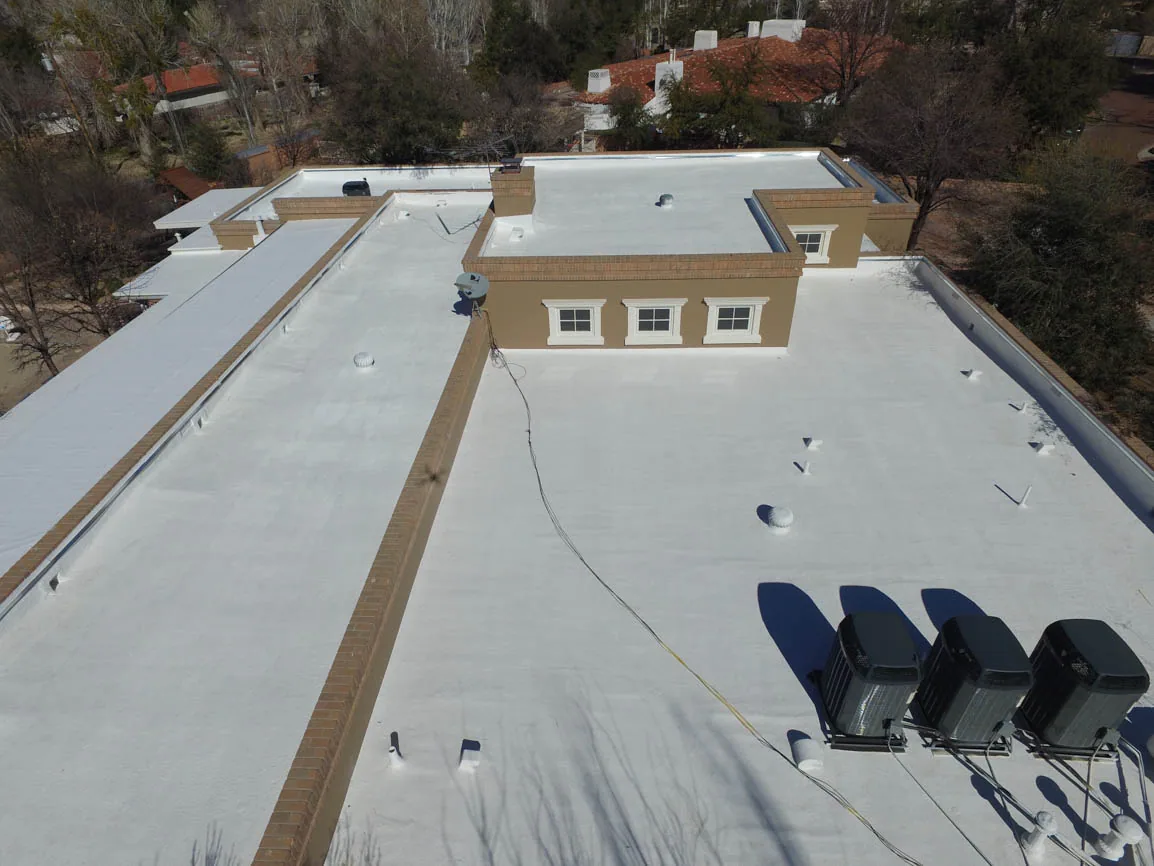
Spray Polyurethane Foam Roofing in Thousand Oaks, CA
Roof Systems · Thousand Oaks, CA
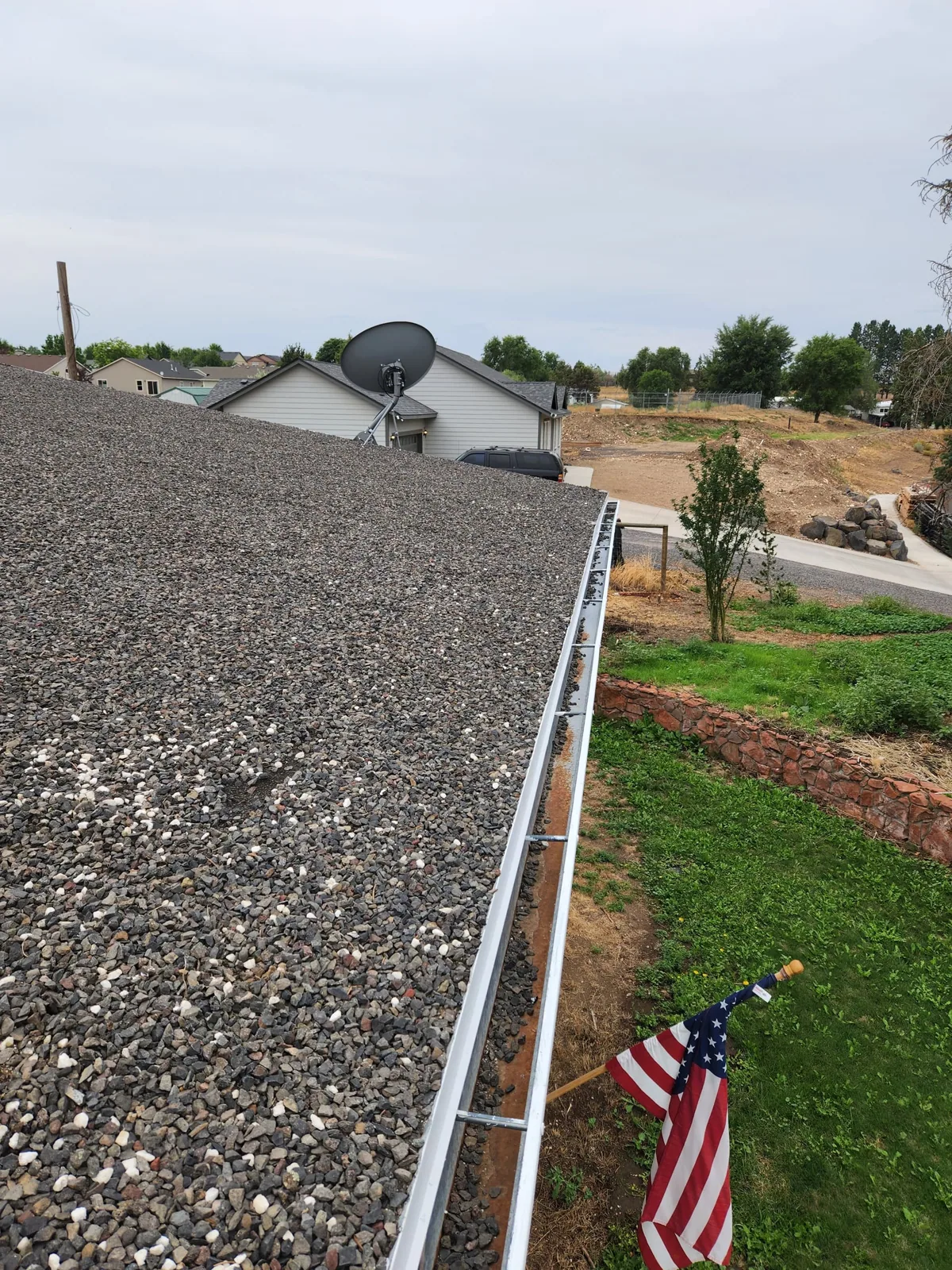
Walk-down entry: a sprayed foam roof on a Conejo Valley office building, its coating chalked thin along the south parapet until the tan foam shows through in a band about a body-length wide. Nothing is leaking, the foam is still bonded and dry, and the exposed band will erode quickly anyway, because polyurethane foam has no tolerance for sunlight on its own. That single line of a condition report explains most of what an owner needs to know about spray polyurethane foam roofing in Thousand Oaks, CA. The foam is the insulation, the waterproofing and the slope in one adhered layer, and the thin coating over it is the part that must be tracked like a consumable. An owner who budgets for the coating cycle can restore a foam roof in place for a long time. An owner who ignores it pays to cut out foam that was sound.
We install and maintain sprayed systems over dry built-up roofs, over metal, and over tapered substrates, finished with either silicone or acrylic coatings chosen for the building rather than for convenience.
Spray Polyurethane Foam Roofing
Roof Systems
Call our team
Written findings and options
Thousand Oaks, CA
Ventura and Los Angeles counties
Candidates: the substrates that accept foam
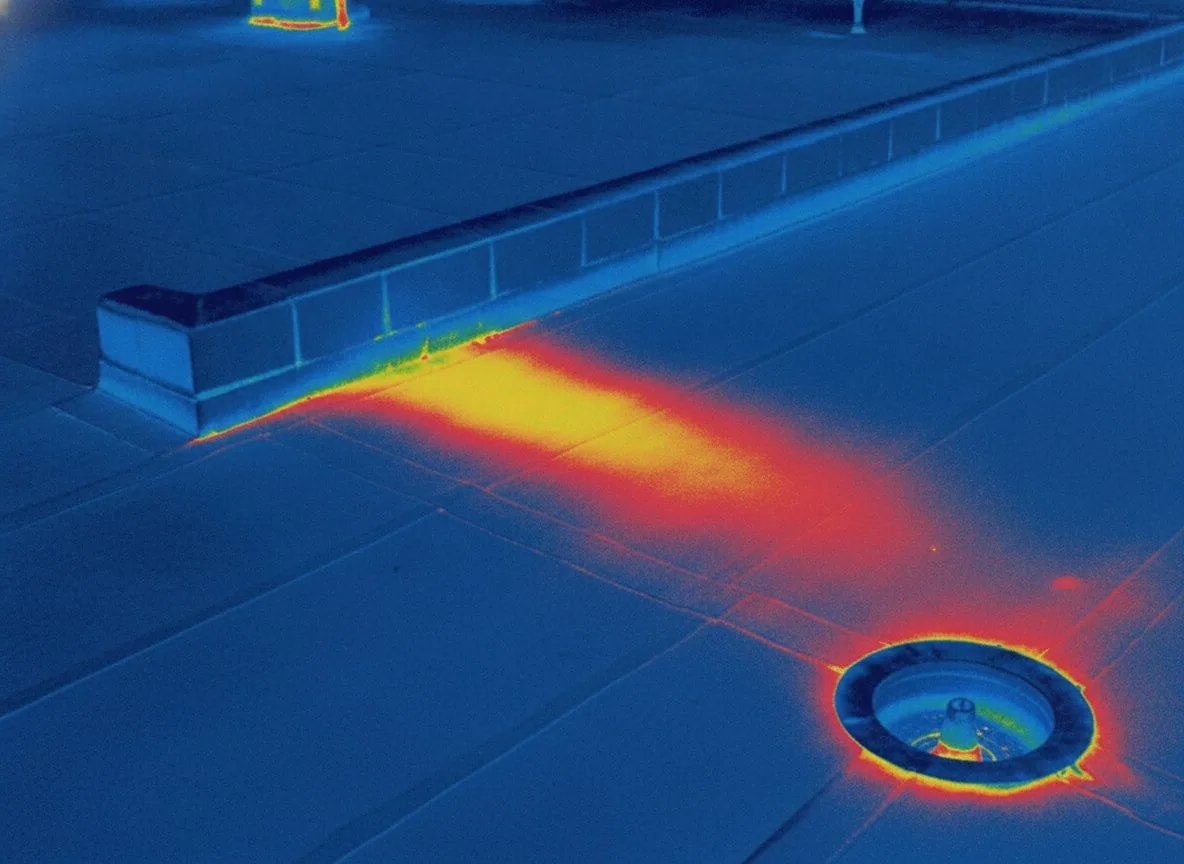
Foam bonds directly to a clean, dry, sound surface, which makes it a natural fit for aged built-up and modified bitumen roofs, for metal roofs whose fasteners and laps have started to weep, and for concrete and wood decks with no history of trapped moisture. It is a poor fit over a wet roof. Wet insulation beneath a sprayed system stays wet, pushes vapor up into the foam and eventually blisters it, so the order of work matters: an infrared moisture survey to locate warm patterns, core cuts to confirm them, and a decision on how much of the old assembly has to come out before anything is sprayed.
Existing single-ply membranes are a harder case, because adhesion depends on the membrane surface and on whatever has settled onto it. We run a small adhesion test before anyone commits to the system. Where the old roof is sound and dry, spraying over it avoids a tear-off, keeps debris and noise down, and leaves tenants working beneath it.
Application: spray days, Santa Ana wind and overspray
Foam is mixed at the spray gun from two liquid components, and the reaction responds to substrate temperature, humidity and wind. Light, steady air gives an even, closed surface. Gusts do the opposite: they carry mist onto parked cars, glass and neighboring roofs, and they cool the foam unevenly, leaving a rough or friable skin. Offshore Santa Ana winds in Ventura County can top 40 mph, and the Mountain Fire of November 2024 burned near Somis and Camarillo under gusts forecast above 65 mph, so the discipline to stand a crew down is worth more here than in a market with steady weather.
We stage foam work for the long dry months, set wind limits before mobilization, mask glazing and equipment, and shut or protect fresh-air intakes during the spray window. Tenants receive a clear notice of the hours, because spraying produces vapor and a short cure period follows. The same limits apply on jobs in Camarillo.
Assembly: thickness, slope and the coating that finishes it
Foam goes down in passes, each thin enough to cure and bond to the one beneath, and the finished thickness is read with a depth gauge on a grid of points rather than judged by eye. Thickness is a design variable: it sets the insulating value, and varying it across the roof builds slope toward drains. A roof that holds water around a sump can be turned into a roof that sheds it, without the weight of added tapered board on an older deck, which is often the deciding point where the drains and scuppers are already undersized or badly placed.
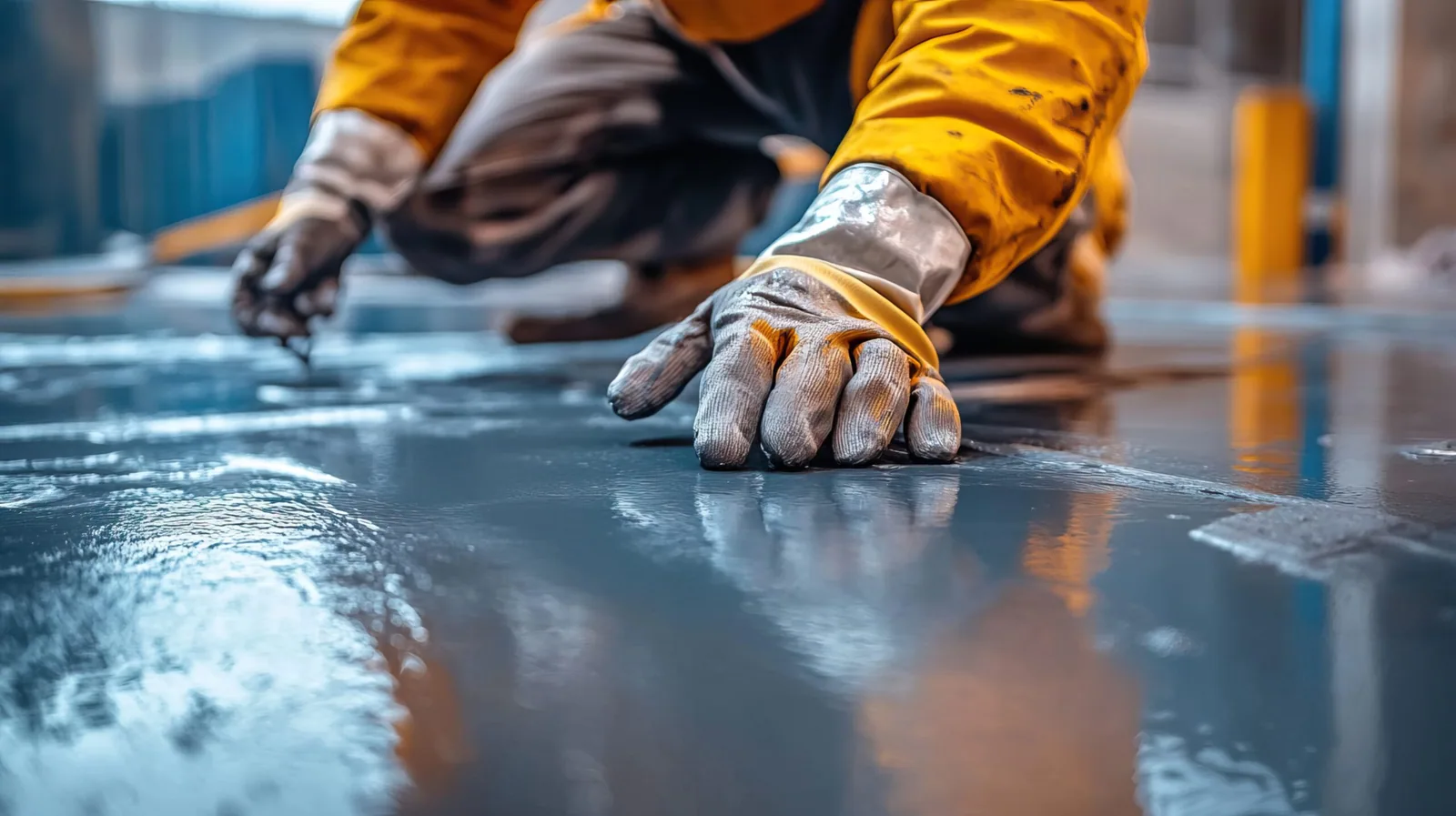
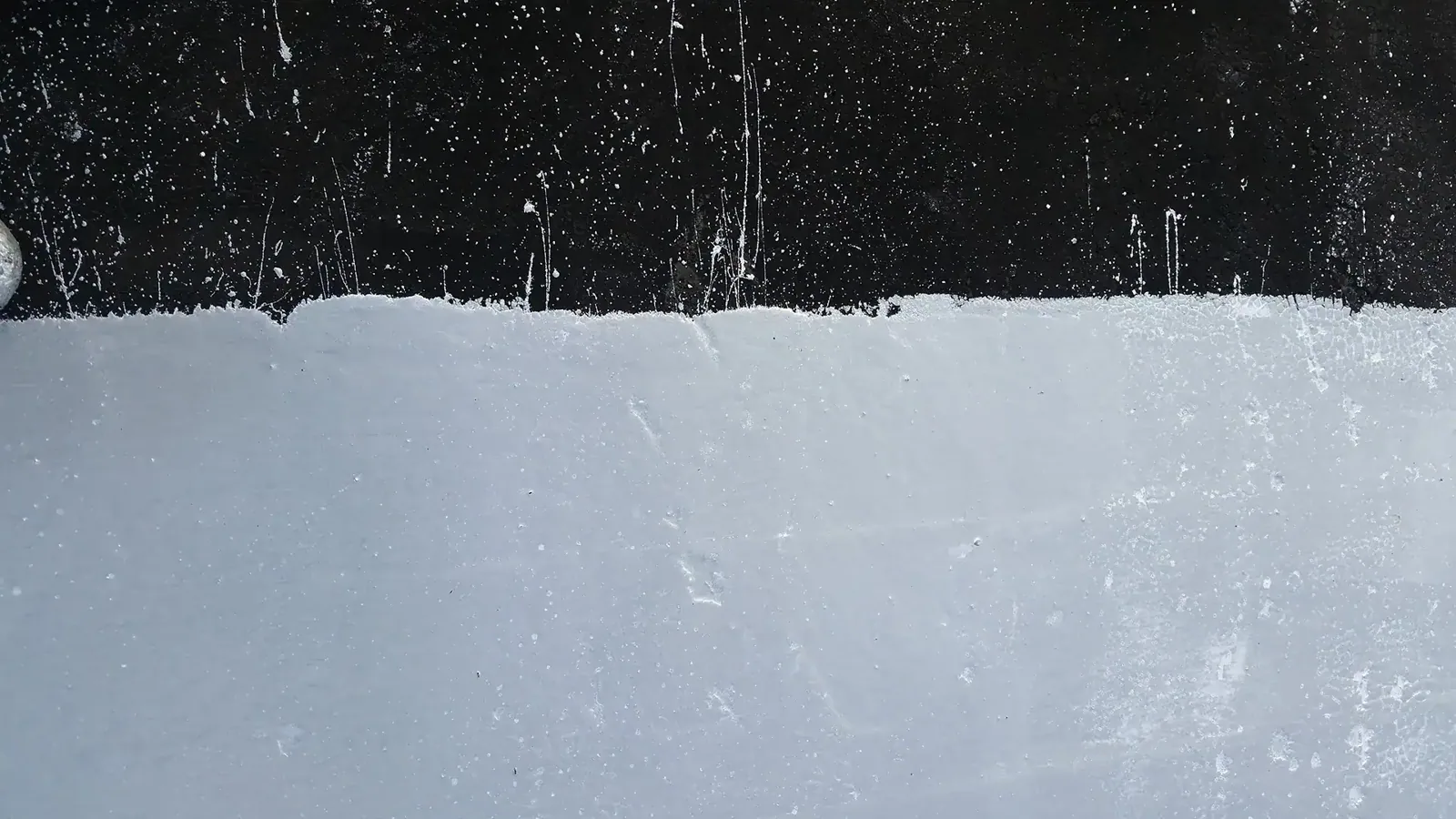
Closed-cell foam is not a wear surface. Foot traffic around rooftop units needs walkway pads, and equipment that gets serviced often needs a protected path from the hatch. Then comes the layer that finishes the roof. Sprayed foam left exposed for more than a short while chalks and erodes, so the coating goes on within the manufacturer's recoat window, and its measured thickness becomes the number that every later inspection tracks.
Fire: embers, ash and the rating of the whole assembly
Polyurethane is combustible, so fire performance belongs to the assembly rather than to the foam: substrate, foam, coating and any barrier or cover board carry the listing together, and the listing has to match what the building code and the property insurer expect. Woolsey, in 2018, ran on Santa Ana winds of 50 to 60 mph and touched Thousand Oaks, Newbury Park, Oak Park, Agoura Hills and Westlake Village, and in January 2025 evacuation warnings for the Kenneth Fire reached Oak Park and Agoura Hills. Embers landing on a roof are a planning assumption here, not a remote scenario.
The 2025 local update to the city's building regulations folds the Wildland-Urban Interface and Fire codes in with the new California Building Code, which became effective at the start of 2026. We check the assembly listing against those requirements before design and draw ember-resistant edge and penetration details into the scope, so the foam roof is not the weakest point in a building that was otherwise hardened.
Upkeep: the recoat cycle and what damages foam
The coating is the maintenance item, and it works hard. Extreme Heat Warnings have covered both Ventura and Los Angeles Counties, and Woodland Hills hit 121 F in September 2020, the highest temperature ever recorded in Los Angeles County, with a dark or bare surface running far hotter than the air. An annual walk looks for three things: chalking or thinning of the coating, mechanical damage from dropped tools, equipment skids and birds pecking at exposed foam, and any blister or soft spot that signals water in the foam. Small damage is patched with matching foam and coating on the same visit, a routine we fold into a preventive maintenance program.
Recoat timing follows measured coating thickness rather than the calendar, which lets an owner carry a foam roof through several restorations and reserve funds against a condition index. Where foam has soaked up water from a breach nobody repaired, the wet area is removed and replaced, never coated over.
Choice: when foam beats a coating alone or a recover
The comparison is by horizon. A coating alone, as in roof coating restoration, suits a roof whose membrane and insulation are still sound. A new membrane over the old roof suits one with tired insulation and dry decking. Foam suits the roof that needs insulation, slope and waterproofing in a single pass and has a substrate dry enough to receive it, particularly one crowded with curbs and pipe supports. A building in the Rancho Conejo Industrial Park with heavy rooftop mechanical loads is a good place to test that fit with a survey before choosing.
Commercial Roofing Questions
Can foam be sprayed over a roof that has been leaking?
Only after the wet areas have been found and removed. Foam sealed over saturated insulation traps the moisture, so we map it with infrared, confirm it with cores and cut out what is wet. The dry remainder can then take the system.
What does a foam roof need after a wildfire event nearby?
Ash comes off first, with low-pressure water and no scraping, because ash holds moisture against the coating and dulls its reflectivity. A walk then looks for ember pits, blistering and any lifted edges, and small pitting is repaired before the next rain.
Do tenants have to leave during spraying?
Occupants of the spray zone are asked to stay out for the working hours and the cure period the manufacturer sets, and the building's air intakes are closed or protected for the same window.
Will birds and rooftop trades damage exposed foam?
Both can, and bird pecking is common on uncoated or thinly coated areas. Walkway pads protect the service routes, and a coating at the specified thickness resists most casual damage. Anything that does get through is patched on the next visit.
Who supplies the reflectivity for the energy code?
The coating does, not the foam. Its listed rating is what the 2025 California Energy Code looks at for any permit filed from 2026 onward, so the coating choice is reviewed alongside the permit scope.