Roofing for Logistics and 3PL Operators in Thousand Oaks, CA
Industries We Serve · Thousand Oaks, CA
Dock-side inspection, south wall of a cross-dock building: rust-colored streaking down the tilt-up panels beneath the roof edge, a stain pattern that forms only where scupper discharge has been running down the wall for several seasons. The streaks say the roof is shedding water at the wrong place, and that the drain system behind them is either undersized, blocked or sloped against its own outlet. For an operator in Thousand Oaks, CA the finding has two readers. The building owner sees cosmetic wall staining, while the operations manager sees a risk to racked product during the next heavy storm. We write the finding so both can act on it, with a drainage correction, a repair scope and a clear statement of who is responsible under the lease.
Logistics and 3PL Operators
Industries We Serve
Call our team
Written findings and options
Thousand Oaks, CA
Ventura and Los Angeles counties
Tenancy: a short contract term on a long-lived roof
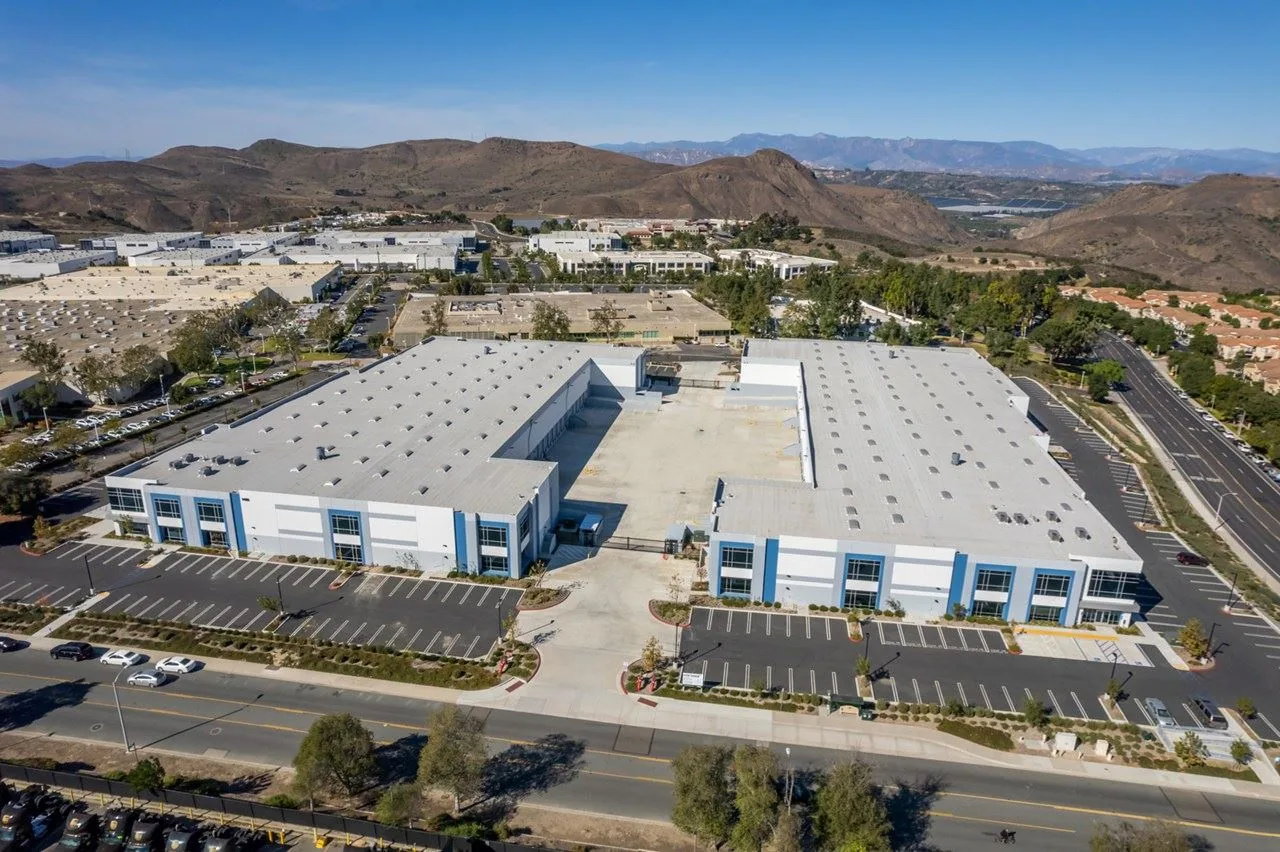
Third-party logistics runs on client contracts that often end long before a roof reaches the end of its life, and that mismatch causes most of the disputes. The operator wants a dry building for the length of the term, the owner wants no surprise bill at lease end, and neither knows the roof's starting condition. A baseline survey at move-in fixes that, with photographs, moisture readings and a record of every penetration, so wear that happened during the tenancy can be separated from wear that came with it, a record the property management companies acting for owners tend to welcome. Rancho Conejo Industrial Park held more than 120 properties in northern Newbury Park as of 2017, and the Amazon warehouse opened in 2018 added a distribution-scale low-slope roof among the park's tilt-up and R&D buildings. Operators weighing space in Rancho Conejo Industrial Park can ask for the survey before they sign.
Inventory: what a leak reaches before anyone notices
In a warehouse the roof and the stock are connected by a short path: water enters at a seam or penetration, runs along the deck and drips on whatever sits beneath, often in a spot no one walks. Packaging absorbs it first, which costs manufacturers with finished goods in the building as much as it costs a 3PL, then the pallets, and the damage may not be found until a picker pulls a case and the claim has to be traced back to a date. We tag roof sections by the storage zone beneath them and rank the zones by value and by customer sensitivity, so the first repairs go where a drip costs the most. Racking layouts also place sprinkler lines and lighting under the deck, which is why leaks near them need fast attention. Correcting the overflow path that failed in the opening finding is roof drains and scuppers work, because standing water on a large roof is a load as well as a leak risk, and a roof section that holds water after every storm is a section that will fail first. Overflow scuppers set a little too high are a common reason, and correcting them is a small job compared with replacing a membrane that has drowned.
Cold chain: bananas at the port, refrigeration on the roof
The Port of Hueneme is the lone deep-water commercial port on the coast between Los Angeles and San Francisco, and it handles automobiles, bananas, pineapples and agricultural exports. It moves roughly 3.3 billion bananas a year, so refrigerated warehouse and cold storage roofs are a major building type in the area. Oxnard supplies about a third of California's strawberries, adding packing and cold storage to the same stretch of the coastal plain. A temperature-controlled building draws moisture toward its cold side, so a small membrane breach can wet a thick insulation layer from within. We find those sections with thermal imaging at night, cut cores to confirm and repair or replace the wet layers before frost damage or condensation reaches the product. Operators near Port Hueneme need a plan written for cold storage roofs, where the survey starts with moisture in the insulation.
Corridors: trucks, cranes and the one road in
Logistics sites live and die by truck access, and roofing materials need the same road. US 101 runs east and west through the valley, State Route 23 meets it at an interchange that is still congested, and State Route 118 links Moorpark and Simi Valley to the San Fernando Valley. A roofing delivery that arrives during a shift change can block a yard that has no room to spare. We schedule material drops and crane lifts for the hours the yard is quiet, keep fire lanes and dock aprons clear and agree a routing plan with the site manager before the first truck arrives. Where docks must stay open, the work is phased from the far end of the building toward the operation, so the working area never overlaps the loading zone. The same discipline governs a distribution center roof at any scale.
A distribution roof has to be read against the dock rhythm. Before opening a section, we map the receiving doors, trailer lanes, exterior staging and rooftop equipment routes with the facility contact. Work is divided into small areas with a known closeout point each day, so a temporary condition does not sit above active inventory overnight. In Rancho Conejo, where more than 120 properties form the industrial park and US 101 serves Newbury Park, crews can plan access around the business rather than block the movement that keeps a warehouse working.
Heat and solar: a large roof working all summer
A warehouse roof is the largest surface exposed to the sun, and Extreme Heat Warnings covering Ventura and Los Angeles Counties show the load it carries; Woodland Hills, in Los Angeles County, reached 121 F in September 2020. Interior temperatures rise with the roof, and so do the cooling costs and the stress on workers and temperature-sensitive stock. Reflective membranes and coatings reduce that load when they are kept clean. Many operators also look at rooftop arrays, and a roof that will not outlast the array turns into an expensive removal job. We check structure, insulation and remaining service life before any rack is bolted down, and a roof planned as solar-ready roofing is specified with the arrays in mind from the beginning. A multi-building operator can then carry the same specification across a multi-site roof program without redoing the analysis each time.
Commercial Roofing Questions
Who pays for a roof leak in a leased warehouse?
The lease decides, so read its roof clauses before a problem appears and see who carries maintenance and who carries replacement. Get the baseline survey at move-in so the line between wear and damage is documented.
Can a leak be repaired without clearing the racking below?
Usually the repair happens from above, so racking can stay in place. We cover or relocate the pallets directly below the work area when a tear-open is needed, and we confirm the sprinkler lines are not affected.
How do we limit disruption at the dock during a reroof?
Phase the work away from loading zones, and stage materials outside the truck court. We agree the sequence with the site manager so doors in use stay clear until the section behind them is closed.
Does a cold storage roof need a different survey?
It needs infrared mapping and core samples more than a dry building does. A temperature-controlled interior pulls moisture into the insulation, so the visible membrane can look sound while the layer beneath is saturated.
What should we ask a landlord before adding rooftop solar?
Ask for the roof's age, its current moisture record and the structural capacity. If the membrane is near the end of its service life, replace it first so the array does not have to be removed within a few years.