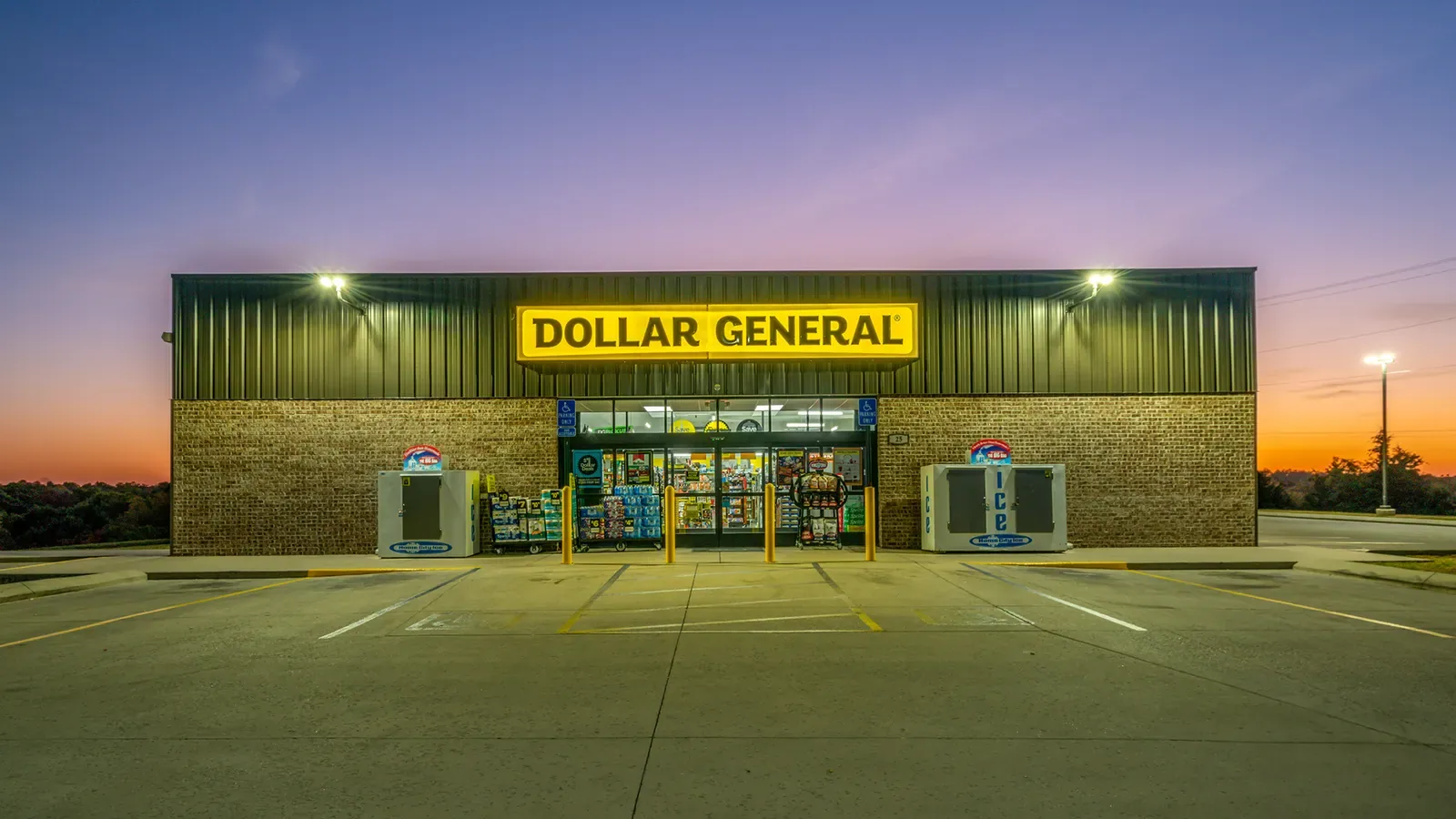
Big-Box Retail Roofing in Thousand Oaks, CA
Property Types We Roof · Thousand Oaks, CA
Vacancy inspection, former department store: interior dark for months, rooftop units off, a drain strainer packed with debris, and a membrane seam lifting at a unit curb that nobody on staff had reason to look at. The roof of an empty big box loses the daily attention that catches small problems while the weather keeps working. In Thousand Oaks, CA, A vacant or re-tenanted big-box property calls for a review of roof condition, tenant responsibilities and equipment changes before the next lease begins. What will it cost to hand this roof to the next occupant, and how much of that cost can wait? We answer with a survey, a moisture picture and a ranked scope.
Big-Box Retail Roofing
Property Types We Roof
Call our team
Written findings and options
Thousand Oaks, CA
Ventura and Los Angeles counties
Vacancy: what a dark box does to a roof
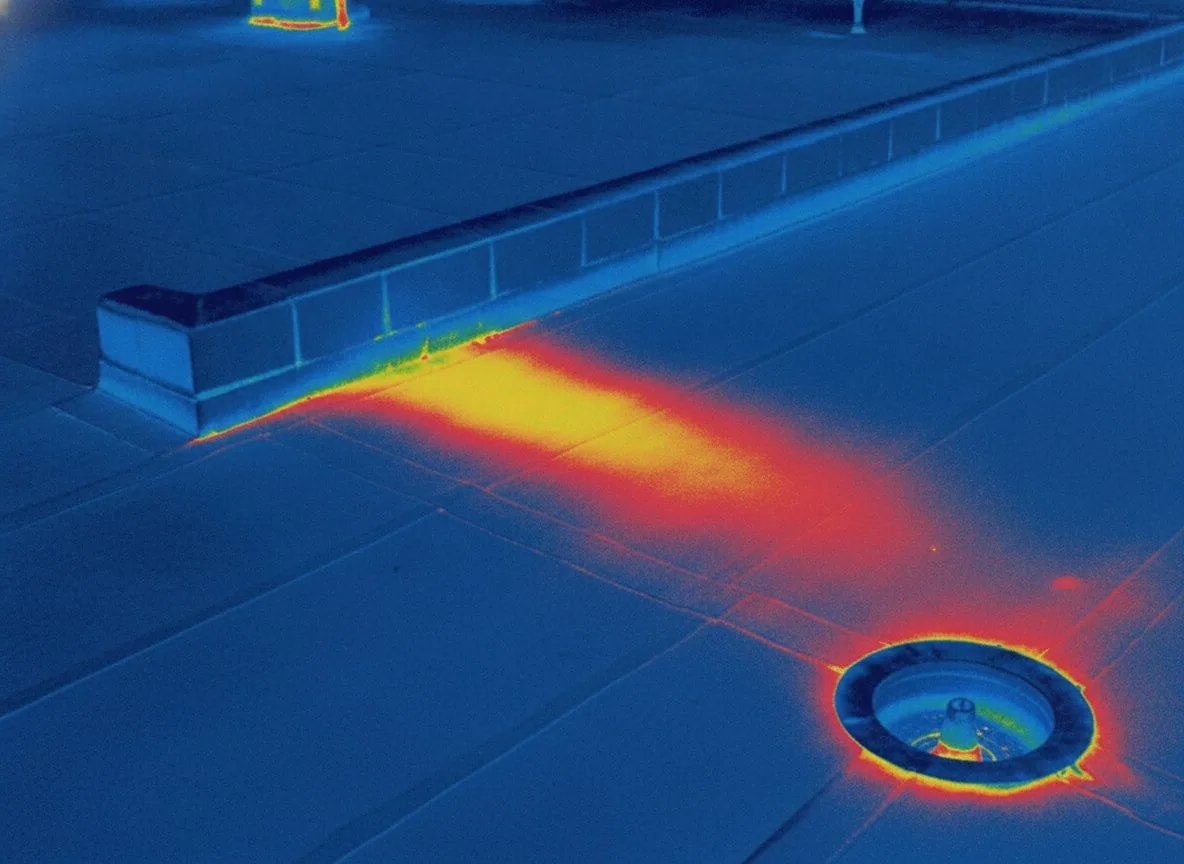
When a store goes dark, three things change at once. Nobody reports the first small leak, because nobody is underneath it. Drains are not cleared, because the property manager's attention is on the lease and not on the sump. And with the building idle, slow wetting of the insulation can go unnoticed for a full season. A vacant big box therefore deserves a baseline survey before marketing begins, with the findings recorded in a form a prospective tenant's due-diligence team will accept. We probe seams, walk the perimeter, clear and test the drains, log every rooftop unit with its condition and its curb detail and, where the field is large, add an infrared moisture survey to confirm that the insulation is dry. A documented dry roof is a leasing asset, and a documented wet one is a negotiation point settled early rather than late.
Re-tenanting: the next user's roof plan
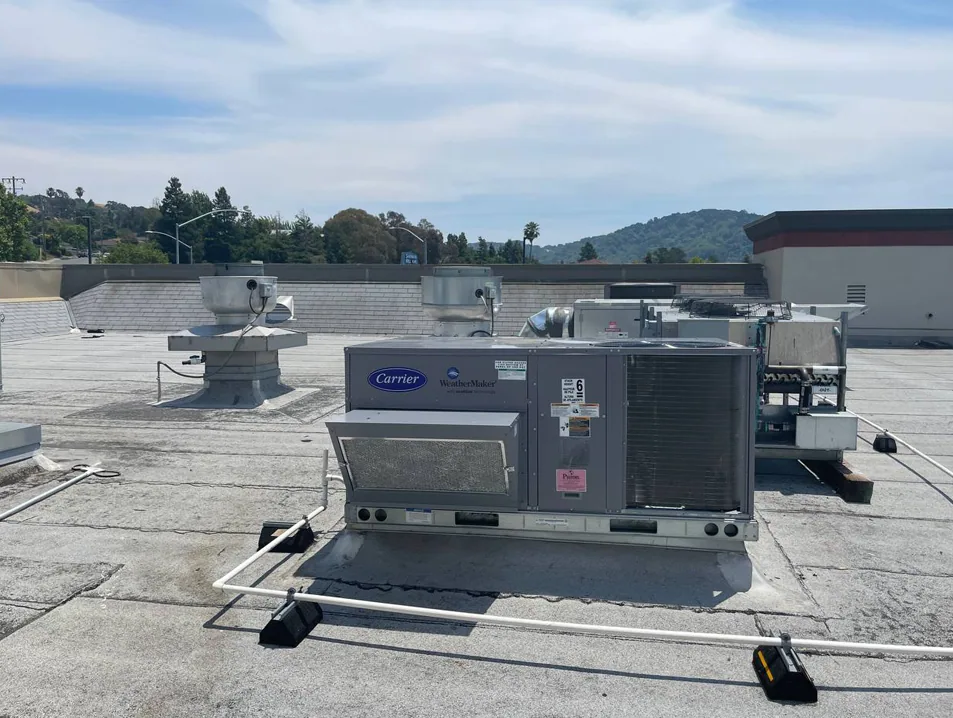
A new user may bring a different mechanical program, so record existing curbs and service routes before equipment changes are approved. An apparel store needs more cooling and a few additional vents. A dine-in entertainment venue adds kitchen exhaust, makeup air and grease management, and a theater adds large units on structural supports. Every addition cuts or penetrates the membrane, so the re-tenanting plan should treat the roof as part of the lease work and not as an afterthought. We coordinate new rooftop equipment curbs and supports with the tenant's mechanical contractor, then close each opening with flashing that matches the existing system. The roof is surveyed once at the start and again at turnover so that damage from the buildout can be traced to the correct party, and any foot-traffic protection needed around heavily serviced units is added to the scope. Tenants that serve food also change the cleaning schedule for the membrane downwind of their exhaust, which belongs in the lease exhibit along with the maintenance plan.
Span: acres of membrane and one drainage plan
A big-box roof is large, low and usually flat, and the scale changes how failures behave. A seam that opens at one end can run for dozens of feet before anyone sees it. Ponding at a single drain can load a wide zone of the roof, and clogged scuppers send water across a field instead of off it. Because the area is so large, and because water travels under a membrane before it shows inside, a repair strategy that succeeds on a small roof becomes inefficient here, so scope decisions turn on the pattern of defects. If wear is concentrated at the details and the field is dry, targeted repair holds. If the whole membrane has chalked, a single-ply recover or a coating may protect the investment with less disruption, while a field soaked beneath its surface needs drain and scupper correction alongside a replacement.
Wind: tall walls, long parapets and uplift at the corners
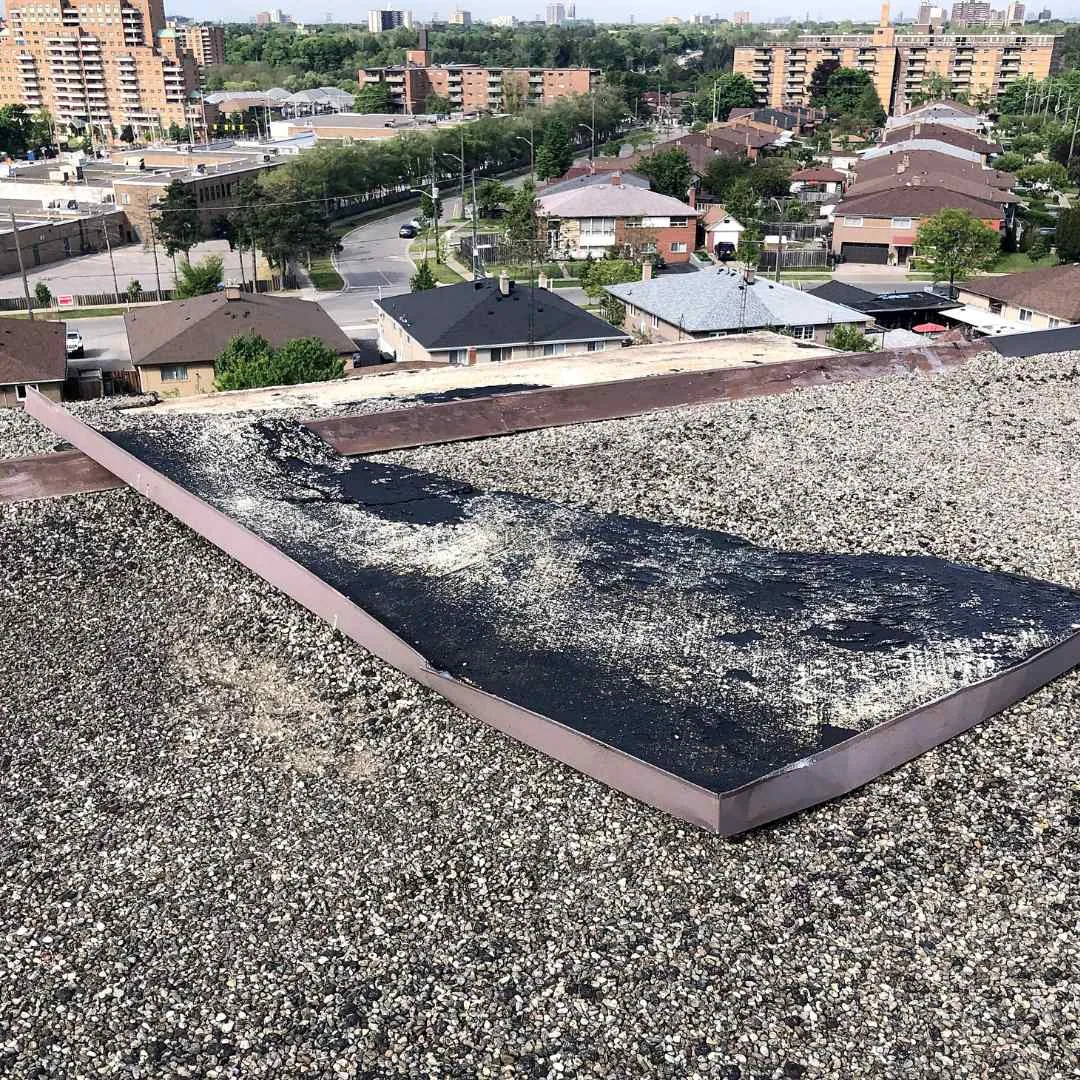
A big-box store presents a large plain wall and a long unbroken parapet to the wind, and Santa Ana gusts, which can exceed 40 mph and drop humidity below ten percent, load those edges hard. The corners and perimeter of the roof see the highest uplift, so coping, edge metal and the first few rows of fasteners are the first things to fail. We check the perimeter on every big-box survey, measure the attachment pattern against the exposure and replace weakened edge metal before it peels. After an offshore event on the scale of the November 2024 Mountain Fire, with gusts forecast above 65 mph, every large retail roof deserves a post-event walk. The wind damage roof repair that follows an event costs less when the damaged edge is found while it is still attached.
Lease: a roof schedule that survives a change of tenant
Retail chains and property owners often disagree about who pays for the roof, and the argument is settled most cleanly by a record. We write the baseline condition at lease start, the repairs completed during the term, and the remaining service life at turnover. That continuity helps retail and restaurant chains with many locations compare their sites, and it helps owners of centers like The Oaks and Janss Marketplace allocate cost among tenants fairly. Sellers benefit as well. A roof that has been maintained under a written program also carries less risk on resale, since a buyer can read the file instead of guessing. The problem differs from a shopping center roof, where many small tenants share a membrane, and from a distribution center roof, which usually answers to a single operator.
Retail properties along the Thousand Oaks Boulevard corridor and in the Moorpark Road / Janss Marketplace Area require separate roof records; planning boundaries do not make assemblies identical.
A large retail roof should be divided into zones that line up with tenant spaces, loading areas and the mechanical equipment each tenant uses. The survey records where water enters, where it appears inside and which roof area can be safely isolated for repair. For a vacant box, confirm that old curbs, abandoned penetrations and temporary patches are not being carried into a new lease without review. For an occupied store, schedule material movement away from customer entrances and loading peaks. The estimate should state what remains usable during each phase and what requires a short closure. At completion, map every new curb or patch so later tenant work does not create an undocumented opening.
Commercial Roofing Questions
Should an owner repair a vacant store roof before finding a tenant?
Repair what threatens the building and document everything else. Prospective tenants read a clean survey as proof the owner is organized, and buildout money can go toward what the new user actually needs.
Why do big-box roofs seem to leak at the same spots every year?
Repeat leaks usually mark a detail that was patched and never corrected: a drain, a curb corner or a wall flashing. Mapping the leaks over several years shows the pattern, and a single corrected detail often ends a run of service calls that had looked unrelated.
Is a recover practical on a big-box roof?
Often, if core cuts show dry insulation and the structure can carry the added layer. A recover avoids the dust and tear-off of a full replacement over merchandise, and it keeps the schedule short, though it leaves the old roof in place as a layer the next owner will eventually have to remove.
What happens to the roof when a restaurant takes over an old store?
The new kitchen adds exhaust fans, curbs and grease, so the membrane near them is upgraded and a cleaning routine is added. We survey the roof before and after the buildout.
What does a buyer or lender want to see on a large retail roof?
A condition report with core results, drain tests and a remaining service life they can underwrite. That is the review a due diligence roof survey is written for.