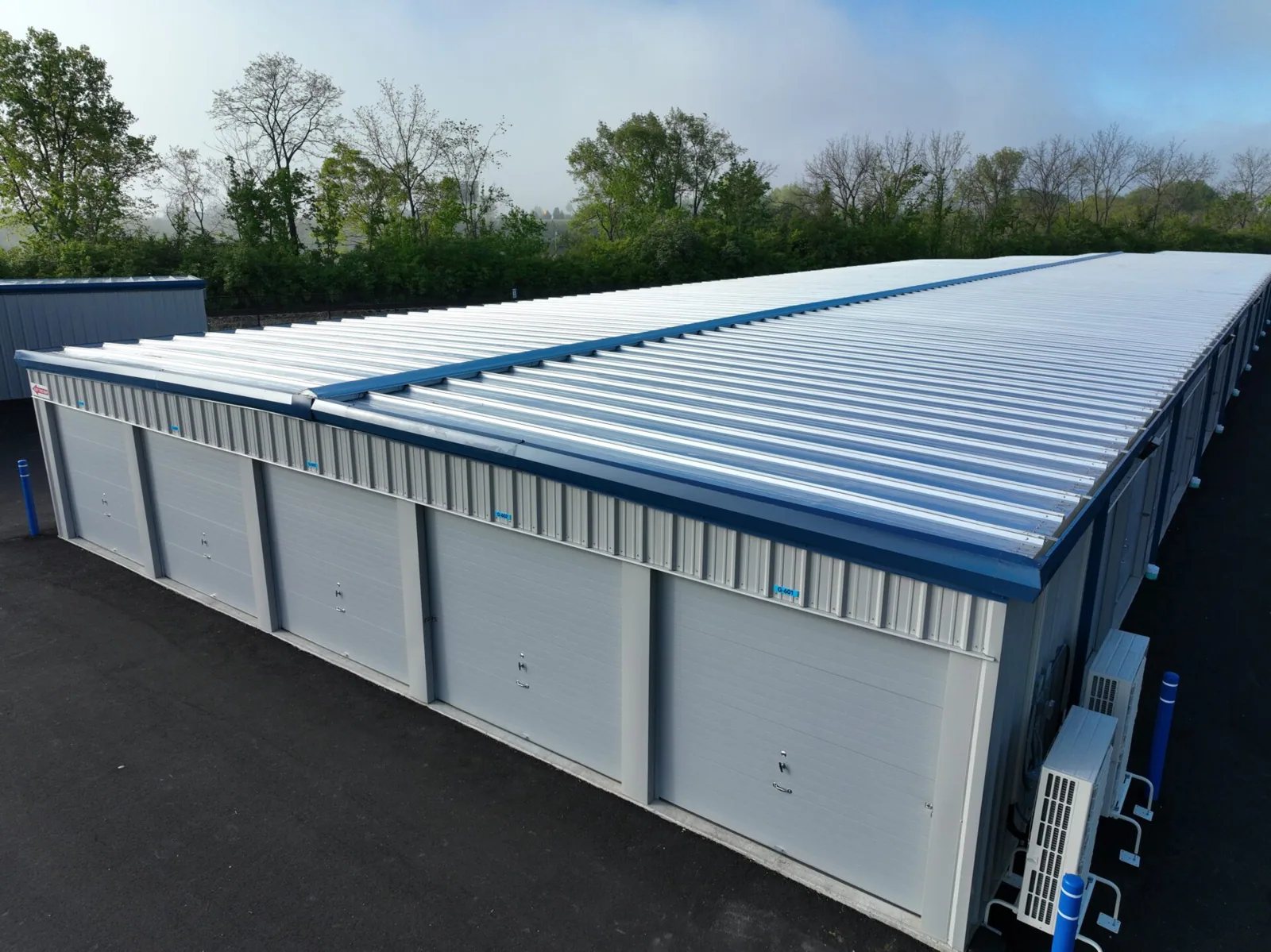
Self-Storage Roofing in Thousand Oaks, CA
Property Types We Roof · Thousand Oaks, CA
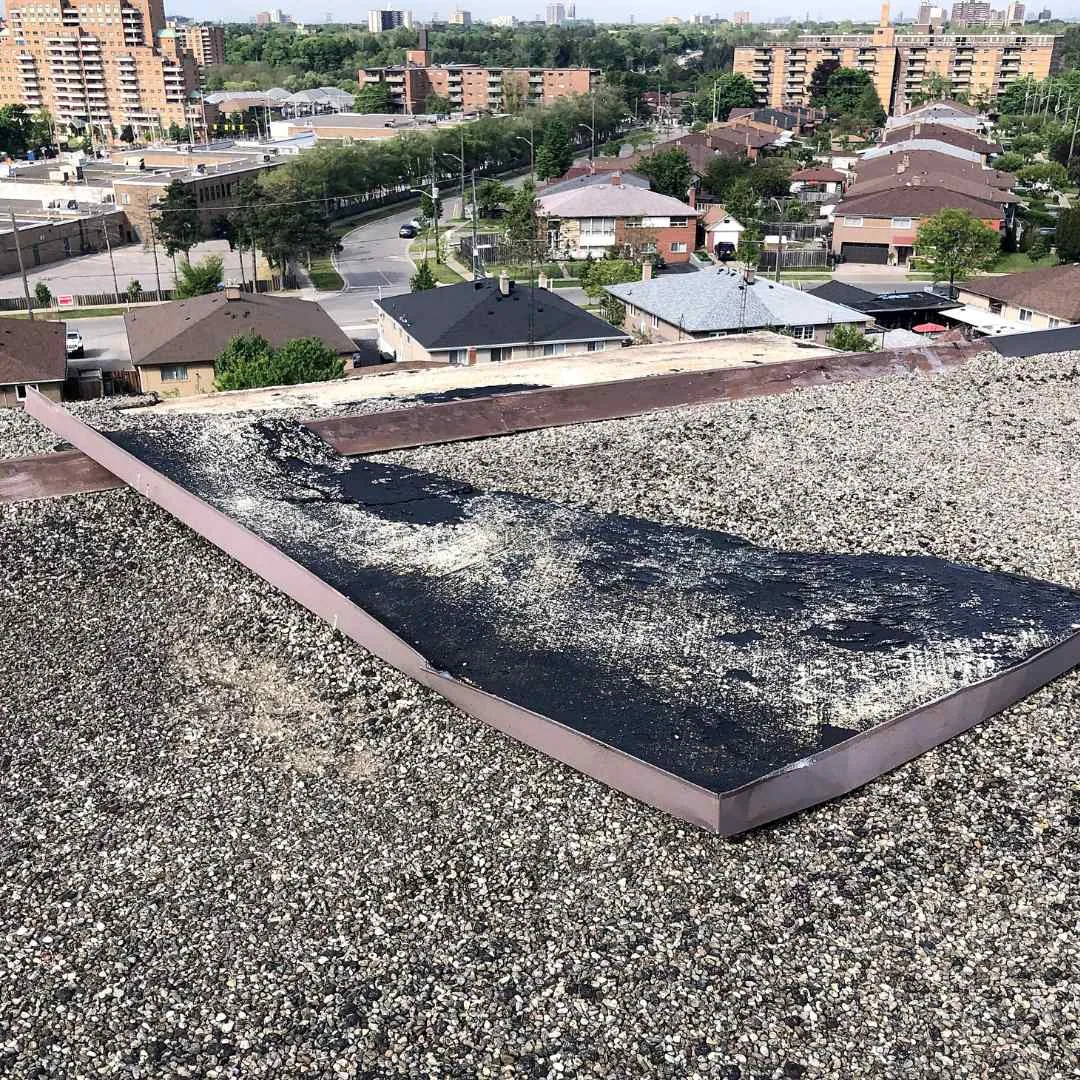
Roof walk, drive-up storage building four: a corrugated panel with three backed-out fasteners along the ridge, rust bleeding from the screw heads onto the rib below, and a unit at the end of the row where the manager found a cardboard box stained brown. In self-storage the roof is the one component the customer never sees and the one that produces the claim. Rows of identical buildings repeat the same defect many times over, and a manager who patches one door at a time is paying for a fastener problem in installments. We survey storage roofs in Thousand Oaks, CA and write findings that let an owner decide by building, row and campus: what is failing, what it will do to stored goods and customer trust, and when a restoration becomes cheaper than another year of repairs.
Self-Storage Roofing
Property Types We Roof
Call our team
Written findings and options
Thousand Oaks, CA
Ventura and Los Angeles counties
Rows: long, low buildings and a great deal of edge
A storage property is a campus of long, low buildings, and much of its roof area sits close to an edge. Eaves run the length of every row above the roll-up doors, rakes close the ends, and gutters and downspouts collect water along every wall. That geometry makes wind and fire matter more than the height of the buildings suggests. Santa Ana winds can exceed 40 mph, and gusts up to 70 mph accompanied the 2017 Thomas Fire, which started near Santa Paula and burned 281,893 acres. A long eave lifted by wind, or a gutter packed with ash and leaves, gives a storm or an ember a direct path under the panels.
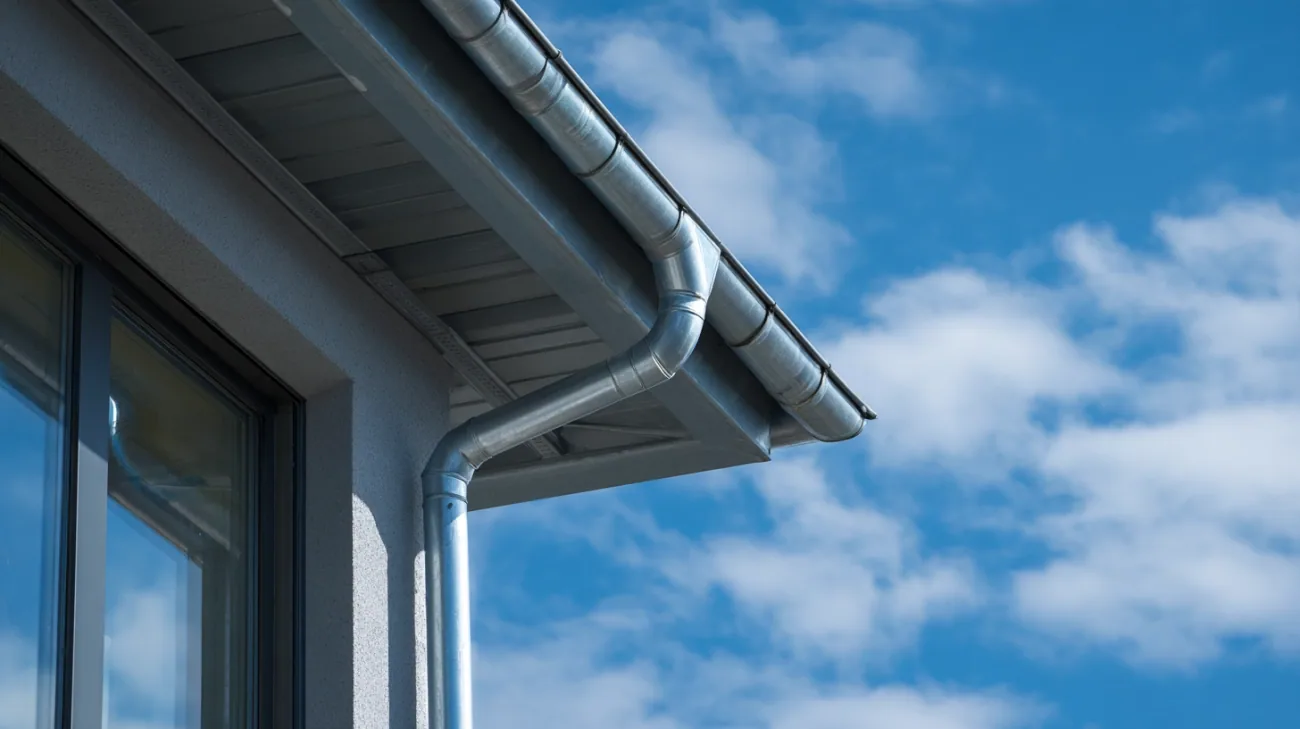
We survey the edge metal, coping and gutters on every row, tighten what has worked loose and record the sections where a repair would only move the failure down the line. That is the point where wind damage roof repair stops being a service call and becomes a replacement decision, and the report says so with photographs.
Units: leaks nobody sees until a customer opens the door
A manager can walk all of the roofs in an afternoon but cannot see inside a locked unit. A leak therefore announces itself when a customer opens the door and finds a stained box, a warped piece of furniture or the smell of mildew, and by then water may have been entering for weeks. The claim that follows lands on the owner's insurance, the customer's trust and the occupancy of that row. Our survey puts the roof's findings where the interior cannot supply them.
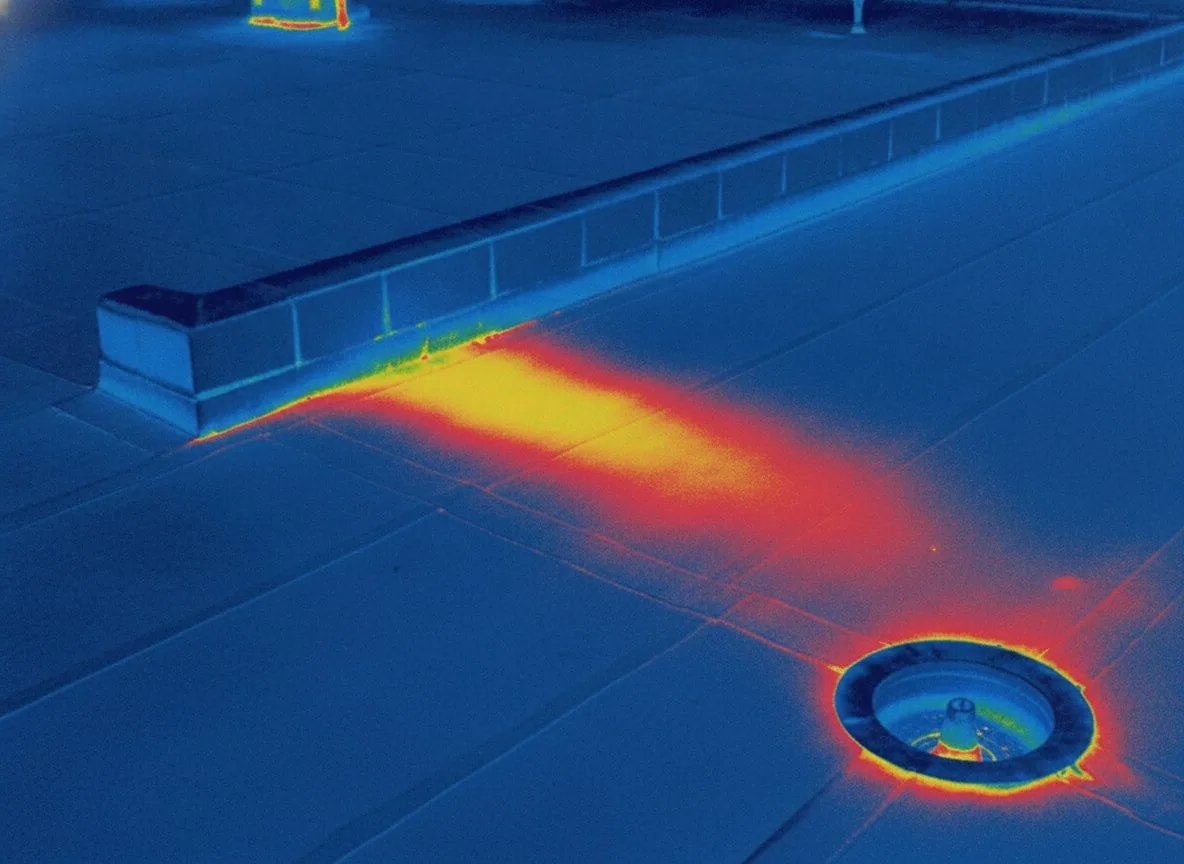
Where a building has a membrane roof over insulation, an infrared moisture survey flags wet insulation, and core samples confirm what the scan shows. On metal rows the evidence is at the fasteners, laps and panel ends, and we inspect the underside from vacant units. The written report lists the units beneath each suspect area so the manager can check them before a customer does, and that list, kept current each year, turns a reactive leak-repair routine into a planned one, with the work done in dry weather and not after the claim.
Metal: fasteners, washers and thermal movement
Many drive-up storage buildings wear a metal roof with exposed fasteners, and the fasteners are the weak point. Each screw passes through the panel with a rubber washer that dries and cracks under years of UV, and the daily swing from heating to cooling expands and contracts the panel until the screw backs out of the purlin and the hole elongates. Rust bleeding down a rib, a streak of stain below a screw line and a light spot under a purlin are the signs, and they appear in the same place on every identical building in a row.
The options run in order of scope. Re-screwing with larger fasteners and new washers, plus sealing the laps, restores a panel that is otherwise sound. A fluid-applied roof coating restoration can extend the life of panels with surface wear and little section loss. Where panels have thinned or the purlins are poor, a metal roof retrofit goes over the existing structure and breaks the cycle of repeat fixes.
Climate-controlled blocks: heat, curbs and the cooling load
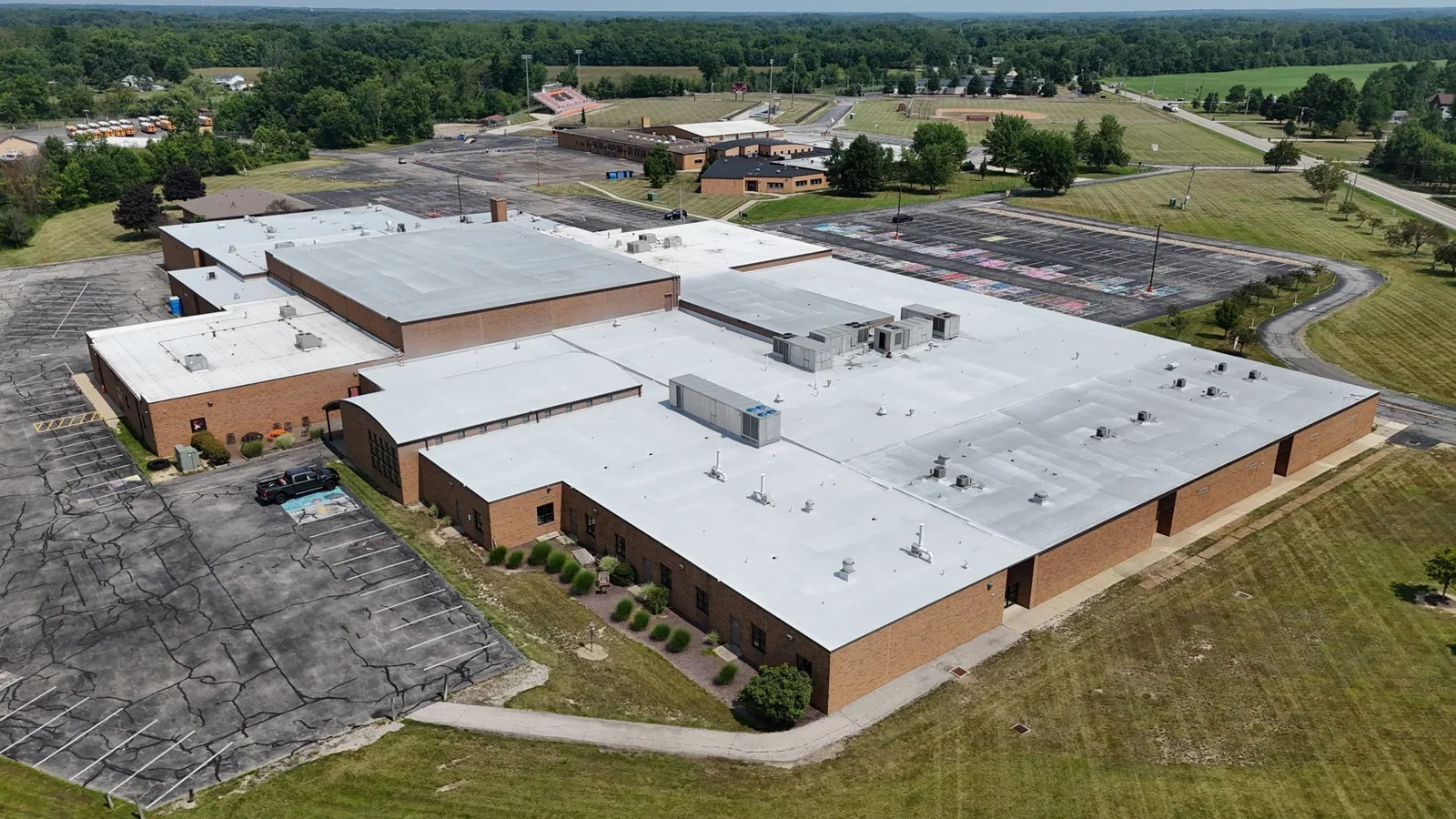
Climate-controlled storage adds a second building type: a multi-story block with a low-slope membrane roof, rooftop units and a conditioned interior that costs more to keep dry than a drive-up row. Sustained heat, which the National Weather Service has flagged with Extreme Heat Warnings across Los Angeles and Ventura Counties, raises the surface temperature of the membrane and the cooling load on the units at once. Condensation can form where cold supply air meets a poorly sealed curb, and a small defect at a unit curb wets the insulation that the climate control depends on.
We inspect curbs, supports and flashing at every unit, check that condensate drains away from the membrane, and record the reflectivity and chalking of the surface so the owner can see when a coating or a recover makes more sense than a tear-off. A reflective surface also lowers cooling load, which a conditioned storage operator feels directly on the utility bill.
Valuation: what a buyer or lender asks of a storage roof
Storage properties trade as income assets, and the roof is part of the diligence. A buyer or lender asks for age, repair history, remaining service life and the amount reserved for replacement, and an owner with a clean file closes faster than one who must commission a survey in the middle of escrow. A due diligence roof survey gives the buyer the findings and gives a seller a way to price known defects before the buyer finds them.
A buyer weighing a storage property near the US 101 corridor, or beside an industrial district such as Rancho Conejo Industrial Park in Newbury Park, is comparing it with warehouse and flex industrial space that trades in the same market, and the property with documented roofs reads as the lower risk. As of 2017, Rancho Conejo held more than 120 properties and the majority of the city's industrial businesses.
A self-storage roof plan should be tied to the building rows and the units directly below each work zone. A leak can affect a customer’s stored property before it becomes visible in a common corridor, so document the entry point and the limits of any interior inspection. During repair, keep gates and drive aisles open where possible, protect customer routes from overhead work and agree on notice for any temporary access restriction. Rooftop equipment, skylights and long drain runs should be marked so future service does not create an unrecorded penetration. The manager receives a phase map, a daily dry-in status and a closeout record with photographs. That makes it easier to communicate with tenants and to decide whether the next maintenance visit can be handled without a larger closure.
Commercial Roofing Questions
How can a manager tell which units sit under a leaking roof section?
A survey maps each roof section to the units below it. The map turns a customer complaint into a short list of units to check.
Do exposed-fastener metal roofs need replacing when screws back out?
Not necessarily. Larger fasteners, new washers and sealed laps restore a sound panel, while thinned or rusted-through panels call for a larger scope.
Is a coating suitable for a storage row?
On panels with surface wear and little section loss, it can be. Rusted-through areas must be repaired or replaced first, because a coating cannot bridge a hole.
What protects customers' goods while the roof is open?
The manager receives a list of units beneath the work zone before the first day. Temporary covers go on at the end of each shift, so overnight rain does not reach the units.
Lenders ask about the roof at refinance. What do they want?
They want the age, repair history and remaining service life of each roof. A documented survey answers all three in a single report.