National Guard Armory Roofing in Thousand Oaks, CA
Property Types We Roof · Thousand Oaks, CA
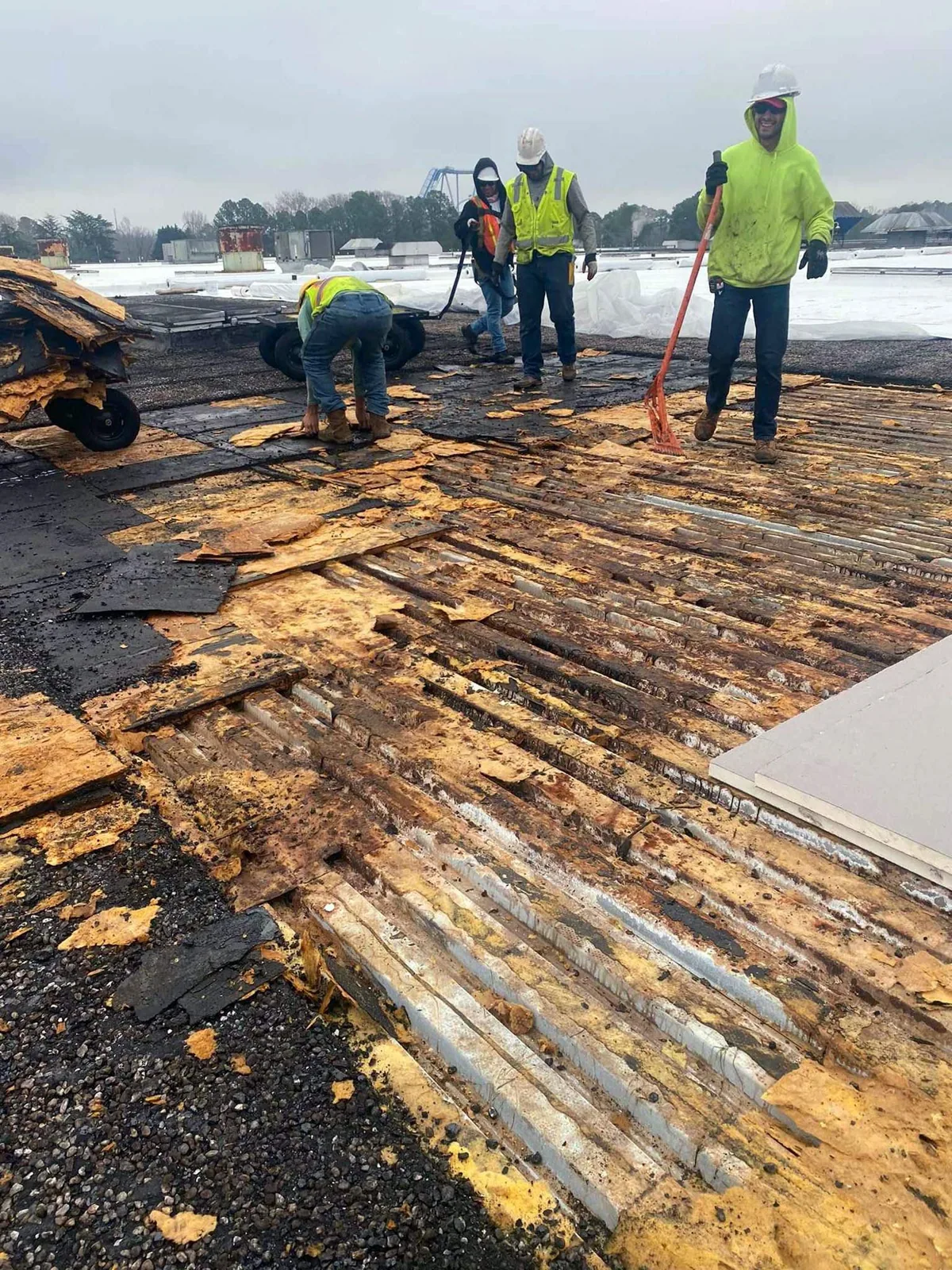
Readiness center, drill hall roof: a wide field of single-ply with ponding in the center bays, two vehicle-bay overhead doors whose head flashing has pulled loose, and a stack of old patches around a kitchen exhaust fan. The building is in regular use every month, and the roof has carried that use without a written plan. A finding of that kind tells an owner that the real exposure is not one leak but the absence of a record, because an armory roof is usually repaired when somebody notices a stain and almost never repaired on a schedule.
A Guard installation within reach of Thousand Oaks, CA is the Air National Guard station at Channel Islands, next to Point Mugu, where the 146th Airlift Wing is based. Armories and readiness centers elsewhere in the region share its basic roof questions: a large assembly volume, a motor pool or vehicle bays, administrative wings and a funding path that crosses state and federal lines. We survey those roofs, grade them and write the scope so a facilities manager can put a replacement horizon in front of whoever approves the money.
National Guard Armory Roofing
Property Types We Roof
Call our team
Written findings and options
Thousand Oaks, CA
Ventura and Los Angeles counties
Drill hall: a clear-span room under the largest surface on the site
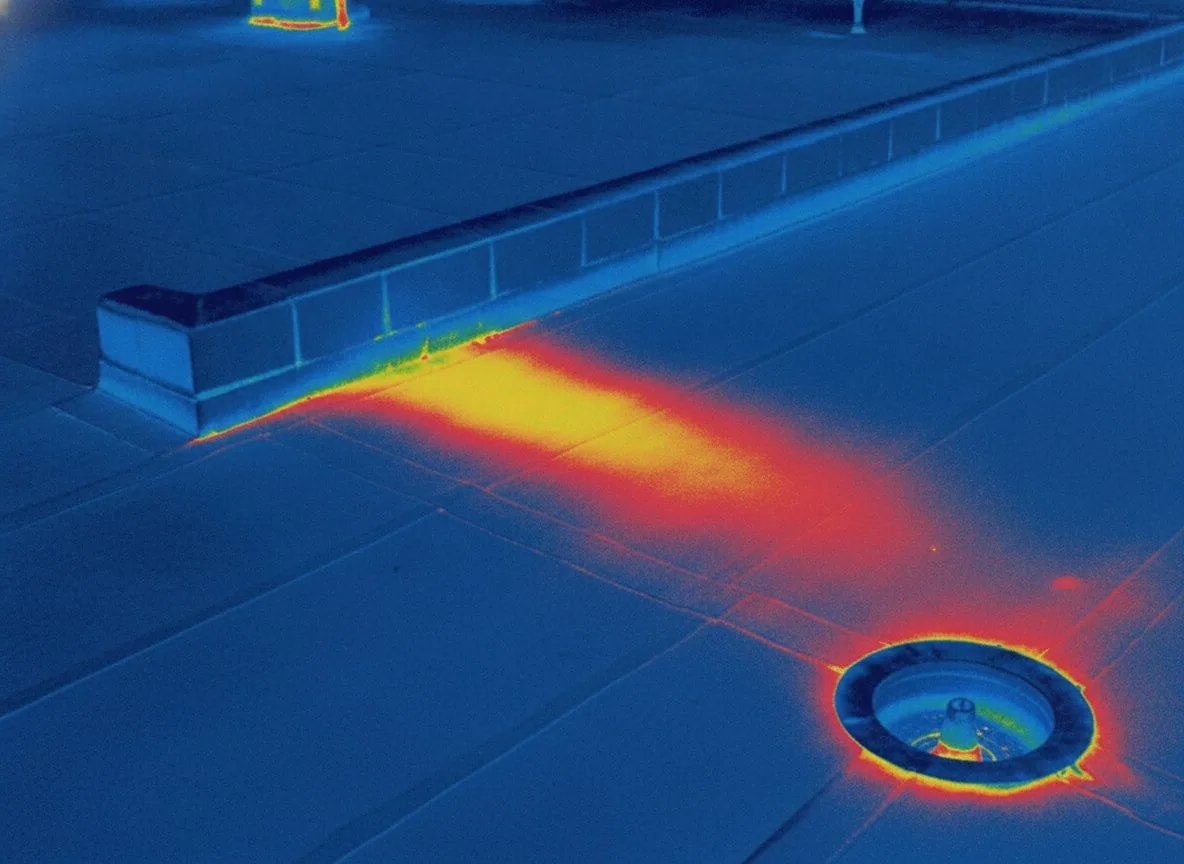
The drill hall is the signature space in an armory. It is a tall, open room built for formations, training and equipment staging, and it sits under the biggest uninterrupted roof surface on the property. Clear-span structure means few interior walls to interrupt a leak path, so water that enters at a parapet corner can travel along a bar joist or a deck flute and show up far from where it came in. That is why we trace entry points with moisture probing and, where the budget supports it, an infrared moisture survey before any repair is priced.
Drill hall roofs also tend to carry a lot of penetrations for their size: exhaust fans from kitchens and locker rooms, makeup air units for the hall, and roof hatches or ladders for access. Each one is a curb, a boot or a flashing that has to be graded individually. Ponding in the center bays, where deck deflection is greatest, usually warrants a drainage correction before a new membrane goes over it.
Station: the 146th Airlift Wing and its reload facility
The 146th Airlift Wing moved from Van Nuys to the Channel Islands Air National Guard Station in Oxnard between 1988 and 1990, and its facility sits on an adjacent 204-acre Air National Guard site next to Point Mugu. The wing flies Lockheed C-130J Super Hercules aircraft on airlift, aeromedical evacuation and aerial firefighting missions, the last using the Modular Airborne Fire Fighting System. A permanent fire-retardant reload facility completed in 2021 now stores five times its former 10,000 gallons, serving Air National Guard and U.S. Forest Service aircraft.
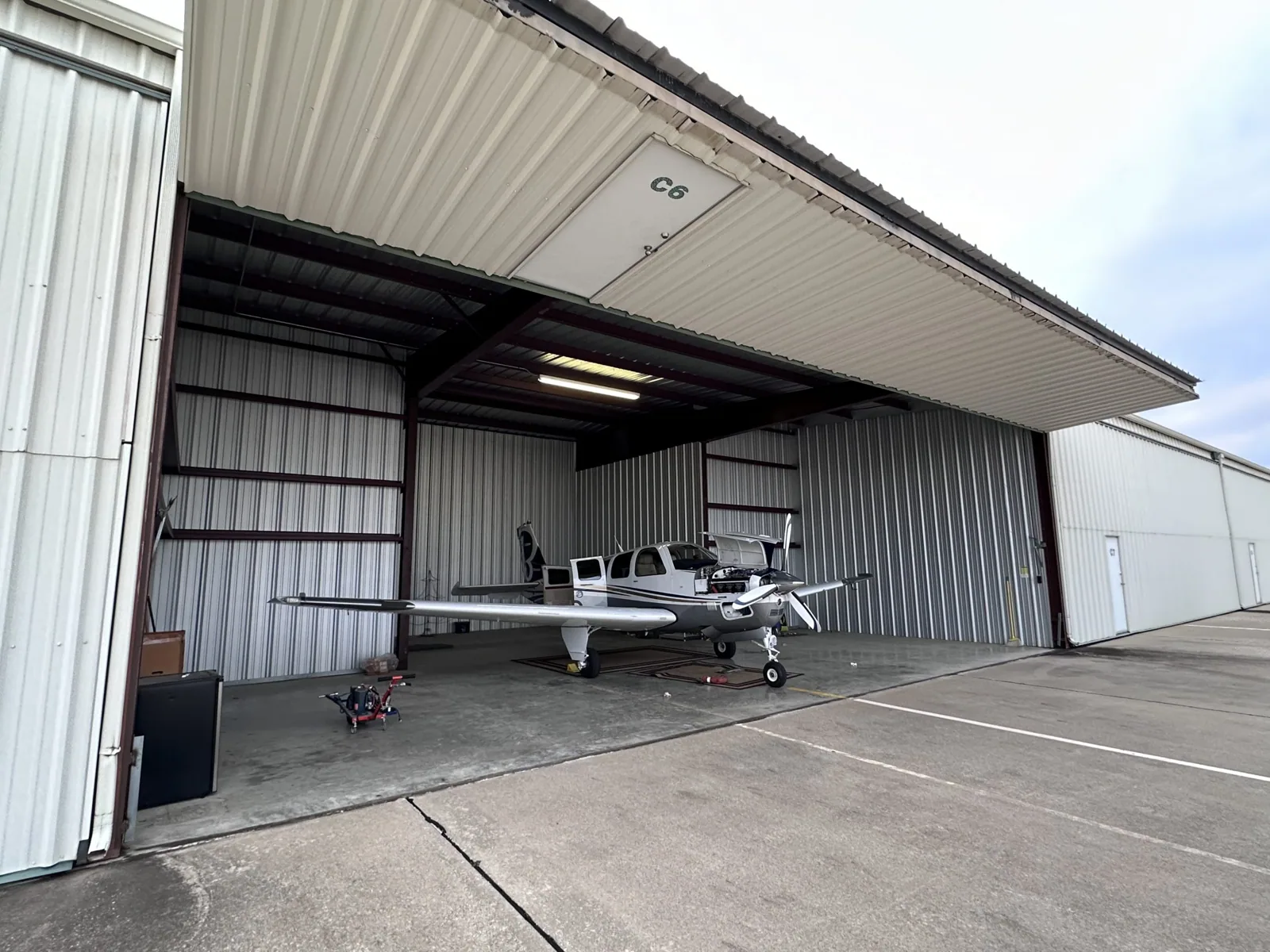
A station with that range of missions has aircraft hangars and a fire-retardant loading facility rather than only armory-style buildings, yet its facilities staff still manage them the way an armory manager does: by calendar, by funding line and by the condition of each roof. The hangars fall into the long-span category of military hangar and maintenance facility roofs.
Drill calendar: weekends, annual training and the work window
A Guard building is quiet on some days and full on others, and the schedule is fixed months ahead. Drill weekends bring units through the hall, vehicle bays and classrooms. Annual training pulls members away for stretches. Between those dates a crew can work with fewer people below, and a preventive roof maintenance visit fits neatly into the quiet weeks. We ask for the unit calendar first and set roof phasing around it, so noisy tear-off or hot work falls on a quiet week and the building is dry and tied in before the next muster.
A drill calendar is a construction constraint, not an afterthought. Before mobilizing, we set the roof zones, material drop points, escort requirements and daily closeout times with the installation contact. The plan keeps a clear route to the drill hall and avoids staging over vehicle circulation or active training space. Each opened area is protected before the crew leaves, and the facilities office receives a same-day record of work completed and any condition that changes the next shift. That makes a weekend work window usable without leaving Monday training dependent on an unfinished roof.
Where an armory is shared with community users, the schedule has one more constraint: a roof opening has to be sealed and the grounds cleared by the time guests arrive. The occupants set the working hours, as in any occupied building reroofing job, and the roofer plans to stay inside them.
Funding: state and federal dollars on the same roof
Guard facilities can draw on both federal and state resources, and a single building may have different parties responsible for different work. A set of roof condition reports that sorts defects into maintenance, repair and replacement, with a date and a photograph for each, helps a facilities manager show the approving office exactly what the problem is. It also helps an auditor see that the work followed a plan.
Where a federal Guard project applies the Unified Facilities Criteria for roofing, the assembly is specified under them together with the project's contract documents. We write submittals, mock-ups and inspection records to that standard, and we handle the access steps of badging, escorts and gate scheduling as part of the plan. A public owner comparing a repair now against a replacement later faces the same budget logic as on any government building roof.
Fire exposure: a firefighting wing in a fire-scarred valley
The Conejo Valley keeps a clear and recent fire record. The Woolsey Fire of November 2018 left 1,643 structures destroyed after it ran on 50 to 60 mph Santa Ana gusts through Thousand Oaks, Newbury Park and other communities, and when the Kenneth Fire flared in January 2025 the evacuation warnings reached Agoura Hills and Oak Park on the valley's eastern side. A wing that flies aerial firefighting missions works against a hazard that building owners across the region share, and a roof here needs the same attention to ember resistance: noncombustible or fire-rated assemblies, tight edge metal, clean gutters and drains free of ash and debris.
After a fire event, we walk the roofs for scorch, melted flashing, clogged drains and ash buildup, and log what we find for the insurer or the installation. The record for fire damage roof repair uses the same format as the baseline survey, so changes since the last walk are easy to see.
Commercial Roofing Questions
Why is a drill hall roof harder to diagnose than an office roof?
Its clear span lets water travel along joists and deck flutes, so the stain can sit well away from the entry point. We probe and map before we price a repair.
Can roof work wait for a quiet month on the training calendar?
Usually, and that is how we plan it. We ask for the unit schedule first and phase the roof around drill weekends and annual training.
What records does a Guard facility manager need from a roof contractor?
A sectioned roof plan, dated photographs, a condition grade for each area and a prioritized scope. These support funding requests and give auditors a trail.
Do armories fall under the Unified Facilities Criteria?
Federal Guard projects typically reference them through the contract documents. The specification for each project states which criteria apply, and we build the submittals to match.
Is ash from a nearby wildfire a roofing problem?
It can be. Ash holds moisture against the membrane and clogs drains and scuppers, so a post-fire cleanup and a drain check belong in the first week.